Mike Bartlett’s domestic thriller about a GP who suspects her husband is being unfaithful is carried a long way by Suranne Jones, who plays jealousy as a clinical procedure. The plotting is less careful than she is, and the town is smaller than any town.
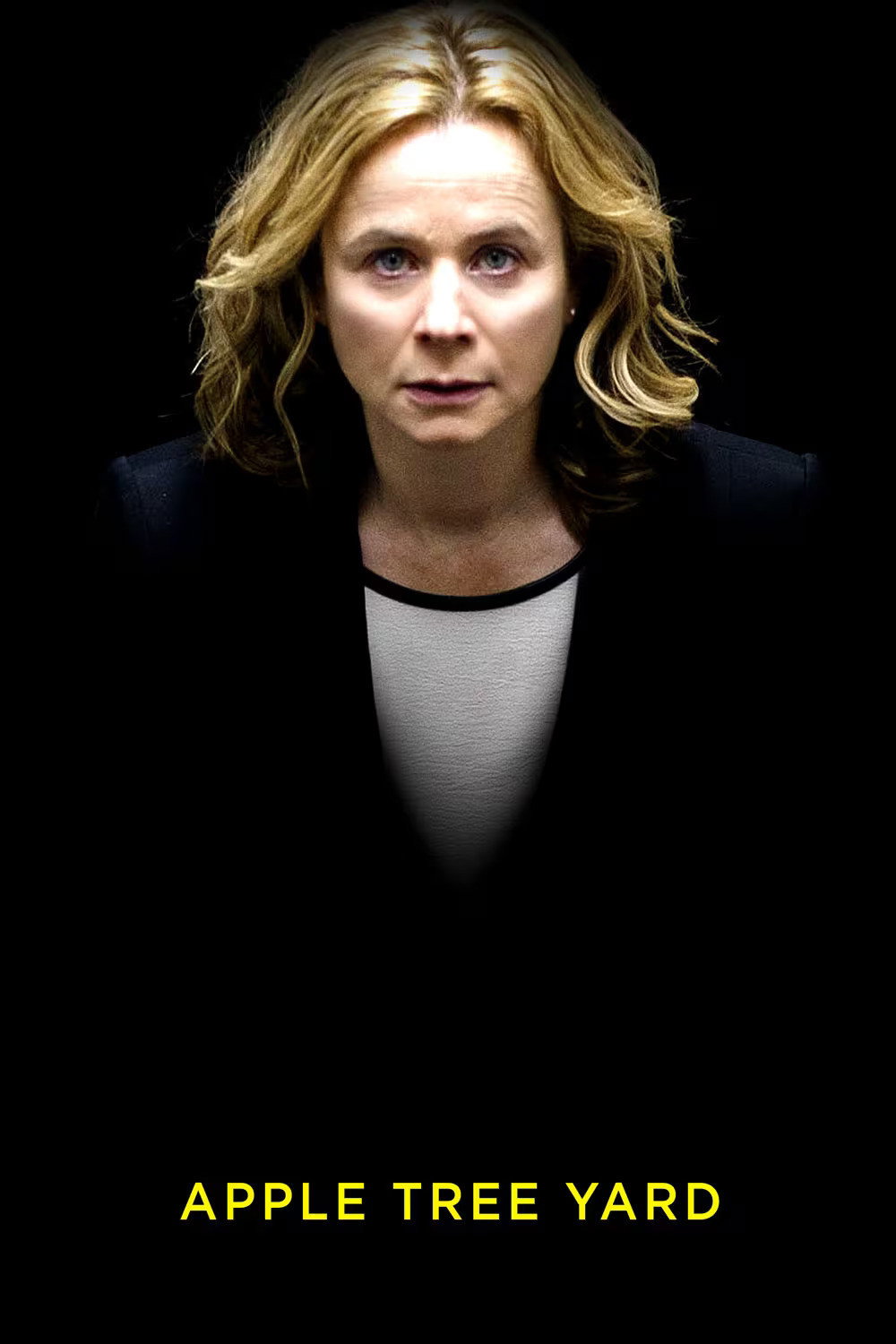
Dr Gemma Foster (Suranne Jones) has a practice, a son called Tom (Tom Taylor), a large light house and a husband, Simon (Bertie Carvel), who develops property and calls her darling. Then she finds a blonde hair on his scarf. Mike Bartlett, who created the series, builds five episodes of 54 minutes out of that hair and what Gemma does about it, and Tom Vaughan directs them at a clip that does not leave much room to ask questions. It is a good, tense, occasionally silly piece of television, worth five evenings if you like watching a marriage taken apart by somebody who knows where the joints are.
Jones is the reason to watch. Her Gemma is a doctor first and a wife second, and she treats her suspicion the way she would treat a lump: examine, test, rule things out, do not panic in front of the patient. Watch her in the consulting room in the early episodes, listening to somebody else’s symptoms while plainly running through her husband’s, and then watch her at home doing the same thing to Simon across the dinner table. The performance is nearly all held back. When it is finally let out, it counts.
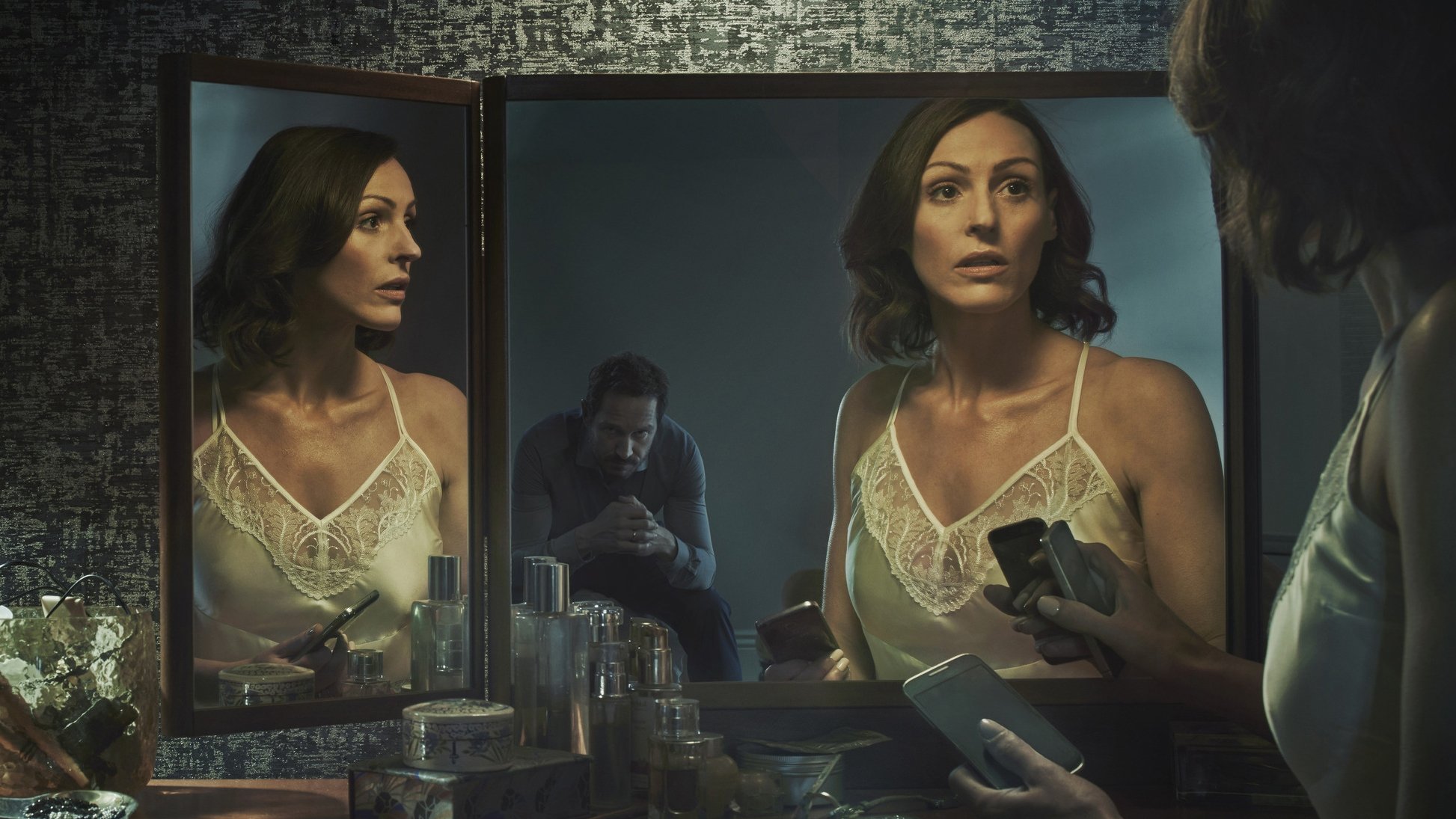
Carvel has the harder job and does it well. Simon is genial, boyish, hands in pockets, the sort of man who kisses you on the forehead on his way out of the door. Carvel plays him so that every scene can be read two ways, as a good husband being persecuted or a liar who has got comfortable, and he keeps that going for longer than we thought he could. The moment Gemma pulls the hair from the scarf and looks at it, and Jones’s face does almost nothing, our stomach went, because we already believed in the house and the marriage enough to mind.
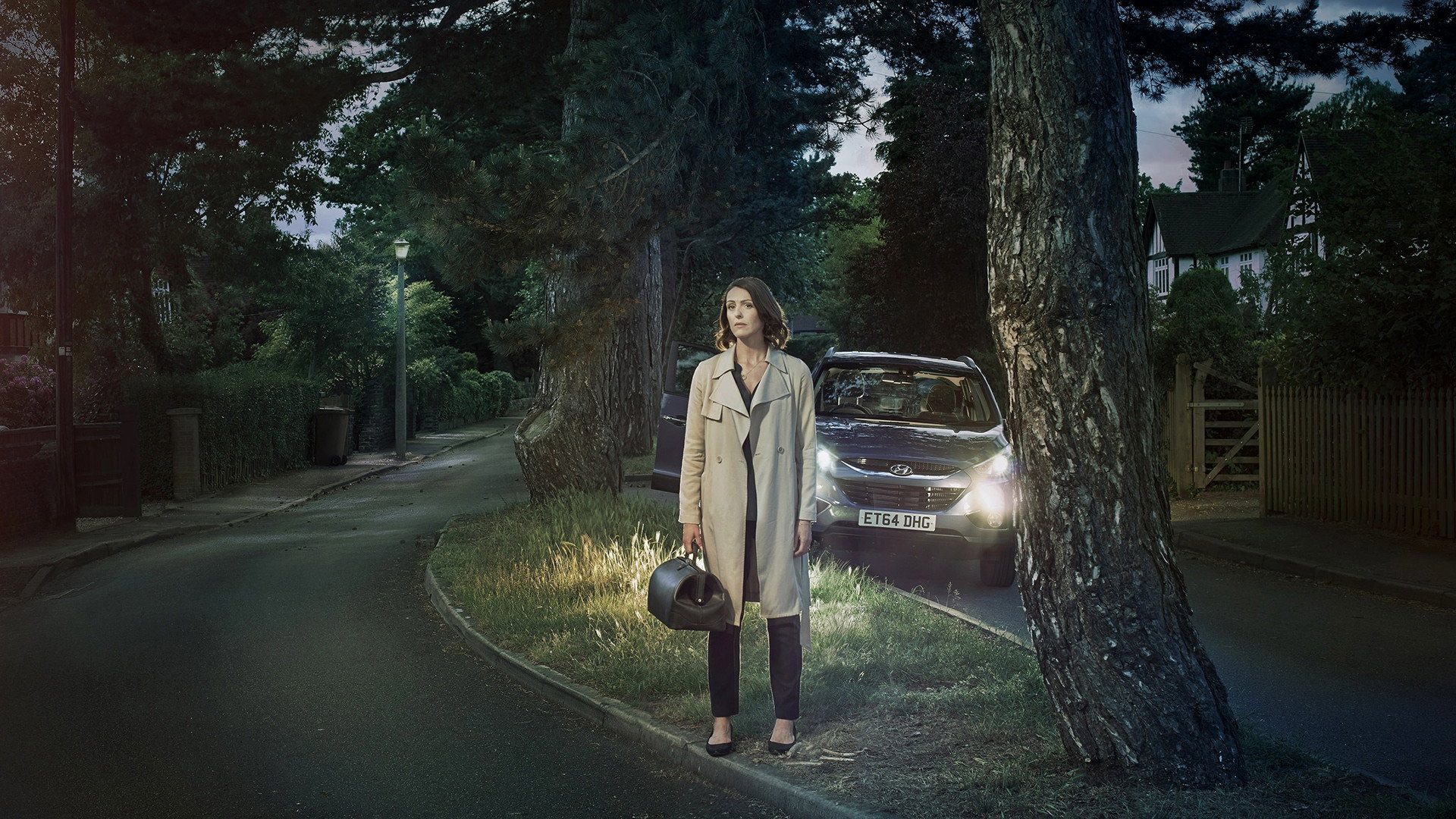
Ben Wheeler photographs all of this in bright, clean daylight. The kitchen is white, the surgery is white, the light comes through big windows and nothing is ever in shadow. One or two critics found this too bright for a story this dark, and we see their point; a thriller usually wants a corner you cannot see into. But it suits what Bartlett is doing. Gemma can see everything in her life quite clearly and still cannot tell what is true, and the flat cheerful lighting makes that worse rather than better.
The supporting cast is used unevenly. Thusitha Jayasundera’s Ros, Gemma’s colleague at the practice, is the one person who notices what Gemma is becoming and says so, and Jayasundera makes a small part feel like a whole person. Clare-Hope Ashitey’s Carly, the patient Gemma draws in, is a good idea that the script does not quite know what to do with. Jodie Comer, as Kate Parks, spends the first half being looked at rather than listened to, which is the point but is also a waste.
The plotting is where it wobbles. Everybody in this town is somebody’s patient, and Gemma’s access to their records and their bodies is used as a plot engine more often than is decent. We were appalled the first time she opened a file she had no business opening, and then we were appalled at how quickly the series stopped minding. People make speeches at each other in kitchens that sound written rather than said. And the second half of the series takes turns we will not describe, except to say that the coincidences start arriving two at a time.
A second series followed on 5 September 2017, in the same five-episode shape. It is louder and less careful, and Jones and Carvel are still worth the time. We would not start there.
It is a 15. Watch it two episodes a night rather than all at once; taken in a single sitting, the small town gets smaller with every hour, and you will start counting the people Gemma has not yet treated.