Robert Popper’s sitcom does one thing, thirty-six times, and does it well: two grown sons come home for Friday dinner, their father takes his shirt off, and the meal goes wrong. Paul Ritter is the reason it lasted six series.
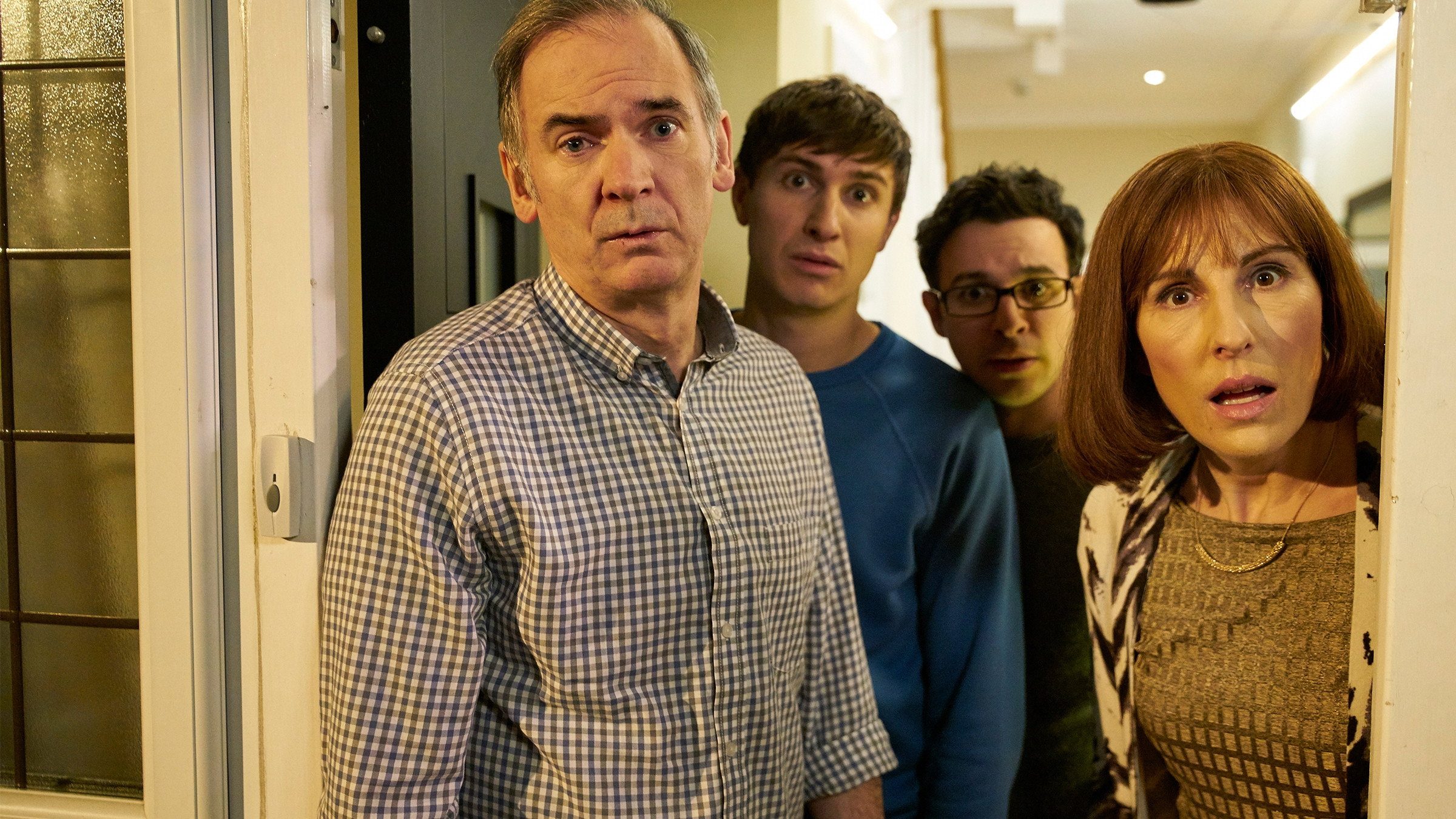
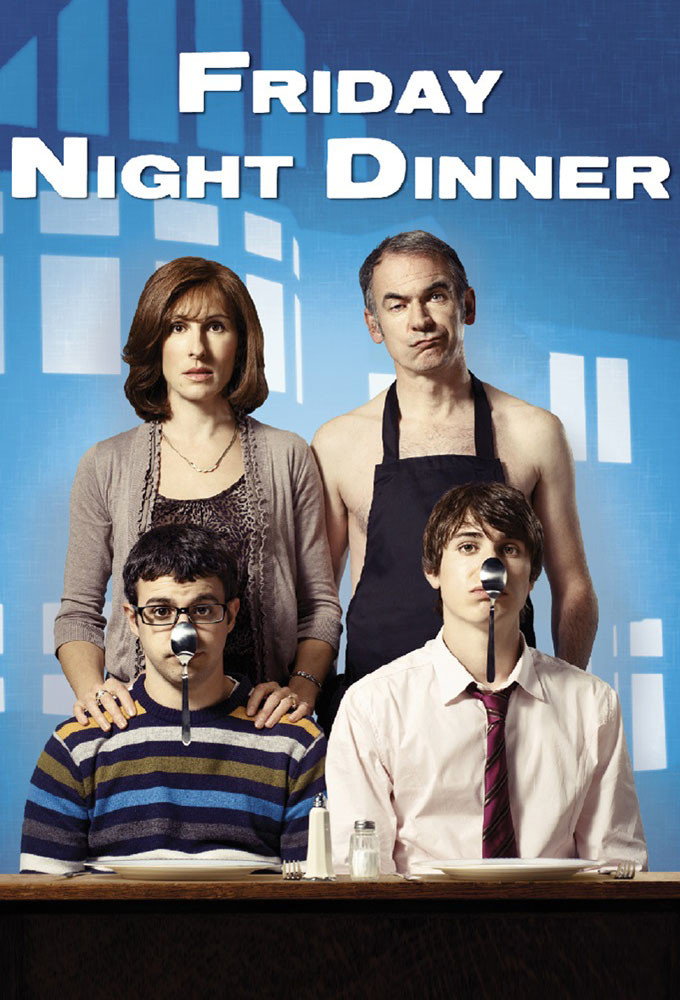
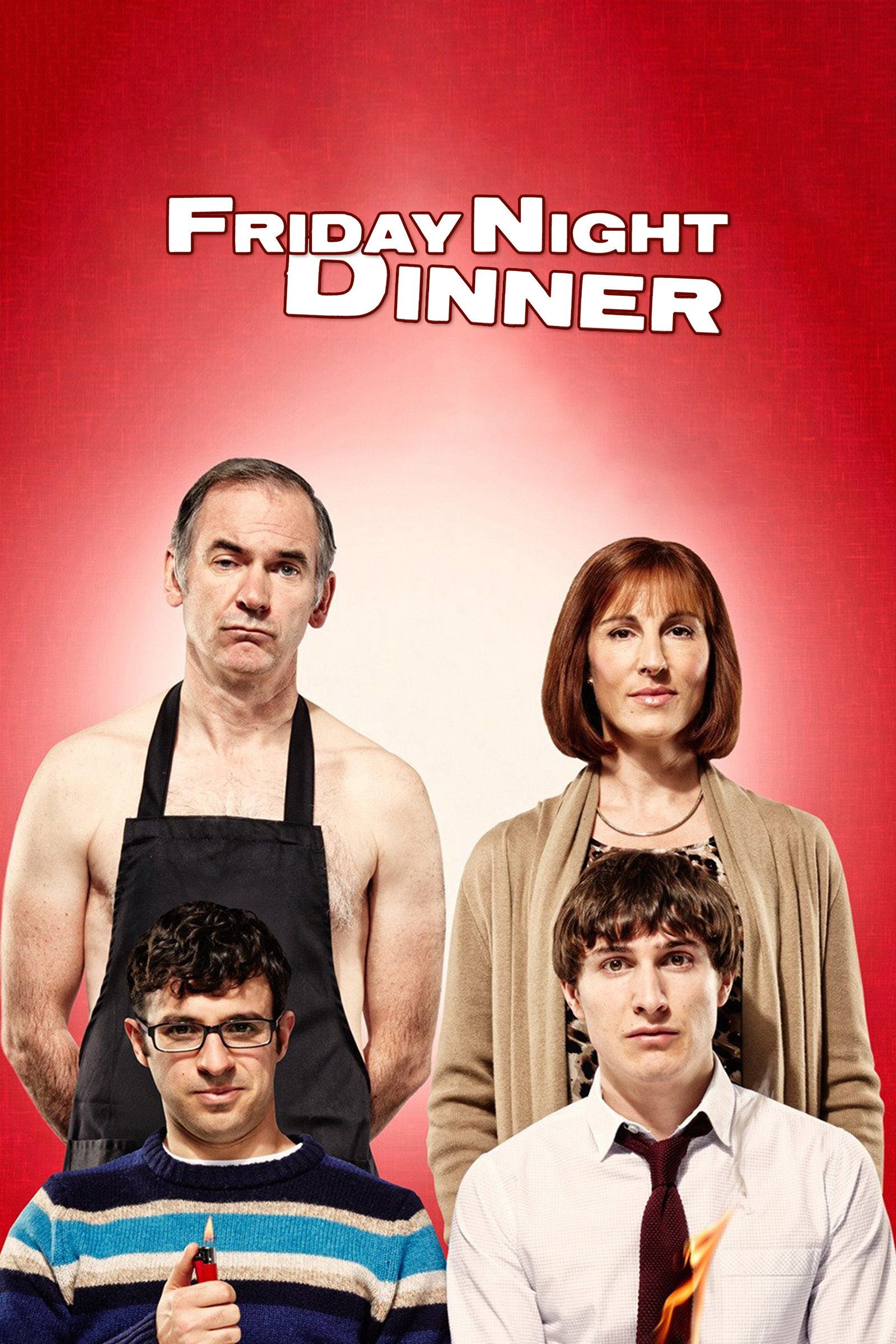
Robert Popper’s sitcom has one idea and never wavers from it. Two grown brothers, Adam (Simon Bird) and Jonny Goodman (Tom Rosenthal), go home to their parents every Friday for dinner. Their mother Jackie (Tamsin Greig) has cooked. Their father Martin (Paul Ritter) has taken his shirt off. Something goes wrong before the food reaches the table. Popper wrote all thirty-six episodes, six series of six between 2011 and 2020, and the shape of the last is the shape of the first. It is small, well made and reliably funny, and if you like your comedy in one house with the same five people in it, it will see you through a great many evenings.
Ritter is the reason to watch. Martin Goodman is always boiling, so the shirt comes off in the hall before anyone has sat down, and he cannot see food thrown away without rescuing it, so the bin is a second larder. He says “shit on it” when things go wrong, which is about once a scene. Ritter does not play him as a clown; he plays a man entirely at ease and puzzled that anyone minds, and the joke is the contentment. Greig gives Jackie the patience of a woman who has run this evening for thirty years and still hopes it will go well. She greets the boys with “hello bambinos” and spends the rest of the episode saying “Martin” on a rising note.
Bird plays Adam close to the put-upon boy he played in The Inbetweeners (2008), older and no wiser. Rosenthal’s Jonny is the sharper brother, the one who gets the salt into the other’s water first. Their war is fought in playground terms: names, hidden salt, a hand clamped over a mouth. They have jobs and flats, and the moment they cross the doorstep they are twelve again. The pranks are exact, and the parents never notice them, because parents do not.
Mark Heap’s Jim, from next door, arrives in most episodes with his dog Wilson, of whom he is frightened, and a question that could have waited until Monday. He is in love with Jackie and cannot look at her. Heap plays a man whose every sentence sets off with confidence and has to be rescued halfway through, and in the first series we laughed hardest at him. By the fourth we were wincing for him and wanting the script to let him win once, and it never quite does.
Martin Dennis and Steve Bendelack direct it as single-camera farce with no studio audience, almost entirely inside one house: hall, kitchen, dining room, garden. The camera sits at about table height and the cuts land on faces rather than lines, so Ritter’s calm after a disaster gets the laugh the disaster set up. Each episode is thirty minutes and built the same way: a guest or a problem arrives early, dinner is delayed, somebody ends up in the garden. The guests, among them Frances Barber, John Sessions and Paul Kaye as a rabbi, are absorbed by the house rather than allowed to change it.
Watched one a week, as broadcast, the repetition is the pleasure; you know the shirt is coming off and the doorbell is coming. Watched three in a row it turns into wallpaper, and by the third episode of an evening we noticed we were smiling at things we had laughed at an hour earlier. The show has nothing to say about families beyond the observation that they are the same every week. Whether that is its point or its limit depends on how many you have just watched.
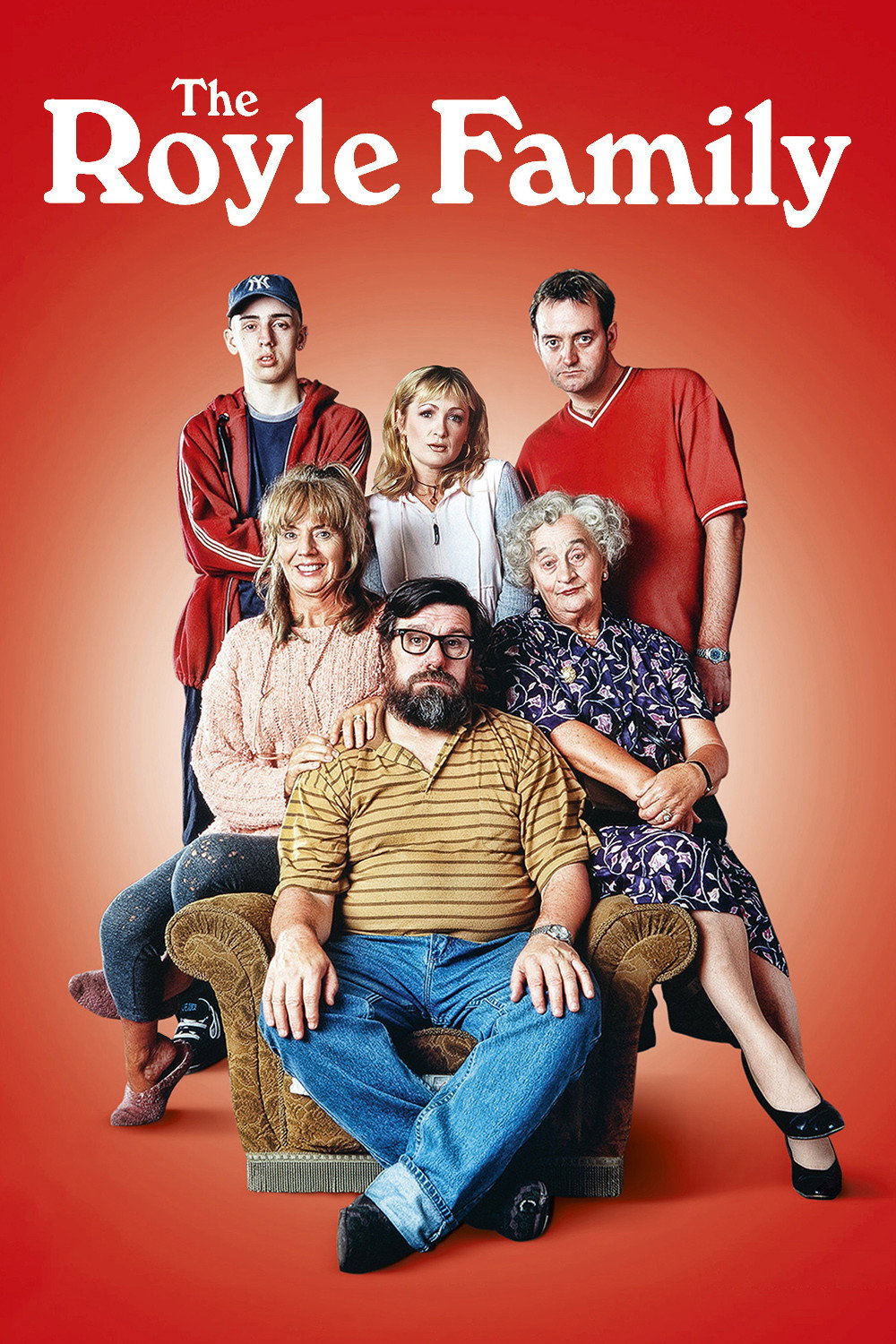
Critics have never agreed on it; the reviews run from adoration to something close to disgust. We think the ones who found it bleak were looking for a story, and there is not one. The Royle Family (1998) never left the sofa and found something sad there. Popper has no sadness in him. The Goodmans are happy, the house is warm and nobody is upset for longer than a scene.
Take it as it was made, one or two at a time, with someone who has a family of their own to recognise. It carries a 15 certificate. Nobody in it ever finishes a meal, and after thirty-six episodes we had stopped expecting them to.