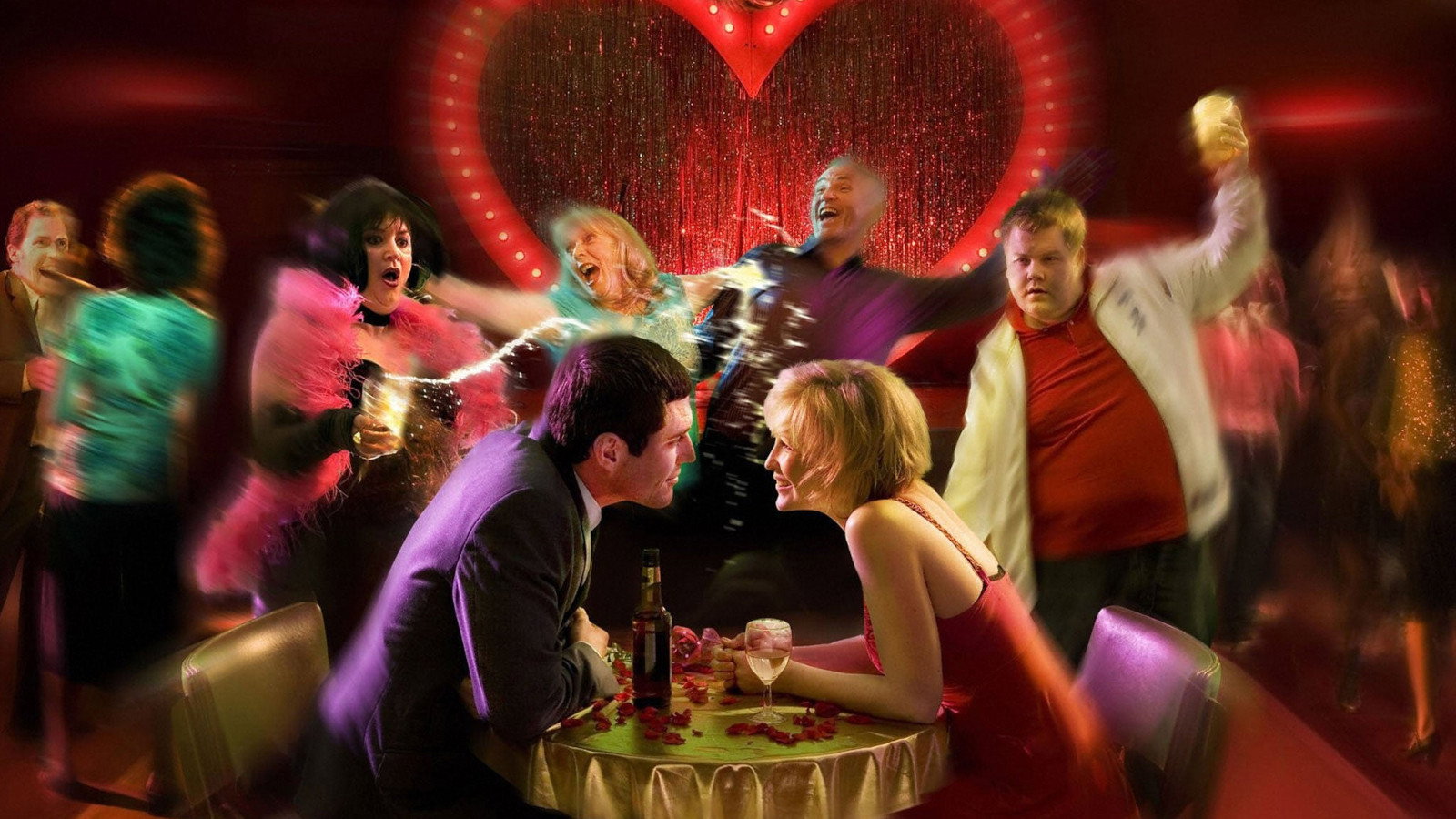
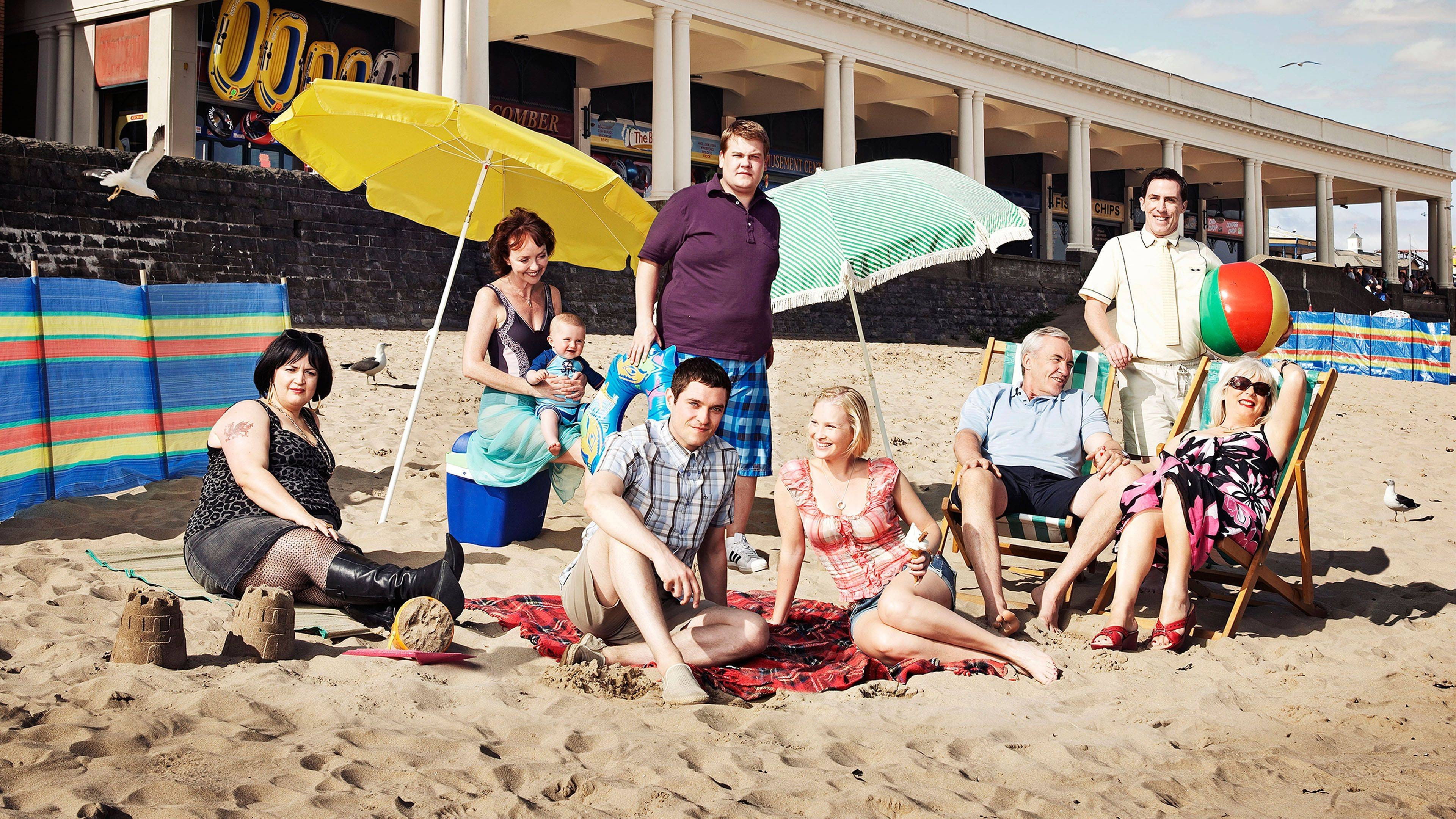
Gavin & Stacey is a warm, sharply performed comedy whose supporting players provide the biggest laughs. The central pair are less distinctive, but Ruth Jones and James Corden make the imbalance enjoyable.
Gavin & Stacey is good company, and considerably funnier than that description might suggest. Creators and writers Ruth Jones and James Corden understand how much comedy comes from people who expect to be accommodated without having to explain themselves. Their central characters give the programme a gentle starting point, while the supporting cast keep finding ways to make themselves the centre of attention. We recommend it warmly, with one reservation: Gavin and Stacey can seem underwritten beside the people whose names did not make the title.
Mathew Horne’s Gavin and Joanna Page’s Stacey are played with an affection that never demands applause for being kind. Horne keeps Gavin’s reactions modest, and Page gives Stacey enough openness to stop that gentleness becoming entirely bland. They are pleasant people to spend time with, which counts for something in a comedy, though their scenes do not always have the bite of those around them. Page is the more expressive of the pair, and her performance gives the quieter exchanges some welcome life.
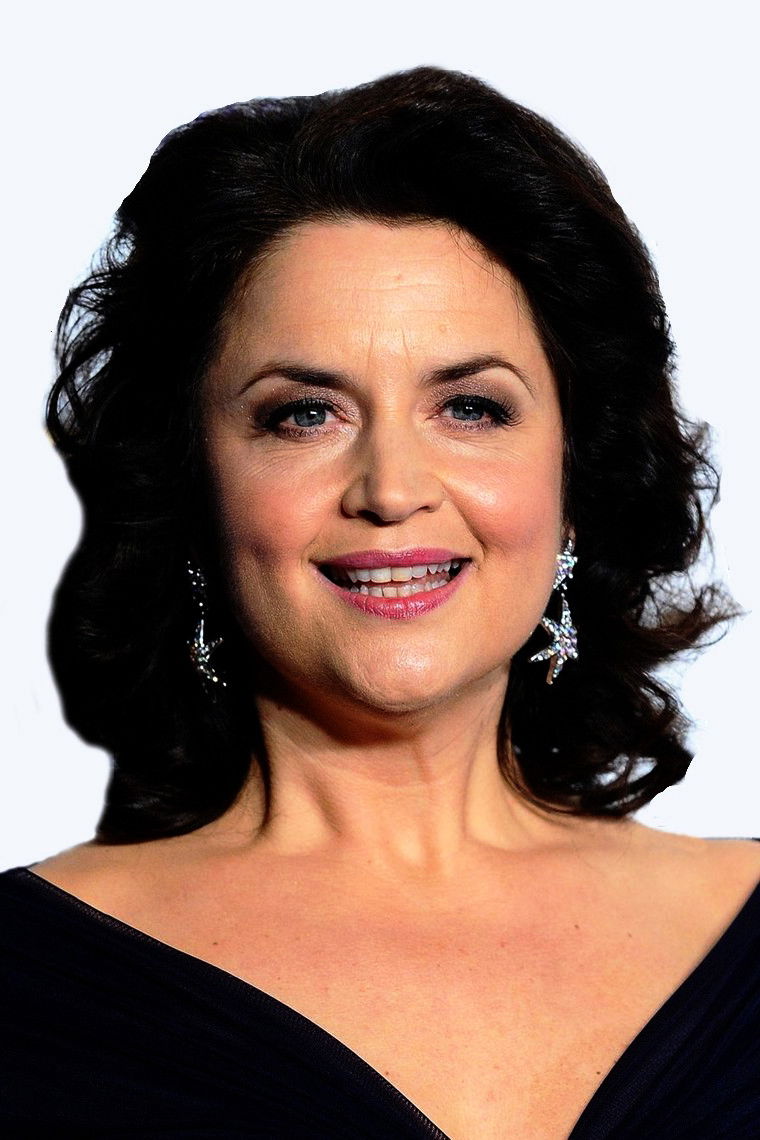
Jones gives Vanessa Jenkins, or Nessa, the strongest comic presence. Her flat delivery suggests that other people’s expectations are their own unfortunate problem, and she does not hurry to make a blunt answer charming. We laughed at the sheer impatience in her delivery, and at how little she does to invite the laugh. Corden’s Smithy is more expansive, with a delivery that presses harder for attention and occasionally makes us appreciate Jones’s restraint all the more.
Alison Steadman, as Pam Shipman, has the comic precision to make an overreaction feel quite reasonable to the person having it. Larry Lamb’s Mick is a welcome steadier presence, while Rob Brydon’s Bryn West supplies a different kind of eagerness. Melanie Walters gives Gwen West a softness that matters among performances so ready to demand attention. Director Christine Gernon keeps these differences clear without making every exchange feel like a contest to deliver the winning line.
Doug Hallows’s cinematography is unobtrusive, leaving room for faces to register what they make of whoever is speaking. That suits a programme in which listening can be almost as funny as talking, particularly when the delivery is broad and the response is not. Liana Del Giudice’s editing gives those reactions enough time without treating every pause as an event. The presentation is modest, but it serves the actors rather than competing with them for our attention.
The writing is less secure when simple likeability has to carry an exchange. Jones and Corden give their own characters such firm rhythms that Horne and Page can seem to be waiting for another interruption to arrive. The affection remains, but it does not make the central pair as interesting as their company. A little more awkwardness in Gavin and Stacey themselves would have helped; the supporting performances make their comparative smoothness difficult to overlook.
By domestic sitcom standards, the welcome achievement is how little cruelty the humour needs. The programme lets someone be ridiculous without insisting that we feel superior, which makes its gentler passages worth having even when they are not especially funny. It is an easy series to settle into, provided broad supporting characters are part of the attraction. Try it when there is company on the sofa and no appetite for a comedy that makes everyone contemptible.