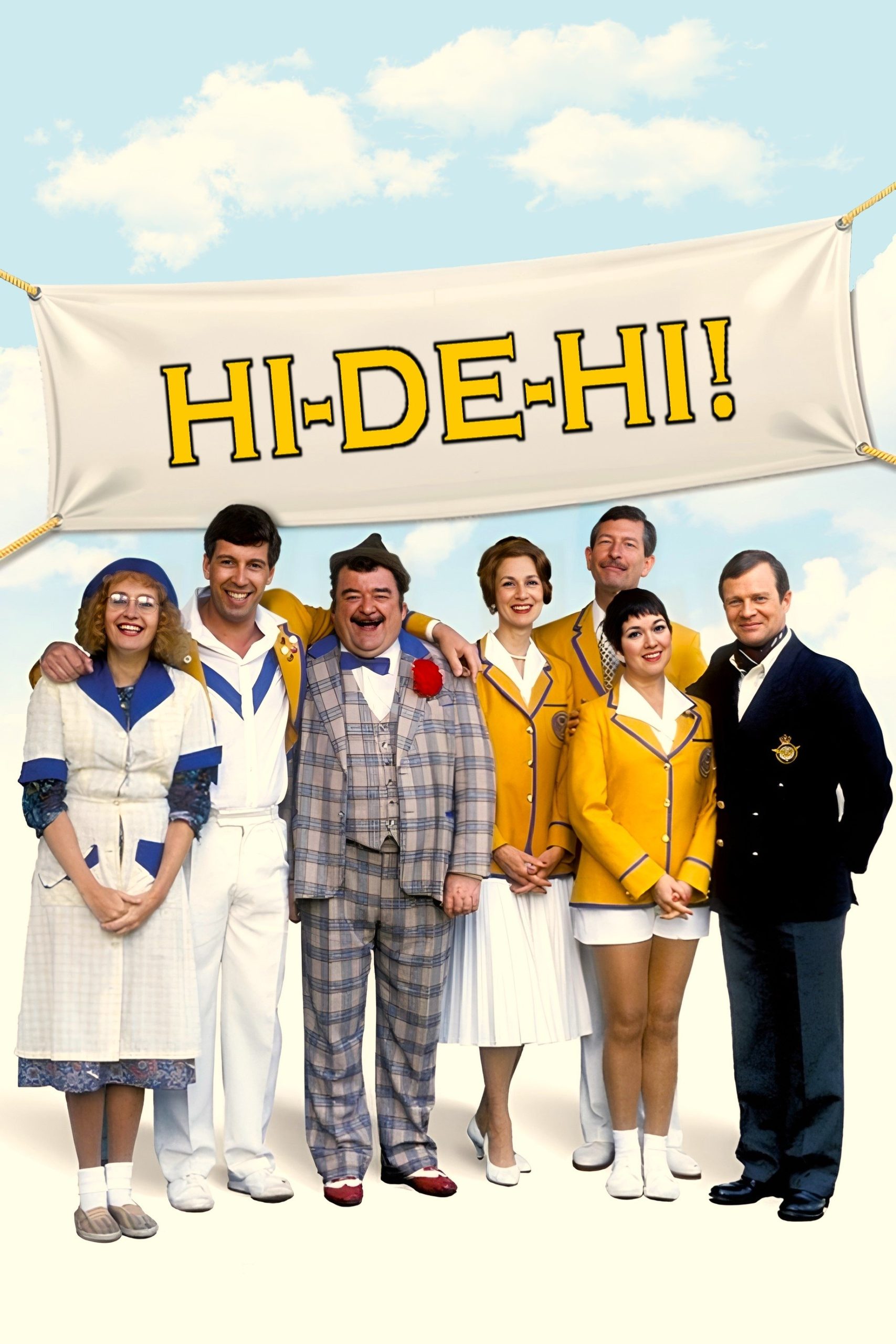
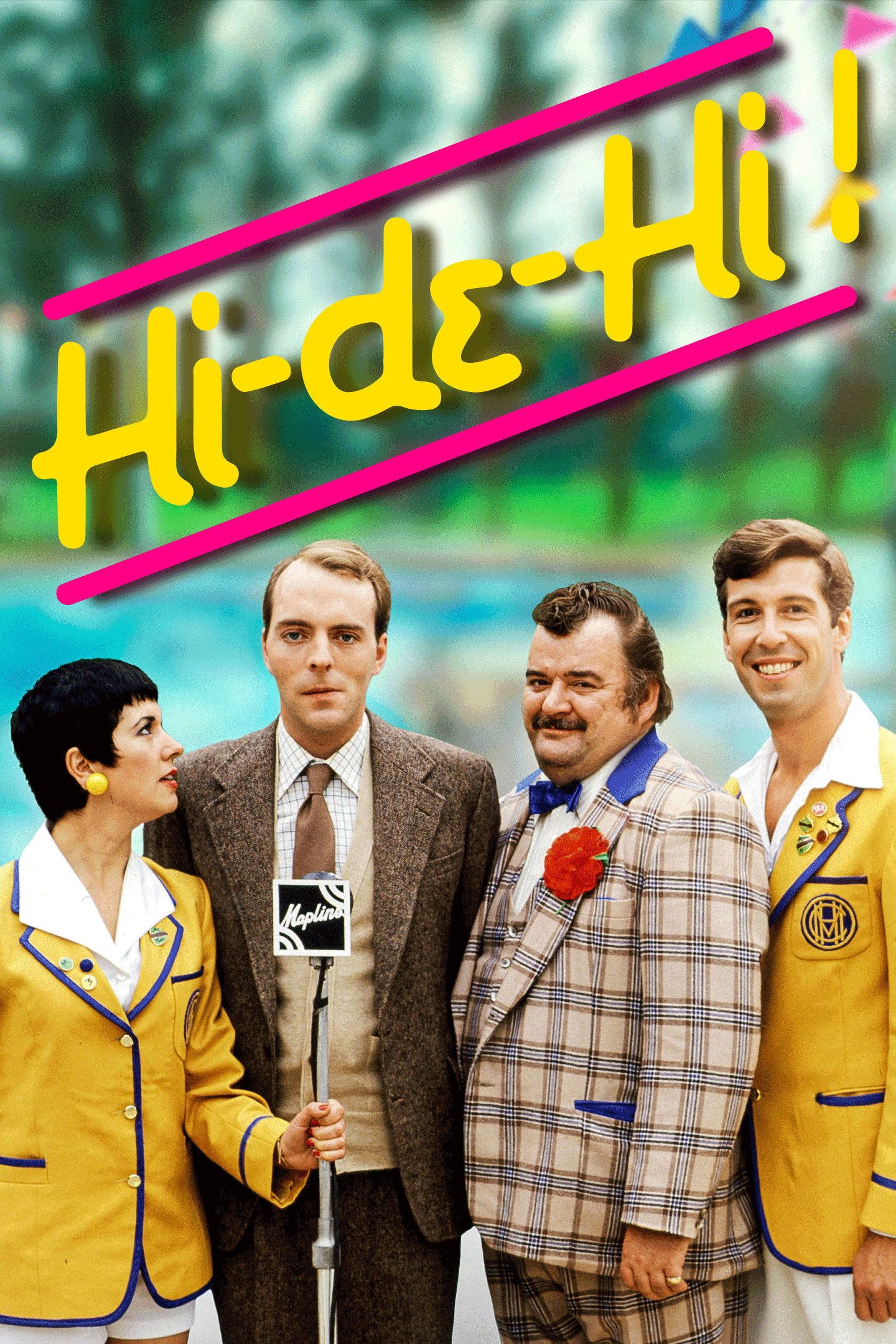
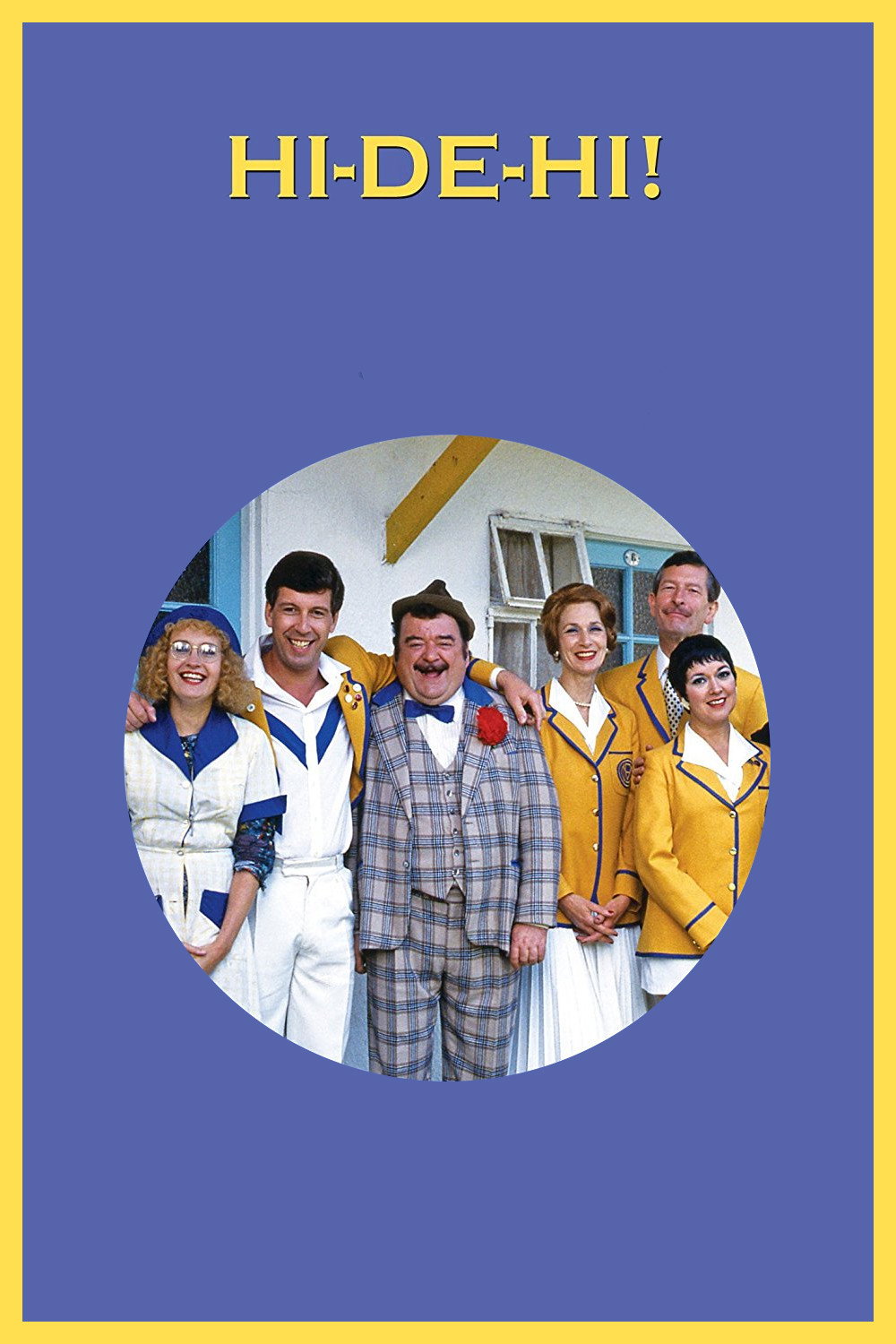
Perry and Croft’s holiday-camp sitcom is as broad as its yellow blazers and warmer than it has any need to be. The pool gag comes round every episode; so, more surprisingly, does a real sadness about people paid to have fun.
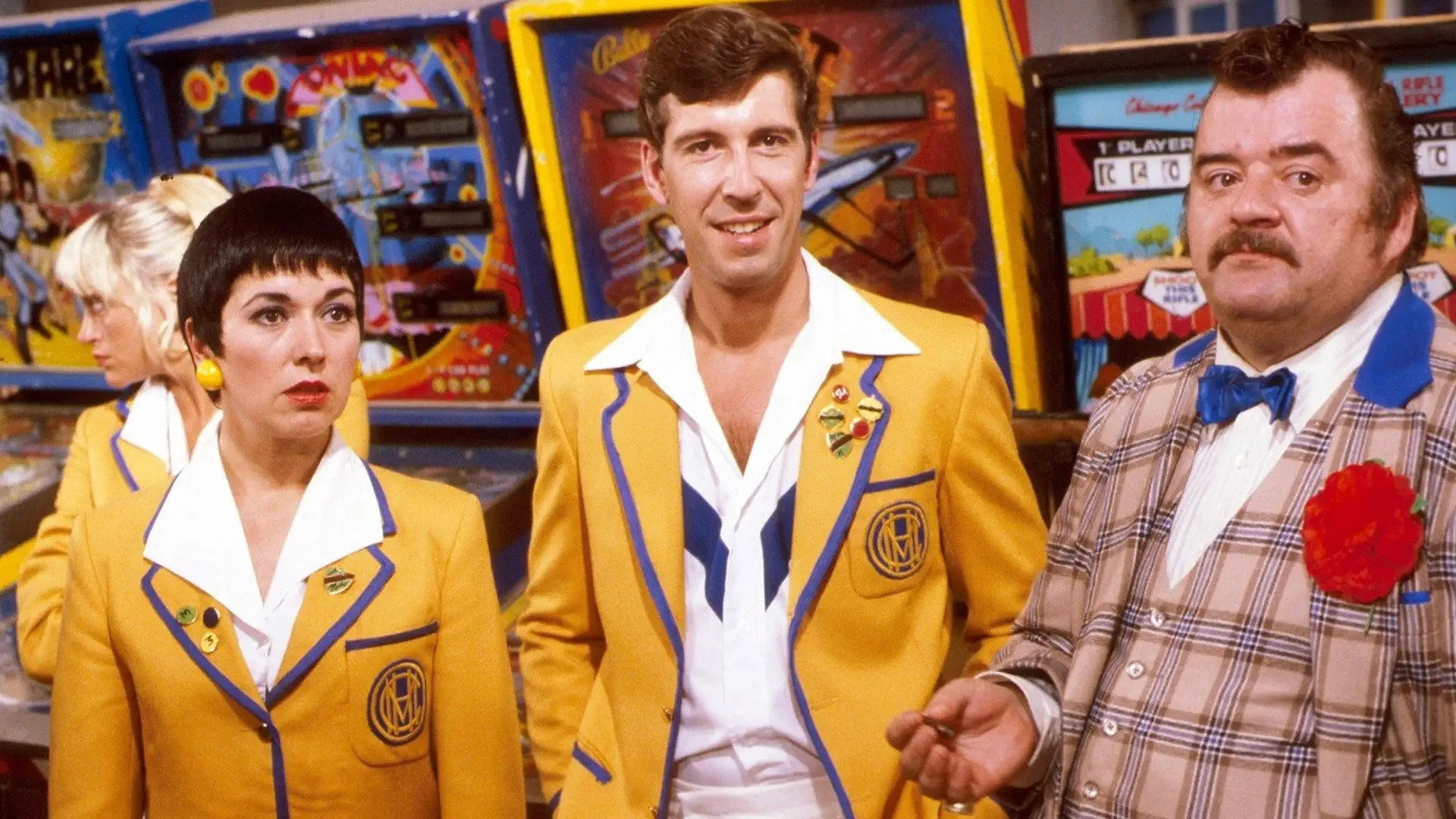
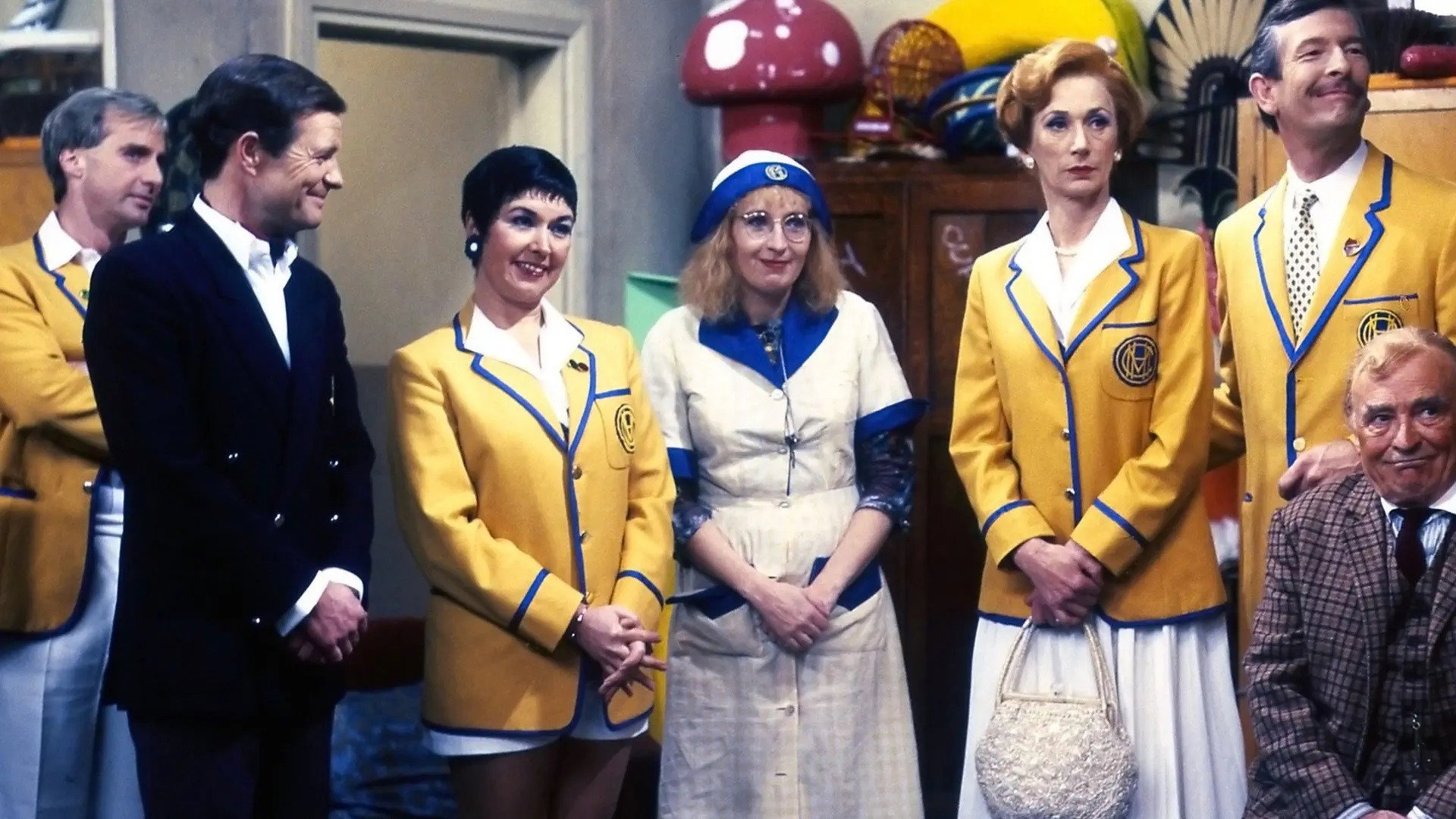
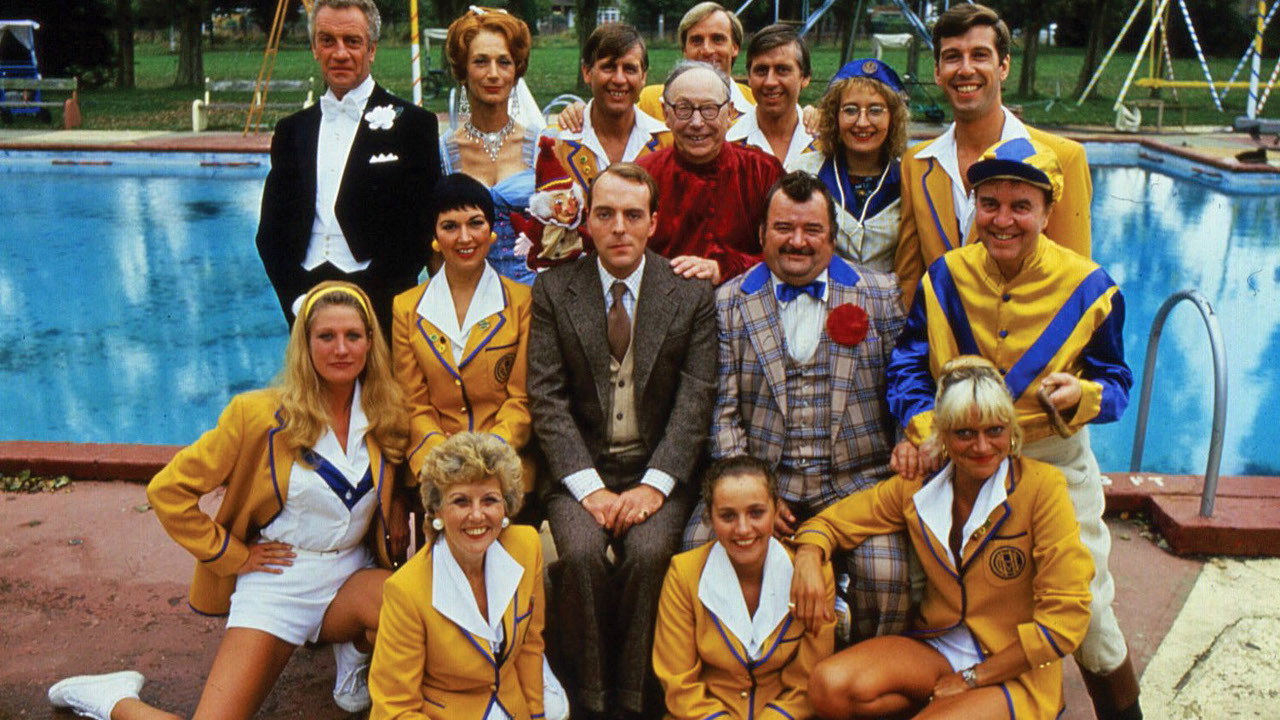
Jimmy Perry and David Croft had already sent the Home Guard to war in Dad’s Army, and here they go back to the summer of 1959 and a holiday camp called Maplins at Crimpton-on-Sea. It is the last year before the sixties got going, and the series knows it. The chalets are damp, the tea is stewed, the entertainment is a knobbly-knees contest, and abroad is somewhere other people go. The series is broad, warm and fond of its people, and it ran for nine series and 58 episodes on jokes it was happy to tell more than once. We recommend it, and we recommend it in single helpings.
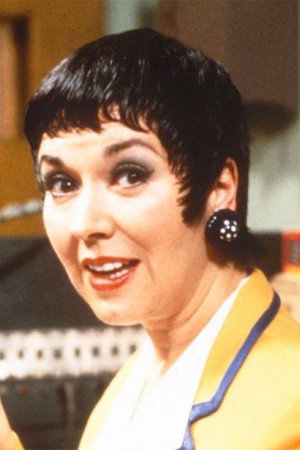
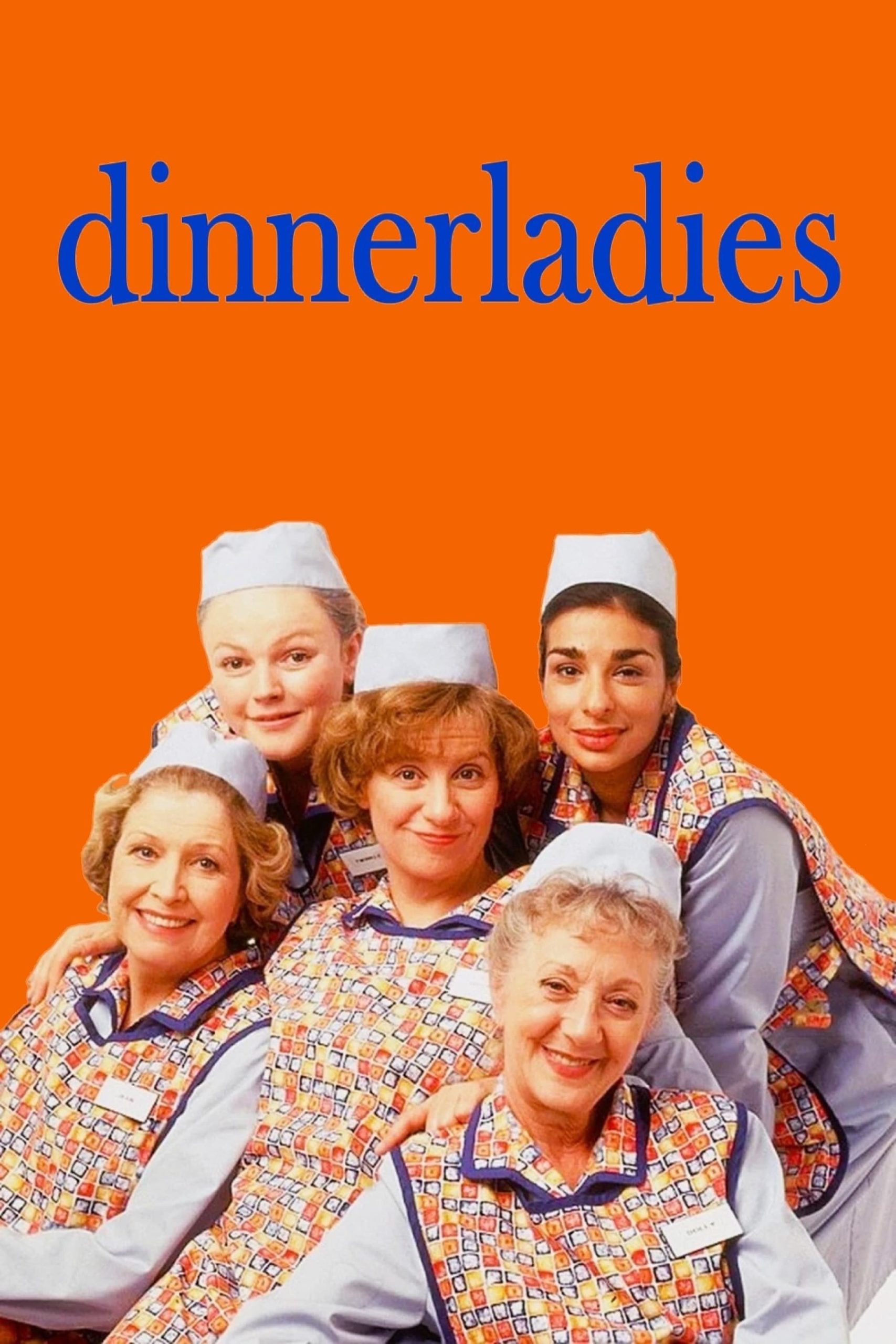
Ruth Madoc is the centre of it. Gladys Pugh is chief Yellowcoat, the woman who rouses the campers over the tannoy each morning, and Madoc gives the daily greeting a Welsh purr that has nothing to do with breakfast. She has set her cap at the new entertainments manager, Jeffrey Fairbrother, a Cambridge academic who arrives in a suit and cannot understand why the campers keep laughing at him. Madoc plays the pursuit as a campaign. We found we were smiling as soon as she leaned into the microphone, before she had said anything funny, which is about the highest compliment a sitcom performance can be paid.
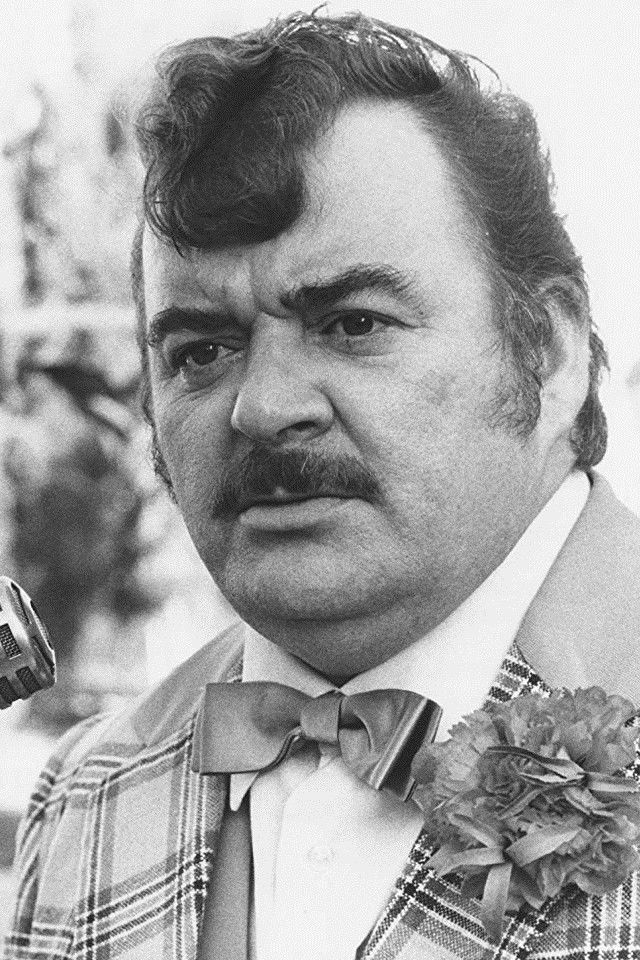
Paul Shane’s Ted Bovis is the camp host, a man who has done twenty summers of this and has a scheme for every one of them. Shane sings the theme, Holiday Rock, over the titles, and he plays Ted as someone who would sell you the pool if he thought you could carry it away. Jeffrey Holland is Spike Dixon, his apprentice, who arrives wanting to be a comic and spends most of his time in a gorilla suit or the water. The pool gag returns every episode. Croft, directing, times it the same way each time, and it works the same way each time, which is either laziness or an understanding of what the audience came for. We decided it was the second.
The one who got at us was Su Pollard. Peggy Ollerenshaw is a chalet maid who wants to be a Yellowcoat more than she has ever wanted anything, and she is turned down, kindly, more or less weekly. We expected to find her shrill; the glasses and the squawk are built for it. Instead Pollard plays hope, not gormlessness, and the recurring refusal moved us a good deal more than a joke about a woman with a mop has any right to. There is real sadness in a place that sells fun to people on a week off and cannot spare any for its staff.
Around them Perry and Croft stock the camp with types they plainly know from life. Barry Howard and Diane Holland are the Stuart-Hargreaveses, ballroom dancers who consider Maplins a comedown and say so to anyone who will listen. Felix Bowness is Fred Quilley, a jockey warned off the turf who now runs the donkeys with the gravity of a man at Newmarket. Nikki Kelly’s Sylvia Garnsey and Penny Irving’s Mary fill out the Yellowcoats. Nobody is written with much depth, but everybody is written with affection, and the cast return the favour. Croft and John Kilby produce it in the BBC manner of the time: a studio, an audience, and a run of exteriors at a real camp with rows of chalets and an open-air pool that looks cold even in sunshine.
The flaws are the flaws of the form. Plots come round again. The jokes are signalled from some distance, and a few of them belong to 1959 as firmly as the setting does. The later series, after cast changes we will not go into, have David Griffin’s Clive Dempster in the office and Ben Aris’s Julian Dalrymple-Sykes on the dance floor, and they sit a notch below the early ones. Nine series is a long time to keep falling into the same pool.
Set beside Dad’s Army it is smaller and simpler, and it lacks that show’s habit of turning a joke into something sad without warning, except when Pollard is on screen. Against most sitcoms of its decade it is gentler and better cast than it needed to be. Watch one on a wet Sunday afternoon with a cup of tea, and then stop. A whole series in an evening will show you how few plots it has, and nobody was meant to see it that way.