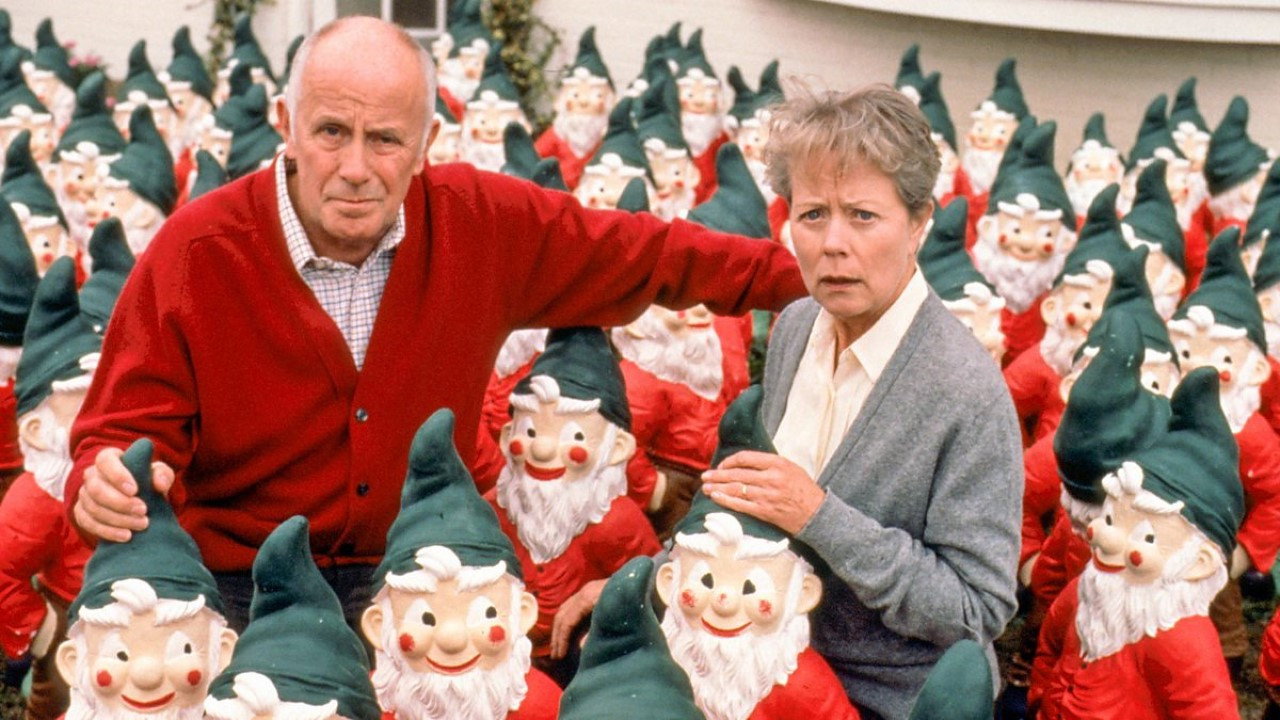
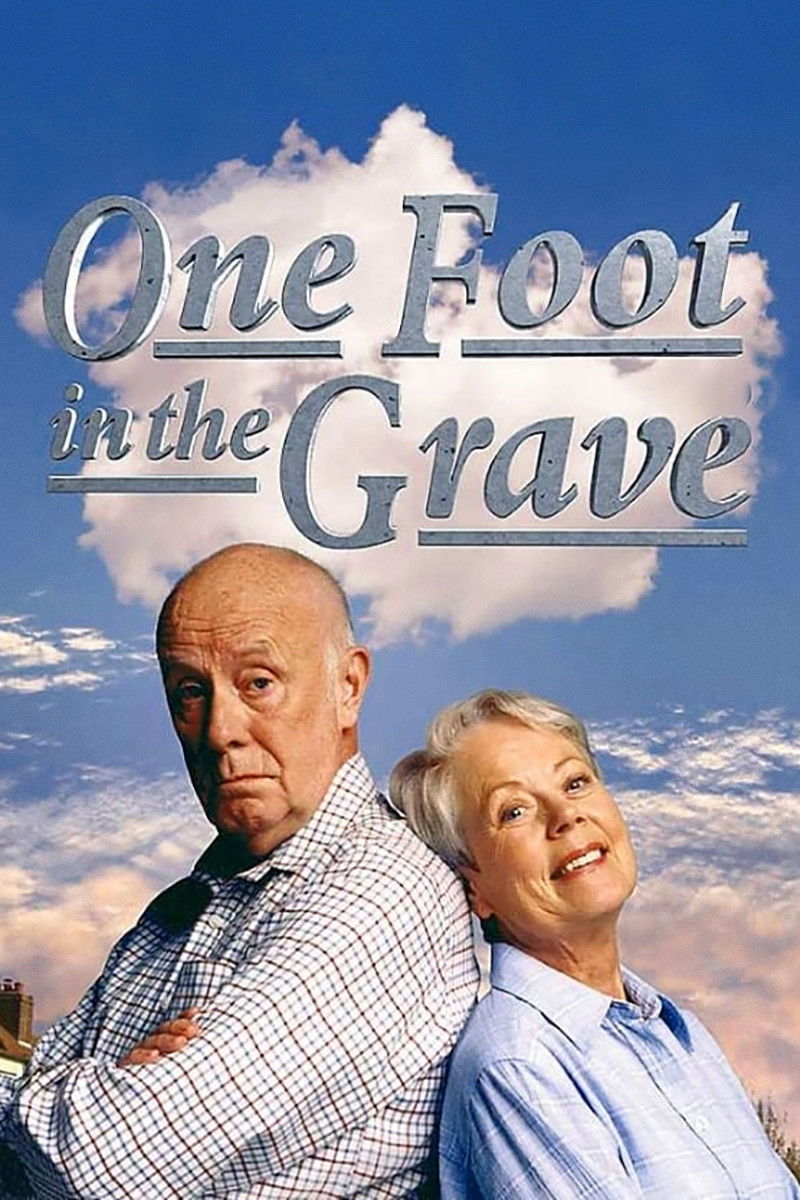
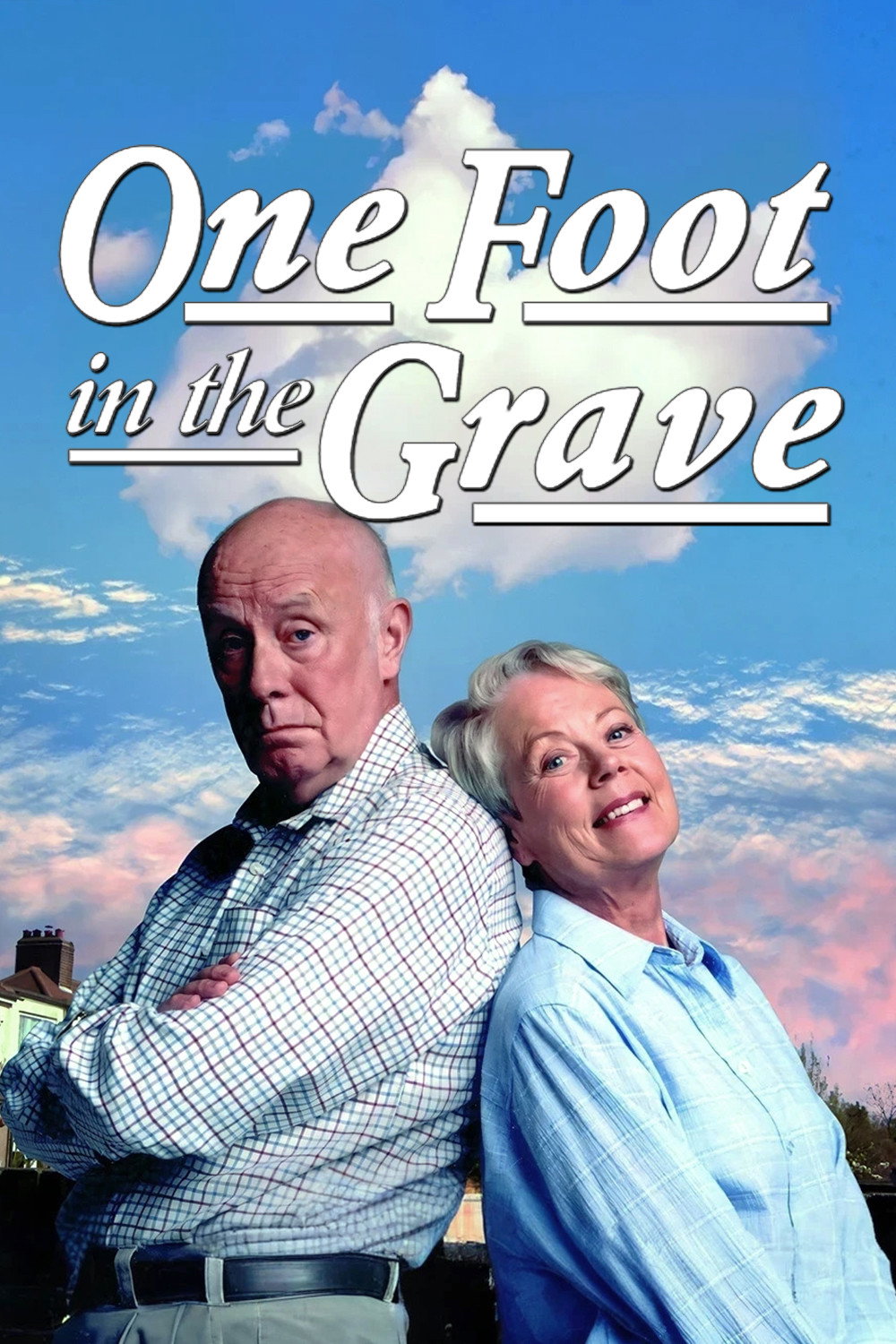
Richard Wilson and Annette Crosbie make David Renwick’s retirement comedy sharply funny and unexpectedly painful. The plotting occasionally strains to create another grievance, but the performances give us ample reason to stay with this difficult company.
One Foot in the Grave is a sharply funny comedy about retirement, with enough feeling beneath the complaints to make its occasional plotting clumsiness worth forgiving. David Renwick, the creator and writer, takes Victor Meldrew’s bad temper seriously, including its effect on the people around him. The anger is funny because it is disproportionate, but it does not feel invented simply to finish a joke. Victor is difficult company, and the writing lets him remain so.
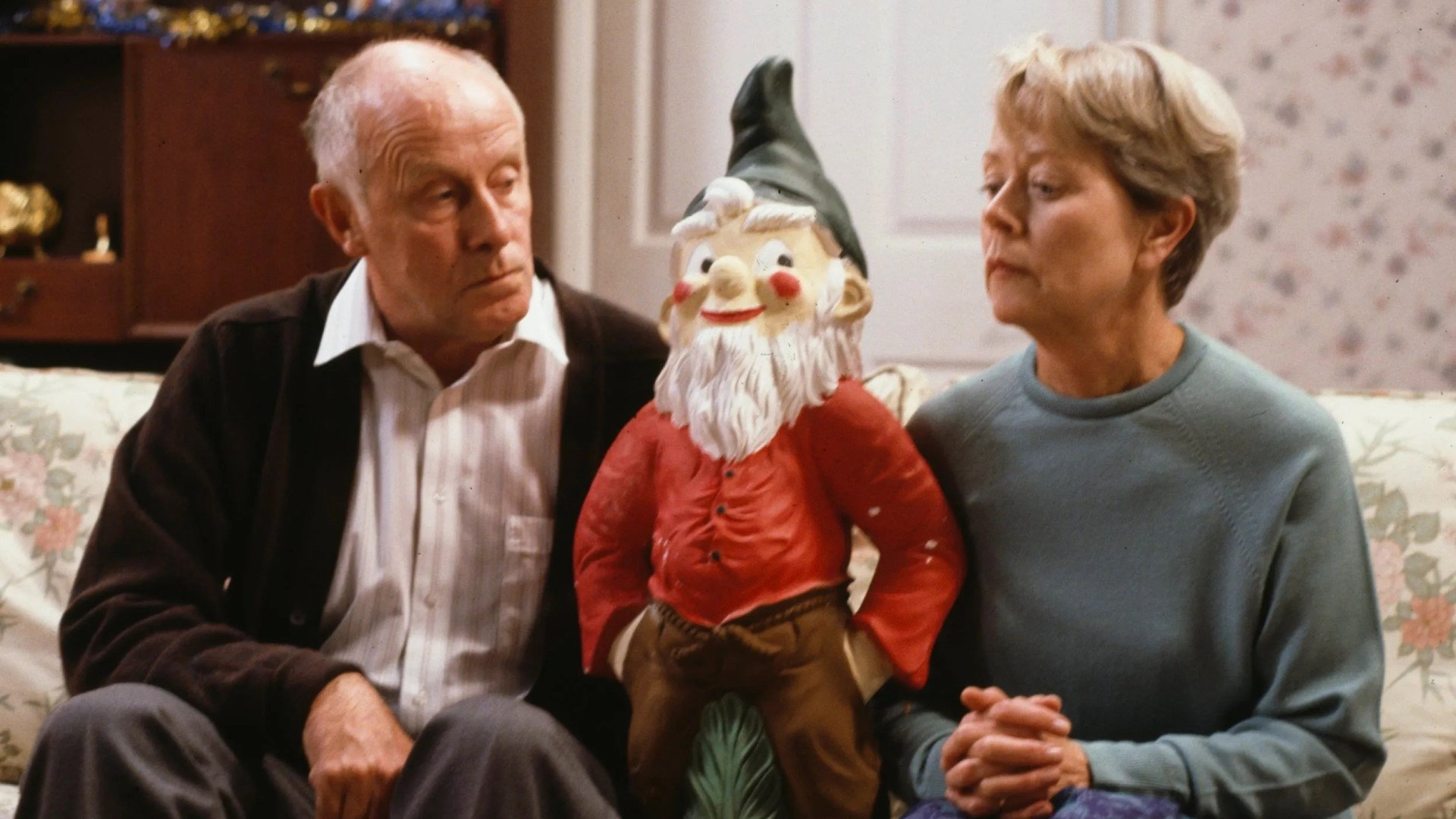
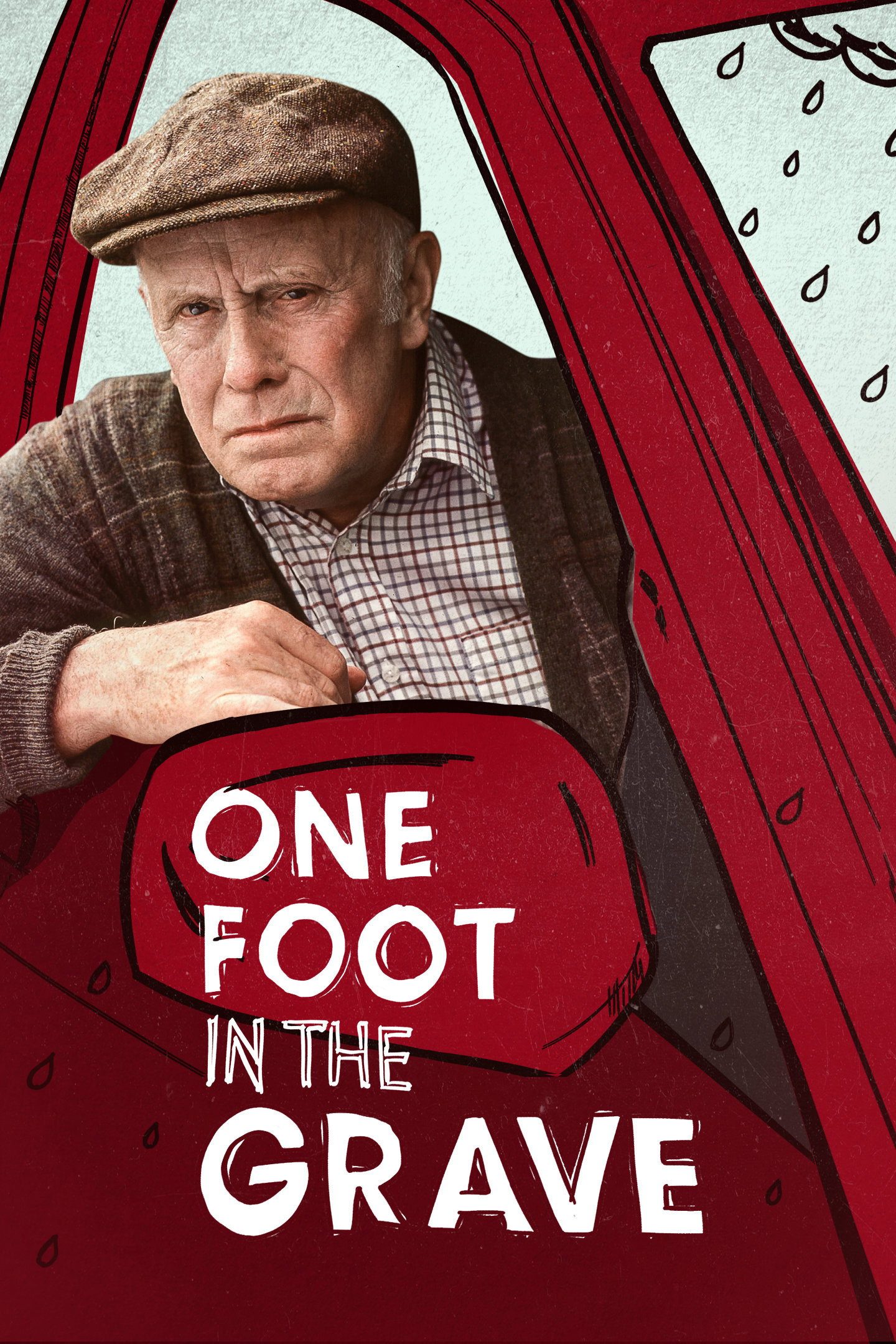
Richard Wilson plays Victor Meldrew without smoothing away the unpleasantness. He makes the fury feel as though it has been building for longer than the present irritation deserves, which makes even an unreasonable complaint understandable. We laughed at his rage, then felt sorry for him; the hurt remains visible when the outburst ought to have exhausted it. Crucially, that sympathy does not depend on Victor becoming agreeable.
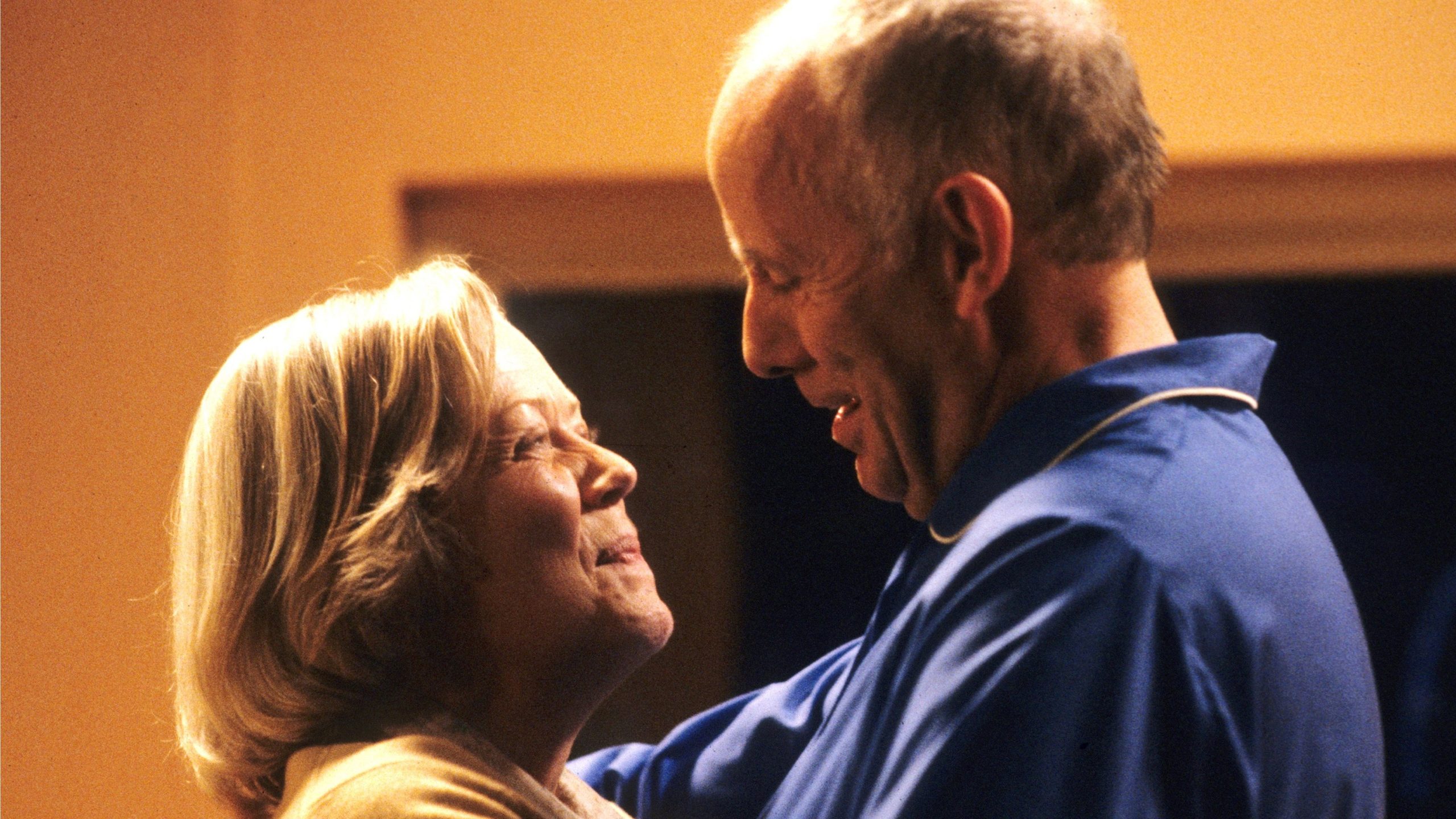
Annette Crosbie, as Margaret Meldrew, gives us a reason to care about somebody other than Victor. She makes the frustrations feel shared, while keeping Margaret distinct from the man whose complaints take up so much attention. Her steadiness is especially useful when the situations become improbable, because she gives us a person to believe in before asking us to accept the joke. Her performance makes the effect of his behaviour on somebody else matter.
The suburban setting helps. These are surroundings associated with a manageable life, so the series’ surreal silliness feels like an intrusion into somewhere people expected to be left alone. Within the familiar television comedy built around an irritable man, the writing allows a surprising amount of cruelty and unhappiness. When it moves towards tragedy, the change works because the two leads have already persuaded us that these people can be hurt.
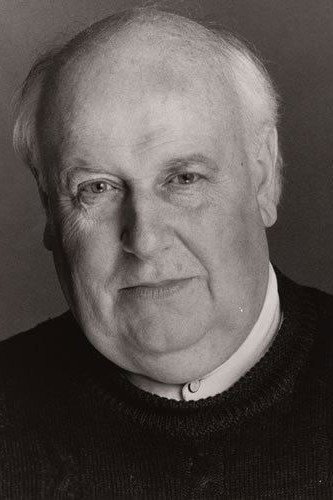
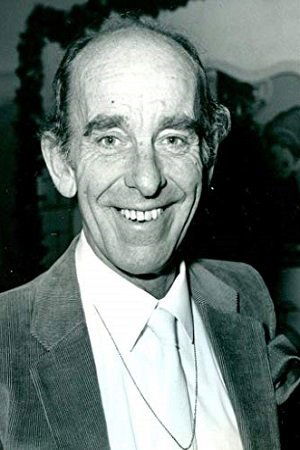
Directors Susan Belbin, Christine Gernon and Sydney Lotterby are at their most effective when the performers have room to make those feelings uncomfortable. The comedy needs us to stay with Victor long enough for a justified objection to become an exhausting one. That requires judgement about how long to let an outburst continue, and the performances generally receive the attention they need. The programme’s half-hour format also suits a character whose company is easier to enjoy in limited doses.
The plotting is less dependable. Some of the absurdity feels arranged too insistently, with the effort to produce another complication becoming more noticeable than the complication itself. When a chain of events is clumsy, we start to notice how hard David Renwick is working to give Victor something to shout about. The actors remain persuasive through those stretches, which helps considerably, though we occasionally wish the writing would trust an ordinary irritation to be enough.
We would still recommend it warmly, though the cruelty calls for a warning. The jokes can leave an unpleasant feeling behind, and the series has little interest in making Victor harmless for the sake of comfort. Anyone expecting retirement to provide a cosy subject may need a little adjustment. Try an episode when there is still enough patience in the household for someone else’s complaints.