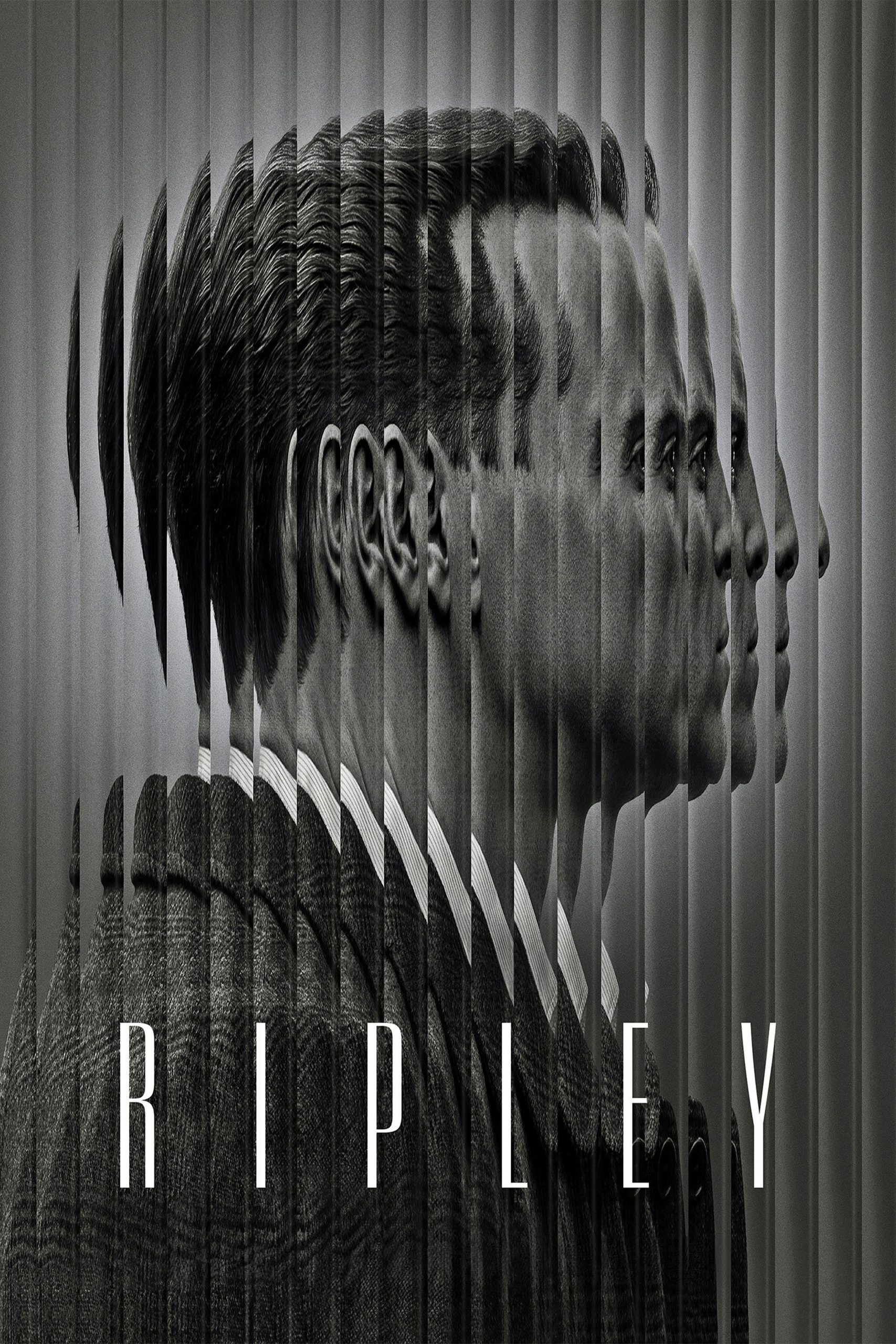
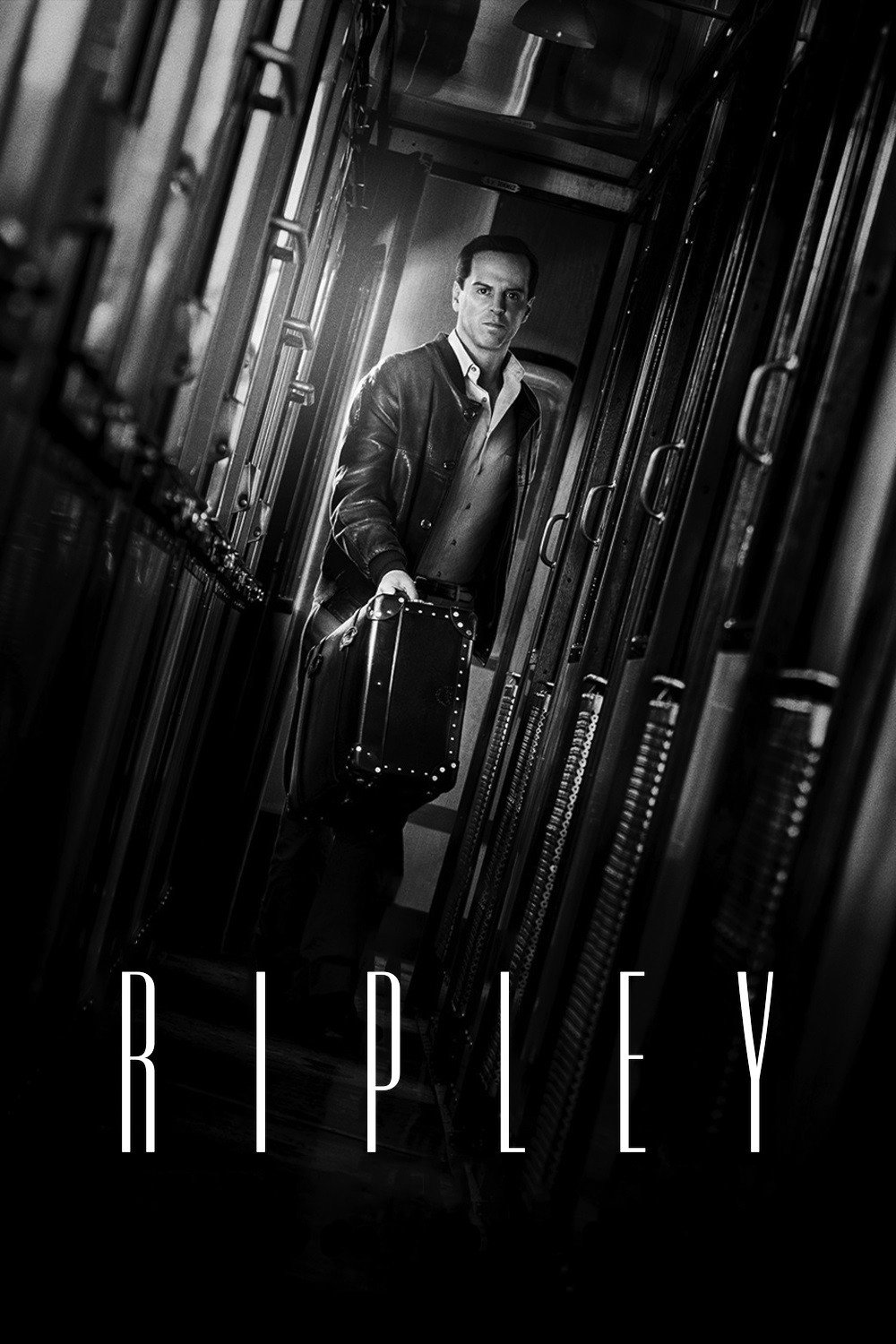
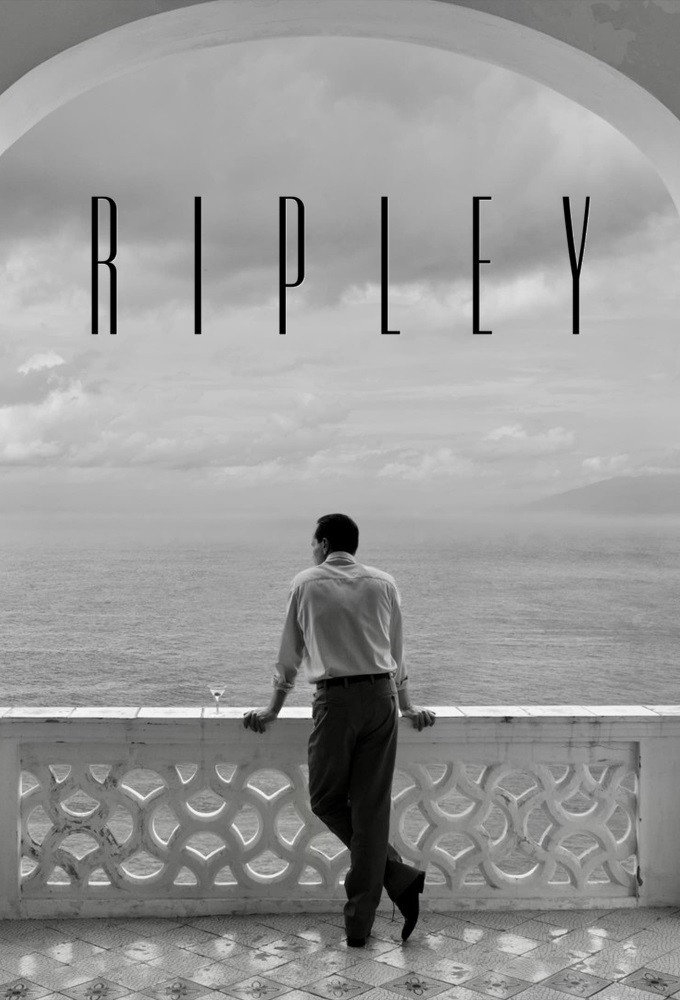
Steven Zaillian’s eight-part Highsmith adaptation is slow, cold and shot in a black and white that makes Italy look like a crime scene. It is also superbly made, and Andrew Scott is frightening in it. Allow it its pace.
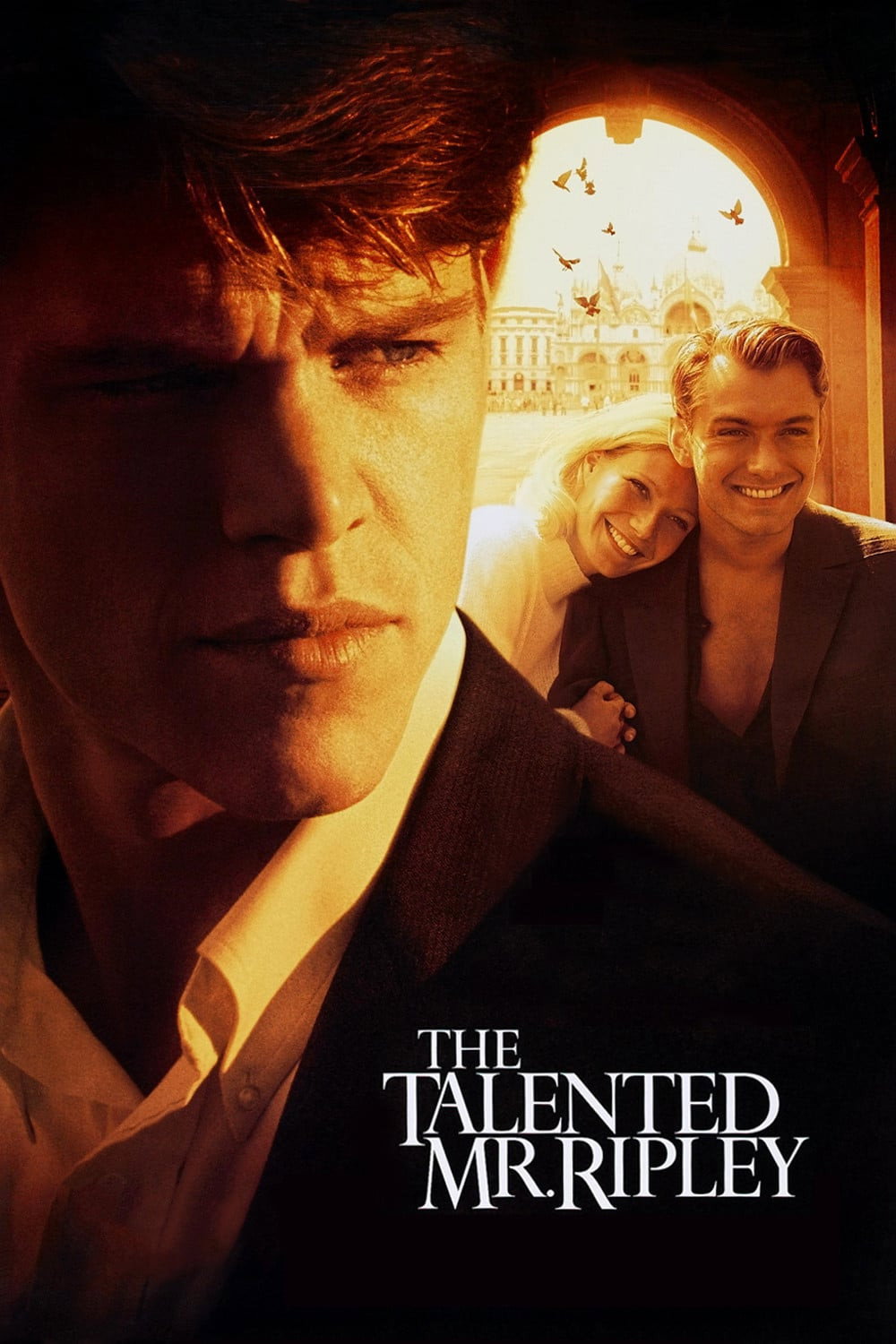
Steven Zaillian has taken Patricia Highsmith’s novel and turned it into eight episodes in black and white. It has been filmed before, by Anthony Minghella in 1999, with Matt Damon in a swimsuit and the Mediterranean doing half the work. Zaillian has gone the other way. There is no sun, no romance and almost no charm, and the result is the most exacting version we have seen. It is also slow enough that some people will give up in the second hour, and we understand them.
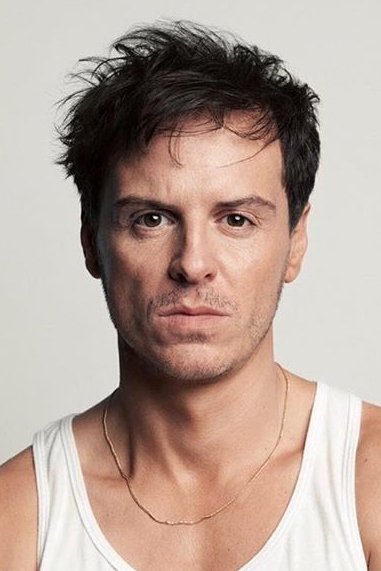
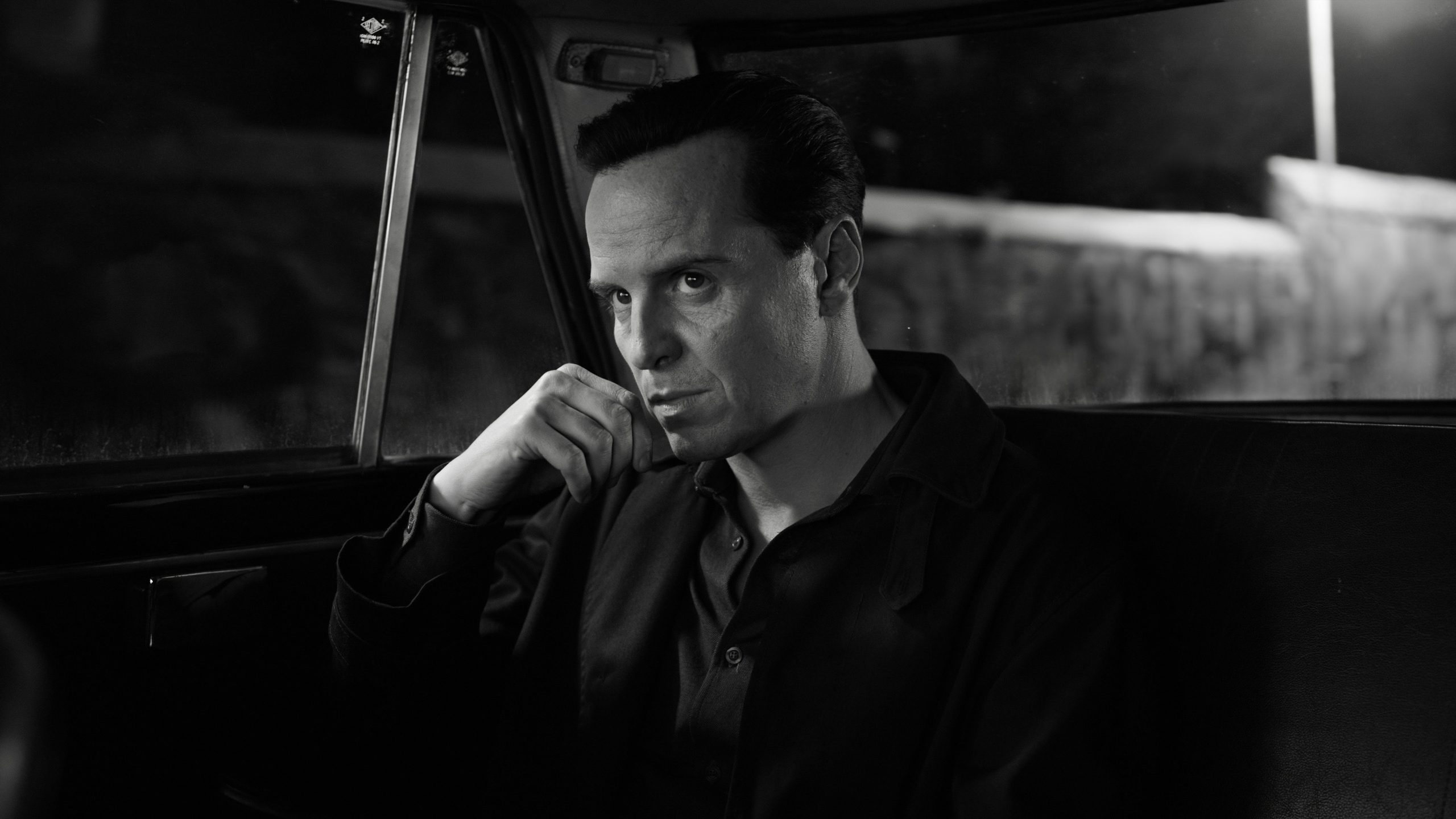
Andrew Scott’s Ripley is no boy. He is a tired man who has done this before, and Scott plays him through waiting: the pause before an answer, a beat longer than an honest man would need; the way he sets down a glass as if it might be used against him. His accent is flat and careful and never slips. He does not ask to be liked. When Tom tells Dickie he enjoys his company we did not believe him, and this story works better when we half do. It is the one place we would have taken a little of Minghella’s warmth.
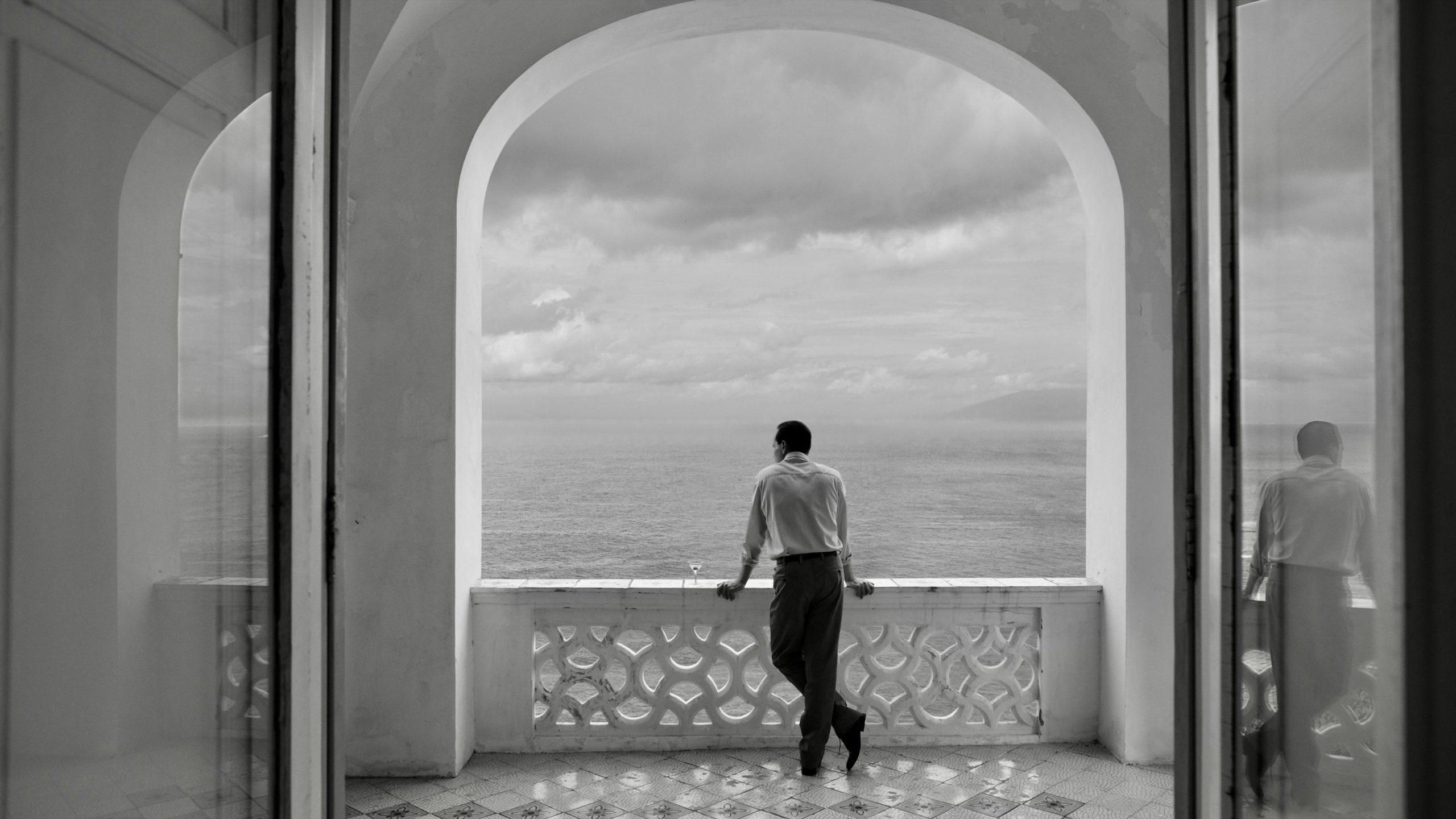
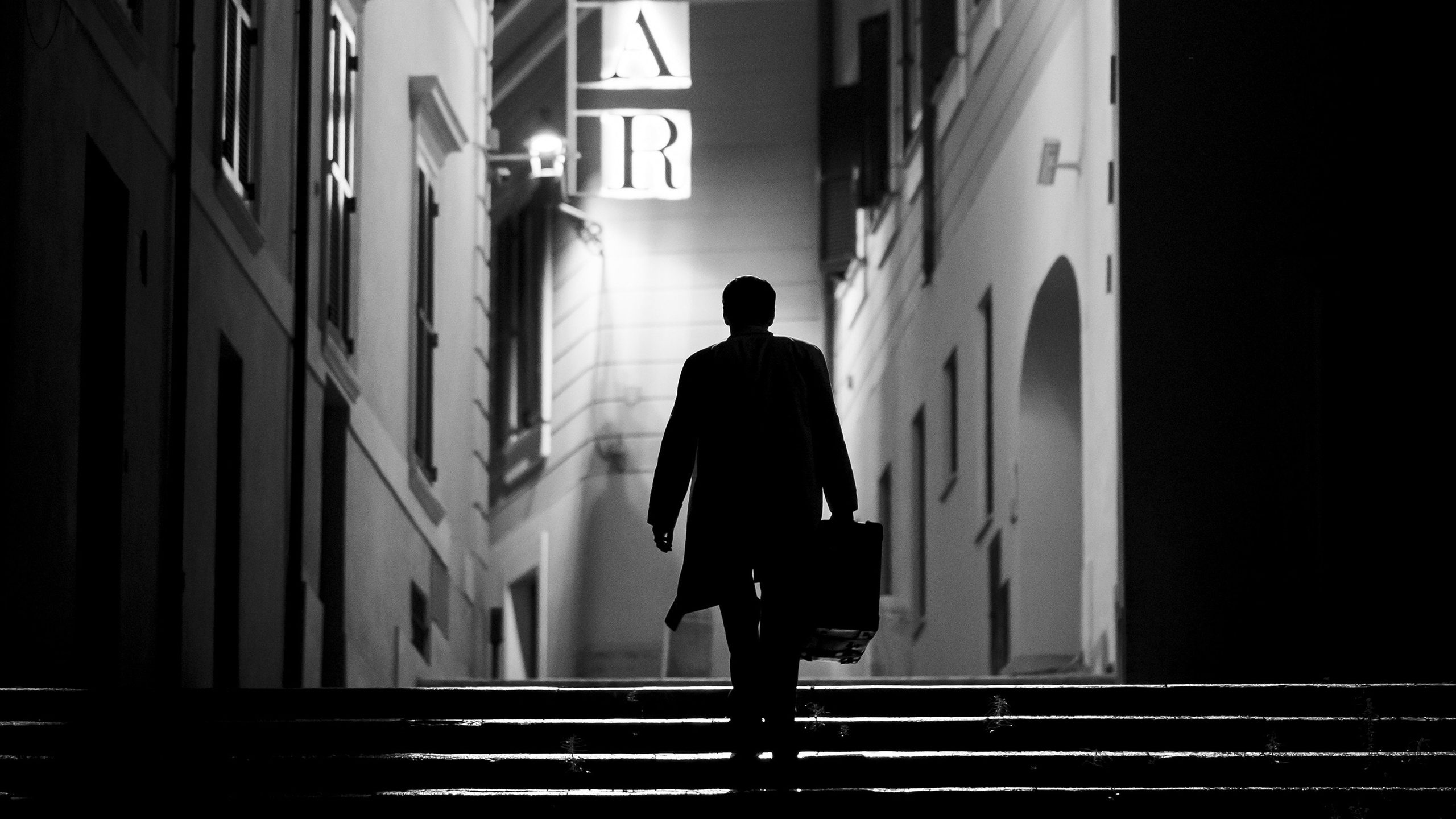
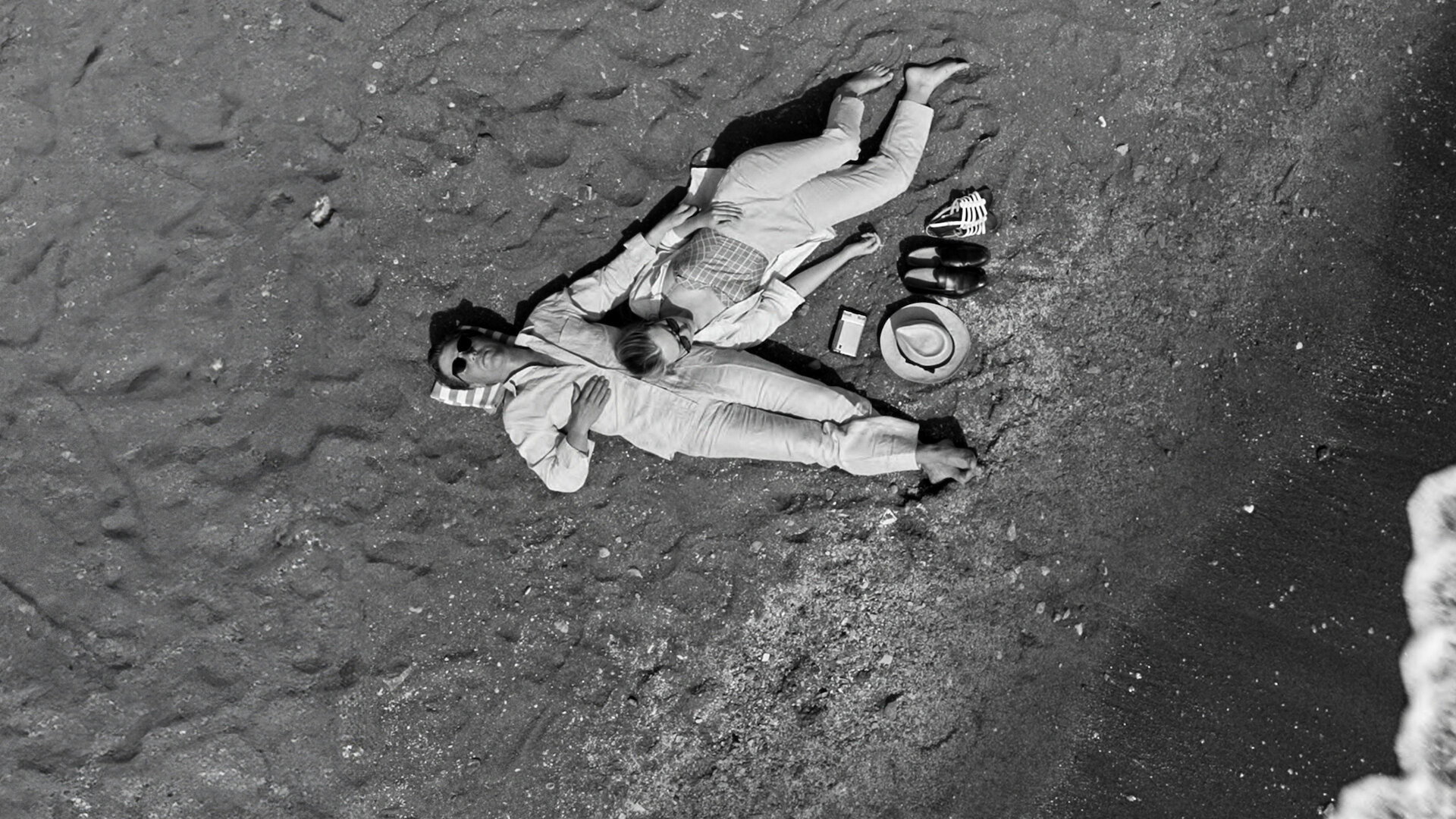
Robert Elswit shoots Italy with the colour taken out and the contrast pushed hard. The blacks are deep enough to lose a man in and the whites of Atrani’s stone are hard on the eyes. Staircases are everywhere, filmed from above so that the people on them look like figures on a diagram. David Gropman gives Dickie a villa with a terrace and not much on the walls, and Rome a run of flats with lifts that never work. Maurizio Millenotti and Giovanni Casalnuovo put Tom in one brown jacket and a raincoat for the wrong climate, and Dickie in linen he has never had to think about. Zaillian keeps returning to Caravaggio, in churches and galleries, and since Caravaggio killed a man and ran, the point is not subtle.
Midway through the third episode the story takes the turn anyone who has read Highsmith will be waiting for, and we will not describe it. Zaillian gives what follows the best part of an hour with almost no dialogue, and it is the strongest stretch in the series. There is a sequence on a Roman staircase, mostly one man, a lift that will not oblige him and a cat watching from a landing, that we sat through with our hands half over our faces. When it ended we realised we had been holding our breath for someone we had no reason to wish well, and felt slightly grubby about it. Joshua Raymond Lee and David O. Rogers hold every shot past the point a nervous editor would cut, and the tension comes from that.
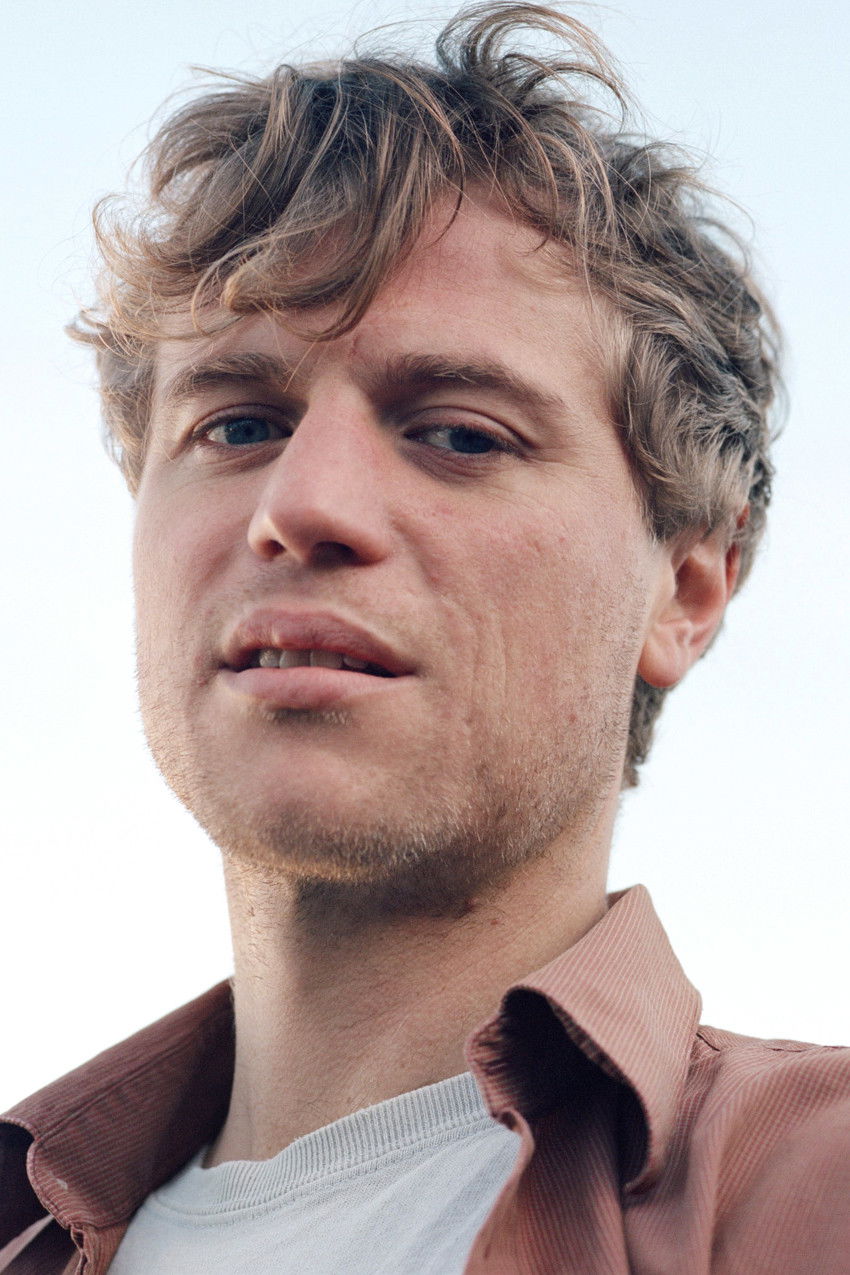
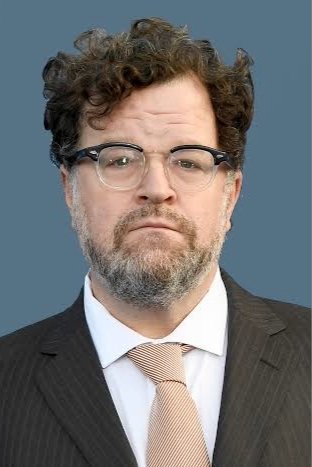
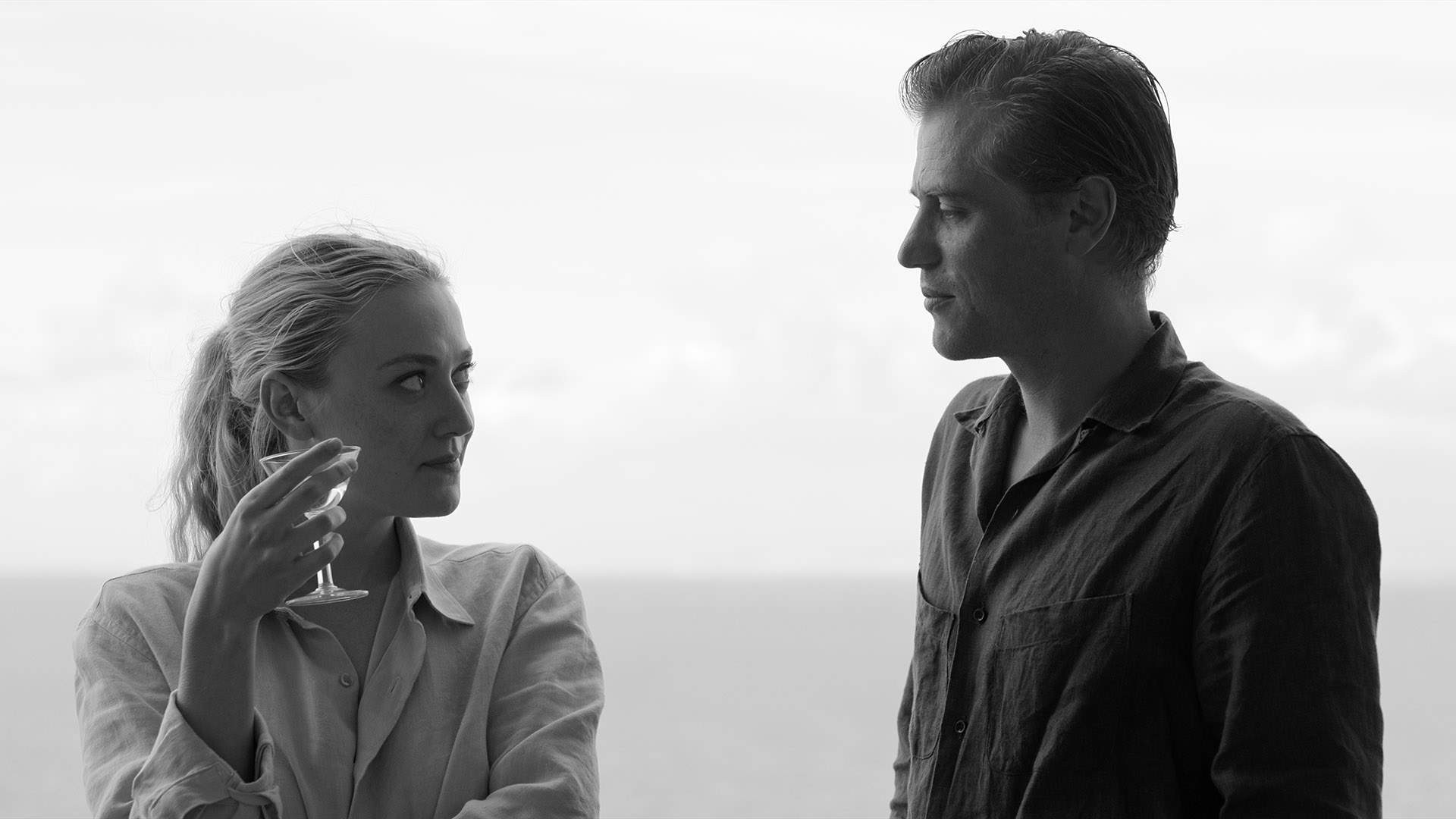
The trouble is the middle. Eight episodes is a great many for one man and one lie, and around the fifth we noticed the pattern: a police inspector arrives, asks the same three questions in a different order, and leaves; a letter is typed and read to us; a train is caught. By the sixth we looked at the clock. Johnny Flynn’s Dickie is written as a dull, weak, faintly decent man, true to the book and a problem on screen, because the early episodes need a pull between him and Tom and there is not much of one. Dakota Fanning’s Marge is sharper, dry and suspicious from her first scene, and the series is better whenever she is in it. Kenneth Lonergan, as Herbert Greenleaf, plays a father who has confused money for attention, and plays him well. Jeff Russo’s score is used sparingly; footsteps, water and a typewriter do most of the work, and that is the right decision.
Minghella wanted us to grieve. Zaillian wants us to watch a man work, and Highsmith, who liked her murderer more than anyone he met, would recognise this version.
Watch it at home in the dark, one episode at a time, and do not wait for it to speed up, because it has decided not to. It carries a 15 certificate, and it earned it on the stairs.