Series review

Sherwood

2022 · Series · MPA TV-MA

In a sentenceA crossbow, a pit village, and forty years of not speaking to the people across the road

CrimeMystery

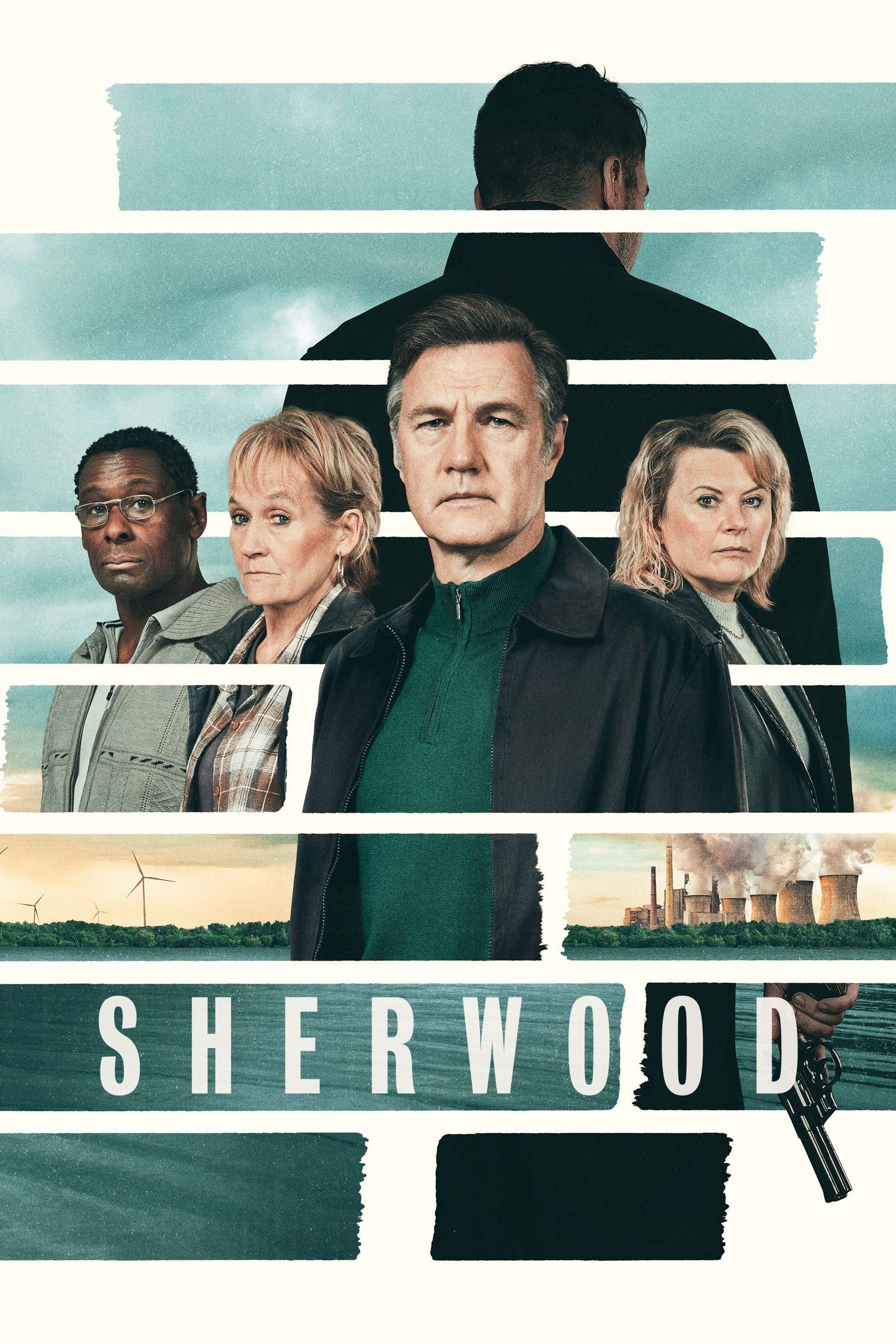
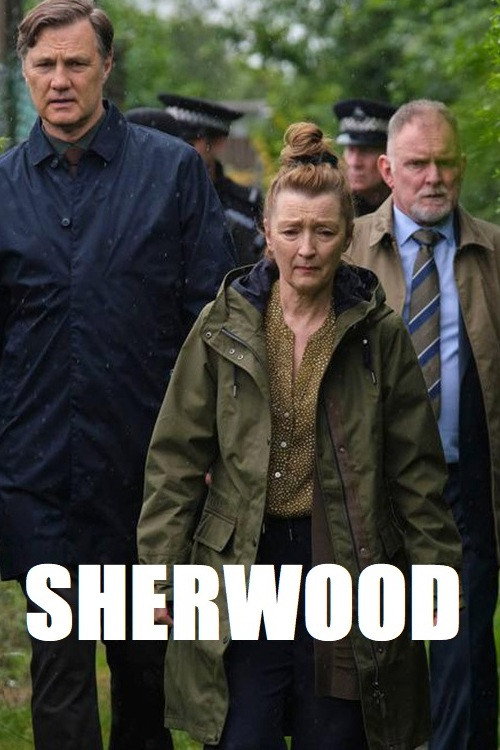
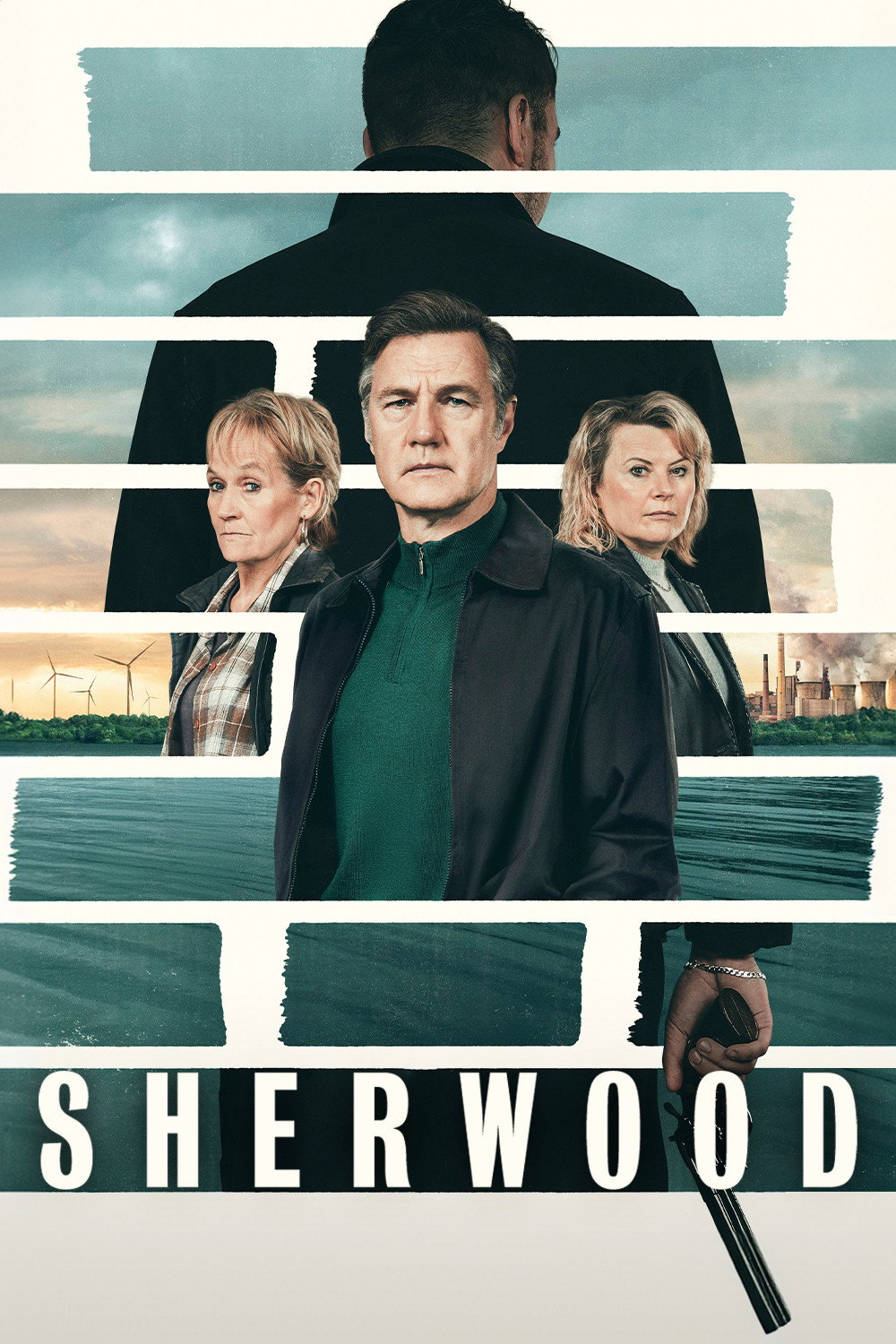
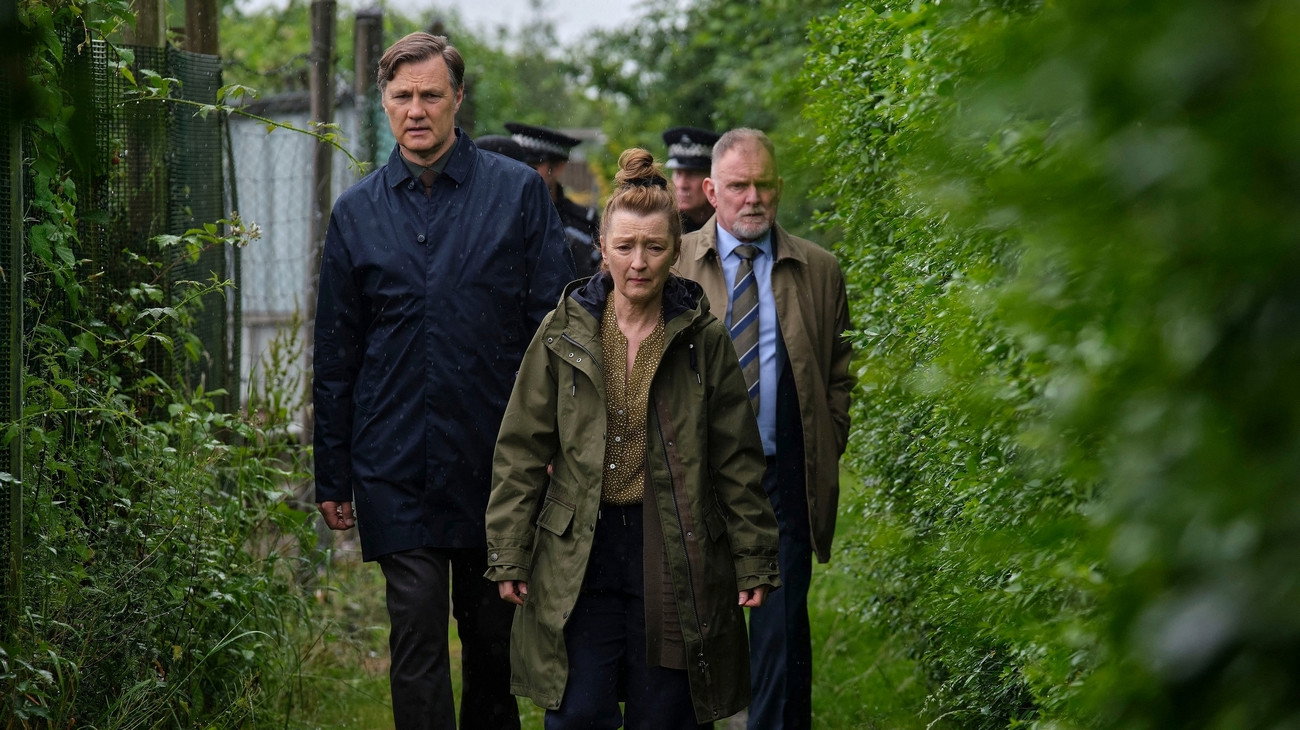
A former pit village in Nottinghamshire, the present day. A man walking home from the pub is killed with a crossbow bolt, and his widow Julie Jackson (Lesley Manville) learns of it on her doorstep. He was a striking miner in 1984; her sister Cathy (Claire Rushbrook) is married to Fred Rowley (Kevin Doyle), who kept working, and the two households have not forgiven each other in nearly forty years. DCS Ian St Clair (David Morrissey) leads the hunt, and DI Kevin Salisbury (Robert Glenister) is sent up from London, where nobody wants him, least of all St Clair. Andy Fisher (Adeel Akhtar), a train driver, is preparing for his son’s wedding. The Sparrows, Mickey (Philip Jackson), Daphne (Lorraine Ashbourne) and Rory (Perry Fitzpatrick), run what passes for the local underworld.

Plays from YouTube when you press play; nothing loads from them until then.

Fi1m review

James Graham’s six-part murder story is really about the miners’ strike and what it did to one street in Nottinghamshire. Slow to start and too neat to finish, it is still the best British crime drama in some while, and Lesley Manville is the reason.

Sherwood opens with a man shot dead by a crossbow on his way home from the pub, and for about twenty minutes it looks like a police procedural with an unusual weapon. It is not. James Graham, who wrote it, has used the murder as a way into a village in the Nottinghamshire coalfield where the strike of 1984 never quite ended, and where the words scab and picket are still said across garden fences by people in their sixties. The dead man was on strike. His brother-in-law was not. That is the whole of the drama, and Graham takes six episodes to draw it out.

It is very good, and we would recommend it to almost anyone who can sit through a first hour that does more introducing than storytelling. The Nottinghamshire miners are remembered, where they are remembered at all, as the ones who kept working, and Graham’s real subject is what that has meant for the people who stayed: two sisters, Julie Jackson (Lesley Manville) and Cathy Rowley (Claire Rushbrook), living a few doors apart and not speaking, because one husband crossed a line the other held. The police are the excuse. The families are the point.

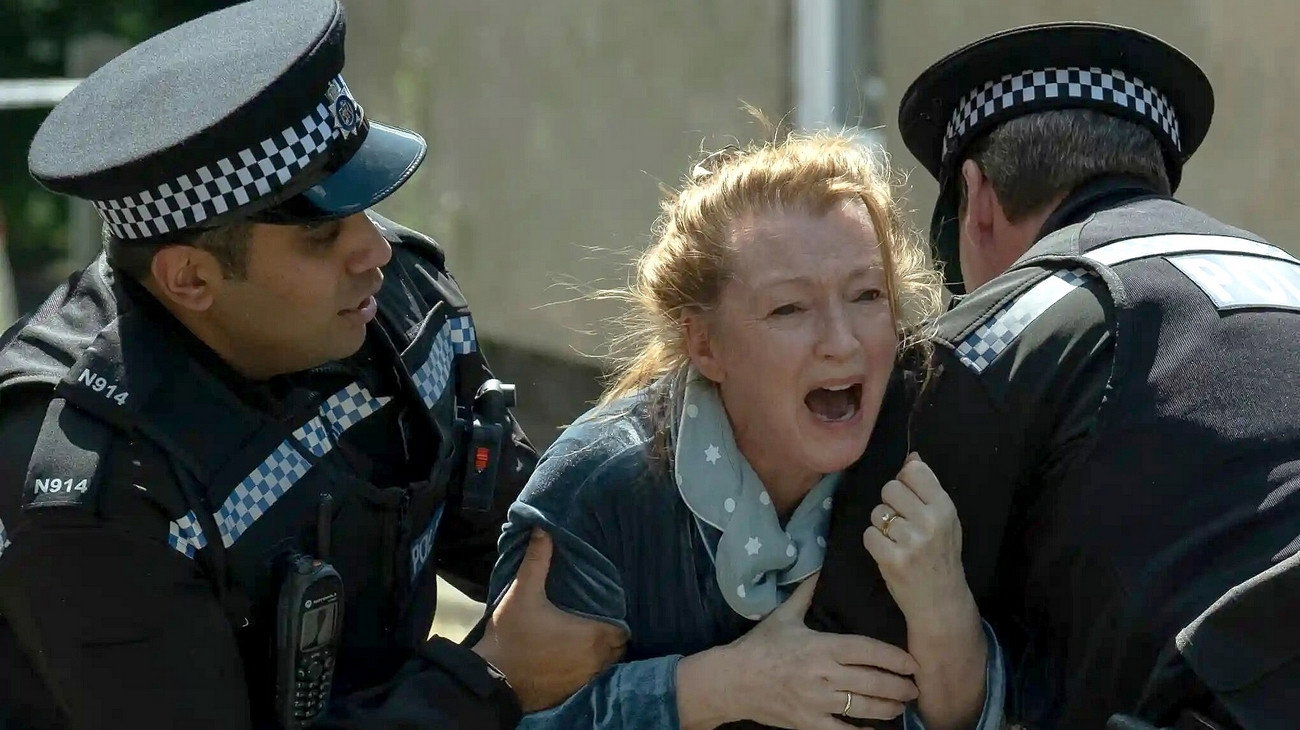
Manville is the best thing in it. Julie is widowed in the first episode, and Manville plays grief as a kind of bad temper, a woman who wants the police out of her kitchen and her sister off her step and cannot say why she is angrier at the living than at whoever did it. Rushbrook is her match, quieter and more frightened. Kevin Doyle gives Fred Rowley, the man who worked through the strike, a heavy, patient decency that makes the insults thrown at him land on us too. Adeel Akhtar’s Andy Fisher, a train driver with a son about to marry above him, is doing something in the corners of the early episodes that we will not describe, and it is the most unnerving acting in the series.

The moment that stayed with us was small. A man shouts scab at another man across an ordinary street, in daylight, in the present day, and means it. We laughed, once, because it sounded like something from an old newsreel, and then stopped, because nobody on screen thought it was funny. Graham’s point is that the strike is not history to these people. It is a thing that happened to them on a Tuesday, and it is still Tuesday.

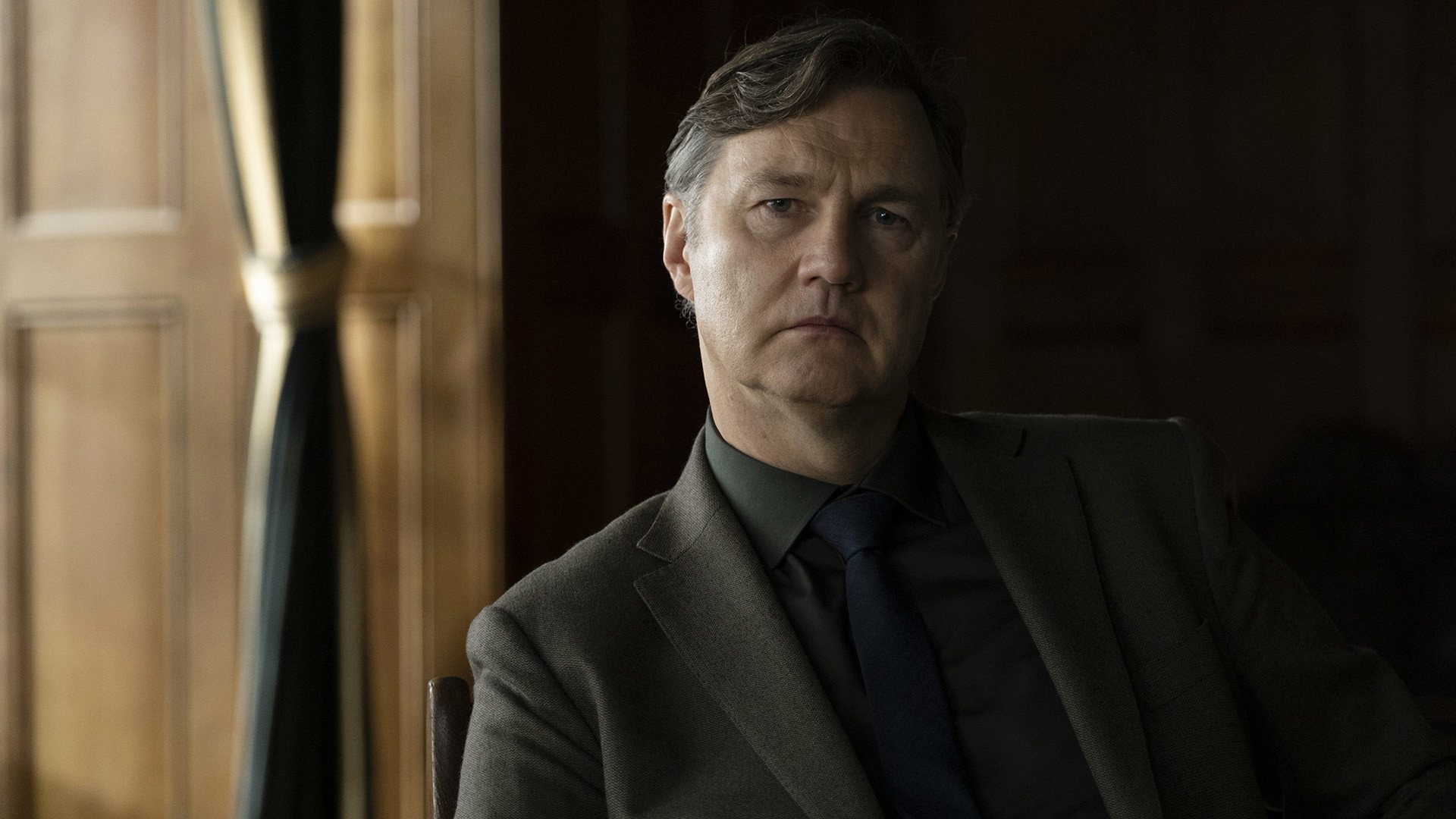
The police strand is thinner. David Morrissey’s St Clair is a local boy who got out and came back, and Robert Glenister’s Salisbury is a Metropolitan officer who was here in 1984, when the Met was bussed into the coalfields and behaved as the villages still remember. The friction between them is well played, and Glenister in particular does a fine job of a man who knows exactly why nobody will shake his hand. But their investigation moves in the way television investigations move, by discovery and confrontation, and it sits awkwardly beside the domestic scenes, which move the way life does.

Clio Bernard, Lewis Arnold and Ben A. Williams direct, and Sam Care photographs the village as a place of low sky, brick terraces and one large wood at the edge of everything. The wood is where the series keeps returning, and Care shoots it in flat green daylight rather than horror-film dusk, which is the right choice: the threat here is not the dark. The pacing is another matter. The Radio Times complaint that the early episodes lack urgency is fair. Graham has a large cast and wants us to know all of them before anything else happens, and the first episode in particular is heavy going.

The last episode tells rather than shows. Graham is a playwright, and when he has something to say about policing, betrayal and the state, he tends to give it to a character to say out loud, at length, in a room. Two or three such speeches arrive at the end, and each one is good and each one stops the drama to be delivered. The real events the story draws on are handled with care, but the ending ties off more than it needs to. A second series followed in 2024, with a new story in the same place, which suggests Graham knew he had not finished either.

Watch it two episodes at a time, and give the first one the benefit of the doubt.
Critical consensus AI synthesised

78
Positive
5
Mixed
1
Negative
0

The reviews lean strongly positive. Most critics agree that Sherwood is more than a police procedural: a drama about a Nottinghamshire mining community still living with the resentments of the 1980s strike, with the murders as the way in. Praise clusters around the writing, which several find layered and authentic in its detail and dialogue, and around a strong sense of place. The ensemble cast is admired throughout, and Lesley Manville is singled out more than once. Several critics call it among the most compelling dramas of its year.

The spread is narrow and the reservations are almost all about pace. The Times finds the first episode slowed by the amount of character-setting it has to do, and Radio Times, the only mixed notice, judges it a slow-burn mood piece short on urgency and hard to assess from two episodes. Nobody questions the script or the cast; the disagreement is over whether the deliberateness is a strength or a drag.

The Guardian
13 June 2022 · Lucy Mangan
95*

The critic calls it the cleverest, most compelling and moving show seen in years, a magisterial state-of-the-nation piece that perfectly captures 40 years of emotion and history in a Nottinghamshire mining community through murders, class divisions and personal resentments.

Read the full review →
The Telegraph
13 June 2022
85*

The critic praises it as really, really good regional drama that is more than a police procedural, offering a layered exploration of community, class and lingering enmity from the miners' strike, with rich characters and authentic detail.

Read the full review →
Evening Standard
14 June 2022
80*

The critic highlights the richly drawn drama and outstanding performance by Lesley Manville as Julie, noting how the series layers multiple narratives beyond the murder plot with believable characters and a strong sense of place from the post-miners' strike community.

Read the full review →
The i Paper
13 June 2022 · Gerard Gilbert
80*

The critic praises the drama as one of the most compelling of 2022, highlighting its blend of personal history from the miners' strike with a modern murder mystery and strong ensemble cast.

Read the full review →
The Times
13 June 2022 · ★★★★☆ · Carol Midgley
70*

The critic finds the menace and rancour from the 1980s miners' strike palpable in this authentic drama inspired by real events, with a sparkling script and top-drawer cast, though the first episode is slowed by heavy character establishment.

Read the full review →
Radio Times
13 June 2022 · ★★★ · Abby Robinson
60

The review notes the series is more of a slow-burn mood piece than a fast-paced thriller, praising authentic dialogue, strong performances especially Lesley Manville, and the atmospheric direction, but finds it lacking urgency and hard to fully judge from only two episodes.

Read the full review →

Cast

Awards

BAFTA Television Awards, 2025

Nominated
Best Drama Series

If you liked this, try…

Happy Valley poster

Happy Valley

2014 · Sally Wainwright’s Yorkshire police drama, where the crime is never the real trouble

Red Riding poster

Red Riding

2009 · Three films of Yorkshire police corruption, bleaker and angrier than this

Brassed Off poster79

Brassed Off

1996 · A pit closure, a colliery band, and grief played as comedy until it cannot be

Mare of Easttown poster78

Mare of Easttown

2021 · A Pennsylvania town where everybody knows the detective and nobody trusts her

Top of the Lake poster

Top of the Lake

2013 · Jane Campion’s New Zealand murder story, slower still and stranger