Kate Winslet’s tired, unglamorous detective and the town around her are the reasons to watch Brad Ingelsby’s seven-part mystery. The murder plot is the reason it needs seven parts, and it is the least persuasive thing here.
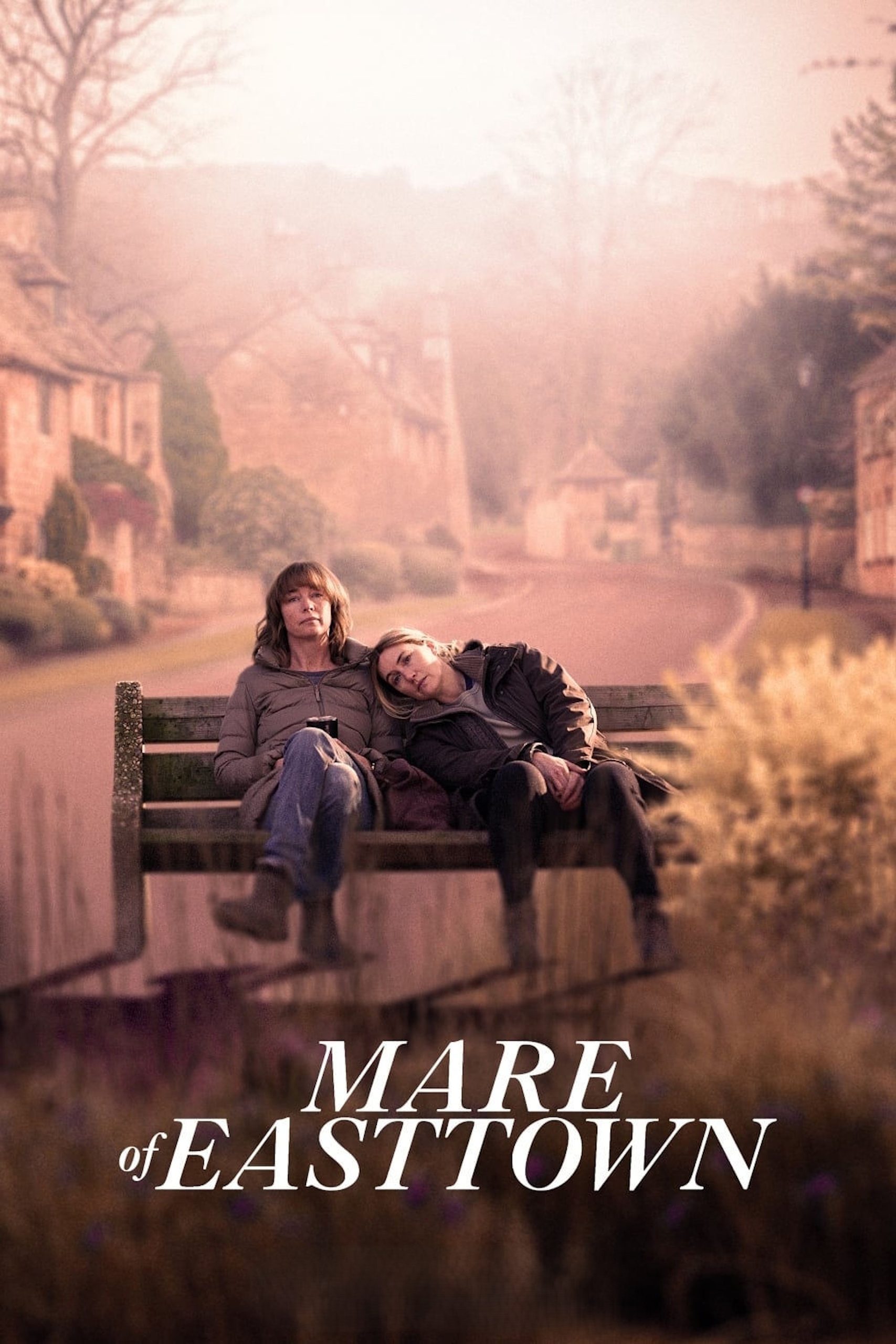
Brad Ingelsby, who created and wrote it, has made a murder mystery in which the murder is almost the least of it. Easttown is a small Pennsylvania town of rowhouses, bare trees and one high school everybody went to, and Mare Sheehan (Kate Winslet) is its detective and, it sometimes seems, its cousin. Craig Zobel directs seven episodes that want to be two things: a whodunit with a body in the first hour, and a portrait of a woman and a place worn down to the same grey. The portrait is the one that works.
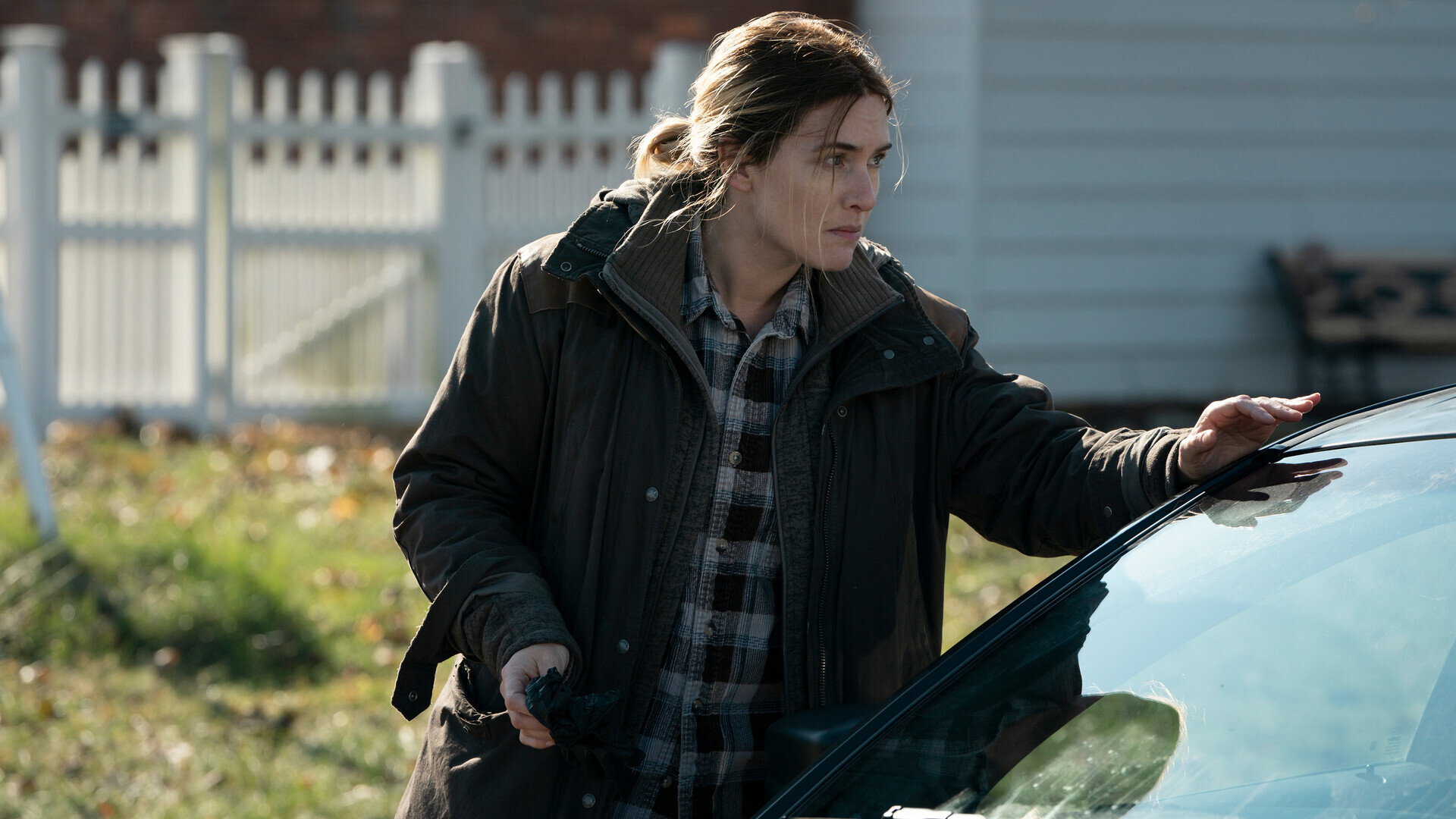
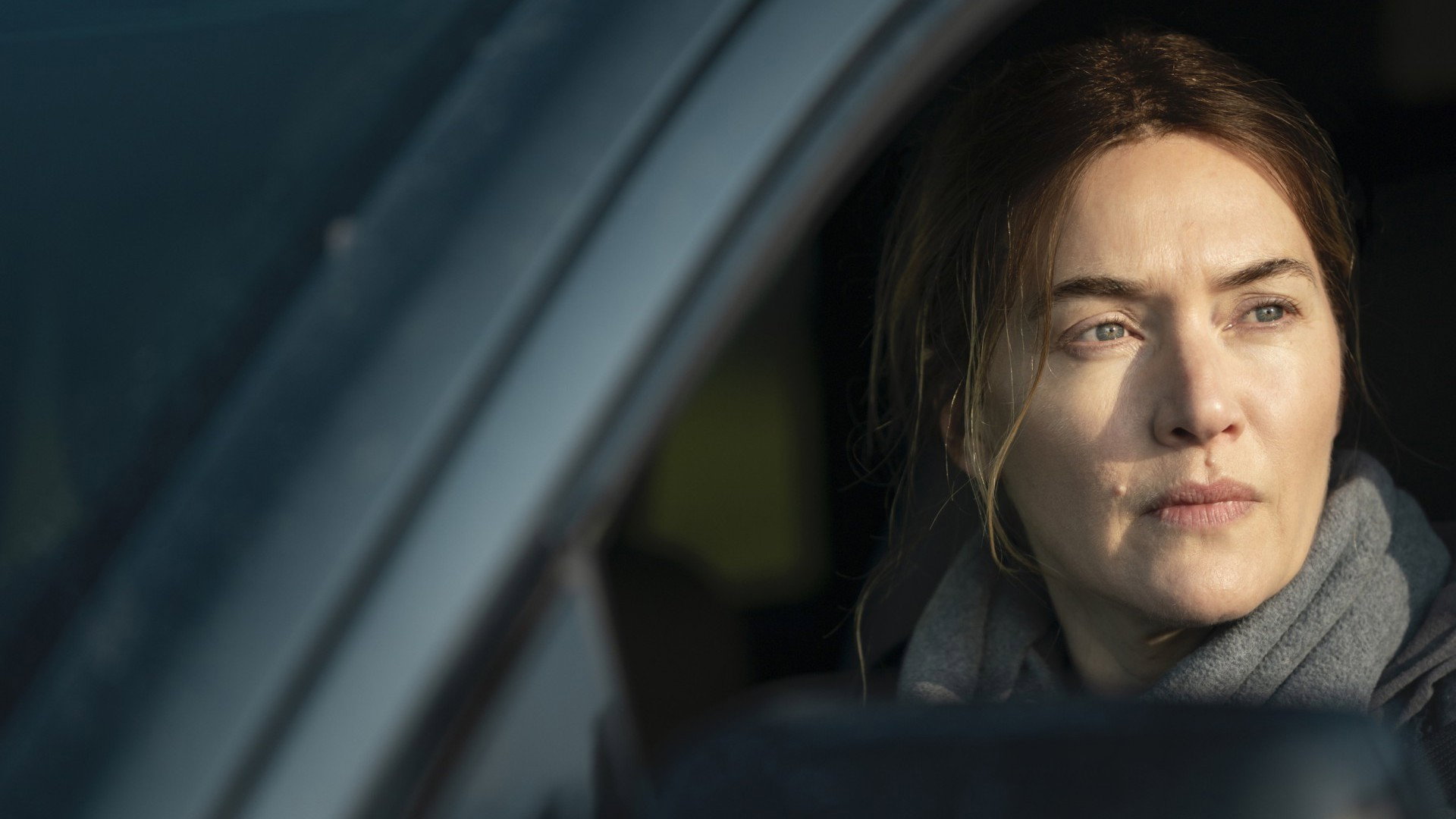
Winslet plays her without a scrap of vanity. Mare vapes in the car, eats cheese from the bag at the open fridge in the small hours, and wears the same padded coat over the same flannel for most of seven episodes; Meghan Kasperlik has dressed a woman who stopped choosing clothes some years ago. The local accent, all flattened vowels, is done well enough that we stopped hearing it by the second episode. What got us was not the shouting. It was a scene in the first episode where Mare takes a report about a prowler in an old woman’s kitchen, and you can watch her decide not to care and then care anyway. We recognised that tiredness, and it did not look like acting.
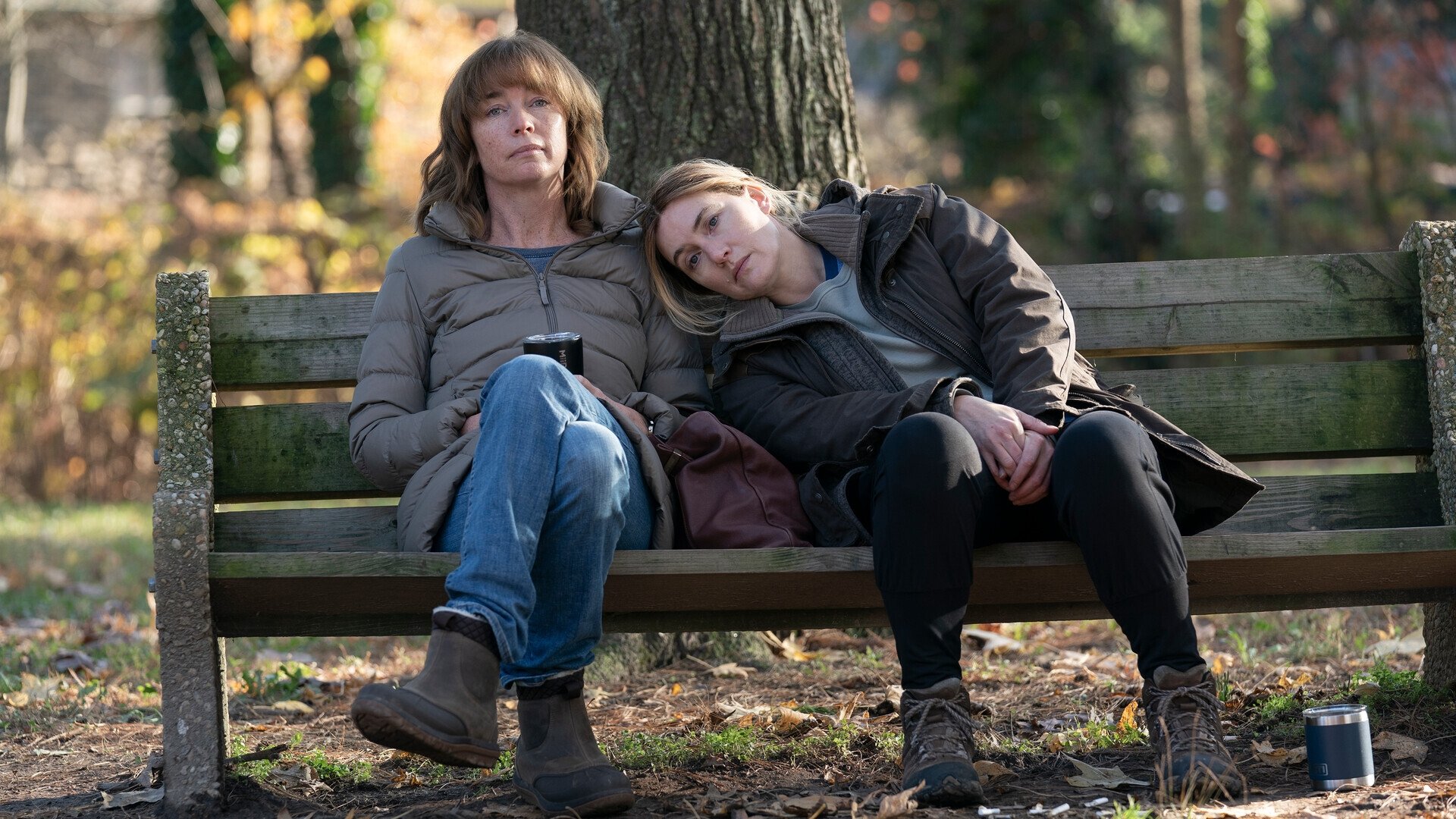
Around her Ingelsby has built a town rather than a cast. Jean Smart, as her mother Helen Fahey, gets most of the laughs and earns them: a woman who has moved into her daughter’s house and made it hers by volume. The two of them bickering across the kitchen table, the older woman with her wine and her games on the tablet, is the series at its most alive. Julianne Nicholson, as Mare’s oldest friend Lori Ross, does something harder and plays a woman who is fine until she is not, mostly by listening. Angourie Rice’s Siobhan Sheehan carries the family’s grief for a brother the series takes its time to explain. Evan Peters, as Colin Zabel, is the best surprise: eager, decent, slightly in love with his own reputation, and the one person Mare cannot bully. Their scenes together are funnier than anything else here.
Ben Richardson shoots it all in winter light: low sun, wet tarmac, kitchens lit by the fridge door and the television. Keith P. Cunningham’s houses are the quiet achievement, cluttered with a generation of things nobody threw out, wood panelling, framed school photographs, a recliner that has taken somebody’s shape. Lele Marchitelli’s score is mostly piano and knows when to leave. The editors, Amy E. Duddleston and Naomi Sunrise Filoramo, cut the family scenes loose and the police scenes tight, so the house feels lived in and the station feels like work. They also build the episode endings, which land on a revelation every time, with a regularity we started to predict by the third.
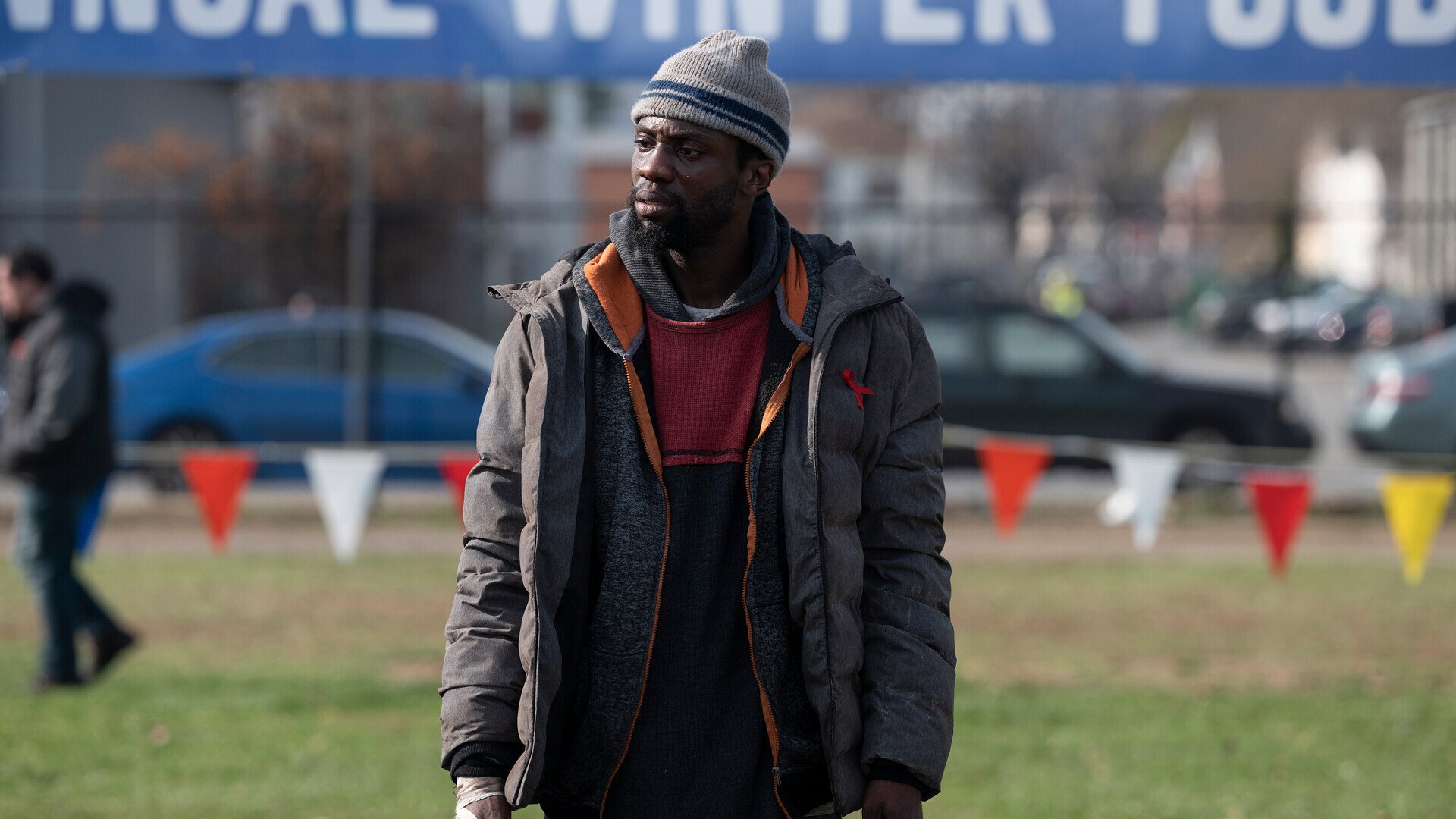
That predictability is the problem. As a mystery, Mare of Easttown does what television mysteries have done for twenty years: each man in town gets an episode as the likely suspect and is then quietly let go so the next can step up. James McArdle’s Mark Burton gets the fullest of these turns and is good in it, and the character is then more or less put back in the drawer. Guy Pearce, as the visiting Richard Ryan, is playing someone from a glossier series and seems to know it. In the middle episodes the investigation stalls and Ingelsby reaches for a subplot we will not describe, except to say that it is bigger, louder and less believable than anything around it, and that for an hour it turns a sad programme into a grim one. We were bored, and then annoyed at being bored by a series that had earned our patience.
Set beside Happy Valley, which is the comparison everyone will reach for, it is a shade less tough and a good deal tidier. The last episode explains everything, and the explaining relies on the things whodunits usually rely on. Most critics have been warmer about the plotting than we are. We do not think they are wrong about Winslet, or Smart, or Nicholson, or the town, and those are the reasons to watch.
It is a 15 certificate and it runs to seven episodes. Watch it two at a time with the heating on; it is a cold programme and goes down easier warm. If by the fourth episode you find you do not much care who killed Erin McMenamin, do not worry. Neither, most of the time, does the series.