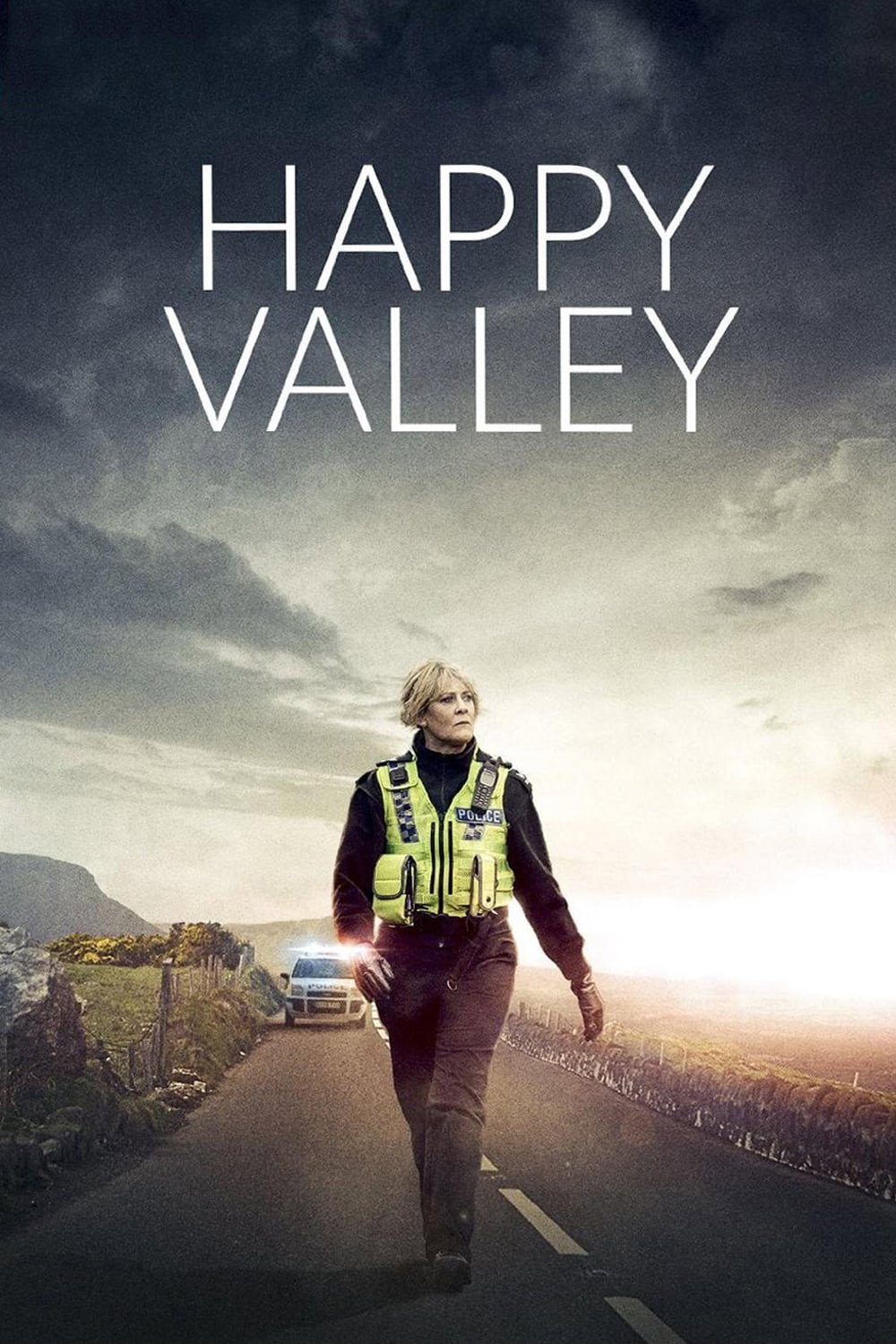
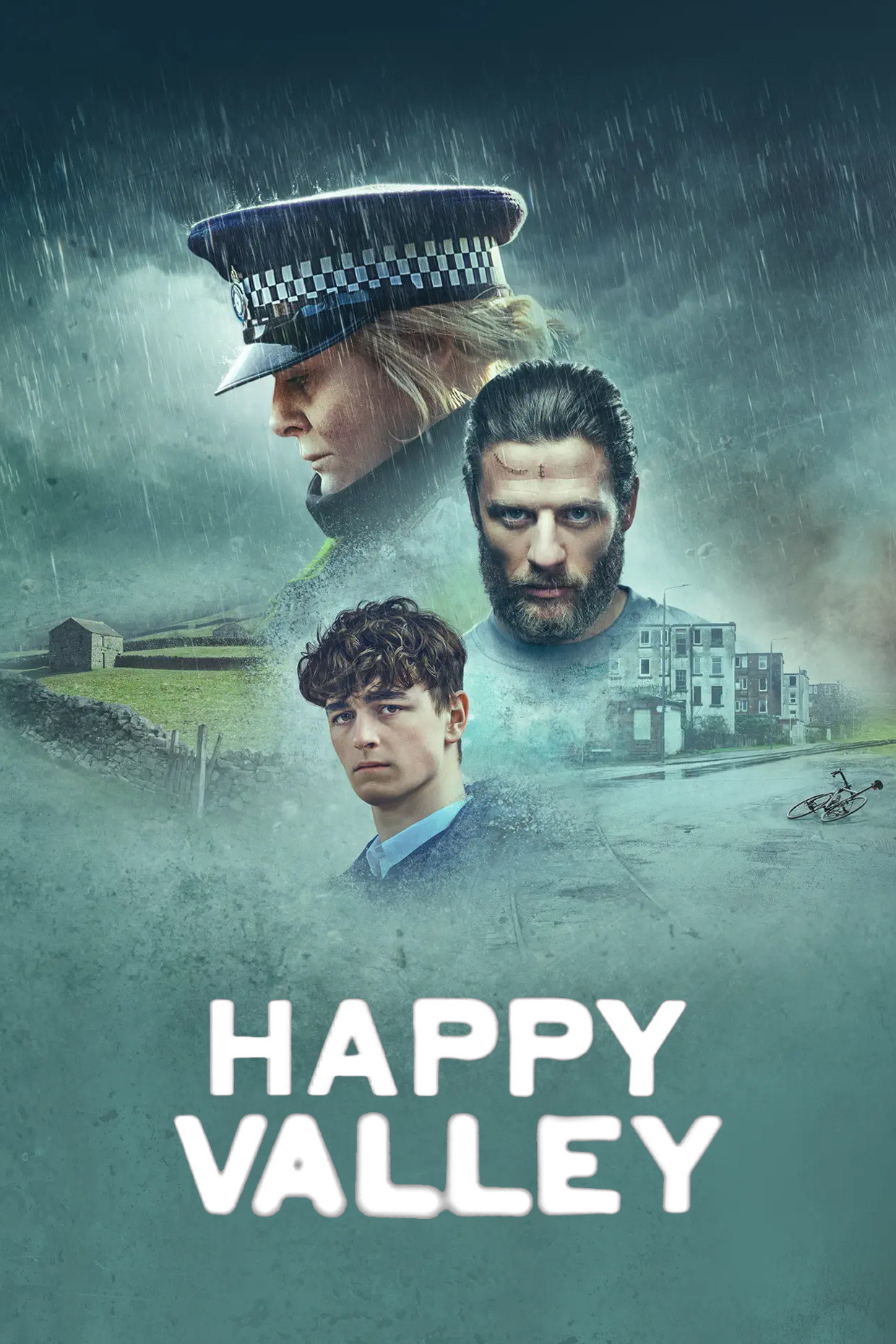
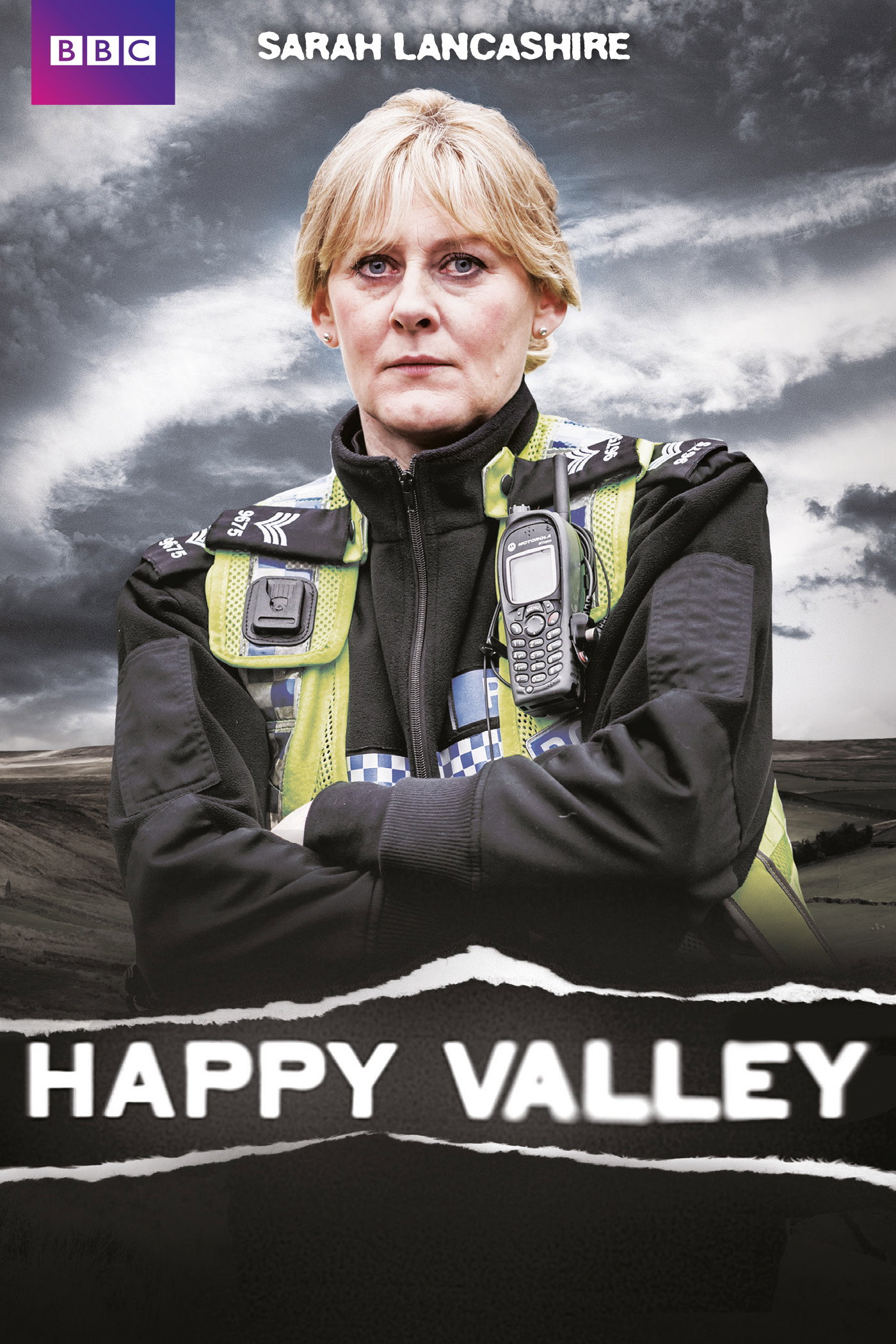
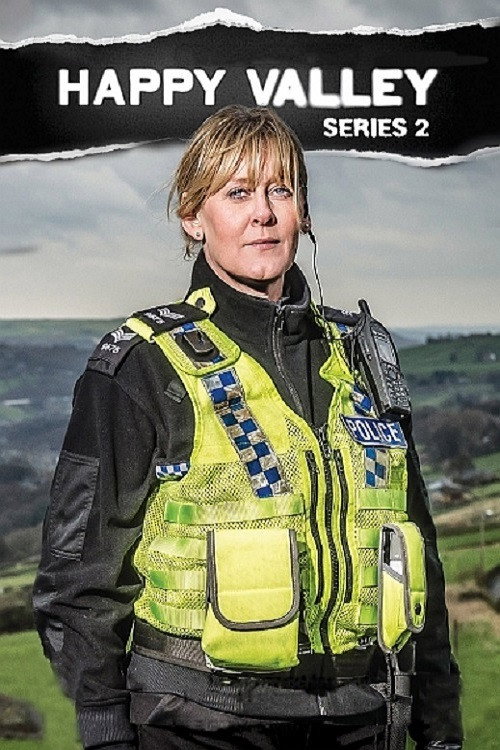
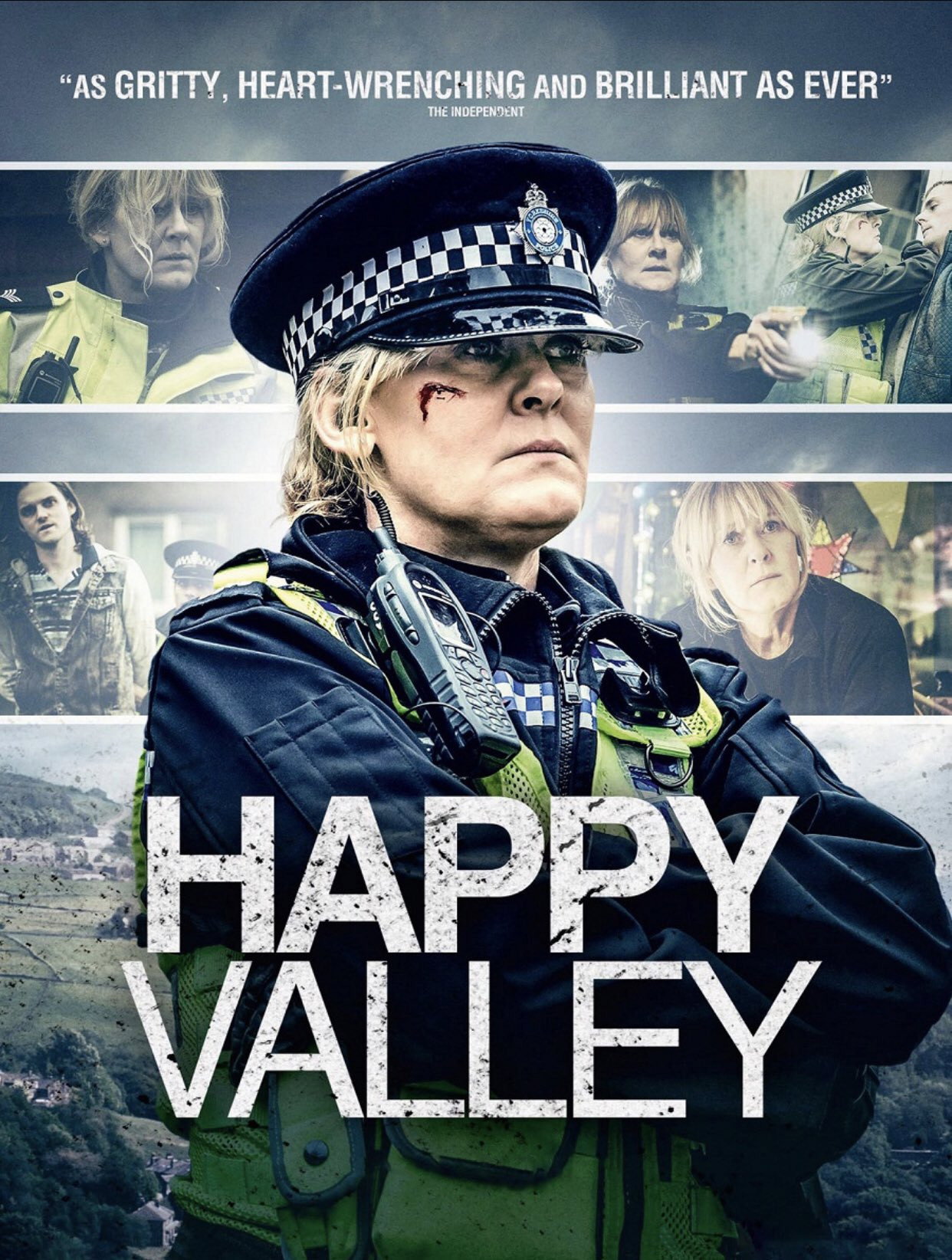
Sally Wainwright’s West Yorkshire crime drama is built around one of the great television performances, Sarah Lancashire’s Catherine Cawood. The kidnap plot that sets it going is the flimsiest thing in it; everything the plot does to people is written with frightening honesty.
Sally Wainwright has written a kidnap thriller and then spent six hours refusing to let it be one. Happy Valley is set among the hills and terraces of West Yorkshire, and it is about a police sergeant, a ransom and a man she has history with. It is really about what grief does to a family over years, and how a decent person carries on going to work while it happens. It is as good as the reviews at the time said and rather better than some of their scores allowed. We would send a stranger to it.
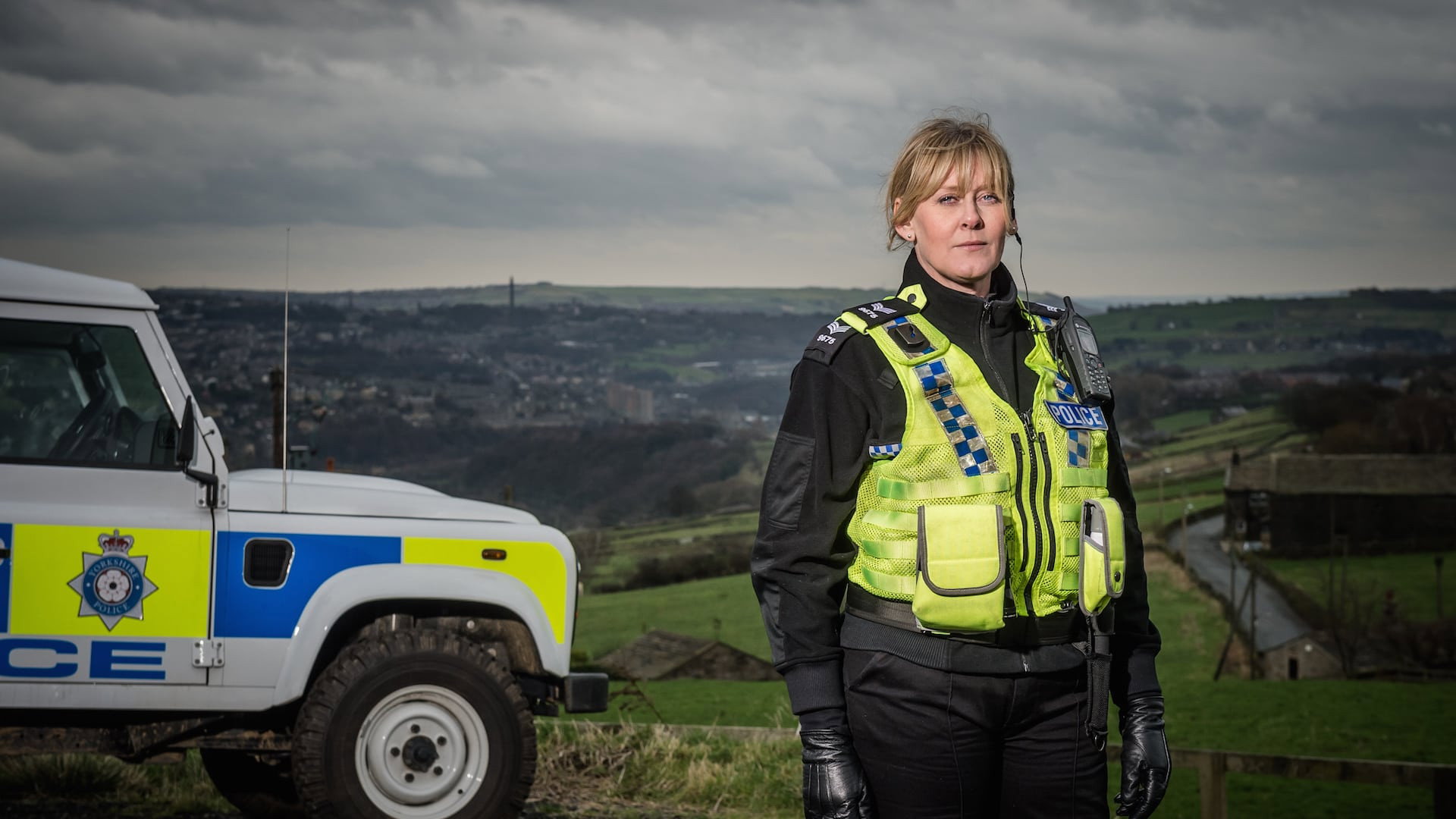
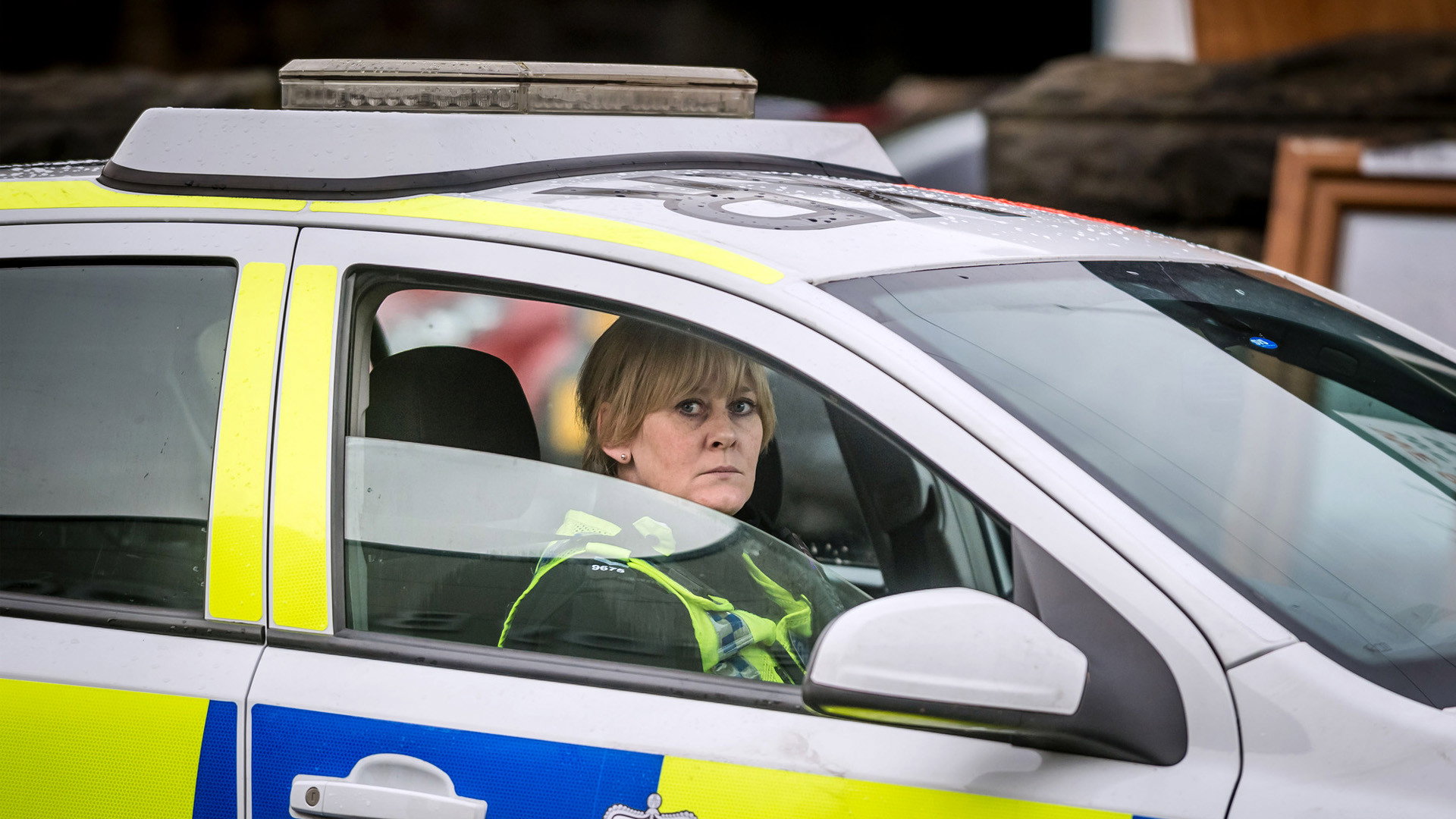
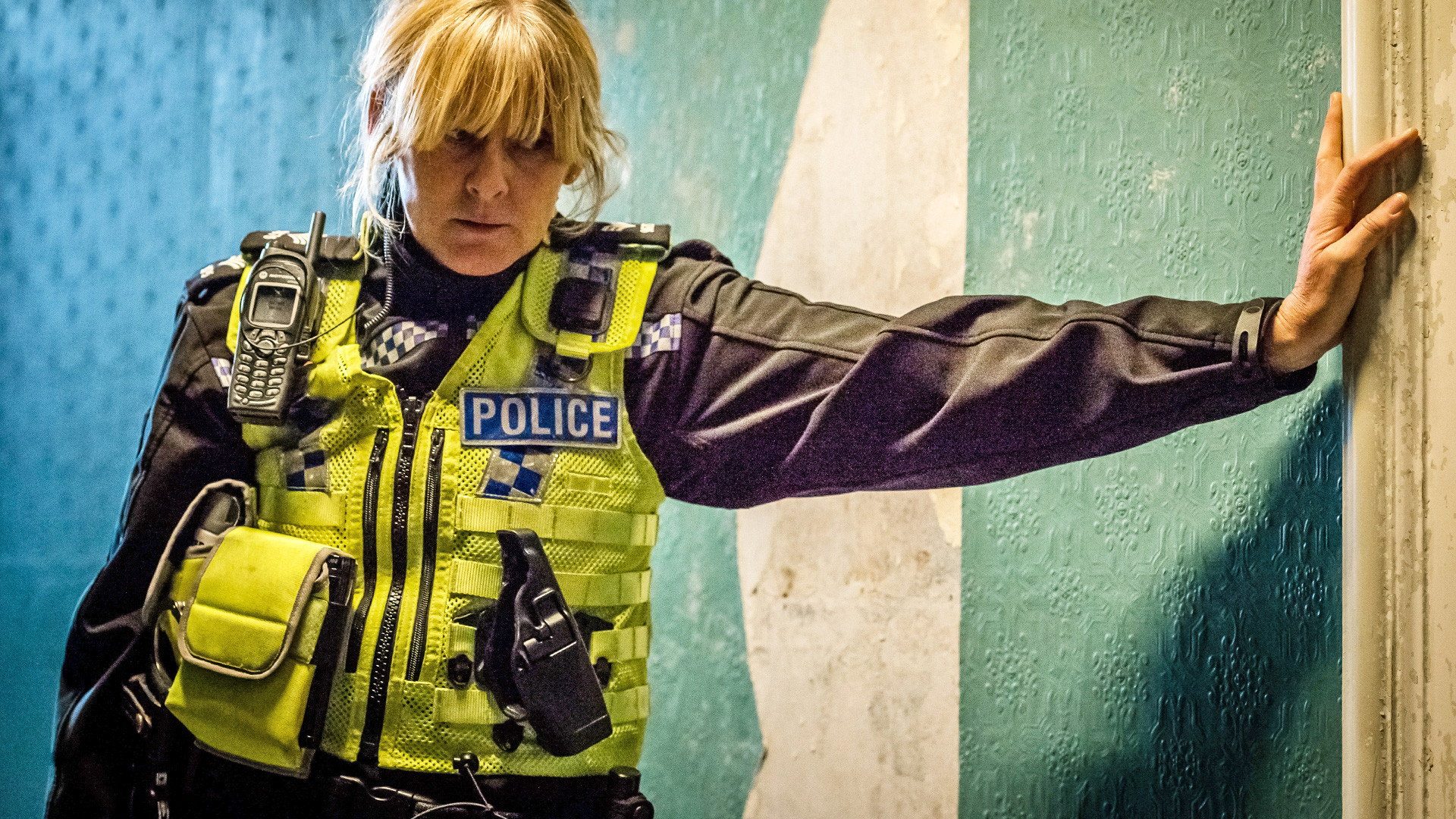
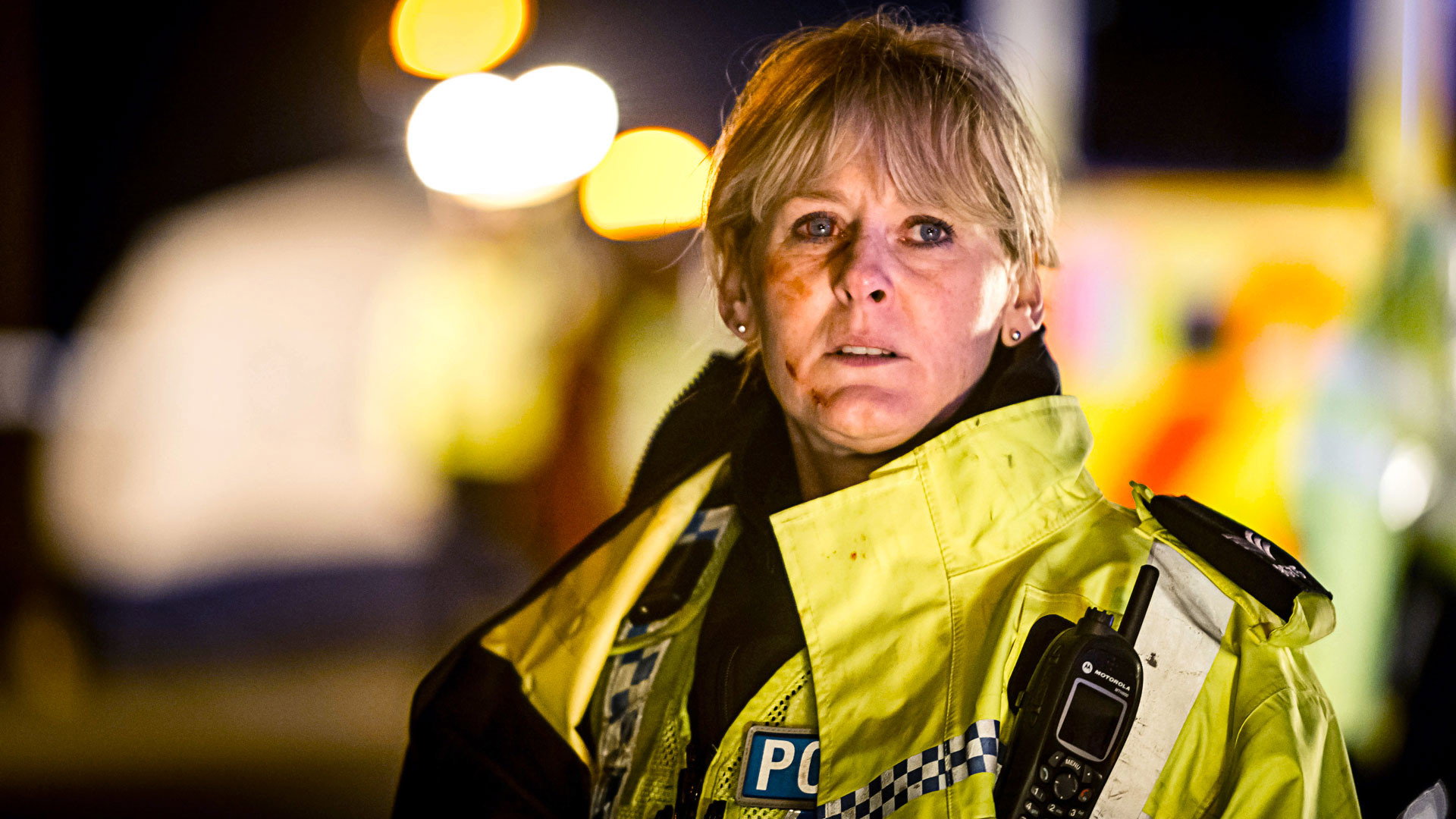
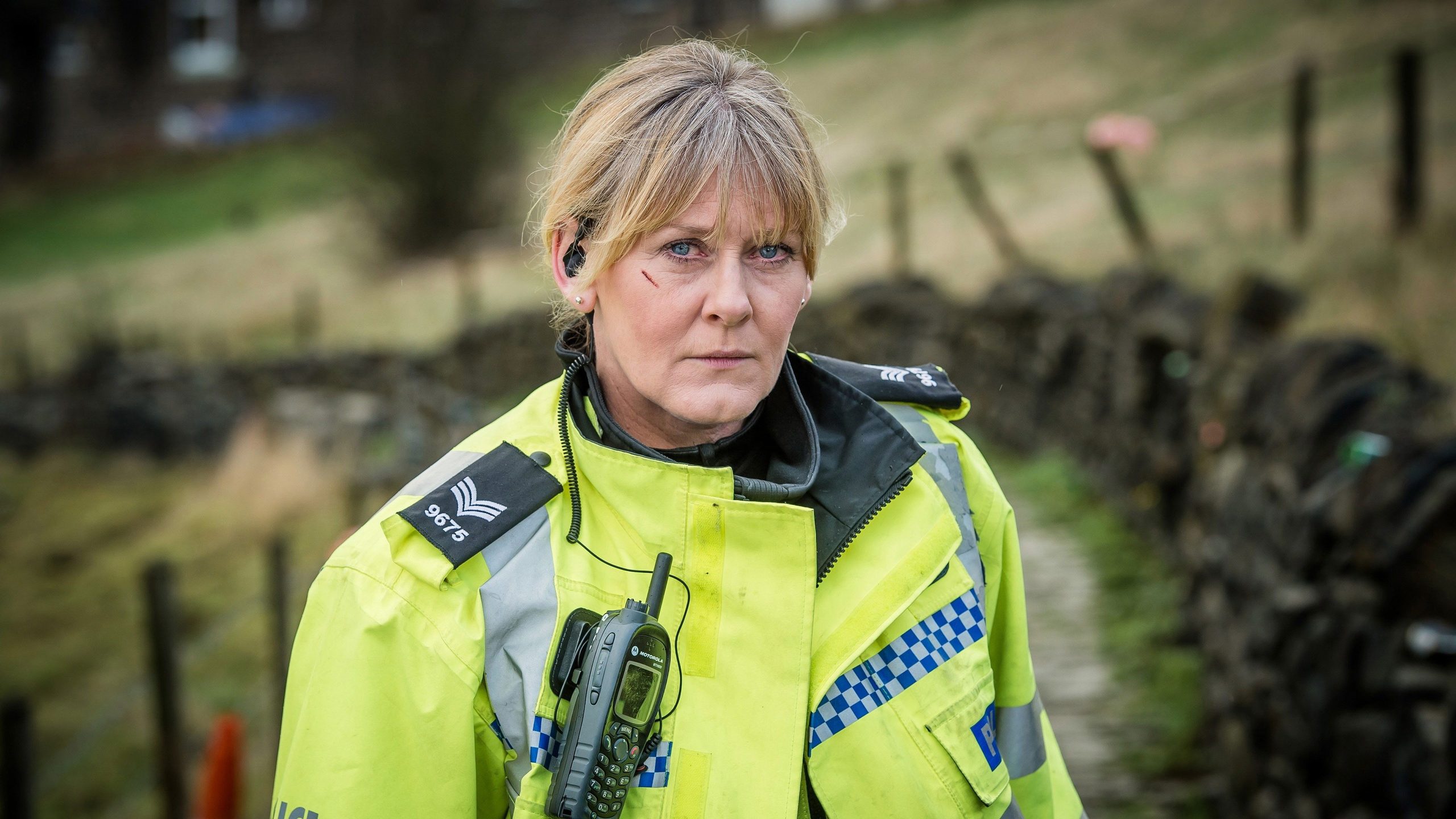
Sarah Lancashire’s Catherine Cawood is the reason. Lancashire delivers the worst facts of Catherine’s life in the flat, brisk voice of a woman filling in a form, and early on we laughed at the delivery, then heard what she had actually said, and stopped. She keeps that double effect going for six episodes. Catherine is funny, bossy, quick on her feet, and there is a hole in the middle of her that she walks around every day. We have not seen many performances on television that manage both at once without a seam showing.
The plot that pulls her out of her routine is the sort of thing that has gone wrong in a hundred films. Kevin Weatherill wants money, his boss Nevison Gallagher says no, and Kevin says something he cannot take back to Ashley Cowgill, a man who sells things he should not. Steve Pemberton plays Kevin as a sweaty bundle of self-pity, a man who thinks of himself as the victim of every consequence he causes, and it is a shrewd piece of casting. The trouble is that the wheels only turn if the men Ashley hires include Tommy Lee Royce, and Wainwright needs that coincidence badly. She does not disguise it. We noticed, and then the writing was good enough that we forgave it, which is not the same as not noticing.
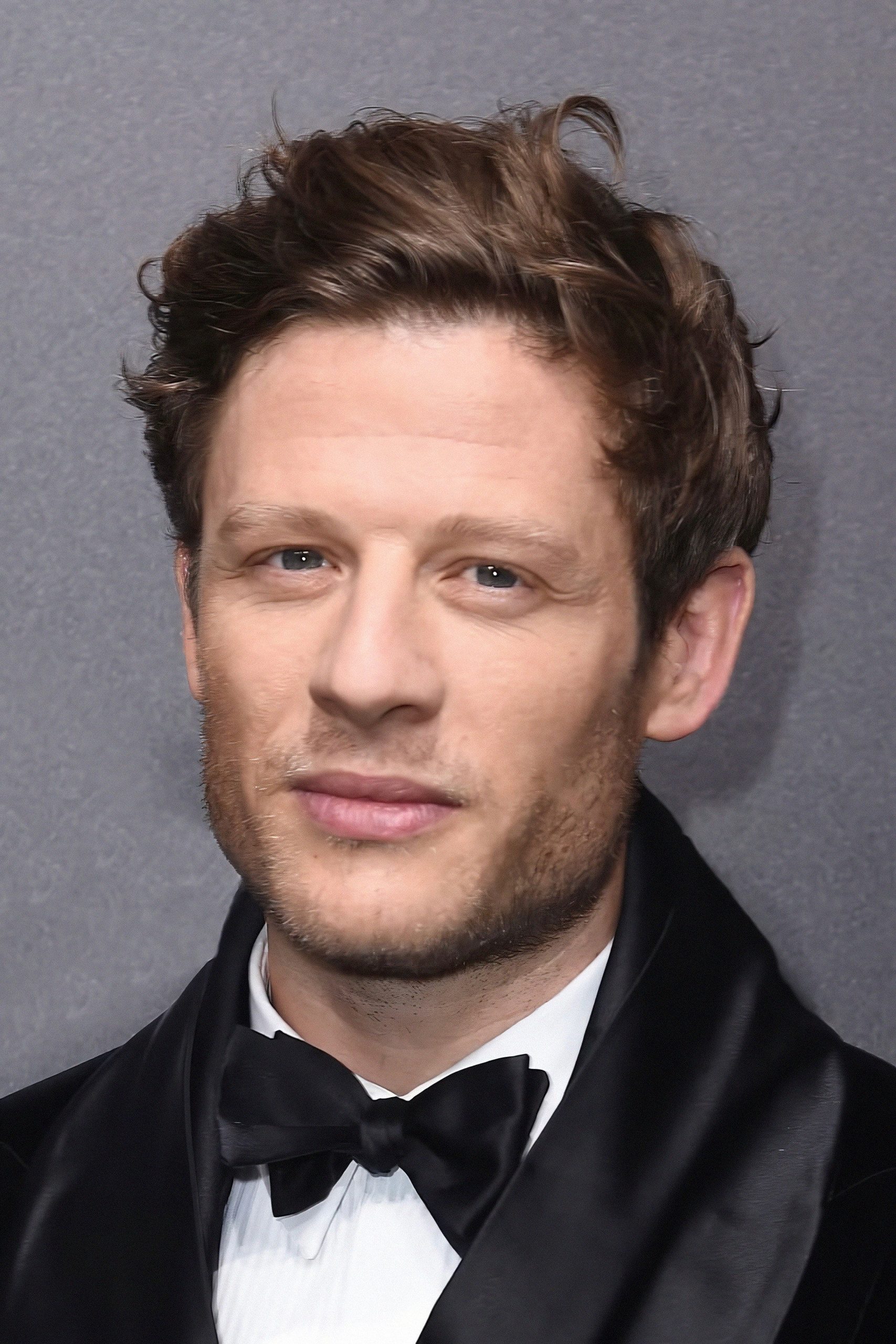
James Norton plays Royce with a soft voice and good manners, and it is the most frightening choice available. He does not snarl. He asks people how they are. Charlie Murphy, as Ann, is given the hardest job in the series, and what happens to her after the first episode we will not describe, except to say that Murphy plays it as a person and not as a plot device, and that the series is careful about the difference. Siobhan Finneran’s Clare is the warmth of the thing, a woman who has made a mess of her life and is quietly astonished to be trusted with a child. Rhys Connah, as Ryan, is allowed to be difficult, which child actors seldom are.
Euros Lyn and Tim Fywell direct the six episodes, and they have agreed on a look: flat grey daylight, wet stone, a valley shot from above so the houses look like they have slid down the hillside and stopped. Nothing is lit to be handsome. The violence, when it comes, is short, clumsy and permanent. People do not get up. What got at us most was not any single act but the waiting afterwards, in kitchens and hospital corridors, where the series sits with the people it has hurt for far longer than the genre usually bothers to.
Each episode runs 59 minutes and none of them drags, though the middle two lean hard on the mechanics of the ransom and we found ourselves wanting to be back in Catherine’s kitchen. The comparison most critics reached for is Fargo, an ordinary man’s bad idea rolling downhill, and it is fair as far as it goes. This is bleaker and less amused by itself, and the police work is closer to social work than to detection. It is also very much a series about women dealing with the wreckage men leave. Two further series followed, in 2016 and 2023, six episodes each; they are worth having and we will say nothing about them here.
Watch two at a time and no more; it is not a series to binge cheerfully. The 15 certificate is honest, and so is the title, in the way that only a policewoman’s joke could be.