Tony Grisoni and Sean Durkin’s four-part drama about a mass shooting refuses to explain the gunman and watches the town instead. Grey, slow, superbly acted and among the most frightening things British television has made, it is less sure of itself in its last hour.
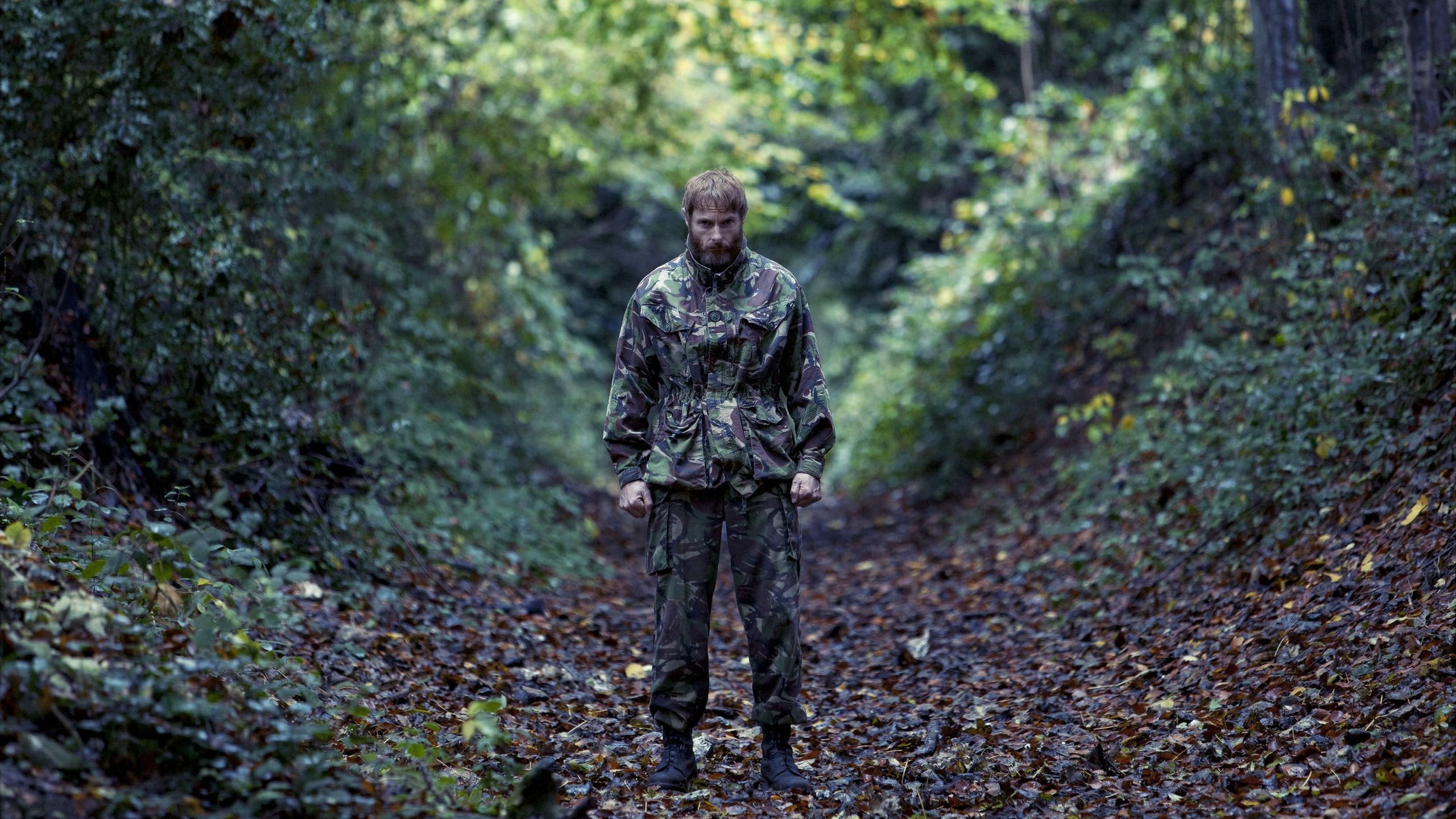
Tony Grisoni’s four-part drama is about a mass shooting in a small English town, and it is not about the man who does it. That decision is the whole of the series. Stephen Morton (Sean Harris) walks through Southcliffe one morning with a rifle, and the four hours that follow spend almost no time asking why, because Grisoni does not think there is an answer. They watch the town instead. The result is grey, slow, superbly acted and as frightening as anything British television has put out, and we recommend it with a warning about the mood you will need to be in.
The first episode moves back and forth across the days around the killings without telling you which side of them you are on. Sean Durkin, whose Martha Marcy May Marlene (2011) did the same thing with a young woman drifting out of a cult, directs all four episodes, and the editors, Daniel Greenway and Victoria Boydell, cut between before and after with no captions and no fades. For ten minutes we were lost. Then we found we could tell from the light and from the set of a face whether the worst had happened yet, and the lostness began to feel deliberate. The town cannot tell either.
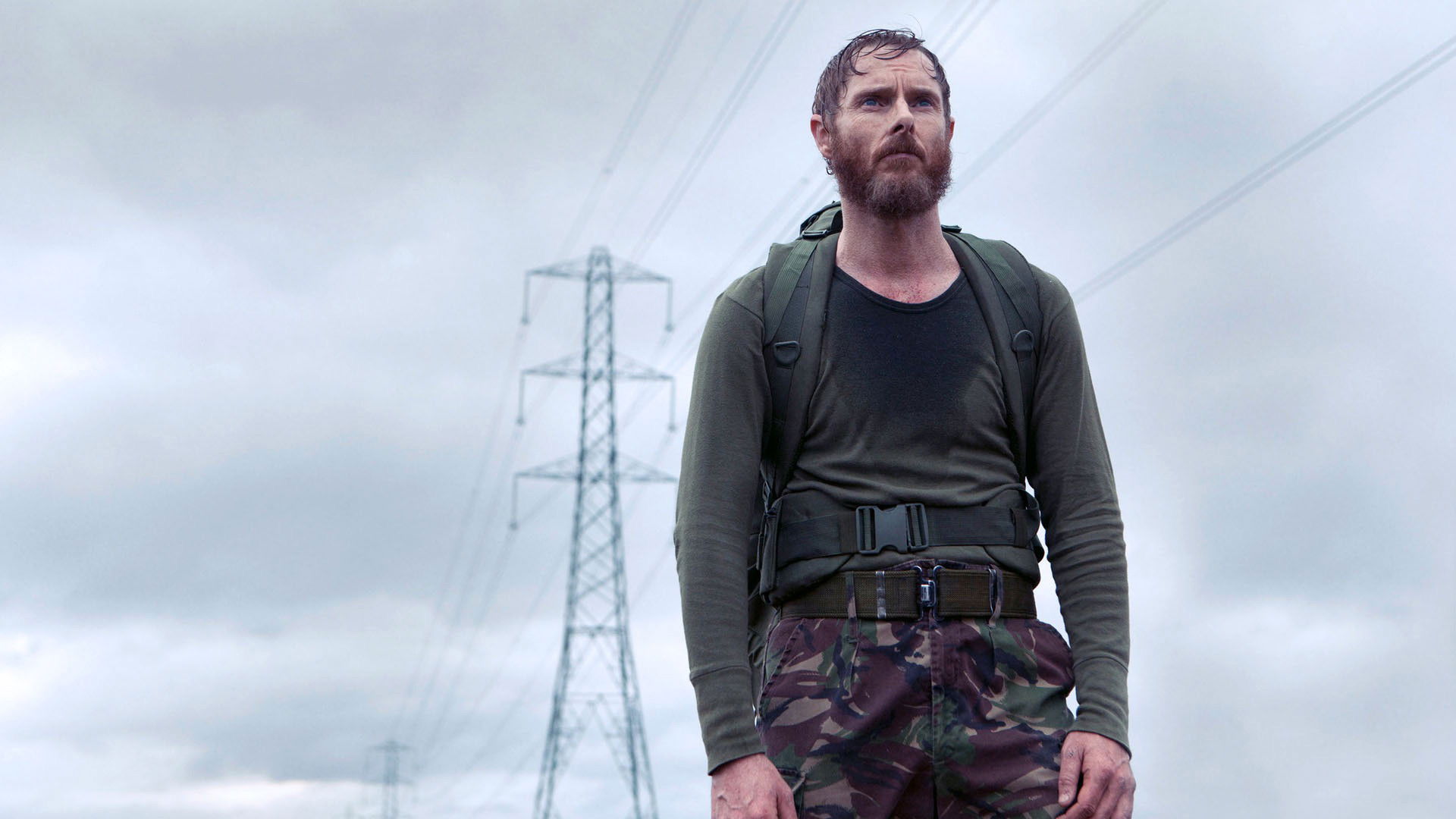
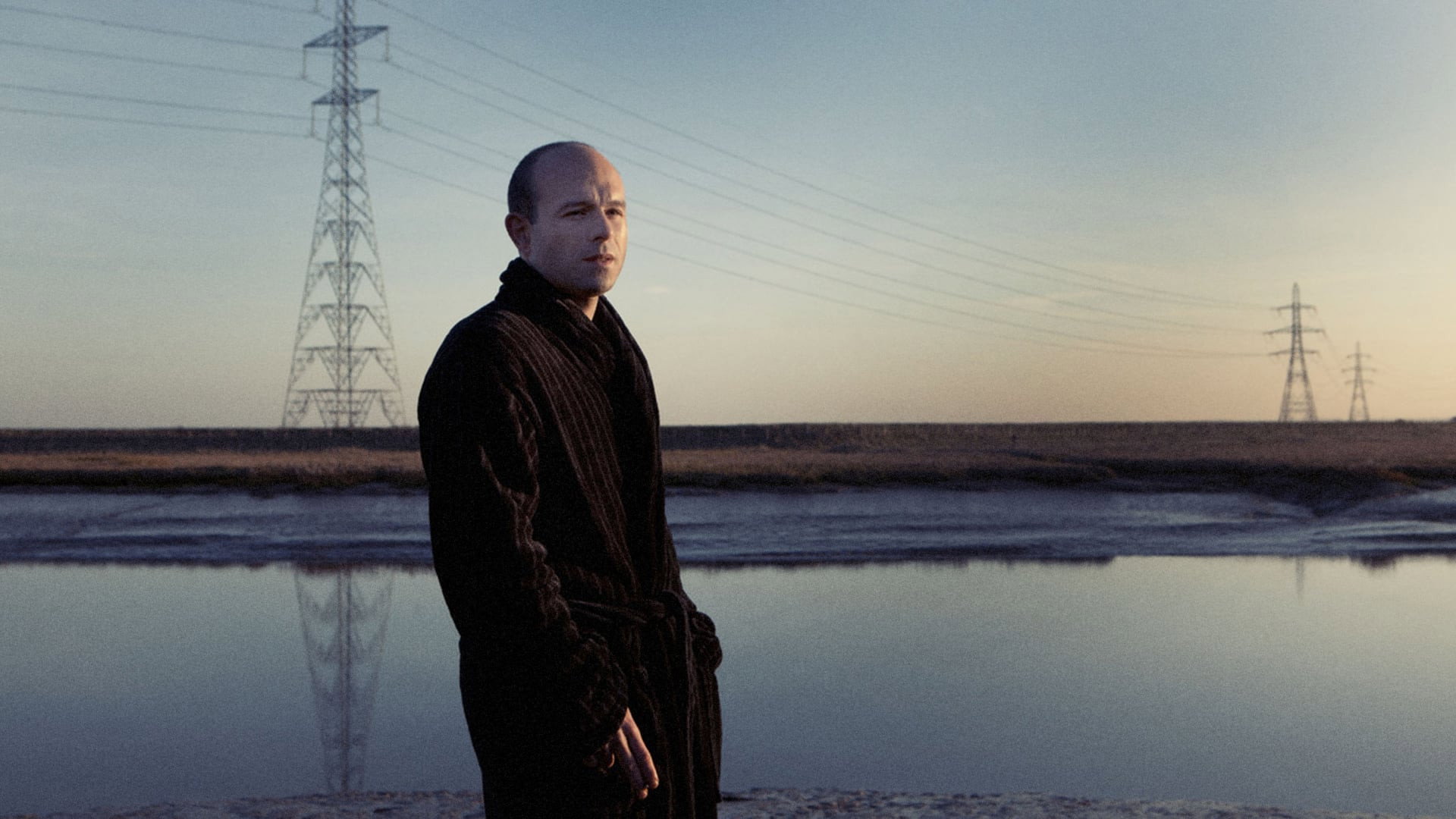
Mátyás Erdély shoots it in flat marsh light, mostly wide, so that the sea wall and the pub car park and the back gardens all sit under the same lid of cloud. The shootings, when they come, are filmed from a distance, in daylight, with no music. A figure walks steadily along a road. Someone drops. The camera does not move closer. We were horrified, and the horror was in the smallness of it: the shots sound like a door slamming two streets away, and the people in the frame do not understand what has happened until it has. Tom Bowyer’s Southcliffe is a real place of car parks and net curtains and a pub with a low ceiling, and Suzanne Cave puts everyone in the fleeces and anoraks of people who buy clothes to keep warm.
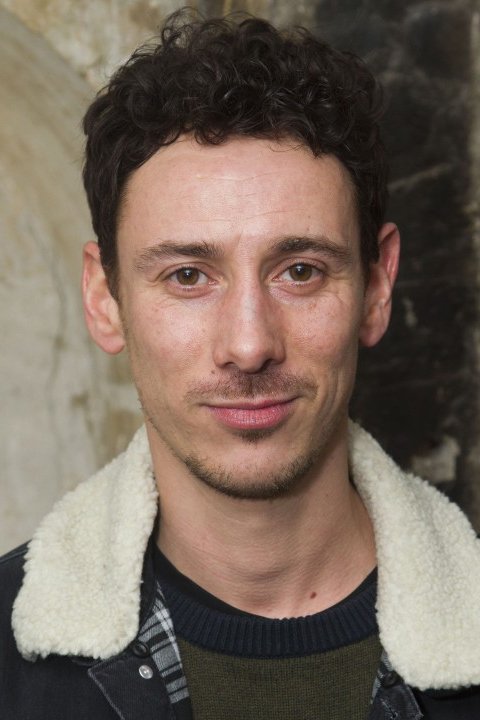
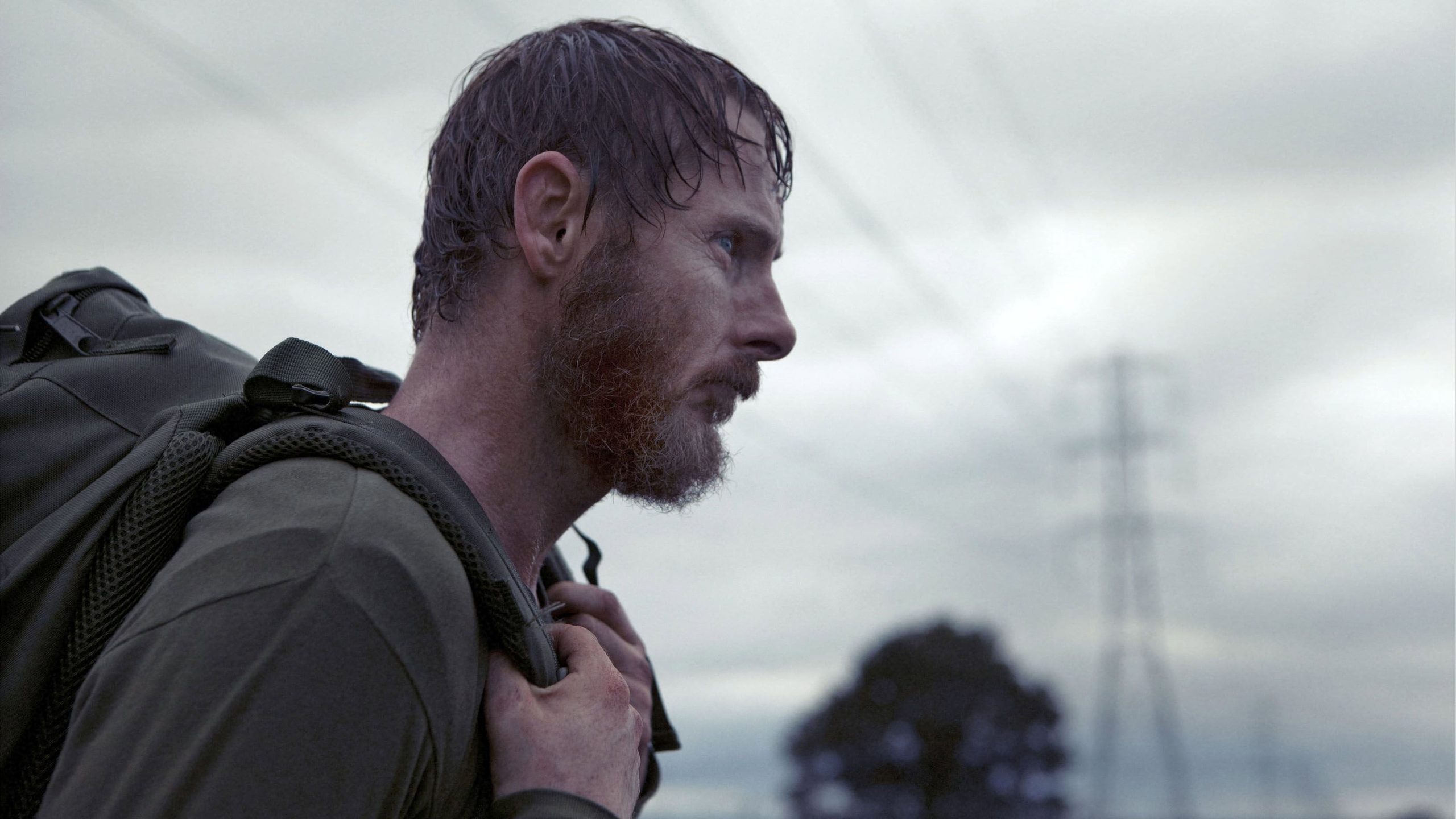
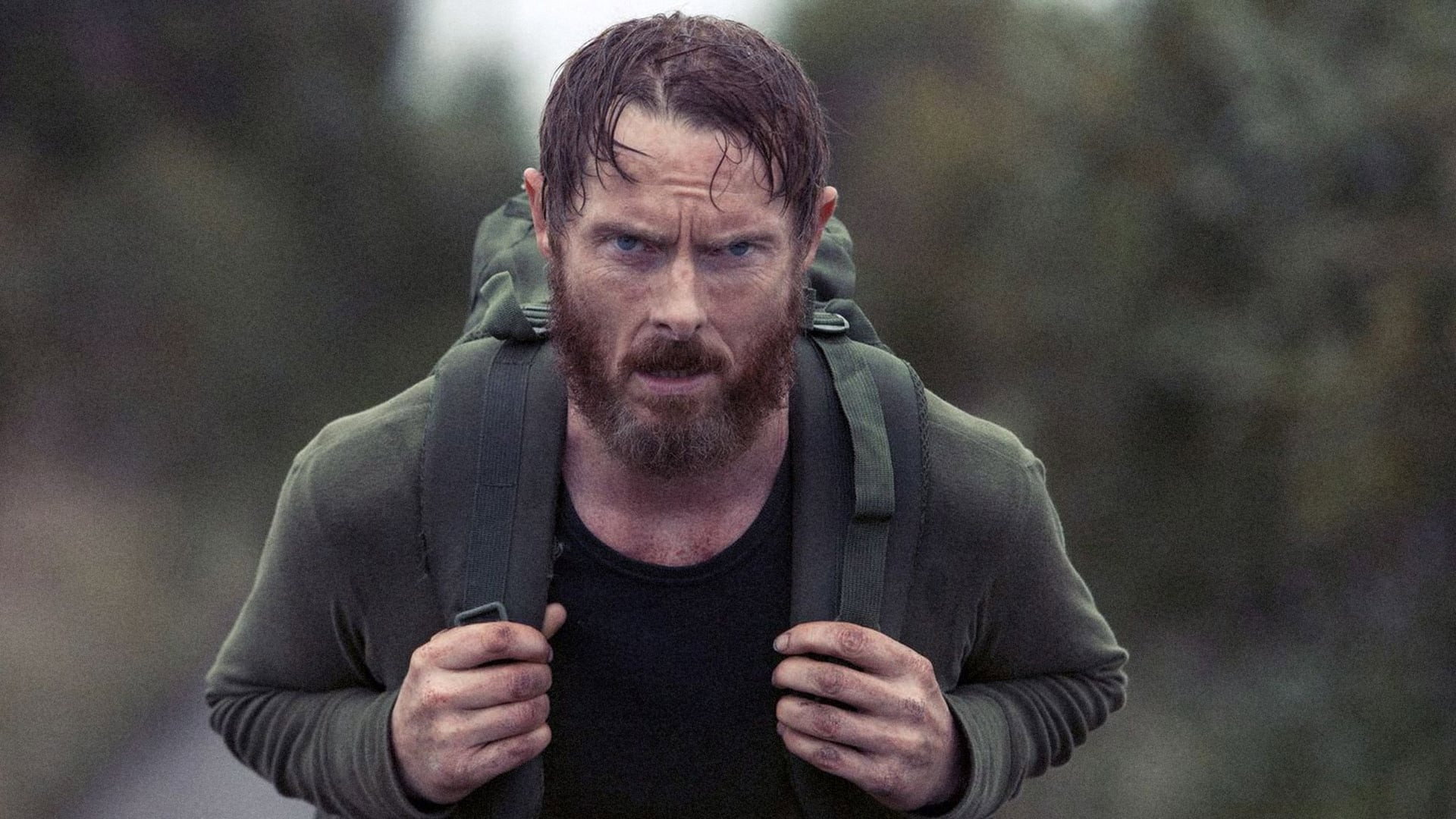
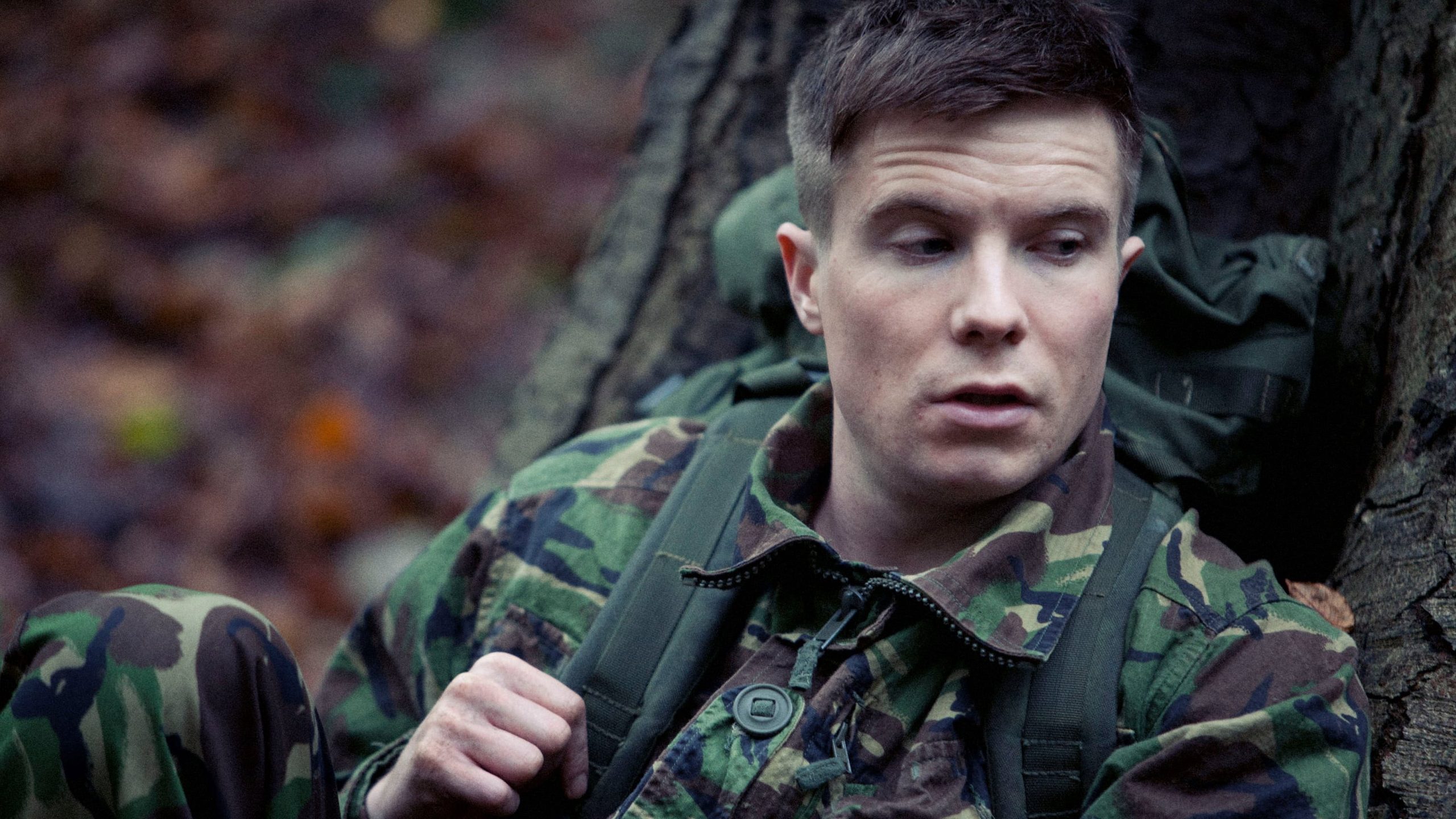
Harris barely speaks. He jogs at dawn, stands at counters, and tells Chris Cooper (Joe Dempsie), a young soldier back from Afghanistan, about a regiment he may or may not have served in. Harris plays him with his shoulders forward and his eyes slightly off whoever is talking, and he never once signals what is coming, which is what makes him so hard to watch. Dempsie is good as a man wound so tight he cannot say what is wrong, and Hayley Squires, as his wife Louise, does most of her acting across a kitchen table, waiting for him to say it.
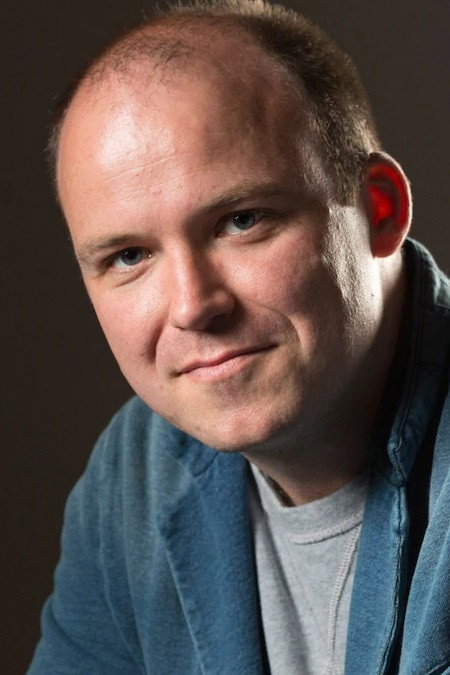
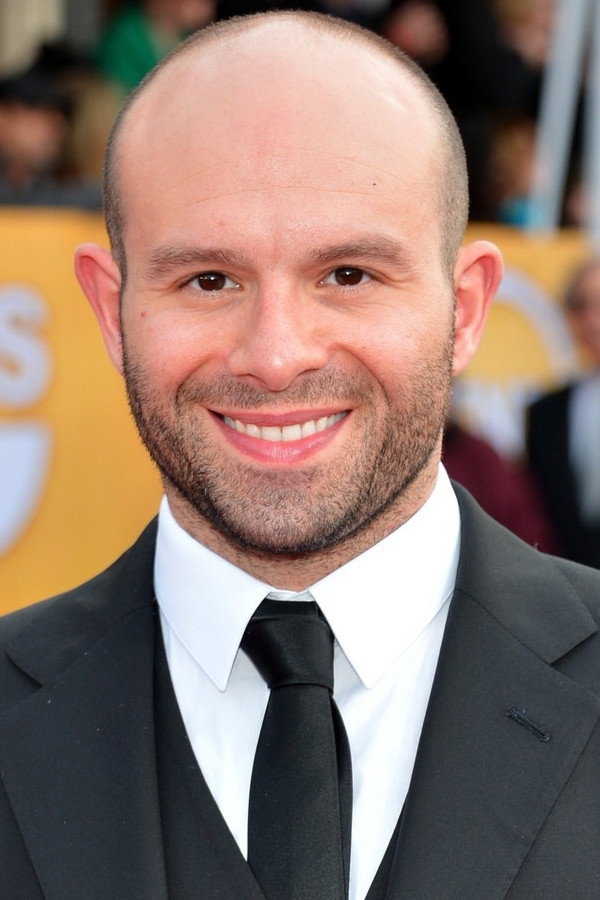
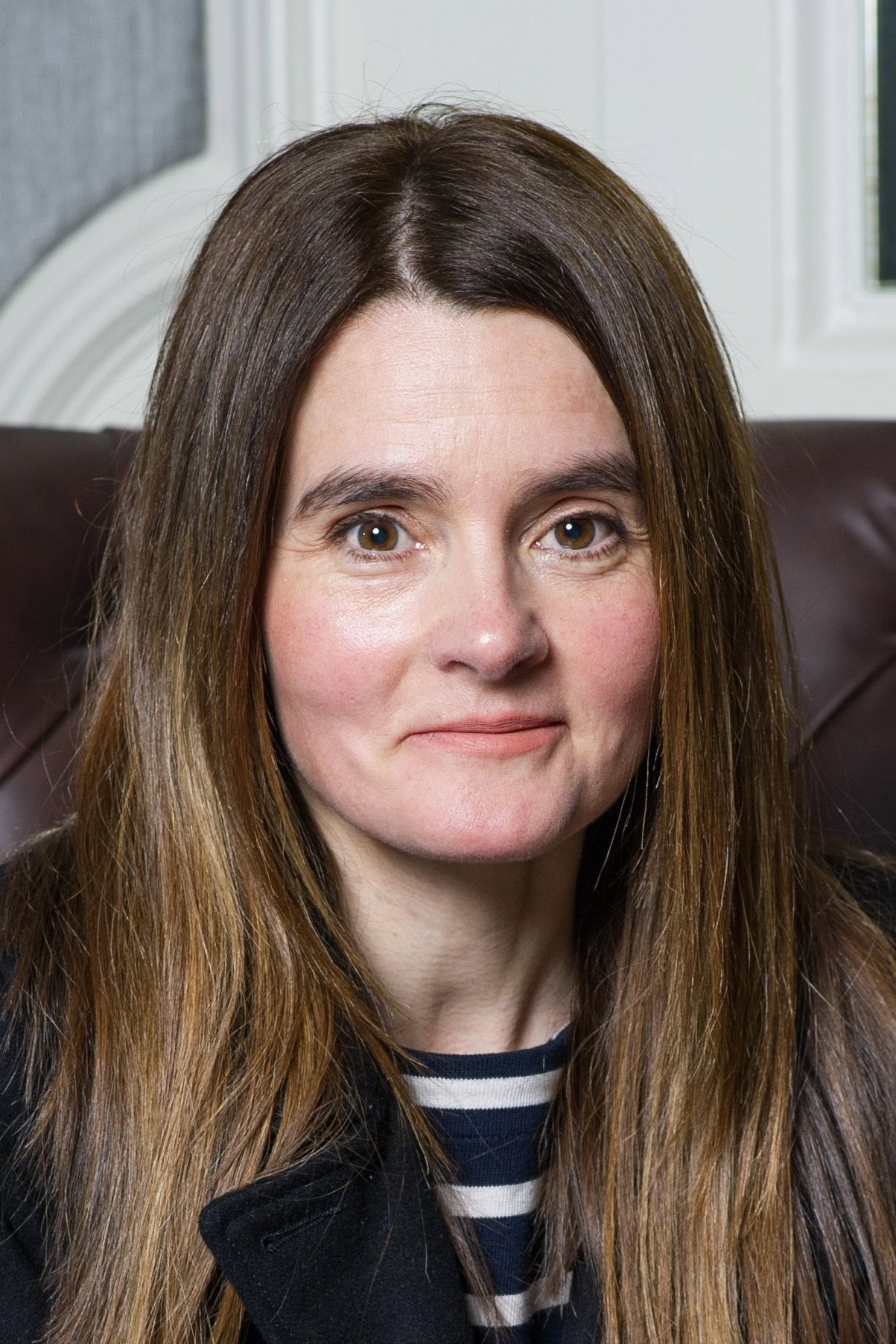
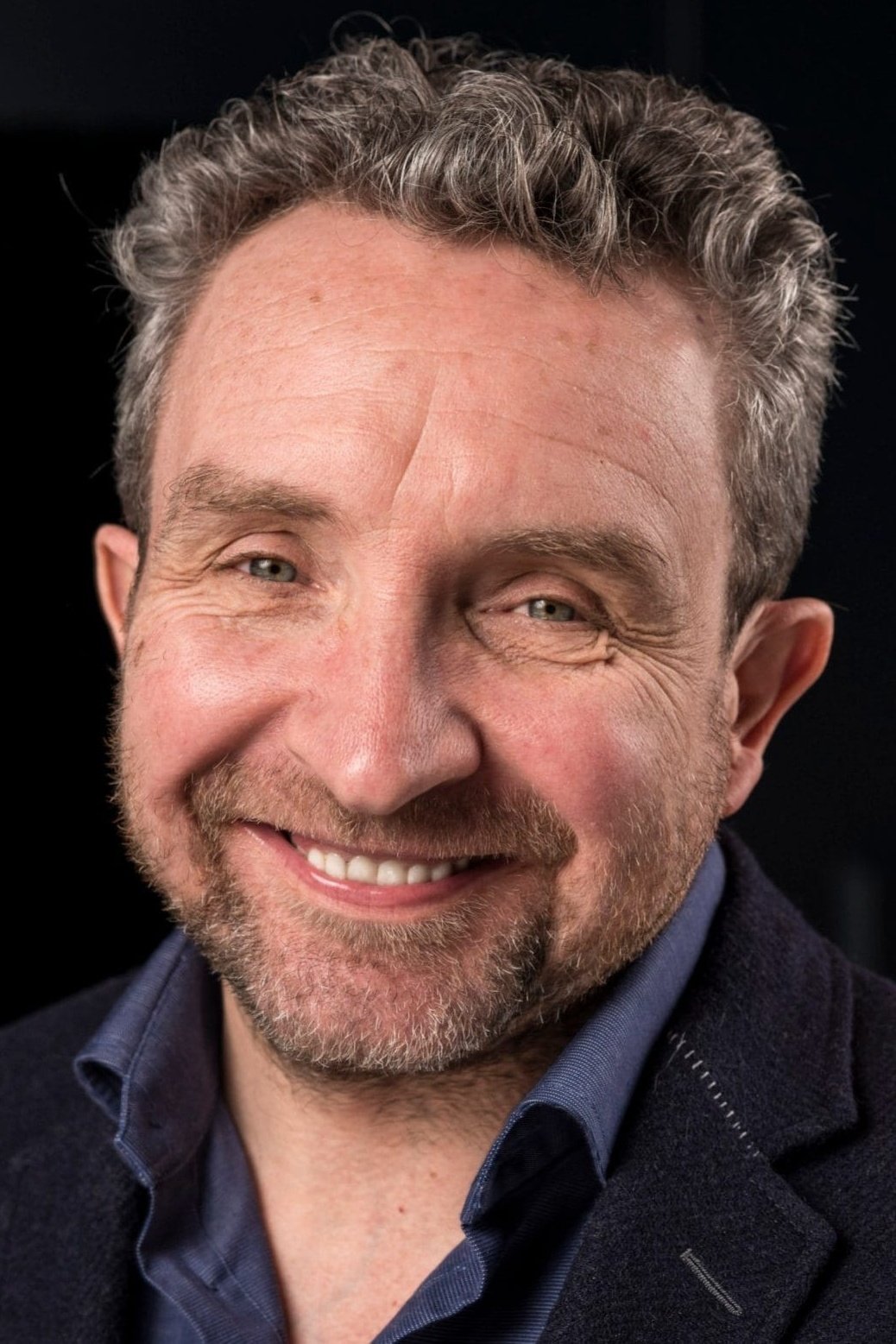
Rory Kinnear’s David Whitehead is the series’ odd angle. He is the television reporter sent to cover the story, he grew up in Southcliffe, and he left it with a grievance he has never put down. Kinnear plays him with a stillness that keeps curdling into contempt, and the series is brave enough to make the man telling the nation about the tragedy the least likeable person in it. Eddie Marsan and Shirley Henderson, as Andrew and Claire Salter, carry the grief. Henderson takes hers inward until she is barely there. Marsan does a great deal by standing in a doorway and not coming in.
Not all of it holds. The final episode moves the ground under us, in a way we will not describe, and what David does with that time feels written to make a point rather than to follow him. Some of the secondary threads are sketched rather than written; Anatol Yusef’s Paul Gould and Al Weaver’s Anthony are present without ever quite becoming people. And once or twice a character says out loud what the series has already shown us, which is the only time Grisoni’s script sounds like a script.
British television usually approaches an atrocity through a detective, because a detective gives you questions with answers. There is no detective here. There is a town, a reporter who does not like it, and four hours of people getting up the next morning. It runs four episodes of an hour, carries a 15, and was first shown on 4 August 2013. Watch it in two sittings, with someone, and not on a night when you have had bad news of your own. We watched all four at once, and afterwards we wanted a walk, and it was not the kind of walk you take to clear your head.