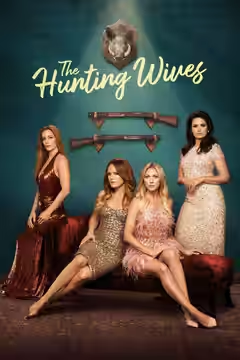
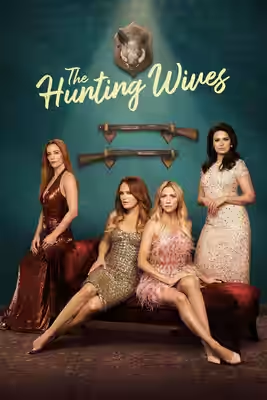
Brittany Snow and Malin Akerman make The Hunting Wives an entertainingly excessive soap, with an attraction worth believing in. The murder mystery is less persuasive, and the political material deserves more attention than it gets.
The Hunting Wives is worth an evening if sexual melodrama is what we have settled in for. Created by Rebecca Perry Cutter, it brings lesbian affairs and Trump-supporting characters together without treating that combination as a reason to be solemn. There is humour here, and enough interest in desire to prevent the affairs from becoming merely a succession of revelations. The trouble starts when the murder mystery needs to justify the attention being paid to it, and the writing becomes markedly less convincing.
Brittany Snow, as Sophie O’Neill, and Malin Akerman, as Margo Banks, give the programme its strongest reason to keep watching. Their chemistry makes the attraction believable even when the plotting around them becomes harder to accept. We were more involved in their relationship than we expected, because both performers make the desire feel plausible amid all the excess. That matters in a series where another complication is rarely far away: there needs to be something worth caring about before it can be put at risk.
Malin Akerman is particularly persuasive, keeping Margo interesting even when the series is being obvious about its provocations. There is pleasure in watching a performer commit to melodrama without asking to be excused for it. Brittany Snow brings enough emotional credibility to their shared scenes that the relationship need not depend entirely on the next surprise. Dermot Mulroney, playing Jed Banks, is enjoyable in a broader way, bringing relish to material that would become dreary if everybody approached it with equal solemnity.
Rebecca Perry Cutter’s adaptation of May Cobb’s novel understands the practical requirements of this sort of television: establish an attraction, complicate it, leave something unresolved. Across the first season’s eight episodes, the pace helps the programme get away with some thin characterisation. The humour helps too, allowing the excess to be funny without making every feeling into a joke. The writing is most promising when sex and politics sit awkwardly together, giving the characters something more particular to contend with than the usual business of keeping an affair quiet.
The difficulty comes when the murder mystery demands more attention. The accumulation of twists makes the characters less distinct, because we spend more effort following the latest complication than understanding the people involved. The political material becomes thinner as well: the series introduces a provocative combination of allegiances and desires, then does too little with it. We do not need a lecture, but we would like the writing to stay interested in those tensions rather than repeatedly asking us to absorb another surprise.
There is a limit to how far speed can cover for shallow characters, and this first season reaches it. Familiar turns are not necessarily a problem in a soap; performances can make an old complication matter again, and these leads often manage that. A mystery needs firmer control over its plotting, especially when it begins taking attention away from the relationships. Give this a chance if affairs, humour and people behaving badly sound like sufficient entertainment, but look elsewhere if the chief attraction is solving the case.