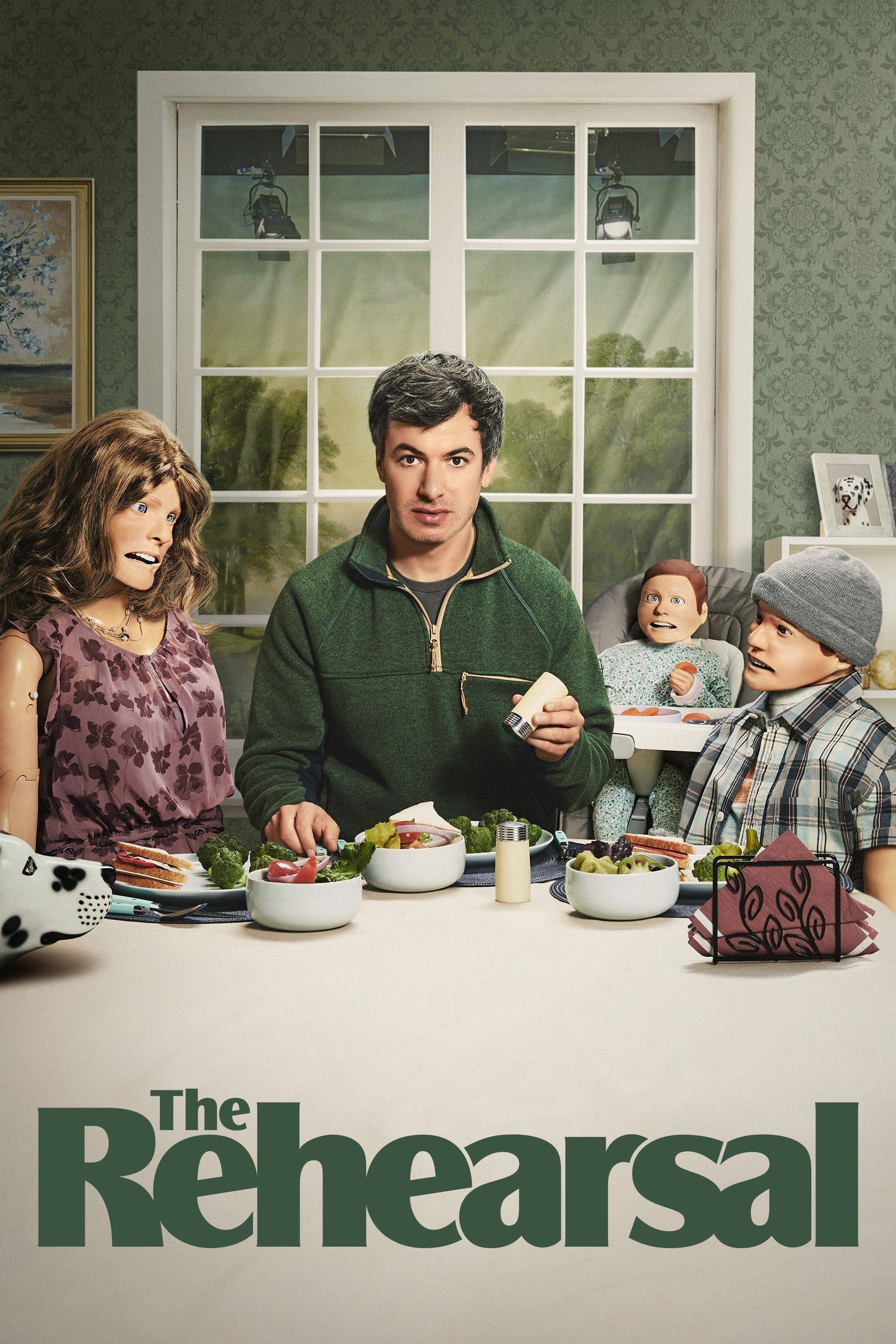
Nathan Fielder’s series about rehearsing life is funny, meticulous and more unsettling than anything else on television, and the copies of rooms are only the start of it. Its one real weakness is that it slowly stops being about anyone but him.
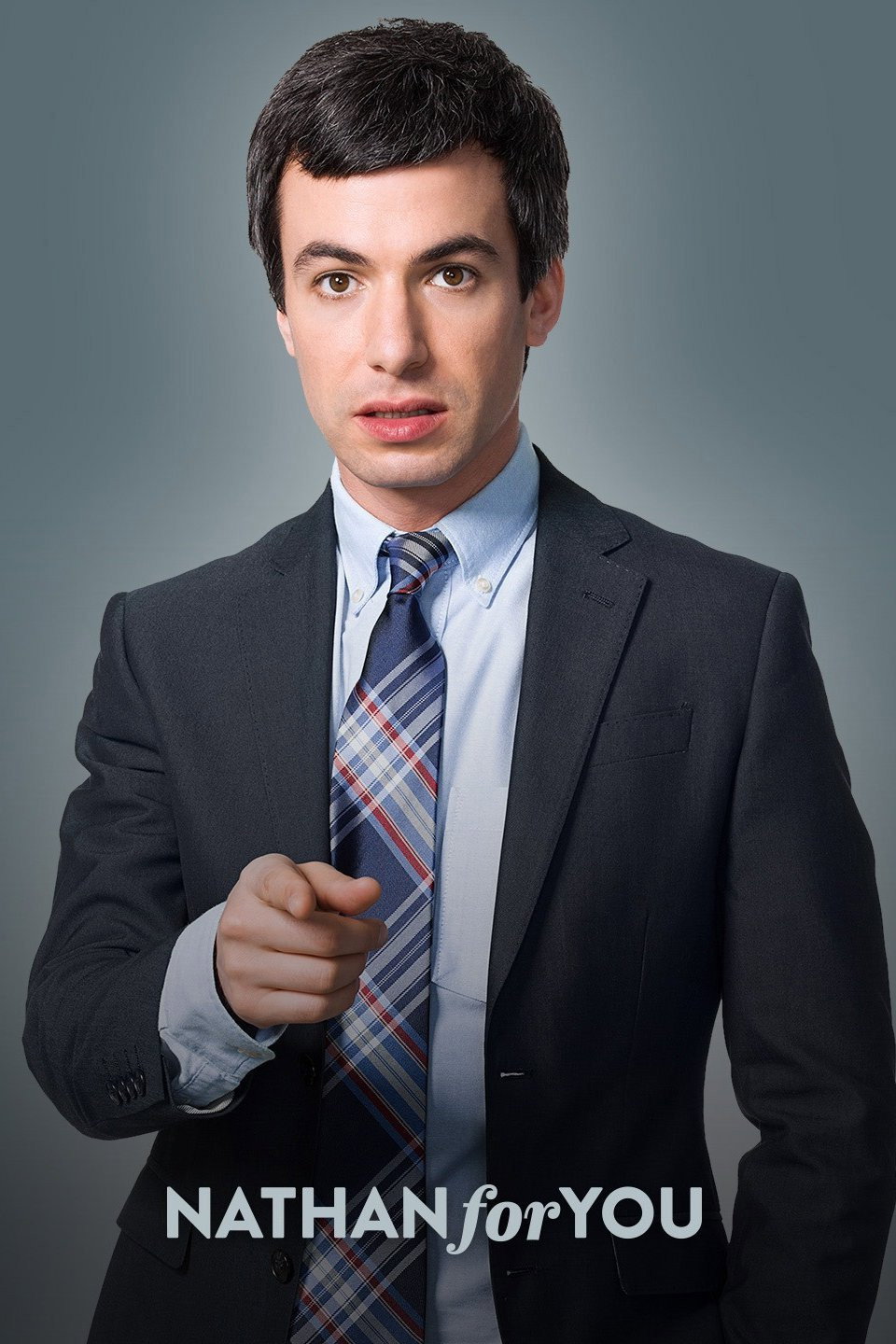
Nathan Fielder’s Nathan for You helped small businesses in ways they had not asked for. The Rehearsal offers something people might actually want. Anyone with a hard conversation ahead of them can practise it first, on an exact copy of the place it will happen in, opposite an actor playing the person they are afraid of, until they have tried every version. Fielder directs, writes with Carrie Kemper, Eric Notarnicola and Adam Locke-Norton, and appears as himself. Six episodes. It is the best thing he has made and one of the strangest things we have watched, and we recommend it with a caveat we will come to: by the middle of the run the client has changed, and the new client is Fielder.
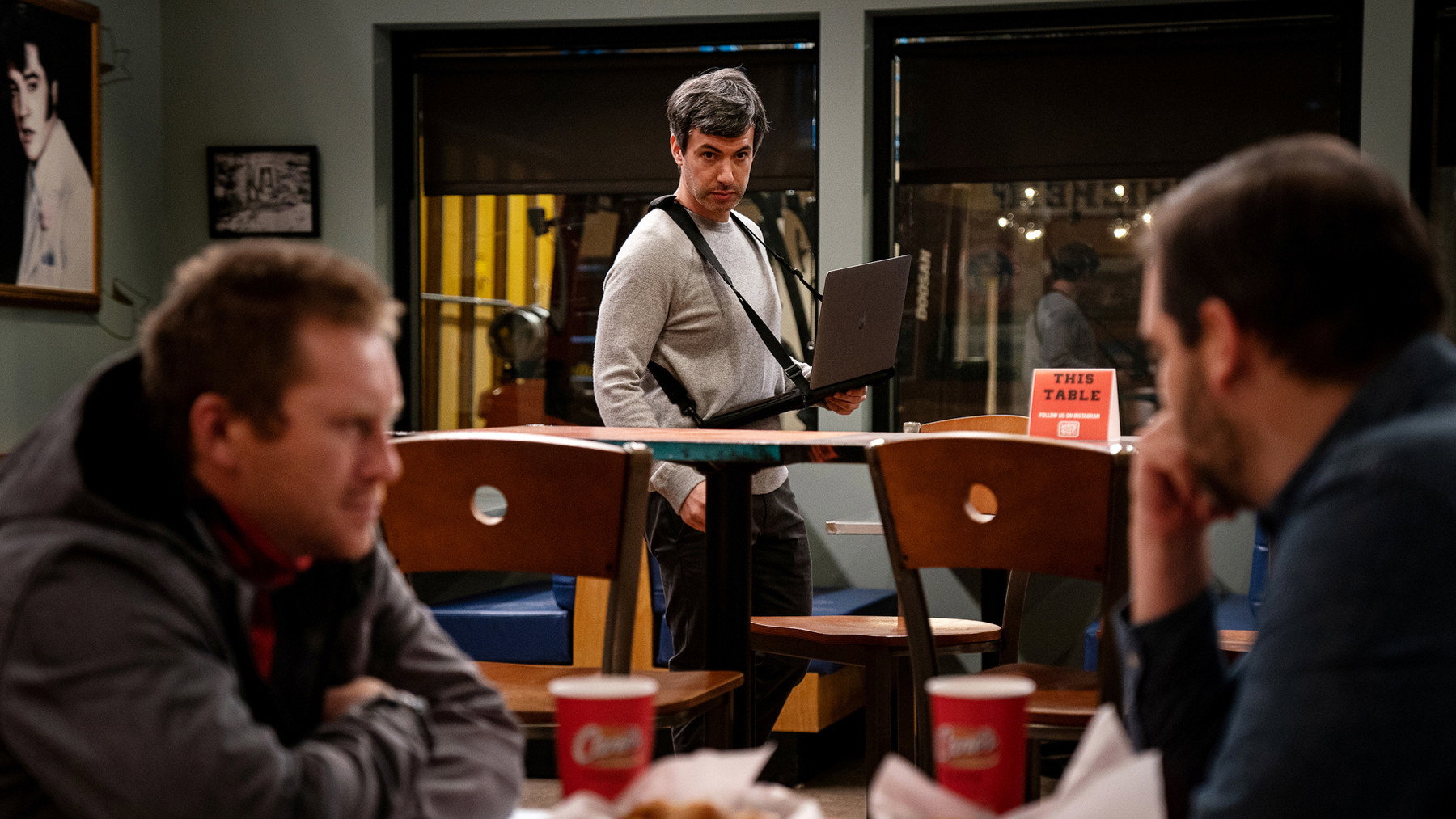
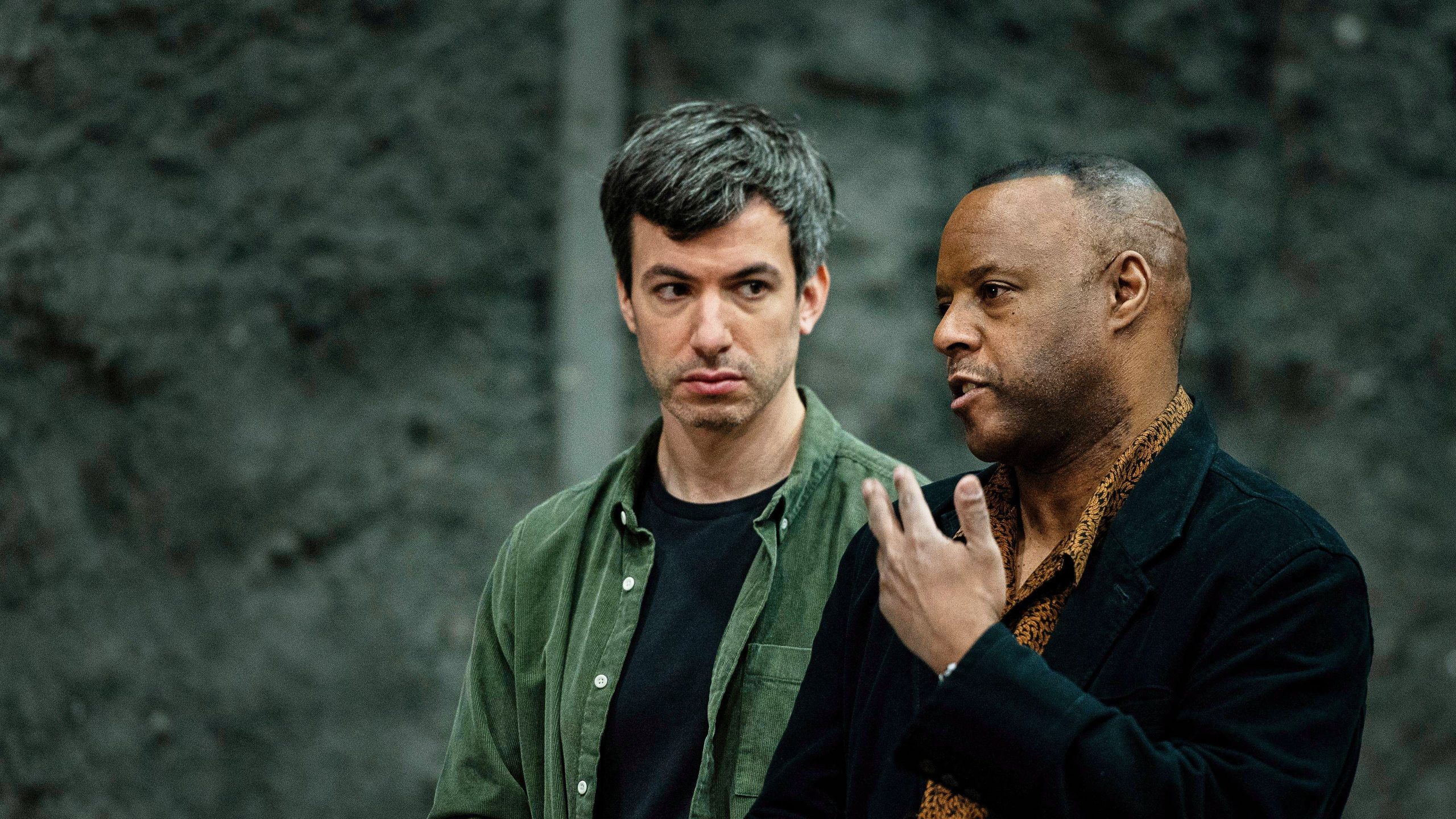
The first episode is the purest statement of the idea. Kor has something to tell Tricia, who plays on his quiz team, and he has been putting it off. Fielder’s crew rebuilds their bar inside a warehouse, and Schuyler Telleen and Rosie Sanders’ production design goes down to the taps, the stools and the chalk on the trivia board. Tony Nation runs the quiz as Fake Trivia Host; Gigi Burgdorf plays Fake Tricia; K. Todd Freeman plays Fake Kor, because Fielder has rehearsed his first meeting with Kor before having it. At one point Fielder produces a flowchart of every direction the conversation might take. We laughed at it, and then we stopped laughing, because we had drawn something like it in our heads before phoning our own relatives.
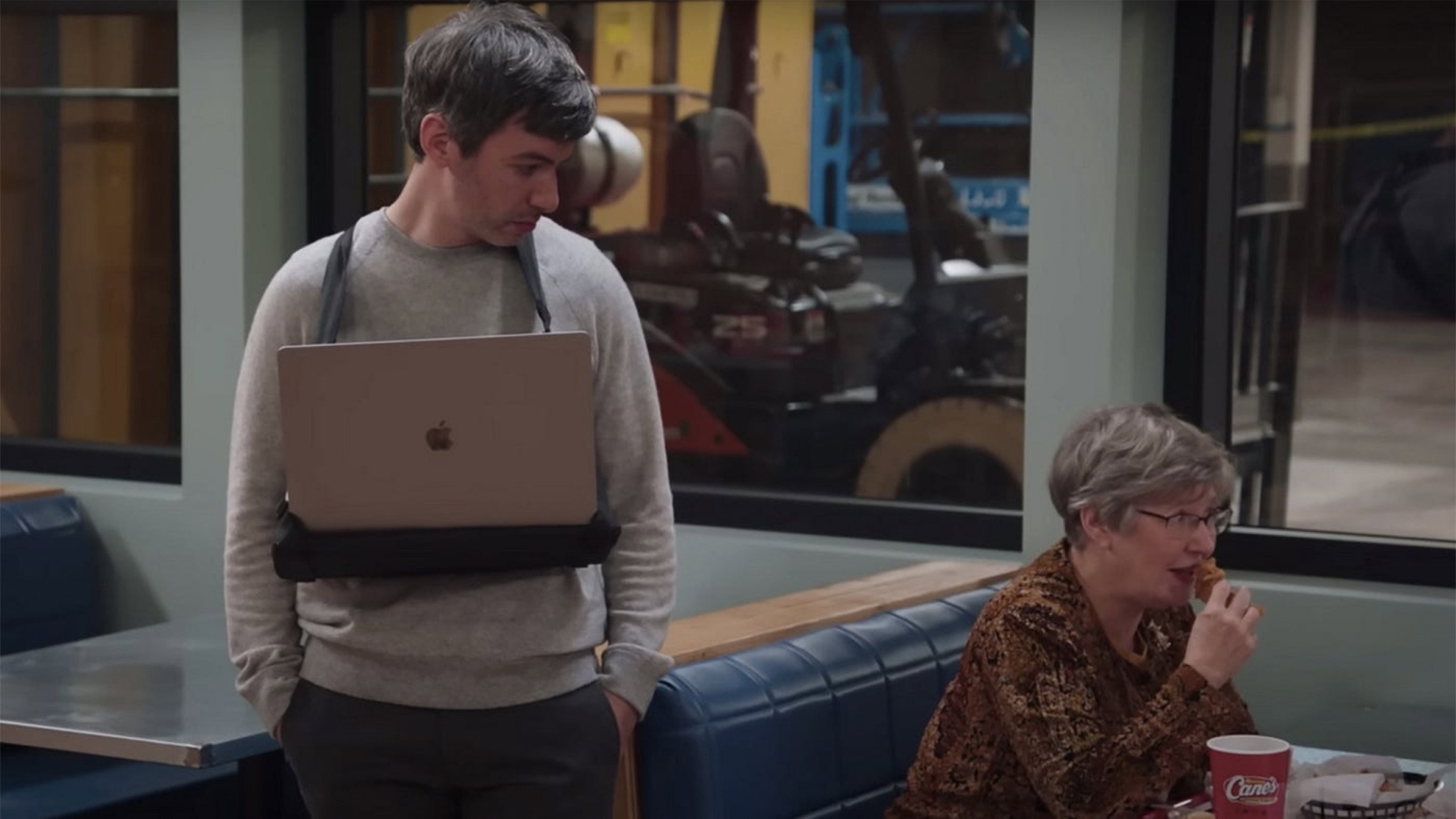
Marco Cordero shoots the copies exactly as he shoots the originals, flat and even, so that a cut from the bar to the replica of the bar barely registers. That is the whole trick and it is disturbing every time. Locke-Norton and Andrew Fitzgerald edit so that we are sometimes a full scene into a rehearsal before we realise it is one, and they never point it out. Briana Jorgenson dresses the stand-ins in the real people’s clothes and keeps Fielder in the same zipped jacket throughout, as though he too were a costume. Fielder’s narration is level, polite and faintly sorry about everything, and the sorrier it sounds the funnier it gets.
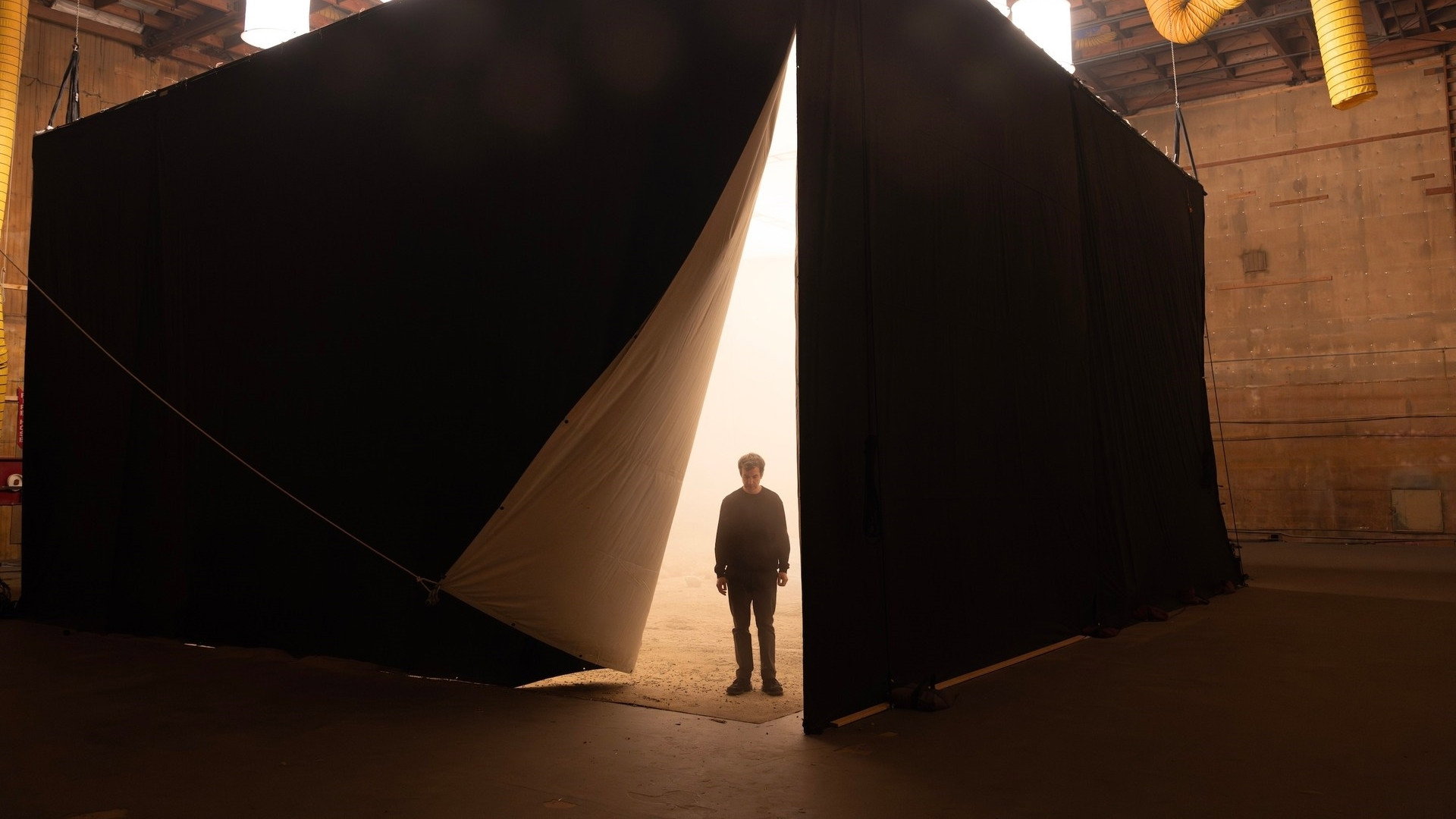
After the first episode the series goes somewhere we will not describe. What we can say is that the builds get larger and the man in the zipped jacket is increasingly the one being rehearsed for. This is where the series stops being a comedy with a sad edge and becomes a sad thing with comedy at the edges. The show knows this. Knowing it is not the same as being easy about it, and it stayed with us for days.
The caveat is one most critics noticed and waved through. Fielder’s need to control every outcome becomes the story, and for a stretch in the middle the joke is that nothing is happening, which plays, on a sofa, as nothing happening. The volunteers thin out. Those who remain are real people with real beliefs, and there are scenes where the show seems unsure whether it is listening to them or waiting for them to say something usable. We felt, once or twice, that we were watching a very expensive way for one man to avoid a phone call.
Against Fielder’s own earlier work this is braver and less funny, and the trade is worth it. Nathan for You had marks; here the marks are volunteers and the cruelty is turned inward, on the man with the flowchart. Against the genre of reality television it has the courage to build the machinery in full view and then walk into it.
Watch one episode a night, two at most. Seen in a run, the replicas start to blur into the originals, which may be the point but is not pleasant.