Brian Dooley’s sitcom shuts eight people in one room, gives them nothing to do and no audience to laugh for them, and gets a surprising amount out of it. It sags when the gossip runs thin, but the cast is better than the reviews so far allow.
Brian Dooley’s sitcom has one set and one idea, and the idea is that the most honest place in any office is the room where nobody is pretending to work. Every episode is 30 minutes in the smoking room of a company we learn very little about, and the plot, such as it is, consists of who comes in, who goes out and what is said about the people who are not there. Nothing happens. That is the point, and for a good deal of the sixteen episodes across two series it is enough.
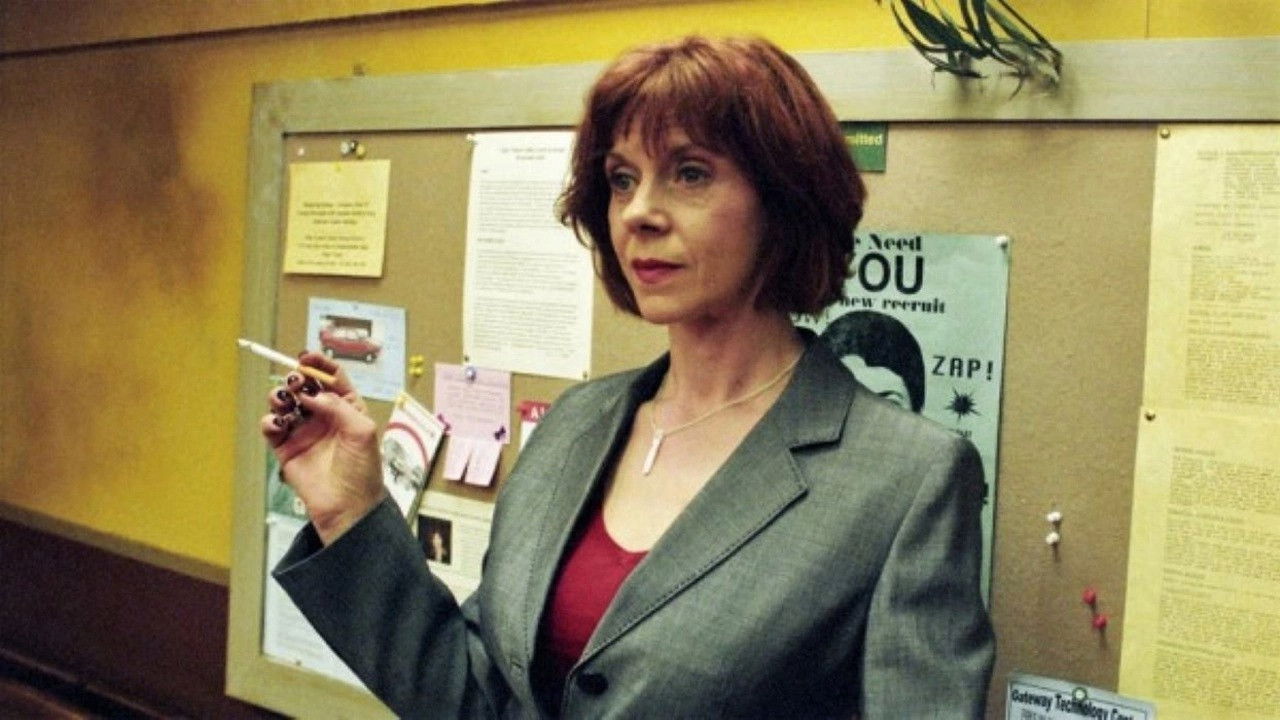
Robert Webb’s Robin is the one who is always there, a man who has arranged his working life so that the working part of it takes up as little of the day as possible. Webb plays him low and sour, the jokes muttered into his chest rather than pitched at the table, and it is a quieter piece of work than the parts he became known for. Paula Wilcox’s Lilian is the elder of the group, its gossip and its self-appointed conscience, and Wilcox gives every judgment a little smile of regret that fools nobody. Siobhan Redmond’s Sharon gets the biggest laughs from the smallest movements of the face; she can end a conversation by picking up her lighter.
The rest of the cast is well chosen and unevenly written. Debbie Chazen plays Annie as a woman who says the wrong thing sincerely, and never once plays it as stupidity, which is harder than it looks. Jeremy Swift’s Barry is a bundle of nerves whose life outside the smoking room arrives in fragments, and Swift makes each fragment sadder than the last. Leslie Schofield’s Len has one note, an old man’s certainty about how things used to be, and Dooley hits it too often. Fraser Ayres and Nadine Marshall, as Clint and Sally, are given less to do and do it well.
Dooley made the show without a studio audience, so there is no laughter on the track telling you where the joke was, and the cast are left to time it themselves. Ben Wheeler lights the set as offices are lit, from above and without kindness, so everyone looks slightly tired even at the start of the day, and he keeps the camera at roughly the height of a seated person, which puts us at the table rather than watching it. The effect is of eavesdropping. When it works, the scenes have the loose, overlapping rhythm of real talk, with people not listening to each other and one line landing a beat late.
We laughed hardest at the swerves: the door opens, the person under discussion walks in, and the conversation turns to the weather without anyone missing a step. Then we felt a small chill of recognition, because we have done exactly that, and so has everyone reading this. The show is at its best when it lets that discomfort sit for a second before the next gag. It is at its worst when it reaches for the coarse joke to fill a silence, and it reaches more often in the second series than the first.
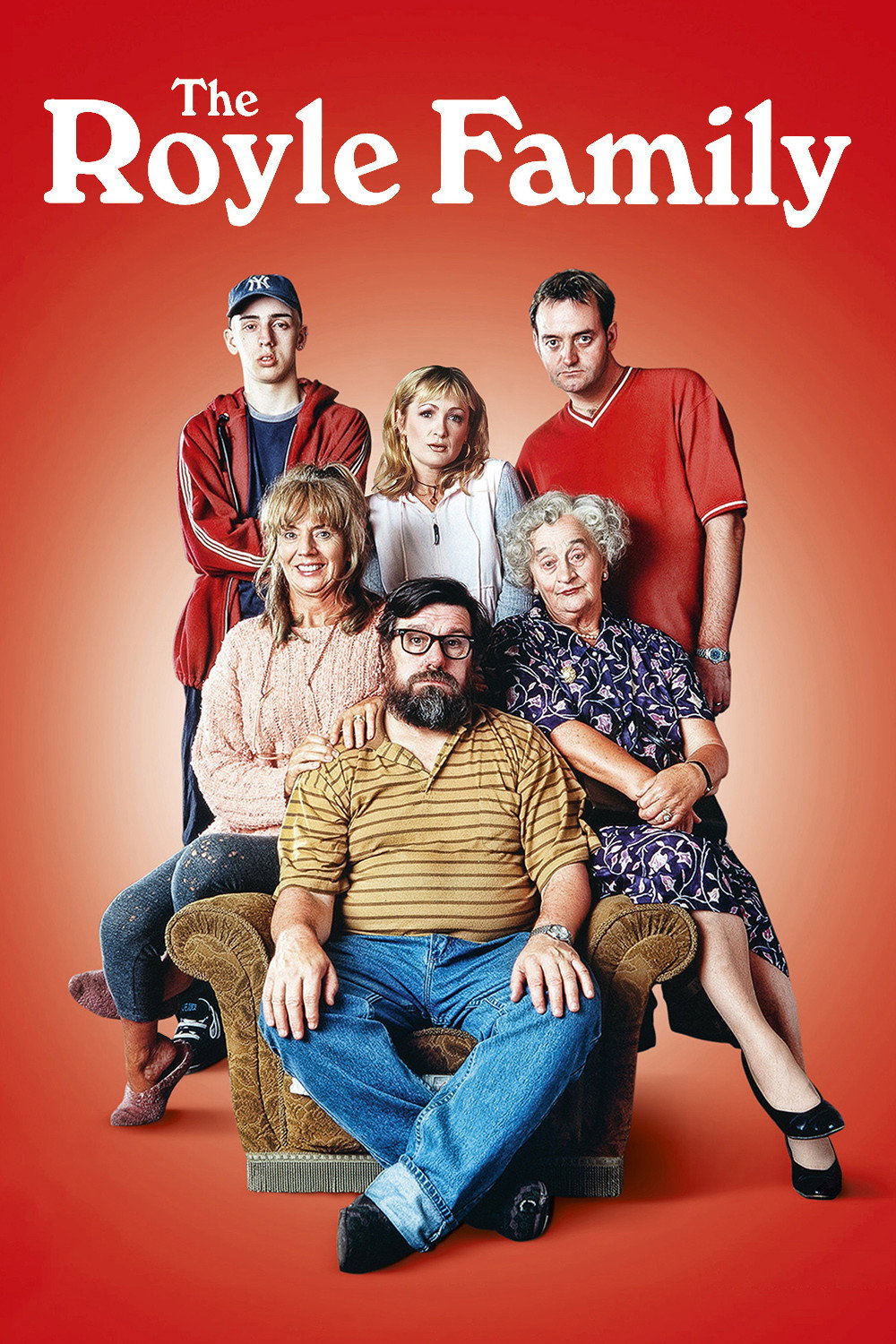
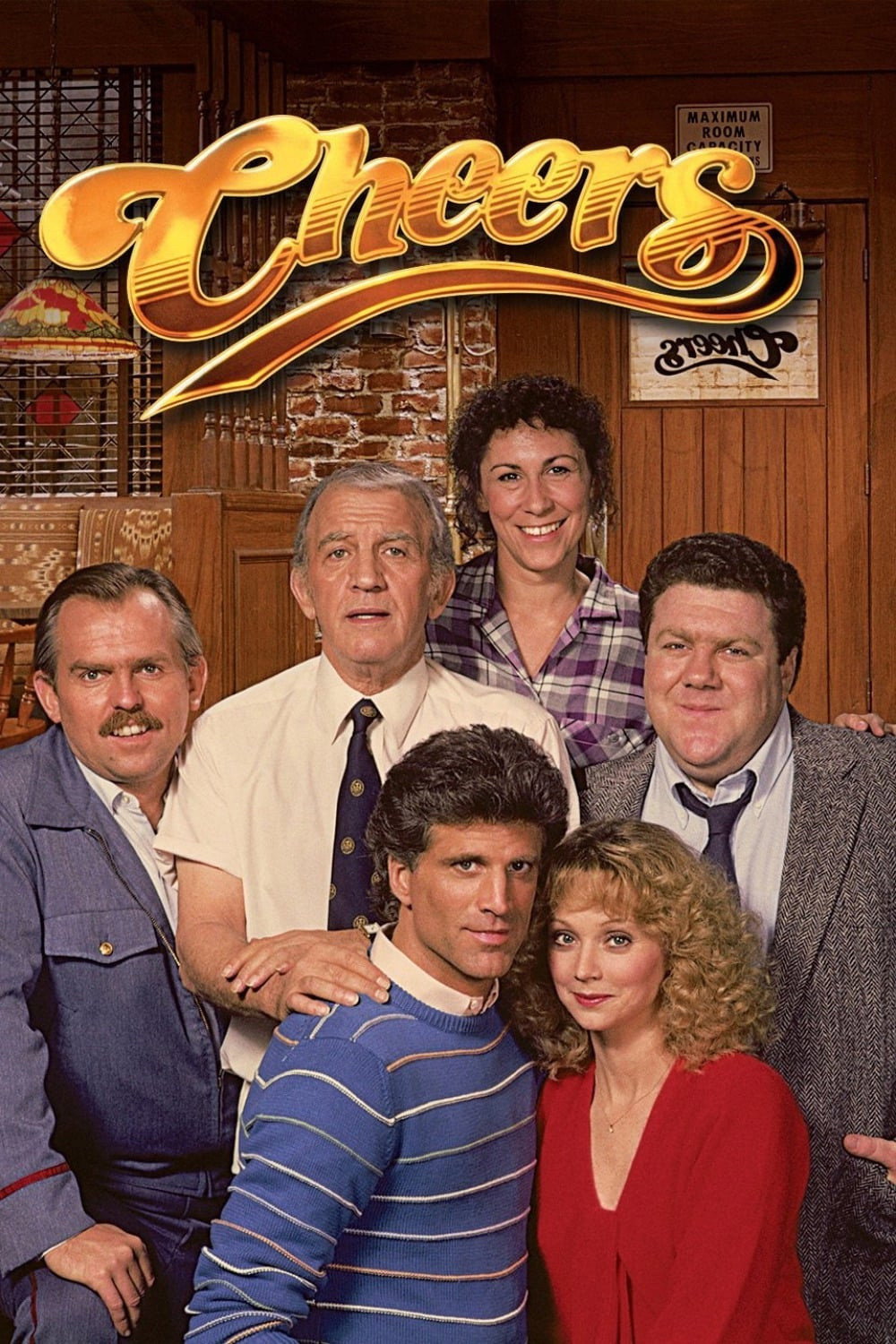
The reviews so far have been cool, one finding the script laboured, another enjoying it once and doubting it would bear a second look. We think both misjudge a show that has chosen to be small. It arrived three years after The Office and does the opposite thing: no camera for the characters to glance at, no boss to squirm over, no arc. Against the bottle sitcoms it descends from, the single set where nobody leaves and everyone talks, it is neither as warm as Cheers nor as sharp as The Royle Family, but it belongs on the same shelf.
Watch two or three in a row rather than one; the smoking room needs time to fill up and the faces need time to become people. Beyond four in an evening it starts to smell, which is roughly how the characters feel about it too.