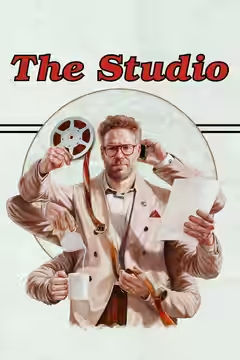
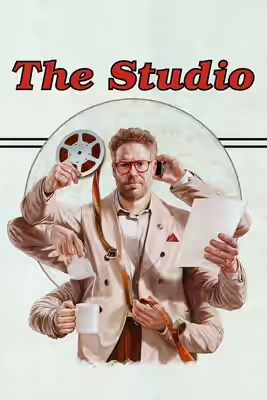
Directors Rogen’s Hollywood farce is funny, tightly performed and sometimes exhausting. The cast make the panic worth enduring, although the programme grows too pleased with its own industry to be quite as ruthless as it first appears.
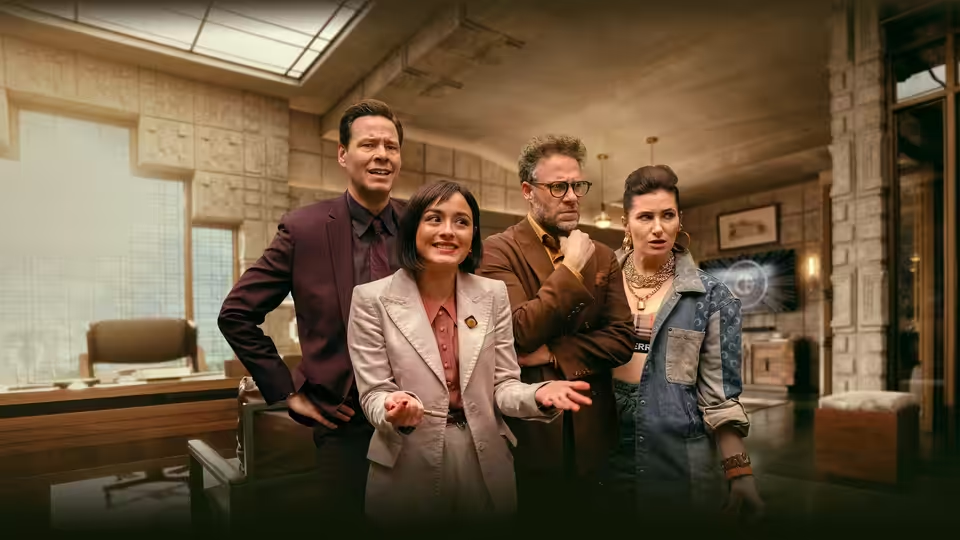
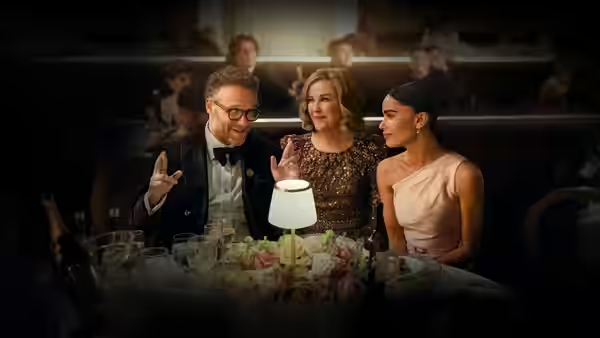
The Studio is a funny, exactingly performed workplace farce, and we recommend it with a warning about the amount of embarrassment involved. Its subject is the Hollywood executive who loves cinema and still has to make commercial decisions, a predicament Directors Rogen makes convincingly uncomfortable as Matt Remick. Directors Rogen and Evan Goldberg understand how quickly enthusiasm can become an excuse to interfere. The comedy comes from watching professional authority offer no protection against looking foolish.
The scripts, credited to Alex Gregory, Peter Huyck, Rogen, Goldberg and Frida Perez, get plenty of mileage from that problem. These people know enough about films to recognise artistic ambition and enough about the business to make it difficult. A less affectionate satire might simply declare them enemies of cinema and be done with it. Here, their love of the work makes the commercial compromises more embarrassing, although it also gives the programme a fairly reliable way of forgiving them.
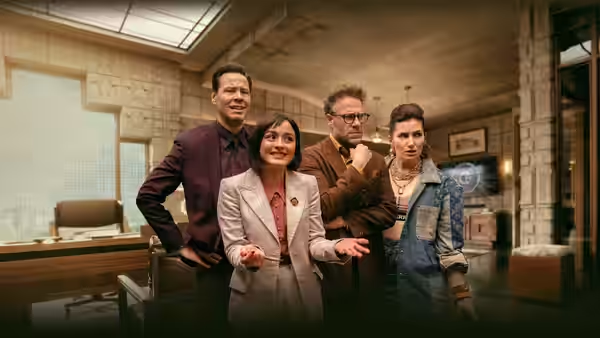
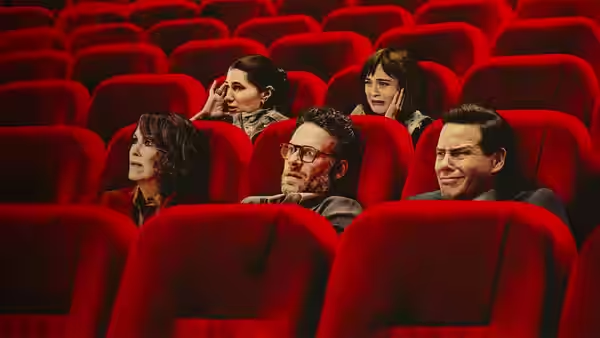
Rogen makes Matt’s anxiety legible even when the farce becomes broad. Catherine O’Hara’s Patty Leigh and Kathryn Hahn’s Maya Mason are particularly welcome when the writing threatens to overwork an embarrassment. Ike Barinholtz plays Sal Saperstein and Chase Sui Wonders plays Quinn Hackett; together, they keep the professional chaos from feeling like a solo performance. The supporting performances remain sharp even when an individual joke has started to run out.
Adam Newport-Berra’s cinematography supplies the most effective formal choice: long takes that keep us inside Matt’s mounting panic. We laughed, then felt worn out by the embarrassment, because the camera would not give him or us a breather. Rogen and Goldberg allow situations to keep developing within the shot, so a mistake cannot simply disappear behind a reaction cut. Eric Kissack’s editing works around that sustained movement, and the pace is usually brisk without making the confusion hard to follow.
Composer Antonio Sánchez’s music suits the pace, though the combined effect of sound, movement and embarrassment can become tiring. Julie Berghoff’s production design supplies a credible workplace for all this professional foolishness. The environment stays persuasive even when the behaviour becomes extravagant. That helps when a scene asks us to take a professional calamity seriously enough to find it funny.
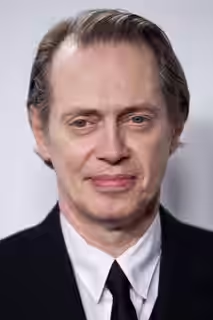
The weaknesses are familiar ones for a comedy made by people who know their subject this well. Guest appearances by Ron Howard, Peter Berg and Steve Buscemi make the industry’s willingness to participate part of the entertainment, but recognition is not always a sufficient joke. There are flat stretches when the frantic movement starts to feel like a way of keeping us from noticing that the situation has stopped becoming funnier. More seriously, the affection for Hollywood can make us wonder how much bad behaviour the programme is prepared to excuse.
Among workplace comedies, its distinction is how closely it ties the panic to a sincere enthusiasm for the work. Across the first season’s ten episodes, the variations in style help prevent the busy approach from becoming entirely predictable. It does not require specialist knowledge of film production, though recognising the guests is plainly part of the pleasure. Choose it when there is enough energy left in the evening for other people’s professional disasters.