David Simon and George Pelecanos return to Baltimore with a true story of police theft that runs on Jon Bernthal’s crooked sergeant. It is angry, exact and hard to look away from; it is also tangled in its timelines and fond of a speech.
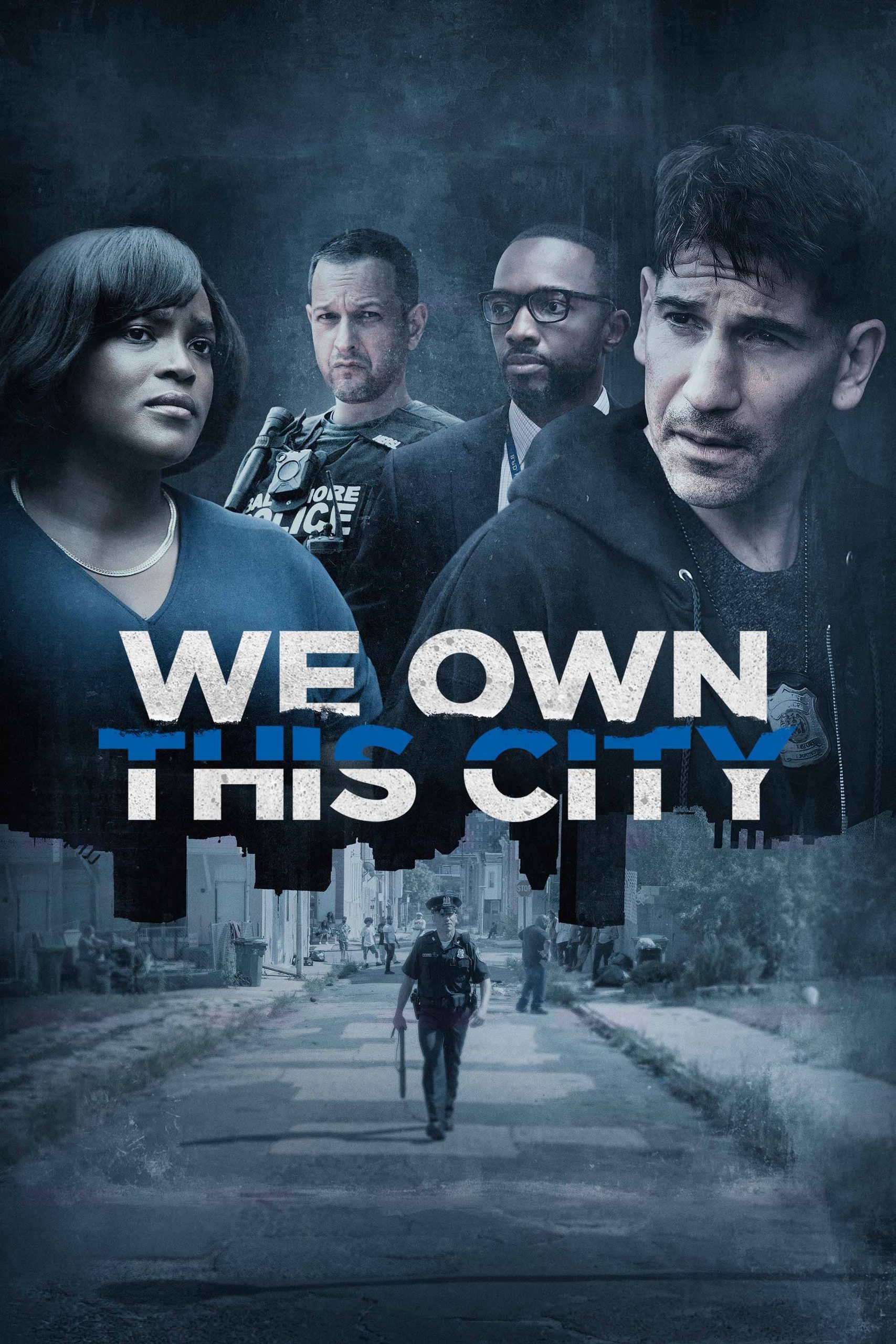
David Simon and George Pelecanos made The Wire in Baltimore, and they have come back to the same city with a case that needs no invention. The Gun Trace Task Force was a plain-clothes police unit that took guns off the street and money off the people it stopped, and We Own This City, drawn from Justin Fenton’s book about the case, tells how it happened and how long everyone let it. Six episodes, all directed by Reinaldo Marcus Green. It is good, and it is worth your evening. It is not The Wire, and it is not trying to be.
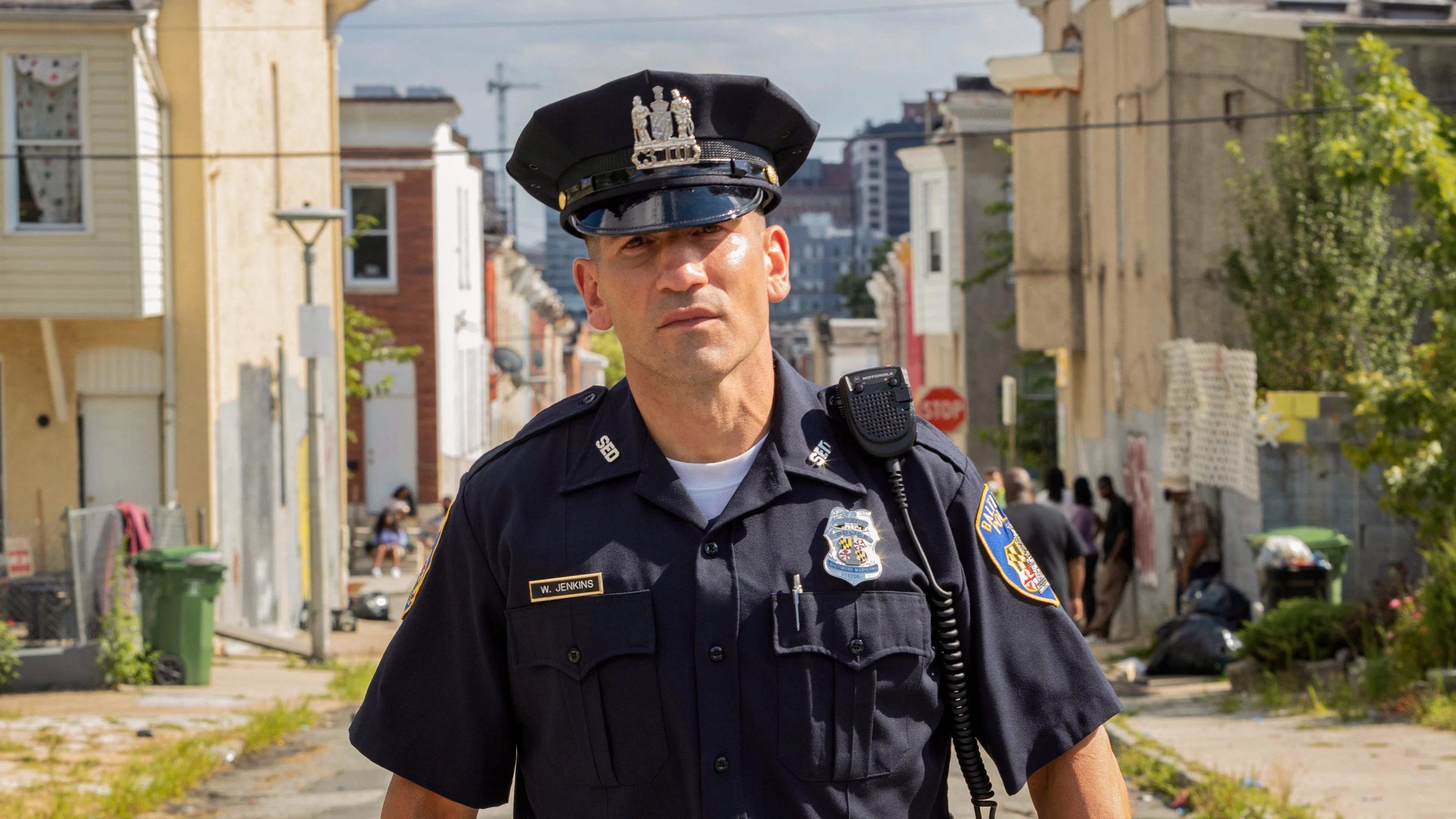
Jon Bernthal is the reason to start it. His Wayne Jenkins walks into a roll call in the first episode and gives a talk about how to police a corner, and the talk is not stupid; he believes it, and the officers believe him. Bernthal plays him with his chest out and his arms swinging, a man who never enters a room so much as arrives in it, and he keeps the charm and the theft in the same body without ever winking at us. The scene that made us angry, and we were angry for some time, is a plain one: a car is stopped, a man is searched, and cash goes from his pocket into a police pocket while the paperwork calls it a seizure. Nobody raises a voice. That is the point, and Green knows not to underline it.
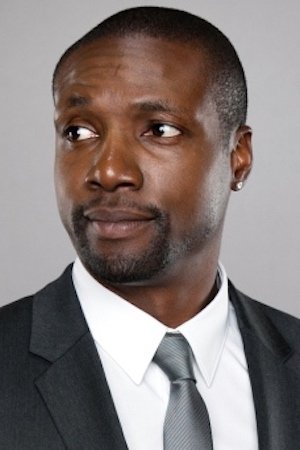
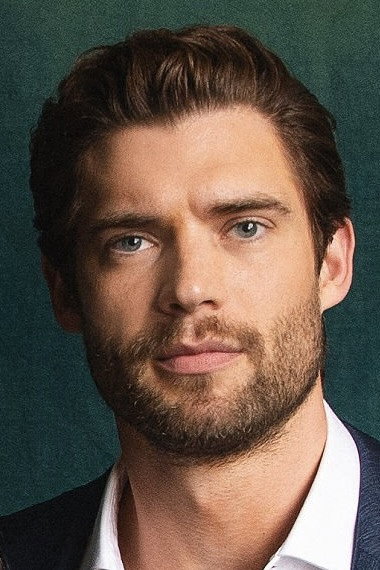
The squad around him is cast with care. Josh Charles plays Daniel Hersl as a man who hits people because he can and has stopped noticing that he does it, and Charles refuses to make him interesting, which is the right call. McKinley Belcher III and Darrell Britt-Gibson, as Gondo and Rayam, spend much of their time in interview rooms across from federal agents Erika Jensen (Dagmara Dominczyk) and John Sieracki (Donald Patrick Harvey), describing what they did in the bored detail of men describing a job. Jamie Hector’s Sean Suiter is the watcher, a homicide detective who sees more than he says, and Hector gives the series most of its quiet.
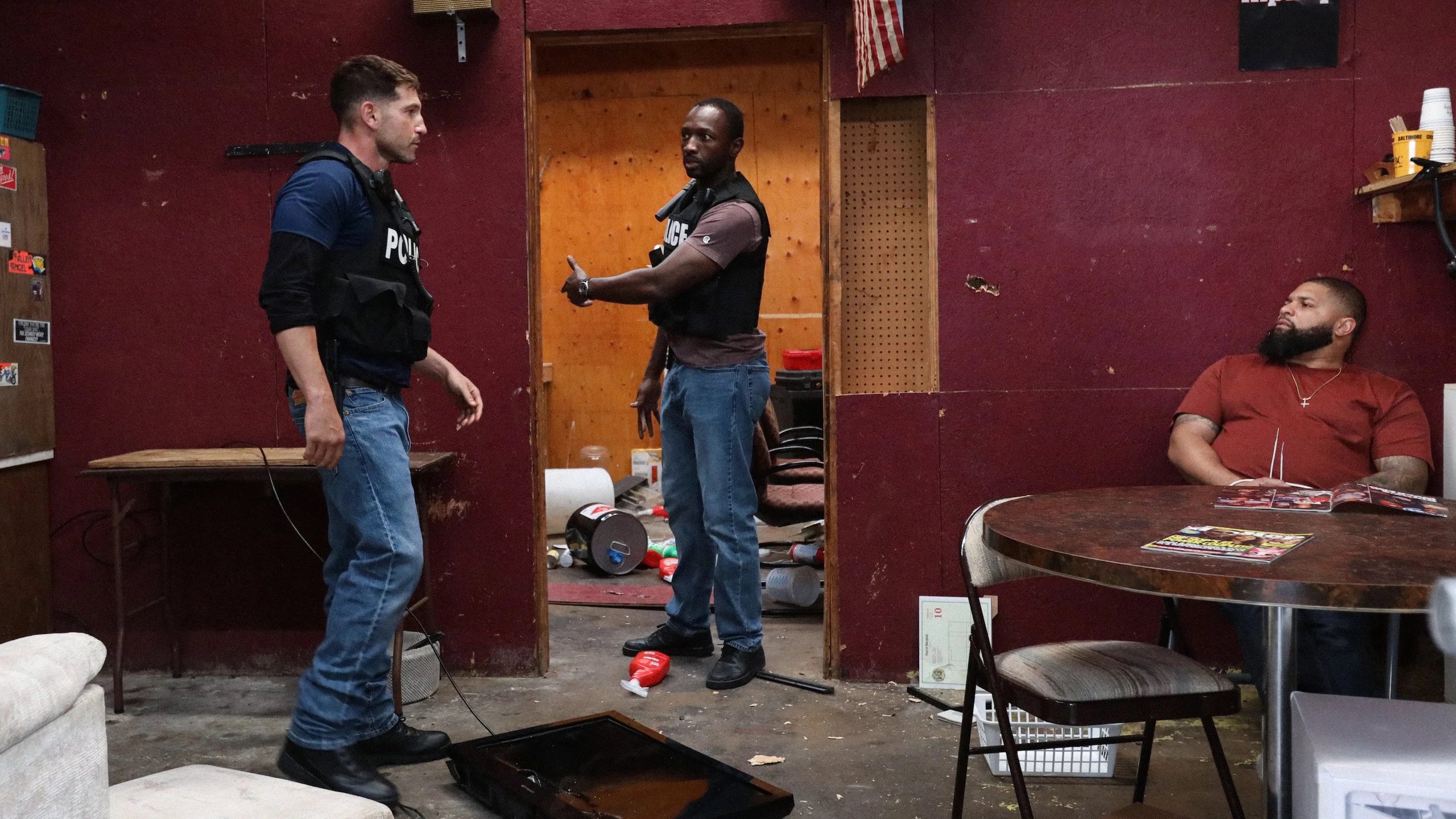
Yaron Orbach shoots the city in flat grey daylight and orange night, with the camera on the shoulder for the raids so that doors and hallways come at us the way they come at the officers. Valeria De Felice’s squad rooms are plastic chairs and dented lockers, and Dona Adrian Gibson puts the task force in tactical vests over t-shirts, dressed for a war they have declared on their own. Kris Bowers keeps the score low and mostly out of the way. Joshua Raymond Lee has the hardest job, cutting between at least three periods, and he flags them with dates on screen; even so, we lost our footing more than once in the first two episodes and had to work out from a haircut where we were.
The weaker strand is Nicole Steele’s. Wunmi Mosaku is good in it, tired and precise, but her scenes are mostly meetings, and in the meetings people explain what the series has already shown us. The writing room of Pelecanos, William F. Zorzi, D. Watkins, Ed Burns and Simon has a great deal to say about how a police department ends up like this, about Kevin Davis (Delaney Williams) at the top of it and the union and the courts, and when it says it through Jenkins and a car stop it lands. When it says it through Steele and a conference table, we felt lectured, and we started to notice how much of each hour was talk.
Most critics have liked it, and so did we. The one serious dissent we have read calls it preachy and hemmed in by the facts, and that is a fair description of perhaps a fifth of it. Against Simon’s own standards it is shorter, plainer and less patient than his best work; it does not build a city so much as prosecute one department within it. On its own terms, as six hours about how a squad of thieves came to be called a task force, it does the job.
Watch two episodes a night rather than one a week. The timelines make more sense while they are still fresh, and the anger has less time to cool.