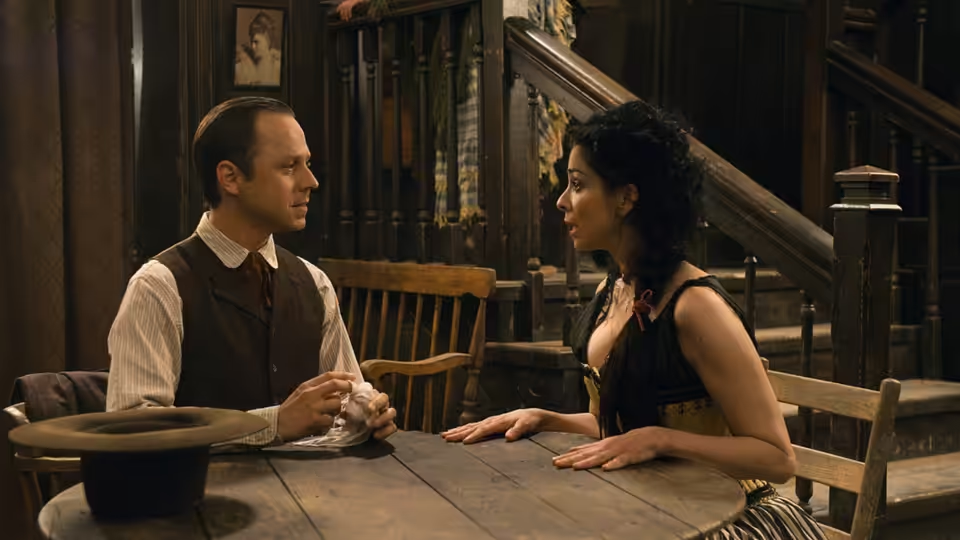
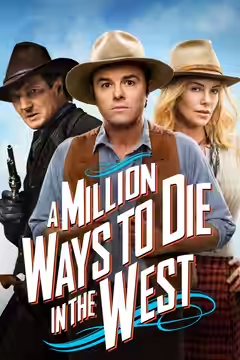
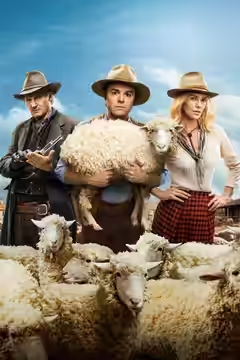
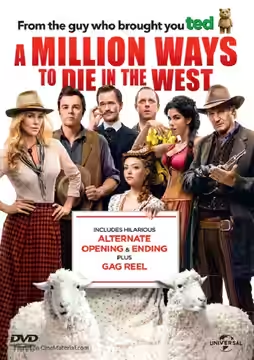
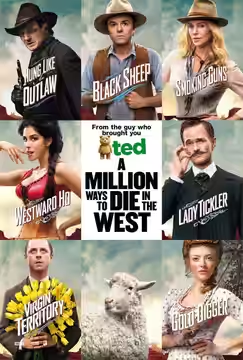
Seth MacFarlane’s Western comedy has a willing supporting cast and too few jokes for 116 minutes. Charlize Theron brings the ease it needs, but repetitive vulgarity and a laboured lead performance make it a poor return on an evening.
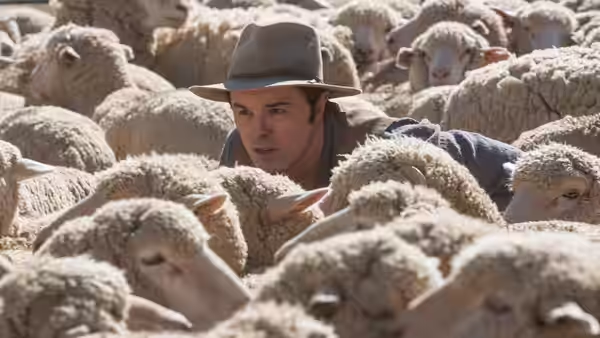
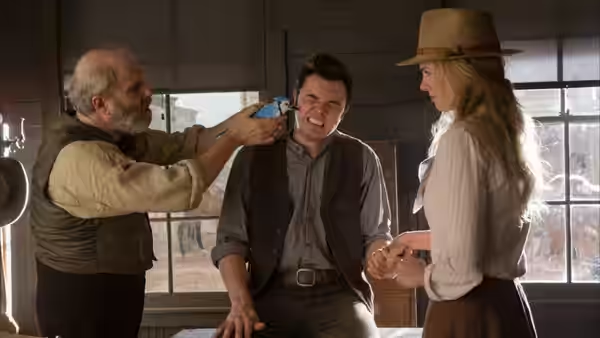
A Million Ways to Die in the West is a poor comedy with a good supporting cast. Seth MacFarlane directs, co-writes and plays Albert, whose whiny manner soon wears thin. Putting a modern comic voice into a Western is a workable idea, and there are occasional laughs when the film lets absurdity take over. Too often, though, the leading man’s complaints arrive with the expectation that we will agree with them. He gets plenty of time to talk and gives us little reason to enjoy his company.
The screenplay, credited to Seth MacFarlane, Alec Sulkin and Wellesley Wild, keeps returning to material it has already exhausted. Sex jokes and bodily functions supply much of the humour, with another crude variation offered when the last one has barely finished. We were bored by the repeated flatulence jokes. The setups become recognisable before the punchlines arrive, and the film gives us far too long to notice. A few absurd detours are funny enough to suggest that a shorter, less insistent version might have worked.
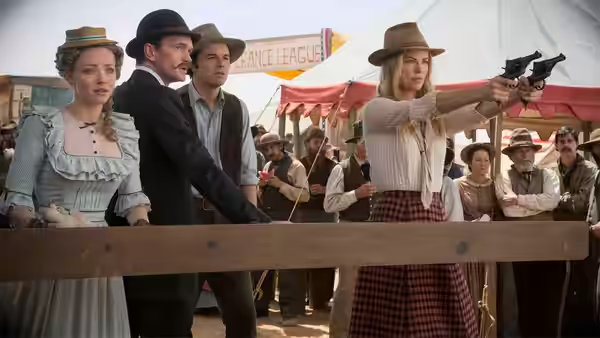
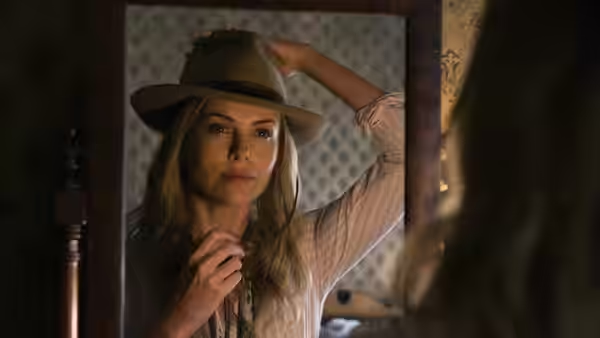
Charlize Theron does the most to keep it watchable. As Anna, she brings a loose, playful manner that makes the dialogue seem less effortful and allows the humour to emerge without quite so much announcement. Her ease also exposes the strain in the leading performance. Seth MacFarlane can deliver a complaint, but he struggles to make Albert interesting between them. When the film asks us to care about its familiar romance, that thin characterisation starts to matter.
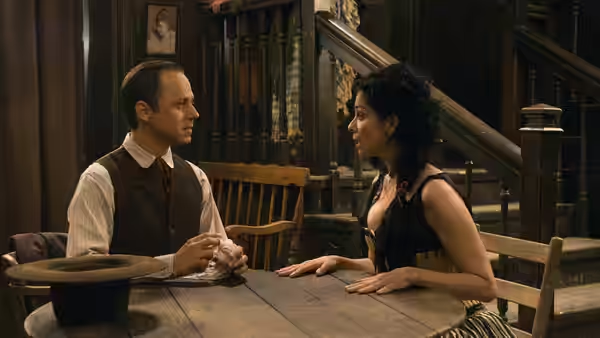
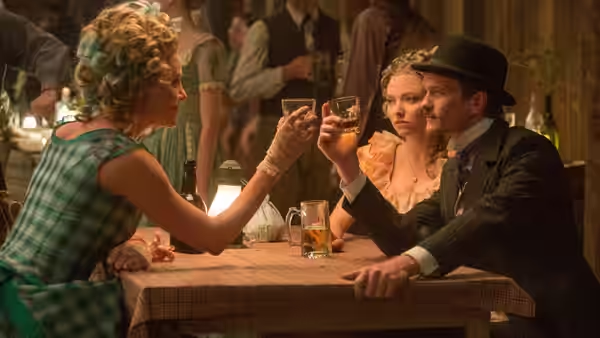
Sarah Silverman finds some welcome cheerfulness in Ruth, and Neil Patrick Harris gives Foy enough comic energy to make the surrounding sluggishness more obvious. The supporting performances deserve credit for finding laughs in material that so often labours over them. There is a sourness to the humour, though, that their goodwill cannot consistently overcome. The film can seem pleased with its readiness to offend before it has worked out what is funny.
Michael Barrett’s cinematography gives the Western scenery breadth and makes it worth looking at even when the dialogue has become tiresome. Joel McNeely’s energetic score also understands the pleasure of a Western played straight. The music gives the picture a sense of movement that the jokes struggle to sustain. Stephen J. Lineweaver’s production design helps make the setting credible, which is useful when the dialogue is determined to sound as though it belongs somewhere else. The surroundings look ready for a more assured film.
Jeff Freeman’s editing leaves too much air around material that needs to move on. At 116 minutes, the film gives its repeated setups time to become an irritation, while the digressions make the story feel less purposeful. A detour can be worth taking for one good laugh, but too many of these interruptions feel included simply because someone liked the idea. The occasional successful visual joke makes that lack of discipline more frustrating, since there is comic invention here.
Comic Westerns have plenty to mock in their heroes, their villains and the stories they tell about themselves. This one spends too much time on bodily embarrassment, a source of jokes that hardly requires a Western setting. There is affection for the genre in the images and music, but little comic curiosity about it once the swearing starts. Anyone tempted by the supporting cast should expect to do a fair amount of waiting between laughs.