M. Night Shyamalan’s science-fiction survival film gives Jaden Smith plenty of danger and little useful dialogue. A few handsome images interrupt a dull father-son lesson in courage that struggles to get its jungle adventure moving.
After Earth wants to turn a boy’s struggle to survive into a lesson about managing fear, with his father providing the instruction. M. Night Shyamalan directs it with a seriousness that leaves little space for surprise or pleasure, and the result is a poor adventure. A crash strands Kitai Raige (Jaden Smith) and Cypher Raige (Will Smith) on a future Earth where the animals are dangerous and the family relationship is already difficult. That is enough to start a survival film, but this one keeps asking us to concentrate on the lesson.
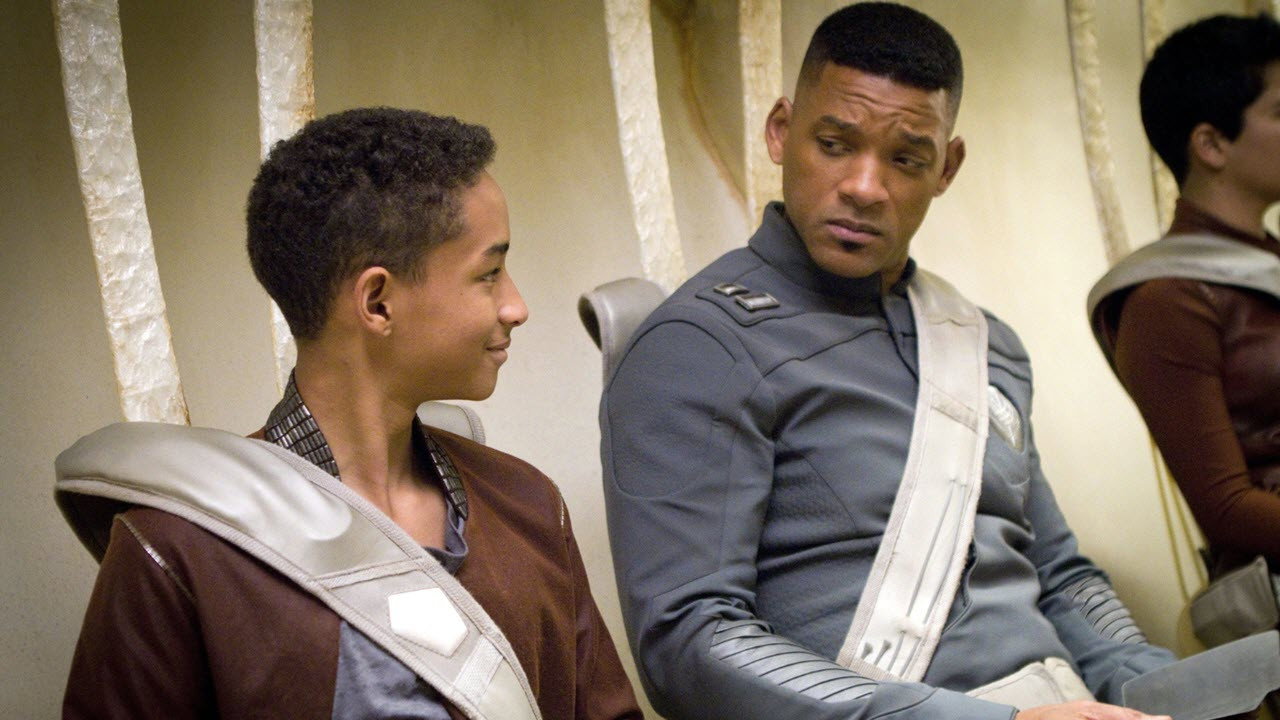
The story is credited to Will Smith, with a screenplay by M. Night Shyamalan and Gary Whitta, and its central difficulty is the way these two people speak. Cypher’s sternness is easy to understand; the dialogue does little to suggest what Kitai might find worth loving beneath it. Exchanges about fear and duty make the father sound as though he is assessing the boy rather than trying to reach him. There is a worthwhile subject here, a child learning to act without constant parental direction, but the writing states it so insistently that we have little left to discover in the performances.
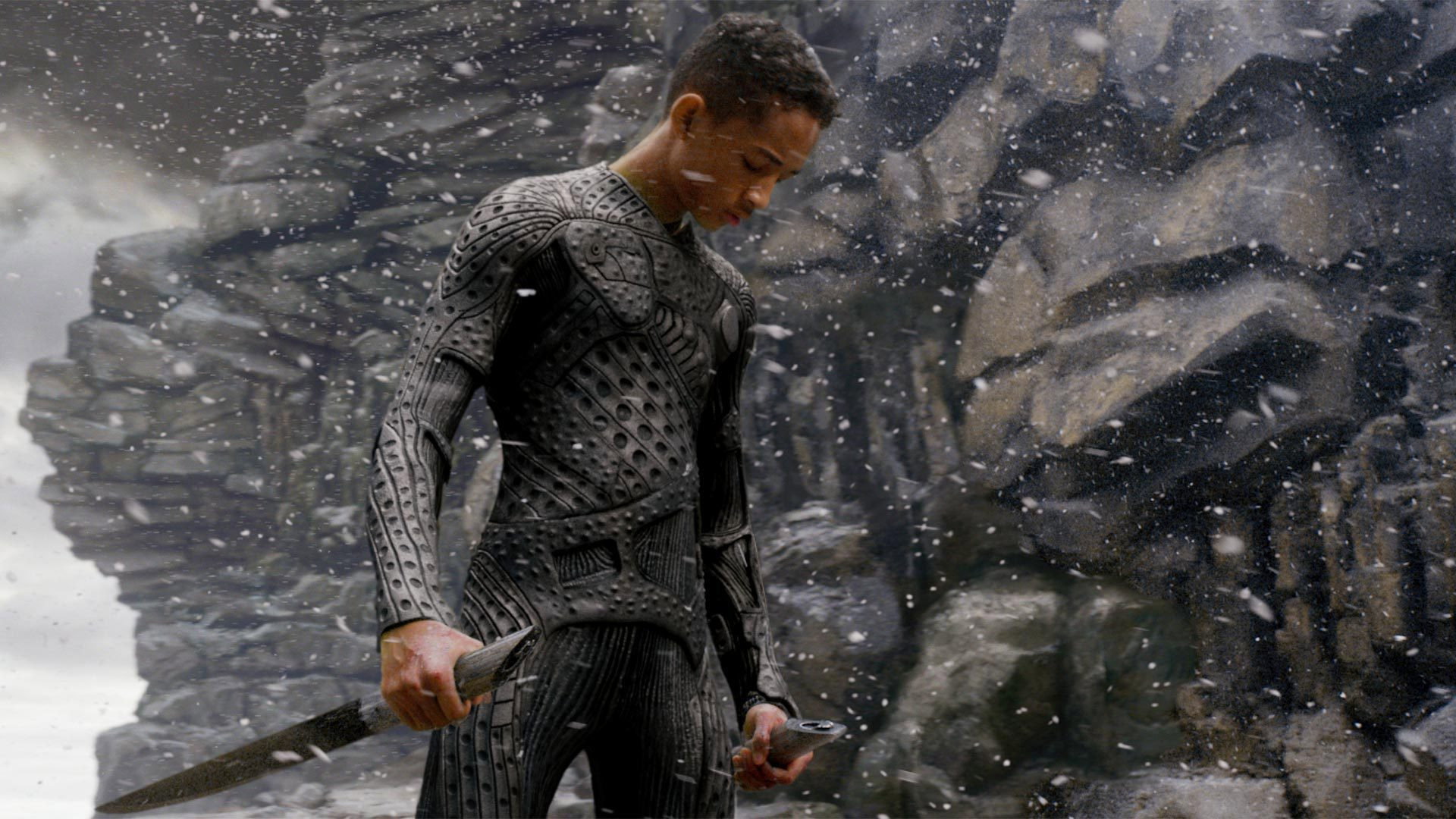
Jaden Smith makes an effort to give Kitai’s anxiety some force, and the visible strain occasionally helps a story about a boy expected to do too much. The performance becomes less convincing when the dialogue insists on explaining feelings that his face has already supplied. Will Smith has the more passive part, and plays the father’s reserve so firmly that even their disagreements struggle to generate much energy. Both performances remain hemmed in by the solemn dialogue.
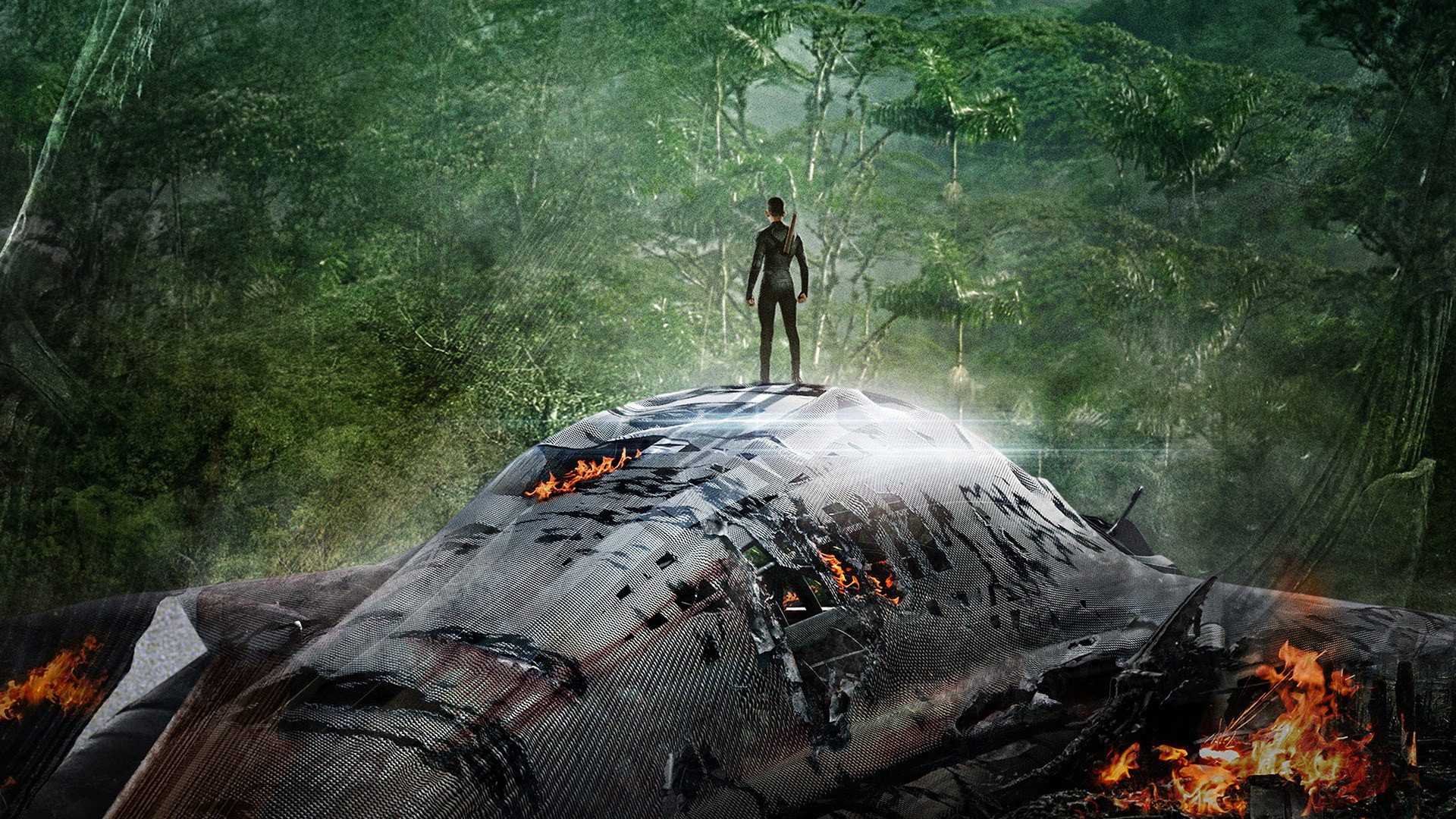
The physical setting offers more to enjoy. Peter Suschitzky’s cinematography gives the wilderness enough beauty to make us wish we could look around without another lesson arriving. Thomas E. Sanders’s production design also catches the eye, although the polished futuristic sets tell us little about the people who use them. The attention to animals and their surroundings is welcome; the computer-generated threats themselves are less persuasive, especially when the encounters begin to repeat.
We were bored by the jungle chases, because each new danger seemed to demand the same anxious response without making the journey more interesting. Steven Rosenblum’s editing does not give those encounters enough momentum to overcome their familiarity. James Newton Howard’s score supplies urgency more reliably than the action does, leaving the music to insist that something exciting is happening. The quieter passages work better, when the direction gives us time to wonder what might be nearby instead of pressing the point.
A survival adventure can work with a simple route and a small cast if the next obstacle feels uncertain or the people become better company. Here the plotting is obvious and the emotional instructions are repeated, so the modest 100-minute running time still feels stretched. Most critics have found it dull, and we agree, although the care in parts of the visual design gives us something to enjoy between the lectures. If the hostile-Earth premise is the attraction, be prepared for long stretches of solemn family instruction.