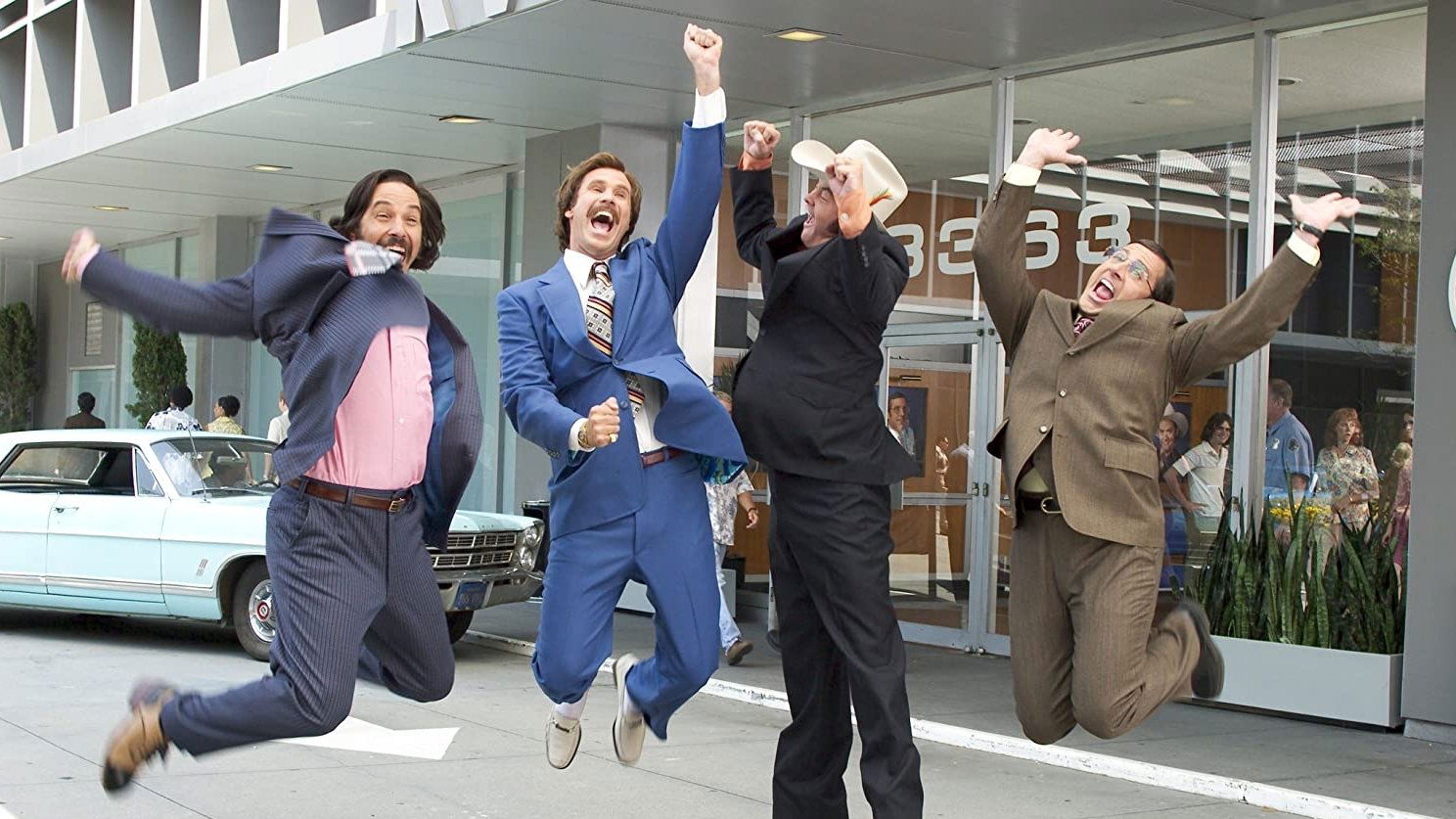
Will Ferrell’s pompous newsreader makes Anchorman: The Legend of Ron Burgundy worth the detours. Adam McKay’s comedy is loosely assembled and only mildly interested in sexism, but its cast makes prolonged stupidity a considerable pleasure.
Anchorman: The Legend of Ron Burgundy is a funny, uneven comedy that knows how much mileage Will Ferrell can get from a man taking himself seriously. Director Adam McKay, who writes with Ferrell, sets Burgundy’s self-importance against the arrival of a female co-anchor in a 1970s newsroom. There is enough here for a pointed workplace satire, although that is not where the film puts most of its effort. The newsroom gives the cast a reason to assemble, and McKay is mostly happy to let them be ridiculous.
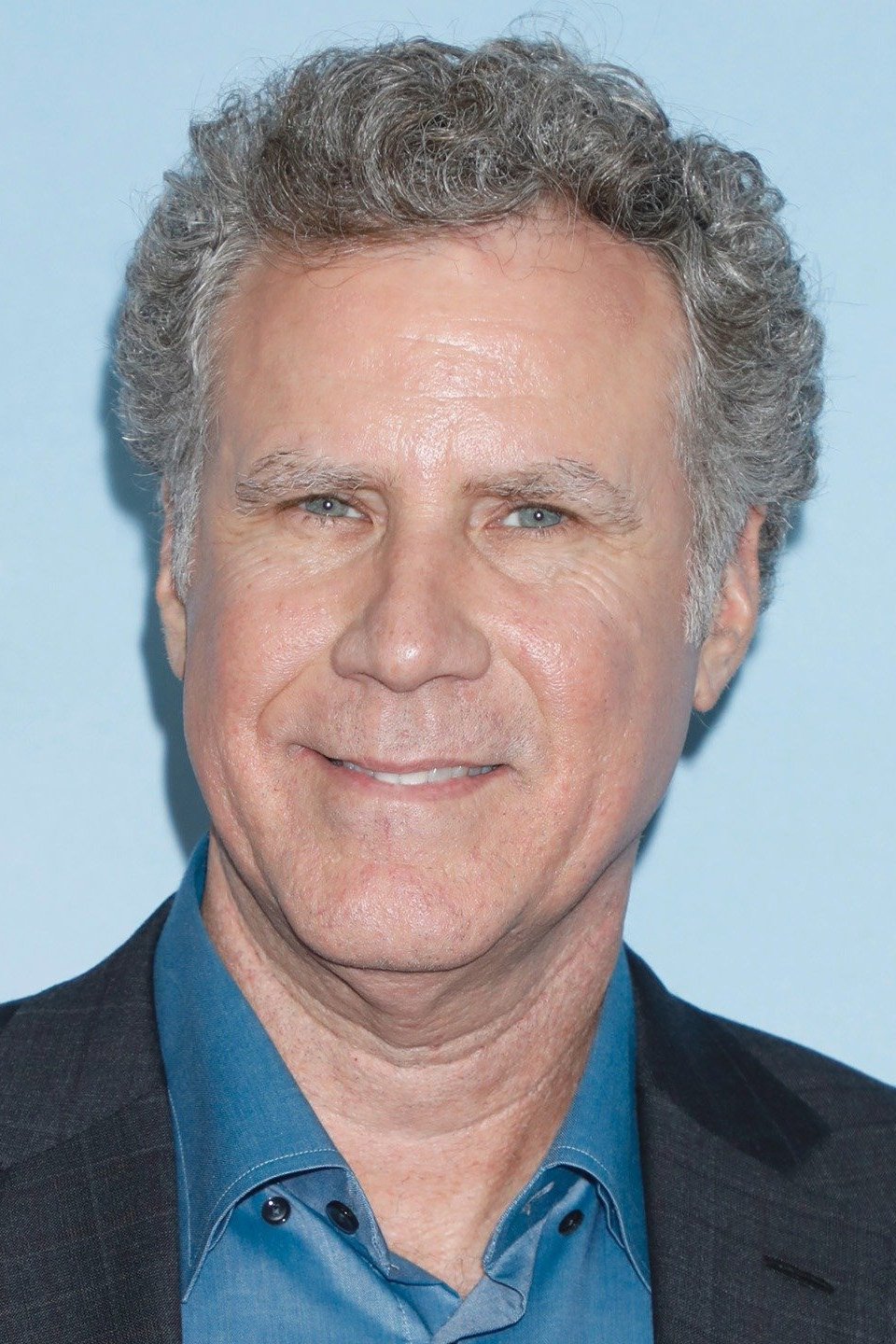
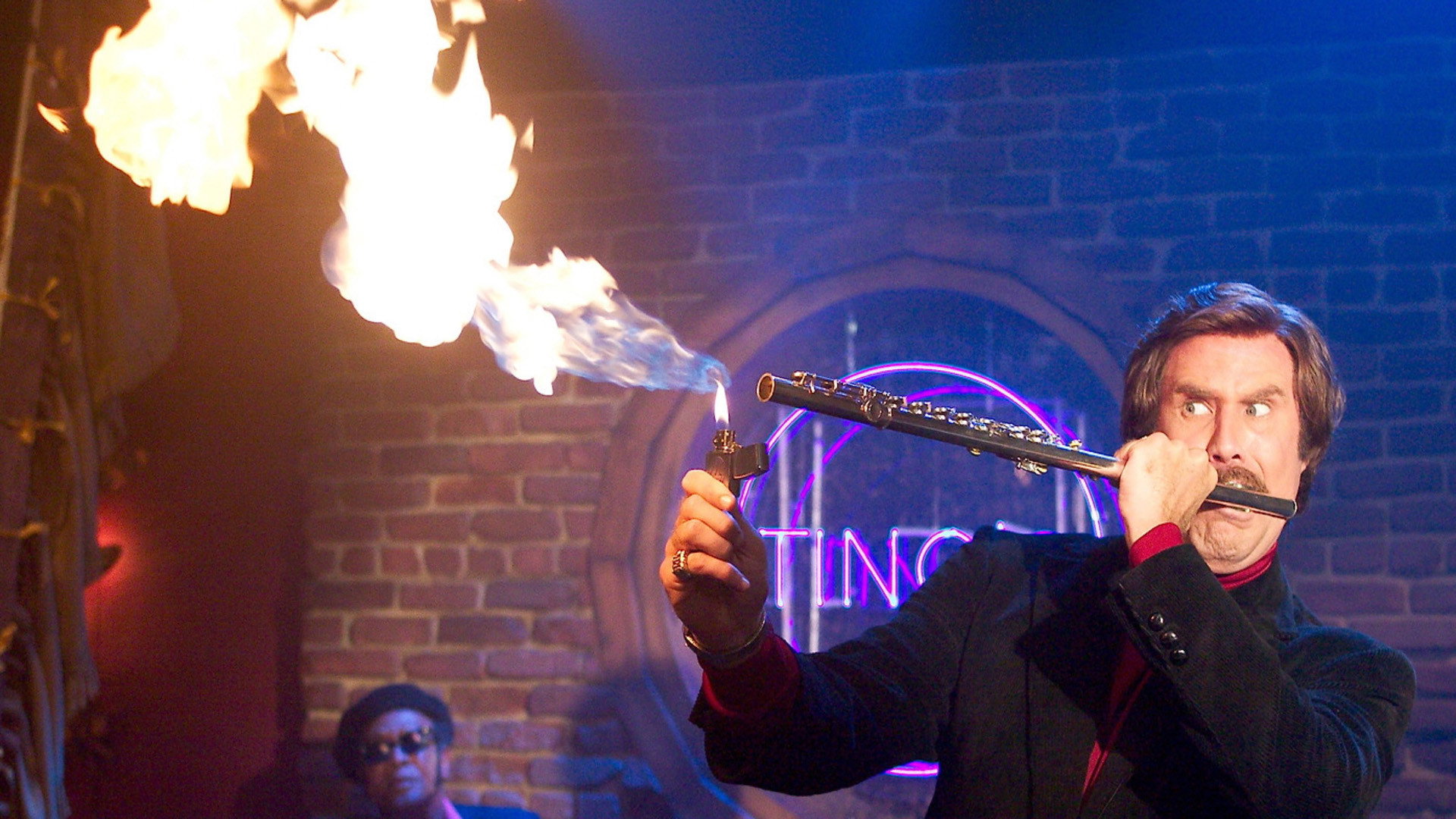
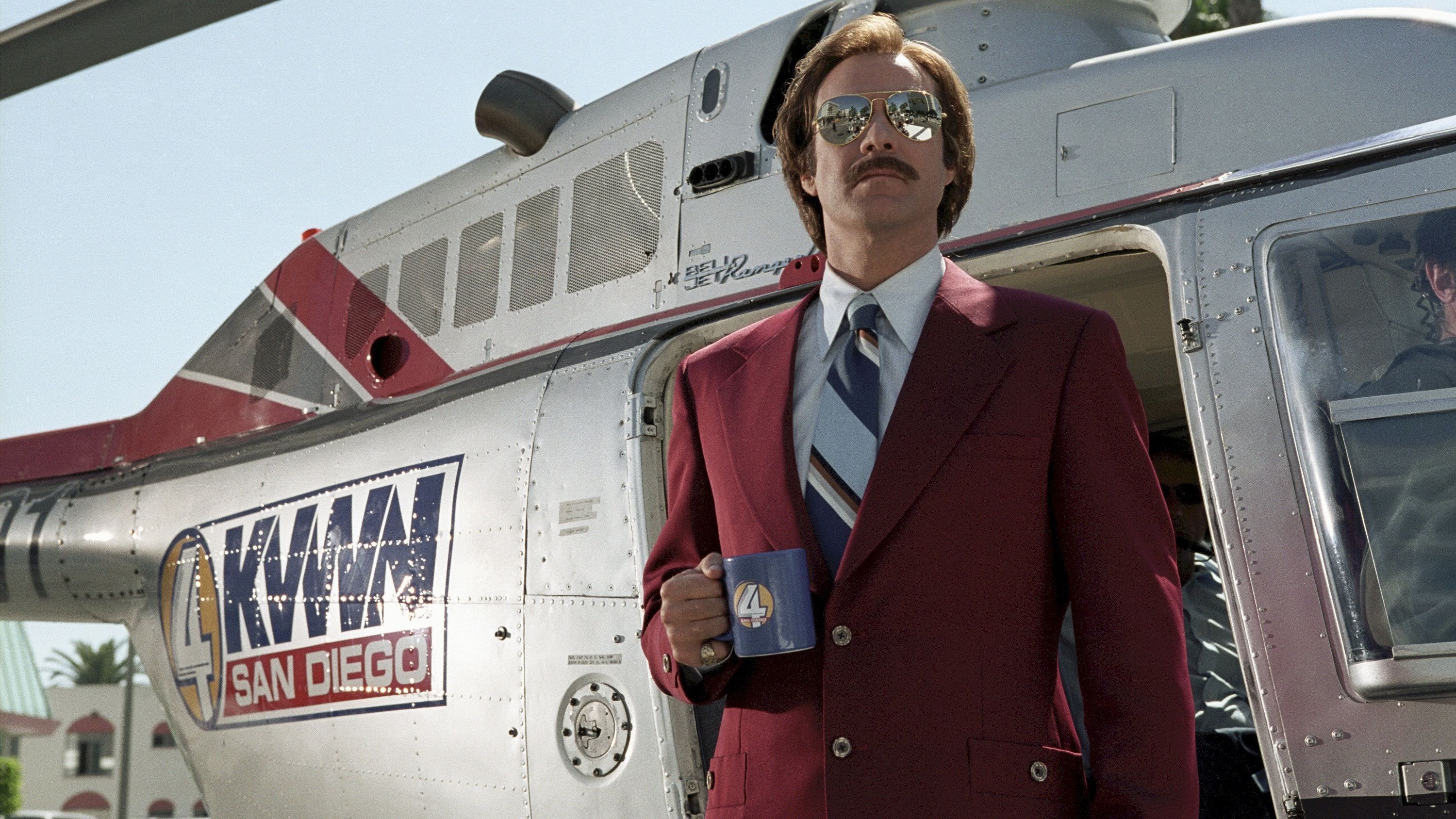
Ferrell understands the usefulness of Burgundy believing every word he says. The inflated delivery would become exhausting if he kept signalling that he knew how foolish it sounded, but he commits to the man’s vanity without asking us to excuse it. We laughed at Burgundy’s wounded response to the arrival of a female co-anchor. Ferrell lets the childishness show through the professional voice, so the bluster stays funny after the satire has made its point.
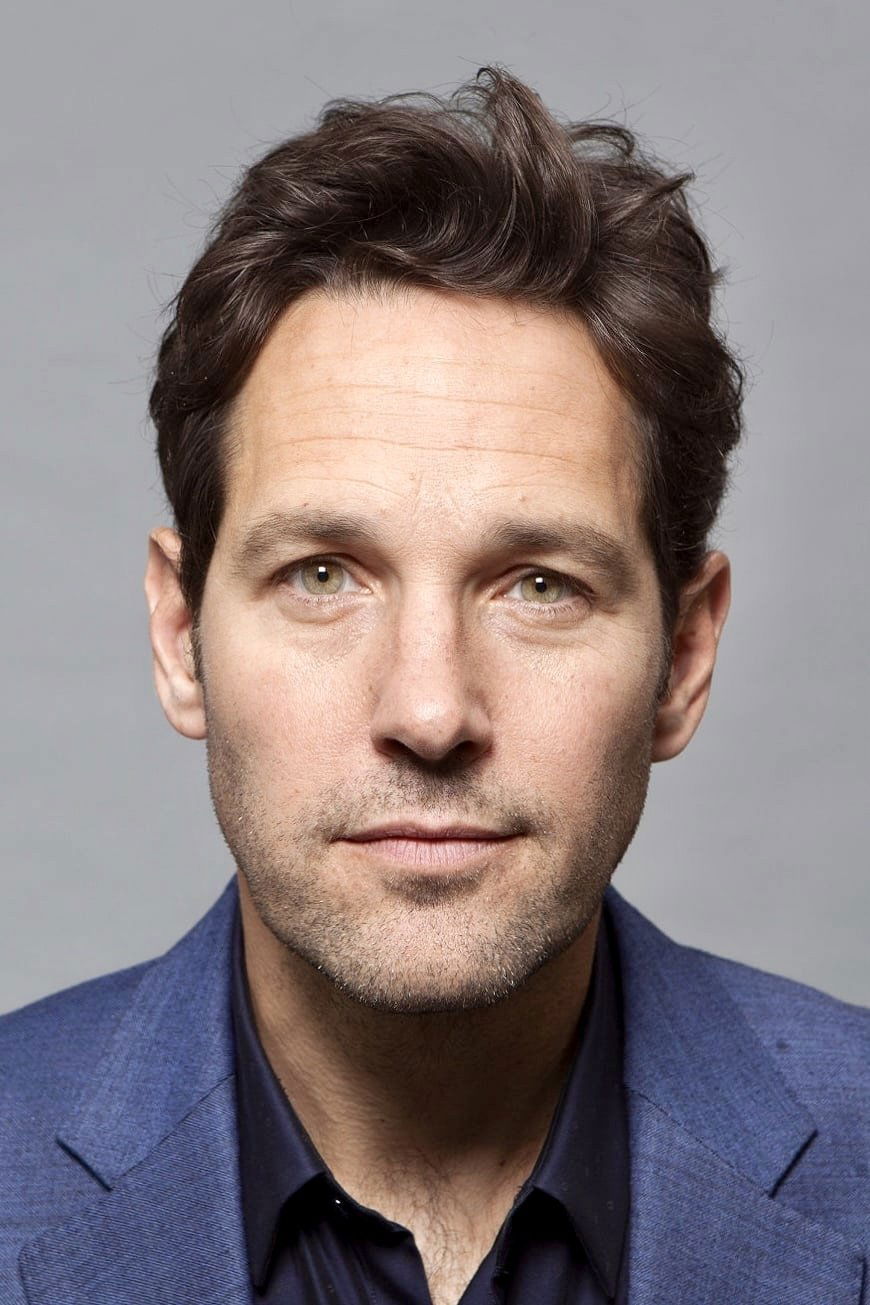
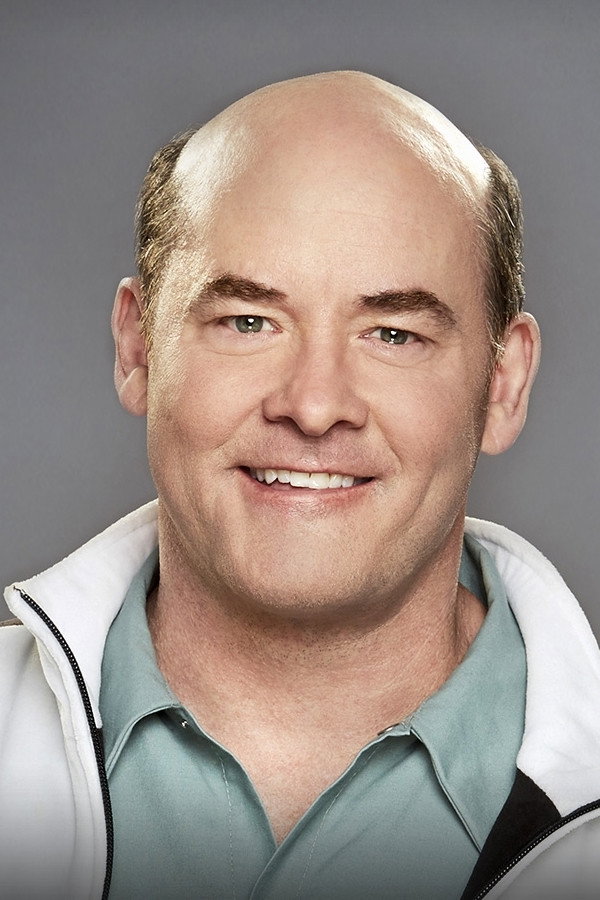
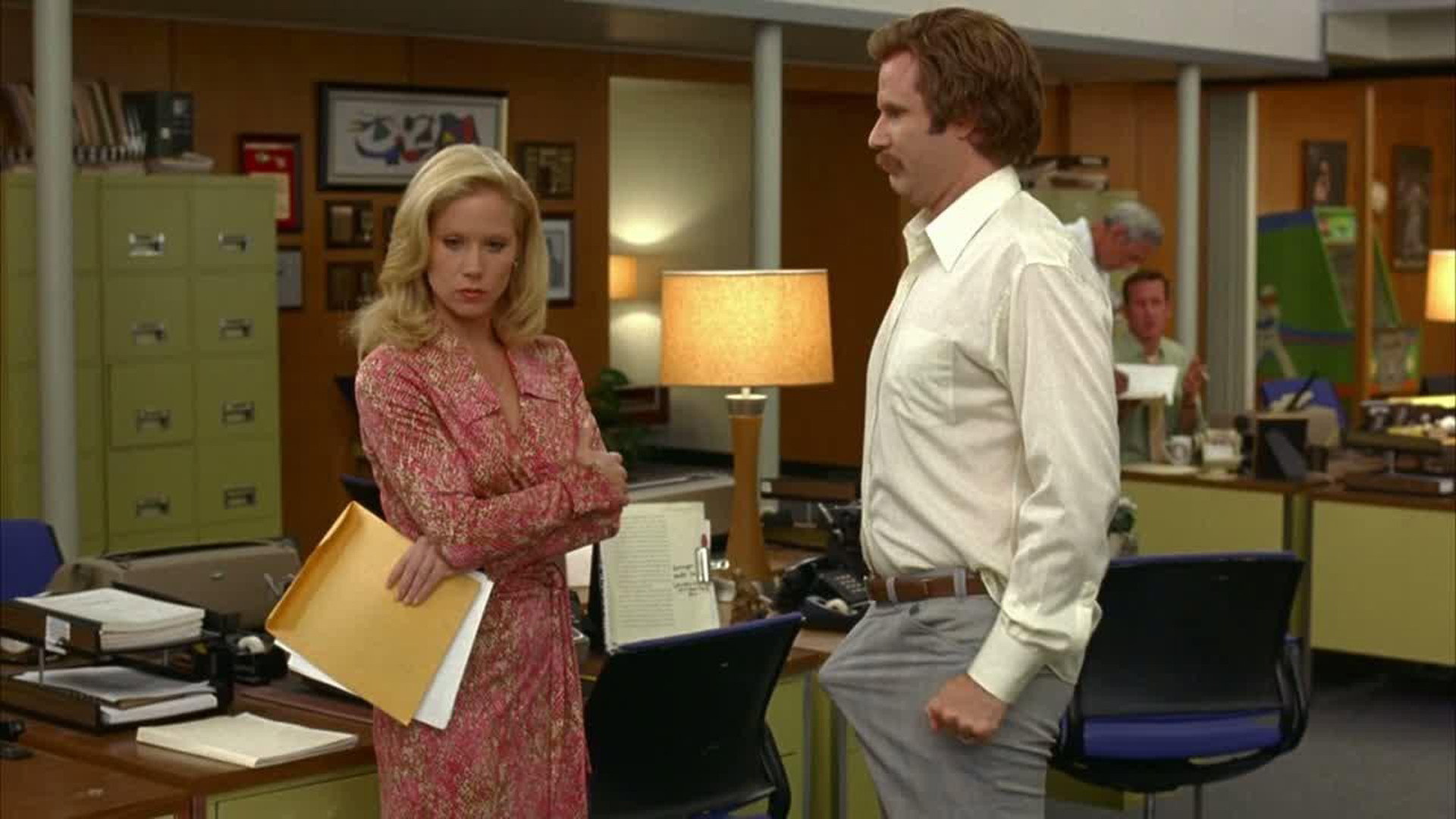
Christina Applegate’s Veronica Corningstone has the harder assignment, remaining credible while surrounded by people who need scarcely resemble working adults. Applegate gives the comedy some resistance, though the writing leaves her less freedom to be strange. Paul Rudd, Steve Carell and David Koechner suit McKay’s appetite for digression, with Carell especially good at making nonsense sound unremarkable. They make the sketch-like construction tolerable because a scene need not advance the story to justify spending another minute with this cast.
The film’s period look does useful comic work. Clayton Hartley’s production design lends the newsroom a respectability these men scarcely merit, while Thomas E. Ackerman’s cinematography does not compete for attention with their performances. Debra McGuire’s costumes make the men’s self-satisfaction easy to understand, even if we do not share it. Alex Wurman’s score is similarly content to support the nonsense, a sensible decision in a film whose lead actor supplies quite enough emphasis.
Editor Brent White has the awkward task of giving this material a shape without cutting away the digressions that make it enjoyable. The joins remain conspicuous, and some scenes linger beyond their funniest line. McKay and Ferrell also return to male panic about female competence after the joke has become predictable. At 95 minutes it is hardly a long film, but its wandering story can make the stretches between good jokes feel longer than they should.
This is the sort of sketch comedy that depends on an actor pursuing a daft idea past the point of ordinary embarrassment. Ferrell and his colleagues have the nerve for it, and McKay knows better than to tidy away all their oddness. We would not ask it to explain much about the history of broadcasting, but we would happily give this cast the evening. Save it for a night when nobody needs the men on television to make sense.