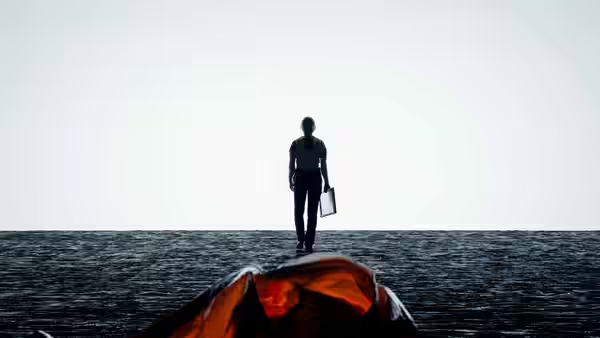
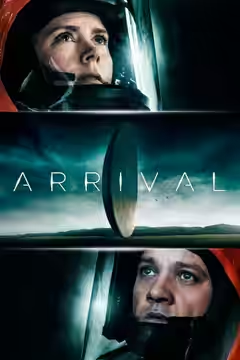
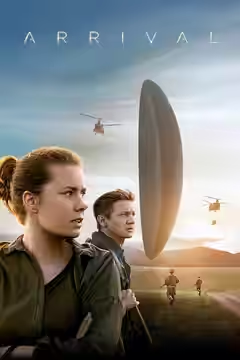
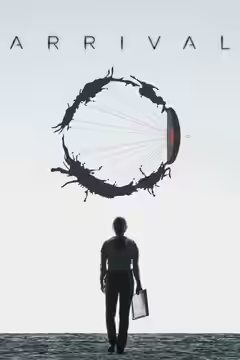
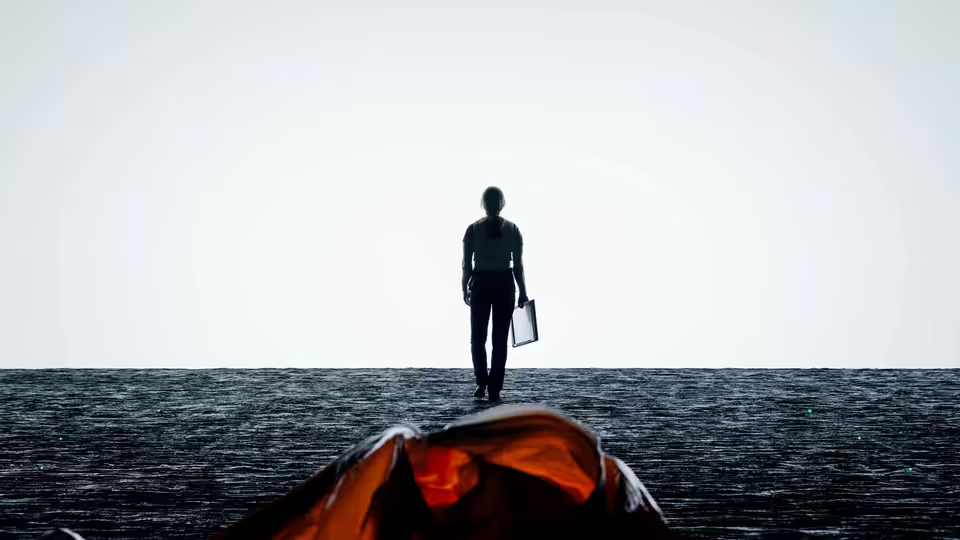
A silhouetted figure stands on dark ground holding a case beside orange fabric
Film review

Arrival

2016 · Directed by Denis Villeneuve · 1h 56m

In a sentenceThe aliens have arrived, and we would rather hear from the linguist than the colonel

Alien vessels appear, and linguist Louise Banks (Amy Adams) faces the problem of establishing contact with beings whose language she does not understand. Alongside Ian Donnelly (Jeremy Renner) and Colonel Weber (Forest Whitaker), she tries to work out how to communicate before anyone can answer the question of why the visitors are here. The vast, egg-shaped craft offer no explanation by themselves. Approaching their occupants is only the beginning: Louise Banks has to find a way to make herself understood while confronting her own fear of what she might encounter.

Plays from YouTube when you press play; nothing loads from them until then.

Fi1m review

Denis Villeneuve makes first contact tense, patient and unexpectedly moving, with Amy Adams giving the strange ideas a recognisable human response. The wider crisis is less convincing, but Arrival earns our attention whenever it lets her work.

Arrival is a thoughtful, unsettling science-fiction film that earns its emotion, even when its wider crisis becomes less persuasive. Denis Villeneuve builds it around the difficulty of speaking to somebody who shares none of our assumptions, then gives that difficulty the weight usually reserved for an imminent attack. The central activity is trying to understand a language. That might sound like a modest use of an alien visitation, but the film makes each attempt to communicate feel consequential.

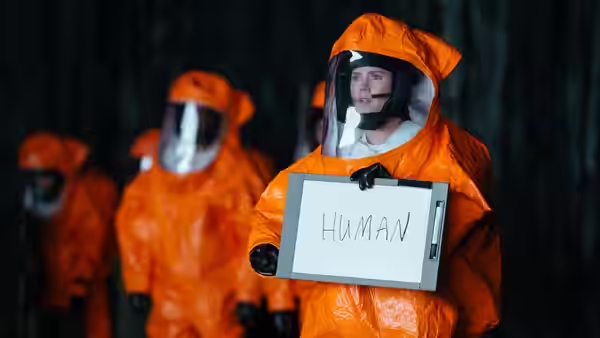
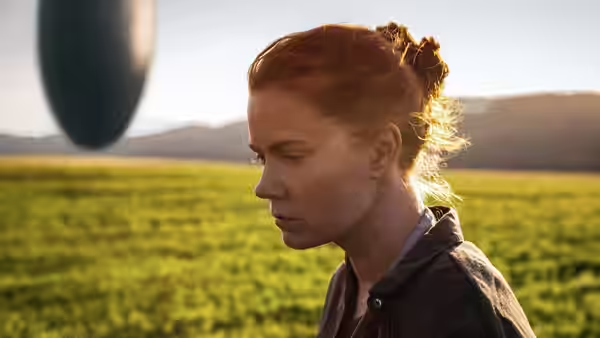
Amy Adams supplies much of the tension as Louise Banks, the linguist faced with the visitors. Her performance lets fear and curiosity coexist without making either seem like a pose; she can look daunted by what is in front of her and still want to get closer. We felt afraid with her during the first encounter, because her apprehension remains visible even as she concentrates on making contact. The film gives us time to watch that effort.

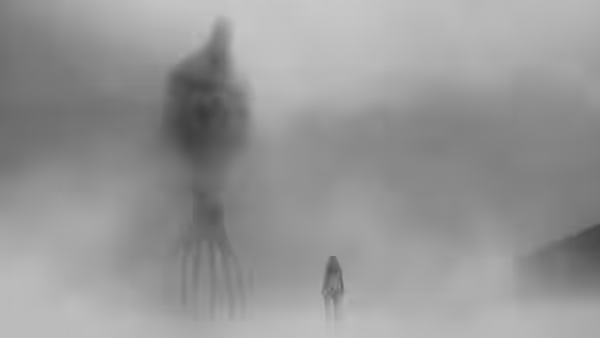
Bradford Young photographs the immense, egg-shaped vessels in muted tones, letting their size disturb us without making the image gaudy. Patrice Vermette’s production design gives those simple shapes enough force to sustain the wait for contact. Denis Villeneuve understands that the prospect of approaching something so unfamiliar can carry a sequence before anything happens. There is enough strangeness in the ships themselves to hold our attention without a running explanation of what everything does.

Joe Walker’s editing allows anticipation to accumulate around the encounters instead of hurrying to the next piece of information. The pace occasionally feels over-careful, as though a quicker transition might count as bad manners, but the waiting mostly pays off. Jóhann Jóhannsson’s score deepens the unease without treating the visitors as a straightforward threat. Together, the cutting and the music make the work of listening feel exposed and risky, which is precisely what this story needs.

Eric Heisserer’s screenplay is strongest when it stays with the practical problem of understanding another intelligence. It allows curiosity to carry a scene, and trusts Amy Adams to make thought visible without turning Louise Banks into somebody who has an answer for everything. The broader crisis is thinner: its urgency feels supplied by the requirements of the plot, and it makes the film less tense when it should make it more so. The close attention to Louise Banks has already set a higher standard.

The film’s place in science fiction comes from the seriousness with which it treats communication, and the ordinary vulnerability Amy Adams brings to it. An encounter with another intelligence ought to challenge more than our ability to defend ourselves, and Denis Villeneuve follows that thought with patience. Louise Banks remains someone whose reactions matter, even as the ideas around her become more demanding. Give it an evening without another screen competing for attention.

Critical consensus AI synthesised

82
Positive
15
Mixed
3
Negative
0

Most critics welcome Arrival as thoughtful, emotionally involving science fiction, praising its focus on language and communication rather than invasion spectacle. Amy Adams draws particularly consistent praise for a restrained performance that makes the unfamiliar encounters feel both credible and personal. The reviews also value Denis Villeneuve’s patient staging, the mysterious alien designs and the carefully judged images and score, which give a largely intimate story a convincing sense of scale.

The disagreement concerns how well its emotional storytelling supports its ideas, with responses ranging from strong enthusiasm to qualified approval. Time Out admires the visuals and sequences of discovery but finds the pacing ponderous and the sentiment excessive; Little White Lies respects the intelligence and performances yet finds the film underwhelming in retrospect. Most critics find the combination moving, while the more reserved reviews suggest that the writing cannot always sustain the fascination of first contact.

The i Paper
7 November 2016 · ★★★★★ · Matthew Turner
100

The film is a profoundly moving, beautifully-made story about the importance of communication and understanding. Amy Adams delivers a remarkable, sensitive performance that anchors the intelligent sci-fi narrative.

Read the full review →
The Telegraph
10 November 2016 · ★★★★★ · Robbie Collin
100

The review calls the film dazzling science-fiction that will leave you speechless, with ideas and ambitions matching the scale of the alien vessels. It highlights the introspective, philosophical and existentially inclined story that unfolds with chest-tightening excitement and a mid-film revelation that tips the seat back.

Read the full review →
Empire
7 November 2016 · Dan Jolin
90*

Villeneuve delivers a fresh, thoughtful take on the alien-contact genre with inventive aliens and resonant themes about communication. The film is a polished puzzle box that grips with its ideas, execution, and emotional richness.

Read the full review →
Total Film
24 October 2016
90*

Arrival is an intelligent, eloquent and stirring sci-fi that grips from start to finish and ranks among the year’s best movies. Villeneuve handles big themes of language, love and time with dexterity alongside awe-inspiring visuals and a very human story.

Read the full review →
Evening Standard
11 November 2016 · Charlotte O'Sullivan
85*

The script stands out with humour, quirky details and a heartbreaking twist, while Villeneuve ensures every shot has visceral clout despite sparing SFX. It is a by-turns hilarious and shattering triumph of a fable.

Read the full review →
Radio Times
7 November 2016 · ★★★★ · Stephen Carty
80

Arrival is an impressive, grounded and intimate sci-fi drama about communication and ideas rather than action or invasion spectacle, with well-judged performances especially from Amy Adams and effective mysterious alien designs that maintain tension and awe.

Read the full review →

Straight answers AI written, from our review

Is Arrival worth watching?
Arrival is worth watching for anyone who wants science fiction that treats first contact as a problem of understanding rather than a fight, and we scored it 86. Amy Adams keeps the strange ideas human as Louise Banks, the linguist trying to communicate with the visitors. The wider crisis around her is thinner than the central work, but the film holds whenever it lets her do it.
How long is Arrival, and what is it rated?
Arrival runs 1h 56m. It is a drama and science fiction film.
Where can I watch Arrival in Austria?
Arrival is streaming on Amazon Prime Video in Austria, and it is also available to rent from Amazon Prime Video and Apple TV from €3.99. Availability is checked daily; the links above go straight to each service.
How violent or frightening is Arrival, and is it suitable for children?
Arrival carries a 12A certificate and is unsettling rather than violent, with its tension coming from fear of the unknown rather than from action or gore. The first encounter with the vast, egg-shaped vessels is frightening because we wait with Louise Banks for something to happen. Younger children may find the dread and the slow pace hard going; teenagers with patience should be fine.
How does Arrival compare to Contact?
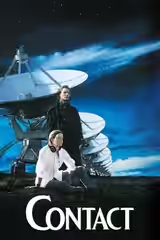
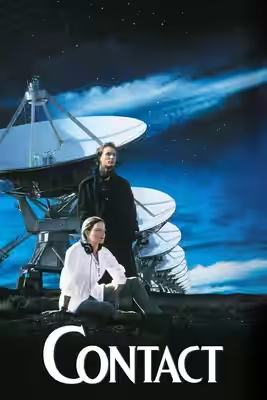
Arrival and Contact both follow a scientist trying to make sense of an encounter with another intelligence, and both are worth an evening. Arrival is the quieter and more patient of the two, built around the difficulty of understanding a language, while Contact has the more exciting discovery and Jodie Foster's urgency. Contact spends longer on speeches about science and belief; Arrival is the tighter film.
What should I watch after Arrival?
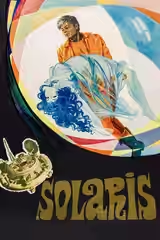
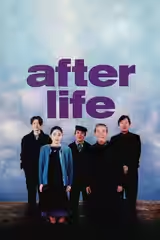
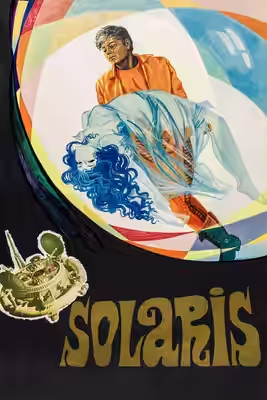
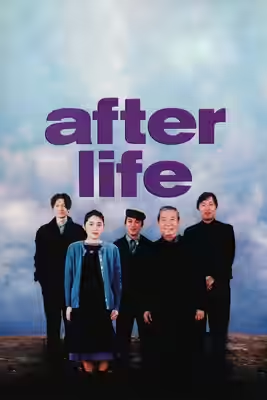
After Arrival, try Contact (1997, Fi1m 76): Another patient encounter with the unknown, carried by a scientist worth listening to. Then Solaris (1972, Fi1m 87): For alien contact that becomes troublingly personal, with still more patience required; and After Life (1998, Fi1m 85): A quieter Japanese drama about memory, built around listening carefully to ordinary people.

Cast

Awards

AACTA International Award for Best Film, 2017

Nominated
AACTA International Award for Best Film

Academy Awards, 2017

Nominated
Best Cinematography
Nominated
Best Director
Nominated
Best Film Editing
Nominated
Best Picture
Nominated
Best Production Design
Nominated
Best Sound
Nominated
Best Writing, Adapted Screenplay
Won
Best Sound Editing

Hugo Awards, 2017

Won
Best Dramatic Presentation, Long Form

Critics' Choice Awards, 2016

Won
Best Sci-Fi/Horror Movie

If you liked this, try…

  1. Contact (1997, Fi1m 76)Another patient encounter with the unknown, carried by a scientist worth listening to.

  2. Solaris (1972, Fi1m 87)For alien contact that becomes troublingly personal, with still more patience required.

  3. After Life (1998, Fi1m 85)A quieter Japanese drama about memory, built around listening carefully to ordinary people.

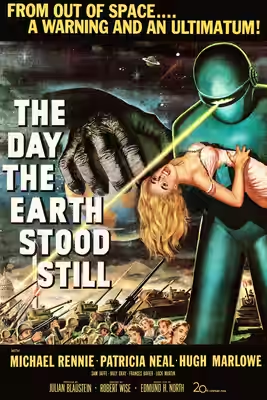
  4. The Day the Earth Stood Still (1951, Fi1m 82)Alien visitors meet human defensiveness in a leaner, more forthright science-fiction warning.

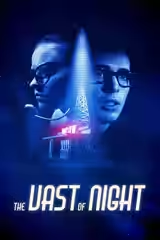
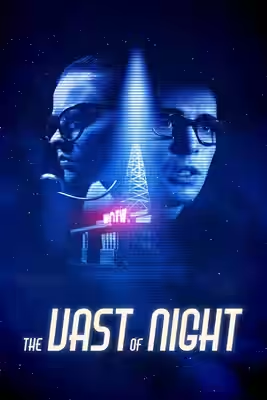
  5. The Vast of Night (2019, Fi1m 78)Strange signals and attentive performances make a modest first-contact mystery worth staying with.

Free account

Know what to watch tonight

Two lists that know where things are streaming, collections you can share, your own score beside ours, and Discover that remembers what you have seen.

  • Want to see, sorted by what is streaming now
  • Seen, with your score out of ten
  • No adverts, ever