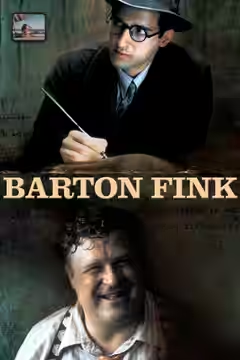
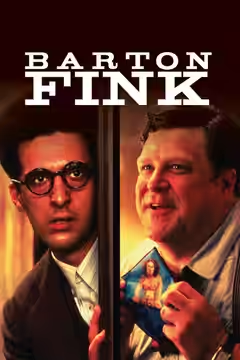
The Coens’ Hollywood comedy is funny, unnerving and sharply acted, with John Turturro and John Goodman especially good. Its treatment of the unhappy writer grows a little repetitive, but the uncomfortable laughs are worth an evening.
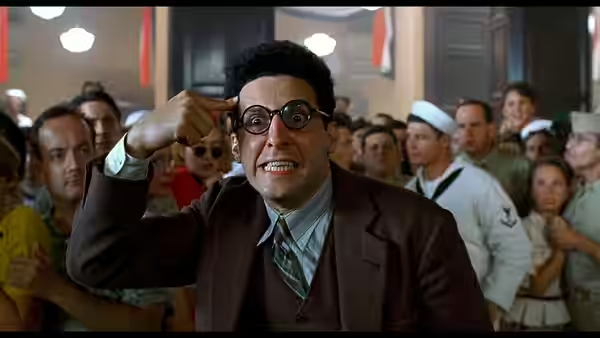
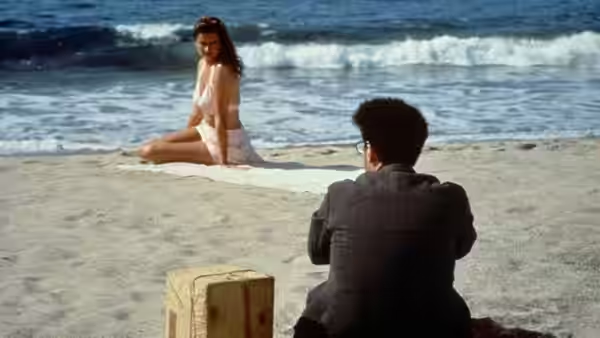
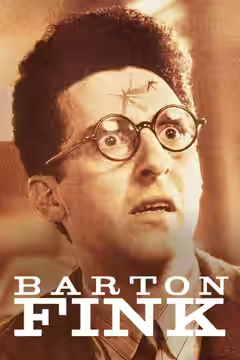
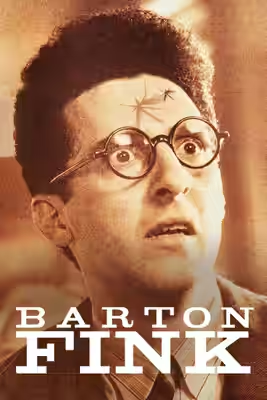
Joel and Ethan Coen put a playwright in Hollywood and decline to treat his creative difficulties as evidence of a superior soul. Barton Fink is a funny, disquieting comedy, particularly sharp about the vanity that can accompany a wish to speak for ordinary people. Its writer has a professional problem, but his difficulty taking an interest in anyone else is more revealing. The Coens let us recognise the humiliation of being unable to work without accepting Barton’s flattering account of himself.
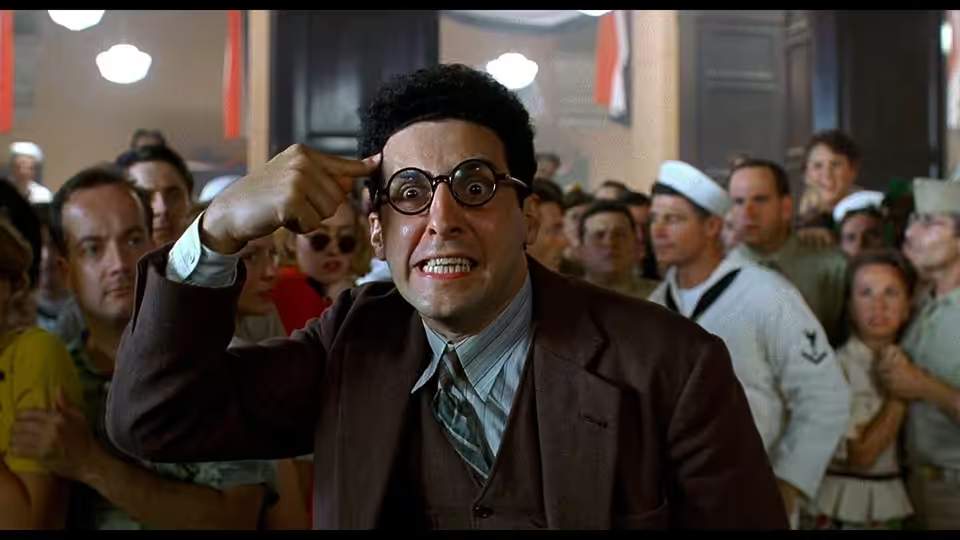
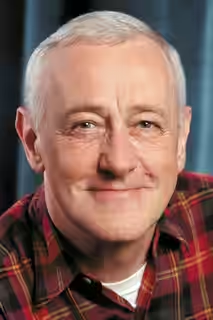
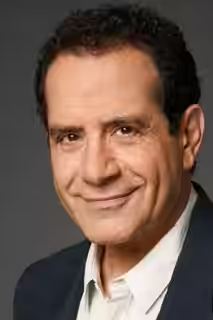
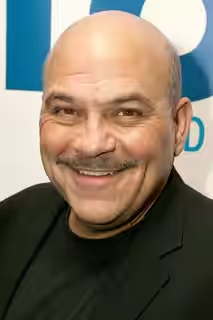
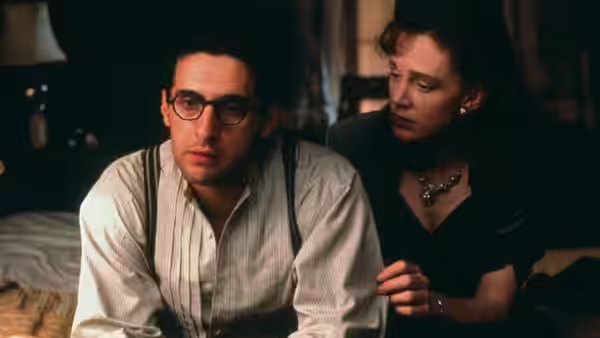
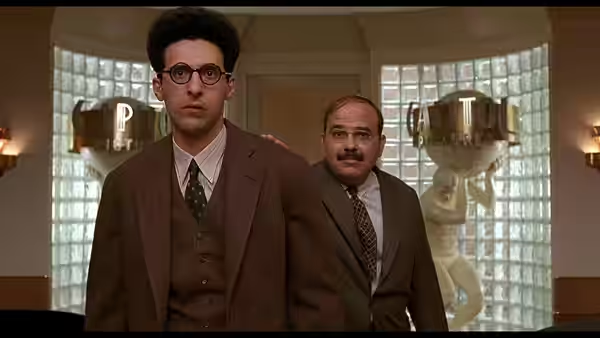
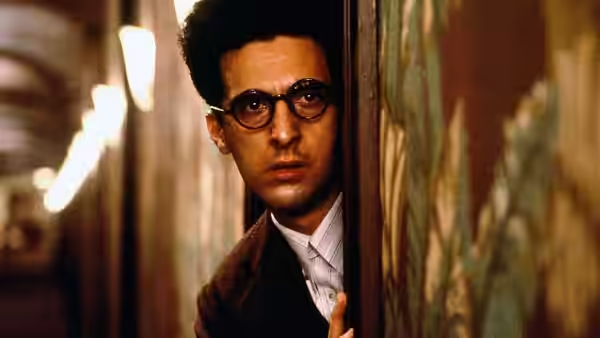
John Turturro makes Barton earnest enough to be recognisable and self-absorbed enough to be hard company. John Goodman plays Charlie Meadows, Barton’s neighbour, with a friendliness that does not quite let us relax. We laughed at Barton’s high opinion of his concern for ordinary people, then felt embarrassed by his failure to attend to the man beside him. Goodman gives Charlie enough presence that we cannot simply share Barton’s lack of interest.
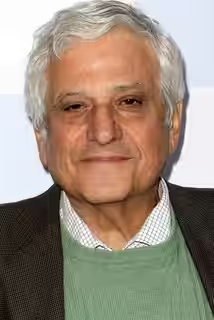
Michael Lerner’s Jack Lipnick supplies a different kind of difficult company: the studio mogul who has no reason to doubt his own judgement. Lerner plays the authority with such assurance that the absurdity needs little additional emphasis. The Coens’ screenplay is alert to the comic similarity between an employer who assumes he knows everything and a writer who believes his motives excuse him from listening. That makes the Hollywood scenes more interesting than a simple complaint about what commerce does to art.
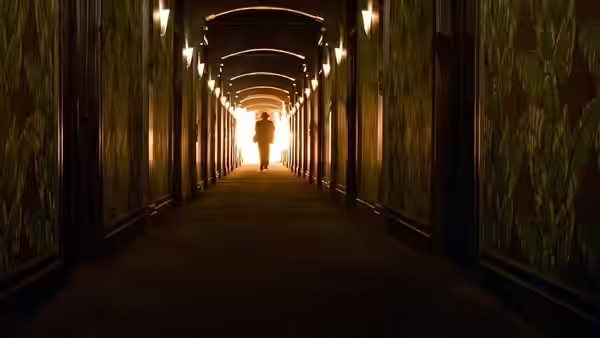
Roger Deakins’s cinematography makes the hotel’s humid atmosphere unpleasantly tangible, especially around Turturro’s strained presence. Dennis Gassner’s production design keeps the place oppressive enough that returning to it feels like bad news. The hotel seems capable of making an ordinary task exhausting, which is apt for a film about a writer who cannot write. The setting does much of the work that a speech about creative frustration would otherwise have to do.
Joel and Ethan Coen also handle the editing, and their patience with the performances matters as much as their appetite for the bizarre. The comedy has time to become uncomfortable before the film asks us to be frightened. Carter Burwell’s music helps those changes feel part of the same experience, rather than separate instructions to laugh and worry. Even when the film becomes more extreme, the awkwardness of being in company remains recognisable.
The reservation is that the Coens sometimes seem too pleased to have placed Barton in this predicament. His vanity is clear early, and there are stretches when the film appears to be finding elaborate new ways to establish something we already know. The increasingly strange treatment of his troubles can make him seem like someone put there chiefly to be punished. A little more attention to his distress would help. That matters because Turturro has made him recognisable enough to deserve it.
As a Hollywood satire, Barton Fink is especially good at denying the writer an easy claim to moral superiority. The studio’s priorities are absurd, but that does not make his own priorities generous or even sensible. The 117 minutes ask for concentration, and the jokes do not always offer much relief. It is worth an evening, provided nobody needs every strange detail explained before bed.