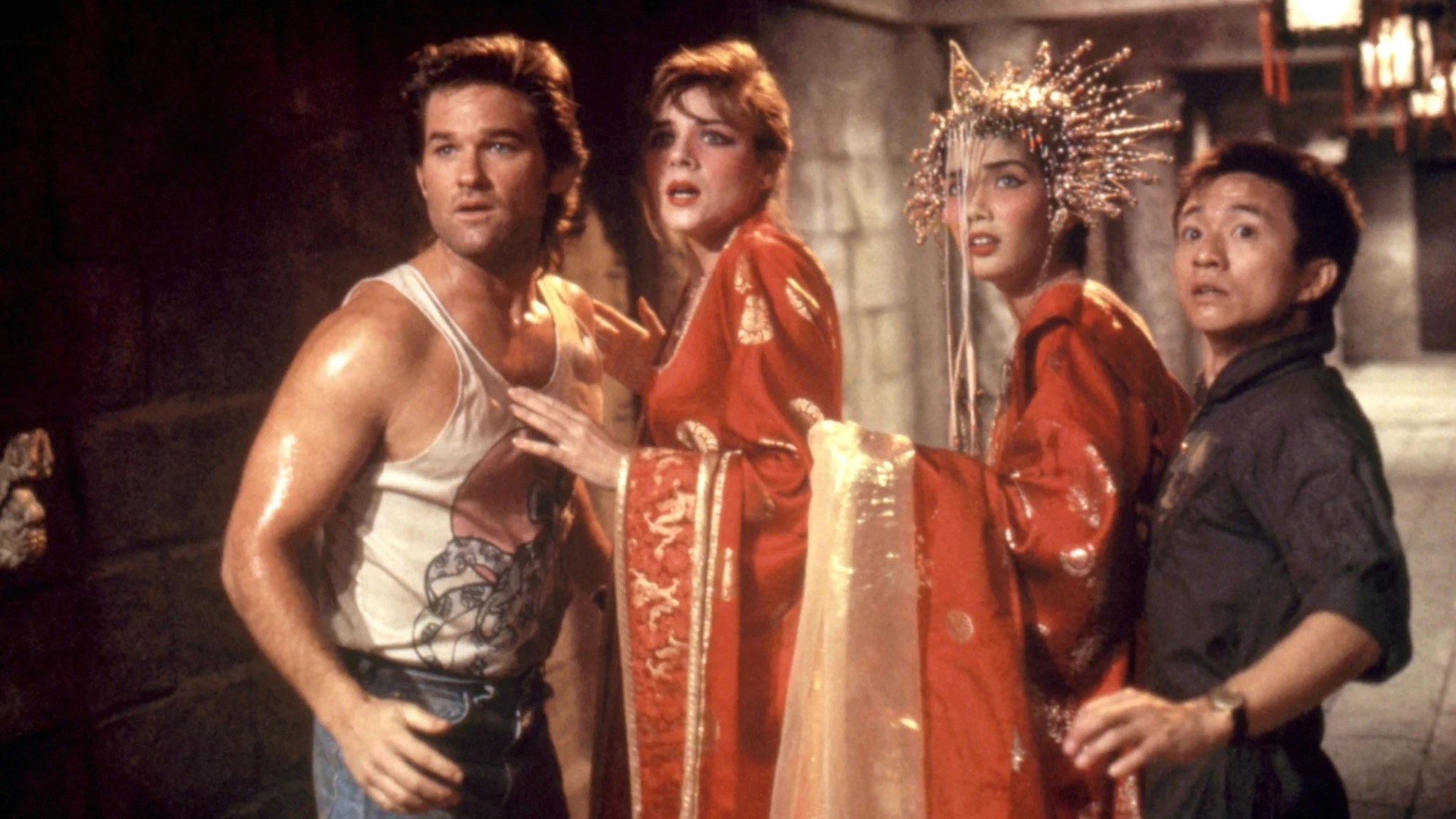
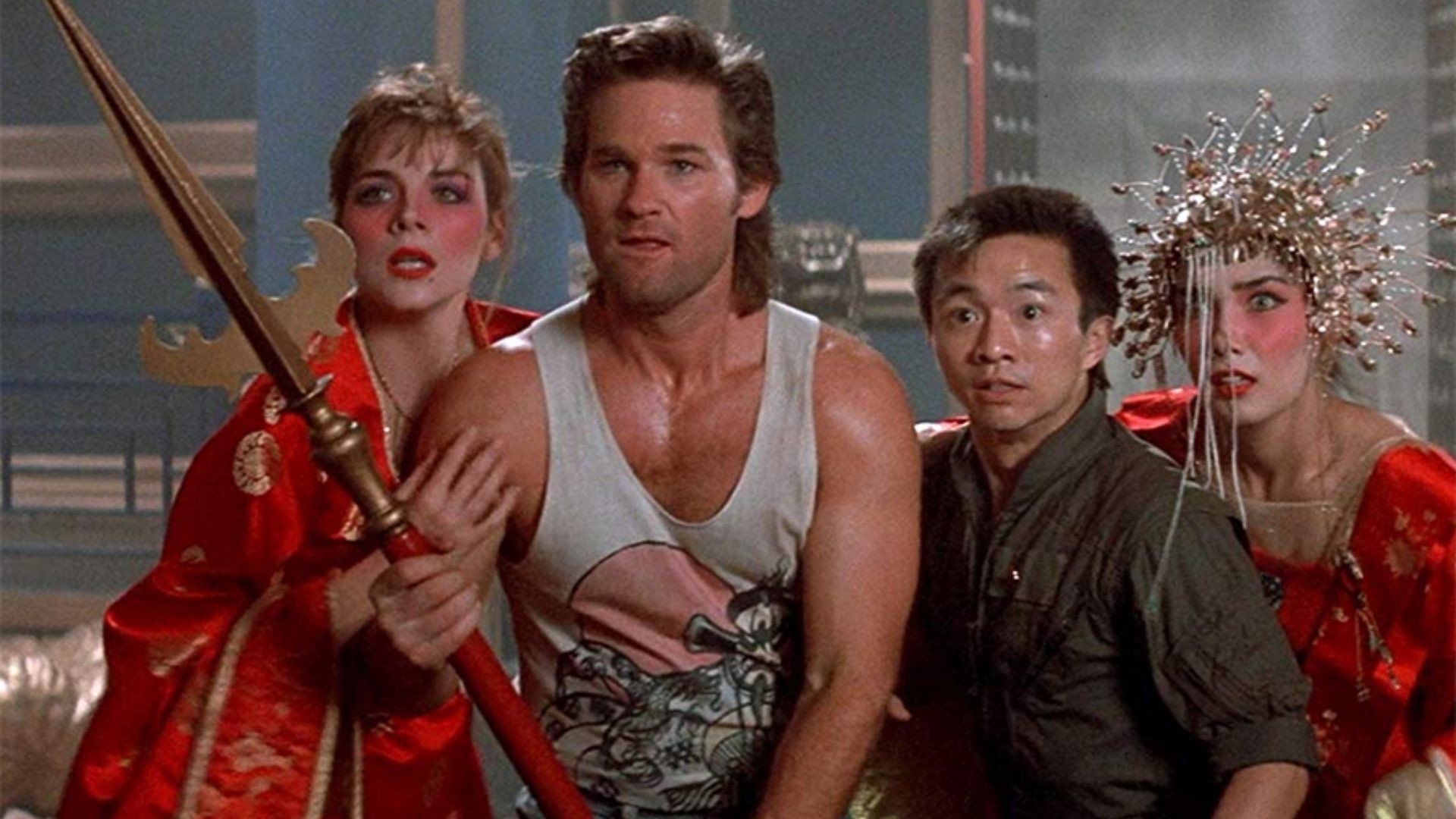
John Carpenter’s martial-arts fantasy is good, unruly fun, carried by Kurt Russell’s splendidly unqualified hero. The fights sometimes labour and the effects grow tiresome, but the joke at Jack Burton’s expense keeps working.
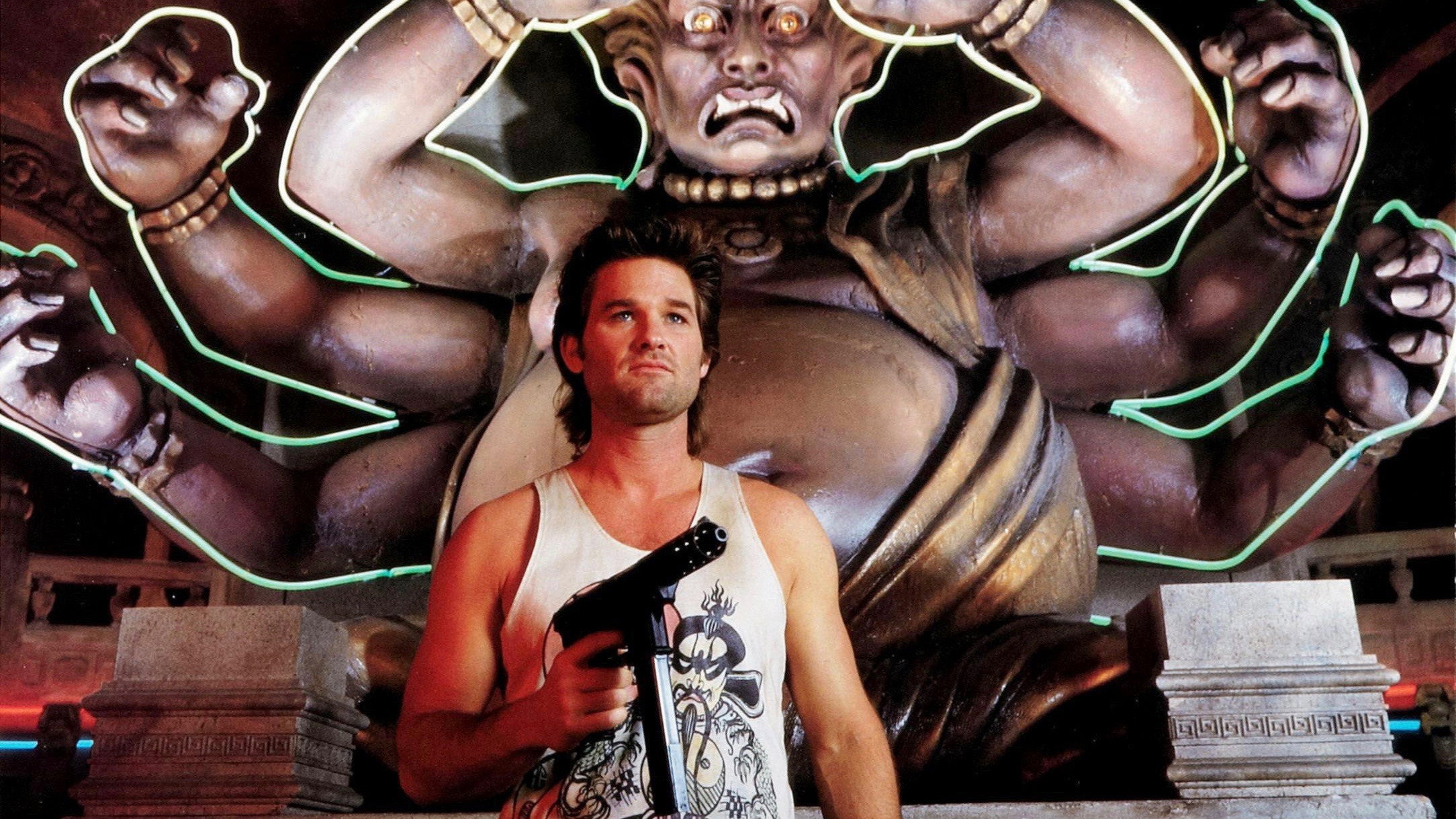
Big Trouble in Little China is good, untidy fun, with a central joke strong enough to survive some rather laboured fighting. John Carpenter puts a confident American truck driver into a martial-arts fantasy and lets him misunderstand his own importance. Kurt Russell plays Jack Burton as a man who assumes that being the loudest person present amounts to a qualification. The film enjoys that mistake without despising him for making it.
Russell’s performance gives the comedy something sturdier than a succession of knowing references. Jack’s bluster is funny because Russell allows the incompetence to register without turning every line into an appeal for a laugh. We laughed at Jack talking as though he had everything under control, because Russell makes it plain how little he understands. In a genre so often organised around one man’s unquestionable competence, it is a pleasure to watch the supposed hero require this much tolerance.
The screenplay by David Z. Weinstein and Gary Goldman is happiest when the action punctures Jack’s view of himself. Its mixture of comedy, martial arts and supernatural adventure gives Carpenter plenty to juggle, and he usually keeps the tone light enough to accommodate the changes. The joke also usefully unsettles the familiar business of an American taking charge of somebody else’s culture. That does not clear away all the Chinatown clichés, but it stops Jack’s swagger becoming the film’s own.
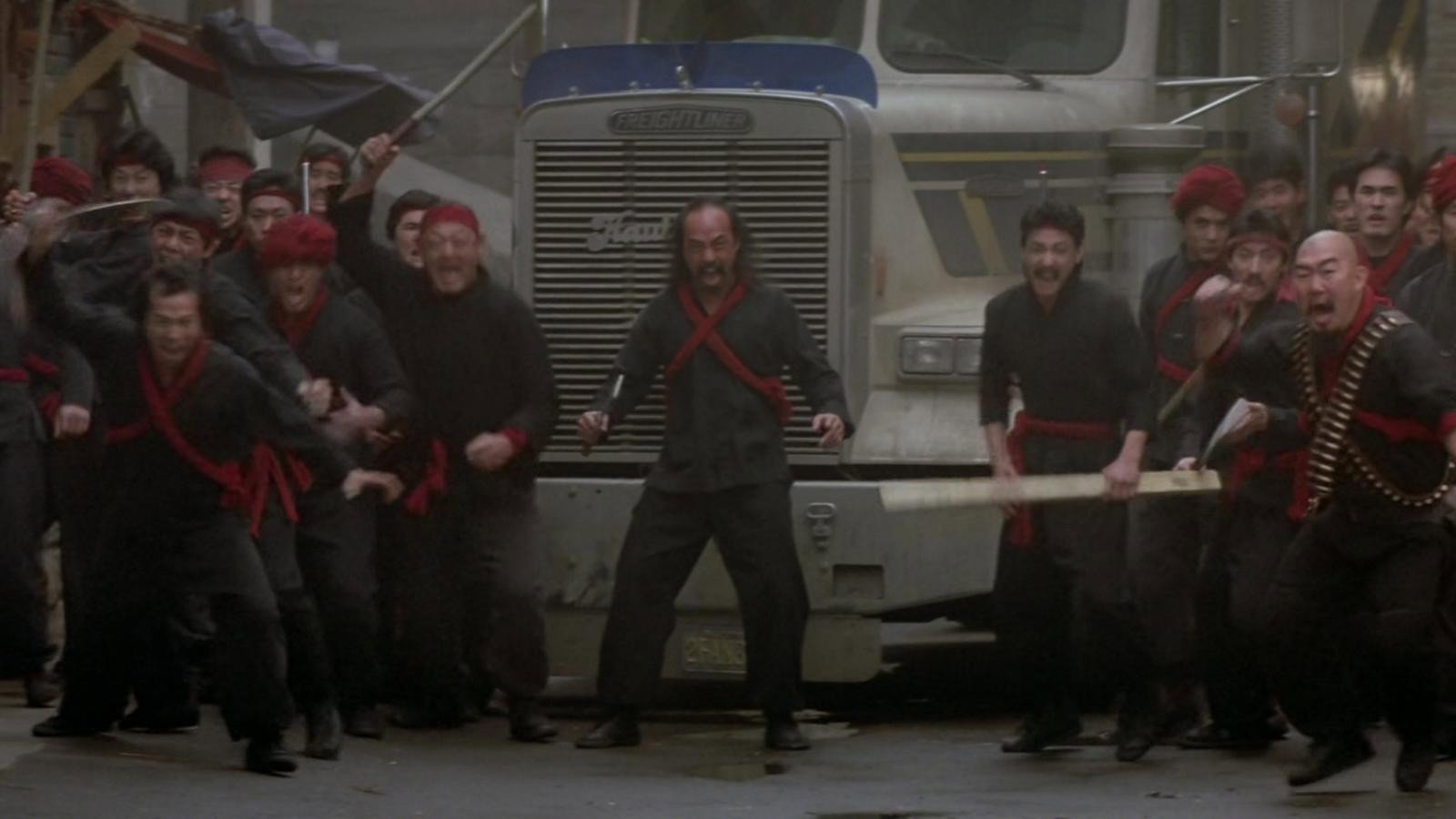
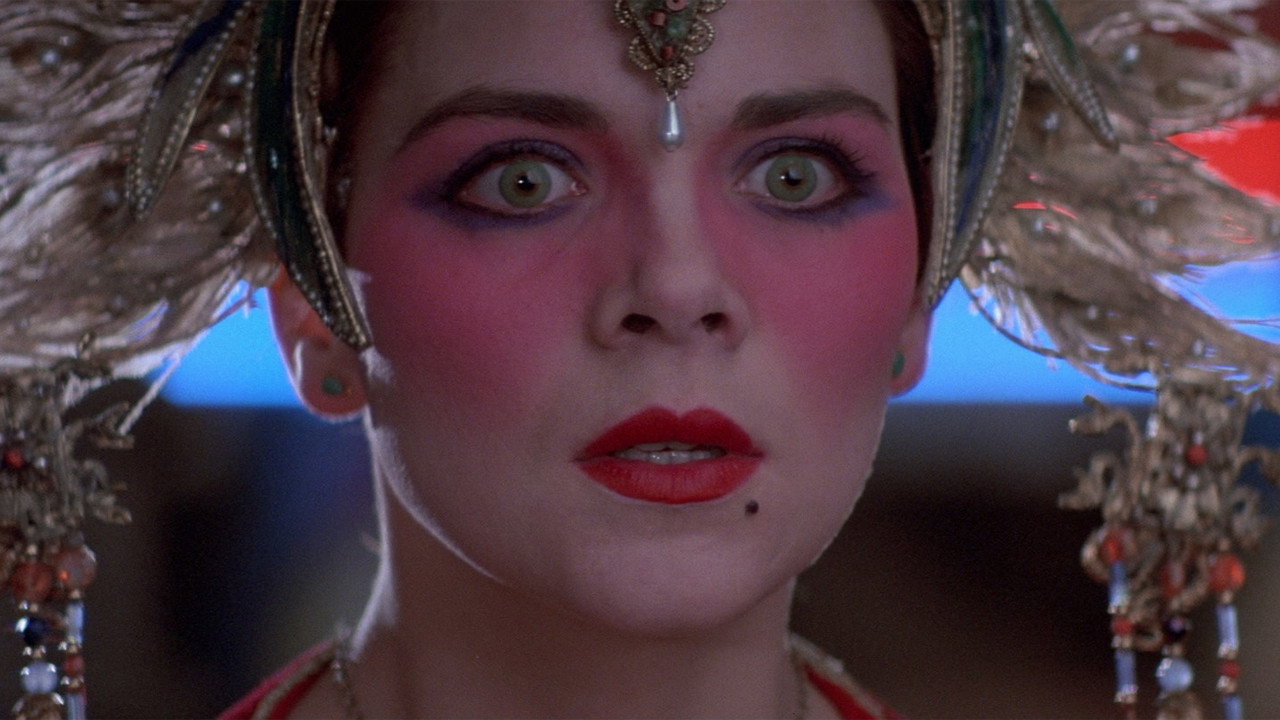
Dean Cundey’s cinematography makes the wire-assisted action feel sufficiently solid that we can enjoy its absurdity. The flying bodies give the fights a welcome disregard for ordinary human limitations. John J. Lloyd’s production design supplies elaborate surroundings for the magical business, though there are times when the effects become more insistent than anything around them. We would happily spend longer looking at what has been built and less time watching another fight occupy it.
The action is where our enthusiasm becomes qualified. Editors Mark Warner, Edward A. Warschilka and Steve Mirkovich keep events coming briskly, but speed cannot disguise how often the film asks us to enjoy much the same sort of collision. Some fights feel heavy, and the accumulation of effects makes an already busy adventure harder to follow. The trouble is not that the magic needs explaining; it is that another burst of activity sometimes arrives before we have enjoyed the last one.
The music by Alan Howarth and Carpenter helps preserve the sense that this is meant to be fun. It presses the adventure along without demanding that we take Jack at his own valuation. That matters when the martial arts are not nimble enough to carry the entertainment unaided: against the Hong Kong sword-and-sorcery tradition it borrows from, the fighting can look cumbersome. Carpenter’s comedy does more convincing work, especially whenever Russell undermines the expected display of heroism.
The 100-minute running time helps, although a few of those minutes could have been surrendered without much loss. There is enough affection in Russell’s performance to make another spell of confusion tolerable. The film remains good company even when the action is doing less than it should. Choose it for a light evening, provided losing track of the supernatural business will not spoil the pleasure.