Ángel Manuel Soto’s origin story gives DC a Mexican-American hero and a family worth the ticket, then hands them a plot from the shelf. The Reyes household is good company; the beetle business around them is standard issue.
Ángel Manuel Soto’s Blue Beetle is two films sharing one running time. The one Soto cares about is a comedy about the Reyes family of Palmera City, who are broke, loud and fond of one another, and everything to do with them is good. The other is a superhero origin story, and Gareth Dunnet-Alcocer’s script takes that one off the shelf without checking the label. It is a good family film with a middling superhero film bolted on, and the bolts show.
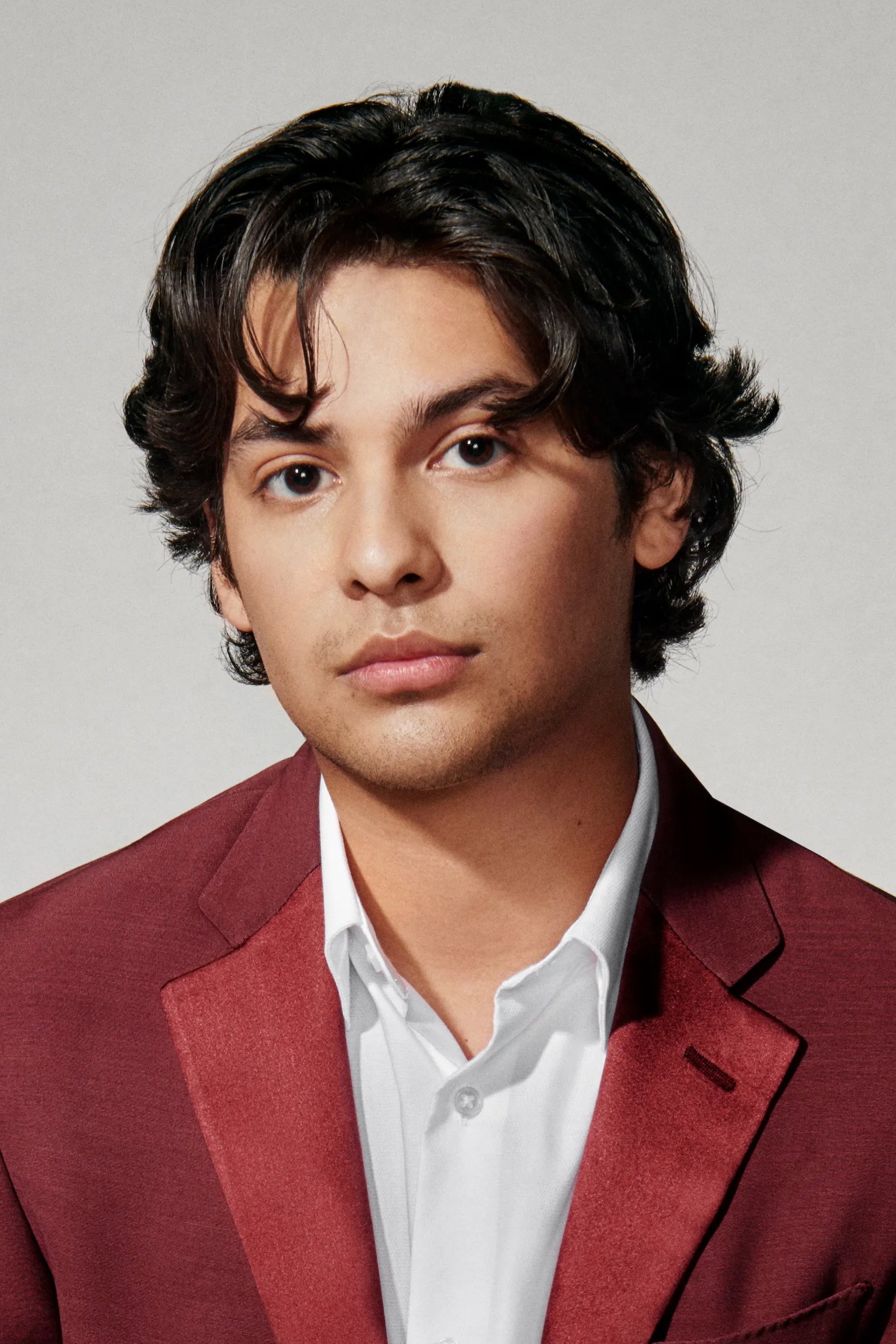
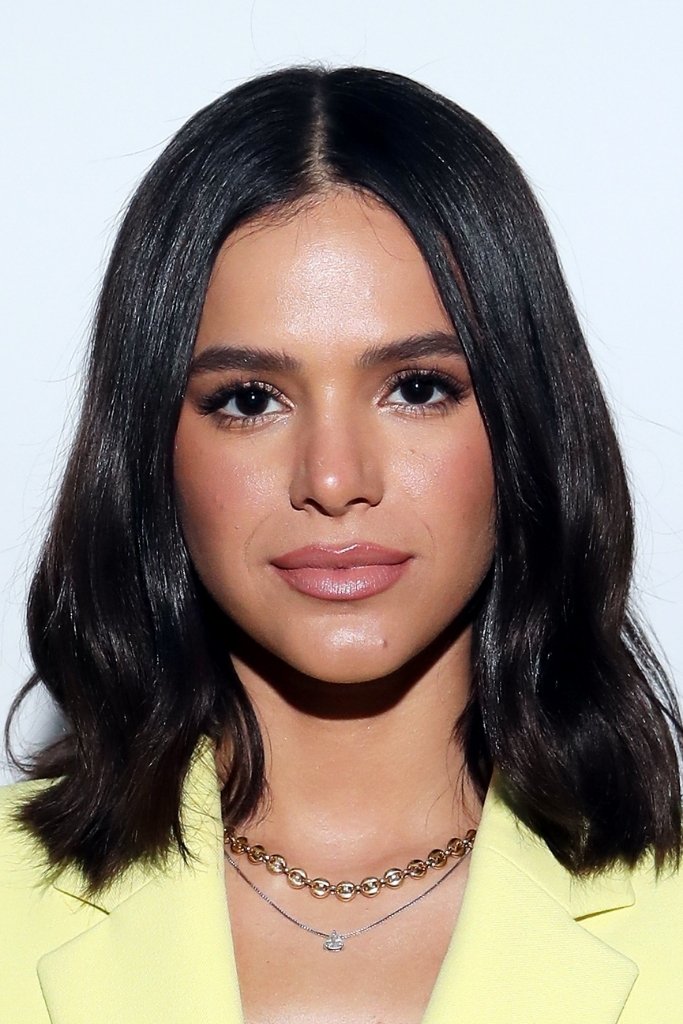
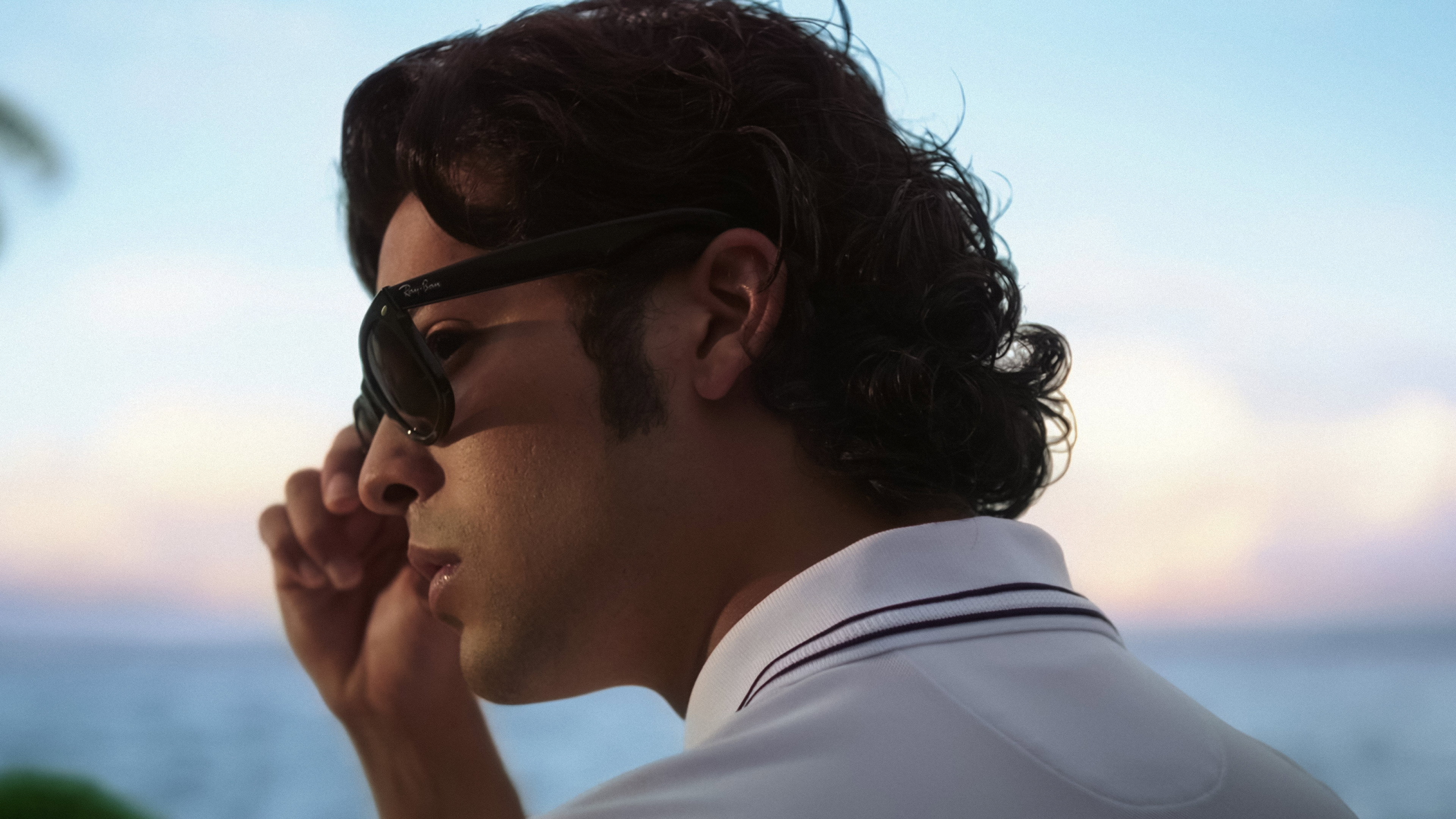
Jaime Reyes (Xolo Maridueña) comes home from college with a degree and finds his family about to lose the house. He and his sister Milagros (Belissa Escobedo) take cleaning work at the Kord mansion, where he wanders into a row between Jenny Kord (Bruna Marquezine) and her aunt Victoria (Susan Sarandon). Jenny hands him a box and asks him to keep it shut. He opens it at the dinner table, and what is inside climbs onto his face and turns him into a weapon. Maridueña has an open, easily alarmed face; his panic as the thing flings him through the kitchen ceiling is funnier than most of the jokes written down for him.
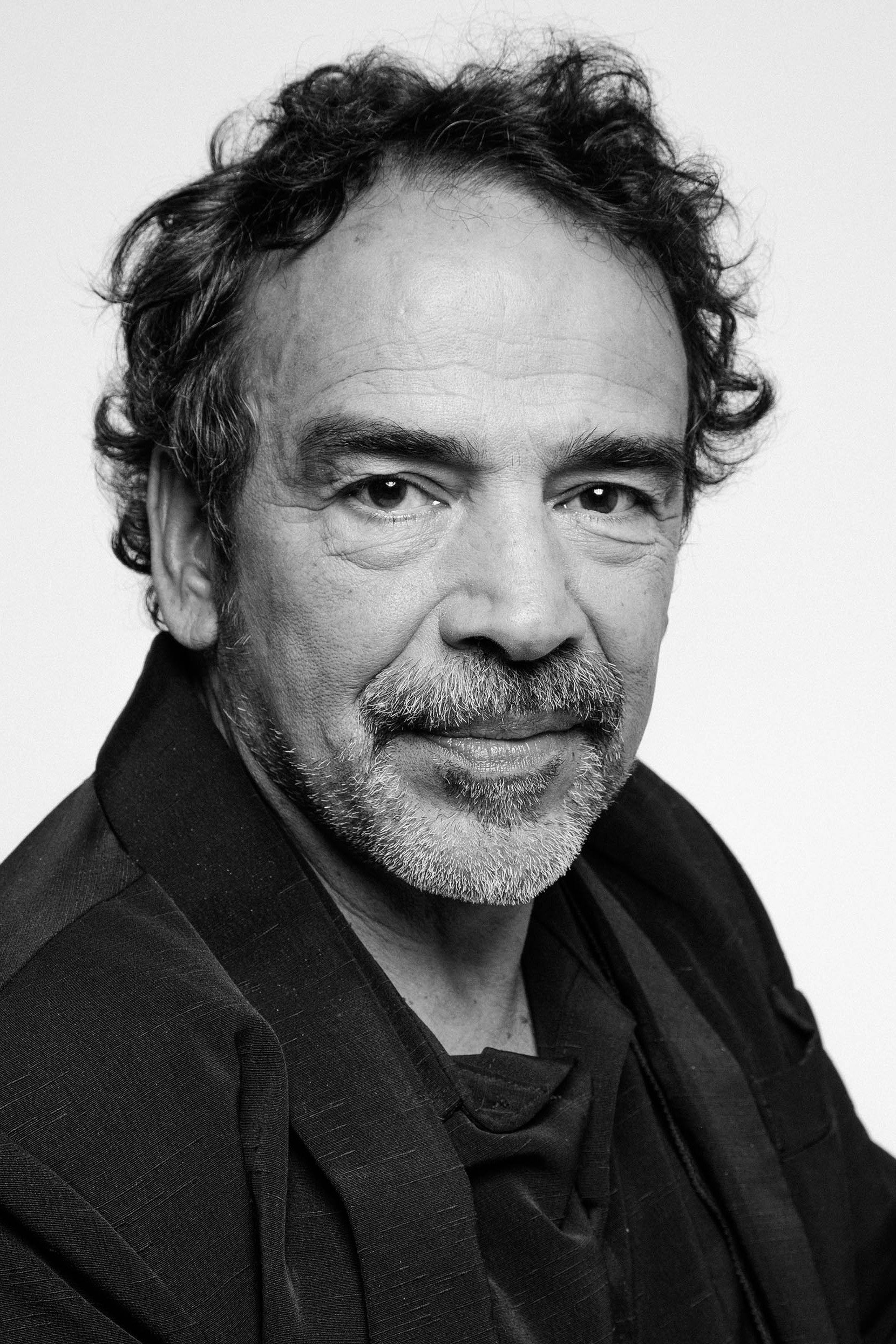
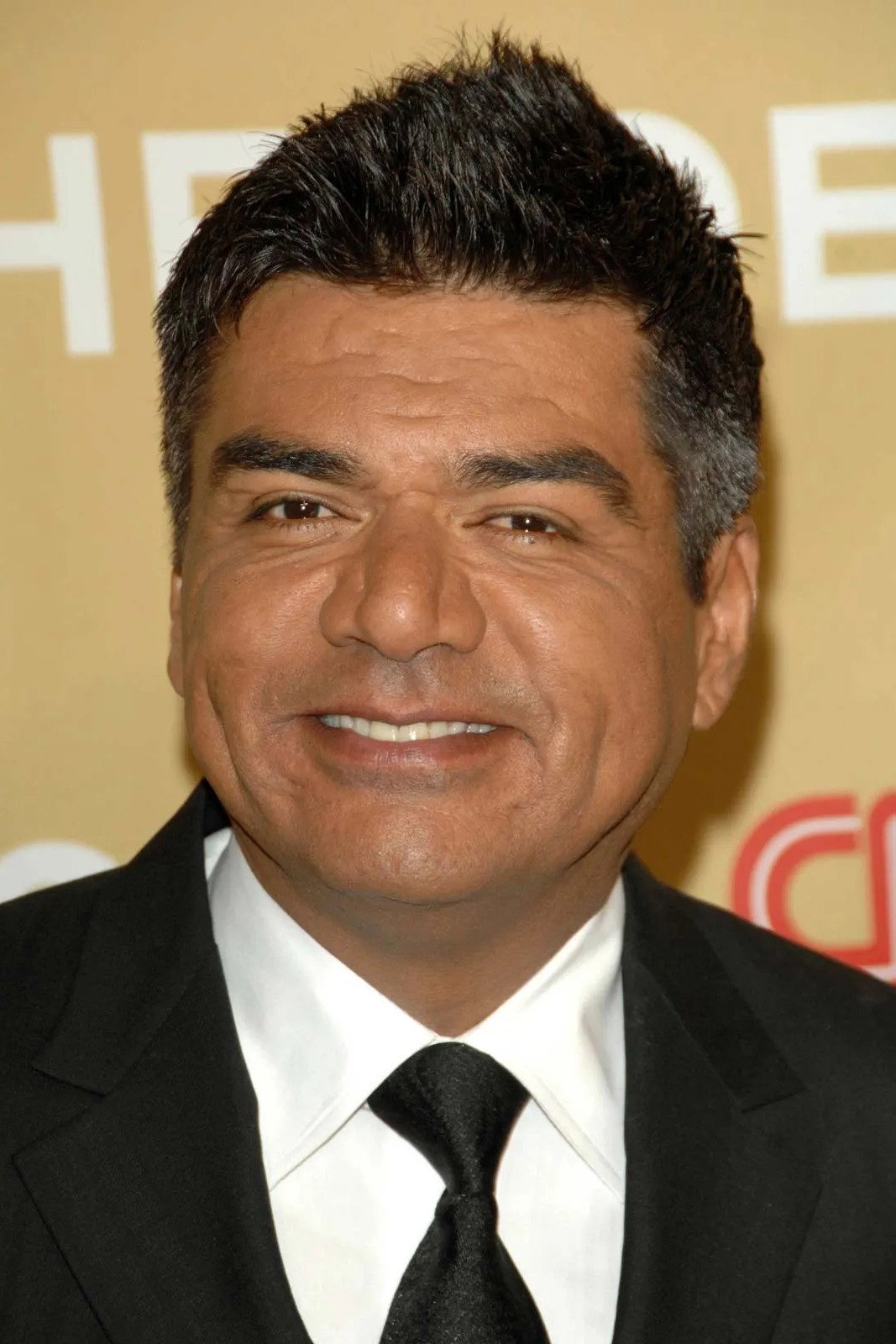
The family is why we would send anyone to this. George López plays Rudy, an uncle who distrusts every institution and has wired his truck accordingly, and he gets the biggest laughs by refusing to slow down for them. Adriana Barraza’s Nana sits at the edge of scenes looking as if she has seen worse, which becomes relevant later in ways we will not describe. Damián Alcázar gives Alberto, the father, one quiet talk with his son on the porch that is the best written scene in the film. We laughed more at that dinner table than in any of the fights, and about halfway in we noticed we had started to feel protective of these people, which superhero films almost never manage with anyone who does not wear a suit.
Jon Billington’s Palmera City puts glass towers up the hill and the Reyes neighbourhood below them, and Pawel Pogorzelski lights the two differently: the house in warm yellow, the Kord offices in blue and violet. Mayes C. Rubeo’s suit is sculpted blue with light running in its grooves, and she puts Sarandon in ivory so she glows against everything around her. Bobby Krlic’s score is synthesisers in the 1980s manner, loud and simple, and it gives the film a bounce the action does not earn on its own. Craig Alpert leaves the family scenes room to overlap, then cuts the fights to the standard tempo of the genre.
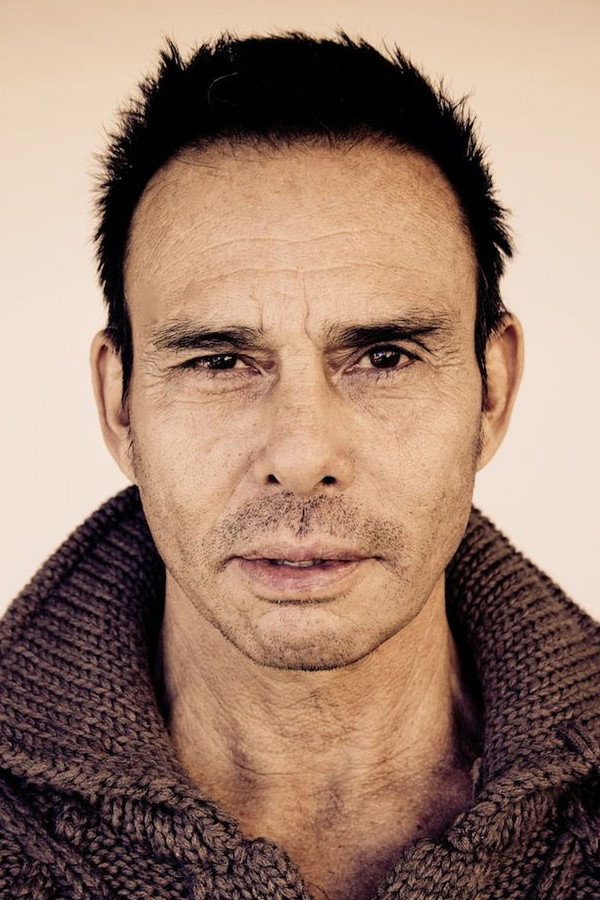
Victoria Kord wants the scarab so she can build armoured soldiers and sell them. Sarandon enjoys herself, delivering corporate menace in the tone of someone ordering lunch, and she is the only person on the Kord side with any wit. Raoul Max Trujillo’s Carapax is a man in a metal suit whose job for most of the film is to hit a boy in a metal suit. Becky G’s Khaji-Da, the voice in Jaime’s head, talks like a satnav with opinions, and the joke wears thin. The last act goes to an island and does what these films do: two digital bodies punching each other in front of digital fire, with the Reyeses kept offstage for long stretches. We were not bored, exactly. We were waiting for the family to come back, which is the wrong thing to be feeling in a climax.
The origin story is the most worn shape in current cinema, and Blue Beetle changes nothing about it. What differs is who is inside the shape, a Mexican-American family arguing in Spanish and English at once. At 128 minutes it is a little long for what it has, and the 12A means the fights are bloodless and most of the swearing is in Spanish. Watch it at home with a family, where the dinner scenes will land and the fights can be talked over. The tagline says Jaime Reyes is a superhero whether he likes it or not. On the evidence he would rather be at dinner, and so would we.