Film review

Bottle Rocket

1996 · Directed by Wes Anderson · 1h 31m · MPA R

In a sentenceOwen Wilson has mistaken his friends’ patience for a criminal organisation

ComedyCrimeDrama

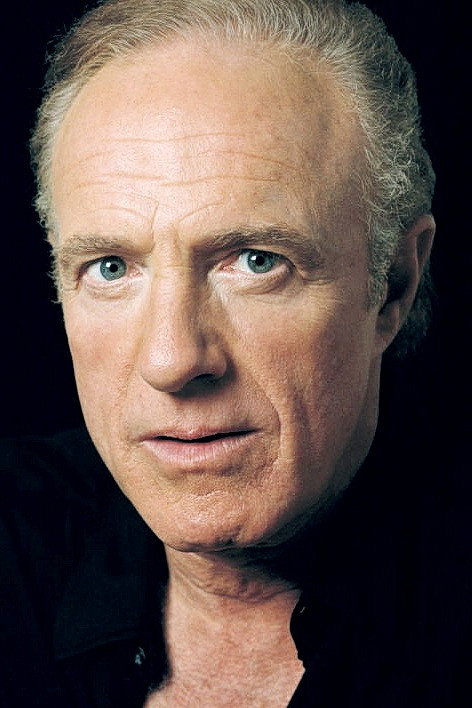
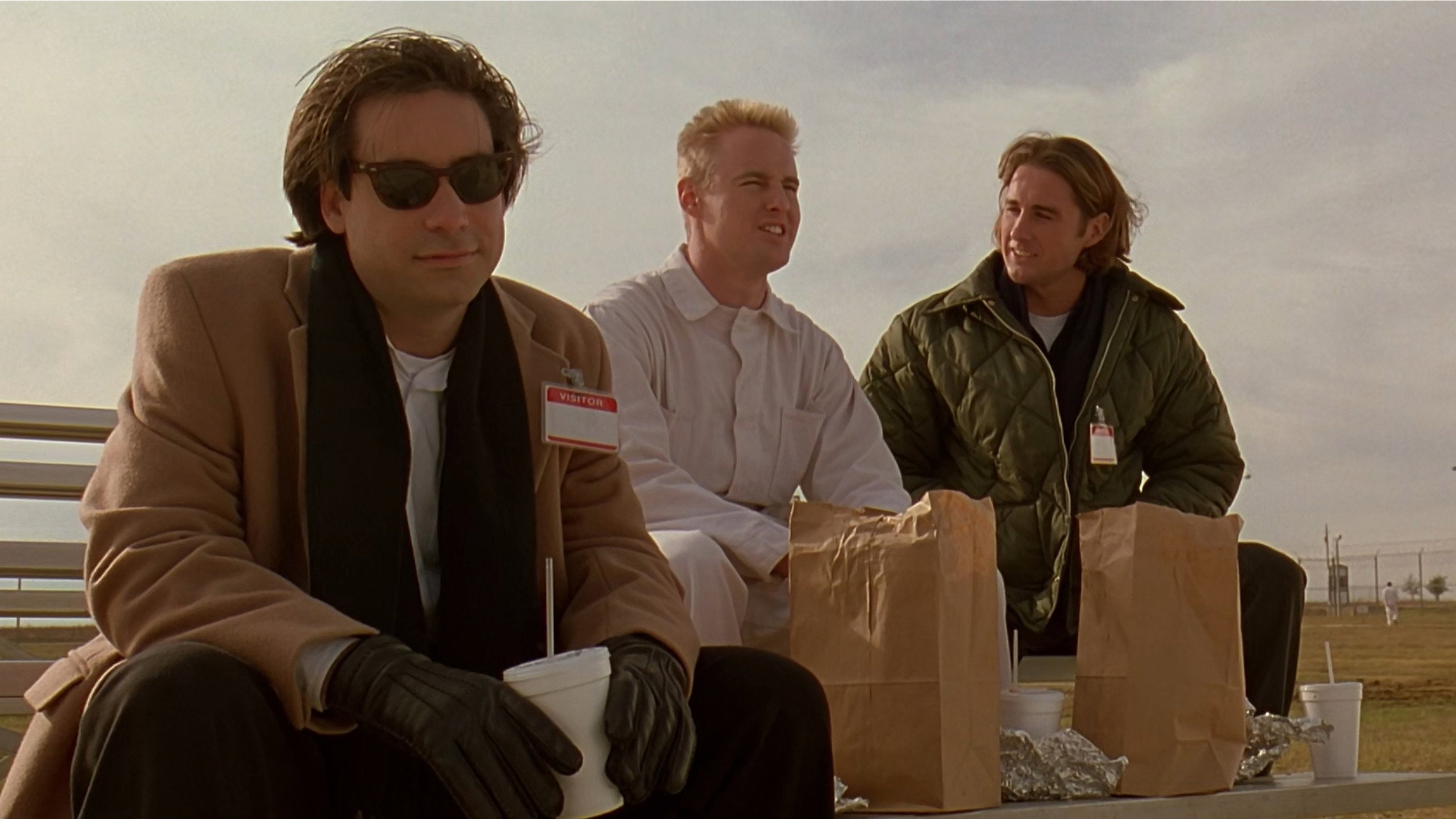
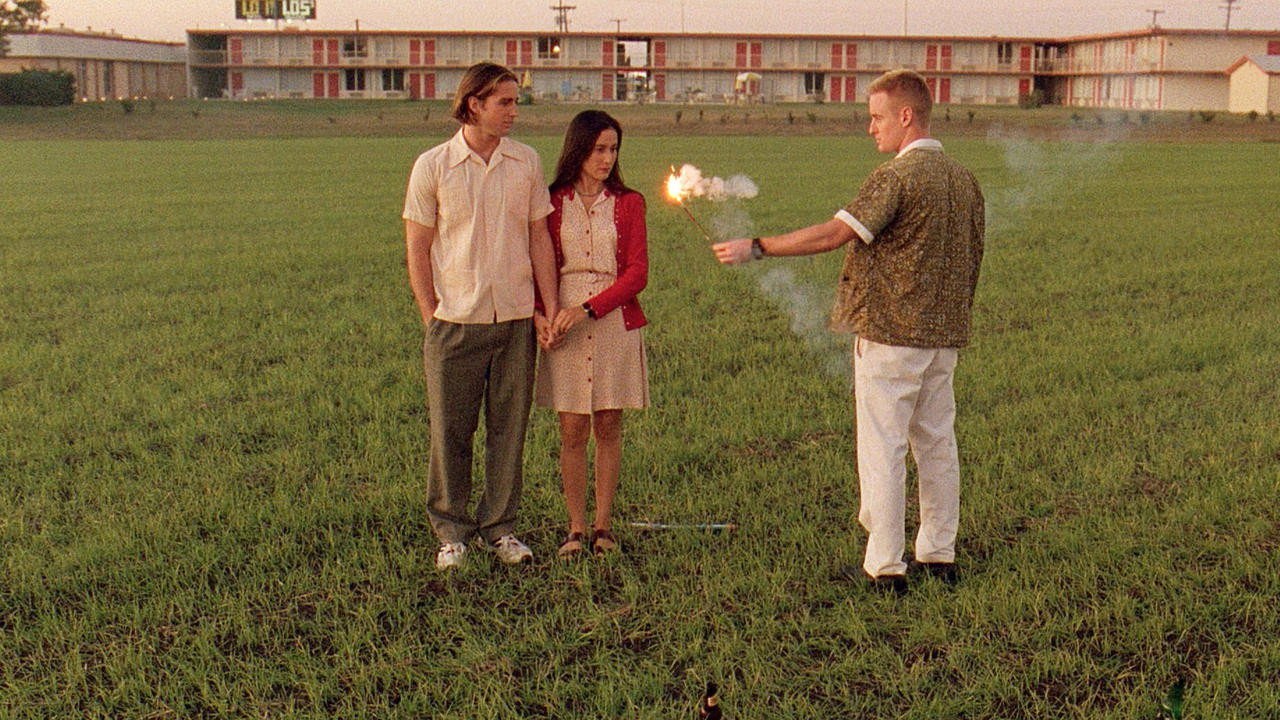
Dignan (Owen Wilson) has plans for a life in crime, and he wants his friends Anthony Adams (Luke Wilson) and Bob Mapplethorpe (Robert Musgrave) alongside him. The three team up to pursue his ambitions, despite having little reason to think they are suited to the work. Their attempts to become criminals put pressure on friendships that depend on patience with Dignan and his schemes. Wes Anderson directs and co-writes with Owen Wilson; Lumi Cavazos plays Inez and James Caan plays Mr Abe Henry in a story of criminal aspiration and uncertain loyalties.

Fi1m review

Wes Anderson’s crime comedy is funny, warm and occasionally too content to drift. Owen Wilson gives its would-be criminal a touching seriousness, though the writing is not equally generous to everyone around him.

Wes Anderson’s Bottle Rocket is a funny, affectionate crime comedy, though its leisurely episodes occasionally try our patience. Written by Anderson and Owen Wilson, it follows three friends whose criminal ambitions depend on taking Dignan’s plans far more seriously than those plans deserve. The pleasure is in watching the others accommodate him, with all the small negotiations that friendship requires. Anderson gives their wish to be criminals enough attention for us to understand why abandoning it might feel like letting one another down.

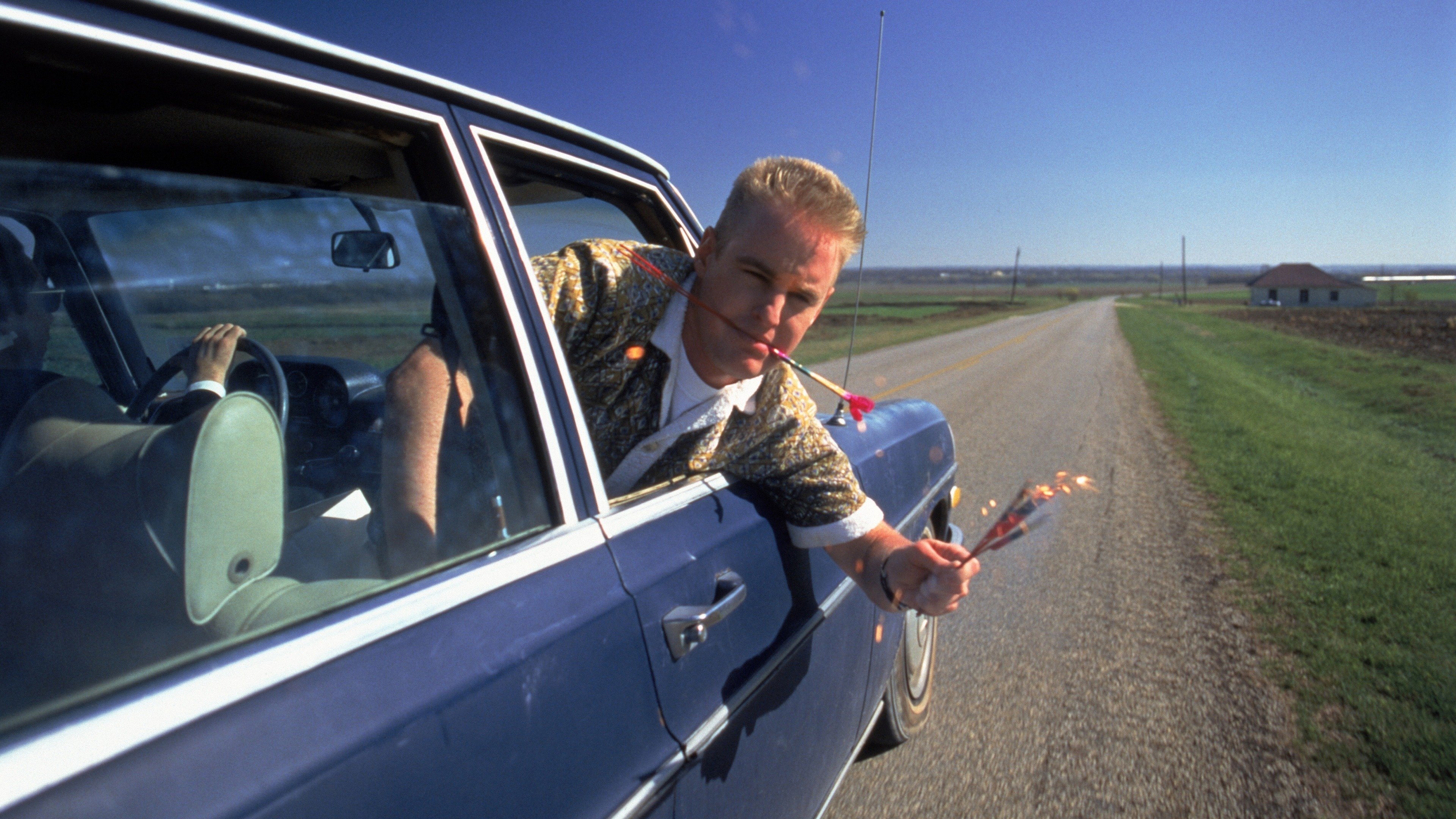
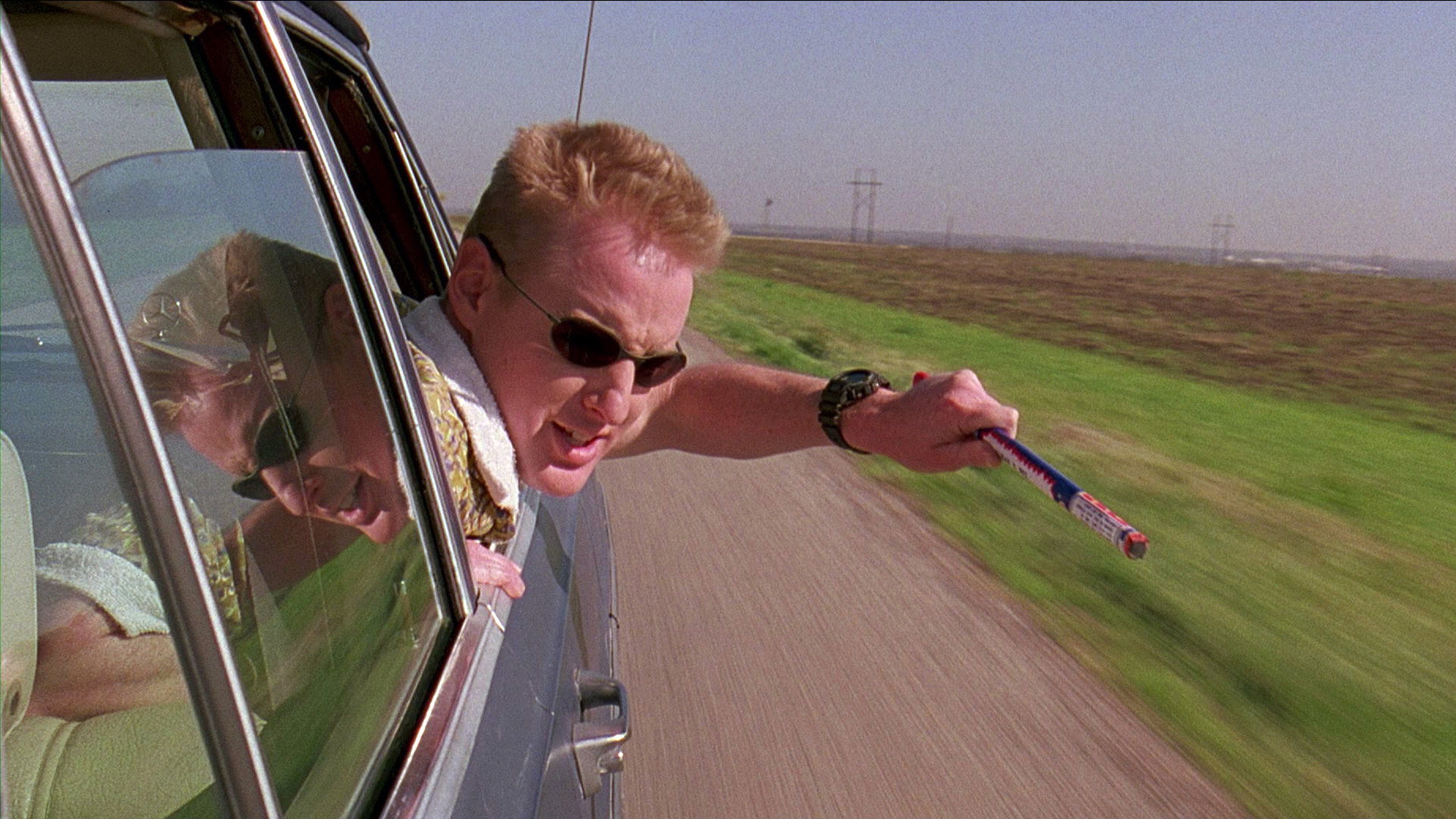
Owen Wilson plays Dignan with a busy, hopeful intensity that makes his certainty funny without making him contemptible. He seems to need his friends to believe in the scheme almost as much as he needs to believe in it himself. We laughed at the bookstore robbery, then felt unexpectedly protective of the men attempting it. Wilson’s earnestness makes their incompetence embarrassing in a recognisable way: they have committed themselves to something they plainly cannot manage.

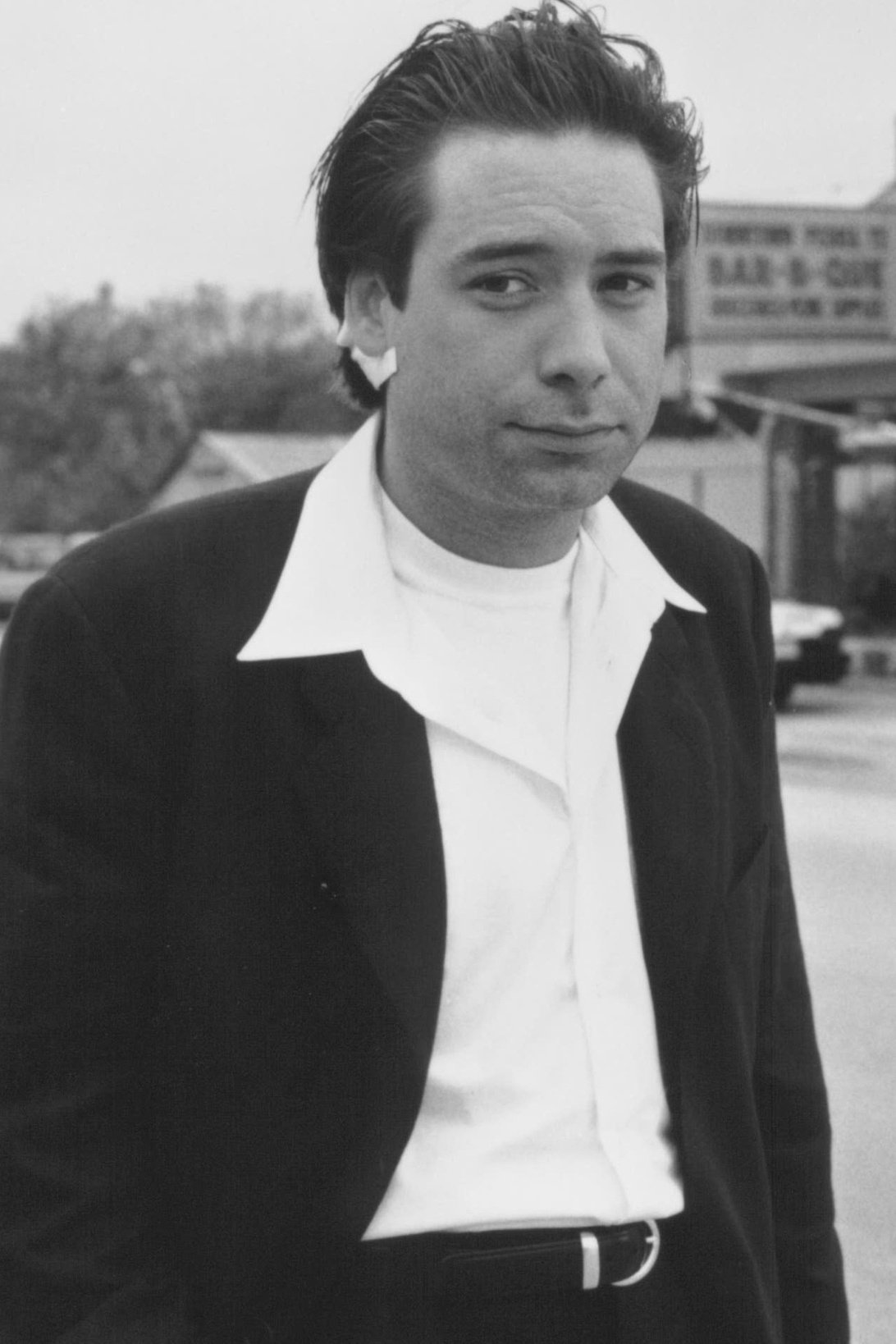
Luke Wilson’s Anthony Adams supplies a quieter response to all that purpose, and the two actors make the friendship plausible without insisting on its importance. Robert Musgrave’s Bob Mapplethorpe completes a trio whose uneven levels of enthusiasm keep the exchanges alive. The script is less generous to Bob, who remains a little sketchy beside his companions. Musgrave’s amiability helps, but we wanted a stronger sense of what keeps him attached to this particular friendship.

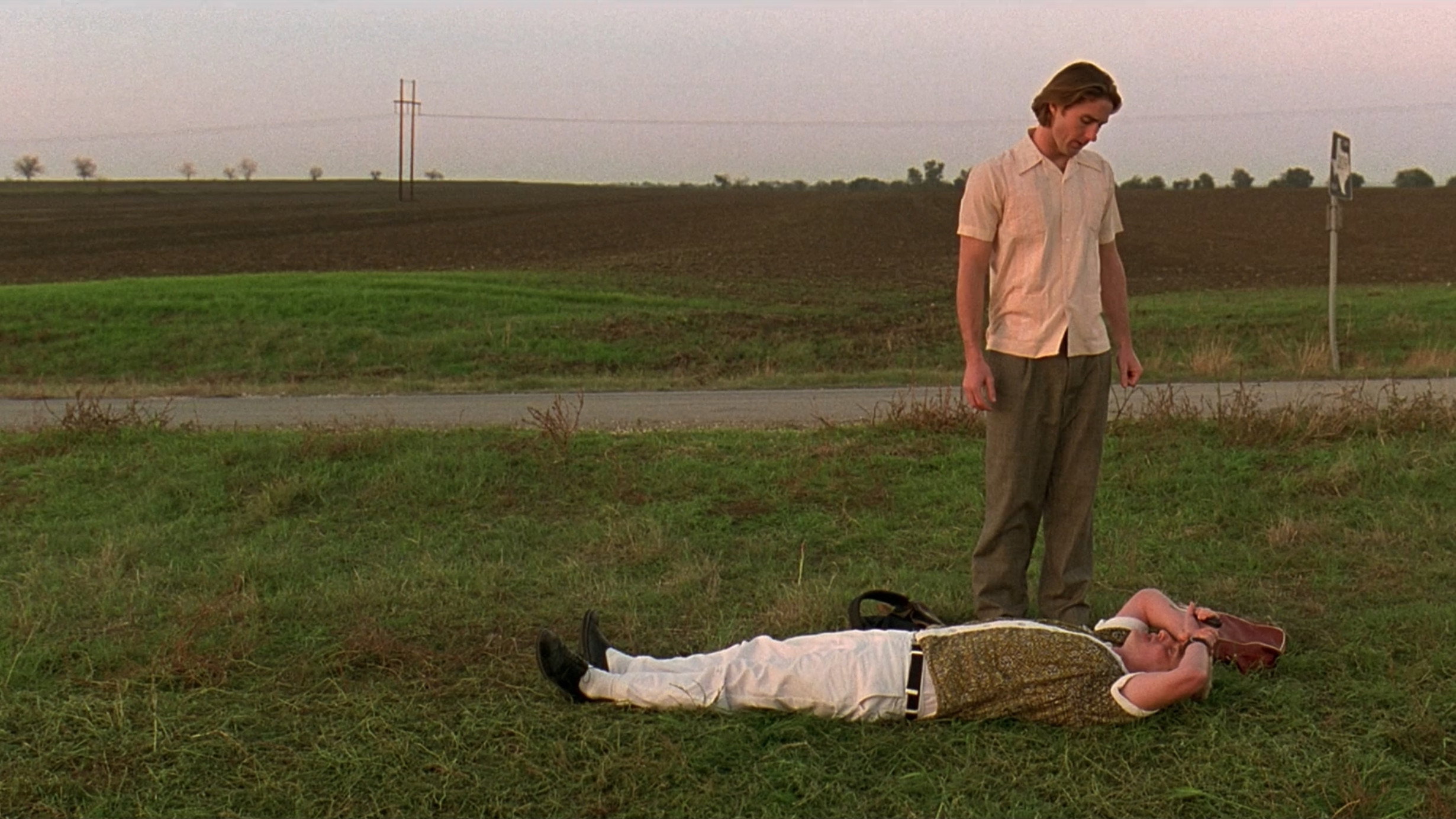
Robert D. Yeoman’s cinematography leaves plenty of sky around these men, a spare approach that keeps their schemes looking agreeably small. It also gives the actors room to be funny without every image demanding a separate laugh. David Wasco’s production design makes the bookstore and motel feel ordinary enough for the criminal fantasies to seem faintly misplaced. Those settings work because they do not announce that eccentric people are about to occupy them; the cast can establish that unaided.

David Moritz’s editing allows the motel stretch to settle into an unhurried rhythm, and some of the film’s gentlest humour benefits from the pause. There is a limit to how much amiable drifting the story can support, however, and the episodes do not all earn equal attention. Mark Mothersbaugh’s score lends movement to scenes that the editing allows to linger. It is a useful contribution, although music cannot quite make another pause in the action feel necessary.

The usual pleasures of a heist comedy include watching a complicated plan work, or fail in neatly timed stages. Anderson is content to let the friendships supply much of the suspense, and that puts a fair demand on the cast. Owen Wilson repays it: Dignan’s faith in himself remains touching even when we wish somebody would interrupt him. Choose it for an evening when a dry joke and a fragile friendship are enough to hold your attention.
Critical consensus AI synthesised

73
Positive
4
Mixed
2
Negative
0

Most critics respond warmly to Bottle Rocket’s eccentric crime comedy, finding more to enjoy in its friendships than in its would-be criminals’ plans. Praise centres on Anderson’s assured deadpan direction, the affectionate treatment of his misfits and performances that make their foolishness engaging. Owen Wilson is a particular focus, with his wired, affable Dignan giving the modest caper emotional interest. Several reviews find the film’s humour persuasive because it allows melancholy and fragile loyalties into the bungling.

The reservations concern how much substance sits beneath that charm, rather than any outright rejection of the film. Slant Magazine finds the characters thinly drawn and the emotional weight insufficient, while judging the visuals less polished than Anderson’s later work. The New York Times, by contrast, admires the spare visual style. The spread runs from qualified approval to firm enthusiasm: critics differ chiefly over whether the film’s small scale and looseness are sufficient pleasures.

Empire
1 January 2000 · Kim Newman
80*

The critic calls it a smart little first feature that takes an interesting tack on quirky heist movies by focusing on lifelong relationships. The Wilsons play perfectly with a real sense of oddball friendship.

Read the full review →
The AV Club
7 January 2010 · Scott Tobias
80*

The review positions Bottle Rocket as a fresh, personal debut that established Anderson's voice, praising its whimsical yet truthful moments and the motel sequence's humor and melancholy. It singles out the characters' misadventures and Dignan's plans for their emotional resonance.

Read the full review →
Time Out
28 May 2012 · TR
80*

Less idiosyncratic than Rushmore, Anderson's debut is none the less offbeat enough to defy easy analysis. Three friends team up to indulge the flakey Dignan in his fantasy of pulling off a major heist; the core of the film is the strength/fragility of the central friendships, and the film belongs to Owen Wilson's wired performance.

Read the full review →
Radio Times
★★★ · John Ferguson
60

This agreeably eccentric comedy crime drama marked the debut feature of Wes Anderson. It tells the story of a dopey trio who think they are cut out for a life in crime, with Anderson observing their bungling antics with affection and taking the episodic tale in unexpected directions.

Read the full review →
Slant Magazine
16 December 2008
60*

The critic notes empathy for the charming misfits but finds the characters thinly drawn, praising the humor especially in the bookstore robbery. They single out the lack of emotional weight and visual polish compared to Anderson's later films as drawbacks.

Read the full review →
Los Angeles Times
21 February 1996 · Kenneth Turan

The critic praises the confident, eccentric debut for never compromising on its delicate deadpan sensibility and never losing its way. The film’s singularity and the unique cinematic voice of its young makers stand out as its special qualities.

Read the full review →

Cast

Stills

If you liked this, try…

Big Deal on Madonna Street poster

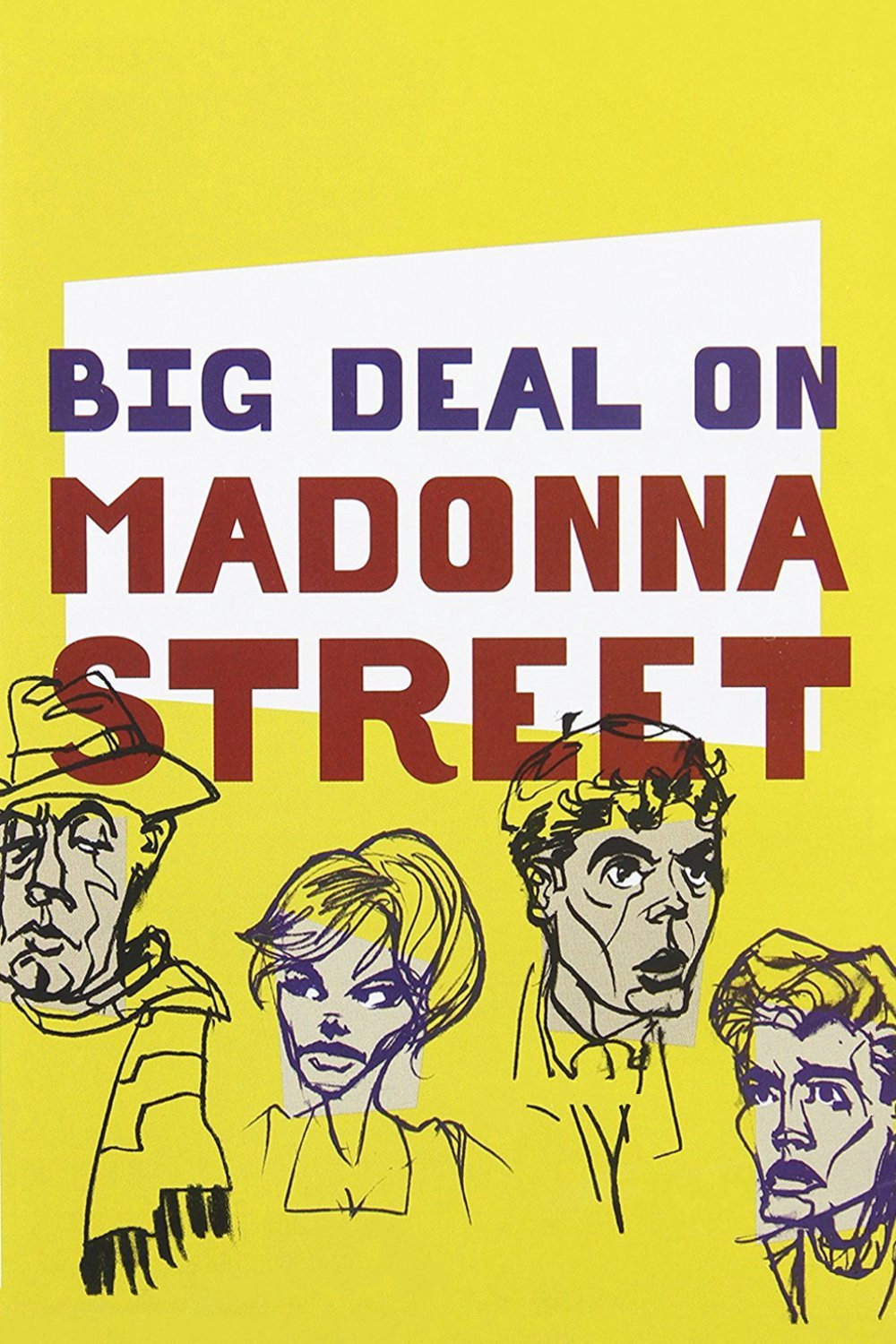
Big Deal on Madonna Street

1958 · An equally unpromising criminal crew, with sharper farce and the same affection.

Shadows in Paradise poster

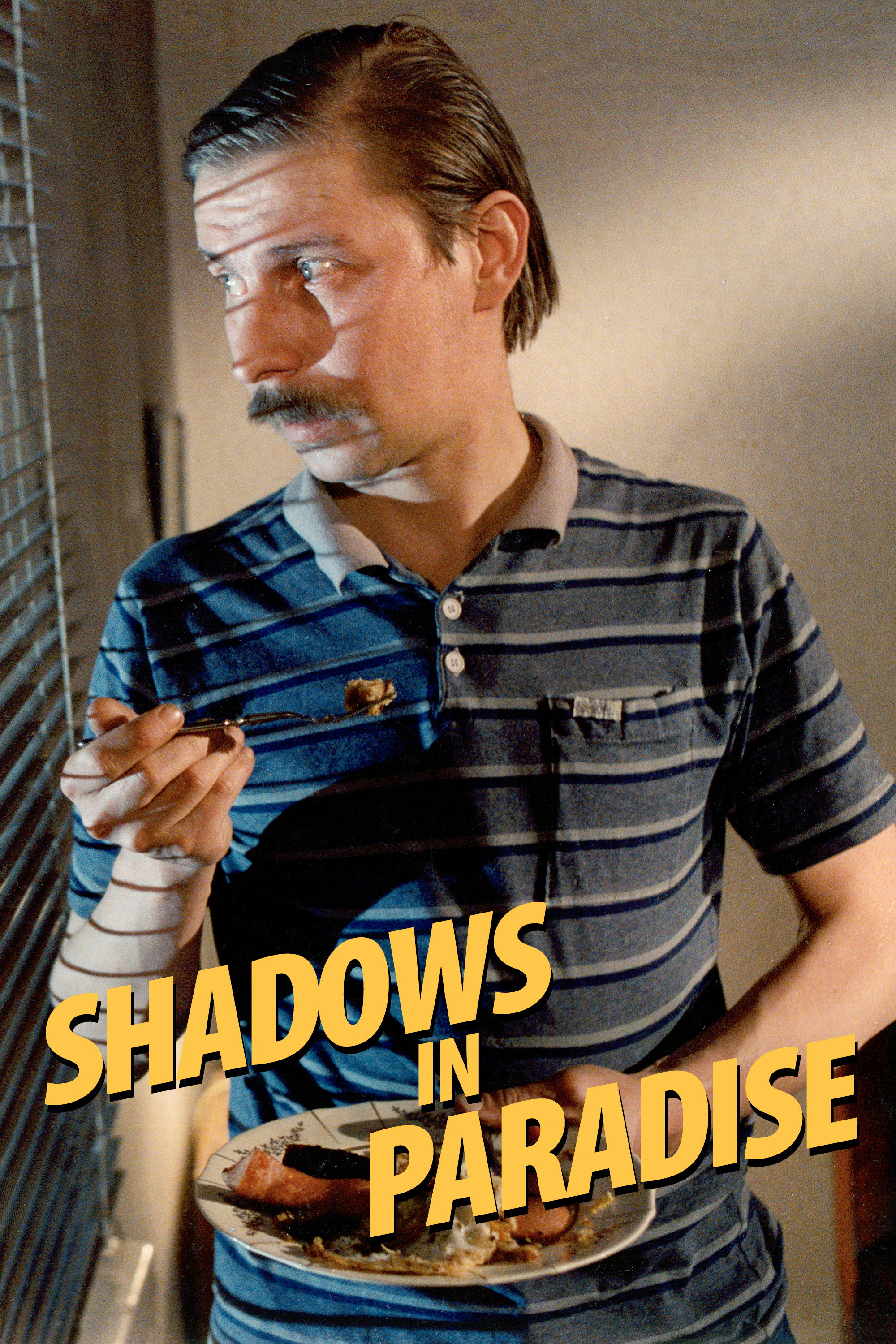
Shadows in Paradise

1986 · Deadpan humour and hesitant courtship give another set of outsiders their dignity.

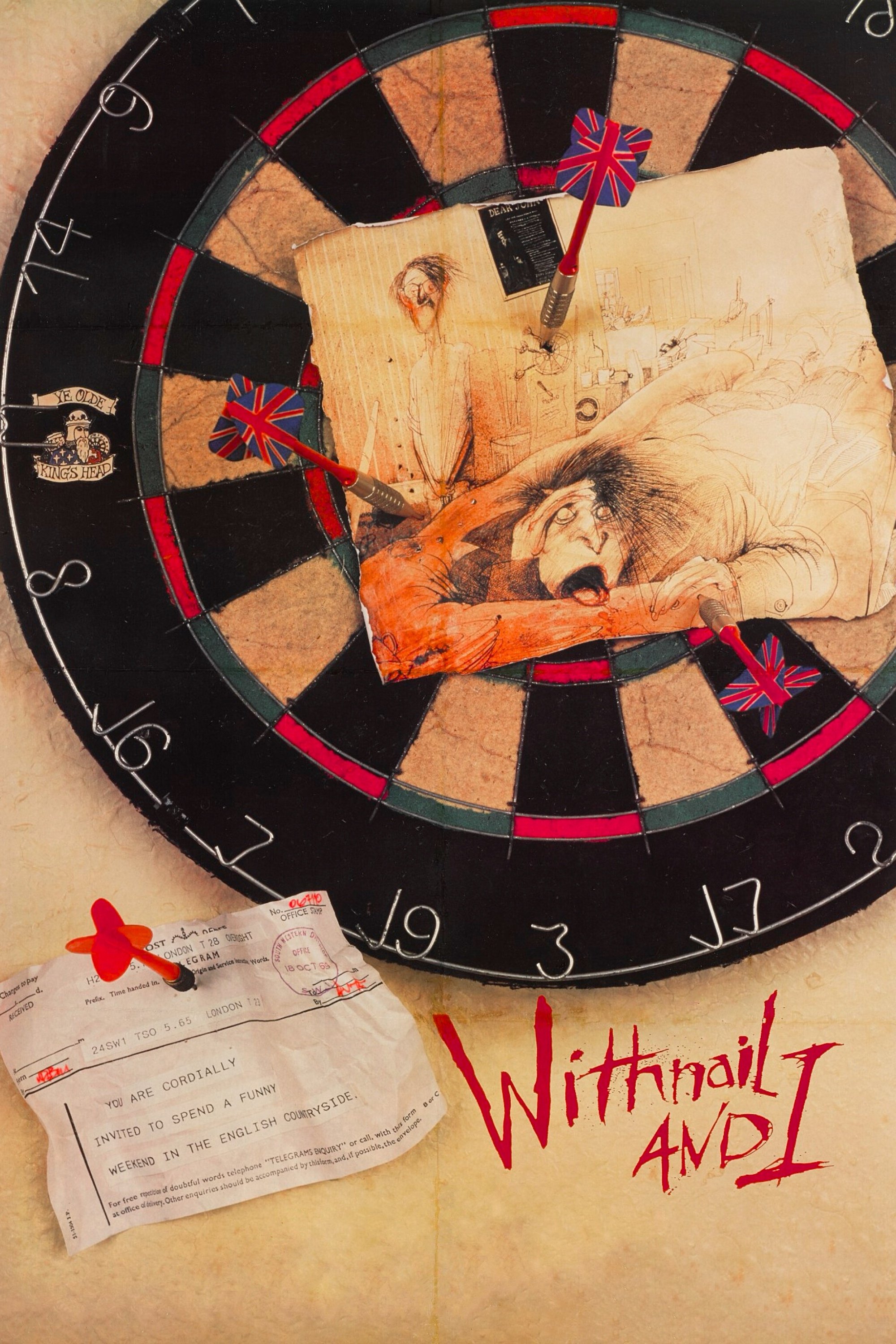
Withnail and I poster88

Withnail and I

1987 · A more abrasive friendship comedy, for those who enjoy loyalty under strain.

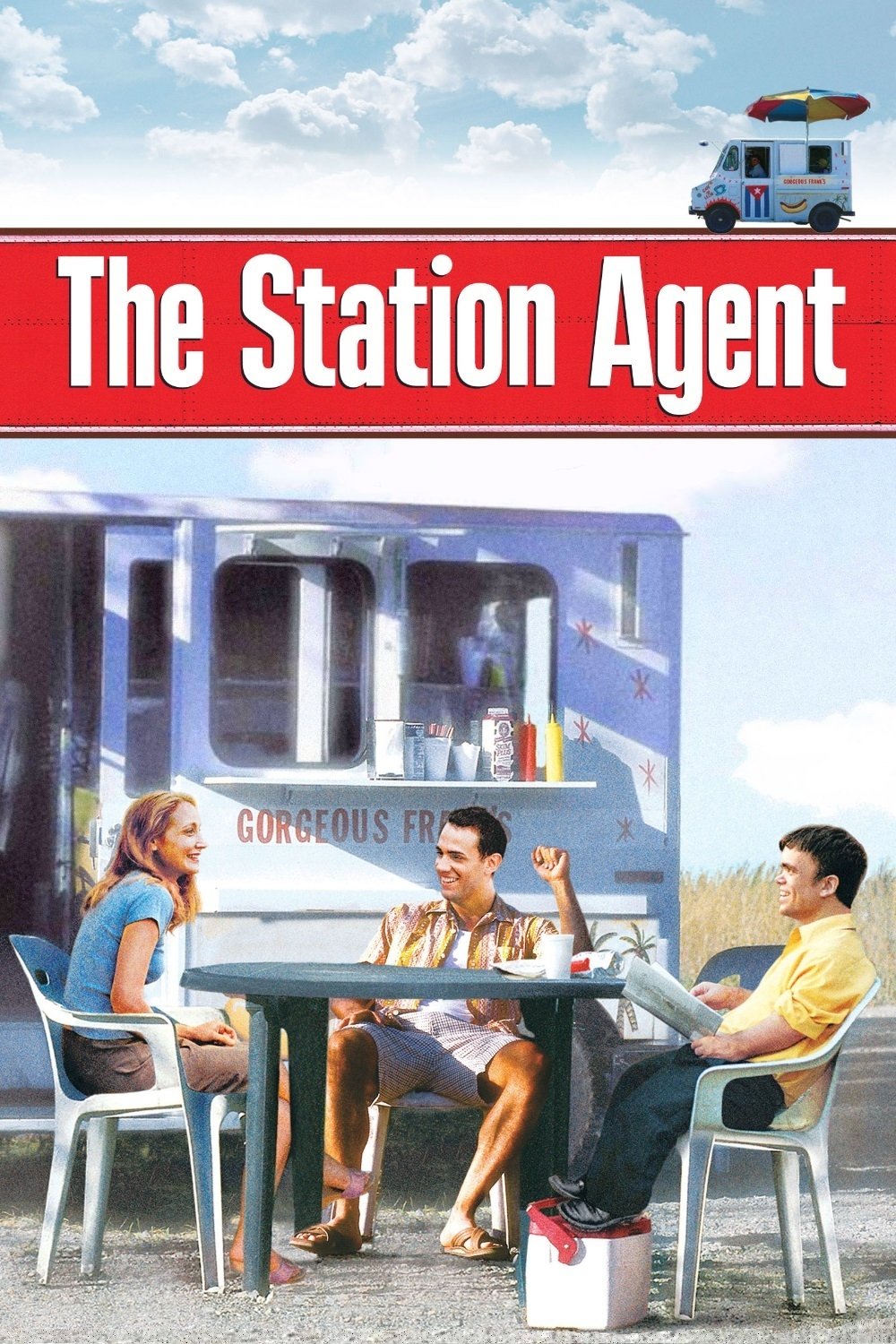
The Station Agent poster

The Station Agent

2003 · Another patient comedy about people learning how much company they can bear.

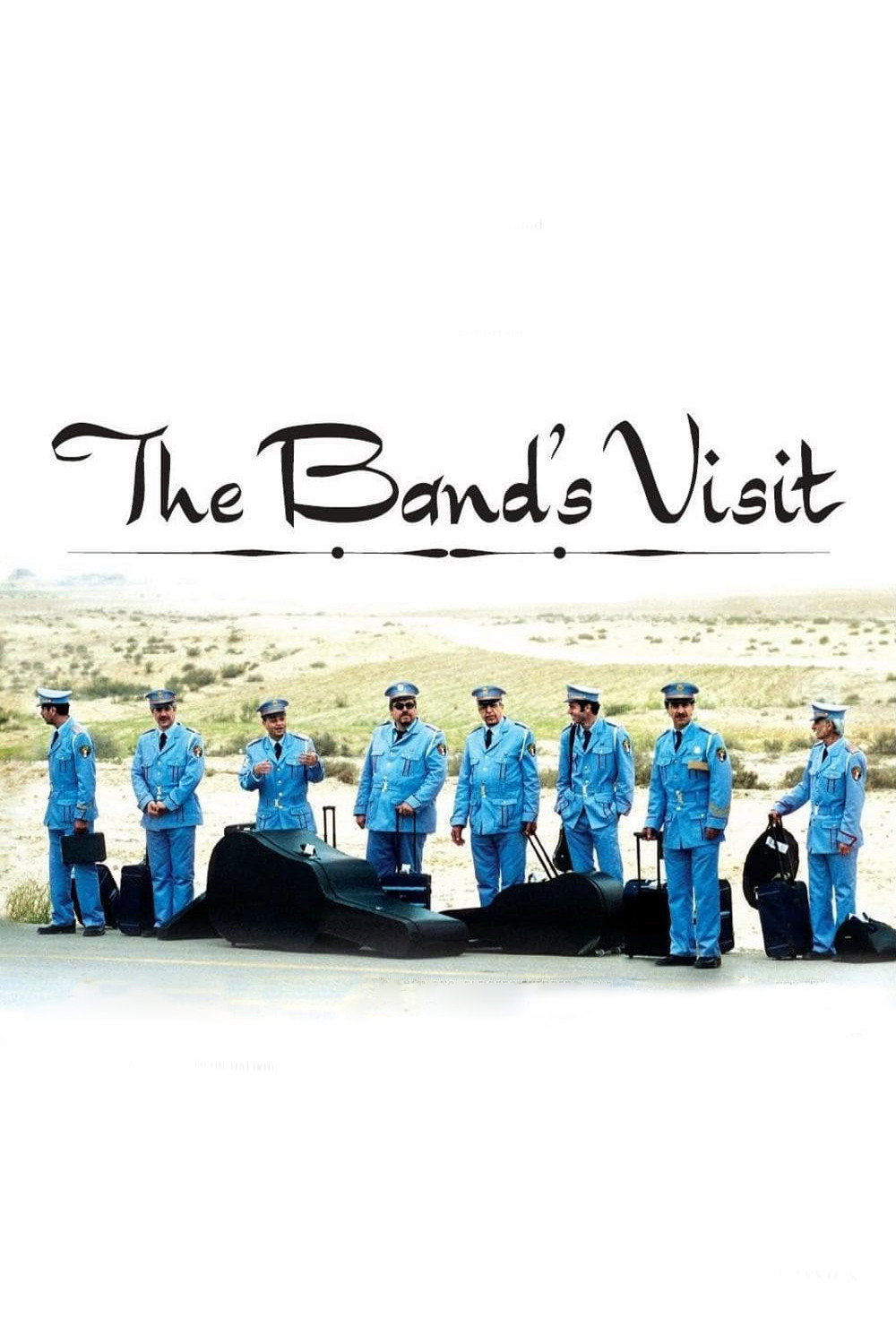
The Band's Visit poster

The Band's Visit

2007 · Strangers spend a night together, with awkwardness slowly giving way to affection.