Film review

Boyz n the Hood

1991 · Directed by John Singleton · 1h 52m · MPA R

In a sentenceLaurence Fishburne could tell us to be home by ten and we would start checking the time

DramaCrime

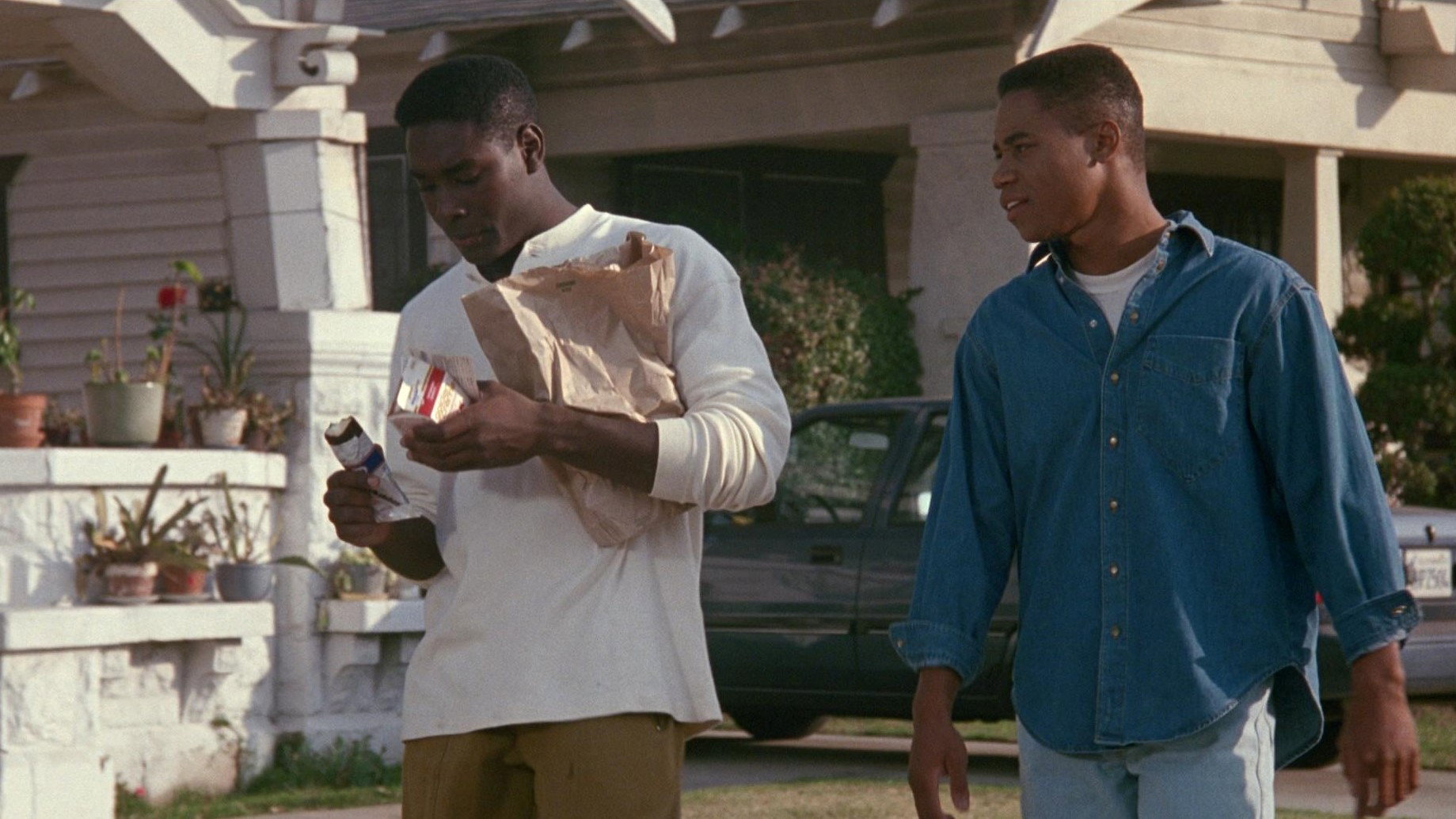
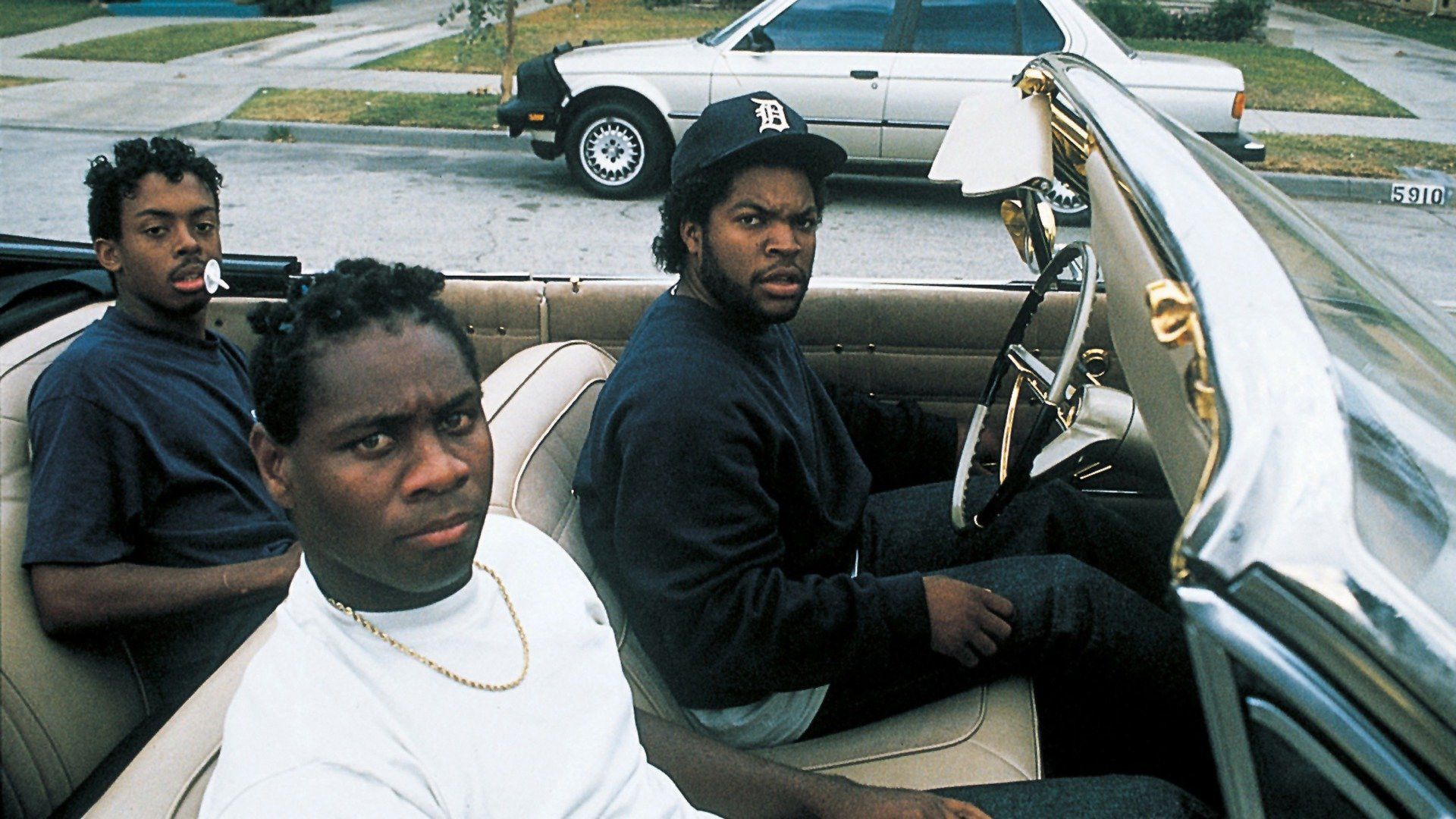
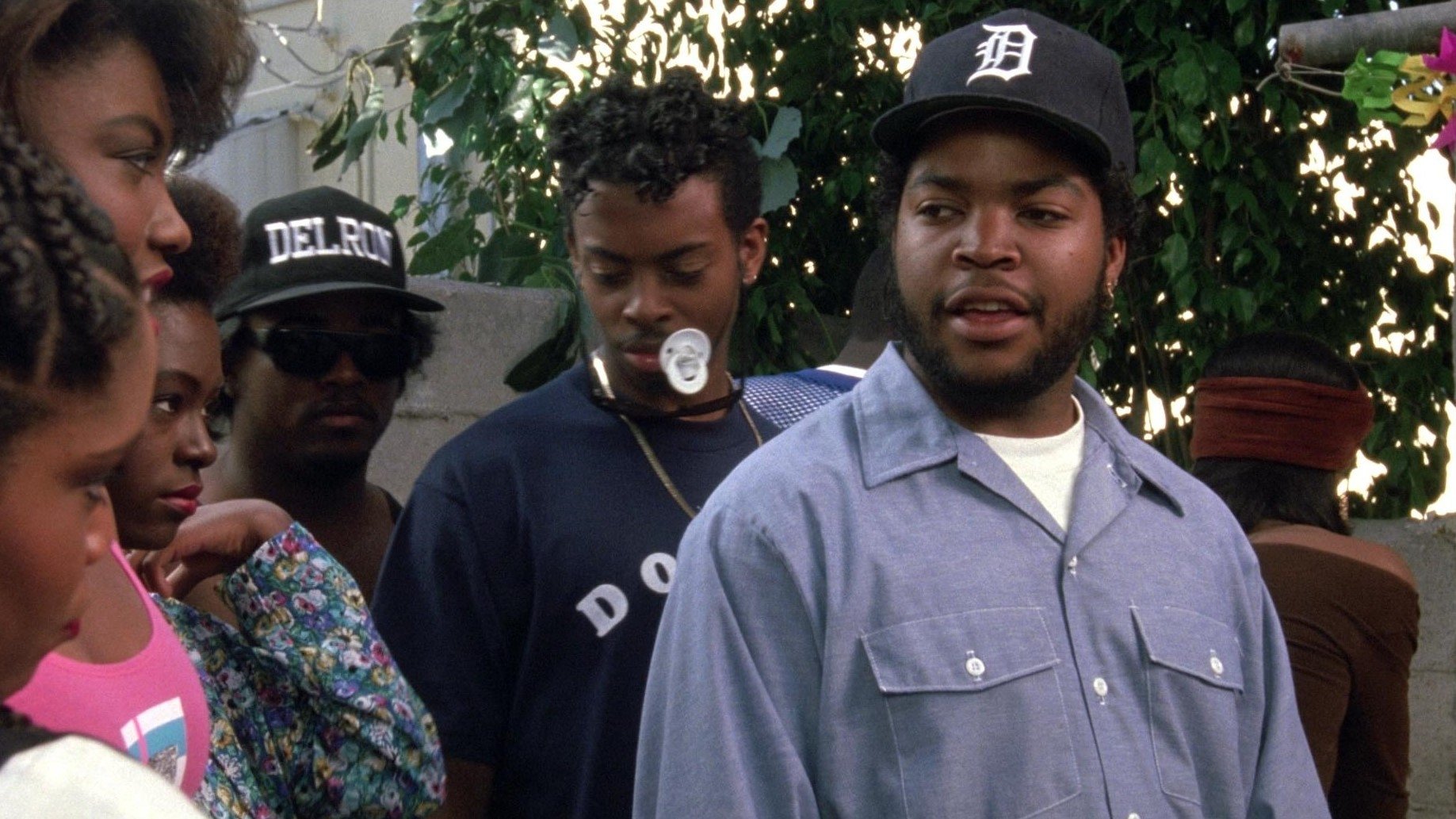
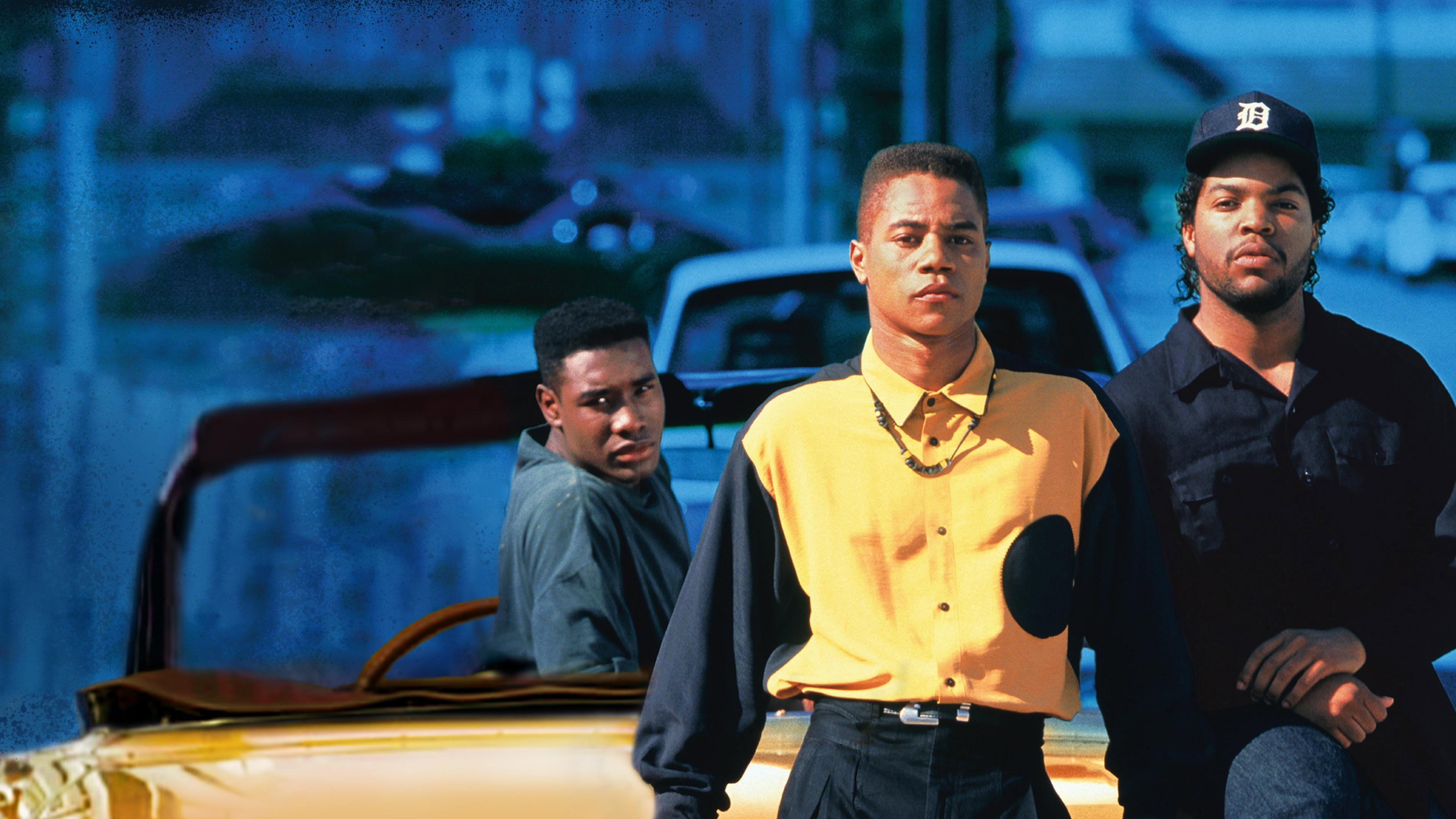
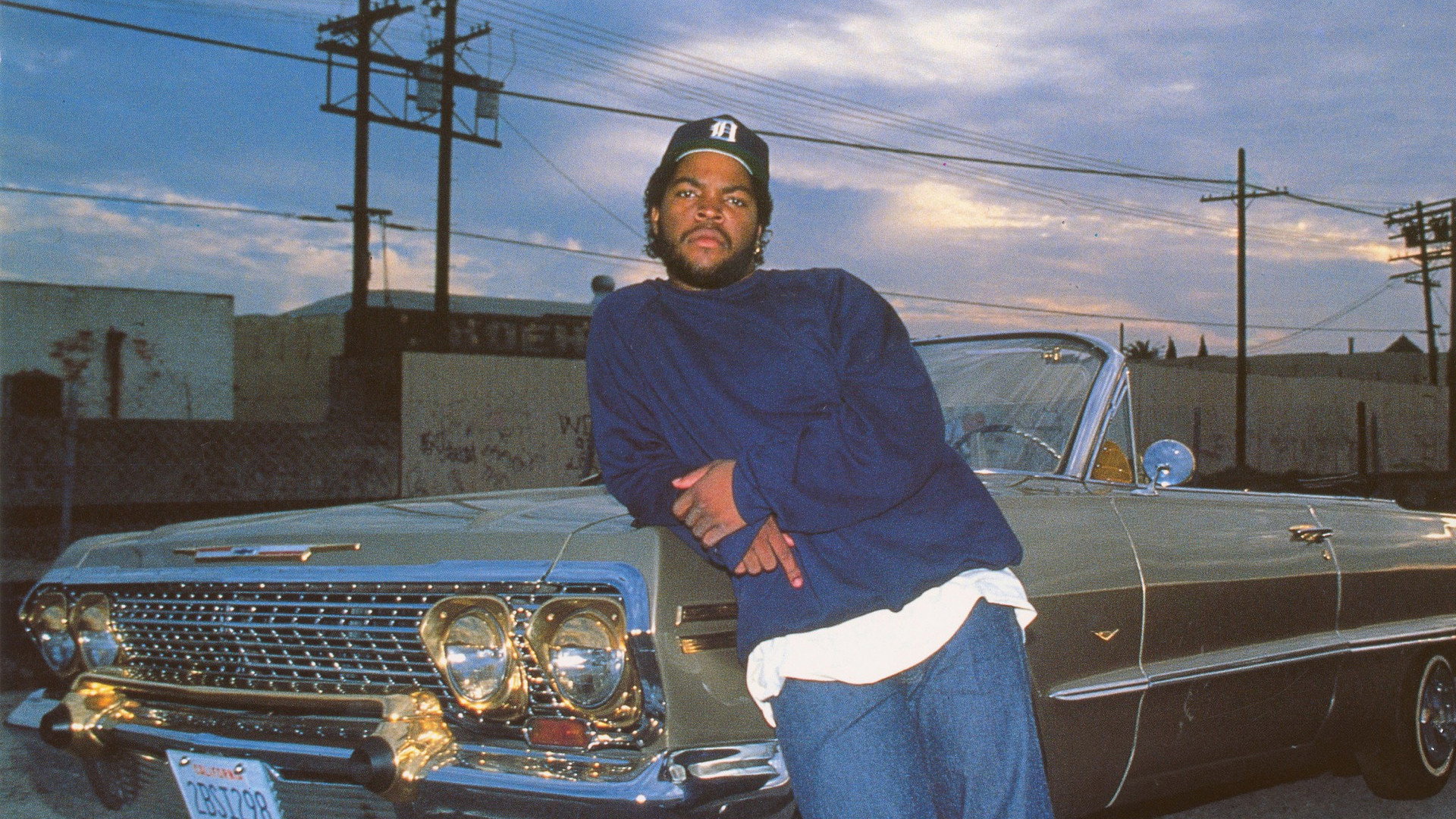
Tré Styles (Cuba Gooding Jr.) grows up in South Central Los Angeles, where everyday life carries the threat of violence. Doughboy (Ice Cube) and Ricky Baker (Morris Chestnut) are part of the same neighbourhood, while Tré’s father, Furious Styles (Laurence Fishburne), tries to impress on his son the importance of taking responsibility for his choices. As the young men approach adulthood, family expectations and the pressures around them shape their prospects. Written and directed by John Singleton, the drama follows young black men trying to work out how to live with the dangers that surround them.

Plays from YouTube when you press play; nothing loads from them until then.

Fi1m review

John Singleton’s coming-of-age drama makes its young men funny and fallible enough for the danger to hurt. Some dialogue lectures and the music pushes too hard, but the performances make this an evening well spent.

Boyz n the Hood is a forceful, humane drama, and we recommend it despite its fondness for explaining things. John Singleton, writing and directing, approaches growing up in South Central Los Angeles through ordinary conversation as well as the threat of violence. He takes time to make the young men interesting before asking us to worry about them. Their humour matters here: it gives us a reason to enjoy their company, which is more than a worthy account of social problems could manage on its own.

Cuba Gooding Jr. gives Tré Styles an uncertainty that makes the father-son relationship feel like something being worked out. Laurence Fishburne’s Furious Styles is formidable, but the performance allows us to see the worry behind his insistence on personal responsibility. We were moved by their conversations, because Fishburne makes the effort of trying to prepare a son for danger so plain. Gooding deserves equal credit for keeping Tré present in those exchanges; being the younger actor receiving the advice is the less conspicuous job.

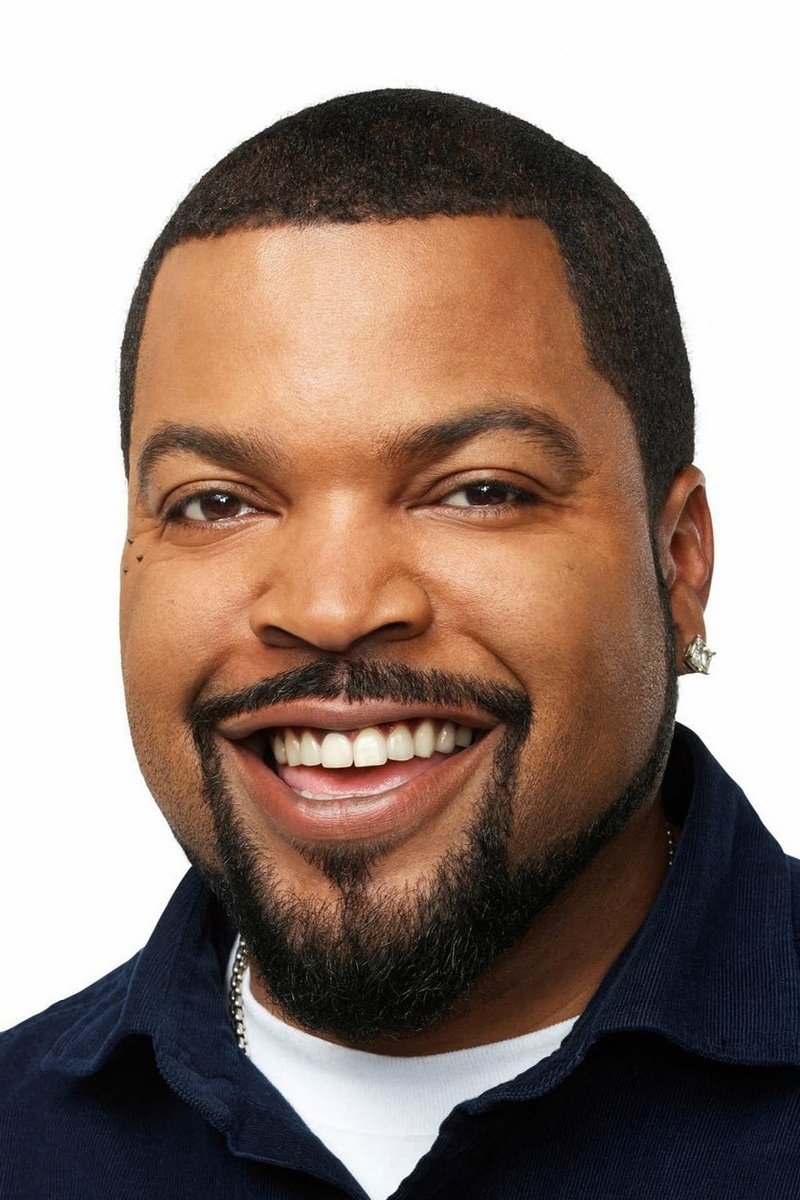
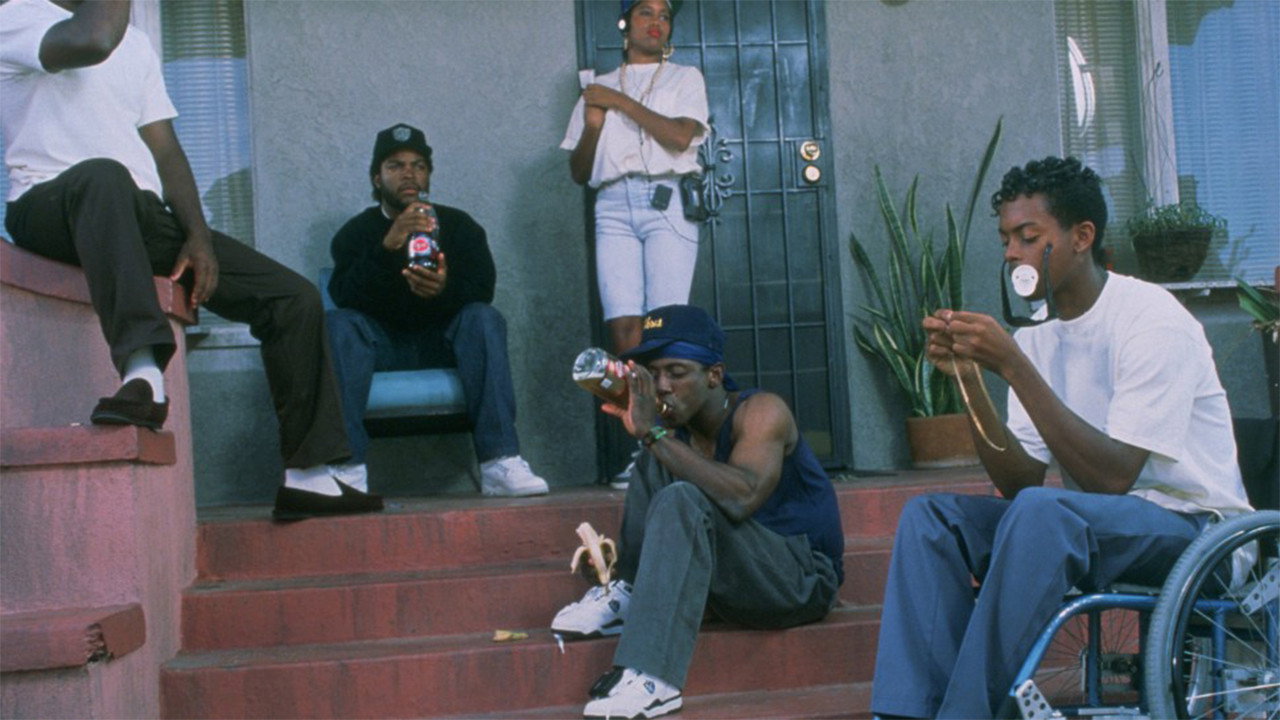
Ice Cube’s Doughboy is the performance that stays with us most. His anger never quite conceals the hurt, and his humour makes it harder to settle for an easy judgement of him. Morris Chestnut brings an appealing openness to Ricky Baker, helping to give the young men distinct personalities even when the script is busy making a wider point. Singleton gets much of the film’s warmth from allowing them to be sociable and fallible, with lives that cannot be explained solely by the violence around them.

Charles Mills’s cinematography is strongest in its attention to people within the neighbourhood; the surroundings matter without overwhelming the faces. That directness suits actors who can make listening worth watching. Bruce Cannon’s editing allows the ensemble time to establish itself, though the progress from one social concern to the next occasionally feels too clearly marked. We become conscious of the film moving through its subjects, and start waiting for the next conversation to announce what it is about.

Singleton’s script can be over-explicit, especially when Furious turns to gentrification and the pressures on the neighbourhood. Fishburne gives the speech conviction, but we are conscious of being instructed, and the conversation begins to sound like an address to the audience. Stanley Clarke’s score has a related weakness: it presses for a feeling when the actors have already earned it. The music does not undo their work, but a little less insistence would help.

As a crime drama, it is unusually interested in the hours when nobody is committing a crime. Parental advice and the business of becoming an adult are given enough weight that violence never becomes an attraction in itself. There are simplifications, and some supporting characters feel less fully considered than the central men. Those limits matter because Singleton has made us expect people with independent lives, including lives that do not neatly support what he wants to say.

At 112 minutes, the film gives us time to grow attached to its characters, and we would not exchange that for a tidier thriller. Its strongest performances hold our attention even when the writing becomes too instructive. Choose it for those actors, and allow Singleton the occasional lecture; there are fathers worth listening to even when we wish they would stop talking.
Critical consensus AI synthesised

87
Positive
10
Mixed
0
Negative
0

The reviews are consistently positive about Boyz n the Hood, with praise centred on John Singleton’s confident direction, detailed characterisation and humane treatment of everyday life under threat of violence. Most critics find the coming-of-age story emotionally powerful without glamourising its setting or stripping its characters of dignity and humour. Performances are another point of agreement: Ice Cube and Laurence Fishburne draw particular praise, while the father-son relationship gives the film’s social concerns a personal weight.

The differences concern how firmly Singleton presses his points, rather than whether the film succeeds. Variety finds the catalogue of social problems occasionally too insistent; the Los Angeles Times notes predictable plotting and a sentimental score. Other reservations include overwritten exposition and uneven supporting performances, while responses to the music vary. The spread runs from qualified admiration to wholehearted enthusiasm, with no substantial negative dissent and broad agreement on the film’s conviction.

RogerEbert.com
12 July 1991 · ★★★★/4 · Roger Ebert
100

The film is a thoughtful, realistic look at a young man’s coming of age and a human drama of rare power. Singleton brings together a subject and a style, painting individual characters with attention to detail while delivering emotional depth and maturity.

Read the full review →
Empire
1 January 2000 · Lloyd Bradley
90*

The film delivers a powerful, non-moralising portrait of three teenagers in South Central LA that avoids glamourising violence and instead highlights everyday life amid tension. Singleton's debut is praised for giving dignity to black characters and emphasising personal responsibility.

Read the full review →
The Guardian
27 October 2016
90*

The critic calls John Singleton’s 1991 debut a blistering humanitarian classic that has not dated, praising its fluent style, humanity, idealism and lack of cynicism. They single out Laurence Fishburne’s fierce gentrification speech and the film’s relevance as a key text for Black Lives Matter.

Read the full review →
The New York Times
12 July 1991 · Janet Maslin
90*

Singleton's terrifically confident first feature places him on a footing with Spike Lee as a chronicler of the frustration faced by young black men. He says something familiar with new dramatic force, building to a gut-wrenching finale that is all the more disturbing for the ease with which it envelops the principals.

Read the full review →
The Hollywood Reporter
15 May 1991 · Duane Byrge
85*

The critic describes the film as a booming, heart slam of a story told with power, dignity, and humor, straight from the neighborhood and heart. Singleton’s rich character weave and dramatic presentation stand out, along with knockdown terrific performances (especially from Cuba Gooding Jr., Laurence Fishburne, and Ice Cube) and strong music contributions, despite minor flaws like overwritten exposition.

Read the full review →
Little White Lies
26 October 2016 · 4/4/4 · David Jenkins
80

The critic views the film as a righteously angry and depressingly prescient study of how violence takes root in the streets. They single out the complex father-son relationship and Ice Cube’s nuanced performance for particular praise.

Read the full review →

Cast

Stills

Awards

Academy Awards, 1992

Nominated
Best Director

Kids' Choice Award for Favorite Movie, 1992

Nominated
Kids' Choice Award for Favorite Movie

If you liked this, try…

Do the Right Thing poster

Do the Right Thing

1989 · Another neighbourhood made specific through talk, humour and the pressure of violence

La Haine poster90

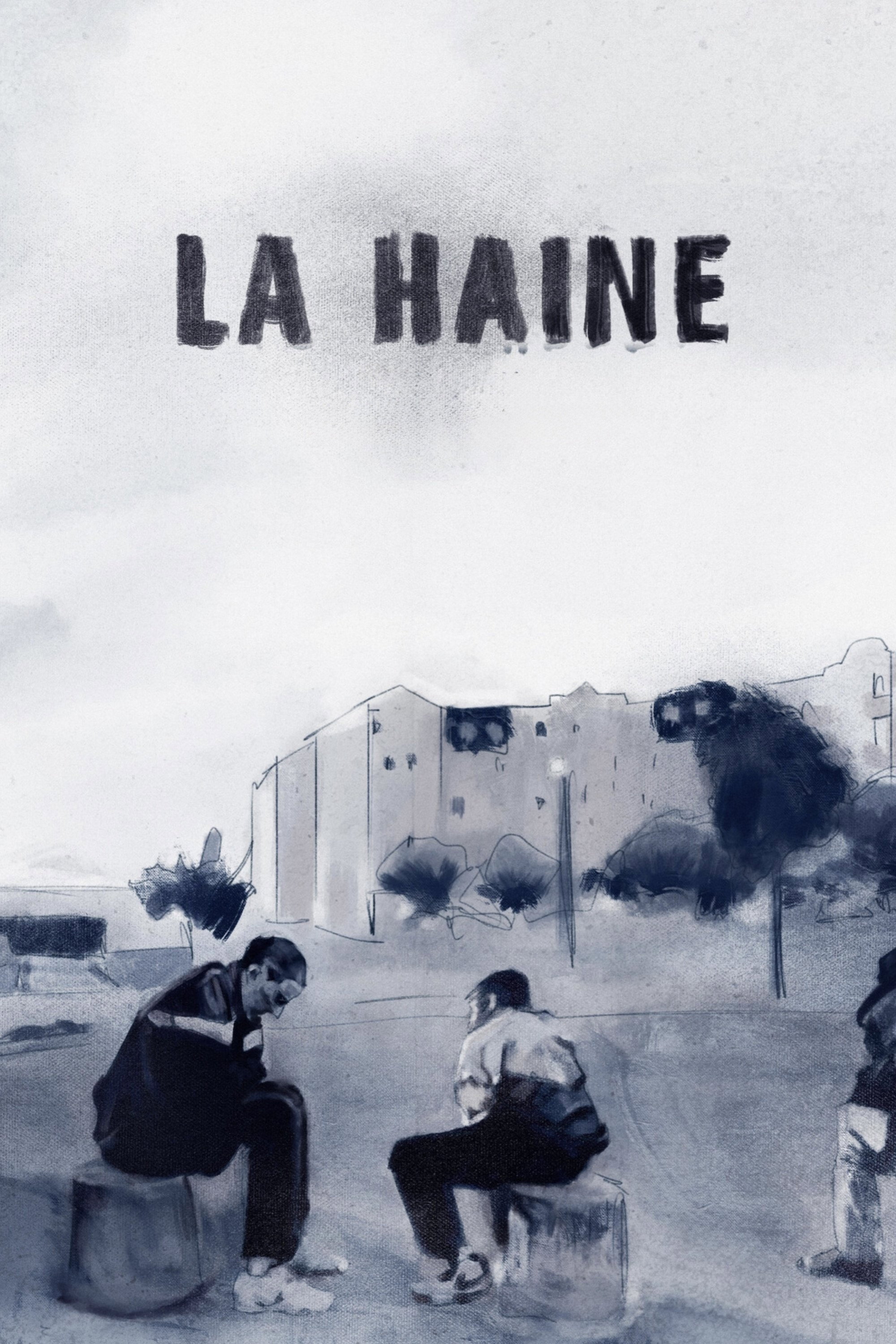
La Haine

1995 · Three friends negotiate anger and police hostility, with little space to breathe

The 400 Blows poster91

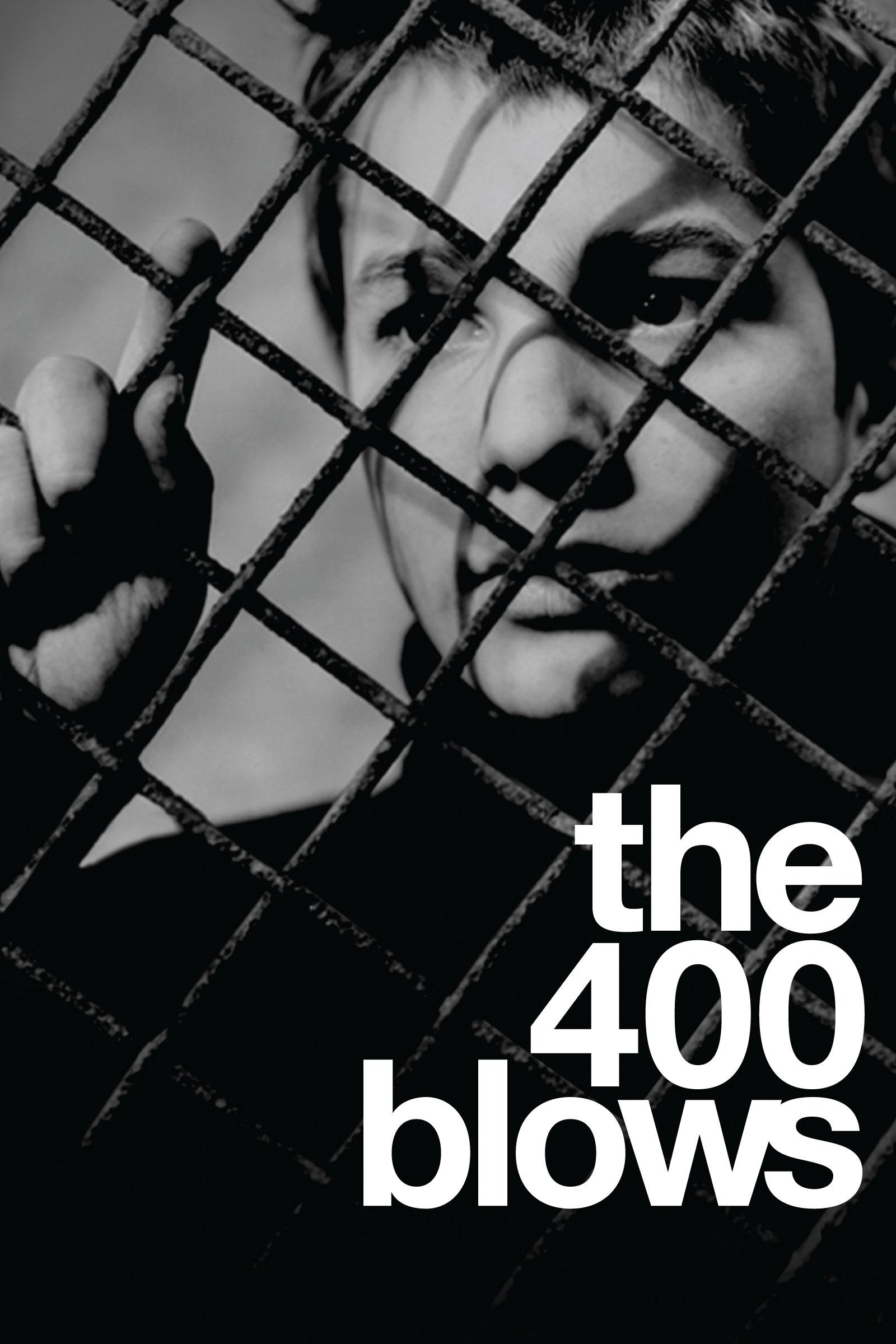
The 400 Blows

1959 · For another young life shaped by adults who mistake authority for understanding

Moonlight poster

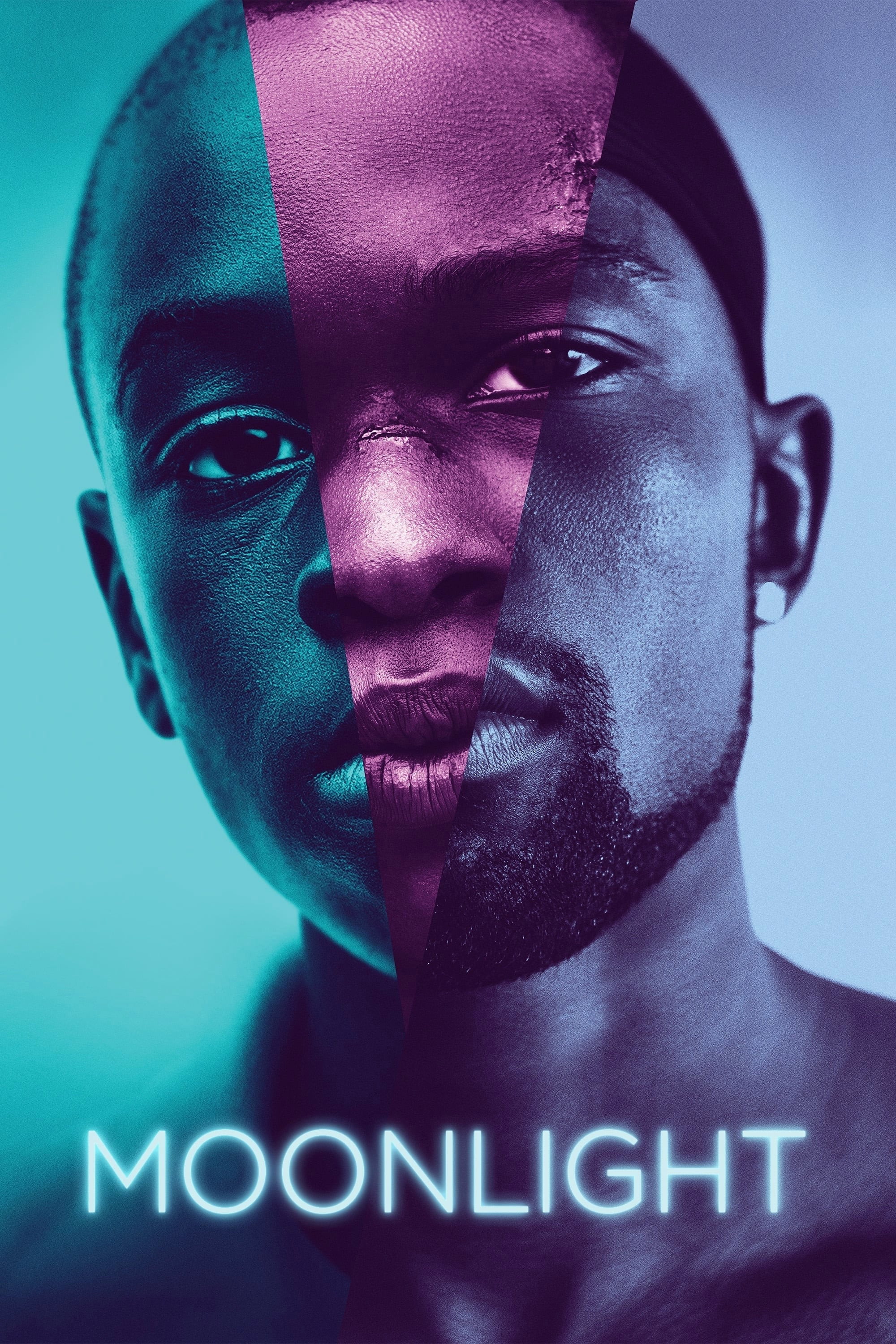
Moonlight

2016 · A quieter coming-of-age story, equally attentive to the vulnerability beneath masculine performance

This Is England poster

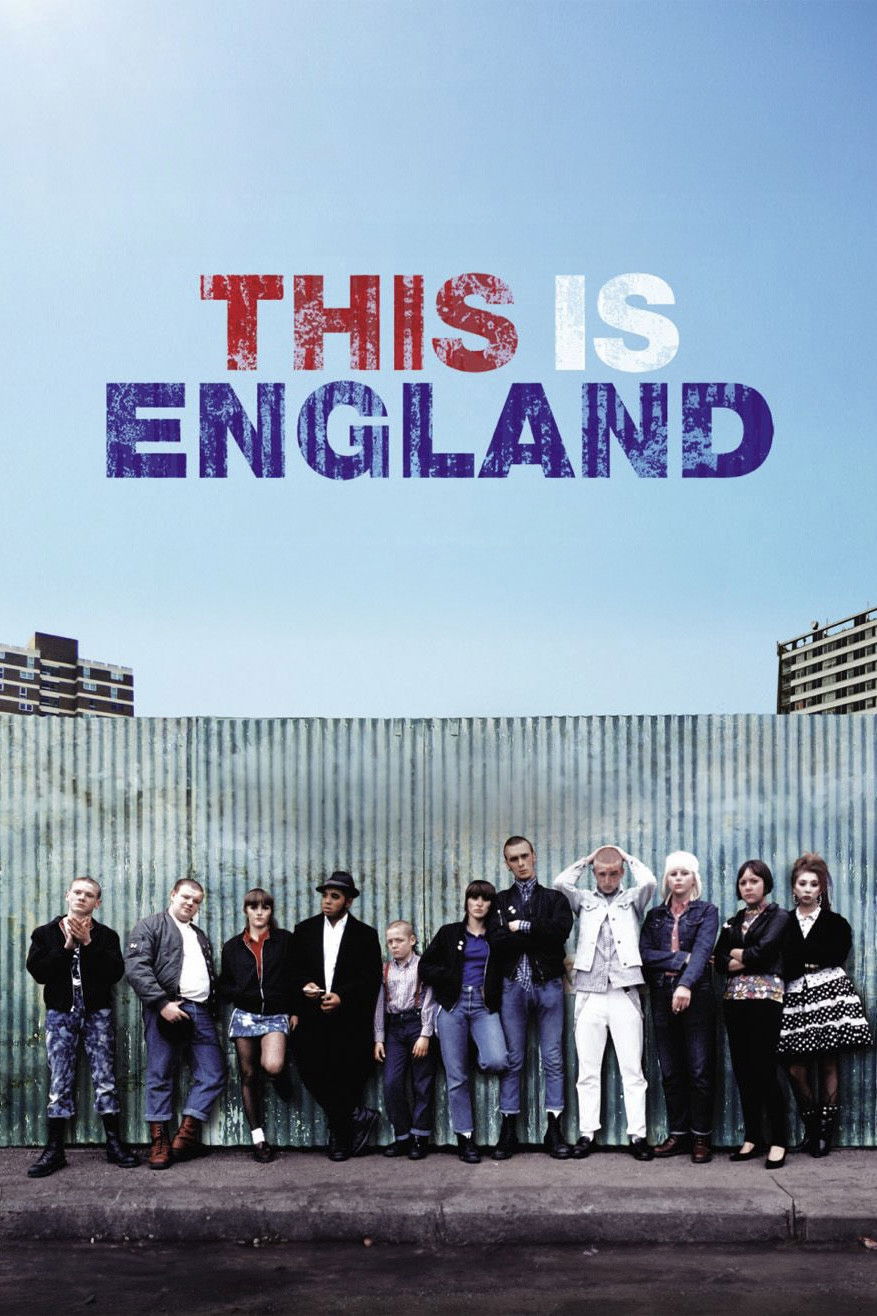
This Is England

2006 · A boy finds companionship among older lads, then discovers what belonging can demand