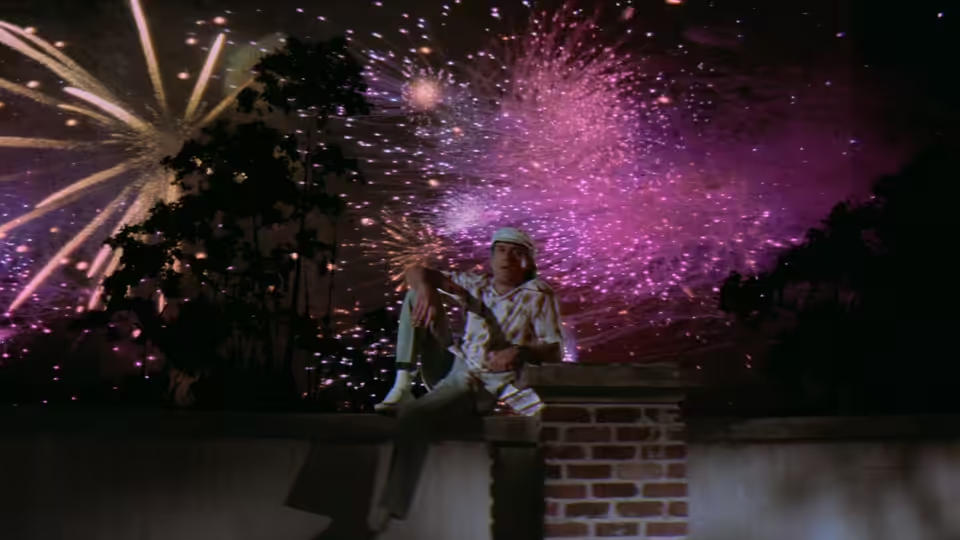
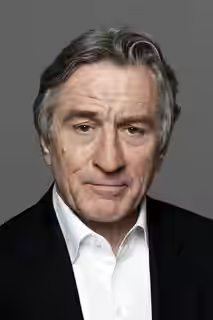
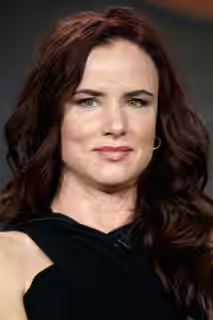
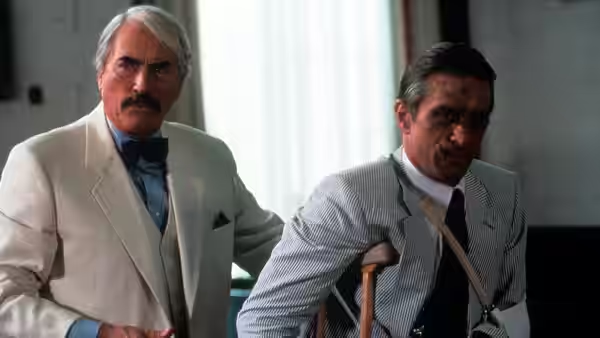
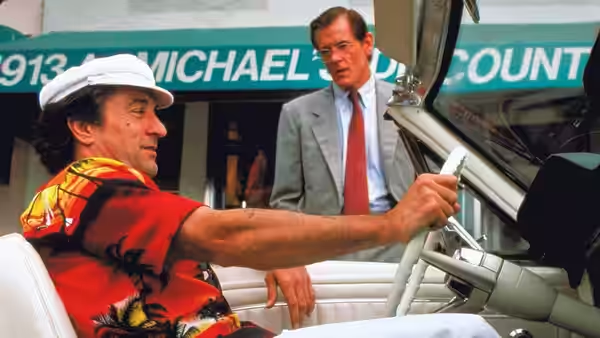
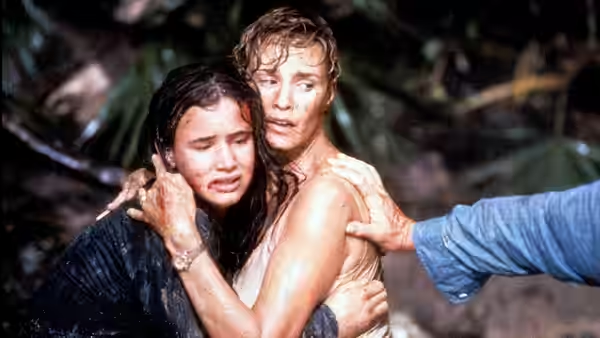
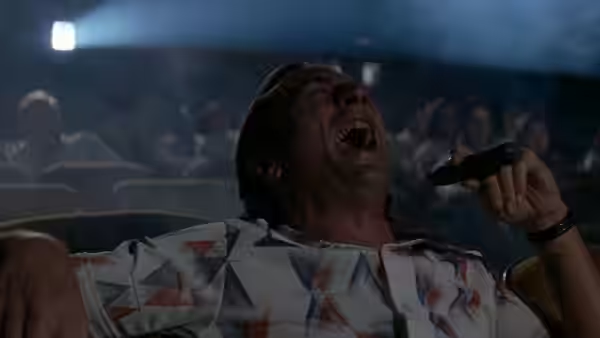
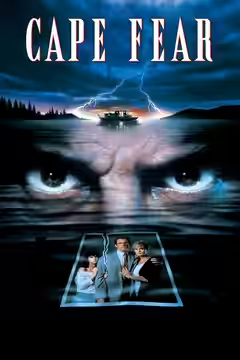
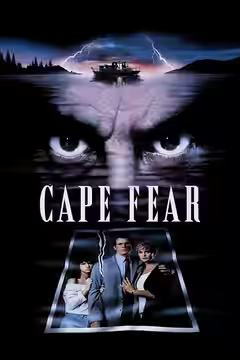
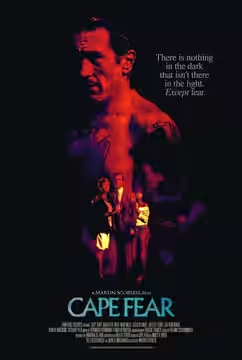
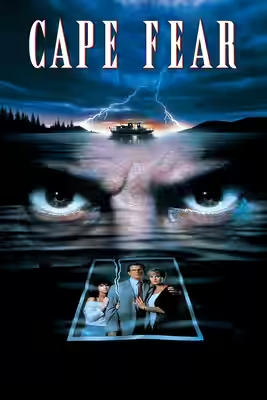
Martin Scorsese’s Cape Fear is a gripping family thriller that becomes less frightening as it gets louder. Juliette Lewis gives it a vulnerability that Robert De Niro’s extravagant menace sometimes threatens to overwhelm.
Martin Scorsese makes Cape Fear an absorbing, unpleasant thriller, though he pushes it past the point where more noise means more fear. The family is the reason to stay with it: their difficulties make them vulnerable, and the acting gives us reason to worry about them. The early patience is especially effective, allowing anxiety about these people to build before the film starts pressing harder. Its appetite for excess eventually weakens some carefully established dread.
Robert De Niro plays Max Cady with an extravagance that can be frightening and exhausting within the same stretch. There is nasty humour in the performance, and an enjoyment of intimidation that makes him difficult to stop watching. The danger is clear quickly. Keeping the performance at such a pitch eventually makes some of its gestures repetitive, however much energy goes into them.
Nick Nolte’s Sam Bowden is more interesting because the family around him never settles into a reassuring picture of innocence. Jessica Lange gives Leigh Bowden enough presence to prevent Sam’s anxieties from becoming the only ones that count. But Juliette Lewis is the person we keep watching. We felt protective of Danielle Bowden, because her teenage unease seems painfully exposed beside Cady’s confidence.
Wesley Strick’s screenplay does its best work in allowing the family’s troubles to complicate the threat. That is a useful choice for this kind of thriller, where the people in danger can easily become interchangeable reasons to worry. The Bowdens have enough difficult feelings about one another to remain interesting even without Cady demanding our attention. The attempts to give the horror psychological weight become less persuasive when the film insists on making everything larger.
Freddie Francis’s photography makes the Bowdens’ surroundings feel oppressive, while Henry Bumstead’s production design keeps their domestic comfort believable. It matters that there is a recognisable family home beneath all the threatening style. The music, credited to Bernard Herrmann and Elmer Bernstein, adds pressure that the film is seldom short of already. We would welcome less assistance from the score when Robert De Niro is being this emphatic.
Thelma Schoonmaker’s editing is most effective in the earlier, more patient passages, when there is time to register the family’s unease. As the film grows more insistent, the rhythm leaves fewer opportunities for the threat to settle. By the later passages, that patience has largely gone. The effort to keep intensifying the danger becomes tiring, and the family tensions get less of the attention they deserve.
Cruelty is part of the bargain with a thriller like this, but there are stretches when Martin Scorsese seems more interested in prolonging discomfort than discovering anything further about these people. That is a fair reason to dislike it, and the film does little to soften the objection. We still think the family performances earn the anxiety they create, particularly Juliette Lewis’s. Choose it for them, provided an evening of being deliberately unsettled sounds appealing.