Michael Moore’s film about the 2008 crash is angry, often funny and moving whenever it sits with the people who lost their homes and jobs. As a case against capitalism it heads off in six directions and comes back with a plea to vote.
Michael Moore has spent twenty years going after one company, one industry or one president at a time. Here he goes after the whole arrangement. Capitalism: A Love Story opens with security camera footage of bank robberies, then a schools film about the fall of Rome, and then gets to the point: the crash of 2008, the seven hundred billion dollar bailout that followed, and the people at the bottom who paid for both. It runs 128 minutes and is angry for all of them. The anger carries it, and it stops him finishing a thought.
It works when Moore stops talking and lets people speak. A family in Illinois films the sheriff’s deputies arriving to put them out of their house, and the picture shakes because the man holding the camera is shaking. Peter Zalewski, a broker who trades as Condo Vultures, shows Moore round repossessed flats in Florida. Airline pilots explain that they qualify for food stamps. A widow reads a letter showing that her husband’s employer had taken out a life insurance policy on him and collected when he died, under a practice the industry calls dead peasant insurance. We were angry at that, properly angry, and Moore had done nothing clever to get us there. He held the camera still and let her read.
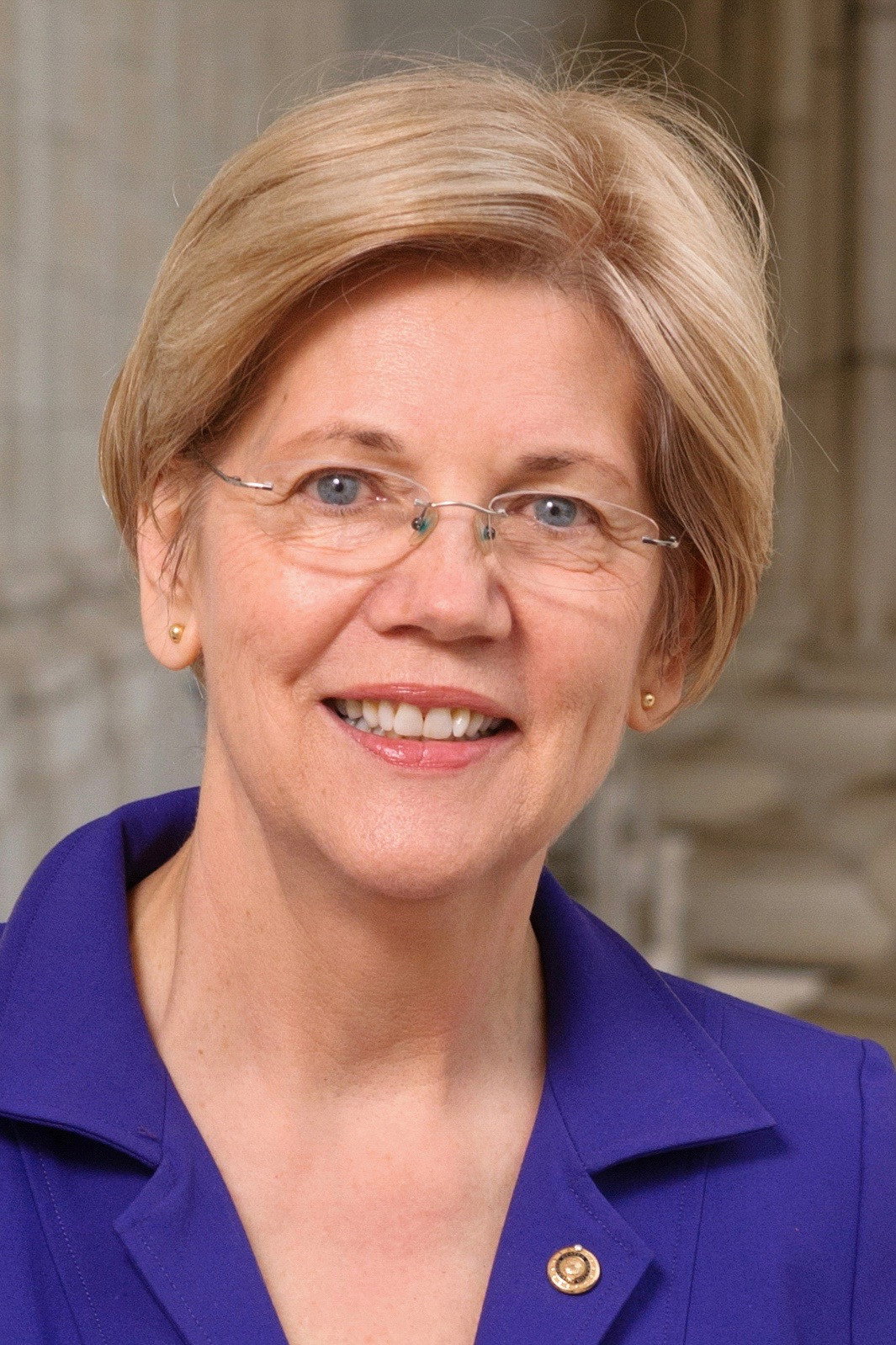
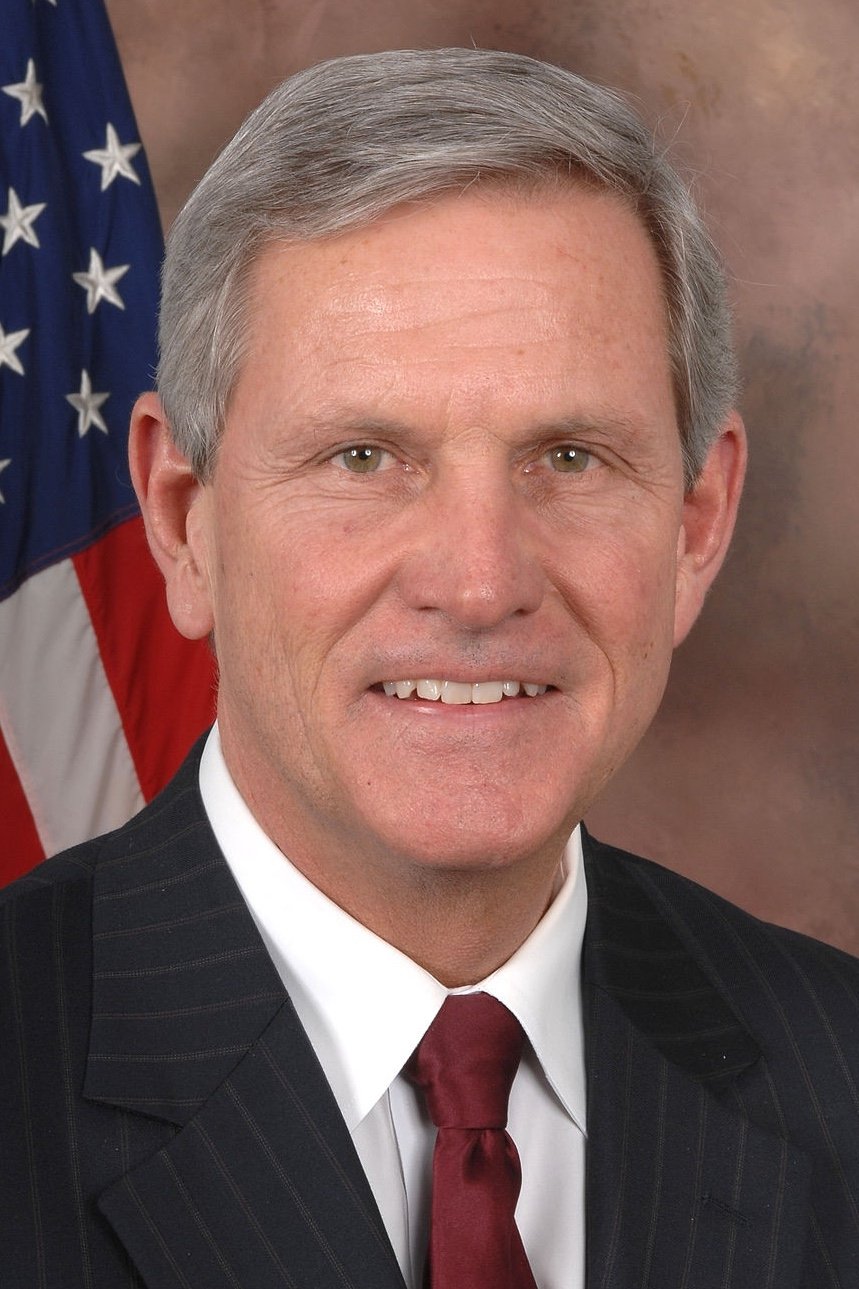
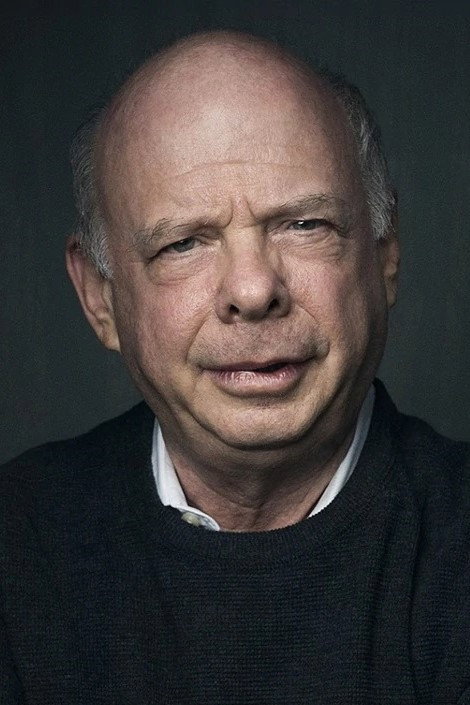
The Washington material is better than his usual. Marcy Kaptur, a congresswoman from Ohio, tells her constituents on camera to stay in their foreclosed homes and make the banks prove they own the paperwork. Elijah Cummings describes the bailout vote with the tiredness of a man who lost it. Elizabeth Warren, asked where the money went, admits she does not know, which is more damning than anything Moore stages. Bernie Sanders gets a few minutes on what he means by socialism, and Wallace Shawn turns up, improbably, to explain what free enterprise was meant to be.
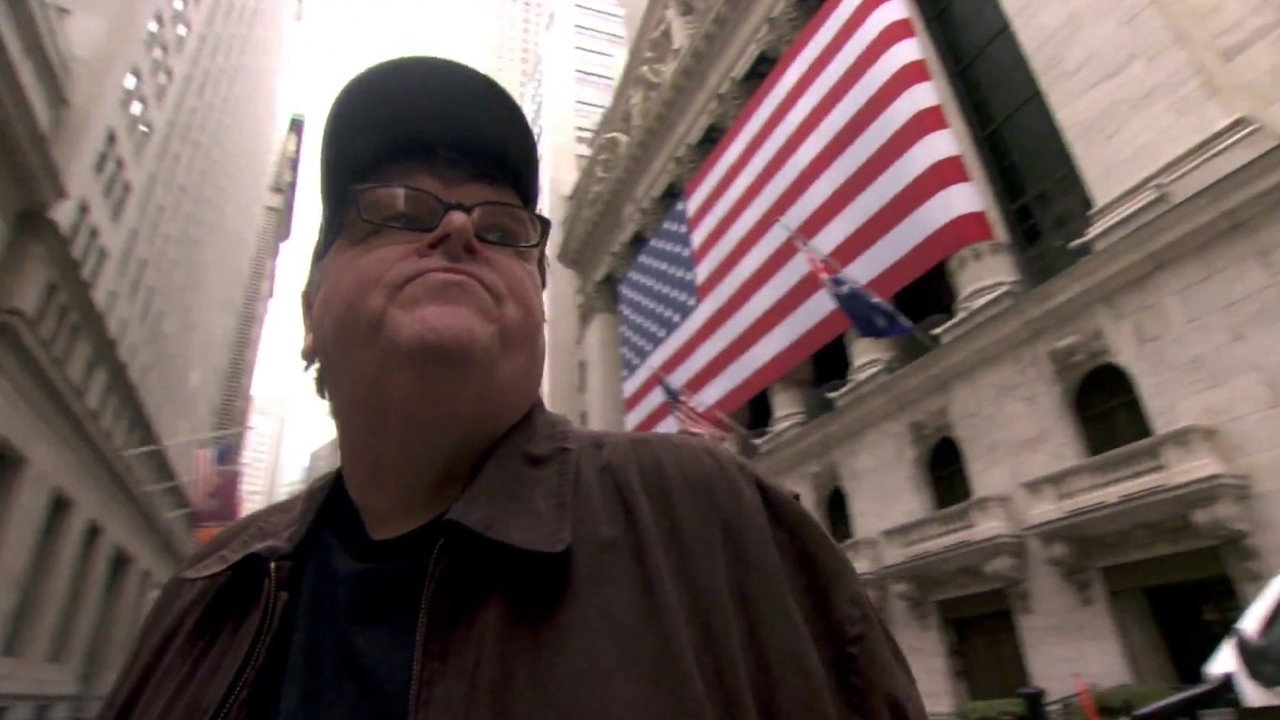
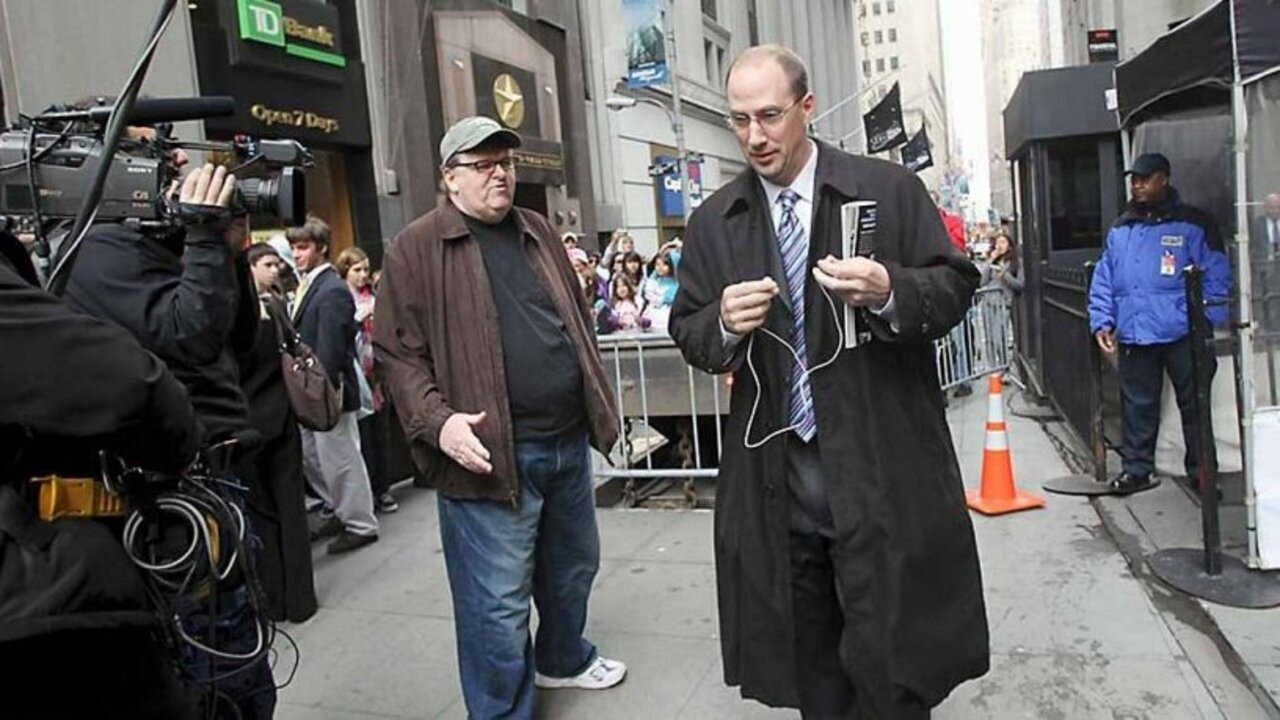
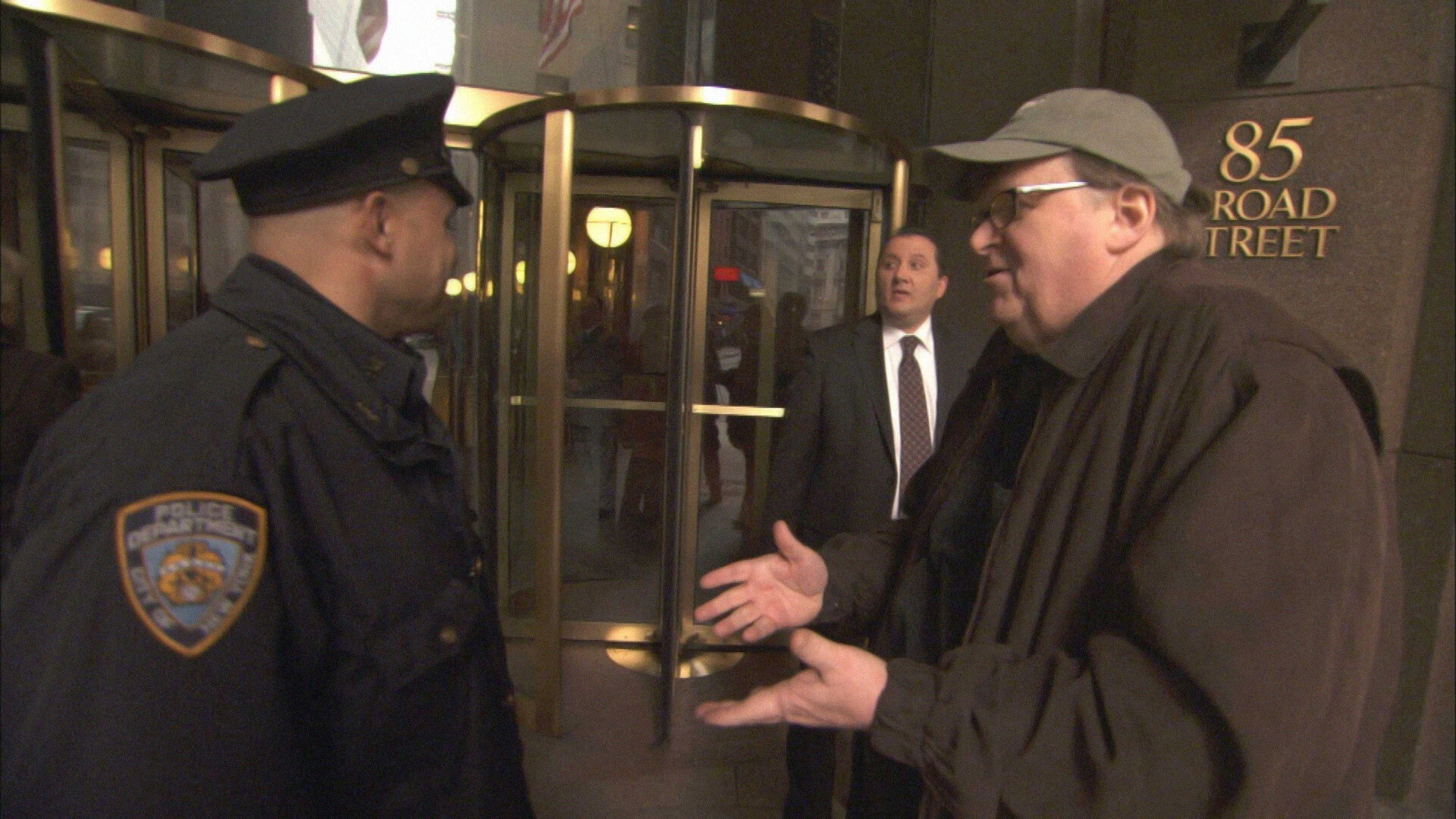
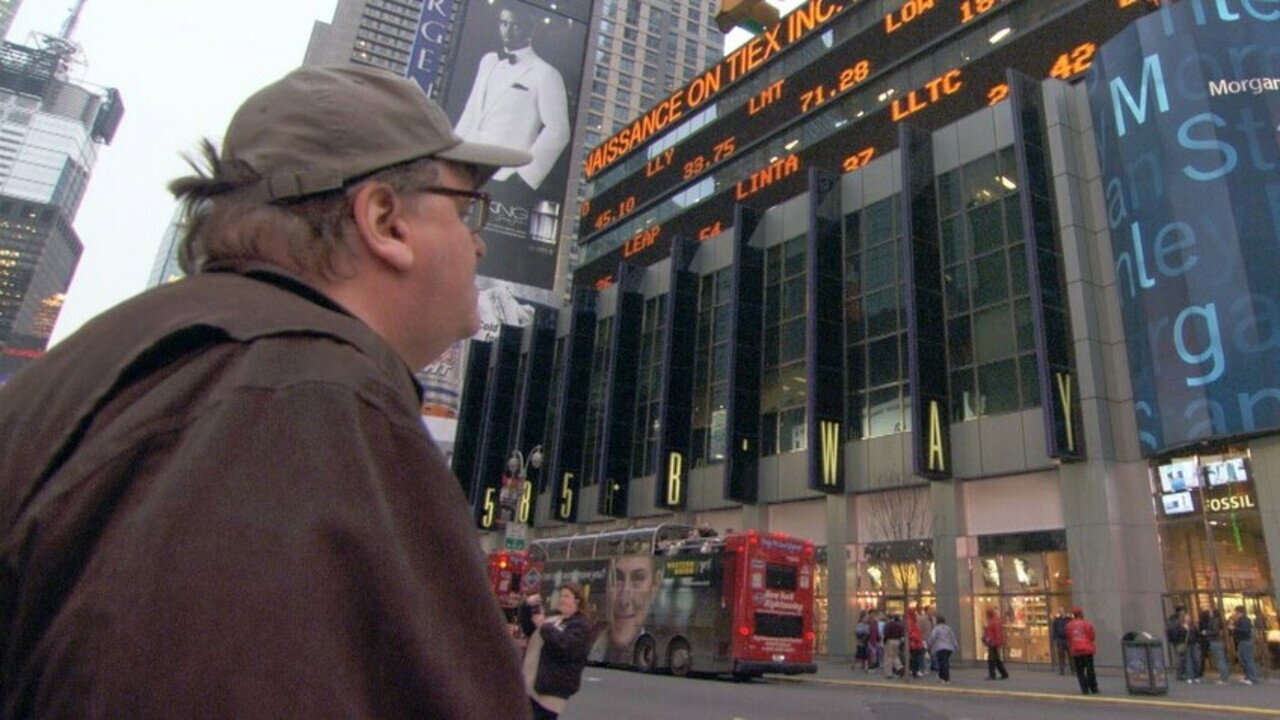
The stunts are the same stunts. Moore drives to Wall Street with an empty sack and asks for the money back on behalf of the American people; he wraps the Stock Exchange in yellow crime scene tape; he is politely turned away by security guards. Twenty years ago this was the film. Now it is a break between segments. The archive is more skilful: Bill Clinton signing away the wall between high street banking and the casino kind, and a reel of Franklin Roosevelt, visibly ill, reading out a second bill of rights that never became law. Jeff Gibbs’s score sits under it without fuss and never competes.
The trouble is the charge. The title says capitalism is the defendant, and for stretches the film means it, with Catholic priests calling the system a sin. Then the defendant changes. For twenty minutes it is Ronald Reagan and deregulation; then greed, then a few bad laws, and by the end the remedy on offer is Roosevelt, a factory occupation in Chicago and the word democracy said with feeling. Moore films the election of Barack Obama as the night things turned, and by the time the film reached British cinemas on 26 February 2010 that hope looked dated. We wanted to know what he would put in capitalism’s place. He tells us to vote.
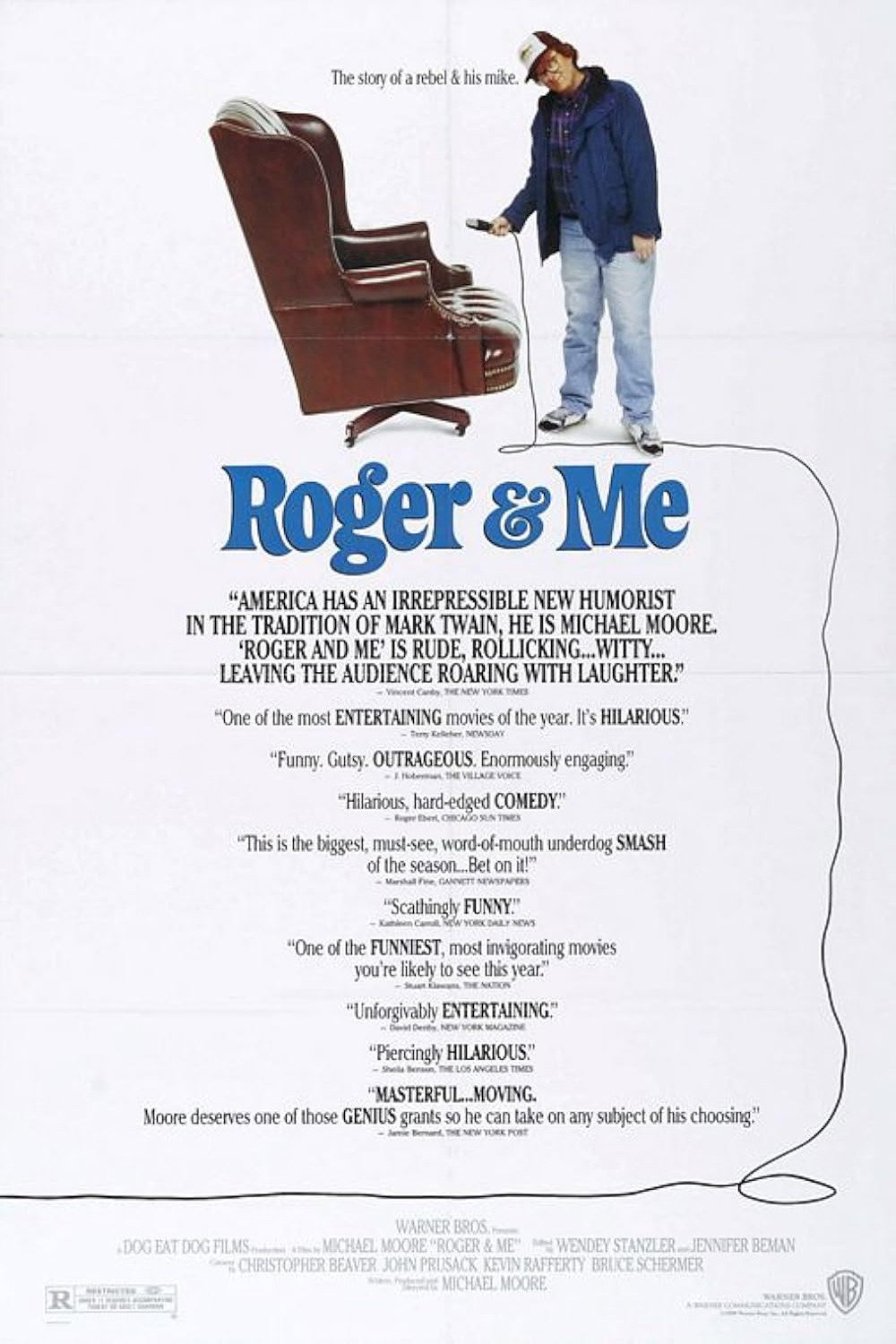
Against his own record it is the loosest thing he has made. Roger & Me (1989) had one town, one company and a chairman who would not come to the door. Fahrenheit 9/11 (2004) was scattershot too, but it kept returning to one question. This one has a dozen. It is also an odd film to be lectured by from a British sofa, since much of what it presents as scandal, that health or housing might be a public matter, is the ordinary arrangement here.
See it for the people. The widow, the pilots, the family with the shaking camera, Kaptur telling her voters to stay put: those scenes are as good as anything Moore has shot. Watch at home, where you can skip the lectures, though we suspect you will not, because he is hard to switch off even when he is wrong. It carries a 12A.