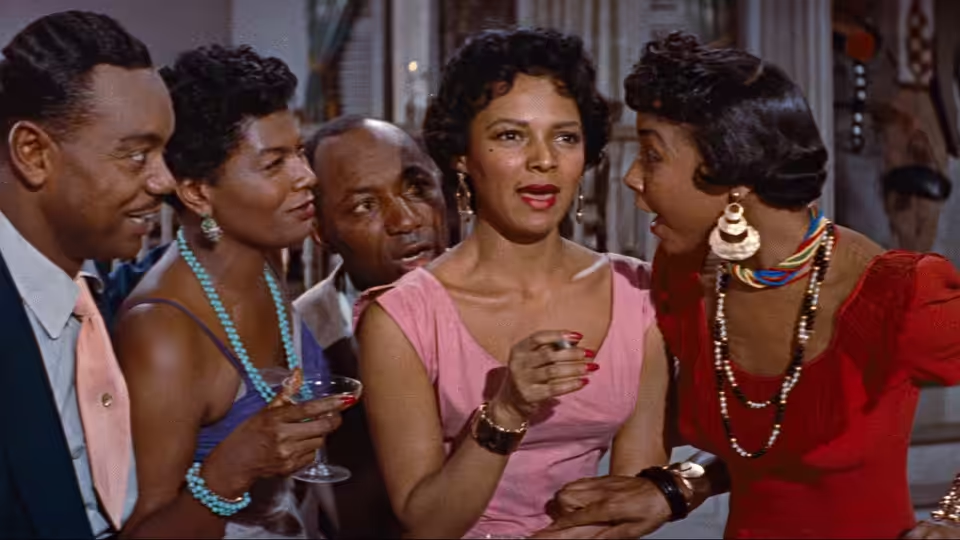
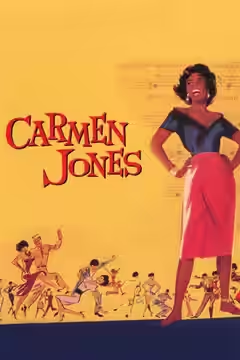
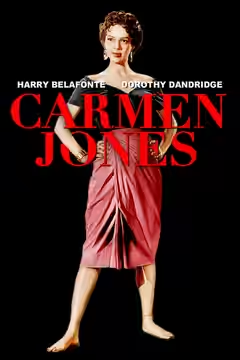
Dorothy Dandridge gives Carmen Jones a compelling centre, though the dubbed singing makes the romance harder to believe. Otto Preminger’s film offers enough musical pleasure to reward some patience with its awkwardness.
Otto Preminger’s Carmen Jones is worth trying for Dorothy Dandridge, though the dubbed singing can make the romance difficult to believe. It asks us to accept strong feelings expressed at full musical volume, and there is nothing unreasonable about that. Georges Bizet’s music supplies the necessary force. The trouble comes when a character starts singing and we become more interested in the change of voice than in what the song is saying.
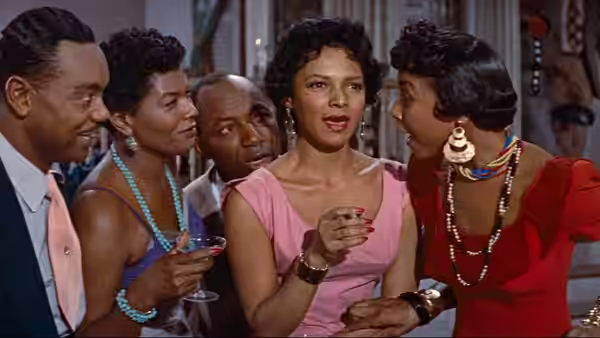
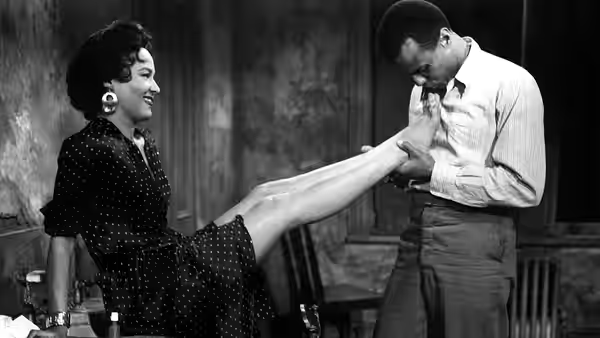
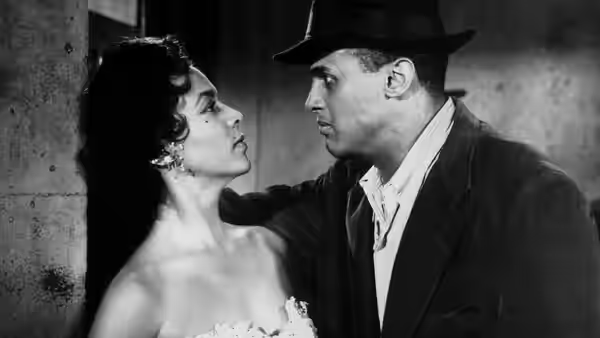
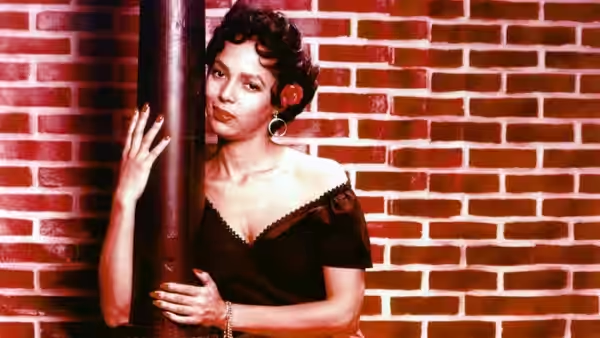
Dandridge makes Carmen’s pursuit of pleasure feel natural, without pleading for approval or asking us to excuse her. She gives the character enough assurance to make selfishness interesting, and she does not need to advertise every impulse. Much of the pleasure comes from watching someone who seems comfortable being looked at. Her confidence carries some of the more formal passages, and the performance remains persuasive when the writing gives her little assistance.
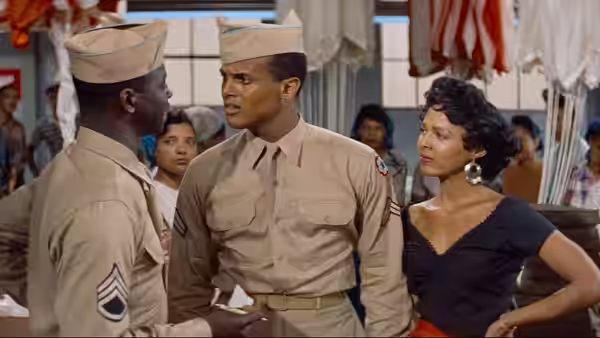
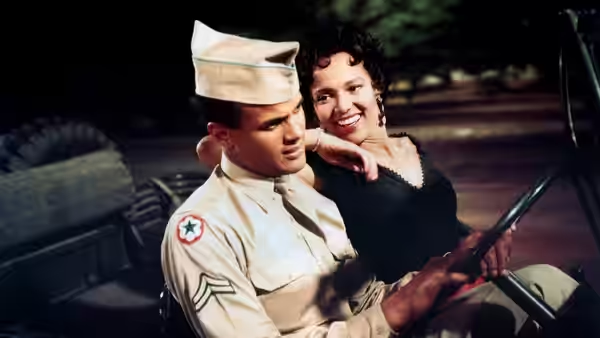
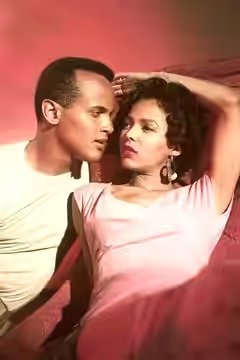
Harry Belafonte, as Joe, is more constrained, and his seriousness can make the drama feel heavier than it needs to be. Le Vern Hutcherson provides Joe’s singing voice; Marilyn Horne provides Carmen’s. We were frustrated when the leads began to sing, because the distance between the acting and the voices pulled our attention away from their feelings. Dubbing need not damage a musical, but here the change is too difficult to forget.
Bizet’s music gives the film repeated chances to recover. There is energy in the musical passages, and enough pleasure in the tunes to make the stiffness seem less important for a while. Pearl Bailey, playing Frankie, brings a welcome directness to a film that sometimes labours to sound spontaneous. The lyrics are less consistently helpful: we can hear the effort of getting words to sit on the music, and it makes desire sound rehearsed.
Sam Leavitt’s cinematography serves Dandridge well, giving her presence enough weight that we understand the attraction without needing it explained. Mary Ann Nyberg’s costumes support the impression of a woman who expects to be noticed. These are useful contributions to a romance that depends so heavily on Carmen’s appeal. The presentation can be too decorous, however, and the care taken over appearances sometimes makes the passion feel supervised.
Louis R. Loeffler’s editing is patient with the performances, sometimes beyond what the dialogue can sustain. Harry Kleiner’s screenplay gives the actors too little room to sound casual with one another, so the spoken passages do not always ease the strain. The shifts between comedy and seriousness are handled more comfortably than the changes between speech and song. Preminger keeps the drama orderly, but the conversations could use some of the music’s energy.
A musical romance needs us to accept singing as something these people would naturally do when conversation becomes insufficient. Carmen Jones keeps making us conscious of the adjustment, and that limits how deeply it can move us. Anyone drawn to Dandridge has a good reason to give it an evening. Those hoping to lose themselves in the romance should be prepared to make an effort.