Nanni Moretti’s Caro diario makes absorbing company, though some of its complaints outstay their welcome. The scooter ride is the chief pleasure in a funny, uneven film that rewards a taste for digression.
Caro diario is good company, provided we are willing to give Nanni Moretti time to finish a thought. Playing himself, he makes the search for inspiration into a film, allowing irritation, curiosity and pleasure in the cinema to determine where it goes. The approach works because he can be funny about having a mind that will not leave things alone. It also creates the film’s main problem: some observations have to sustain our attention long after their interest has faded.
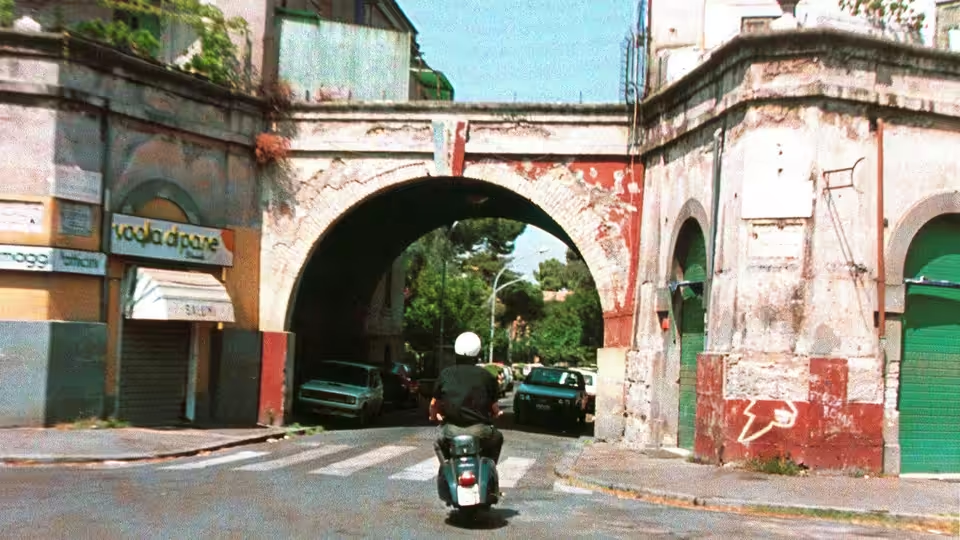
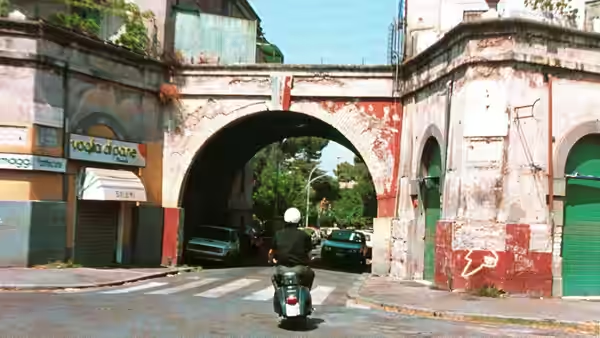
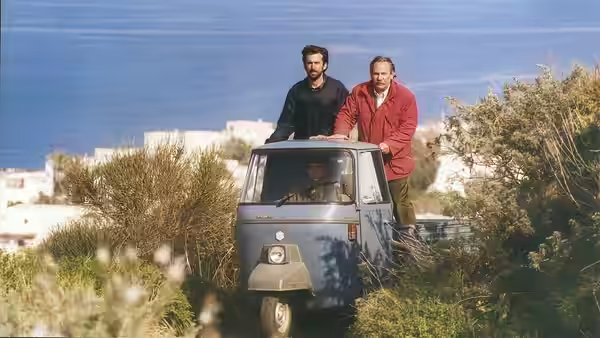
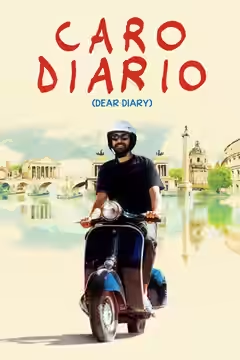
The scooter passage makes the strongest case for following him. Giuseppe Lanci’s cinematography makes the movement pleasurable in itself, without needing an incident to give the ride a purpose. We felt unexpectedly happy watching it, because the excursion gives us time to look around without waiting for a plot to announce itself. Mirco Garrone’s editing gives these reflections an easy pace, allowing the director’s thoughts to accompany the journey without overwhelming it. The pauses feel like part of the outing.
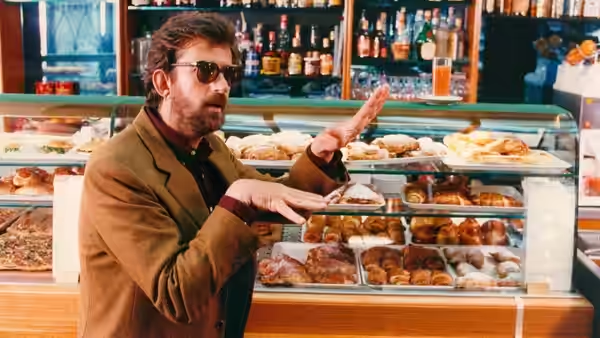
His irritation can be just as engaging, particularly when he turns on Henry: Portrait of a Serial Killer. The angry review has the comic advantage of being so personal: we are listening to someone who cannot simply leave an unpleasant screening behind. His confidence is funny even when his opinions are less persuasive, and the film lets that disproportion show. There is pleasure in watching a filmmaker admit how much another film can bother him, then take the trouble to record the complaint.
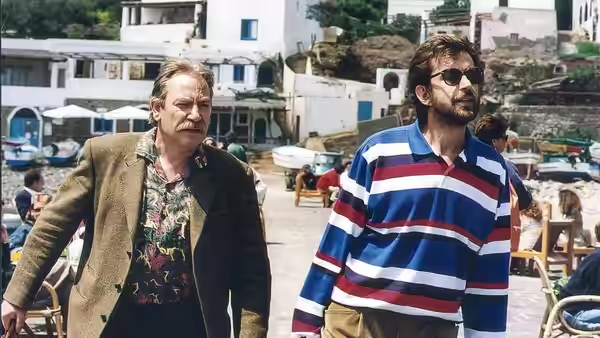
Nicola Piovani’s score has a warmth that helps when the director is being prickly. It keeps the film agreeable without asking us to endorse everything he says. Marta Maffucci’s production design is unobtrusive, giving the travelling filmmaker surroundings that do not compete with him for attention. That restraint suits the material, although the ride remains more memorable than the places visited. There is enough care in the presentation to let us settle into the film’s uncertain progress.
The later episodes do not sustain the scooter passage’s ease. The satire sometimes assumes that sharing the director’s impatience is all we need to do, and his political certainty can make the conversation feel closed. More damagingly, a complaint can continue after its point is clear, with too little fresh observation to justify another minute in its company. The editing cannot always give these passages the lightness of the earlier excursion. A little less insistence would have helped.
A diary film has to make us curious about another person’s day, even when little happens. A scooter ride and an argument about a film give this one enough to begin with, and its informality makes the occasional sharp observation feel like something discovered in conversation. We do not need every detour to explain the director or advance his search for something to make. We do need him to notice when he has exhausted a subject, and he is not always reliable about that. Choose it when a wandering conversation sounds like a good way to spend the evening.