Tom Hooper’s Cats makes its performers work far too hard to be noticed beneath the digital fur. Some singing survives, but the muddled staging and restless cutting leave a poor musical.
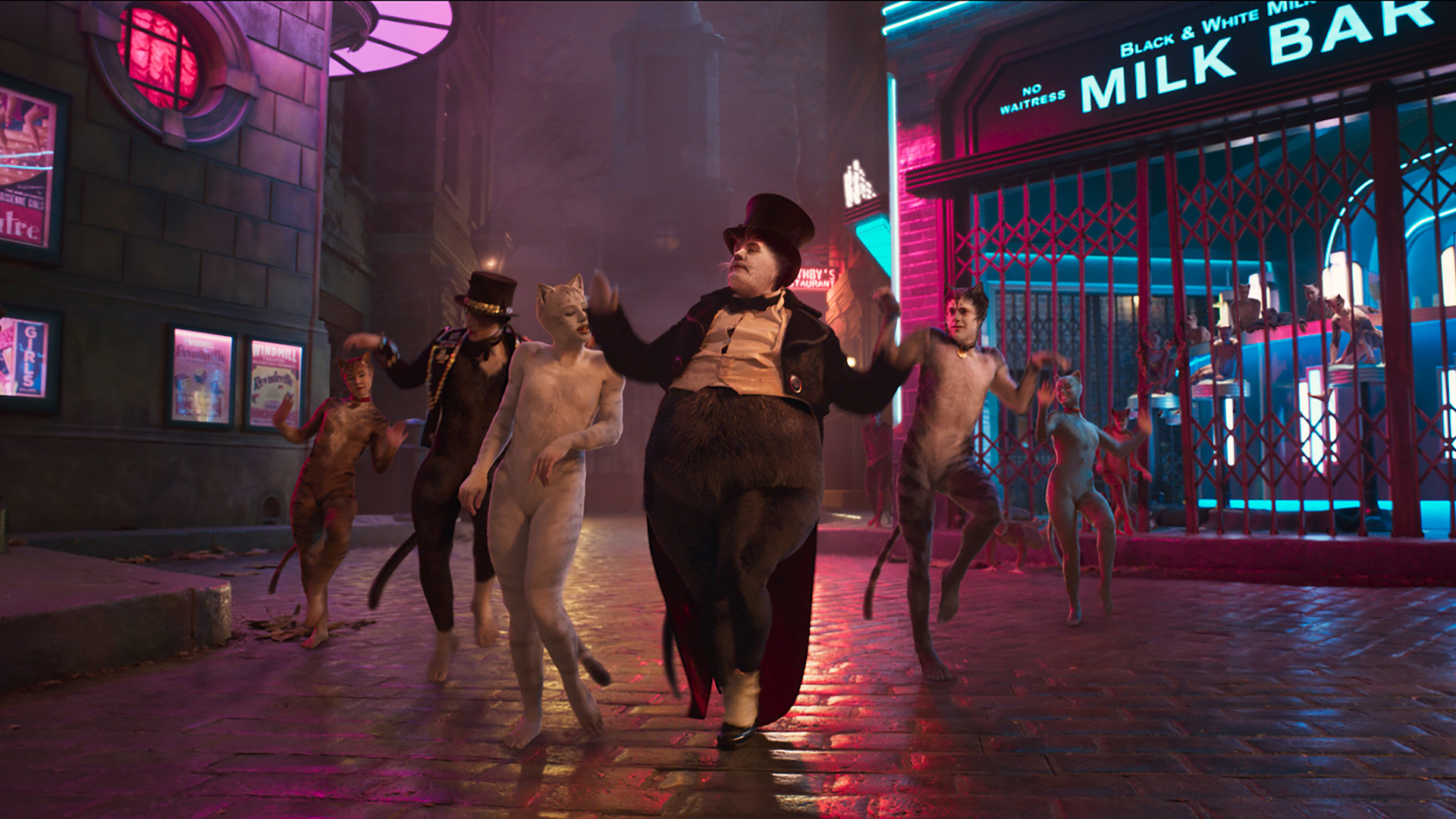
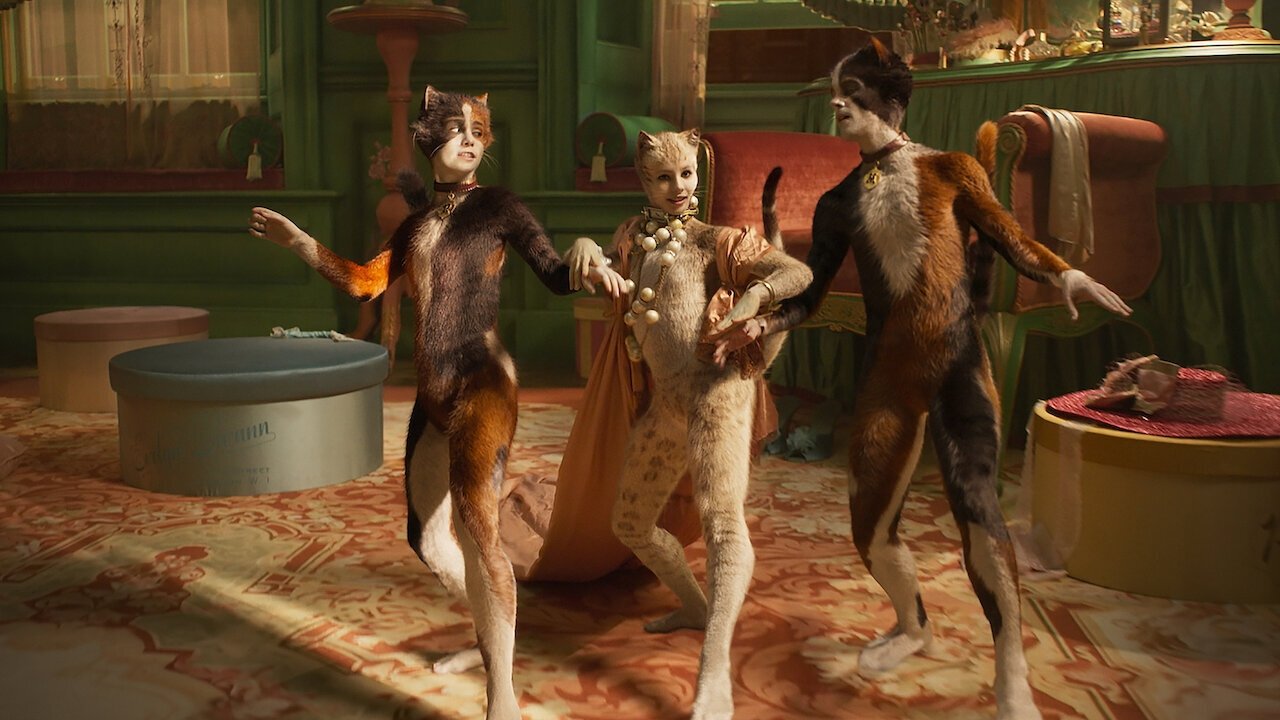
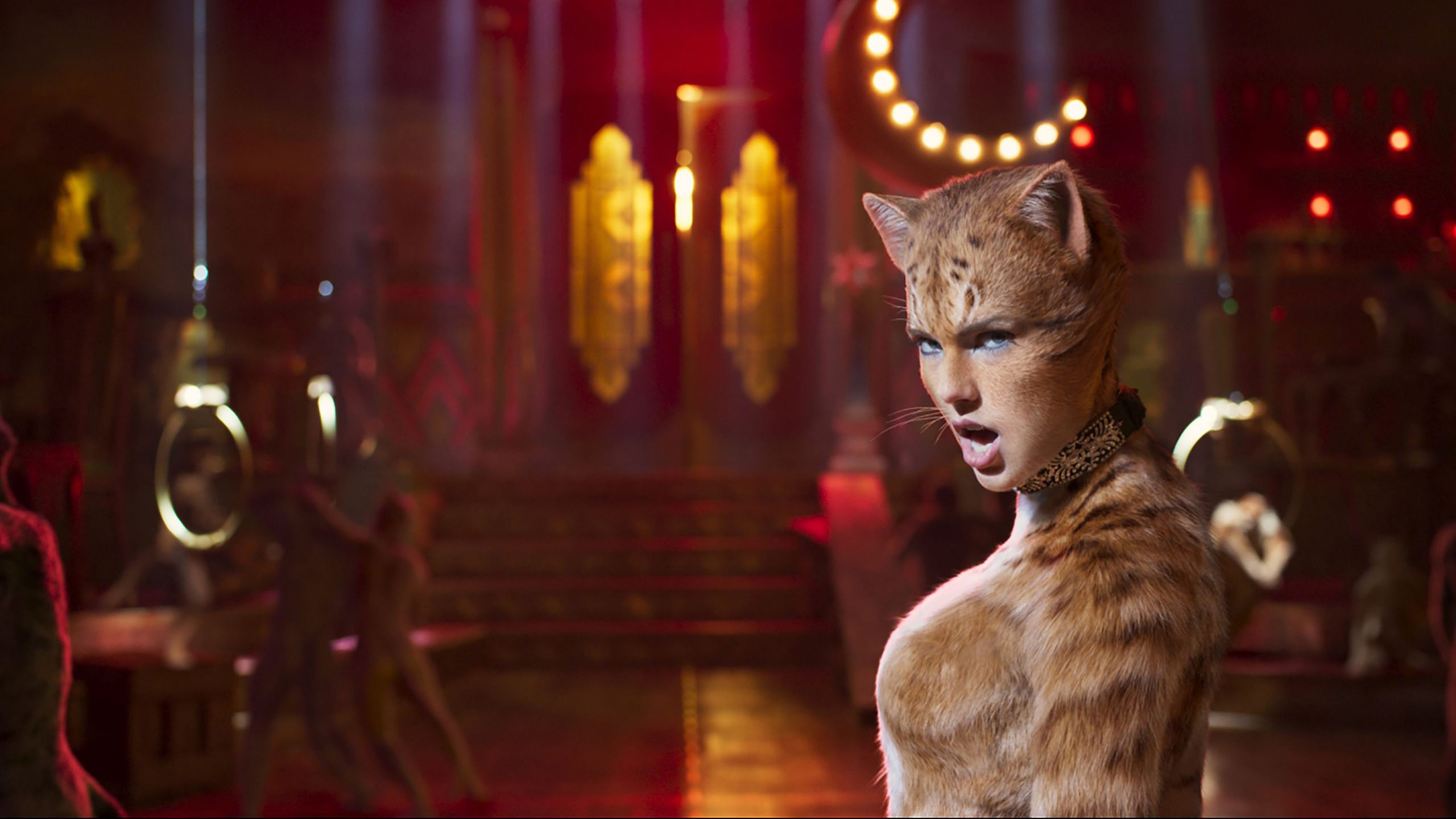
Cats asks us to accept people singing and dancing as cats, a reasonable enough request from a musical. Tom Hooper makes that acceptance unnecessarily difficult, wrapping the cast in digital fur that keeps drawing attention away from their performances. It is a poor adaptation, with enough talent visible to make the waste frustrating. We would happily accept a much stranger musical if it gave its dancers space and its songs a chance to work.
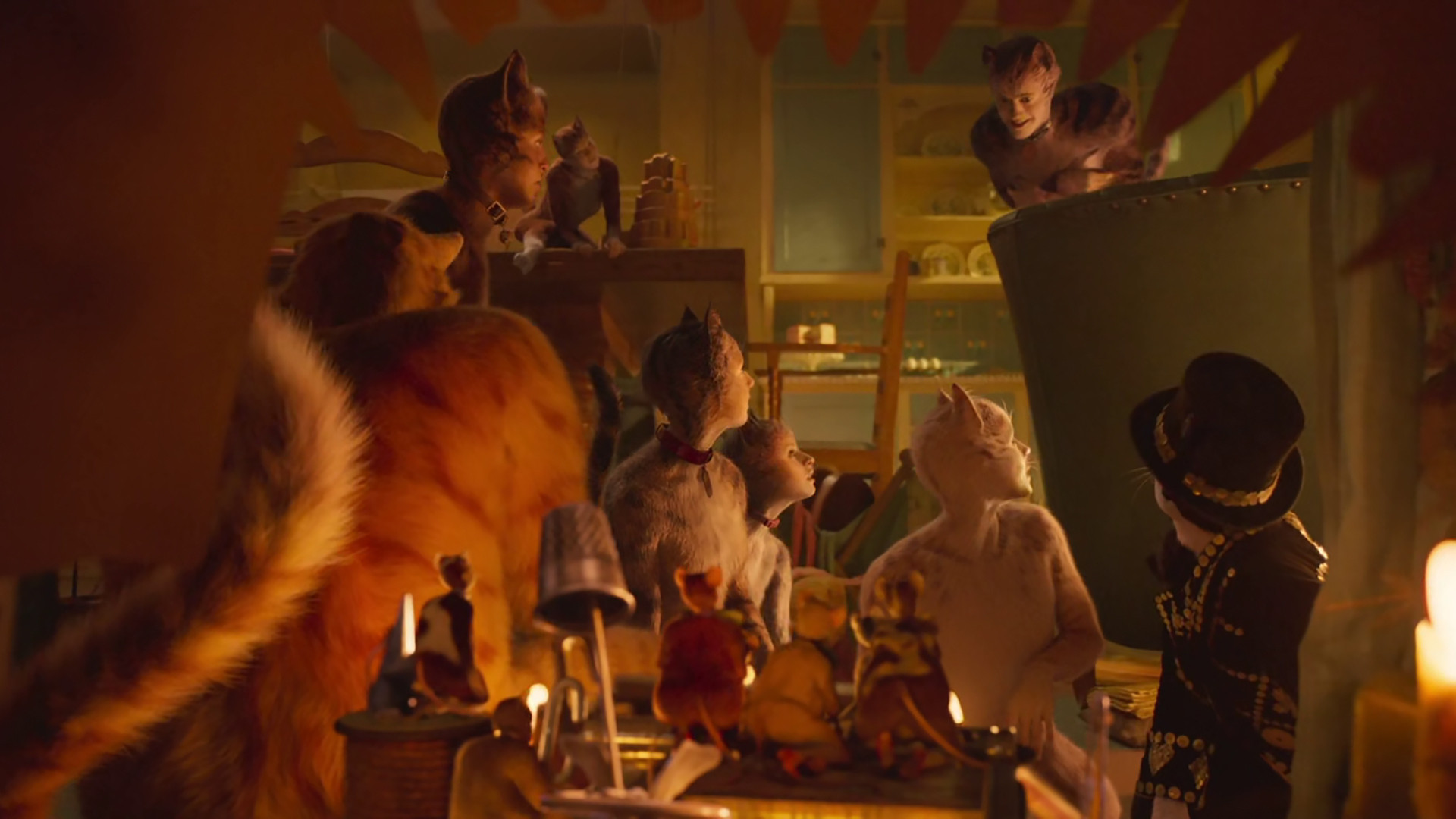
The effects are distracting because the faces, bodies and surrounding sets never quite seem to belong together. A performer should be able to turn, leap or simply stand still without prompting questions about their proportions. Here those questions keep arriving, and the changing scale makes it difficult to settle into the scenes. We were unsettled by the human faces inside those furred bodies, then bored by how insistently the film asked us to keep looking at them.
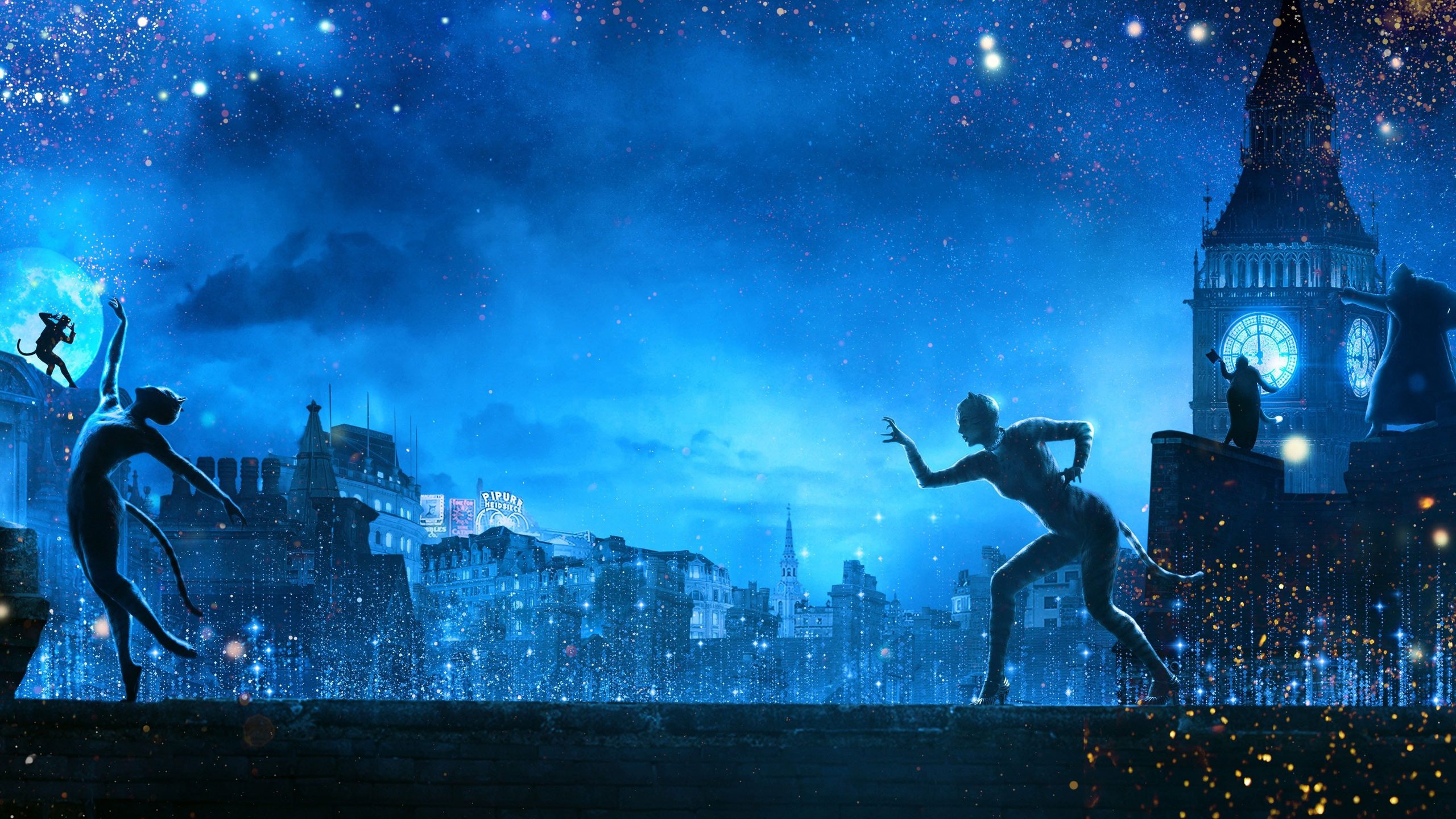
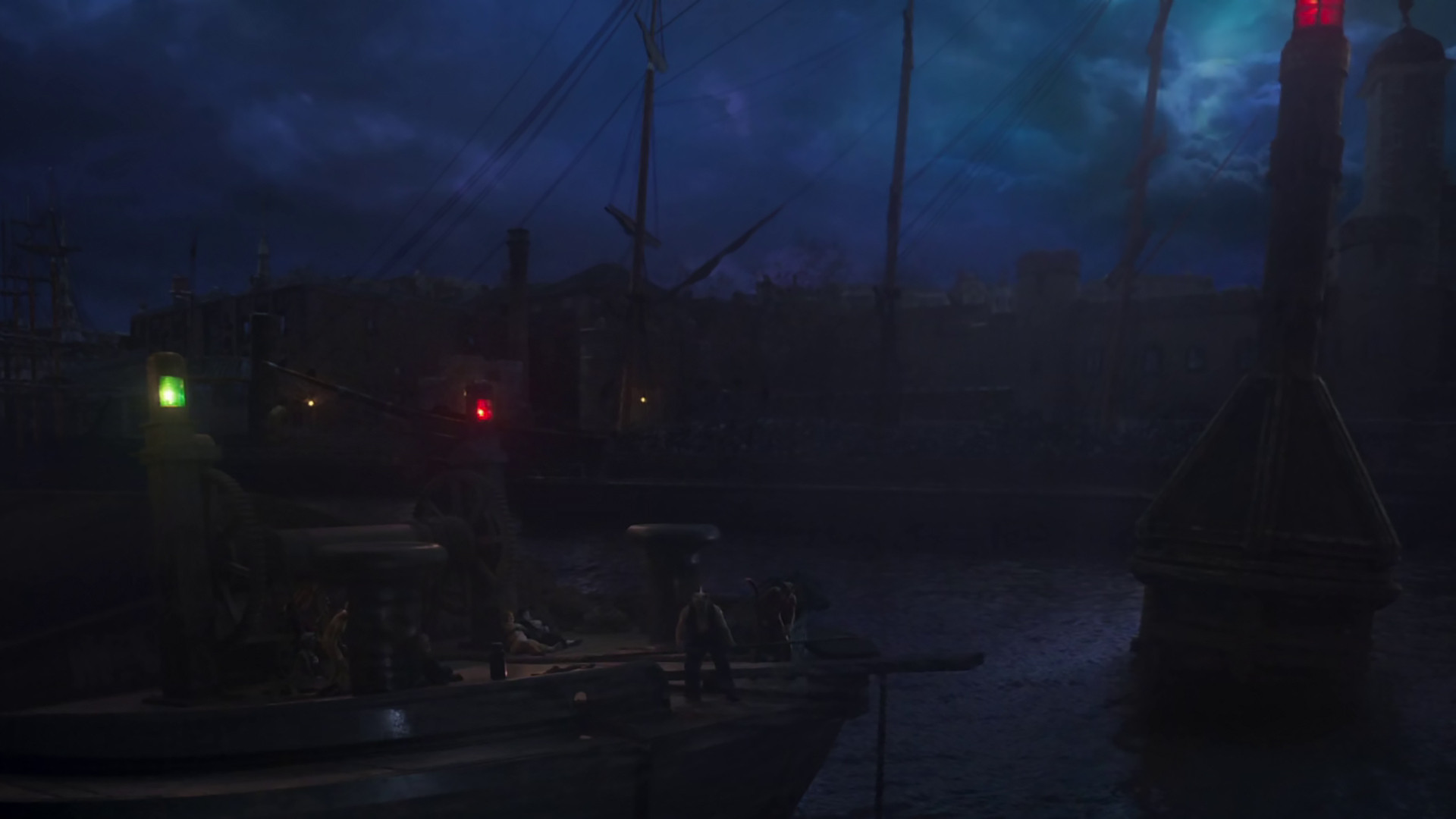
Christopher Ross’s cinematography finds something promising in the night streets, where the darkness allows a little theatrical mystery. Eve Stewart’s production design gives those streets detail and makes a case for building a whole film around this company. The sets are worth looking at, even when the digital cats appear awkwardly fitted into them. The effects prevent us from getting comfortable with the size of the performers in relation to their surroundings.
Francesca Hayward, playing Victoria, gives the film a reason to let a dance continue. Her movement is precise and expressive enough to hold attention without constant assistance from the cutting. Melanie Oliver’s editing keeps interrupting the choreography, so that a number becomes a succession of glimpses rather than a performance we can follow. A screen musical can take us closer than a theatre seat, but it still has to let us see what a dancer is doing. Too often, a cut interrupts the movement before we have had time to enjoy it.
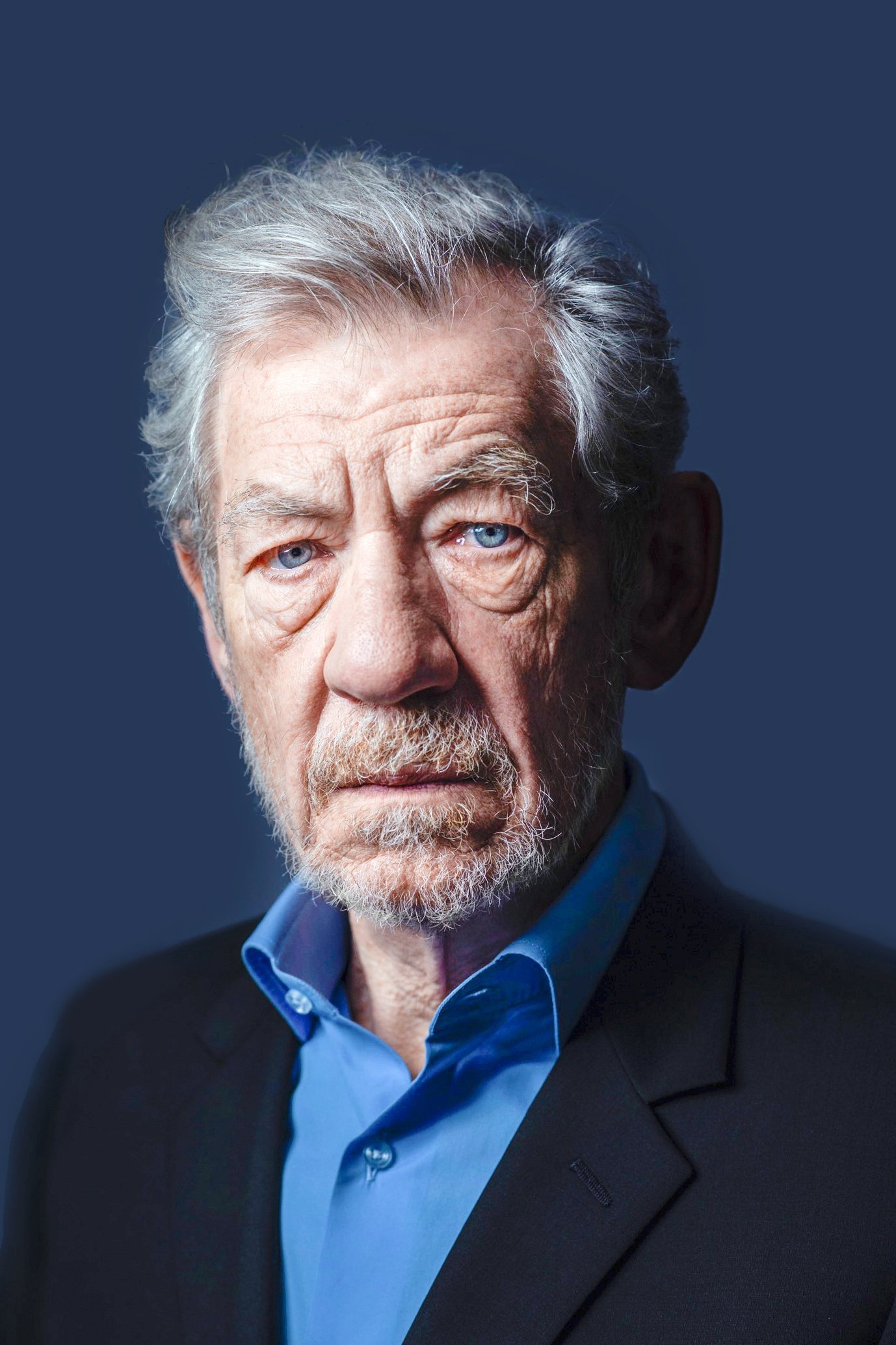
Andrew Lloyd Webber’s music fares unevenly: the ensemble lyrics become hard to understand, making an already slight story harder to follow. Jennifer Hudson, as Grizabella, gives ‘Memory’ the concentration missing from much of the surrounding fuss. We were moved by the force and vulnerability of her singing; for once, there was no urge to inspect the effects. Ian McKellen, as Gus, the Theatre Cat, also finds feeling within the artificial appearance. These performances deserve attention for more than surviving an unhelpful setting.
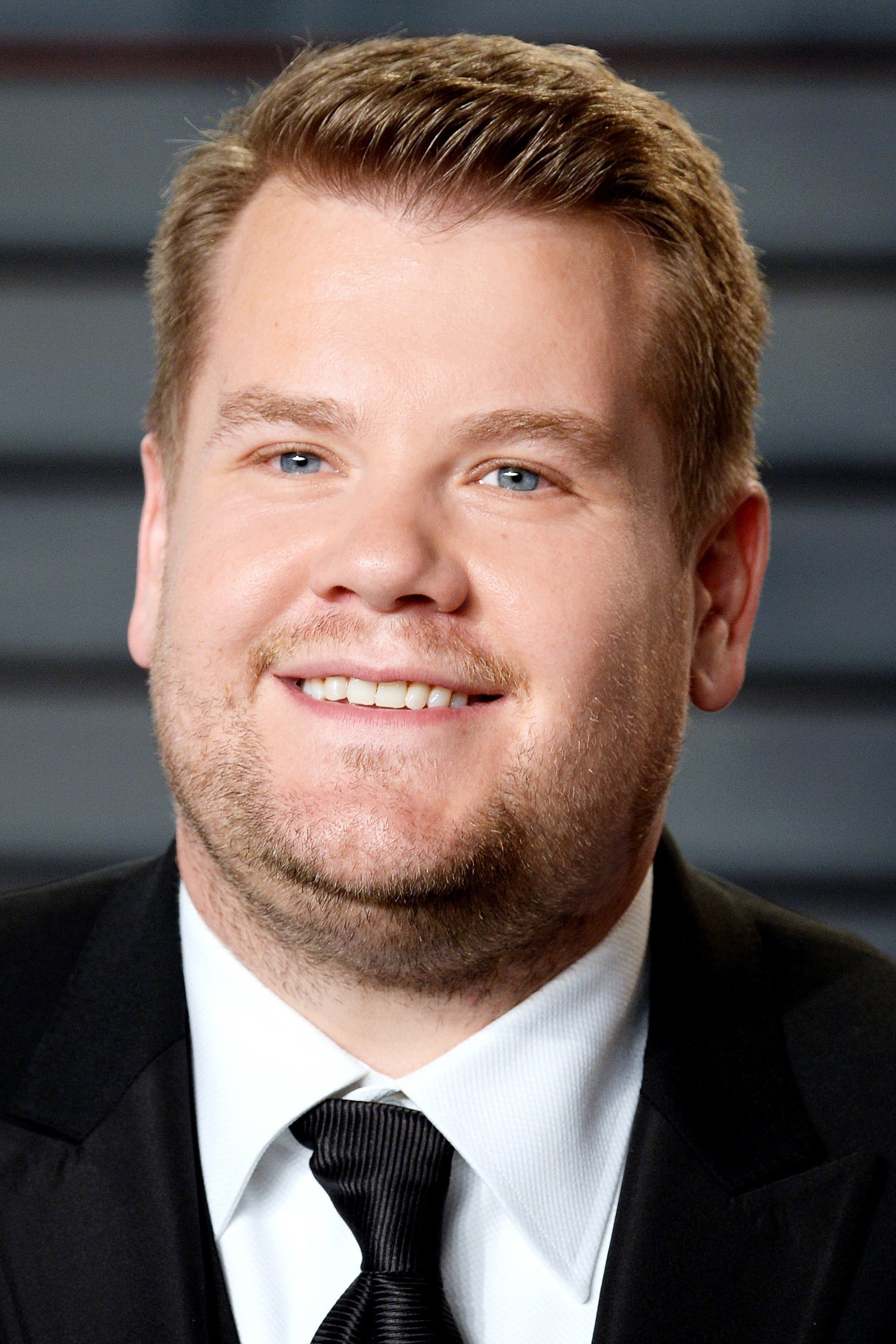
Tom Hooper and Lee Hall’s screenplay gives the numbers too little to connect them, while the direction supplies bustle where a clear dramatic purpose would help. The comic turns from Rebel Wilson as Jennyanydots and James Corden as Bustopher Jones at least offer a change of pace. Their broader playing belongs comfortably enough in a variety show, though it cannot make the succession of songs feel like a developing story. Across 110 minutes, the thinness becomes wearying, particularly when another group number makes the words difficult to catch.
Some viewers may find enough pleasure in the singing and the sheer oddity to forgive the rest. We cannot recommend it on the promise of entertaining failure: long stretches are merely laborious, and the performers’ commitment makes that sadder. There is room in a musical for absurdity, sentiment and a modest story. Anyone coming chiefly for the dancing has particular reason to look elsewhere.