Gervais and Merchant’s first film is a warm, well-acted coming-of-age story set in 1970s Reading, with a fine, quiet Ralph Fiennes. It is also a story you have seen before, told exactly as you expect, and it seems to know it.
Ricky Gervais and Stephen Merchant, who made The Office and Extras by refusing to let anyone learn a lesson, have made a first feature in which everyone learns one. Cemetery Junction is set in Reading in the 1970s and follows three young men, one of whom wants to leave. It is warm and well acted, and there is not a scene in it whose ending you could not call from its first line. That is a fair evening and not much more, and 94 minutes is the right length for it.
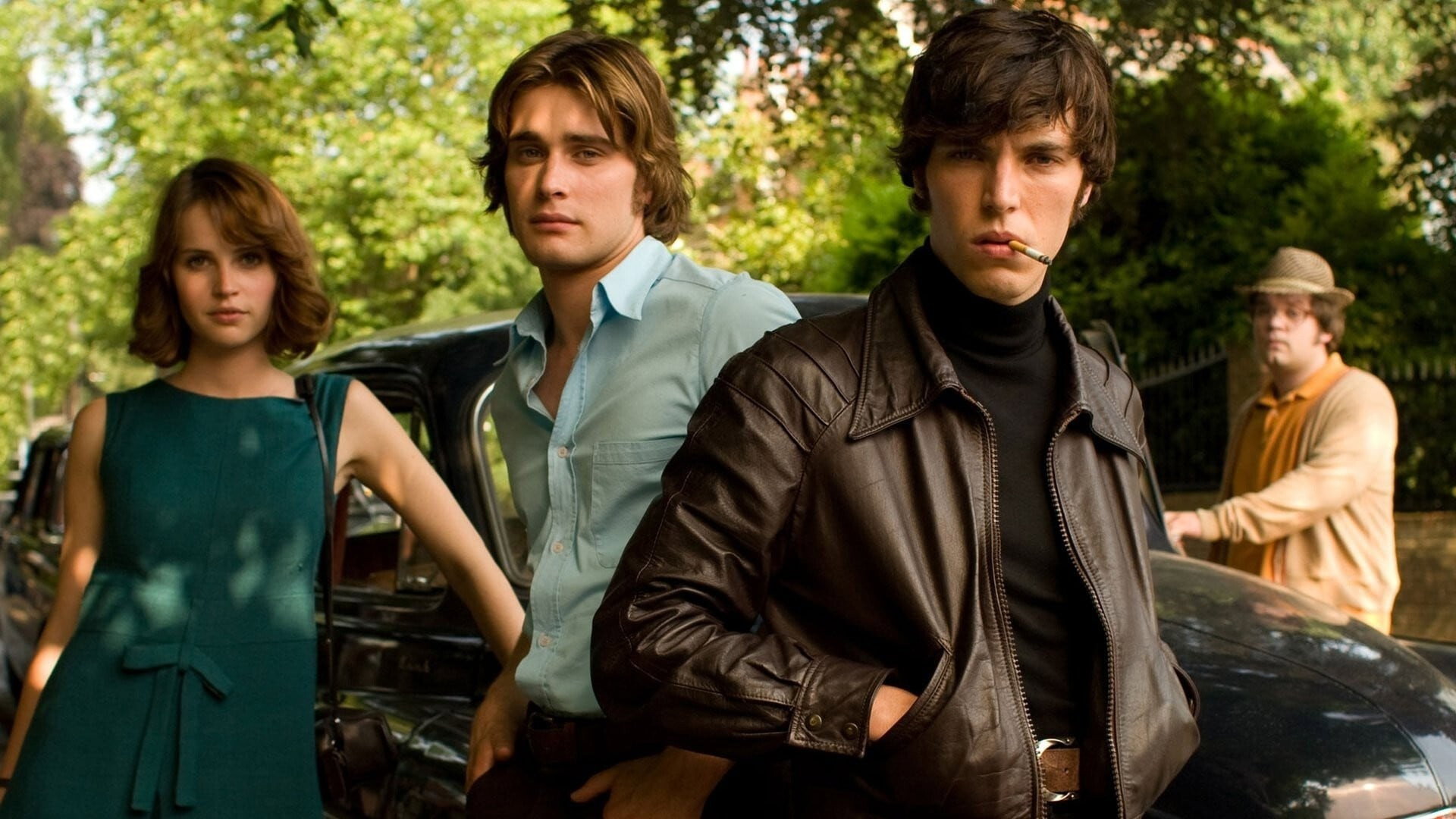
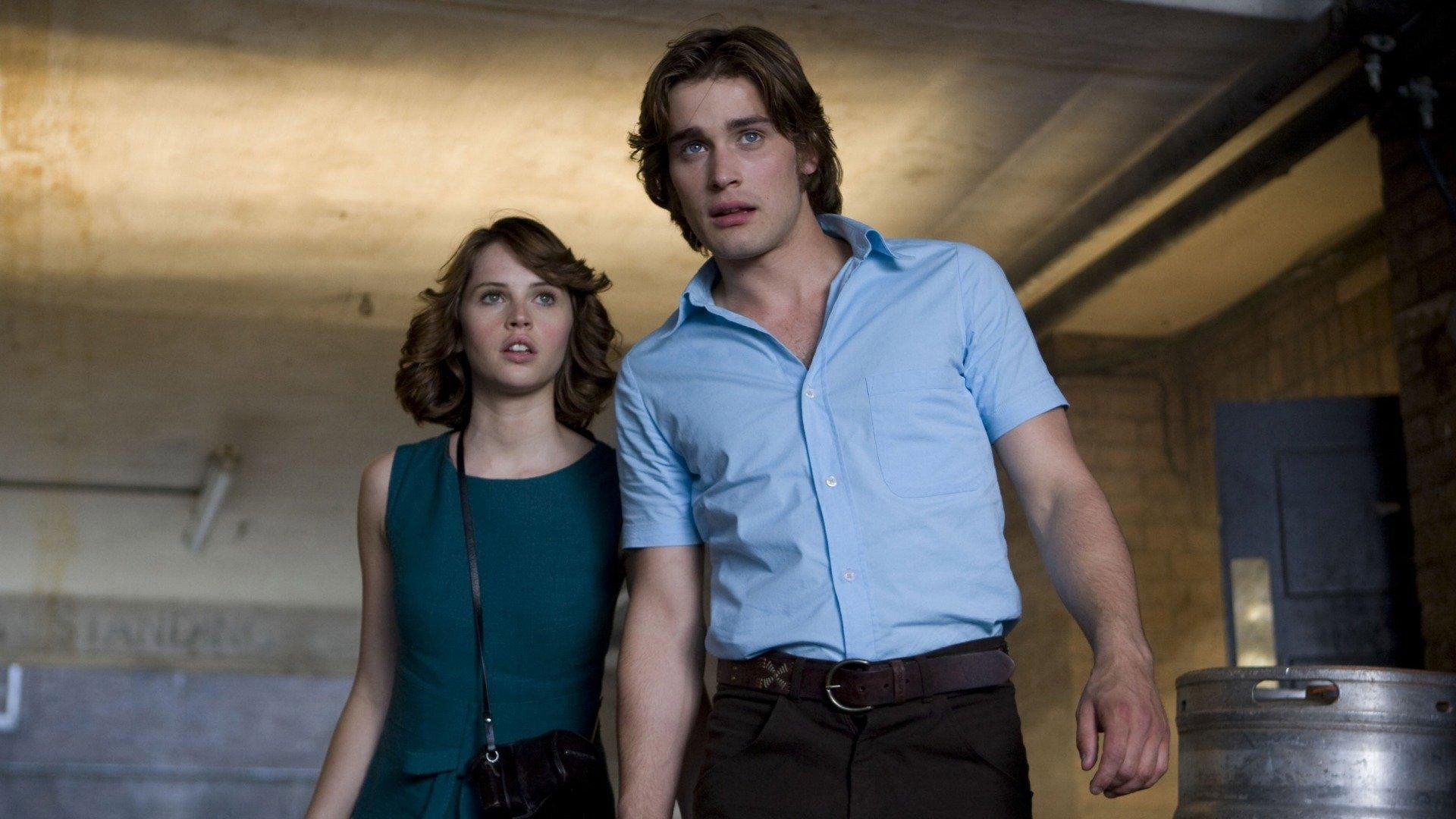
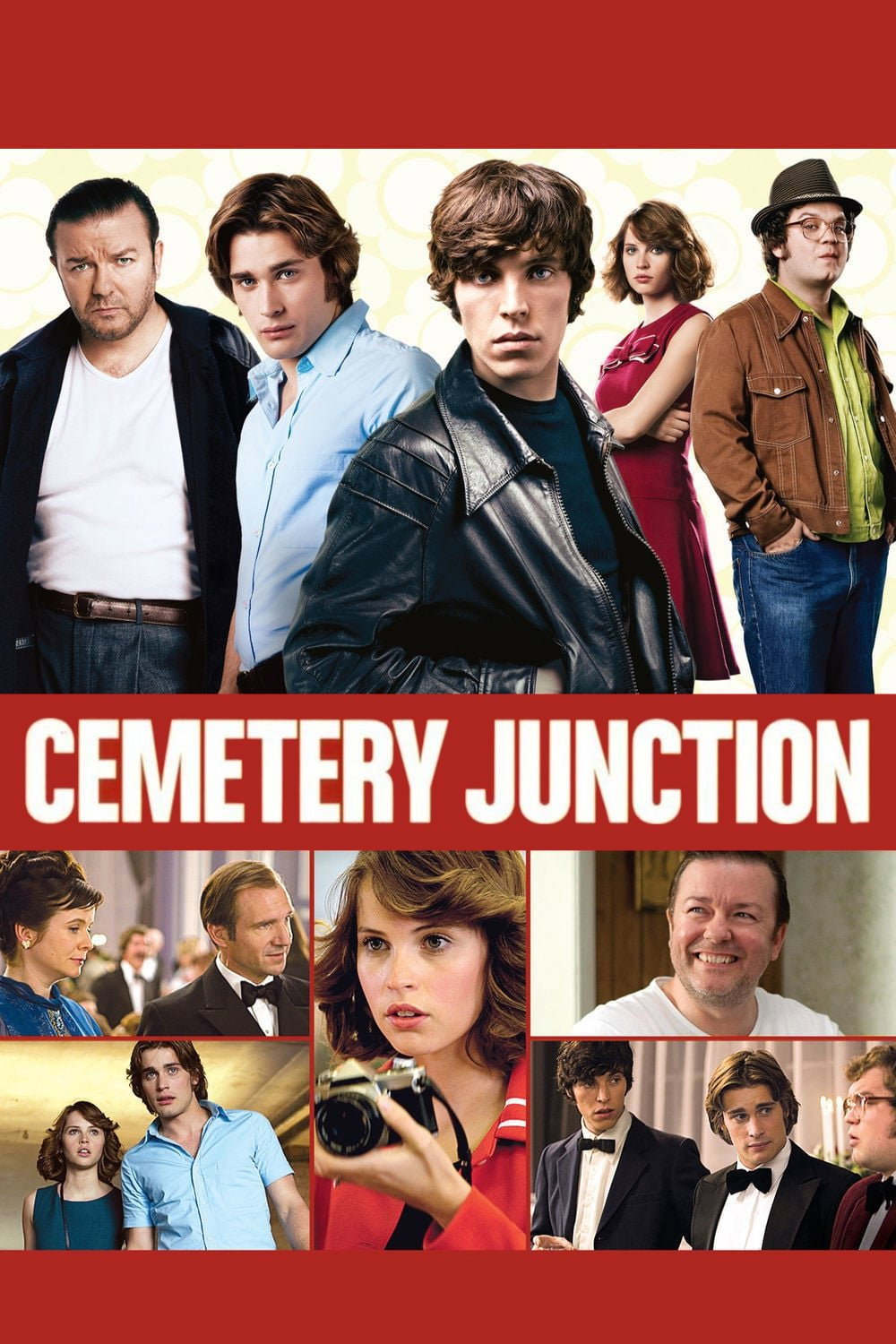
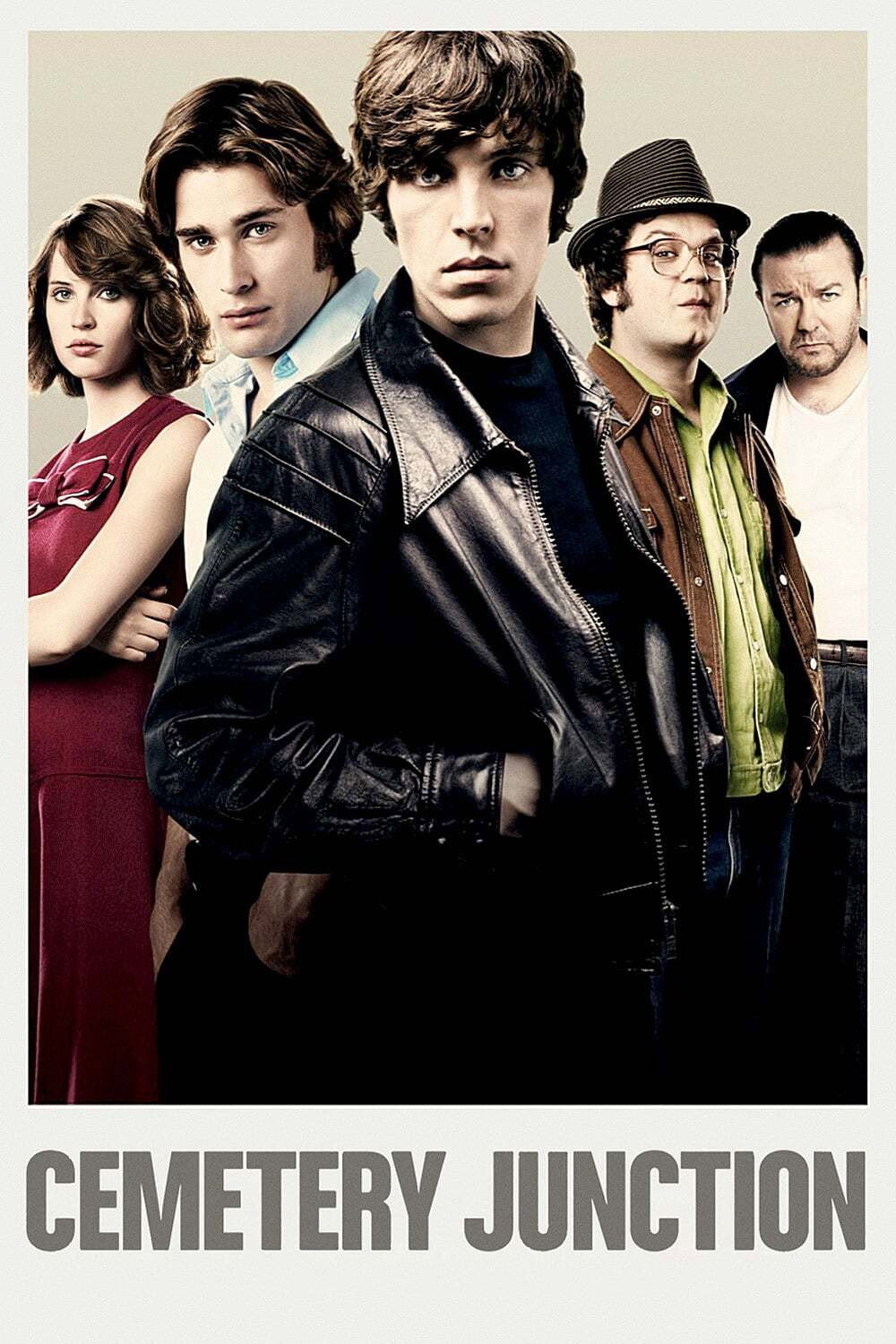
The young cast is the reason to stay. Christian Cooke plays Freddie as a lad who has bought the suit before he has any idea what to do in it. Tom Hughes gives Bruce Pearson a swagger that stops working the instant he is alone with his father (Francis Magee); their kitchen scene is the most honest thing in the film. Jack Doolan’s Snork is the comic engine, a boy who says the worst possible sentence to every girl he meets. Felicity Jones makes Julie clever, restless and a little bored by the man she is about to marry.
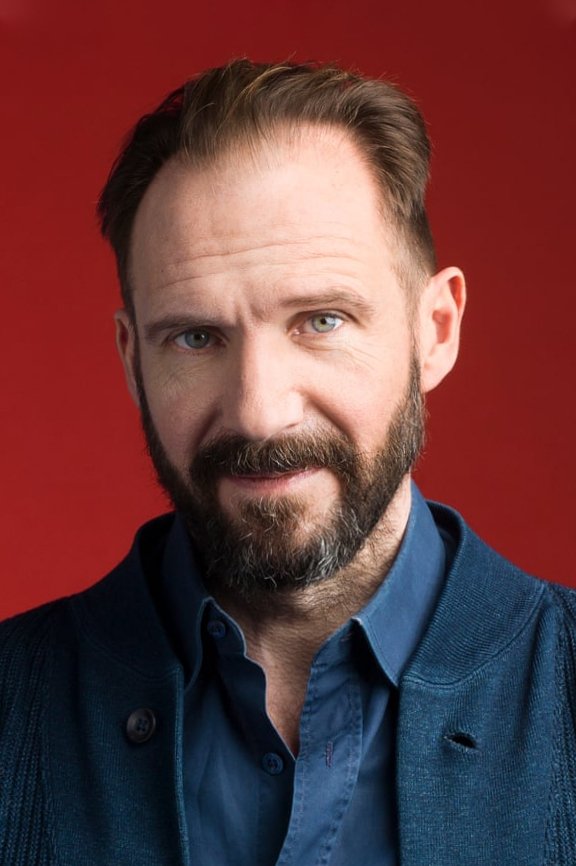
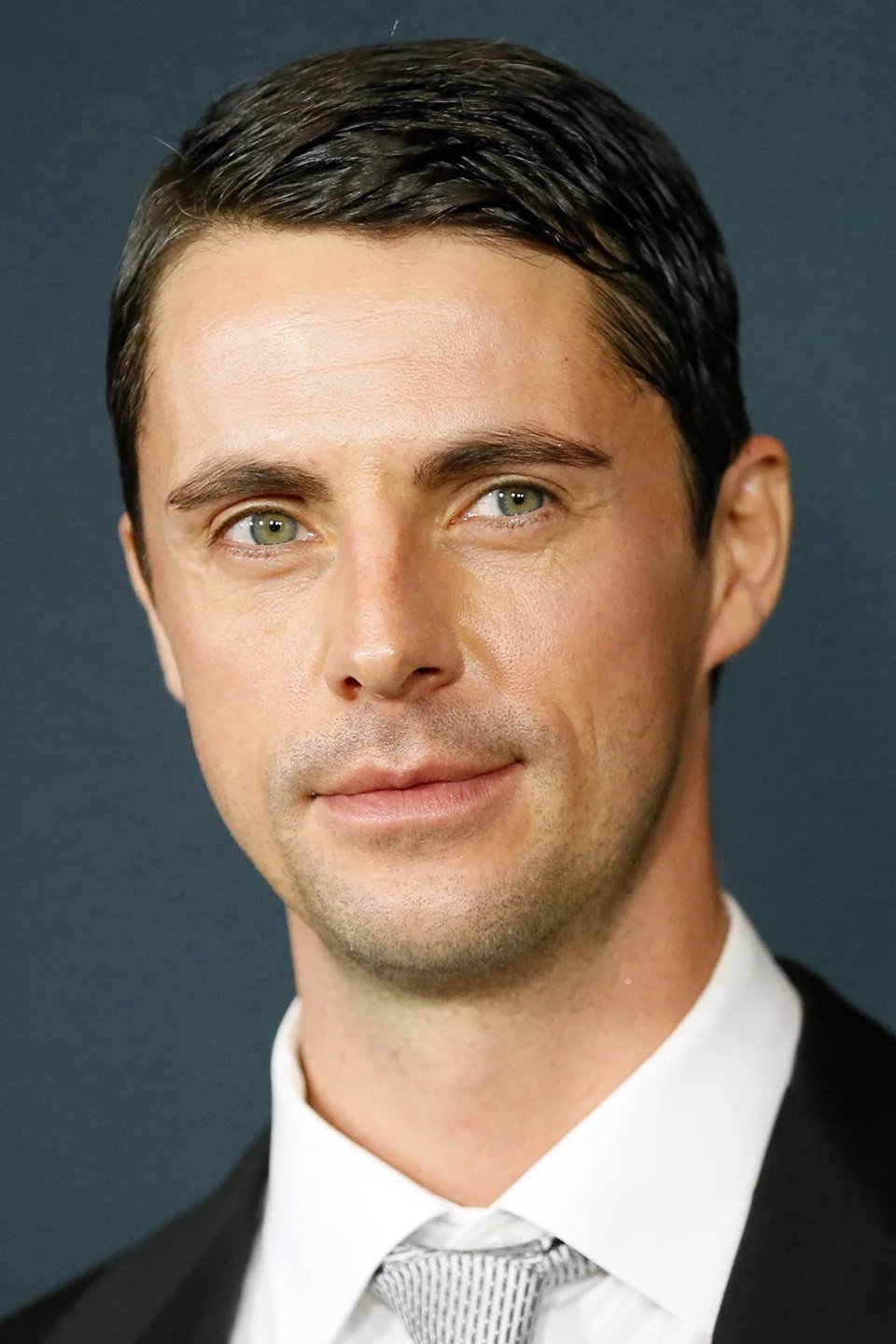
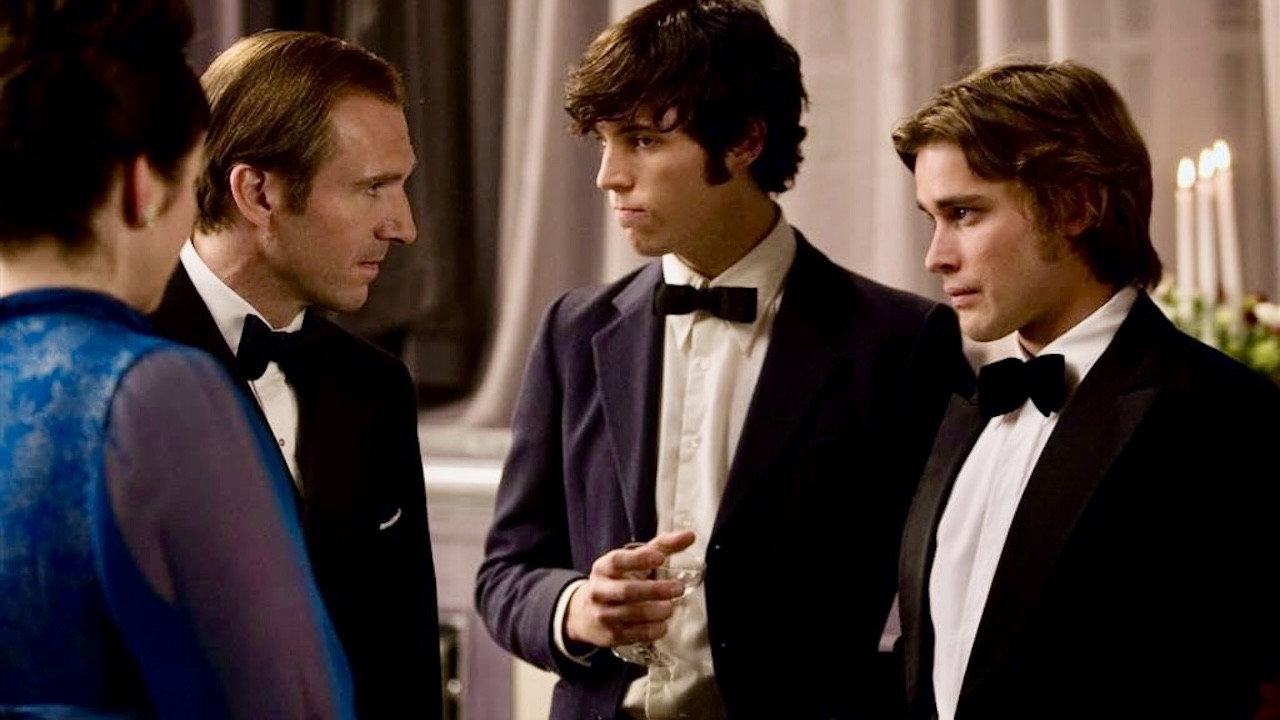
The older cast is better still. Ralph Fiennes plays Mr Kendrick as a man who has sold life assurance for so long that he no longer sounds as if he wants anything; his short speech on how a man should measure his years is the best-written passage in the film. Matthew Goode’s Mike Ramsay is loud in the pub and quiet in the office, and the film does not need to tell us what he is. Gervais plays Freddie’s father Len saying casually bigoted things over his tea, and Anne Reid as the Gran tops him every time.
Here is what got at us. Emily Watson, as Mrs Kendrick, says almost nothing for an hour. Remi Adefarasin keeps her at the edge of the frame, clearing plates, and we stopped noticing her, as the film intends. Then she has one speech to her daughter, about the life she did not have, and it moved us more than we expected, because the film had spent an hour teaching us to look past her. Nothing else in the picture is as well judged.
The period is handled with care. Adefarasin shoots the town in late-afternoon browns and golds, so even the factory yard looks like somewhere you might one day be homesick for. Anna Higginson gives the Taylors patterned wallpaper and a telly in the corner, and the Kendricks polished wood and silence. Ruth Myers dresses the lads in flares and wide collars, and Freddie’s new suit sits on Cooke a shade too large, as it should. Tim Atack’s score stays out of the way of the glam-rock records that do most of the work, and Valerio Bonelli cuts the Friday nights briskly, so the film never idles.
The trouble is that we have seen it. The lad who wants out, the boss who has forgotten why he wanted in, the fiancé who is not good enough, the friend whose anger has a reason: each arrives on schedule and does what its type does. The Taylor dinner scenes are the television show in flares. And the characters keep announcing the theme, about being somebody and getting out. Around the hour mark we noticed we were calling each scene before it started and waiting to be proved wrong. We were not.
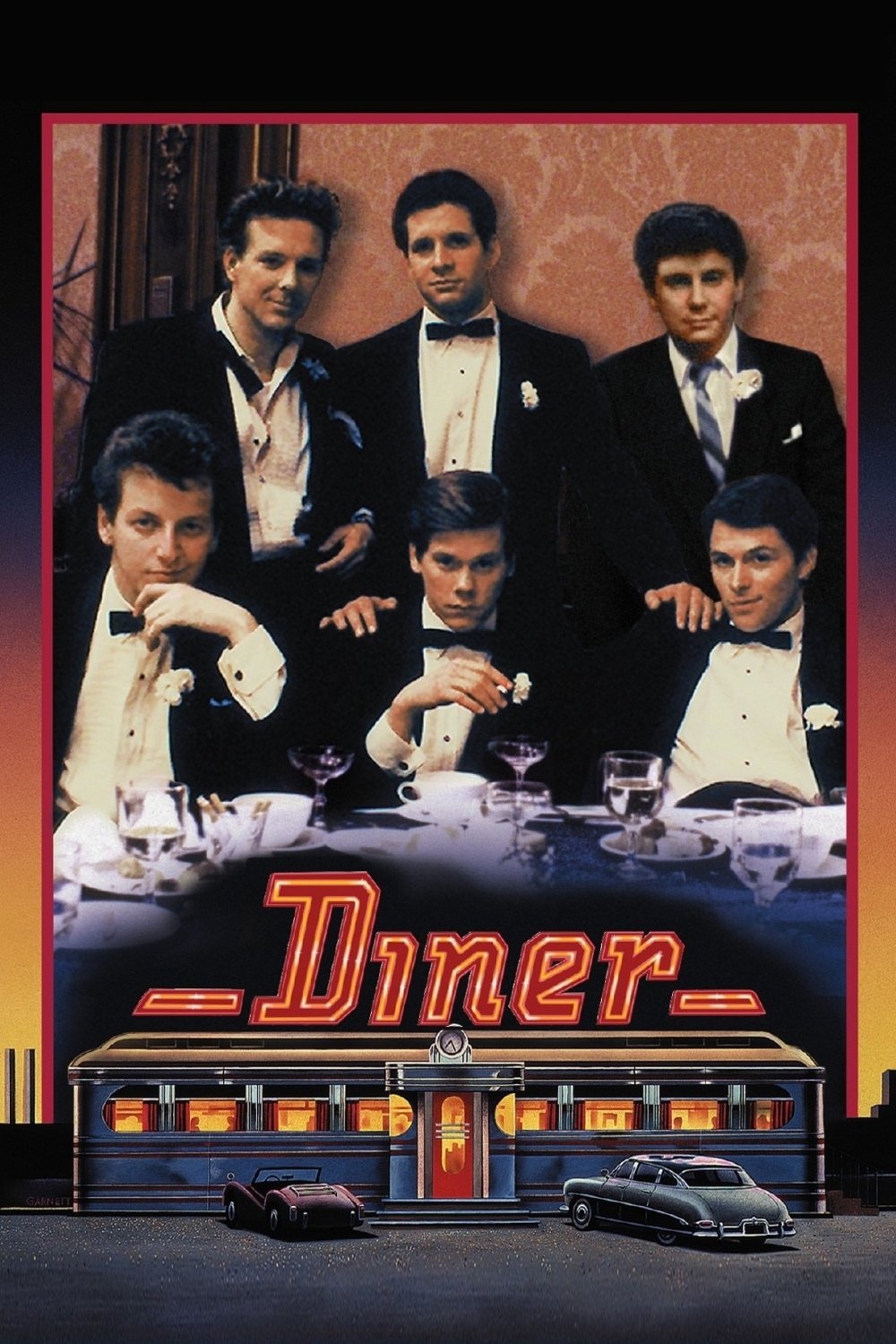
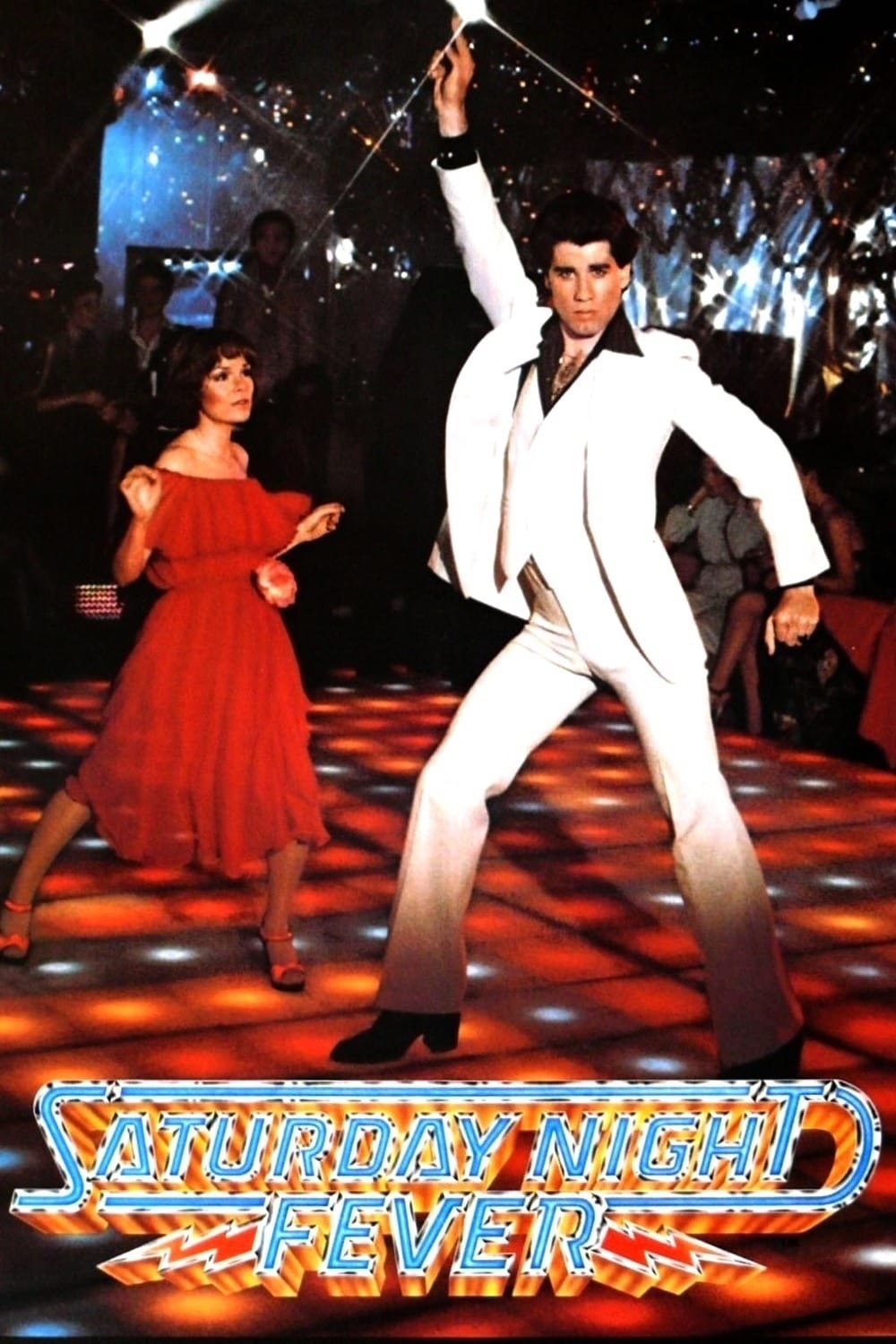
The last stretch ties every knot, and we will not say how, except that it involves slow motion and swelling music, and that the film has earned perhaps half the tears it asks for. It has the shape of Saturday Night Fever (1977) and Diner (1982) with less nerve than either: those films were prepared to leave their boys stuck. On television Gervais and Merchant were harder than this on everyone, including the audience. Here they have gone soft, and it suits them less than they think.
See it on a Sunday evening with someone who remembers the wallpaper. It carries a 15, for the language and a couple of fights, and it will not trouble anyone.