Barry Levinson’s Diner is a funny, perceptive comedy about men in no hurry to grow up. Its cast earns our affection, though the drifting pace and scant room for the women call for some patience.
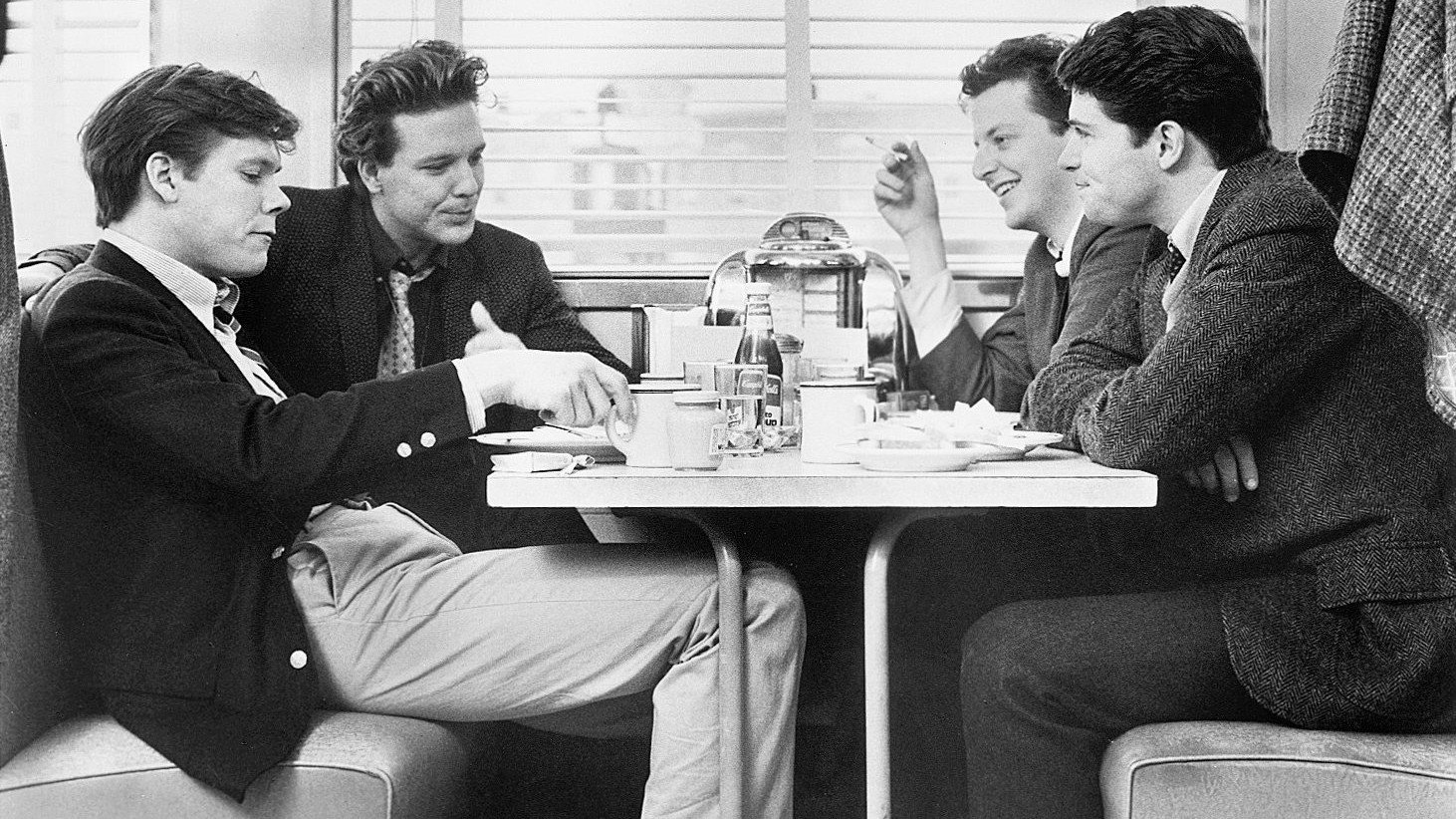
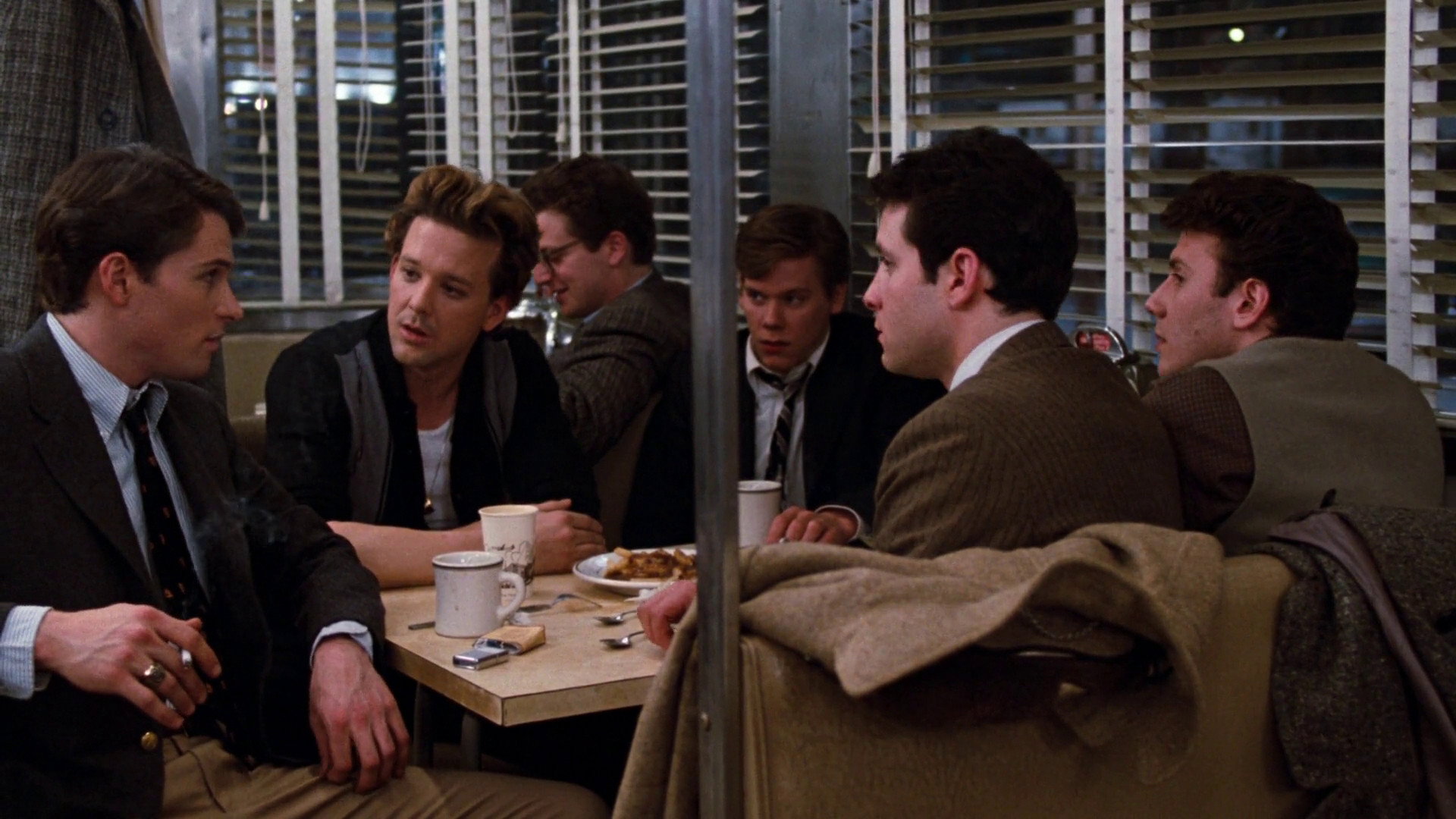
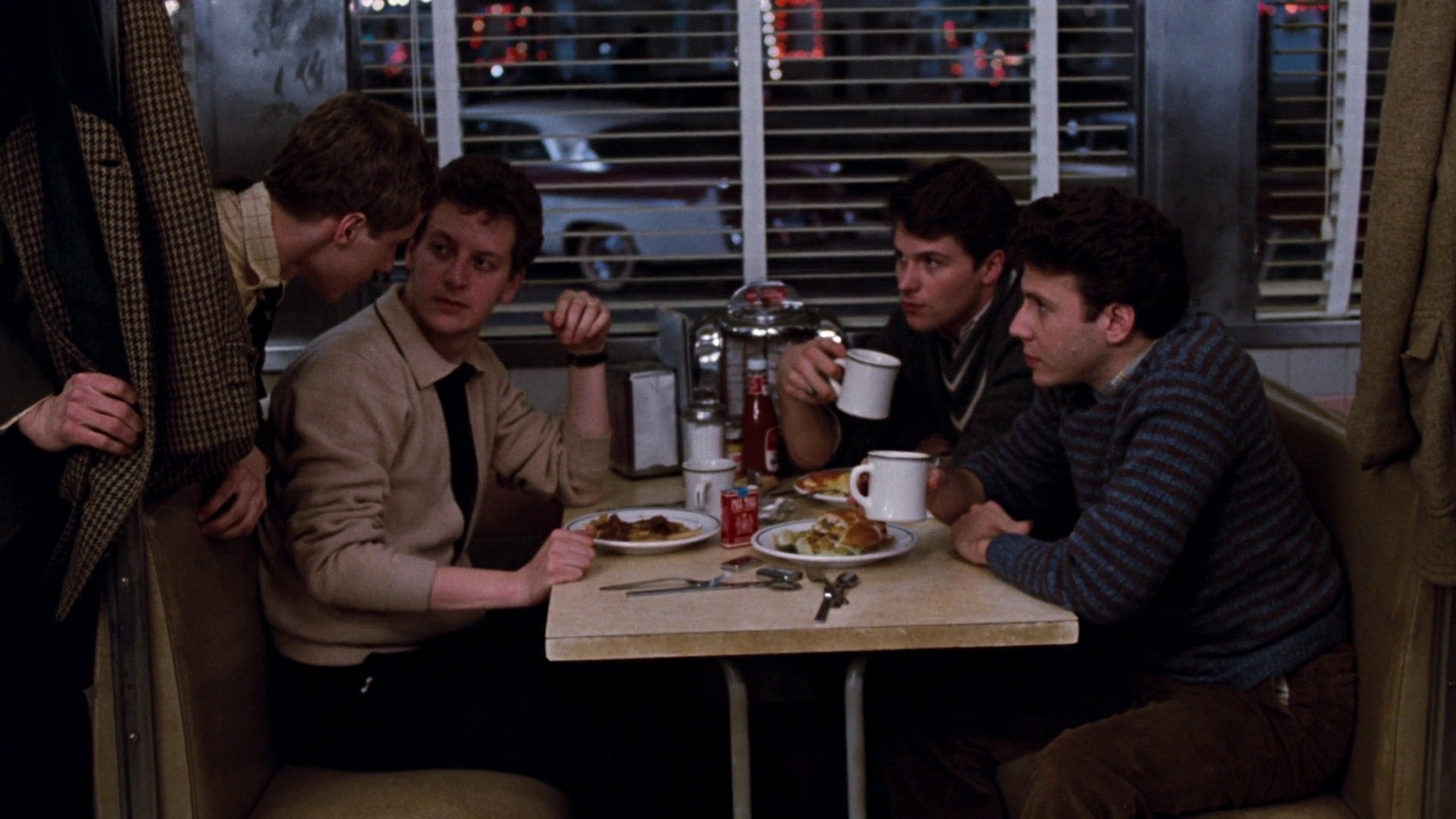
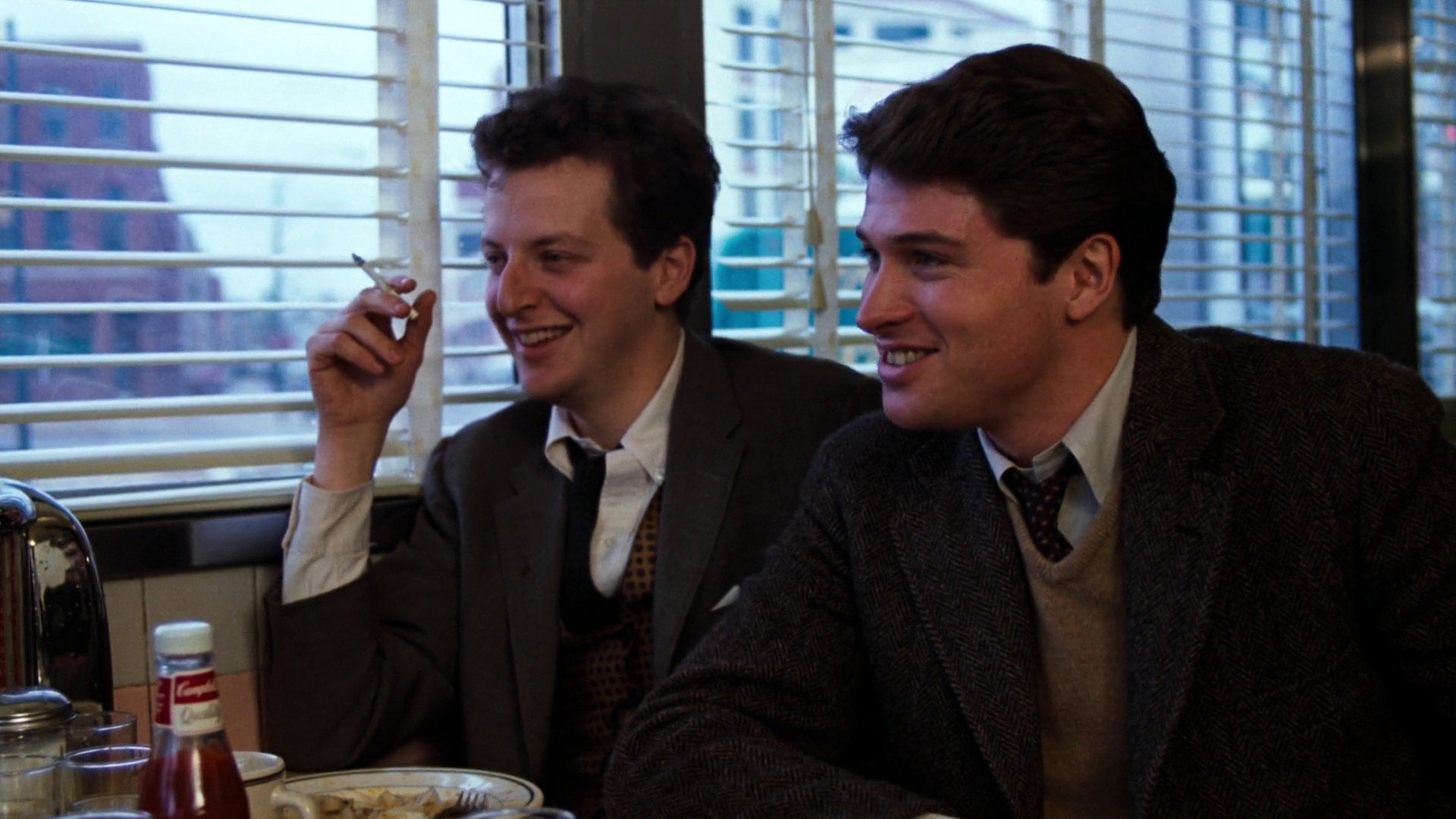
Barry Levinson’s Diner is funny, affectionate and worth an evening, provided we are content to spend much of it listening to men postpone becoming adults. The writer-director gathers old friends in Baltimore at Christmas 1959, with a returning college student providing the occasion to reconnect. He is interested in how they talk when they already know one another’s habits. There is little hurry to get them anywhere, and mostly that suits them.
The script gets the untidy business of friendship right: a conversation can matter enormously to the people having it and scarcely advance a story. Levinson lets these men be funny without making every remark a joke prepared for our benefit. Their shared history comes through in how readily they take up one another’s concerns, however trivial those concerns may seem. We felt unexpectedly sad during the diner conversations: the men are so comfortable together that growing up starts to look like losing something.
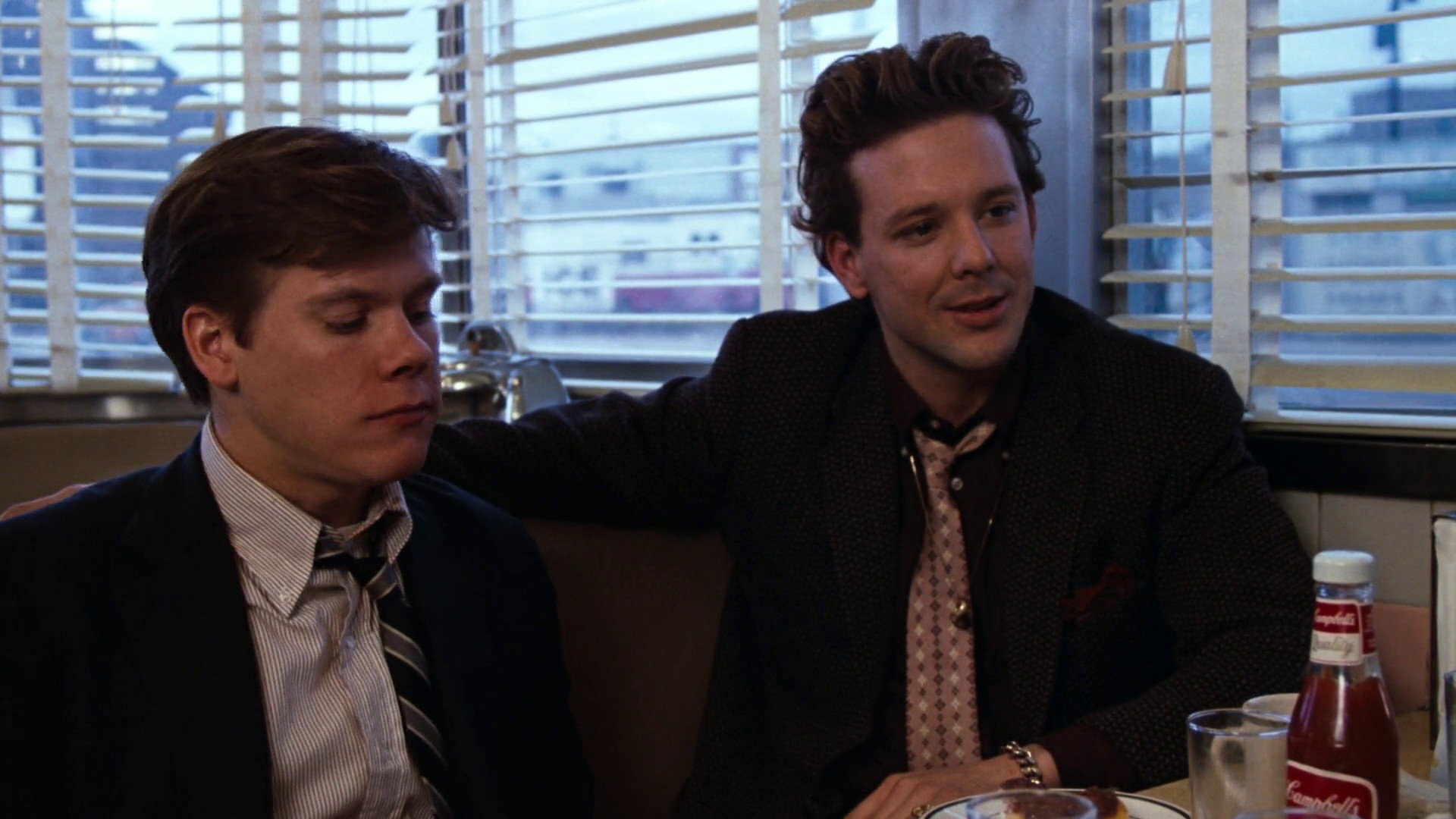
Steve Guttenberg’s Eddie and Daniel Stern’s Shrevie benefit from writing that lets them be difficult. Guttenberg makes immaturity engaging without entirely excusing it, while Stern gives the comedy enough irritation to keep the company from becoming too cosy. Mickey Rourke’s Boogie brings a persuasive charm; Kevin Bacon’s Fenwick makes the group’s restlessness harder to shrug off. These are distinct performances, and Levinson gives them room to rub against each other without turning every difference into a confrontation.
Paul Reiser’s Modell has an ease that keeps the dialogue from sounding rehearsed, and Tim Daly’s Billy belongs comfortably among these more insistent personalities. Nobody needs to announce what sort of friend he is before joining in. Ellen Barkin’s Beth is equally persuasive, though the film’s attention to the men leaves her with less space than she deserves. That imbalance matters: Levinson is alert to male selfishness, but he is sometimes too happy simply to enjoy the men being selfish.
Peter Sova’s cinematography keeps our attention on the faces, and the diner feels like somewhere these people could pass hours without noticing. The period setting is convincing without requiring us to keep congratulating the film on remembering 1959. Editors Andy Blumenthal and Stu Linder preserve the relaxed pace of the talk, although a few stretches would benefit from less indulgence. The music credited to Bruce Brody and Ivan Král gives the reminiscence warmth without pressing too hard for tenderness.
The film does drift, and a few conversations tell us little that we have not already learnt about the speakers. With the cast this good, it is tempting to forgive every extra minute, but 110 minutes is a generous allowance for such modest developments. There are easier laughs available to an adolescent comedy, and Levinson mostly leaves them alone. His patience helps us understand why these men resist change, even when we wish he would move them along.
For anyone who likes a comedy that lets people be irritating without making them unbearable, Diner is an easy recommendation. Its leisurely pace is better suited to an evening without much appetite for incident. Do not expect the men to become sensible.