Whit Stillman’s comedy makes privileged young people funny and affecting without pretending their troubles are everybody’s. The romance occasionally feels arranged, but the dialogue and ensemble give us good reason to stay at the party.
Whit Stillman gives the young socialites in Metropolitan plenty of time to explain themselves, and remarkably little encouragement to grow up on cue. That patience makes this a funny, unexpectedly tender comedy. They worry about class, failure and the future with an authority their experience cannot quite support. Stillman hears the insecurity in the talk, but he also enjoys how ridiculous it can be. The chief weakness is the central romance, which never becomes as interesting as the conversations around it.
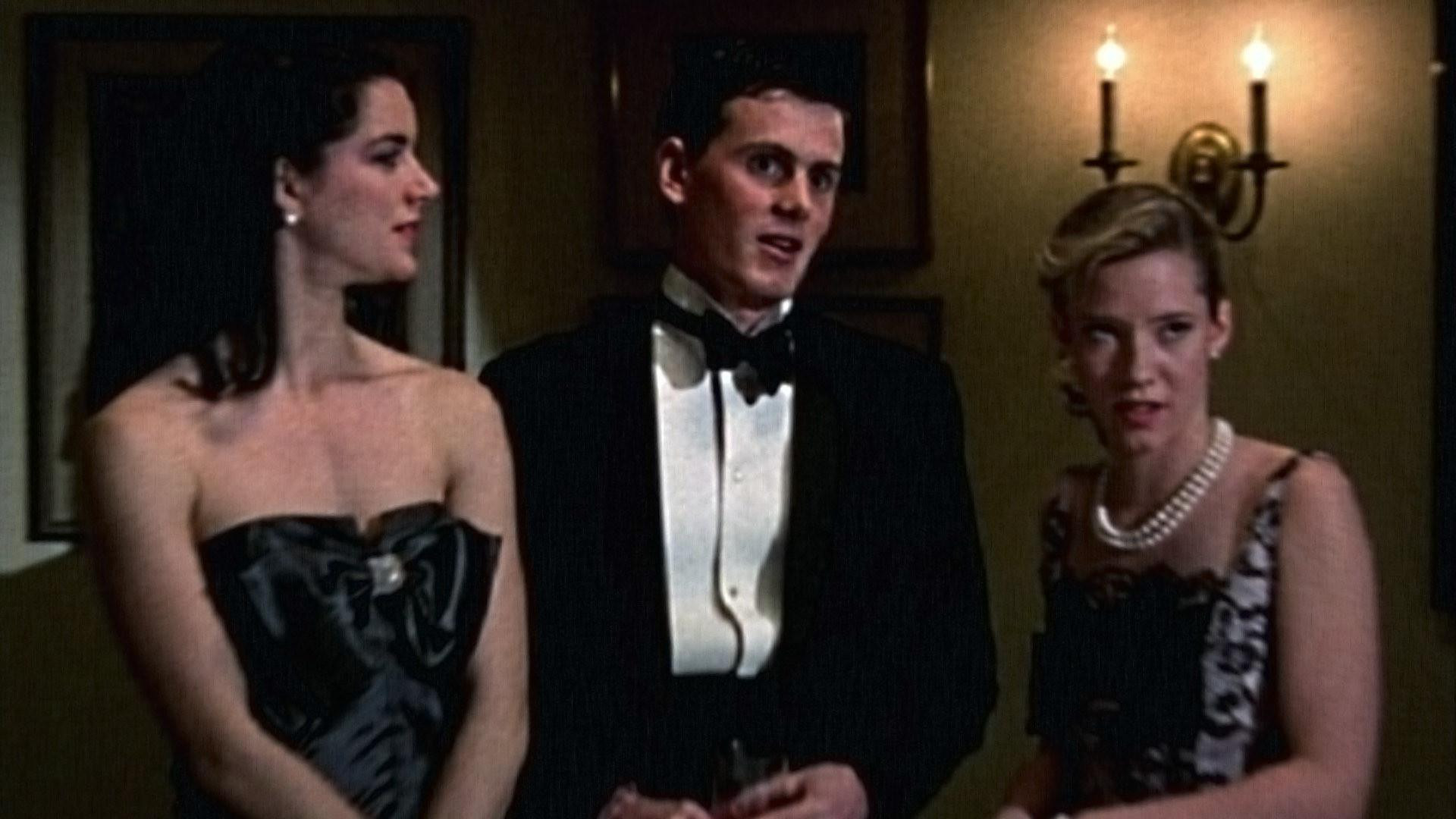
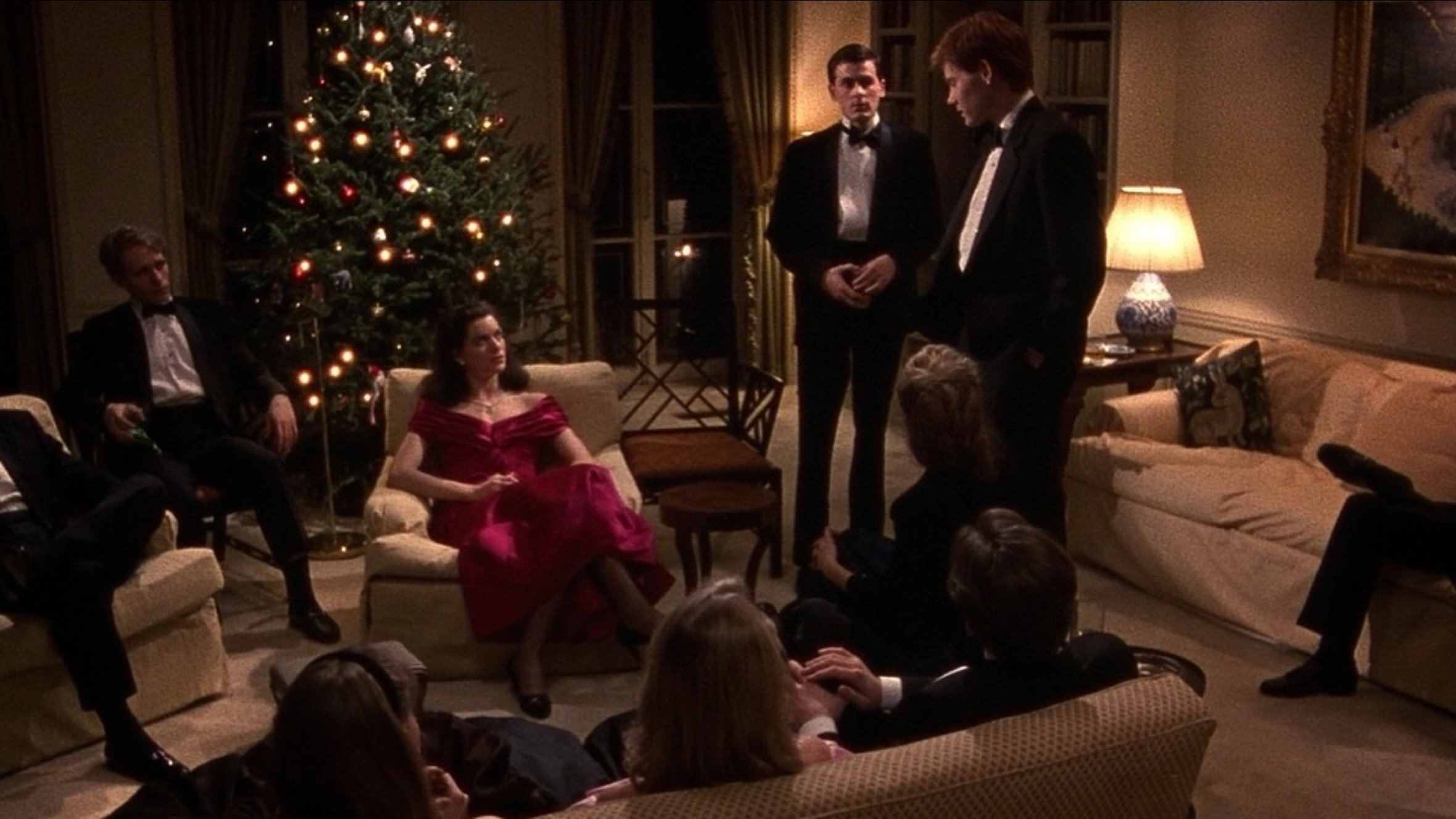
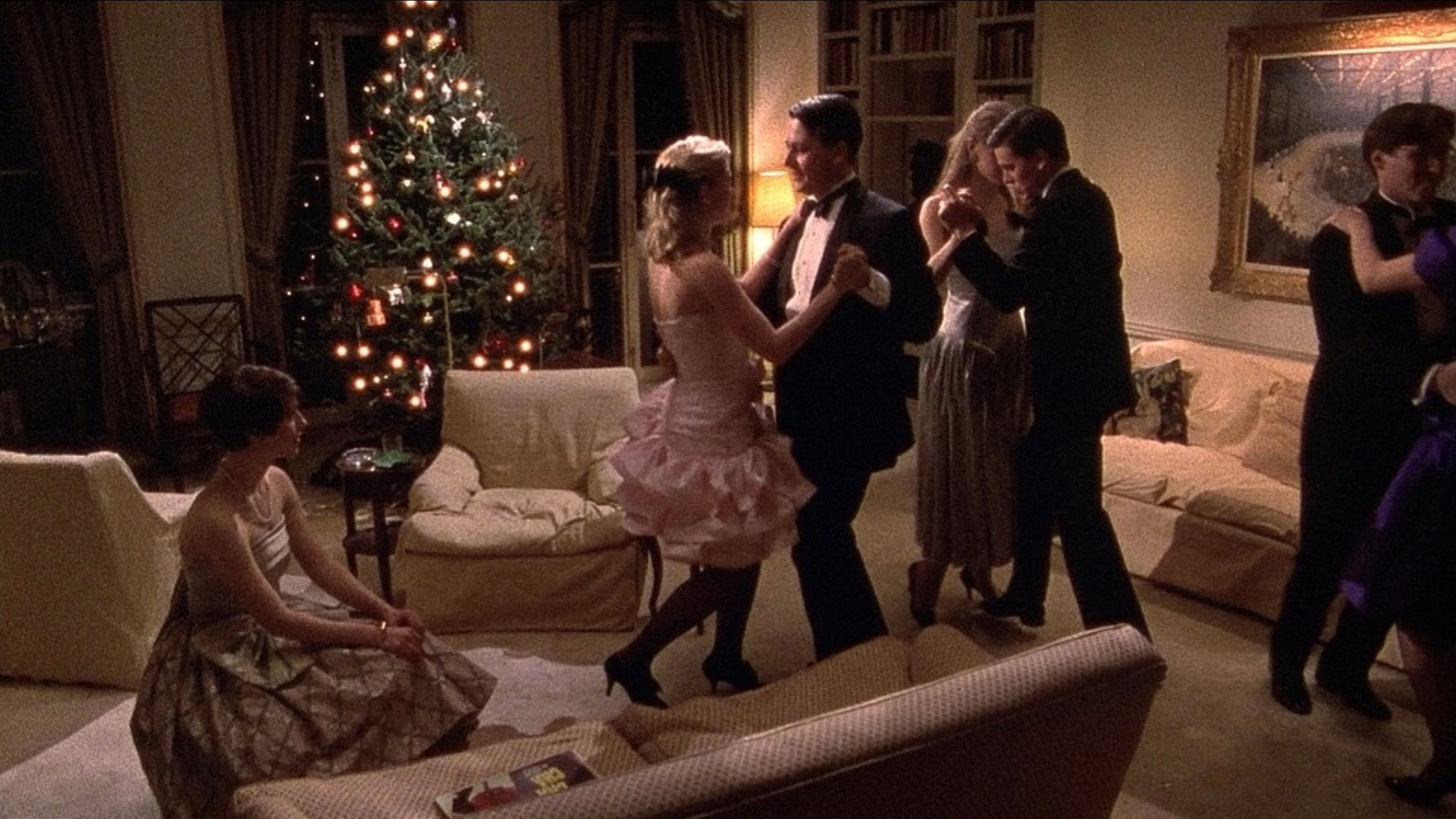
Edward Clements plays Tom Townsend, an outsider entering a wealthy Manhattan circle during the Christmas ball season. His position lets Stillman introduce its habits without pretending that everybody lives this way, or that nobody outside it could understand these people. Clements’s reserve is useful here: Tom gives us a way into the group without becoming a guide who keeps signalling what we should think. The parties allow competing opinions to accumulate, with attraction and embarrassment complicating the supposedly serious business of discussing society.
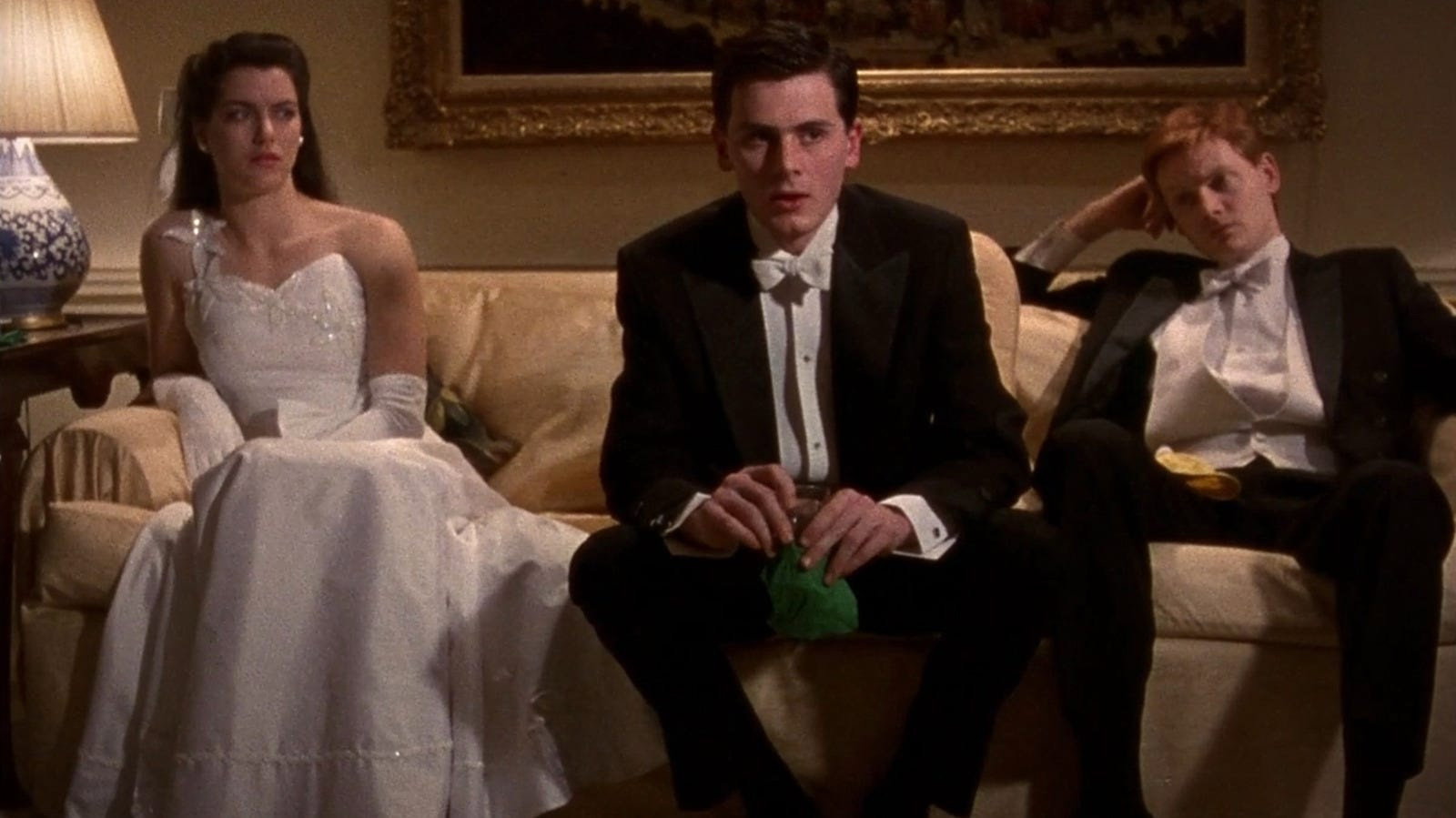
Chris Eigeman’s Nick Smith and Taylor Nichols’s Charlie Black make the conversation worth following even when it circles back on itself. Eigeman’s brisk assurance and Nichols’s earnestness give the dialogue different speeds; the mannered acting begins to feel like a social habit. We laughed at the confidence with which this company discusses class and failure. What caught us was the gap between such grown-up subjects and the speakers’ evident lack of practice at living. Stillman lets their pretensions be funny without making them the only thing we notice.
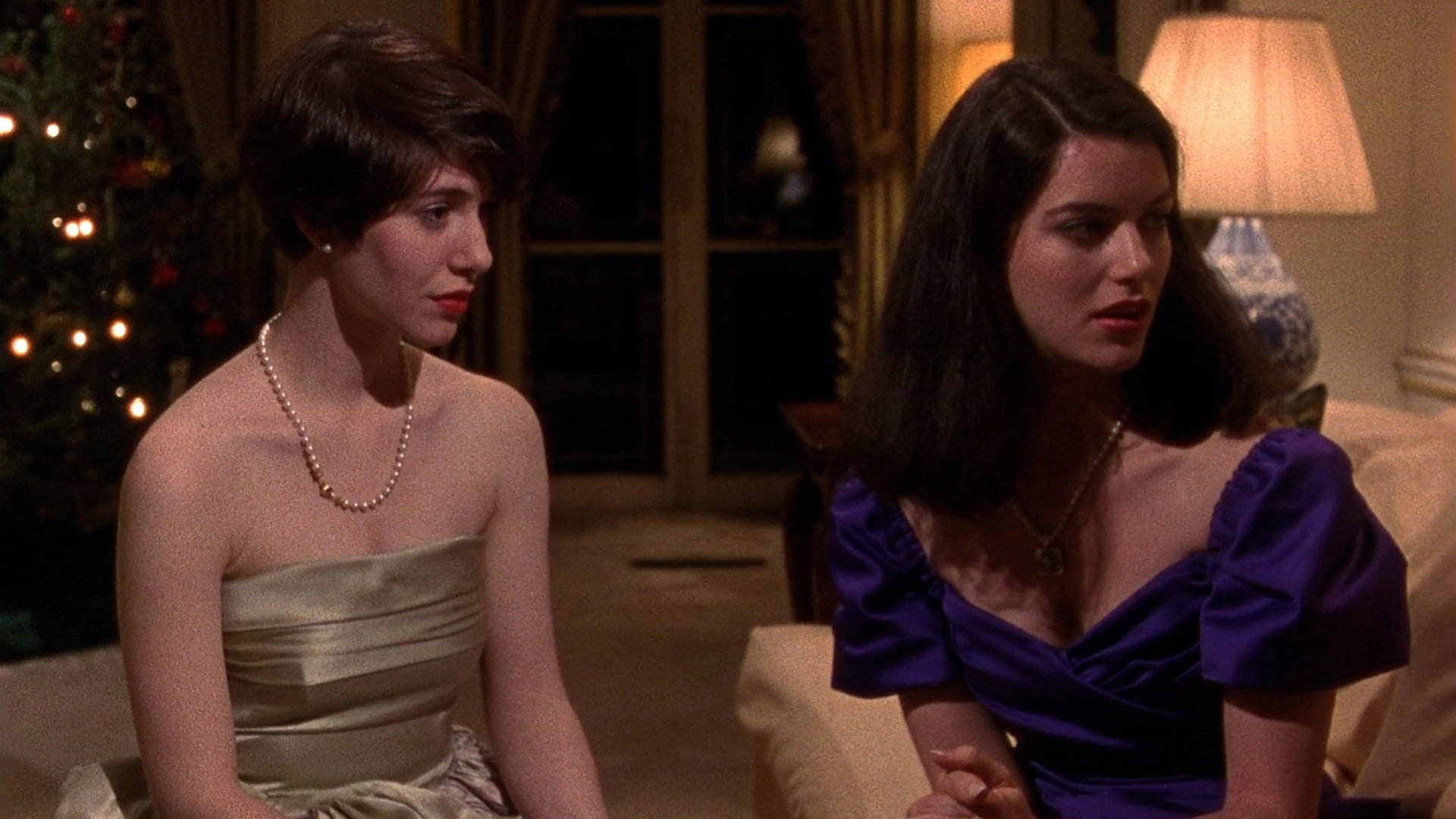
John Thomas’s largely static camerawork keeps our attention on the speakers and on who has the conversational advantage. It suits the gatherings, though the visual restraint occasionally makes the film feel more confined than it needs to be. Mary Jane Fort’s costume design establishes the formality of this circle before anyone opens their mouth. The music by Mark Suozzo and Tom Judson is appropriately modest, leaving the verbal performances to carry the comedy. The pleasure comes from hearing these young people take such care over a sentence.
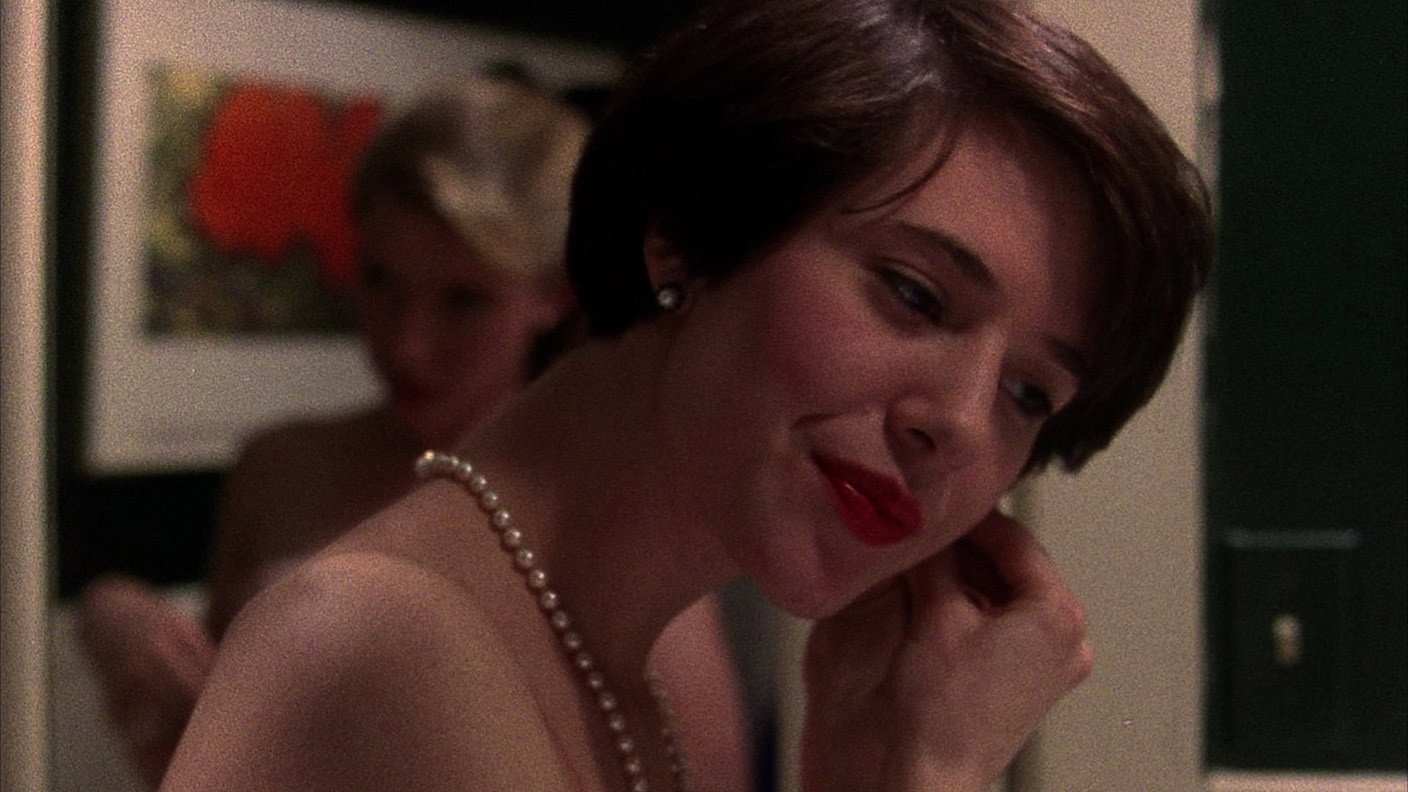
Christopher Tellefsen’s editing is most effective when it leaves space for a remark to register before the next speaker takes over. The romantic plotting is less comfortable: in the second half, Stillman begins to push relationships along that have not acquired enough feeling on their own. Carolyn Farina gives Audrey Rouget a sincerity that helps, though she cannot make the more contrived developments feel spontaneous. At 99 minutes, the film is hardly overlong; it simply loses some of its ease when it needs events to happen.
Within the comedy of manners, Stillman’s distinction is his reluctance to turn an awkward young person into a lesson about an entire class. The humour depends on our being allowed to recognise their weaknesses without being ordered to despise them. That sympathy will frustrate anyone hoping for a fierce attack on privilege, and the lack of conventional drama is a real limit on its appeal. Watch it when an evening of clever conversation sounds like enough. We would accept another invitation, though perhaps leave the romantic arrangements to somebody else.