Kelly Reichardt lays three of Maile Meloy’s short stories side by side in a Montana winter and lets almost nothing happen. The first two are good. The third, with Lily Gladstone and Kristen Stewart, is the reason to see it.
Kelly Reichardt has taken three of Maile Meloy’s short stories and set them down next to each other in the snow. Laura Dern is a lawyer with a client who will not take her advice. Michelle Williams is a wife trying to buy some old sandstone for the house she is building. Lily Gladstone is a ranch hand who walks into a night class and finds Kristen Stewart standing at the front of the class. The stories barely touch. Nobody is shot, nothing is resolved, and the whole thing is over in 107 minutes.
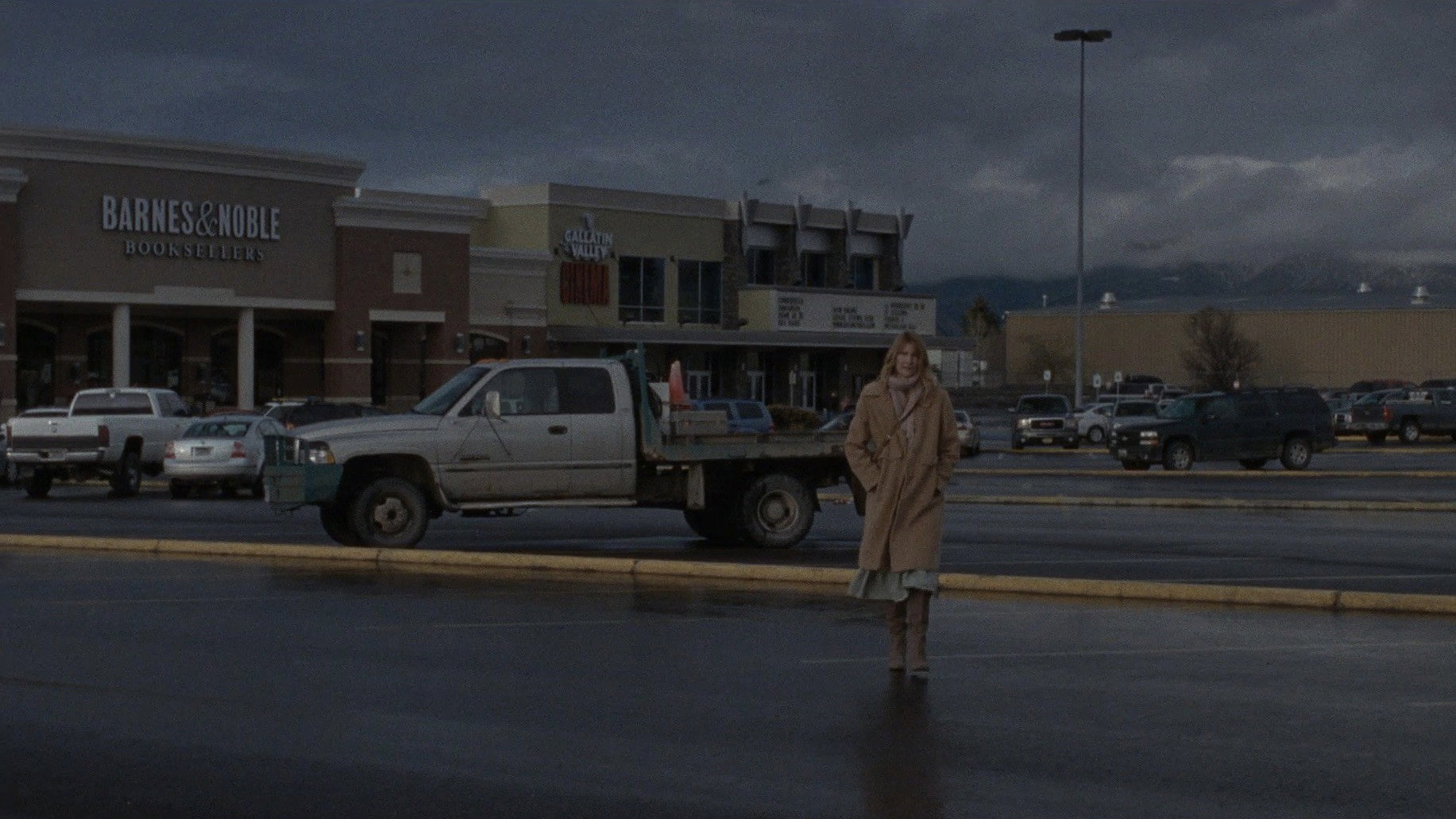
We recommend it, and the caveat is a simple one: you have to give the first two stories your patience so that the third can collect on it. The film is about people who are not listened to, and Reichardt makes the point in her first ten minutes. Jared Harris’s Fuller has heard Laura’s legal opinion for months and talked over all of it. She drives him to a second lawyer, a man (Guy Boyd), who says the same words in a minute, and Fuller nods and thanks him. We laughed at that, and then we recognised it, and Dern’s face in the car afterwards, tired rather than angry, is the film’s whole argument in one shot. Fuller’s despair then takes him somewhere we will not describe, and Dern plays it as a woman doing her job at the end of a long day.
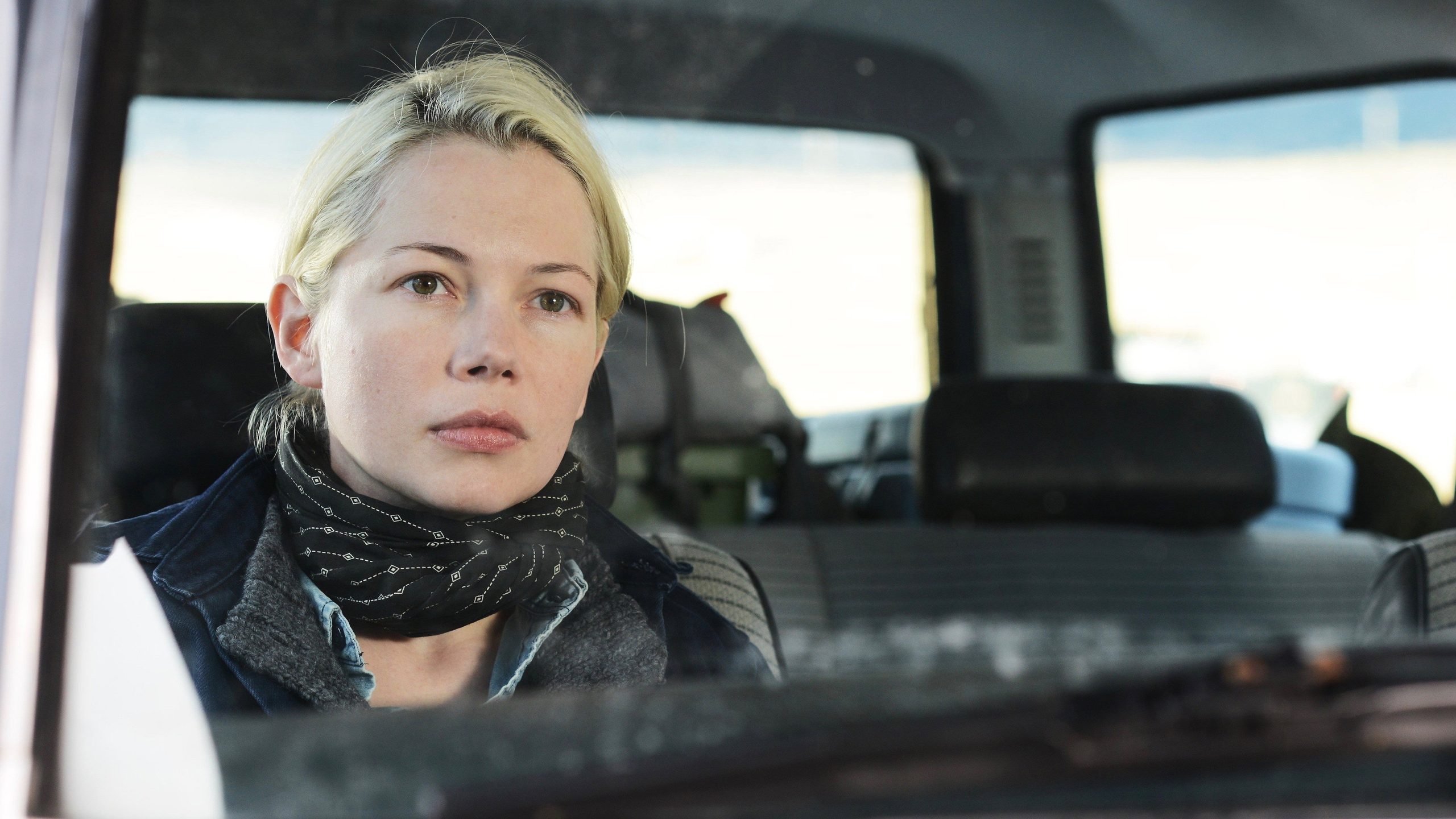
The middle story is the thinnest. Gina (Williams) runs through the trees in the morning, smokes where her daughter Guthrie (Sara Rodier) cannot see, and sits in Albert’s (René Auberjonois) front room trying to buy the pile of stone in his yard while her husband Ryan (James LeGros) quietly undercuts every offer she makes. Anthony Gasparro’s production design gives us the bare timber frame of the new house and the blocks of sandstone stacked outside an old man’s door, and both say more than the dialogue does. Williams is playing a woman the film is not sure it likes, and the story ends before it has decided. It is well made and it is the part we would cut if we had to.
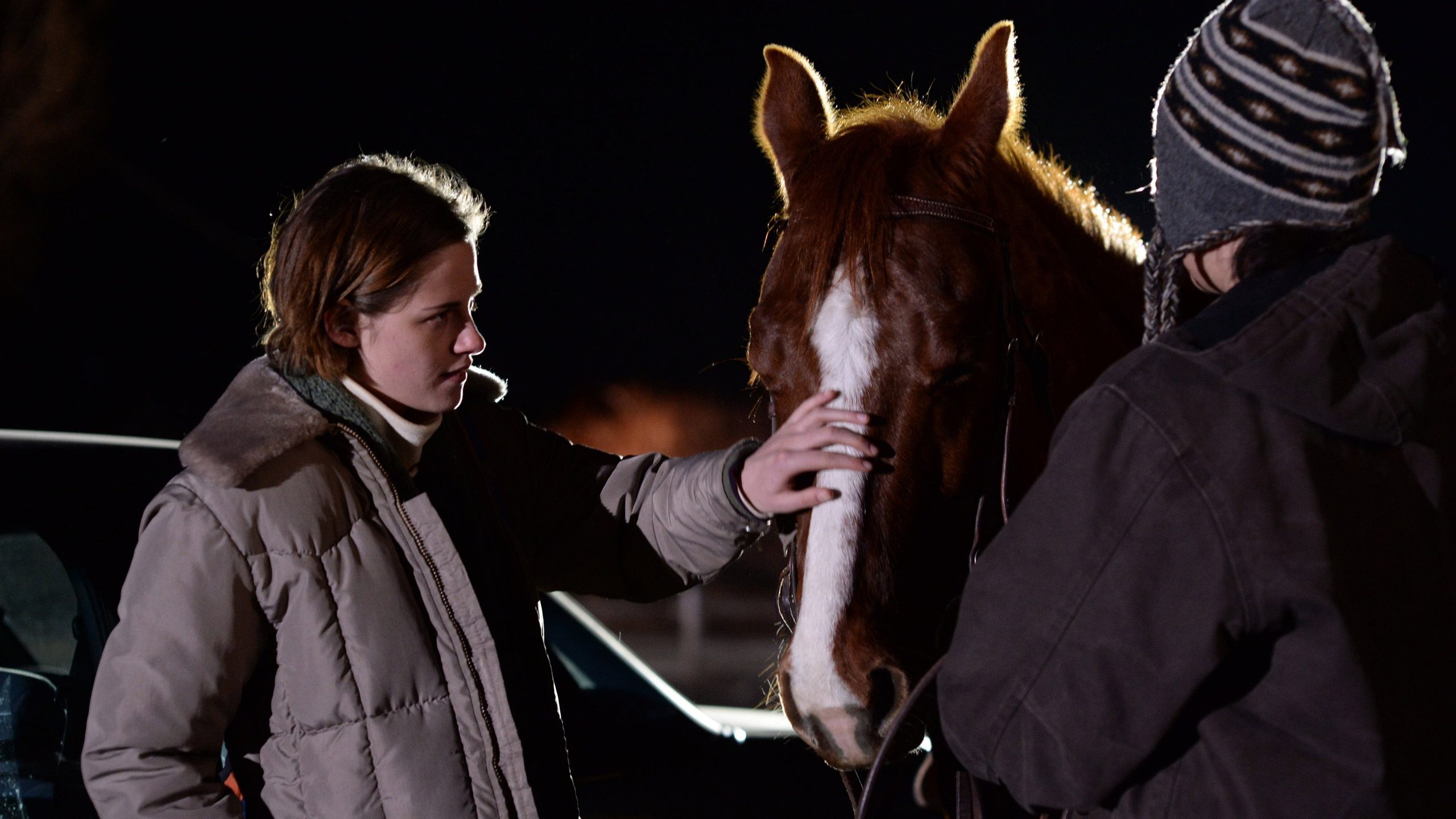
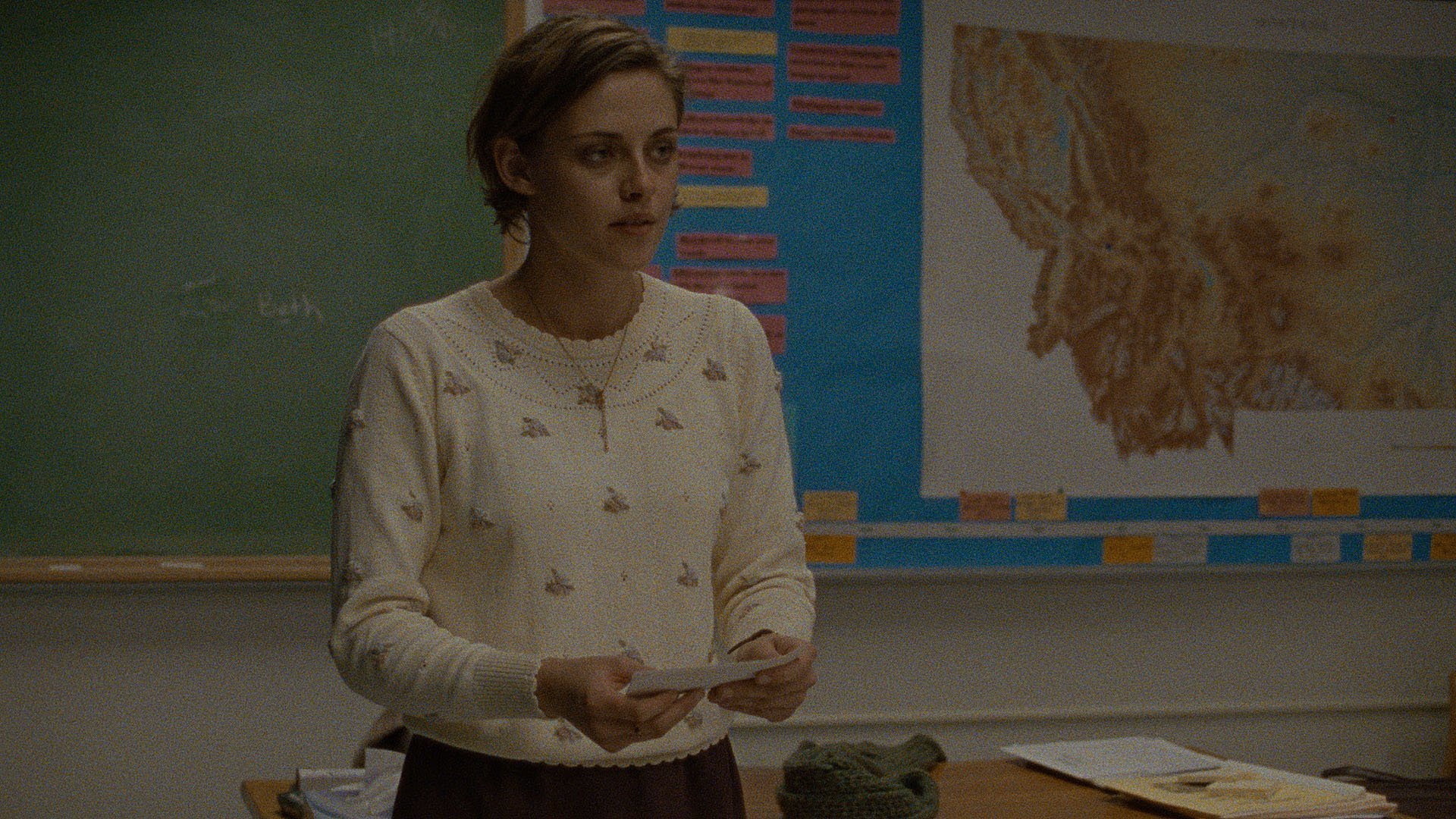
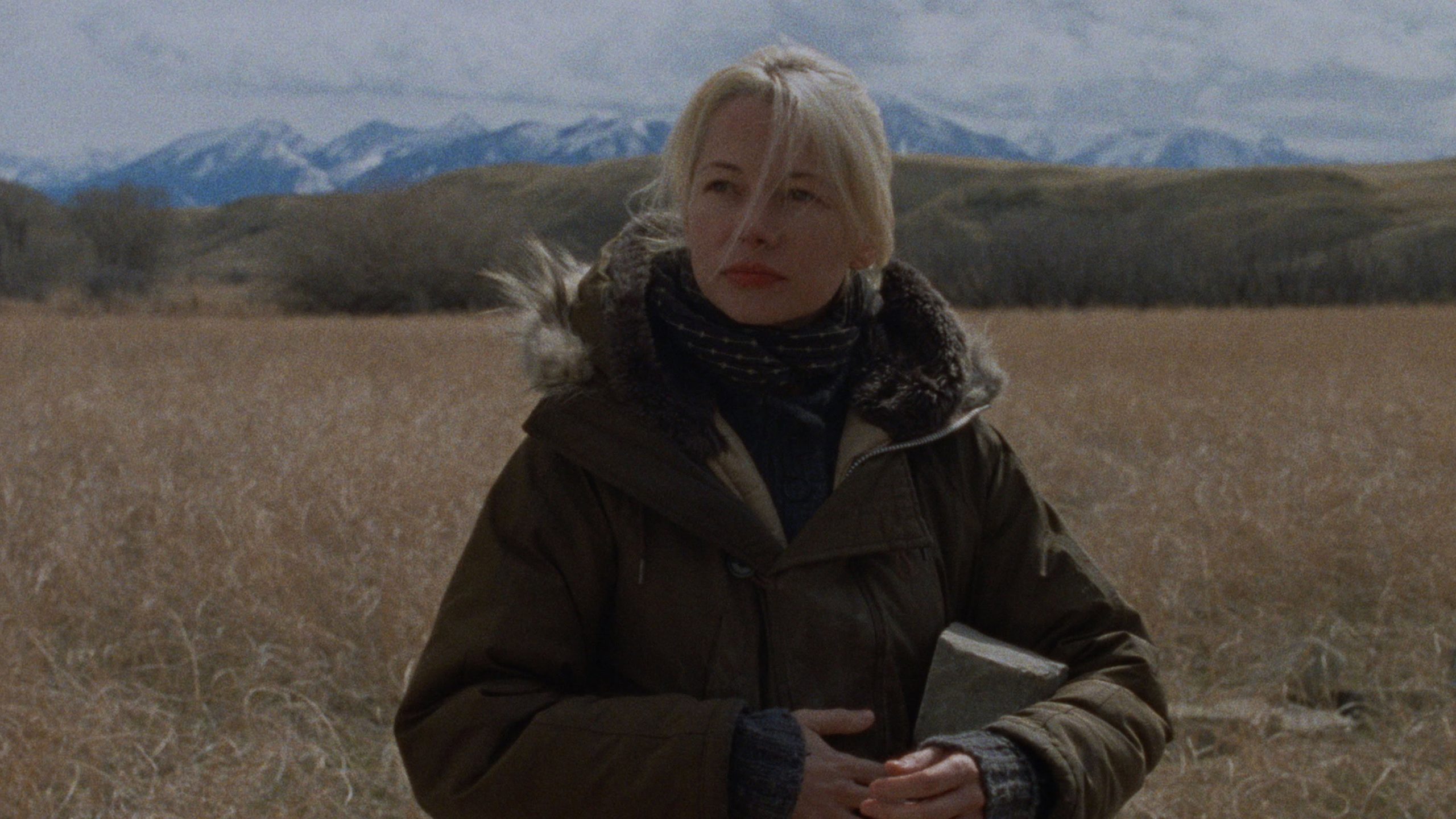
Then the ranch. Gladstone feeds the horses, mucks out, drives a truck, eats alone, and Reichardt, who cuts her own films, lets each of these run past the point where another editor would have left. One night the ranch hand drives into town, sits at the back of a classroom, and watches Elizabeth Travis (Stewart) explain school law to a room of teachers who mostly want to know about parking. Afterwards, in the diner across the road, Stewart eats a burger and complains about her four-hour drive, and Gladstone listens as if she has been handed a gift. It moved us more than we thought possible, and what did it was not a line but a face: a woman hearing someone else talk about her own bad day and treating it as the best conversation of the winter. There is a gesture later involving a horse that we will leave for you to see. It is the most romantic thing in the film and nobody says a word during it.
Christopher Blauvelt shoots all three stories in the same flat winter light, snow and stubble and low hills, so the pictures never tell you which story matters most. The film opens on a freight train crossing the frame and that is about as much motion as it allows itself. Jeff Grace’s score is used so sparingly that you may leave thinking there was none. April Napier puts Dern in soft office blouses, Williams in running gear and Gladstone in a canvas work jacket, and you could pick each woman’s whole life out of a line-up from the clothes alone.
The joins between the stories are slight and a little coy, and a viewer who wants them to add up to something will be disappointed. A couple of critics have called the film dull. We understand the complaint and do not share it. Reichardt made Wendy and Lucy about a woman and a dog and a car that would not start, and she has not become more eventful since. She has become more exact.
It is a 12A. Watch it on a cold evening, put the phone in another room, and do not judge it until the last half hour is done.