Anton Corbijn’s Control is a moving music biography, carried by Sam Riley and live performances that make the fascination with Ian Curtis understandable. Its patience is mostly a strength, though the domestic scenes sometimes need a firmer cut.
Anton Corbijn’s Control is a moving film about a musician whose force onstage does not make ordinary life any easier. It asks us to spend time with Ian Curtis rather than accept his importance on the strength of a few songs and some solemn looks. That is a sensible way into a music biography, and Sam Riley gives the attention a purpose. The difficulty is that Corbijn sometimes stays with the everyday troubles after we have understood them.
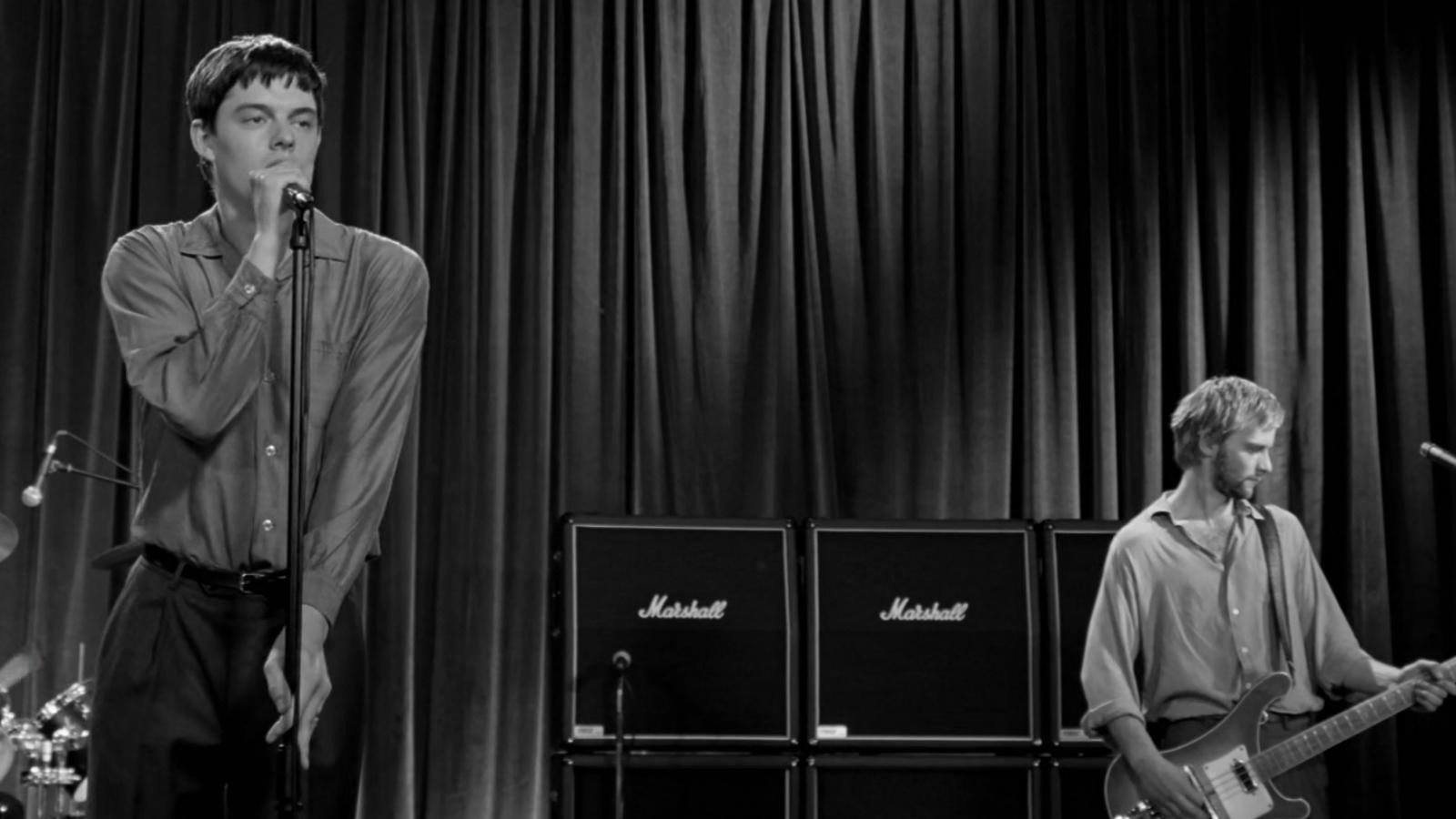
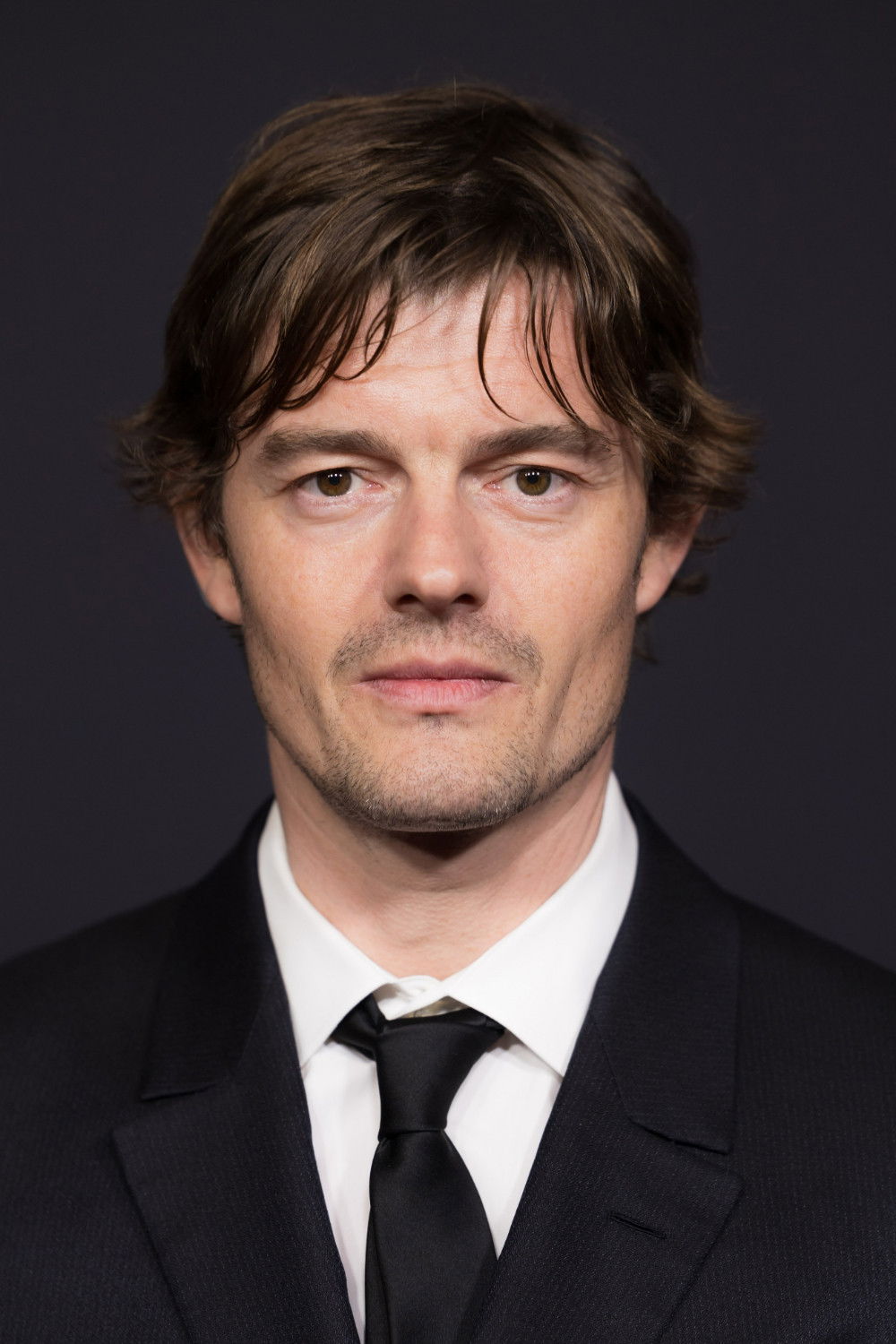
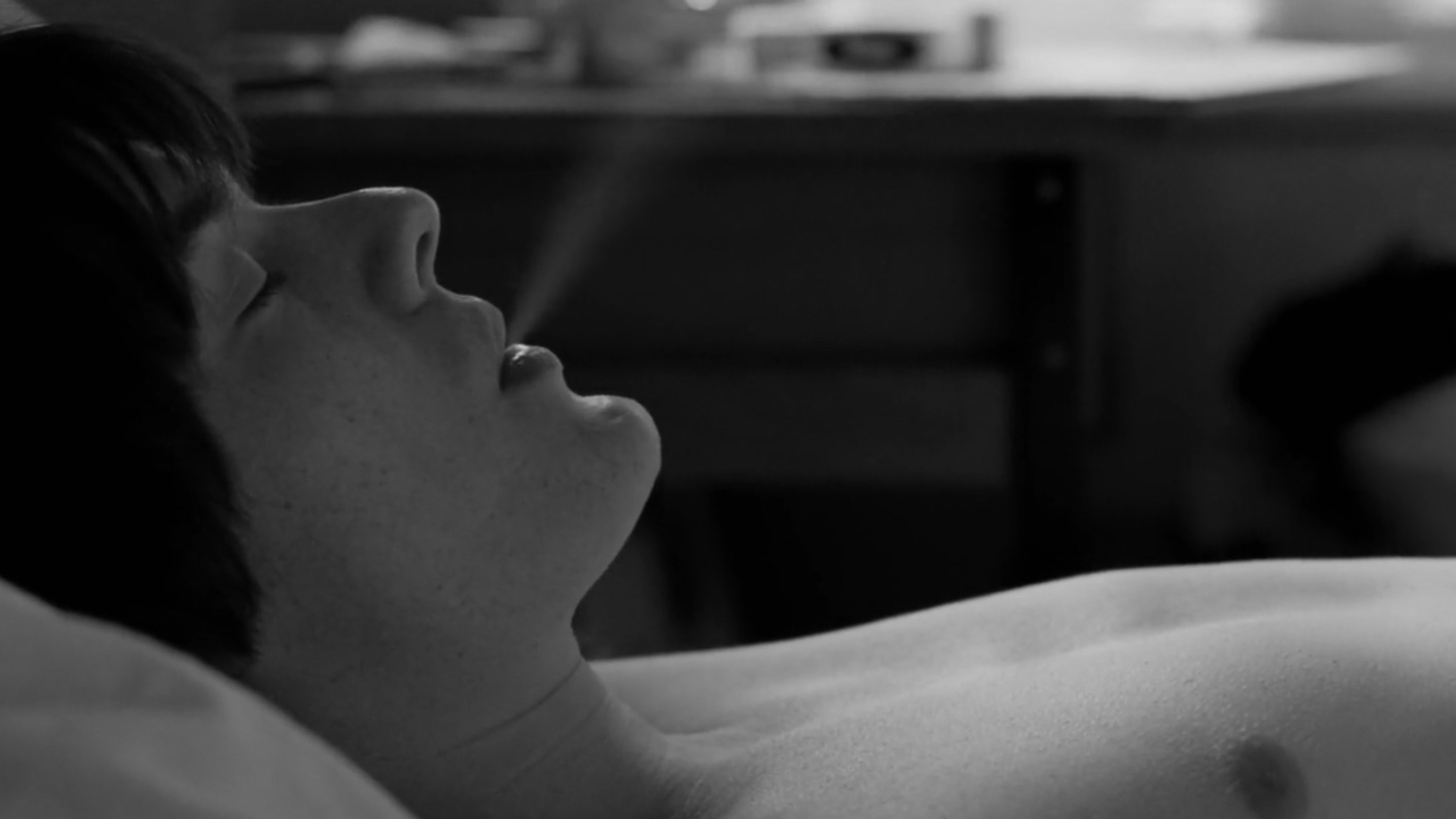
Riley gives Curtis a convincing uncertainty away from the microphone, without making that uncertainty his only characteristic. In the live performances he has enough physical force to make the attention paid to this young man understandable. We were moved by the difference: someone so commanding while singing can seem so ill-equipped for an ordinary conversation. Riley does not need to announce the change, and the performance stays interesting even when the screenplay is covering familiar difficulties.
The cast perform the music live, which matters because these passages have the excitement of people doing something together. We can hear why the performances deserve their place in the film, without being asked to treat every song as a clue to Curtis’s private life. Andrew Hulme’s editing keeps the concerts lively without making them feel detached from the quieter scenes. There is a welcome confidence here: the music gets a chance to work on us without the film continually explaining what we ought to understand about its singer.
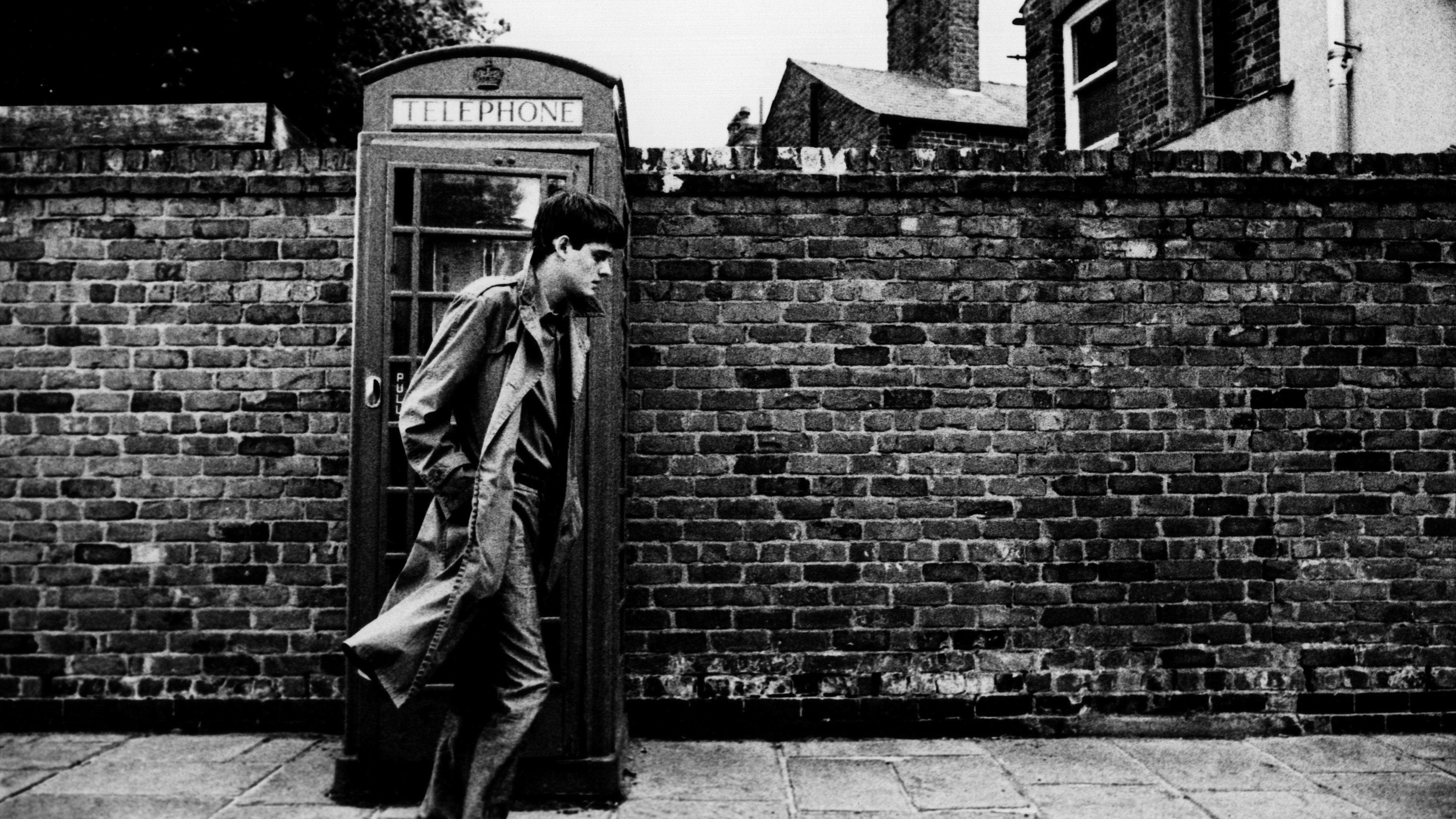
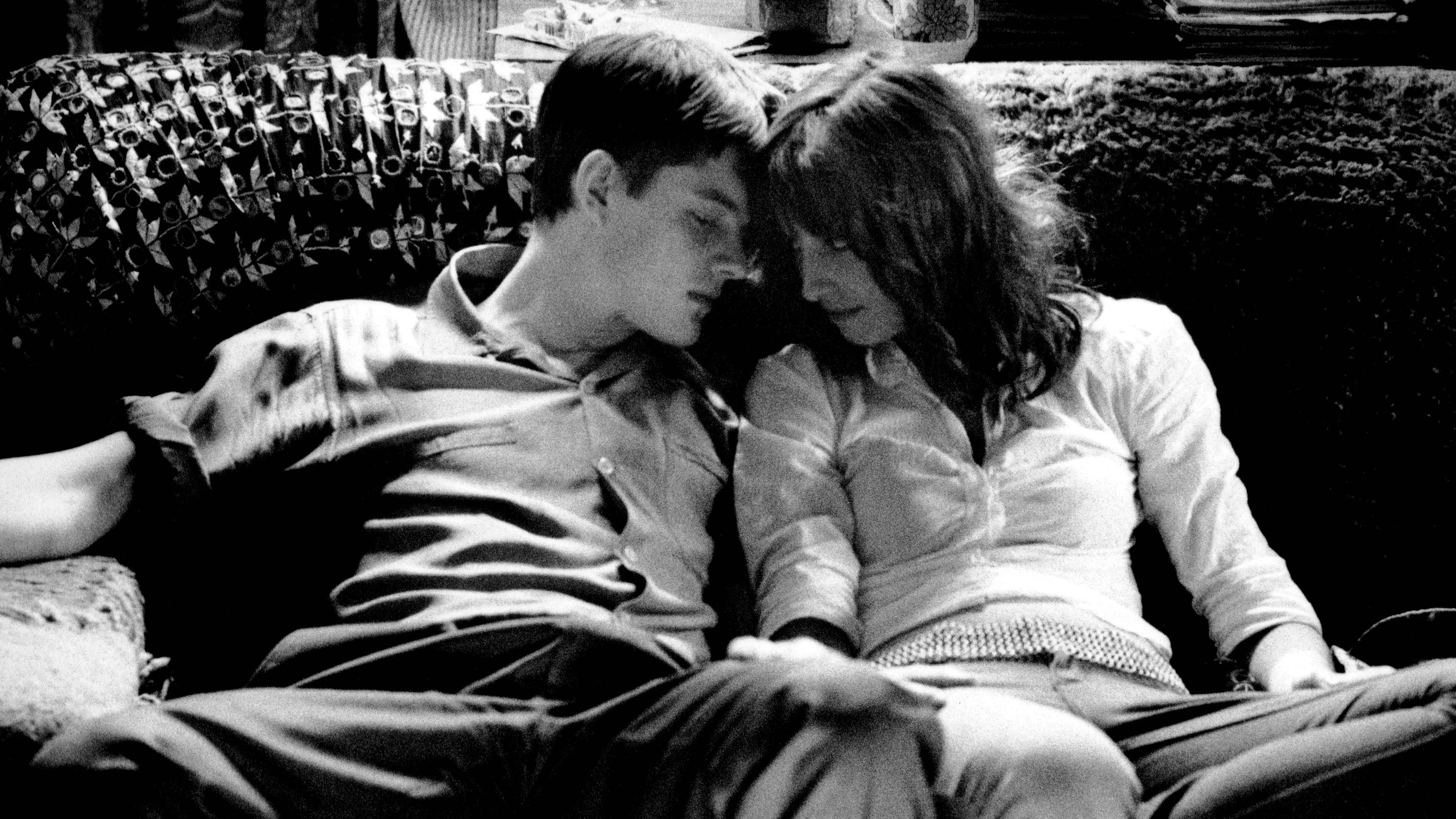
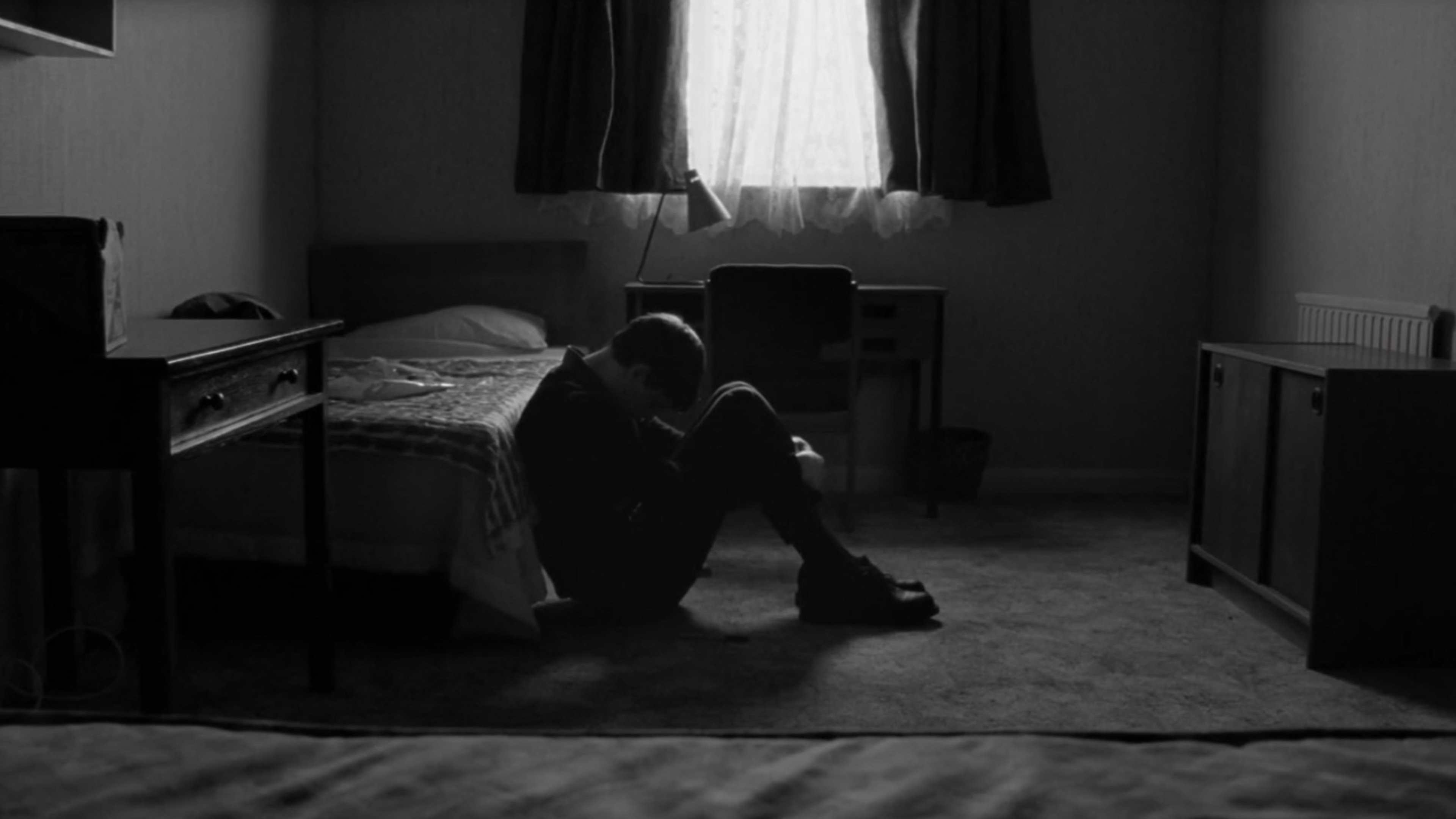
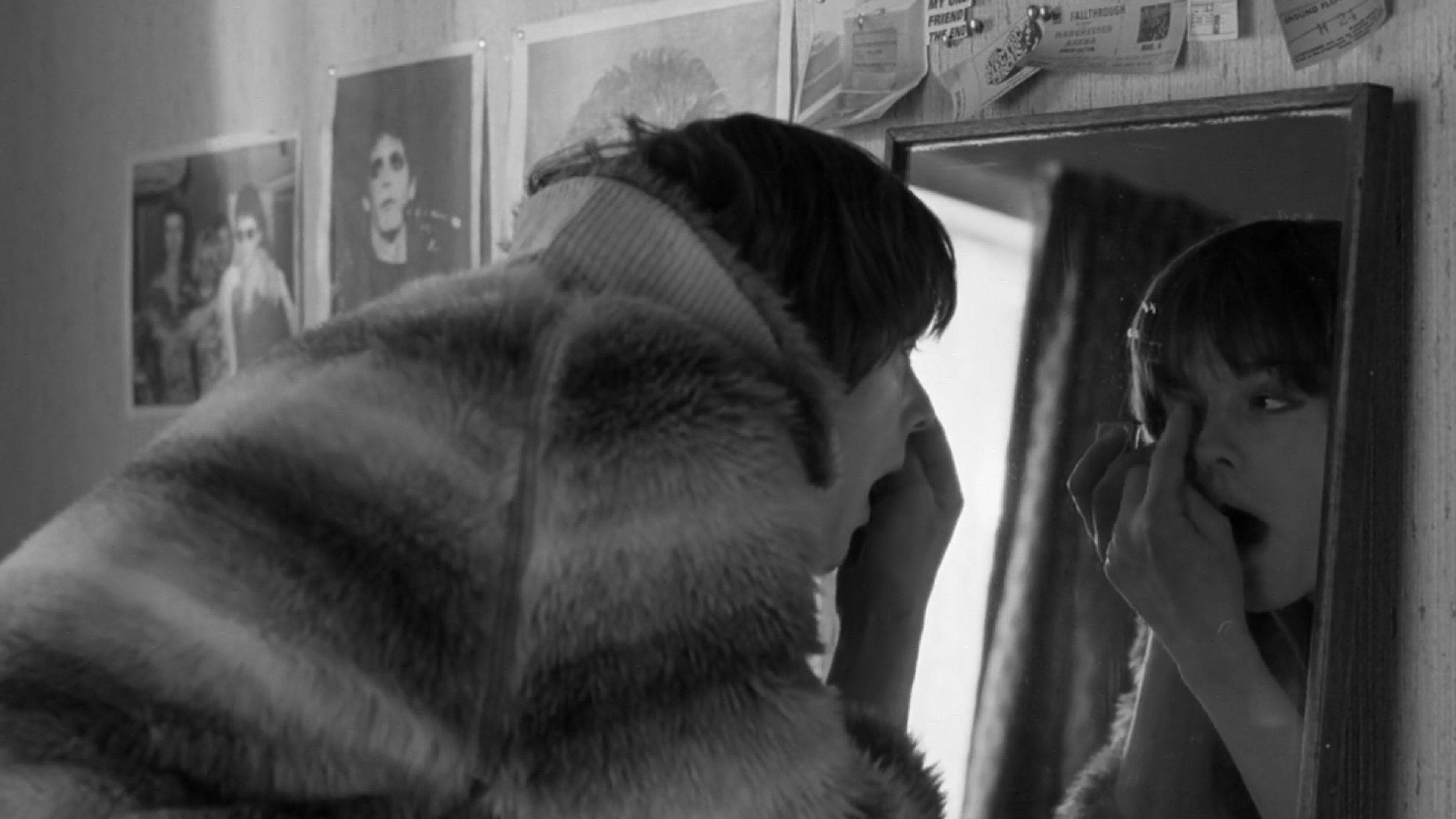
Cinematographer Martin Ruhe uses strong black-and-white contrasts to make ordinary surroundings demand attention. Chris Roope’s production design keeps those surroundings recognisably domestic, and that helps prevent the film from treating every private difficulty as a grand occasion. Yet the pictures can also be too composed. The lighting and domestic settings sometimes seem so neat that they distract from what the actors are doing.
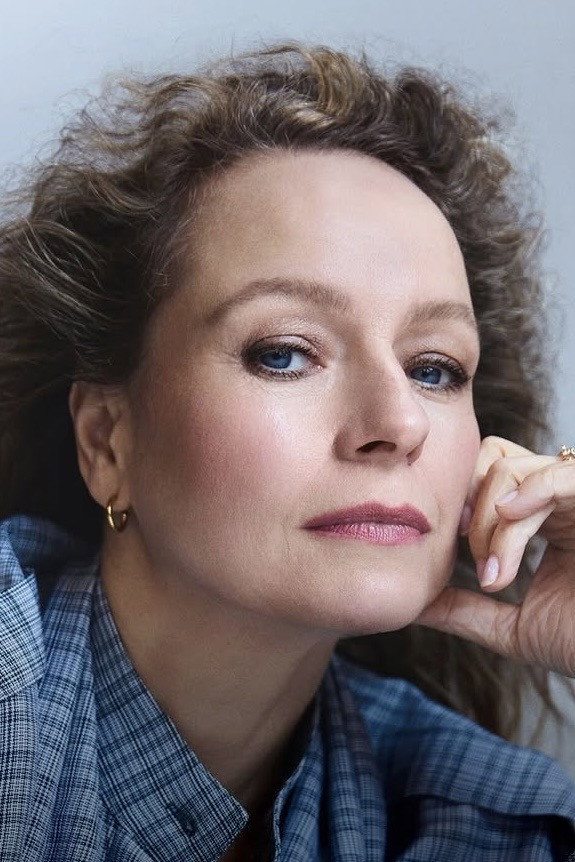
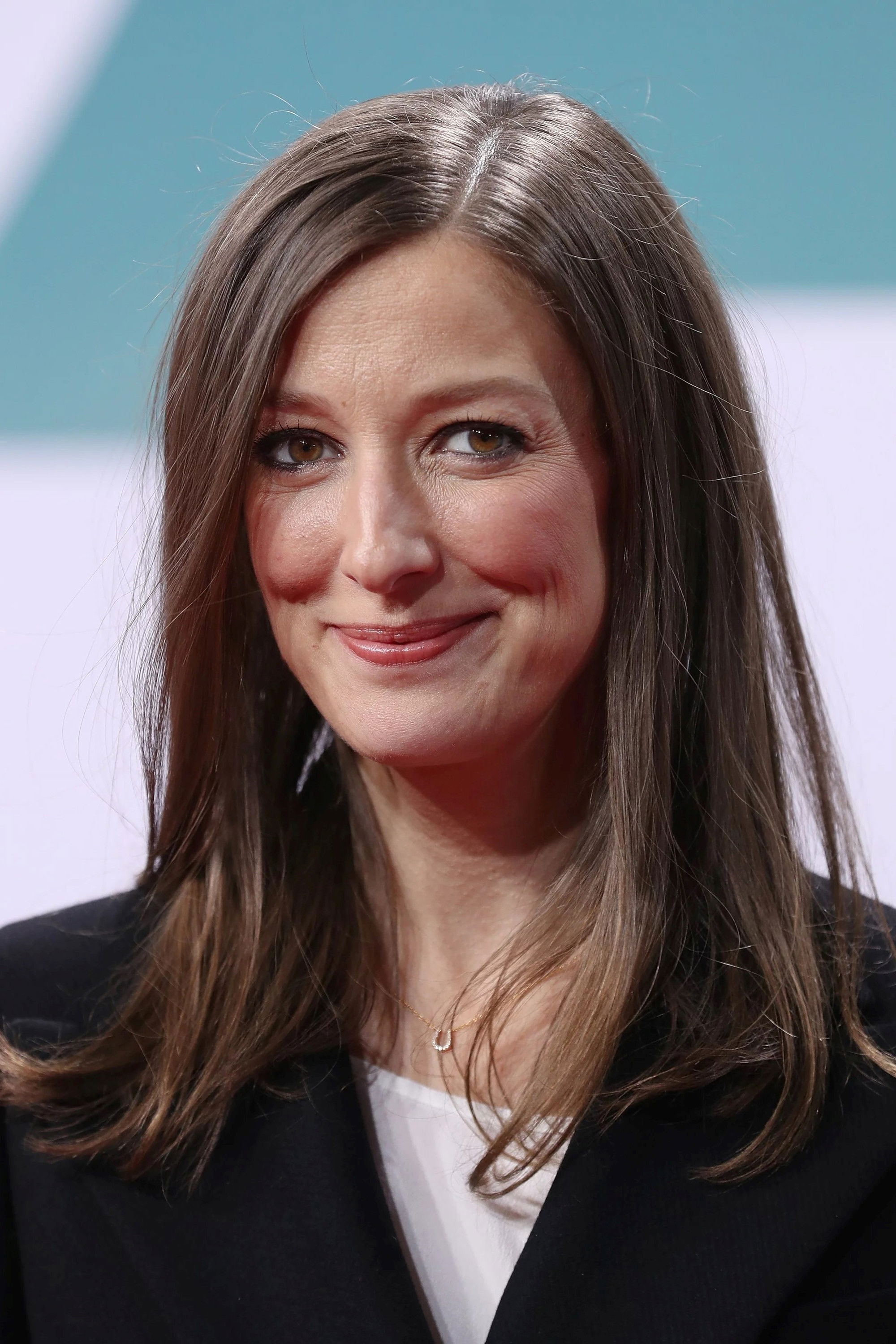
Matt Greenhalgh’s screenplay is right to give the domestic scenes weight, but not all of them add enough to justify their length. The pace slackens when familiar unhappiness returns without much new understanding of the people involved. Samantha Morton helps: her Debbie Curtis has a presence that makes us want to know what matters to her beyond Ian. Alexandra Maria Lara has less room to give Annik Honoré that independence. The women need more of that space, particularly in a film that so often asks us to stay with private relationships.
Music biographies tend to make the next concert feel like a reward for getting through the scenes at home. Corbijn usually makes both worth our attention, helped by dry humour that interrupts the solemnity. Riley and Morton are allowed to play people whose lives continue between the concerts, and we care about them. We recommend it to anyone who can enjoy a music film taking this much time away from the stage.