Film review

Inside Llewyn Davis

2013 · Directed by Ethan Coen, Joel Coen · 1h 45m · MPA R

In a sentenceA folk singer worth hearing, preferably before he has had time to speak

DramaMusic

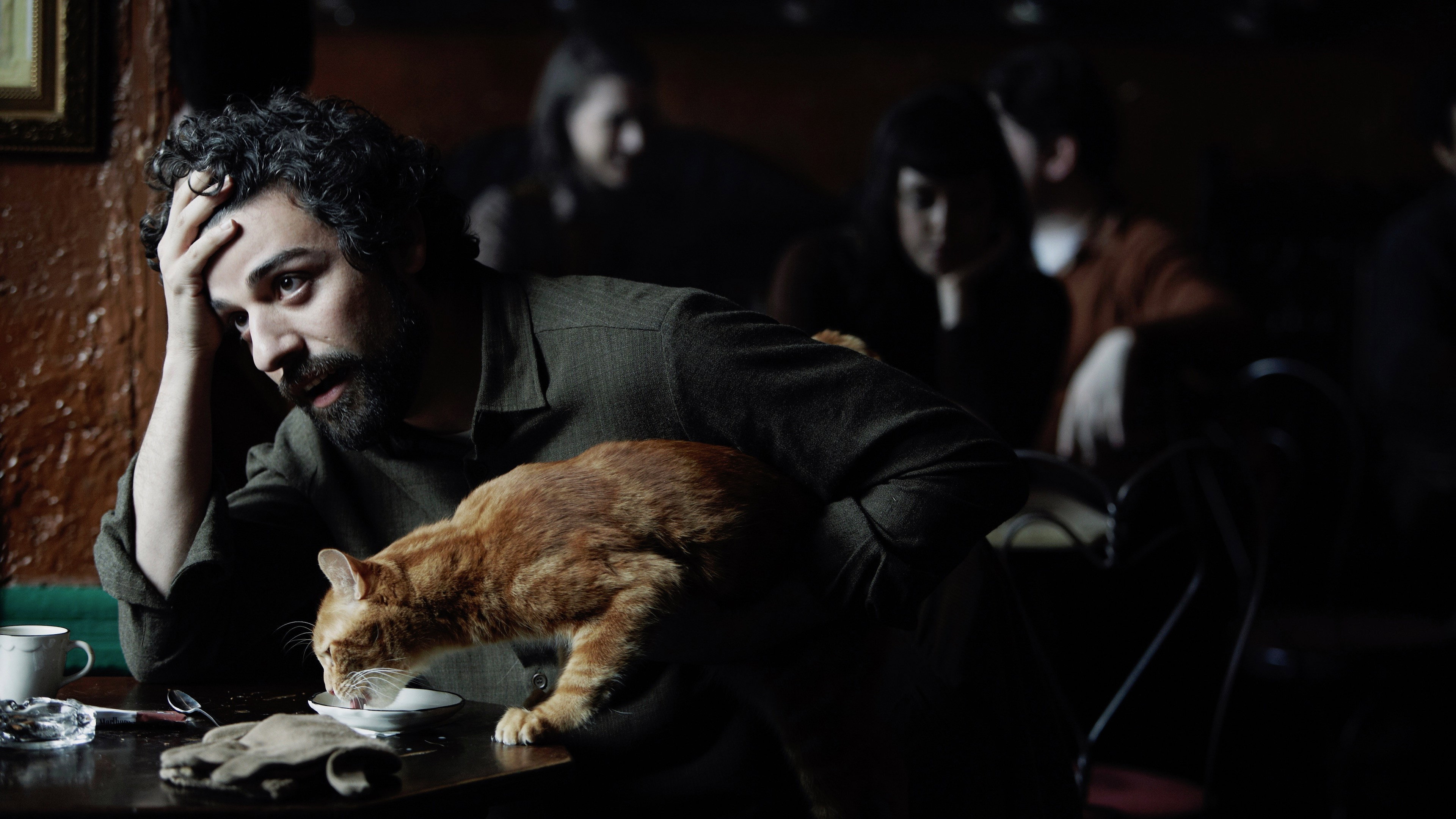
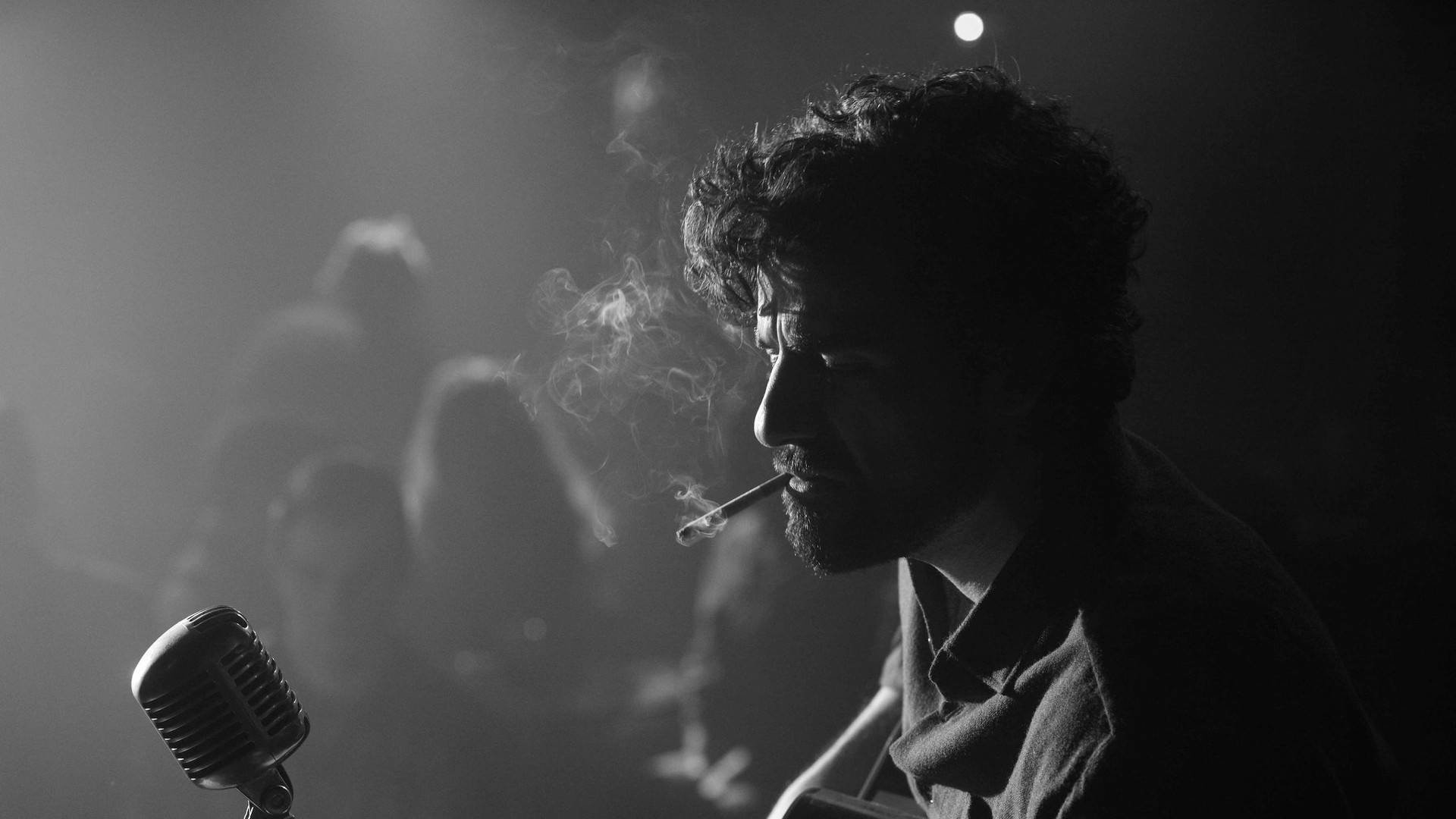
In Greenwich Village in 1961, folk singer Llewyn Davis (Oscar Isaac) tries to keep a musical career going through a week of setbacks. He moves through the folk scene with little certainty about his future, making his dealings with other people harder through pride and resentment. His efforts raise the question of how long to continue pursuing music, and how much of his trouble he brings on himself. Joel and Ethan Coen’s film follows him through a snowy New York, with Carey Mulligan as Jean, Justin Timberlake as Jim and John Goodman as Roland Turner.

Plays from YouTube when you press play; nothing loads from them until then.

Fi1m review

The Coens’ melancholy folk comedy is funny, moving and worth the patience it asks for. Oscar Isaac makes its difficult singer worth following, though the wandering middle could test even a sympathetic listener.

With Inside Llewyn Davis, Joel and Ethan Coen ask us to spend time with a musician whose talent does not make him pleasant company or guarantee him a living. We recommend this funny, quietly painful film, with one reservation about its wandering middle. The interest lies in watching someone make his own difficulties worse while still having something worth hearing. Oscar Isaac plays a struggling folk singer in Greenwich Village during a snowy week in 1961.

Isaac refuses to make Llewyn’s bad behaviour secretly adorable. The pride and resentment are wearing, and we can understand why this man struggles among other people without deciding that every setback is deserved. We were moved when Isaac sang the folk songs in full; the feeling in his voice made us care about a man we had begun to dislike. He does not need an apologetic speech to win our attention. The musical performances give us time to listen to him.

The music also explains why this works as a film about artistic ambition. Llewyn can sing, but hearing him does not settle the question of what he ought to expect from a career. The Coens, editing as well as writing and directing, allow complete songs to occupy time that another film might spend hurrying towards the next opportunity or disappointment. That patience lets us judge the musician for ourselves, and the singing has an immediacy that helps justify it. The performances were recorded live.

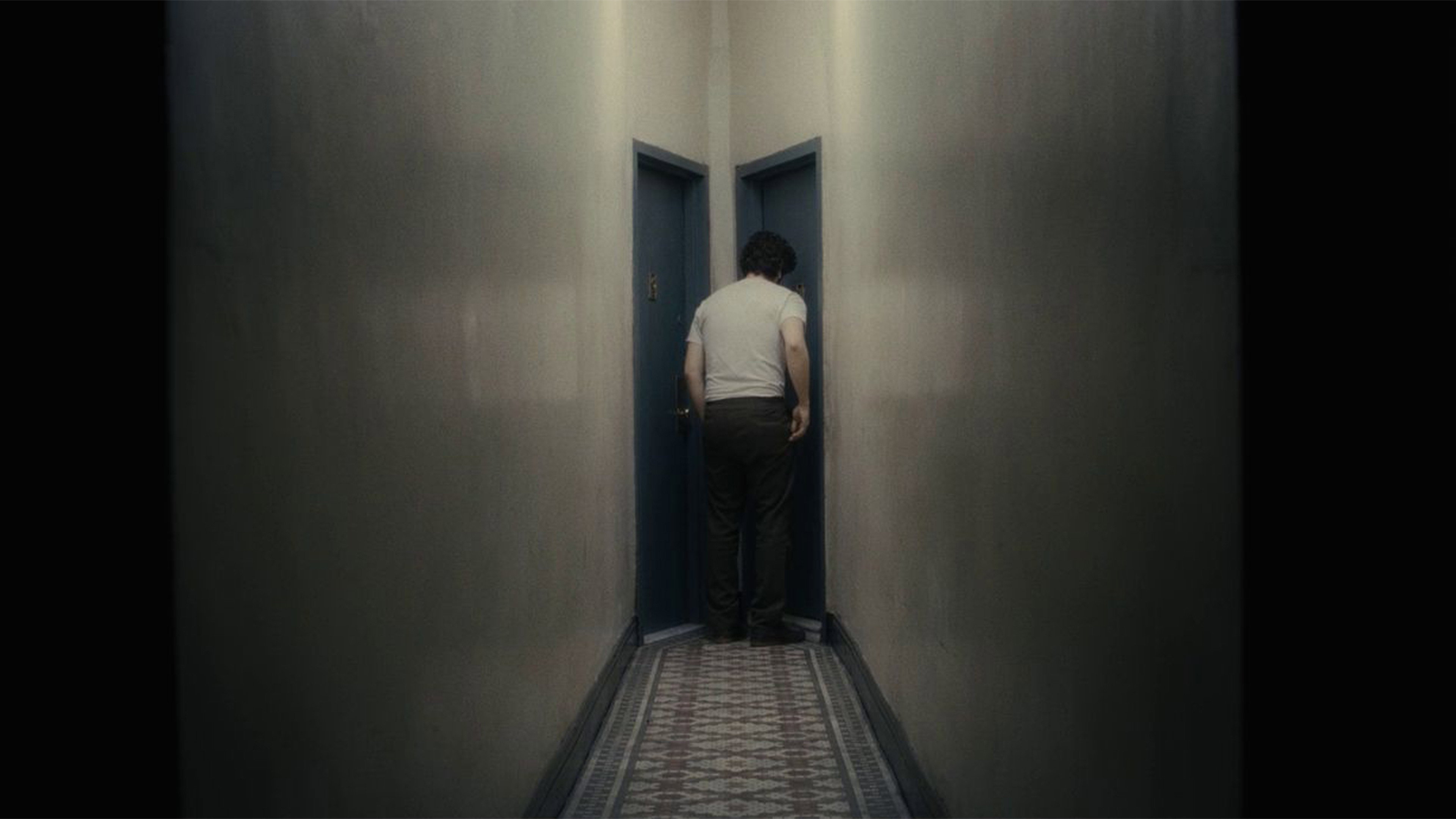
Bruno Delbonnel’s photography makes the snowy setting feel inhospitable, discouraging any wish to exchange our lives for Llewyn’s. Jess Gonchor’s production design gives the folk scene a convincing everyday setting, supported by Mary Zophres’s period clothes. We can enjoy looking at their work without losing sight of how uncomfortable this life is. The detail serves a film concerned with getting through a week, rather than celebrating a decade.

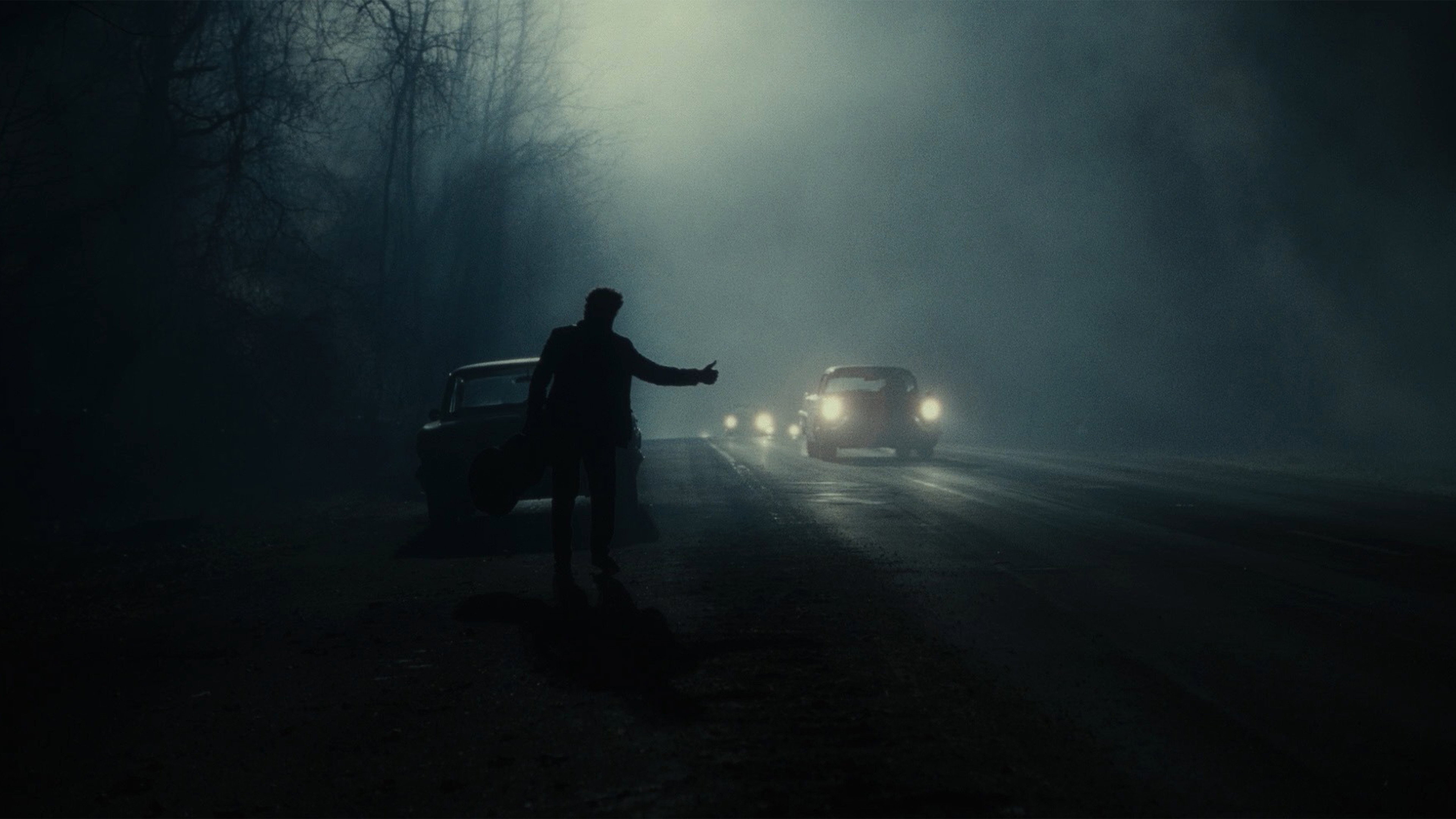
The Coens are less sure-footed when the journey takes over from the singer. The road-trip stretch has the same dark humour, but it goes on long enough for the attention to drift; the editing that serves the songs so well is less helpful here. There are also moments when the amusement at Llewyn’s failings feels too easy, as though his being difficult has settled every question about him. Isaac keeps that from becoming the whole film. His performance holds our sympathy through passages where the writing seems more interested in devising another frustration for him.

A more reassuring musical drama would let us take a good voice as proof that better days were coming. Here we can wonder how good Llewyn is, how much trouble he causes himself and how much anyone could change by working harder. The Coens leave us to think about that while listening, with no need to agree on whether this man deserves a career. At 105 minutes, it asks for patience but not a heroic commitment. Give it an evening when the singing can have your full attention.


Critical consensus AI synthesised

85
Positive
16
Mixed
1
Negative
0

Most critics respond warmly to the Coens’ melancholy study of artistic failure, praising its dry humour, period detail and sympathy for a difficult central character. Oscar Isaac’s performance draws the clearest agreement: the reviews find him compelling without making Llewyn easy to like, with his singing revealing feelings the character otherwise keeps guarded. Praise also clusters around the folk performances and the evocation of Greenwich Village, which avoids treating the scene as a lost paradise.

The reservations concern the wandering narrative and how much tenderness survives the Coens’ cruelty. The AV Club finds that the film loses focus midway, while the Evening Standard considers the road-trip sequence indulgent. The Hollywood Reporter singles out that same sequence for praise as surreal satire. The spread is largely between enthusiasm and qualified admiration rather than outright rejection; even the cooler responses recognise Isaac’s achievement.

Little White Lies
22 January 2014 · 4/5/5 · Adam Woodward
100

The Coens deliver a rhapsodic yet melancholic portrait of a cynical, self-defeating folk singer navigating setbacks and self-inflicted wounds in the 1960s scene. The music performances stand out as infectiously soul-nourishing, with the film balancing humour and a bittersweet sense of place and perseverance.

Read the full review →
Time Out
15 January 2014 · ★★★★★ · Dave Calhoun
100

The Coens craft a special, tender and warm time capsule of a struggling folk singer's chaotic week in snowy 1961 Manhattan, mixing melancholy, cruelty and hilarity. The wonderful soundtrack of folk standards lingers, evoking a counterfactual music history with feeling for the absurdities of artistry.

Read the full review →
Empire
9 May 2013 · festival review · Dan Jolin
90*

The Coens deliver one of their most sombre and elliptical films yet, centred on a flawed, unlikeable folk singer whose uncertain future leaves viewers tantalised. It is beautiful, heartfelt and utterly enthralling despite its melancholy tone and lack of neat resolution.

Read the full review →
Slant Magazine
29 September 2013 · Chris Cabin
85*

Hails the wise, melancholic winter's tale and Isaac's vivid, complex lead performance as one of the Coens' strongest recent character studies, centered on a talented but stuck musician confronting his limitations.

Read the full review →
The New Yorker
5 December 2013 · Richard Brody
85*

The critic commends the Coens for their sympathetic and curious portrait of Llewyn Davis as a remarkable human being behind an average artist, treating the character's turmoil with sincerity and tenderness. The film is seen as the Coens' there-but-for-the-grace-of-God story, centering on the life of the soul amid cosmic jokes and artistic struggle.

Read the full review →
Total Film
20 January 2014 · Philip Kemp
85*

The Coen brothers are on top sardonic form with a winning tale of an incorrigible loser in the early-60s Greenwich Village folk scene. It hits the right note on every level, from period vibe and performances (human and feline) to the affectionate yet satirical treatment of the music.

Read the full review →

Cast

Stills

Awards

Academy Awards, 2014

Nominated
Best Cinematography
Nominated
Best Sound

Cannes Film Festival, 2013

Won
Cannes Film Festival Grand Prix

If you liked this, try…

Five Easy Pieces poster

Five Easy Pieces

1970 · Another difficult musician makes it hard to separate wounded pride from wasted ability.

The Commitments poster82

The Commitments

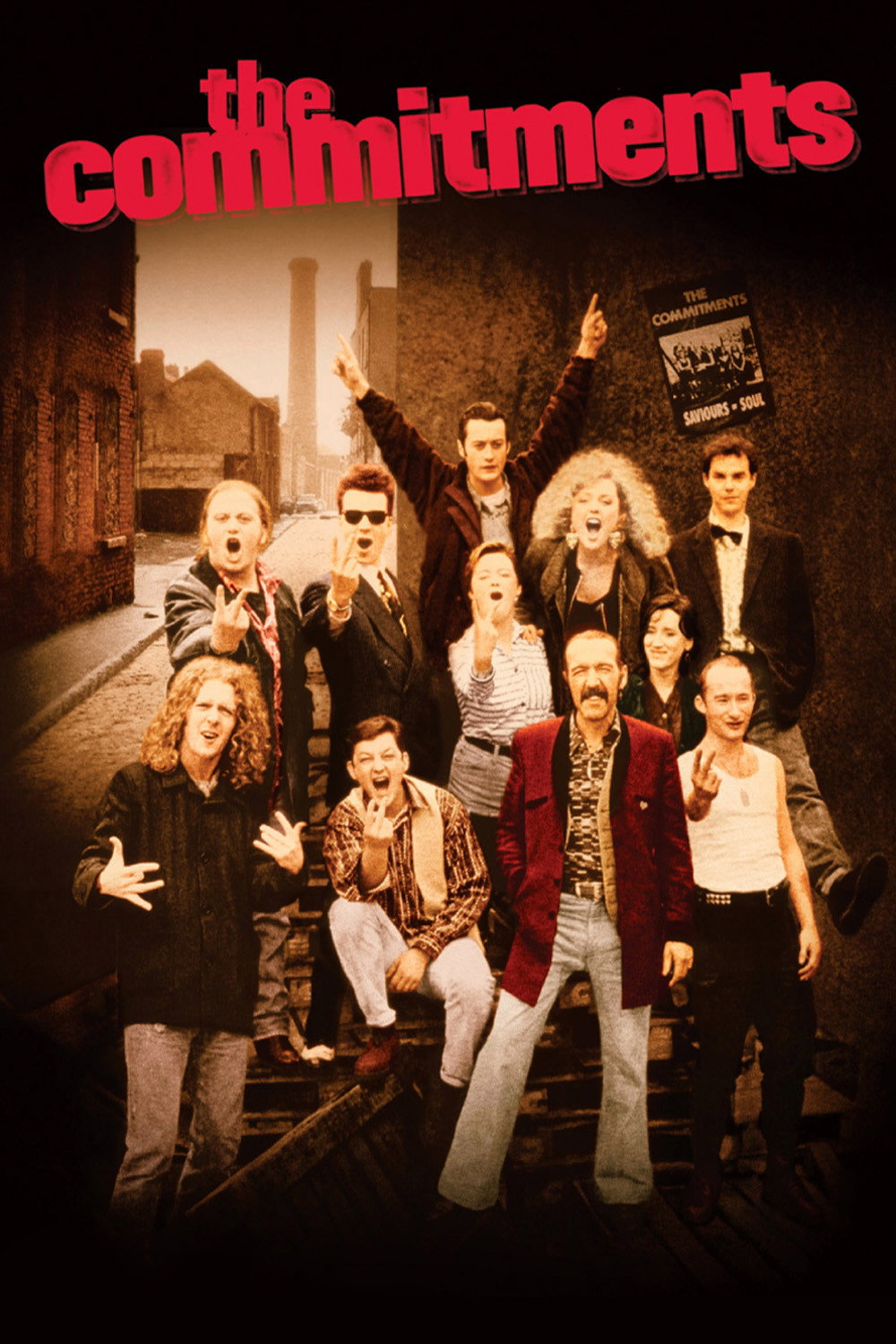
1991 · For music made together, clashing egos and the awkward business of ambition.

The Disciple poster

The Disciple

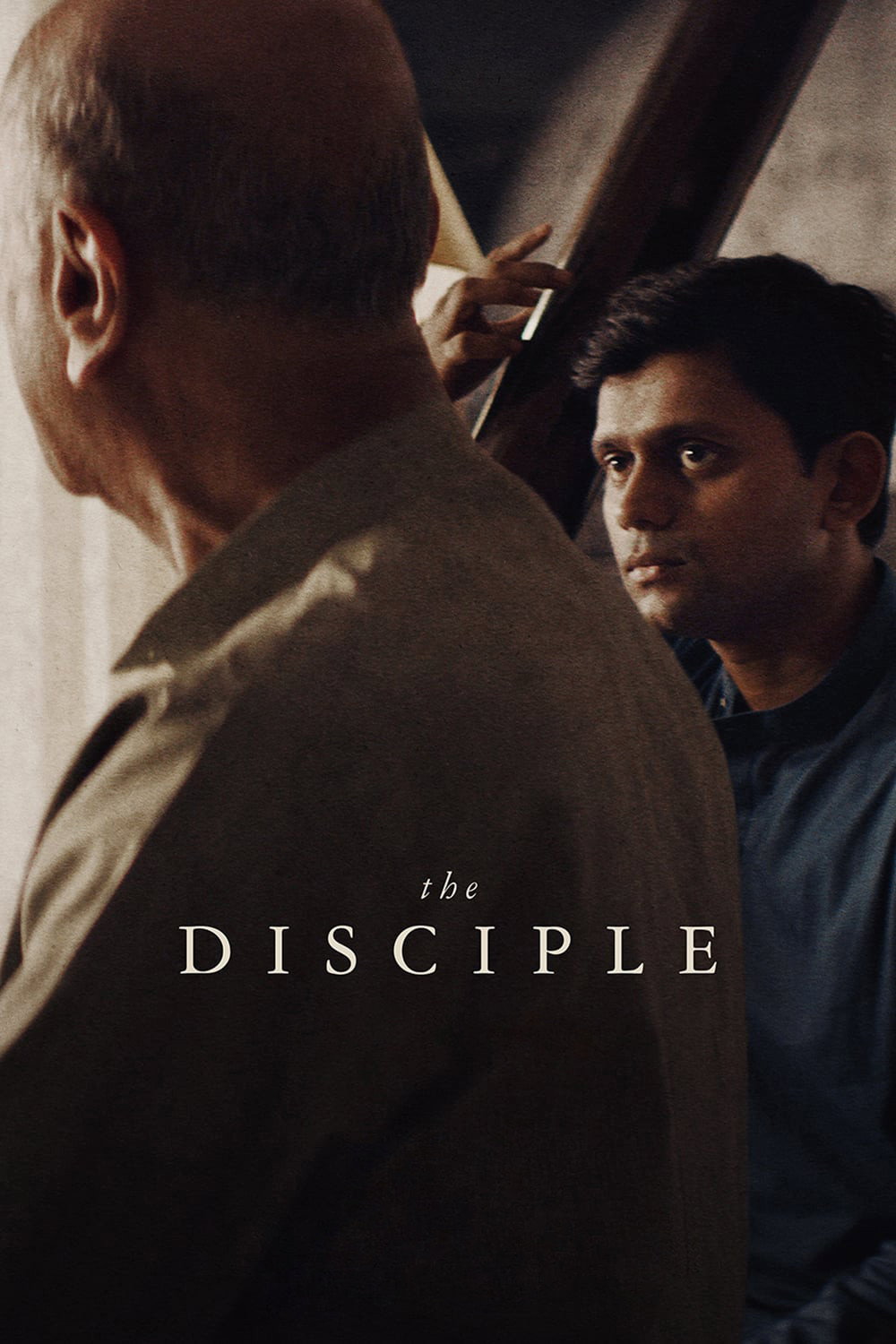
2020 · A patient study of musical devotion and the fear that talent has limits.

Frances Ha poster82

Frances Ha

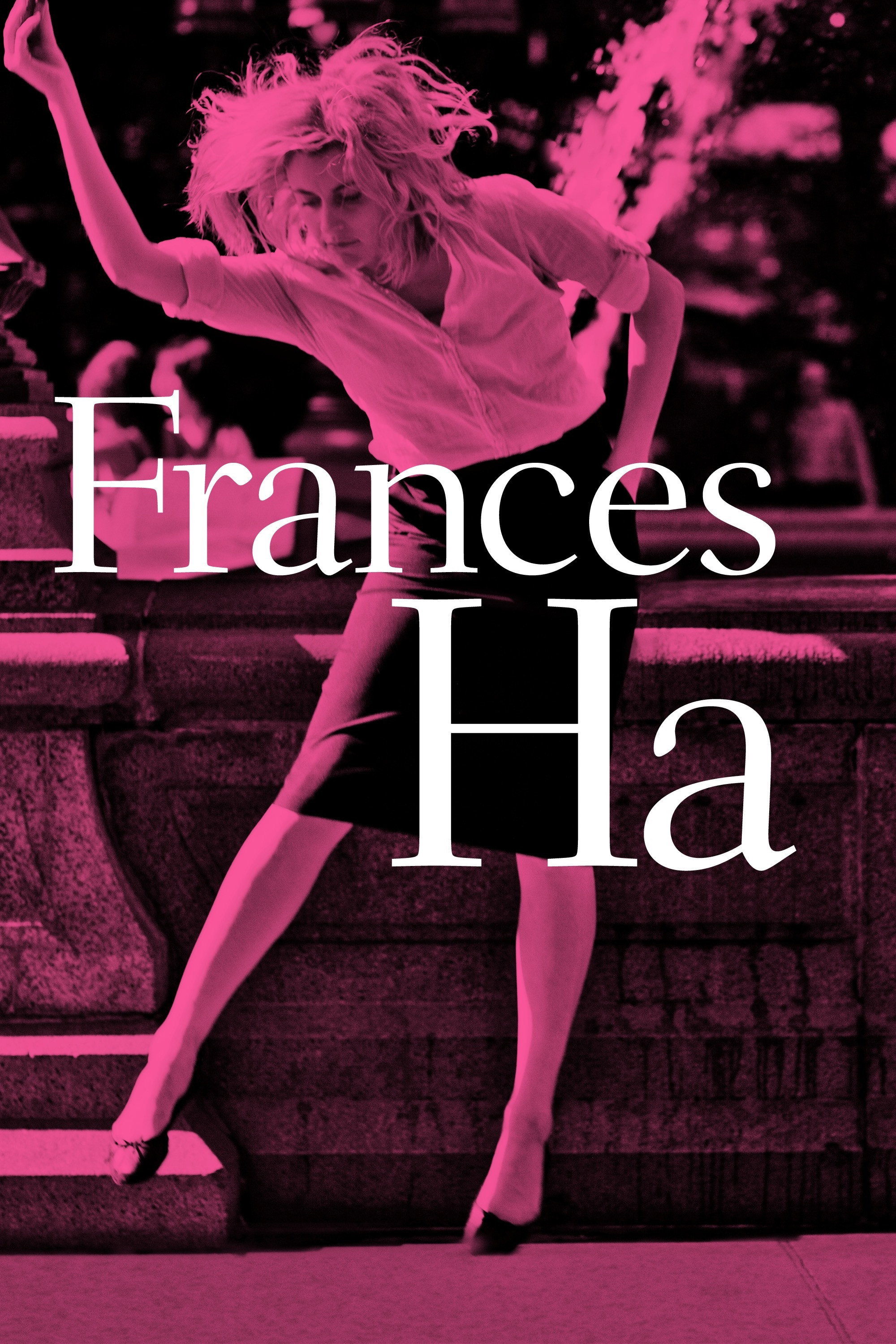
2012 · Another precarious New York artist, with more bounce and no easier prospects.

The Match Factory Girl poster

The Match Factory Girl

1990 · For a harsher dose of dry humour about lives with limited prospects.