Jim Jarmusch’s funny, unsettling Western makes a fragile accountant worth following across a hostile frontier. Johnny Depp and Gary Farmer give it warmth, though the long pauses sometimes ask more patience than they repay.
Jim Jarmusch’s Dead Man is a funny, disquieting Western, worth its slow progress even when it tests our patience. Its accountant, William Blake, enters a frontier where violence and exploitation leave little space for anyone so ill-equipped to deal with them. Jarmusch takes that mismatch seriously without losing his pleasure in the absurd people it brings together. The black humour also gives us a way to stay with material that might otherwise become oppressively solemn.
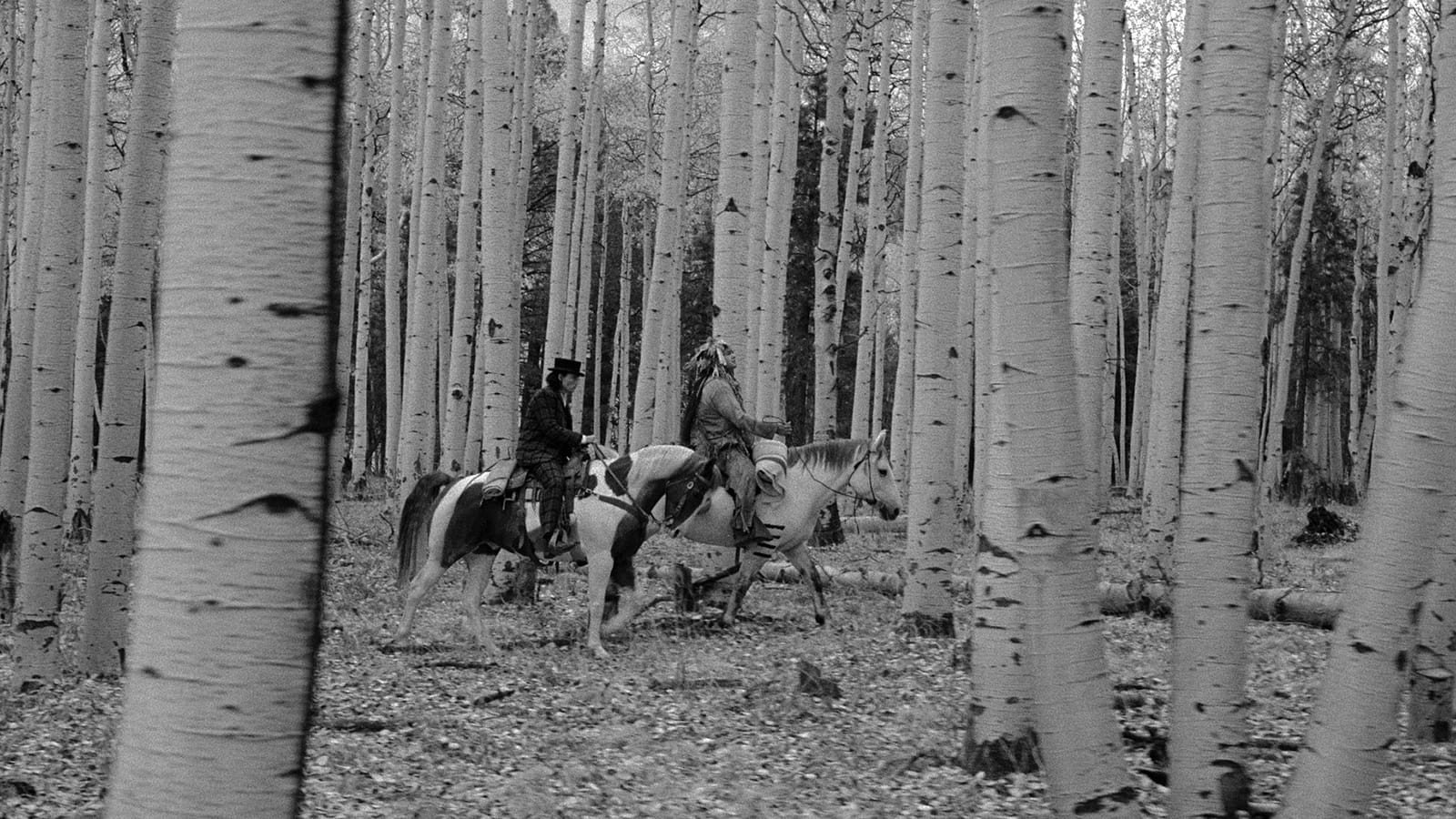
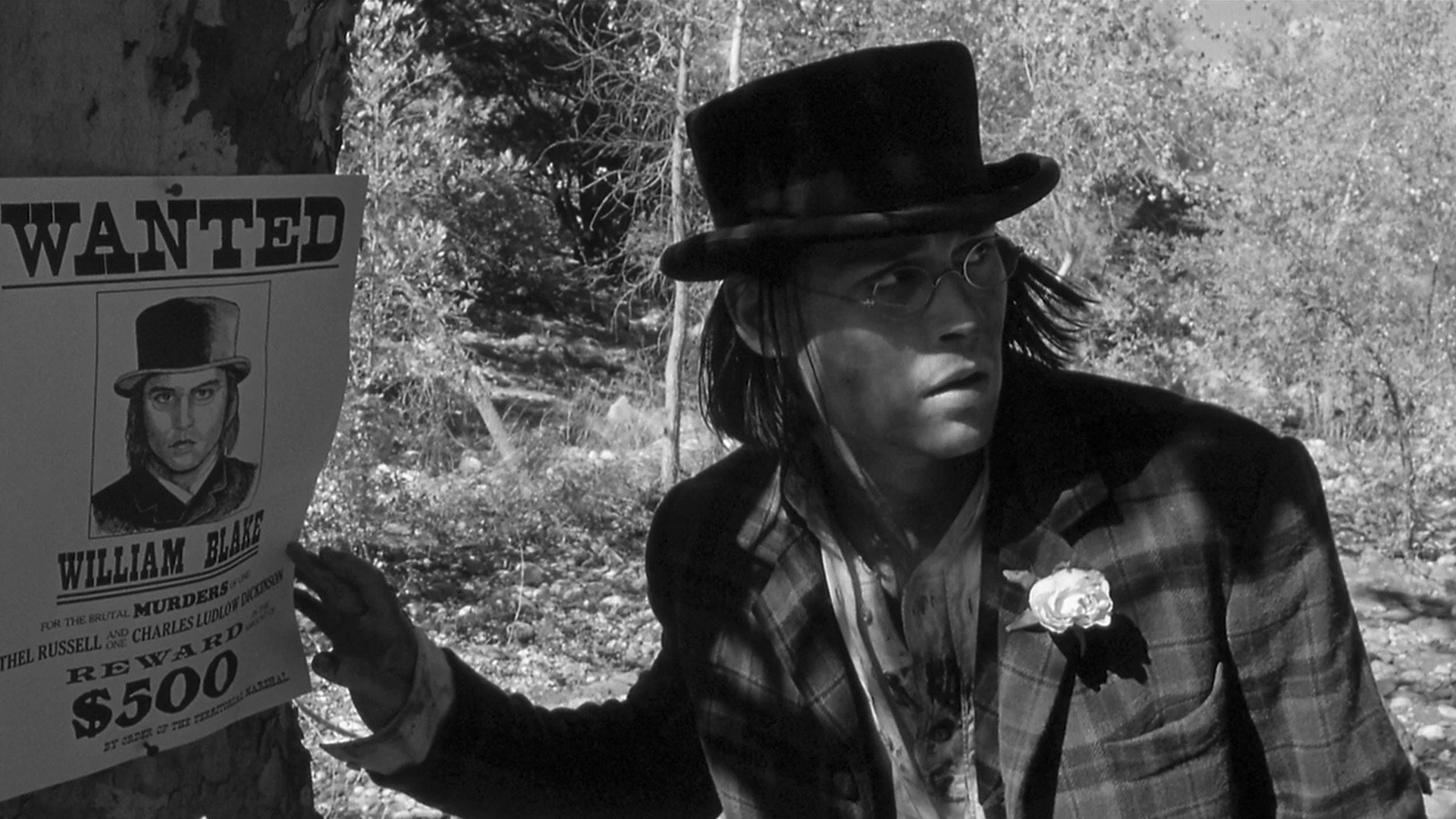
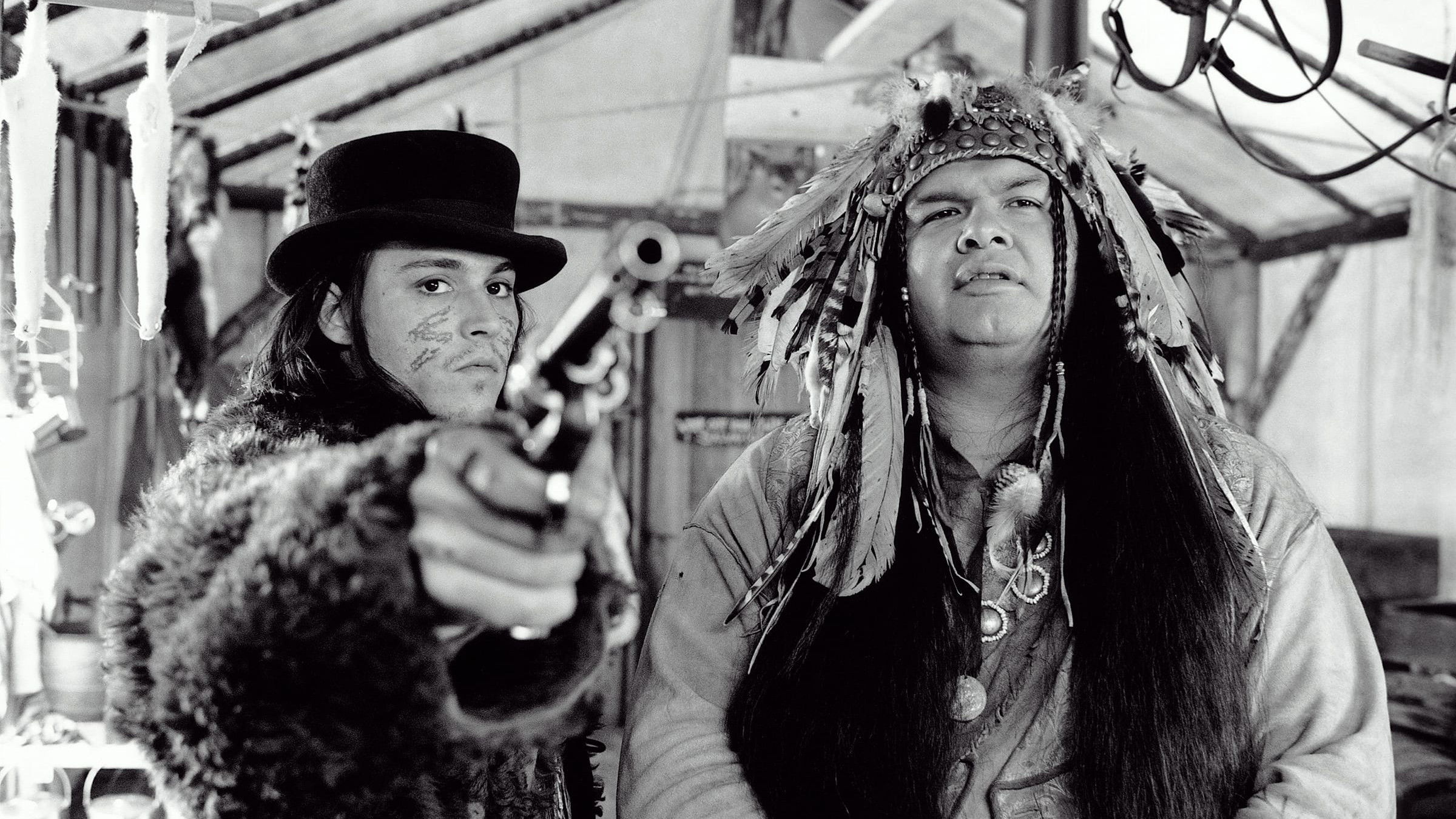
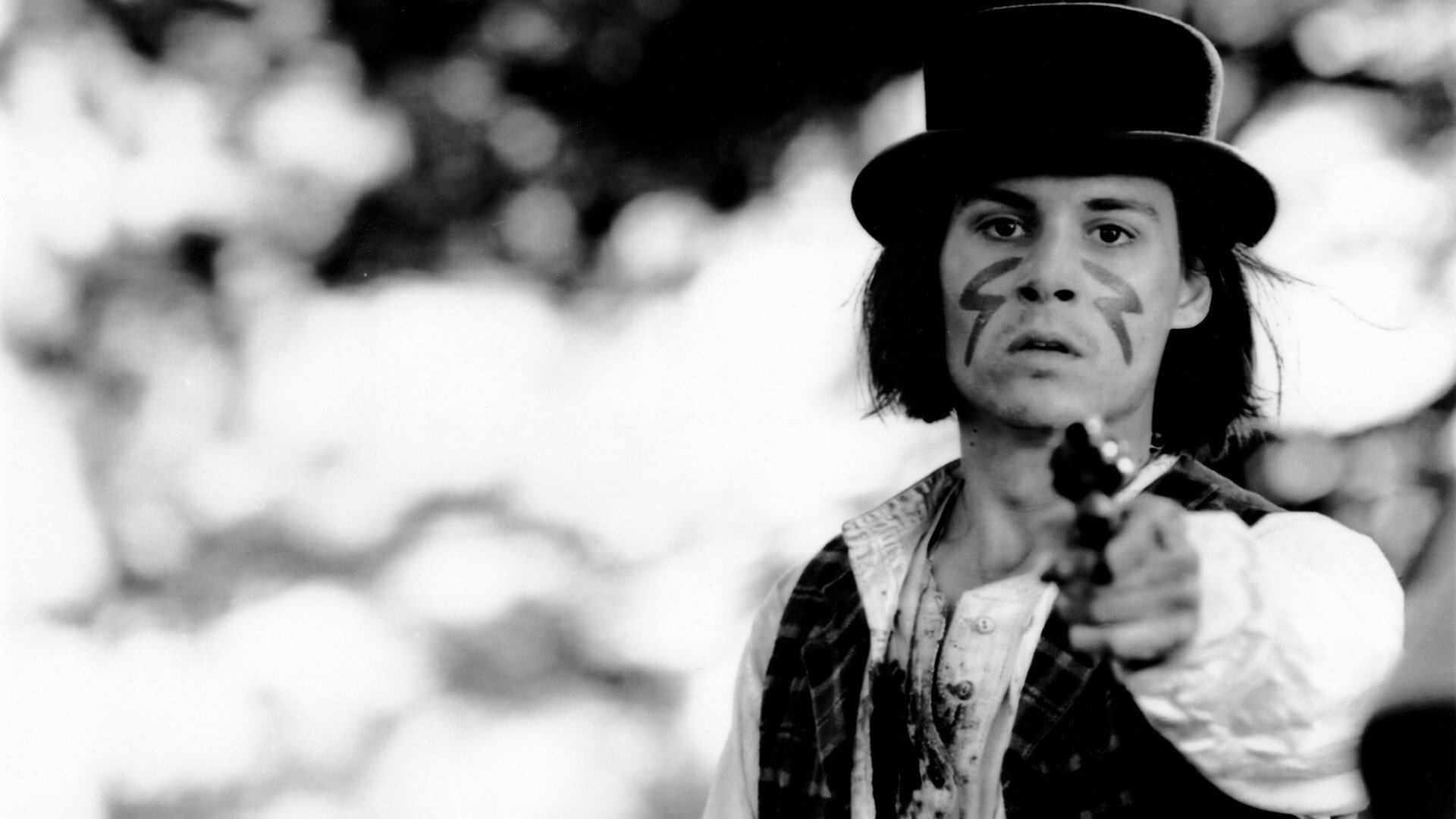
Johnny Depp plays Blake with a meekness that gives the film something immediate to worry about. We felt protective of him, because his uncertainty among the frontier’s grotesques makes each encounter seem like more than he can manage. Gary Farmer’s Nobody, the Native American guide travelling with him, brings a welcome steadiness to their scenes. Farmer’s dry humour keeps the relationship from becoming an uninterrupted lesson, and he makes Nobody interesting beyond the help he can offer Blake.
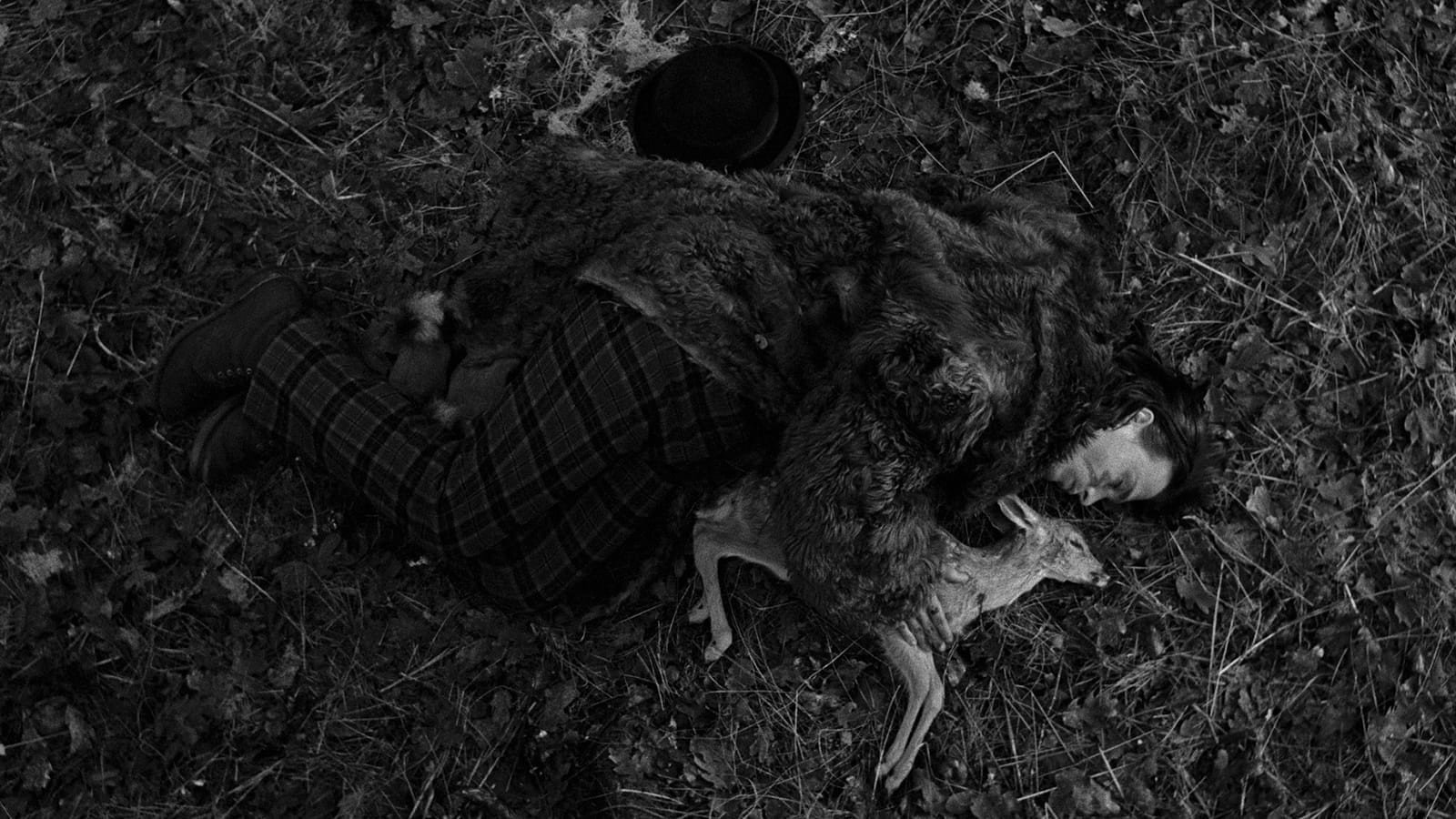
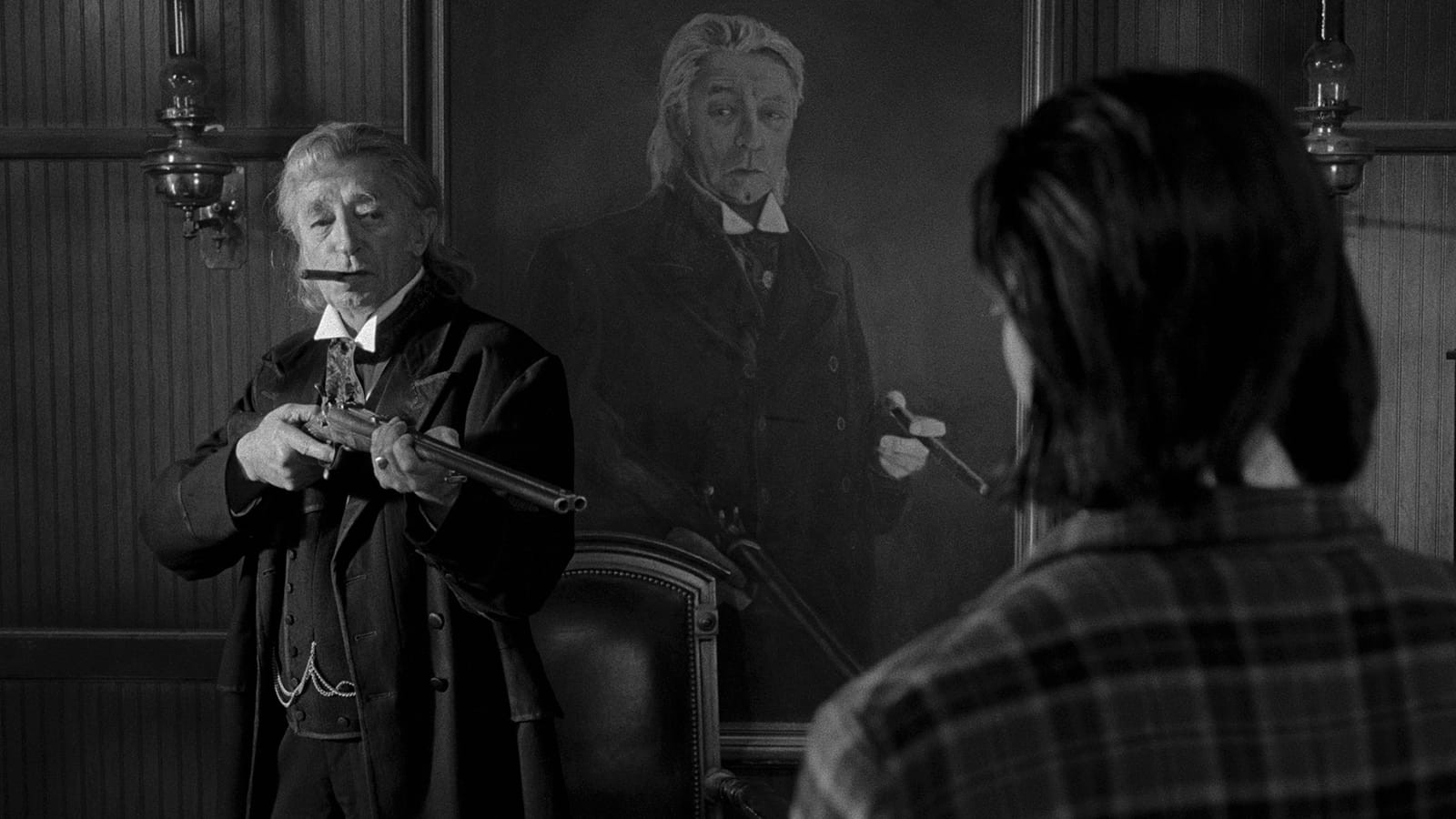
Robby Müller’s black-and-white photography gives the landscape a lonely, unwelcoming look. There is beauty here, but the images do not offer much reassurance to anyone crossing the frontier. Bob Ziembicki’s production design is especially useful in the grotesque opening, where Blake looks out of place before the film needs to explain why. Together, the photography and the settings make the West’s supposed promise of opportunity hard to believe.
Neil Young’s electric guitar is just as important to that unease. The playing sounds exposed and unsettled, and its roughness prevents the pictures from becoming too comfortable to look at. We like the way it refuses the smooth reassurance a more conventional score might supply, though its insistence can occasionally make an already sombre passage feel laboured. It is a strong musical choice because it suits Blake’s vulnerability as well as the violence around him.
The more substantial reservation is the pacing. Editor Jay Rabinowitz leaves space around the separate episodes, allowing the deadpan humour to register without hurrying on to the next encounter. That works until a pause gives us nothing further to notice, and there are stretches where Jarmusch seems content to restate how strange and brutal this frontier is. At 122 minutes, the film could lose some of that repetition without damaging its quietness or making Blake’s journey feel too tidy.
Yet the treatment of the West is more thoughtful than the succession of eccentrics might suggest. Violence has consequences here, and Nobody’s Native American perspective complicates the idea that the frontier exists for an outsider to discover himself. Farmer gives Nobody a life that does not appear to begin with Blake’s arrival, so the guide never feels present simply to explain things. Jarmusch gives their companionship enough warmth to make his thoughts about death bearable.
Go in expecting an episodic Western, with room for discomfort and jokes that take their time. It is not a film for an evening when the next plot development has to arrive on schedule. Give Young’s guitar a little volume, though perhaps not enough to introduce it to the neighbours.