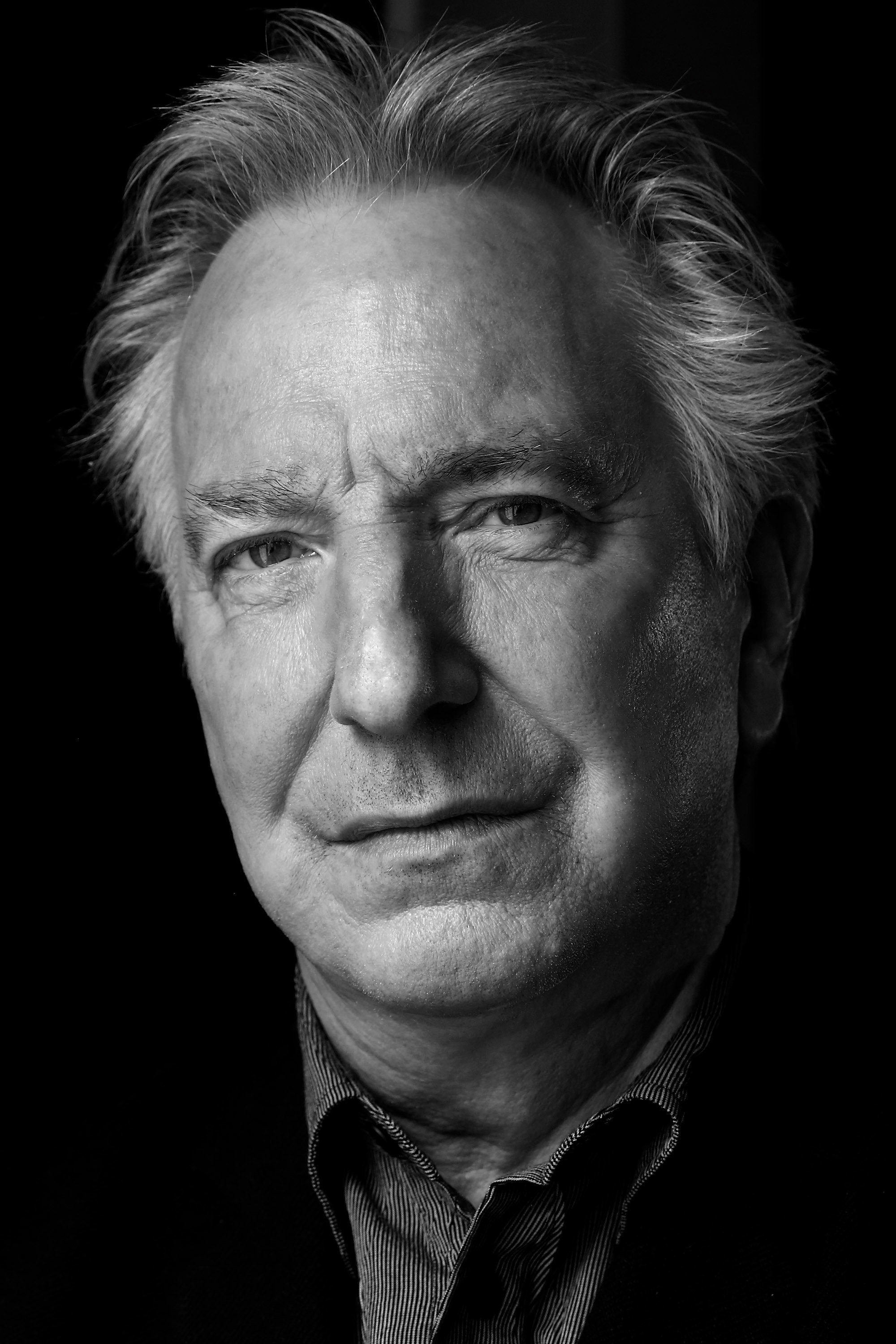
Kevin Smith’s Catholic comedy argues well and looks poor. The talk is sharp, the cast is a pleasure and Alan Rickman is in a class of his own; the story is a 130-minute errand that keeps stopping for lectures.
Kevin Smith made Clerks (1994) with two men behind a counter and Chasing Amy (1997) with three people who would not stop talking, and both worked because the talk was good. Dogma puts the talk to work on God. Two fallen angels have found a loophole in Catholic doctrine that will get them back into heaven and, as a side effect, end the world, and a woman who has stopped going to Mass is sent to stop them. It is a sincere film about faith by a man who has one, dressed as a road comedy with a demon made of excrement in it. The argument is good. The film-making mostly is not.
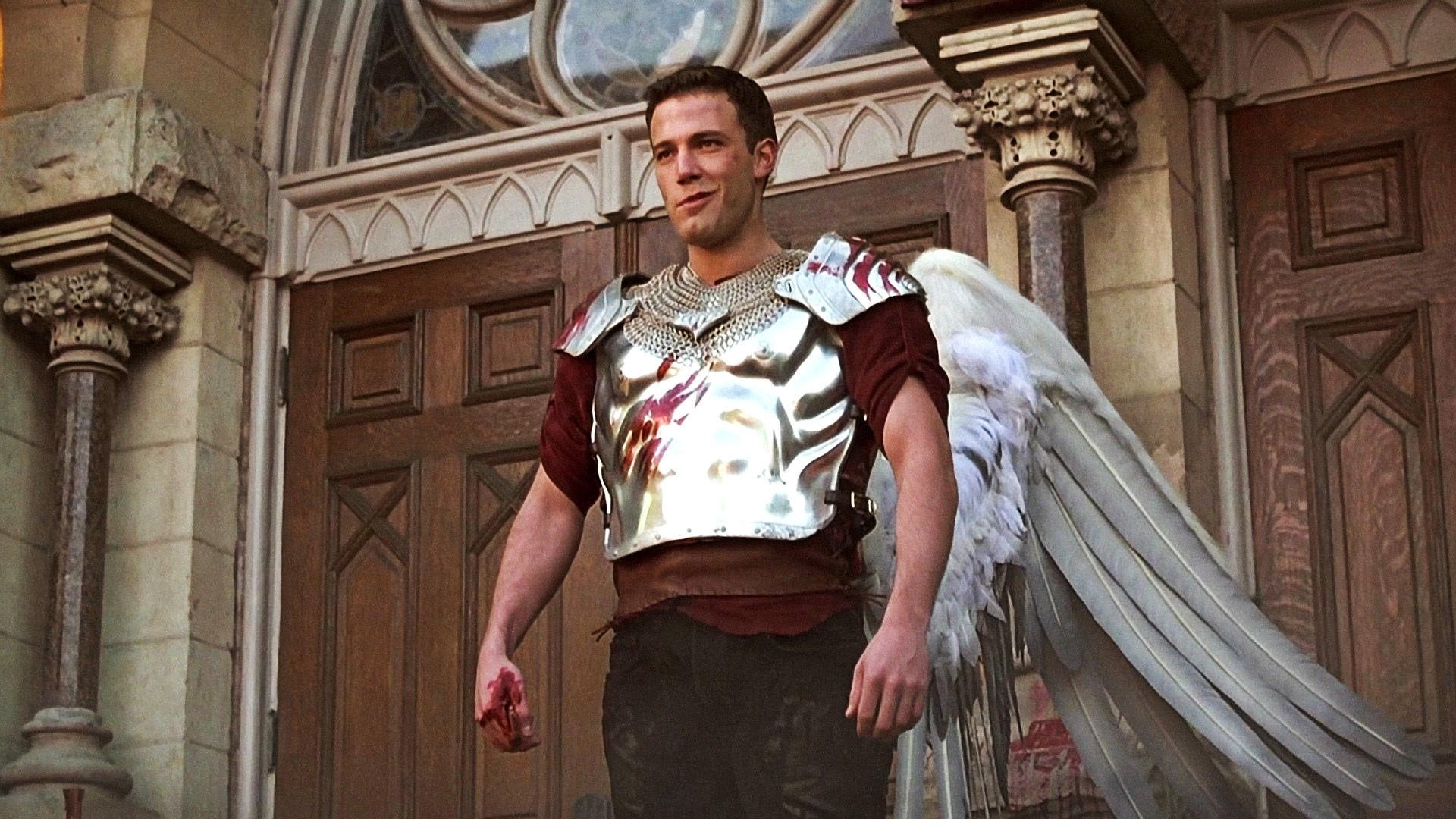
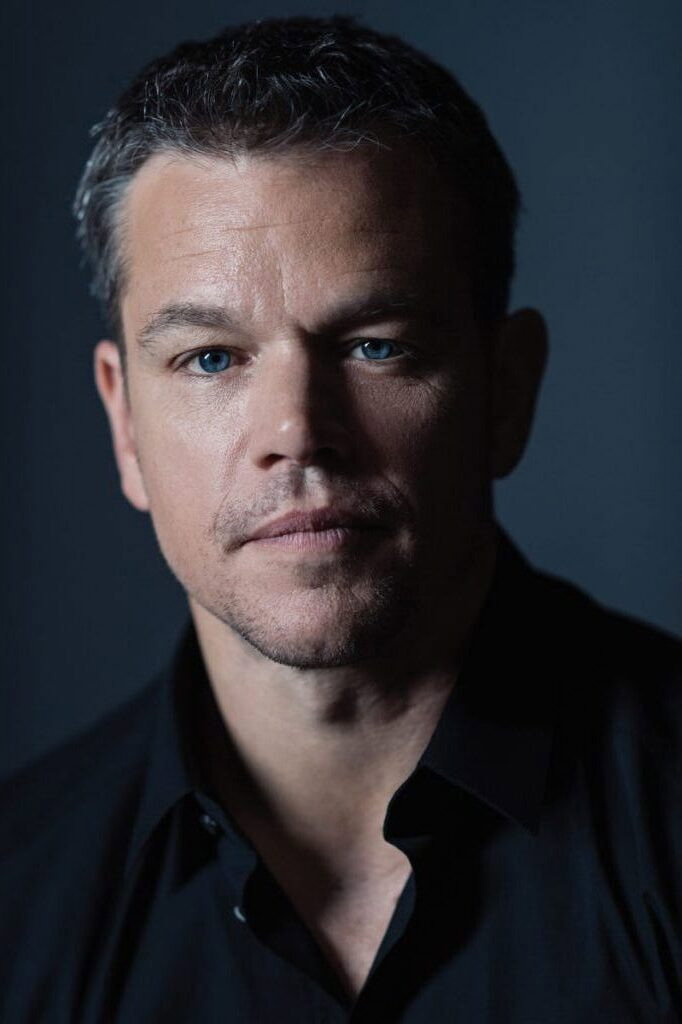
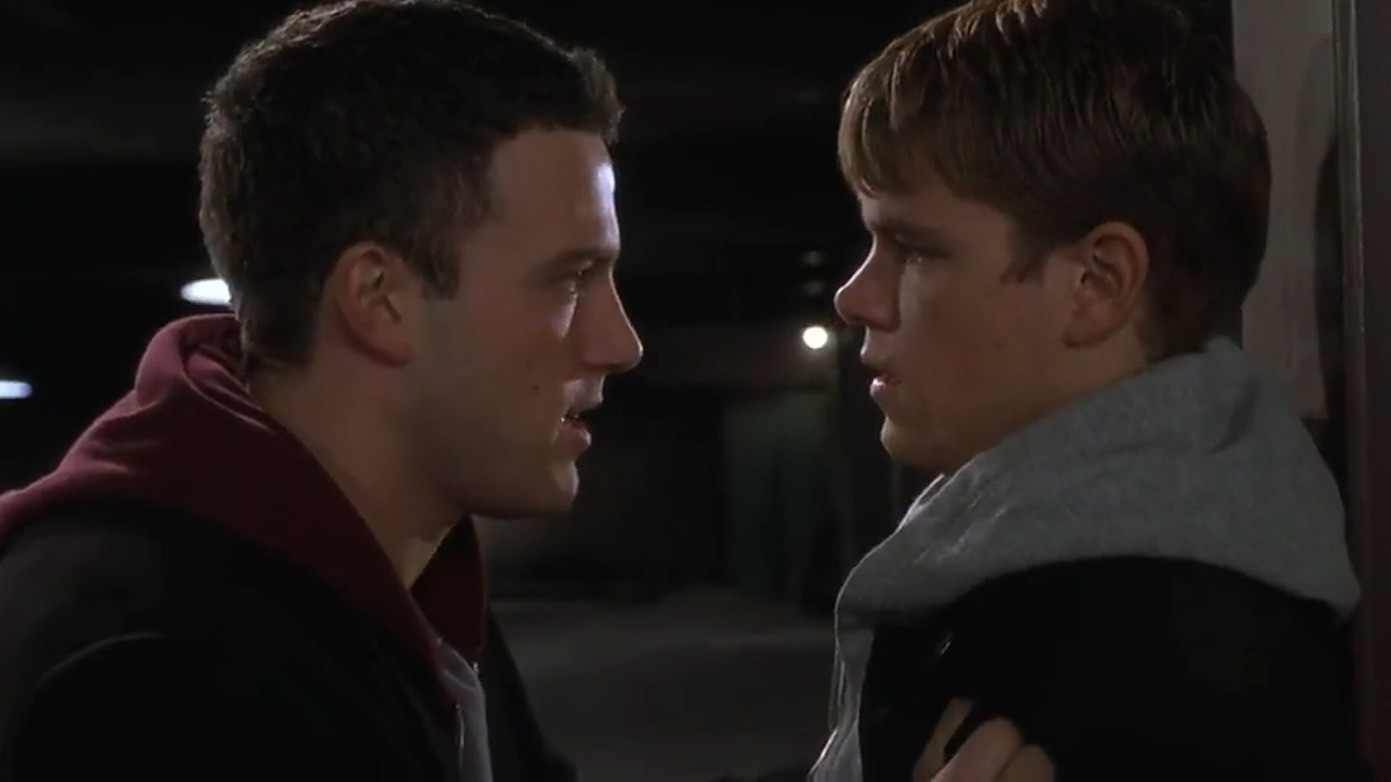
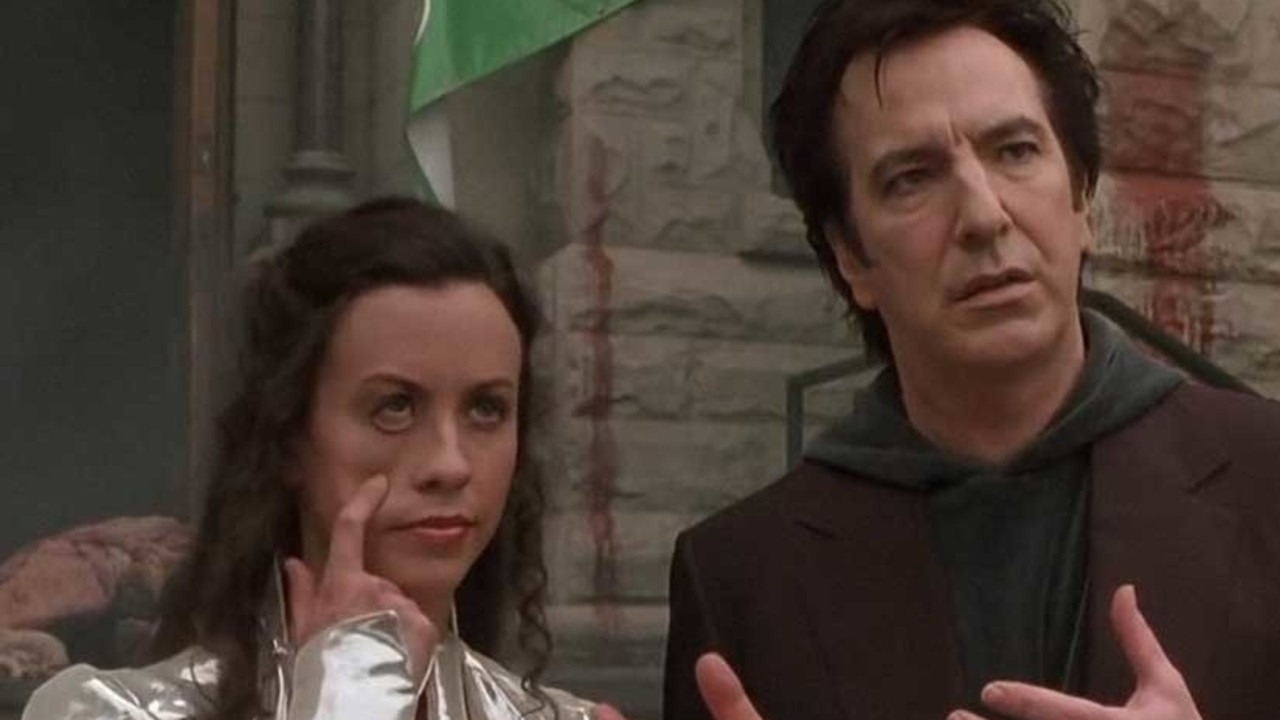
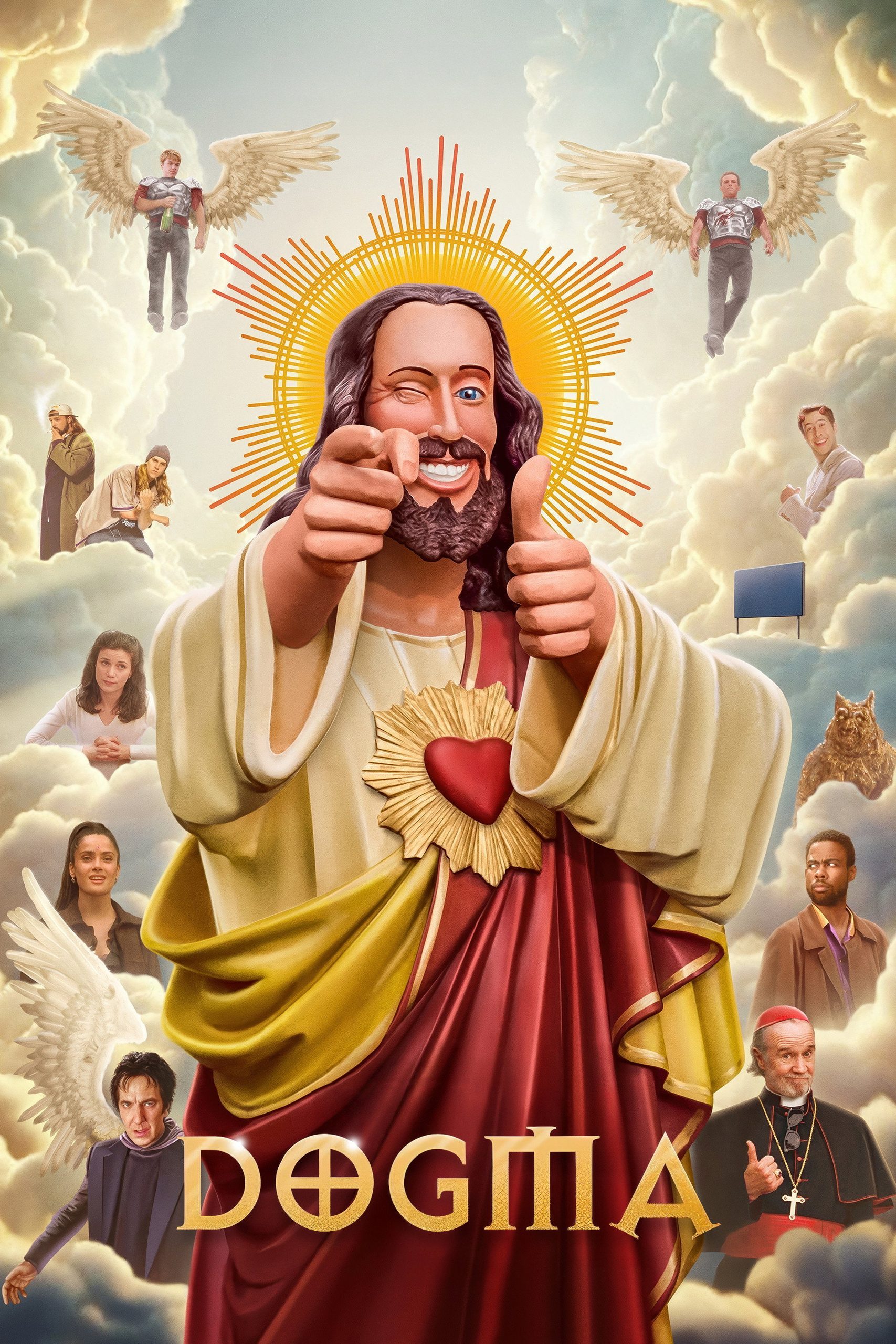
The good scenes are the ones where somebody sits down. Damon’s Loki, once the angel of death and now bored, talks a nun out of her vows in an airport lounge while Affleck’s Bartleby looks on like an older brother who has heard it before. Alan Rickman arrives in Bethany’s bedroom wrapped in fire, takes a fire extinguisher to the face, and explains the end of the world in the voice of a civil servant asked to work a weekend. George Carlin’s Cardinal Glick unveils a statue of Christ winking and giving a thumbs up, and defends it to the press with the calm of a man who has never doubted a marketing plan.
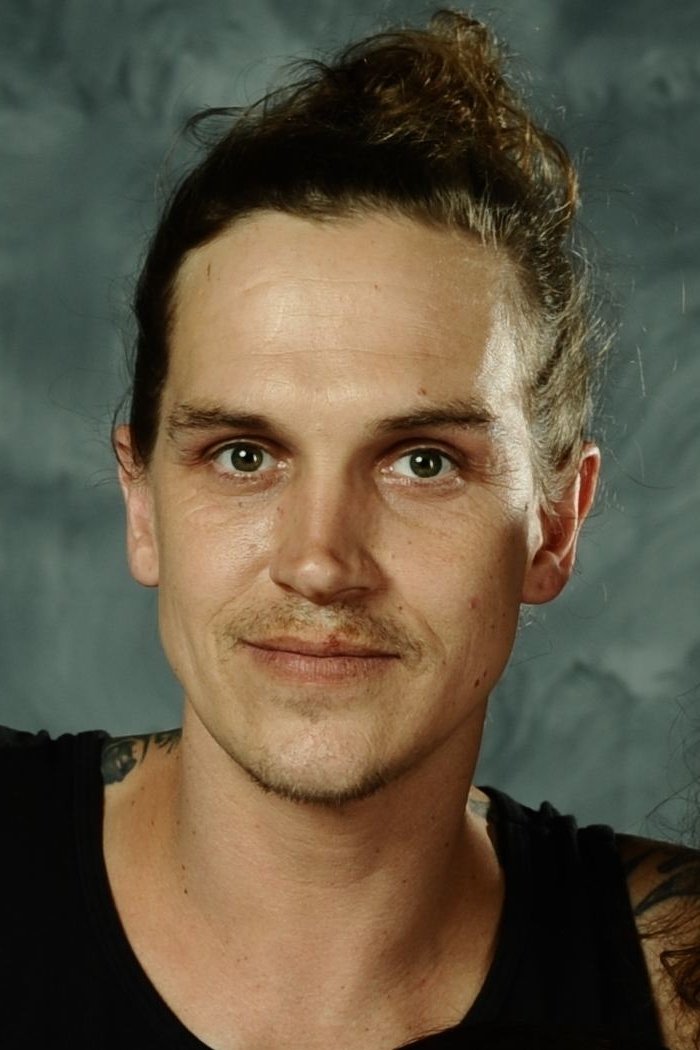
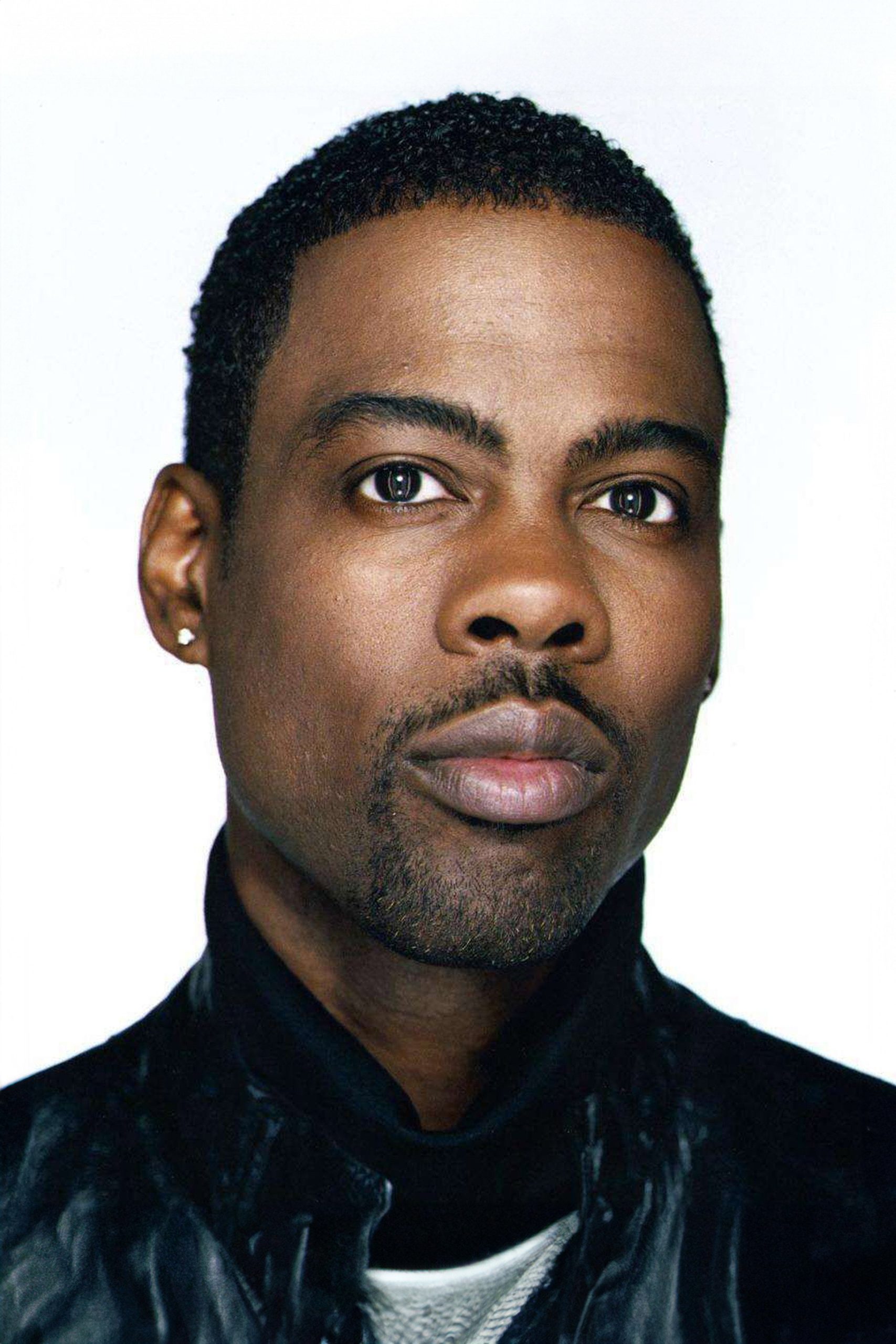
We laughed at that press conference until we lost the next two lines, and we laughed at Rickman nearly every time he spoke, because Smith has seen that the funniest way to play the divine is as middle management. Chris Rock’s Rufus, a thirteenth apostle left out of the Bible for reasons he is glad to explain, gets the sharpest speeches about what the church did with what it was given. Jason Lee’s Azrael, a demon who wanted out, sneers through the whole thing and looks pleased to be asked.
Then somebody has to move, and the film does not know what to do. Robert D. Yeoman shoots it flat and brown with the camera at chest height, two people talking and then the other two. Robert Holtzman’s church, with its stone arch and banners, is the one place that looks built for the film; everywhere else looks like where they parked. When angels fight, in car parks and on a railway platform, the shots look rehearsed once. Smith and Scott Mosier cut every scene the same way, as if it were Clerks with wings. Howard Shore’s score is choral, Latin and grand, and several times it swelled over a man standing beside a car and we wondered what it thought it was looking at.
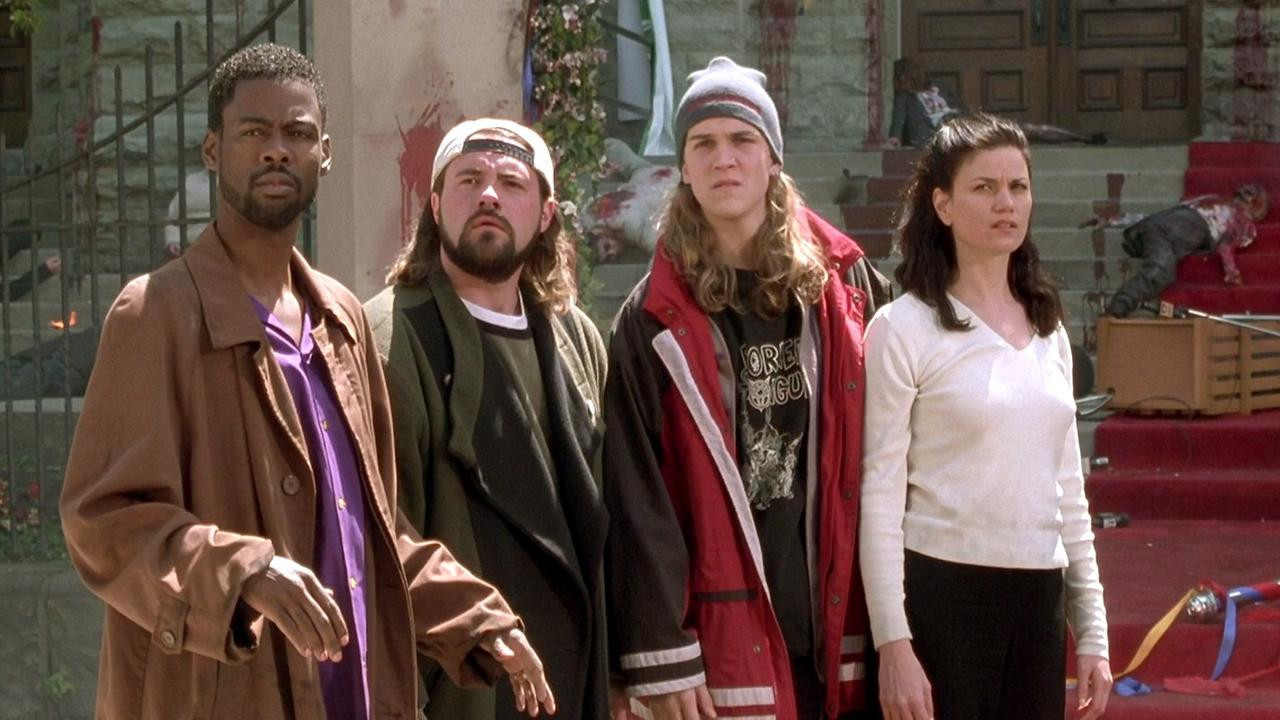
Linda Fiorentino plays Bethany tired, dry and slightly cross, and the film needs that, because everyone around her is doing a bit. She is given a great deal to be told and not much to say back, and by the second hour she is mostly a face for the exposition to land on. Salma Hayek Pinault’s Serendipity, a muse working in a strip club, gets one good speech about what men did with women’s stories and then stands about. Jason Mewes’s Jay is funny for twenty minutes and present for 130. The middle is a walk: the group moves, stops, is handed a rule about angels by whoever has just arrived, and moves again, and around the third stop we found we were counting them.
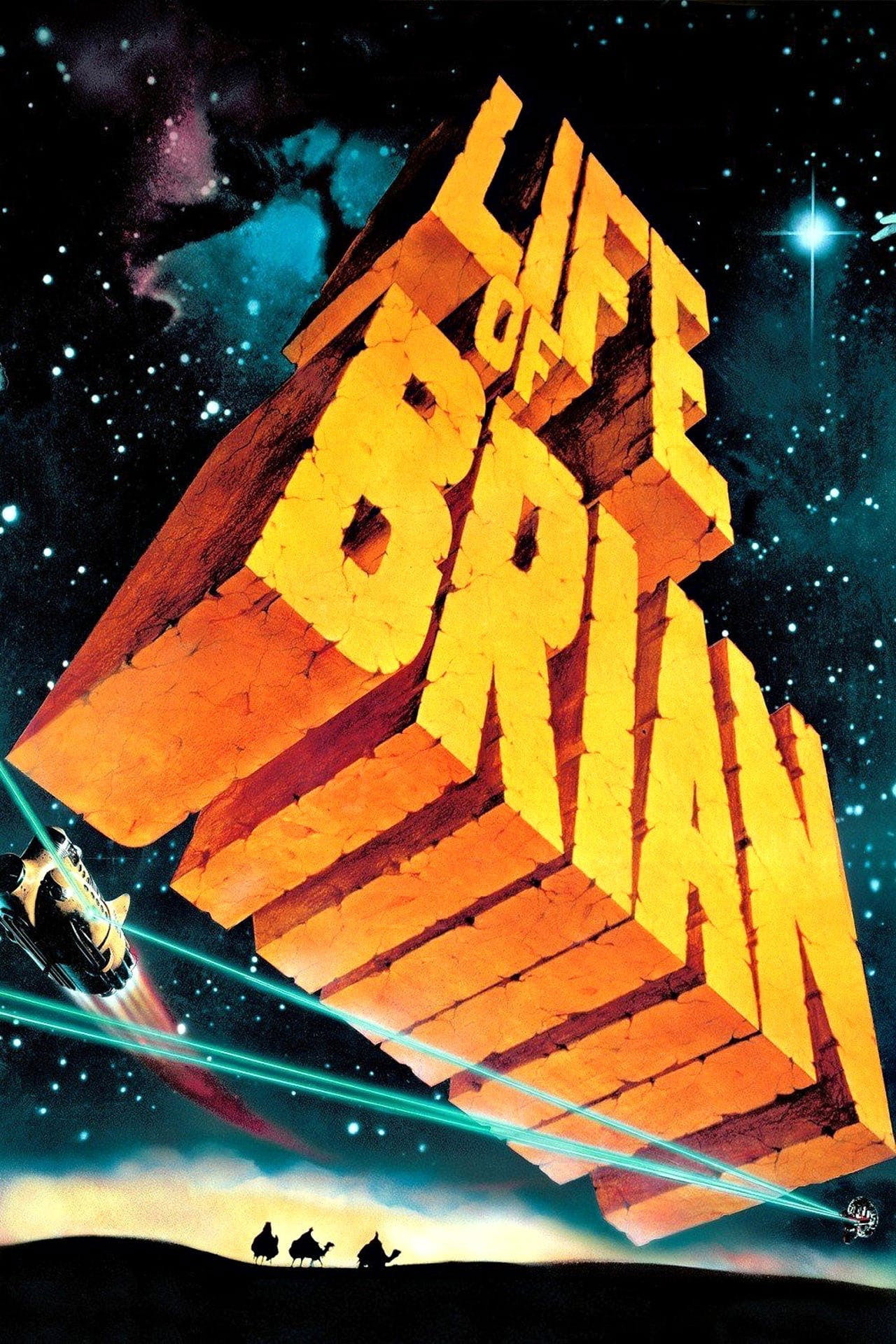
The last stretch, which we will not describe, is badly staged and says plainly what the film believes, and it moved us more than a picture with this many jokes about oral sex has any right to. That is because Smith is not sneering. Life of Brian made fun of the believers; Smith leaves them alone and goes after the men who run the church, and he means every word about the faith he says they have wasted. It is his biggest film, and it shows up everything he could not yet do behind a camera.
See it with someone raised Catholic, who will laugh in different places and wince in a few. At home it is the right size; nothing here was framed for a big screen, and the arguments play as well on a sofa as in a pew. It opened in Britain on 26 December 1999, the day after Christmas, which was either a marketing decision or a joke. It runs 130 minutes and carries a 15.