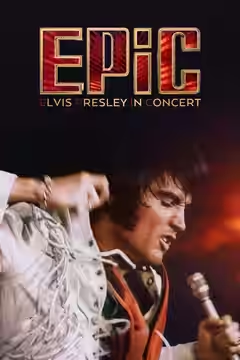
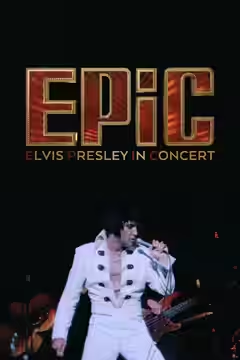
Baz Luhrmann’s concert documentary is absorbing whenever Elvis Presley is singing, and the restored footage gives us plenty to enjoy. The biographical passages are too protective, but the performances make a strong case for spending the evening here.
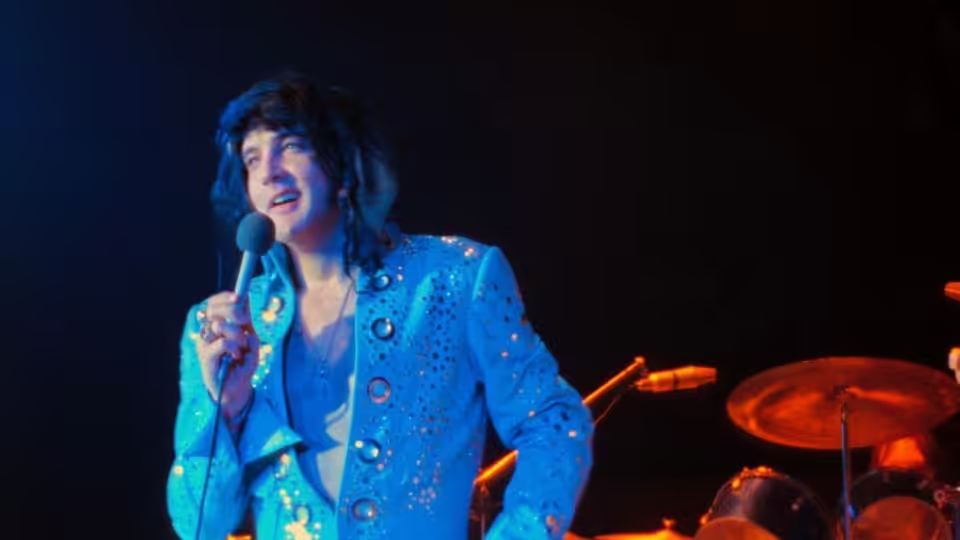
Baz Luhrmann makes a persuasive case for spending 98 minutes watching Elvis Presley sing. EPiC: Elvis Presley in Concert is an absorbing concert film, though we would not recommend it as a way of understanding the whole life. It is interested in how a performer holds an audience and works with the people around him. That gives it plenty to show us, even if we arrive without much interest in the man.
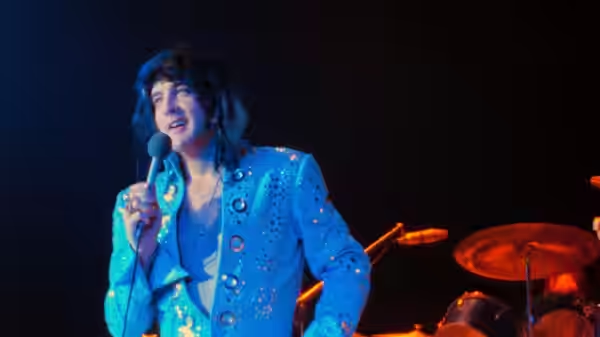
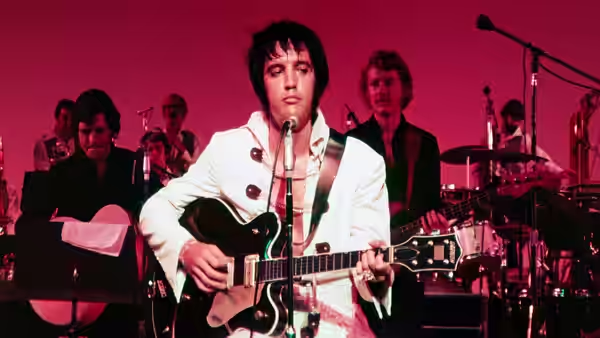
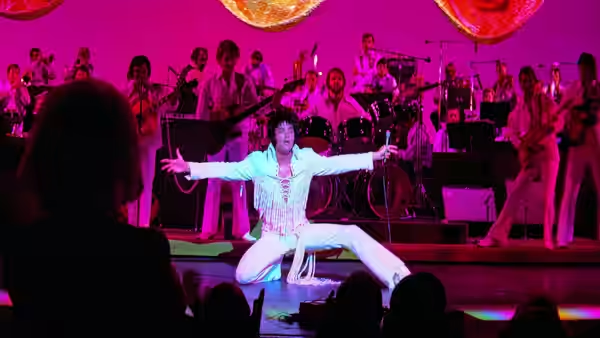
The restored archive footage is a substantial part of the pleasure. The pictures let us attend to the singer rather than constantly notice the age of the material, and the clarity of the sound keeps the voice close. We can hear why an audience might surrender to him without needing a lecture about his importance. There is a danger with restoration of making the cleaning-up itself the attraction. Here, the performances remain more interesting than the process that has made them available to inspect.
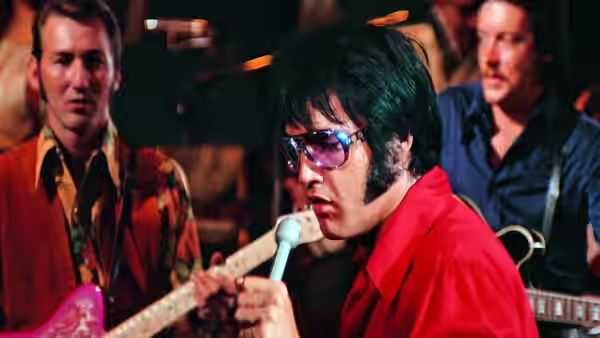
The playful exchange with a backing singer gives the film something that an account of record releases and professional milestones could not supply. We were delighted by it, because the pleasure seems to come from having somebody there to play with. He can command attention, but he can also enjoy company, and that makes him easier to like. The film allows that small interaction to matter alongside the singing.
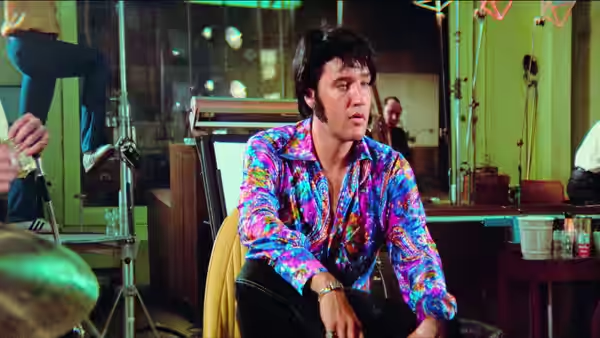
Jonathan Redmond’s editing puts rehearsals alongside concert performances, keeping us interested in the work as well as the applause. Moving between them also keeps the concert material from feeling like a succession of exhibits. Elliott Wheeler is credited with the music, and the musical presentation keeps the voice firmly at the centre. That is the right emphasis. The sound gives us enough detail to listen closely without losing the pleasure of a public performance.
The biographical sections are thinner, and the treatment of Tom Parker is particularly blunt. The film does not give those complicated relationships enough attention to make its judgements persuasive. Nor does it linger over the unhappiness away from the stage, a choice that preserves the buoyancy while leaving us with questions. A concert film need not tell an entire life, but once it starts explaining that life, it ought to do the job properly. Here, the explanations feel too protective of the singer.
As a concert documentary, though, it understands how much performers can communicate without someone explaining their importance. The mixture of rehearsal and performance lets us concentrate on what the singer is doing with other people, rather than merely measuring the size of his reputation. His voice and his responsiveness are enough to sustain our interest. Those are pleasures available to anyone, with no homework required before sitting down.
The caveat matters for anyone hoping for a searching portrait, and the biographical passages do occasionally interrupt the enjoyment. Even so, the singing deserves the attention the film gives it, and there is enough pleasure in watching him work to justify the evening. Choose it for the concert; leave the life story for a film more willing to ask awkward questions.