Amy Heckerling’s high-school comedy is funny and often considerate, with Sean Penn and Jennifer Jason Leigh giving it more than its sex jokes deserve. The loose storytelling and occasional cruelty keep it from being better.
High school supplies a comedy with plenty of ready-made humiliations, and Fast Times at Ridgemont High makes use of them without always knowing when to stop. Amy Heckerling also gives her teenagers room to be uncertain, foolish and worth caring about. It is a good, uneven comedy, held together by a cast whose company is worth the occasional irritation. Cameron Crowe’s screenplay catches the effort of looking grown-up, though it struggles to join its characters’ stories together.
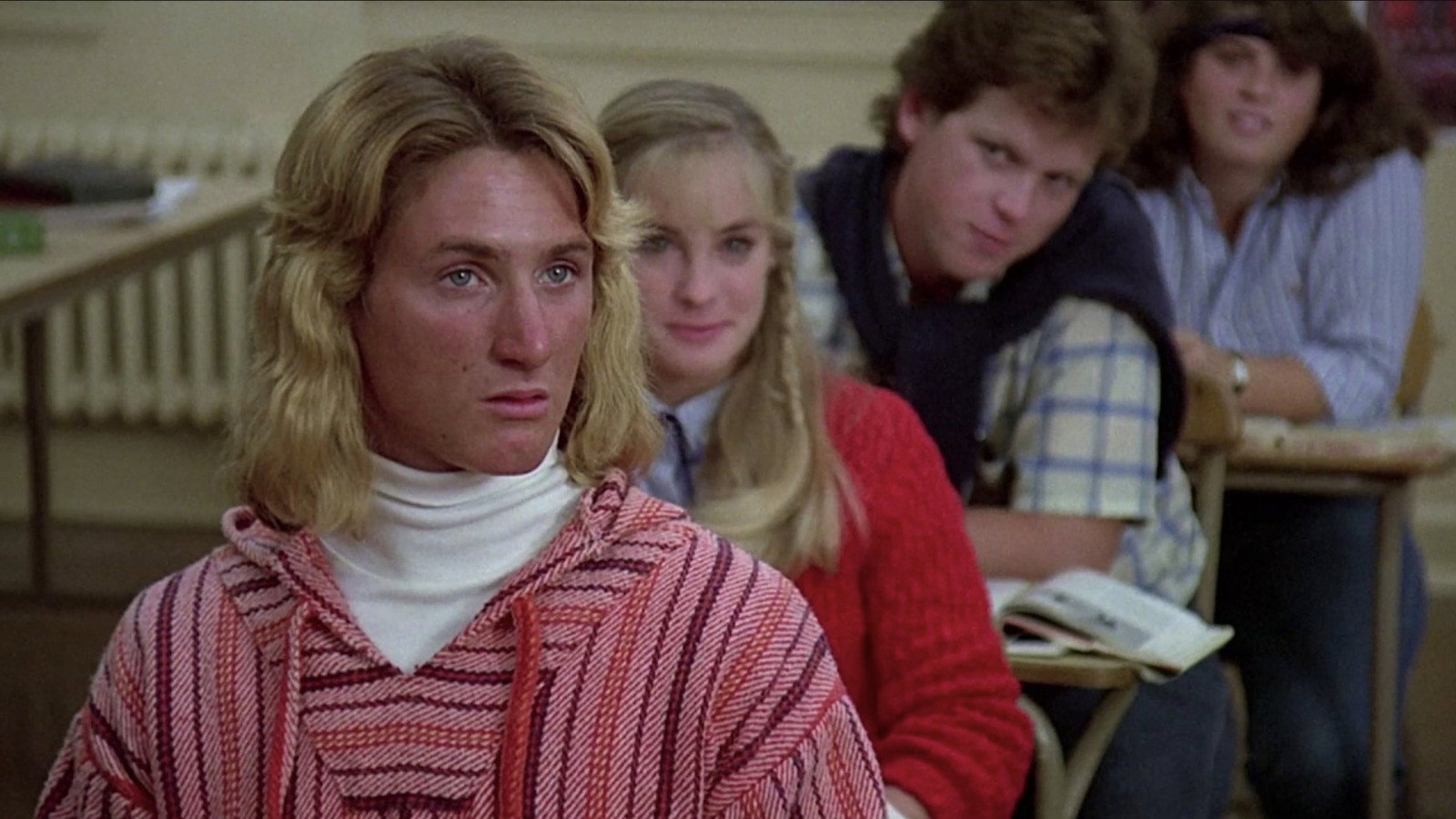
Sean Penn’s Jeff Spicoli is the obvious attraction, a surfer so thoroughly relaxed that other people’s expectations barely seem to reach him. Penn gets the comedy from that lack of urgency, without asking for credit each time he is funny. We laughed at Spicoli because being a spaced-out surfer looks, in Penn’s hands, like a perfectly workable way of avoiding teenage anxiety. The performance is broad, but it has consistency. Penn never seems impatient to get to the next joke.
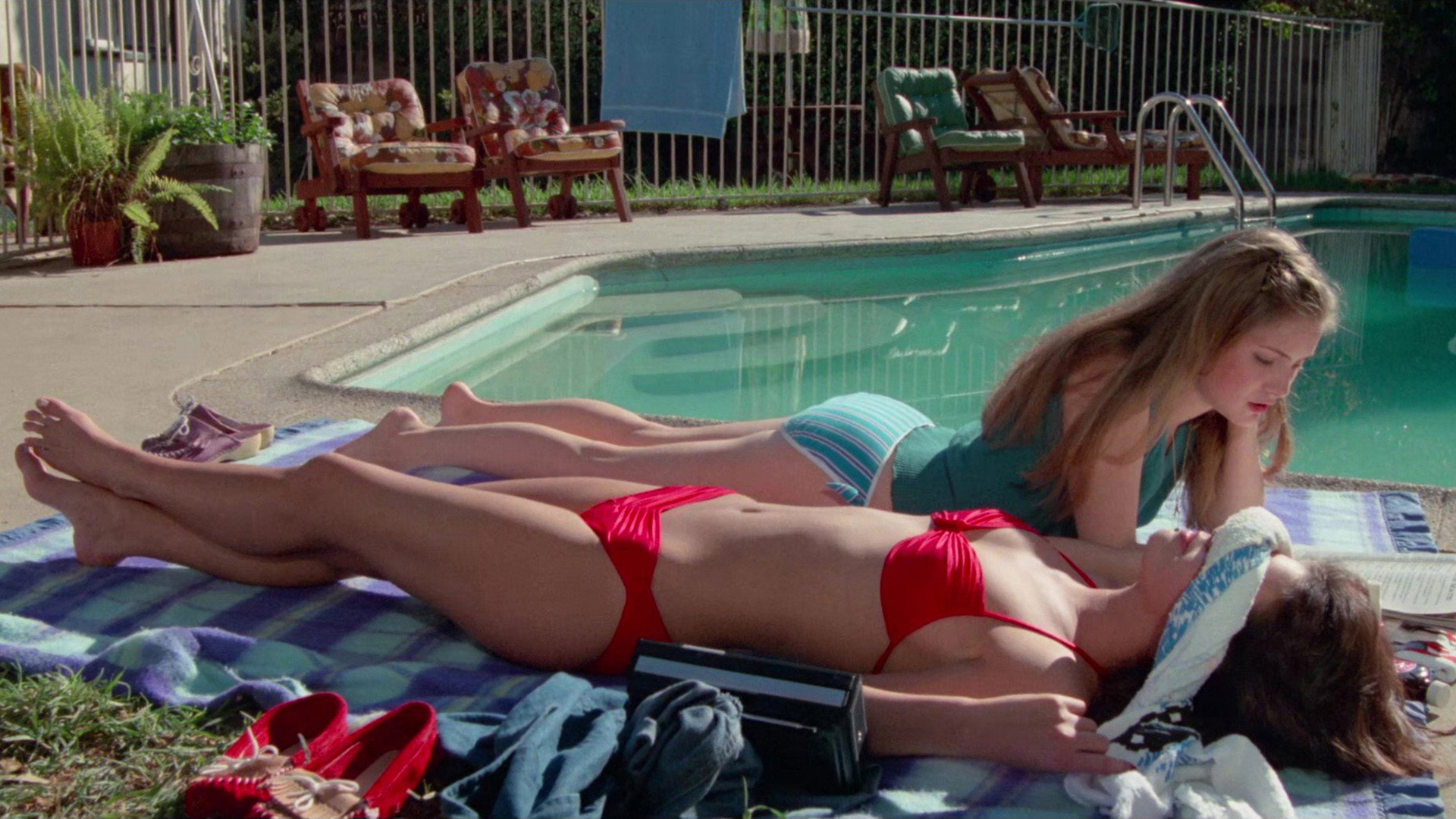
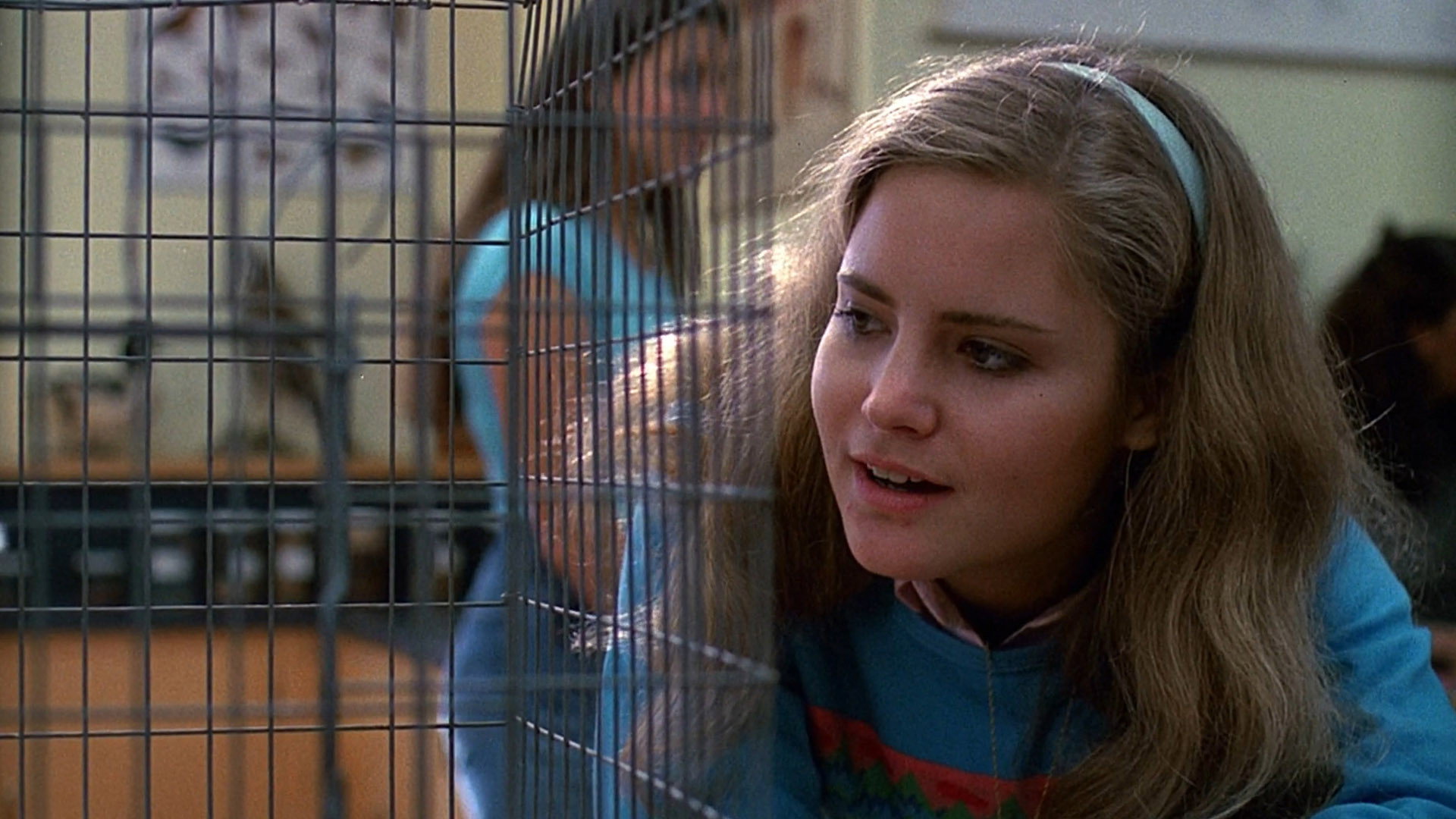
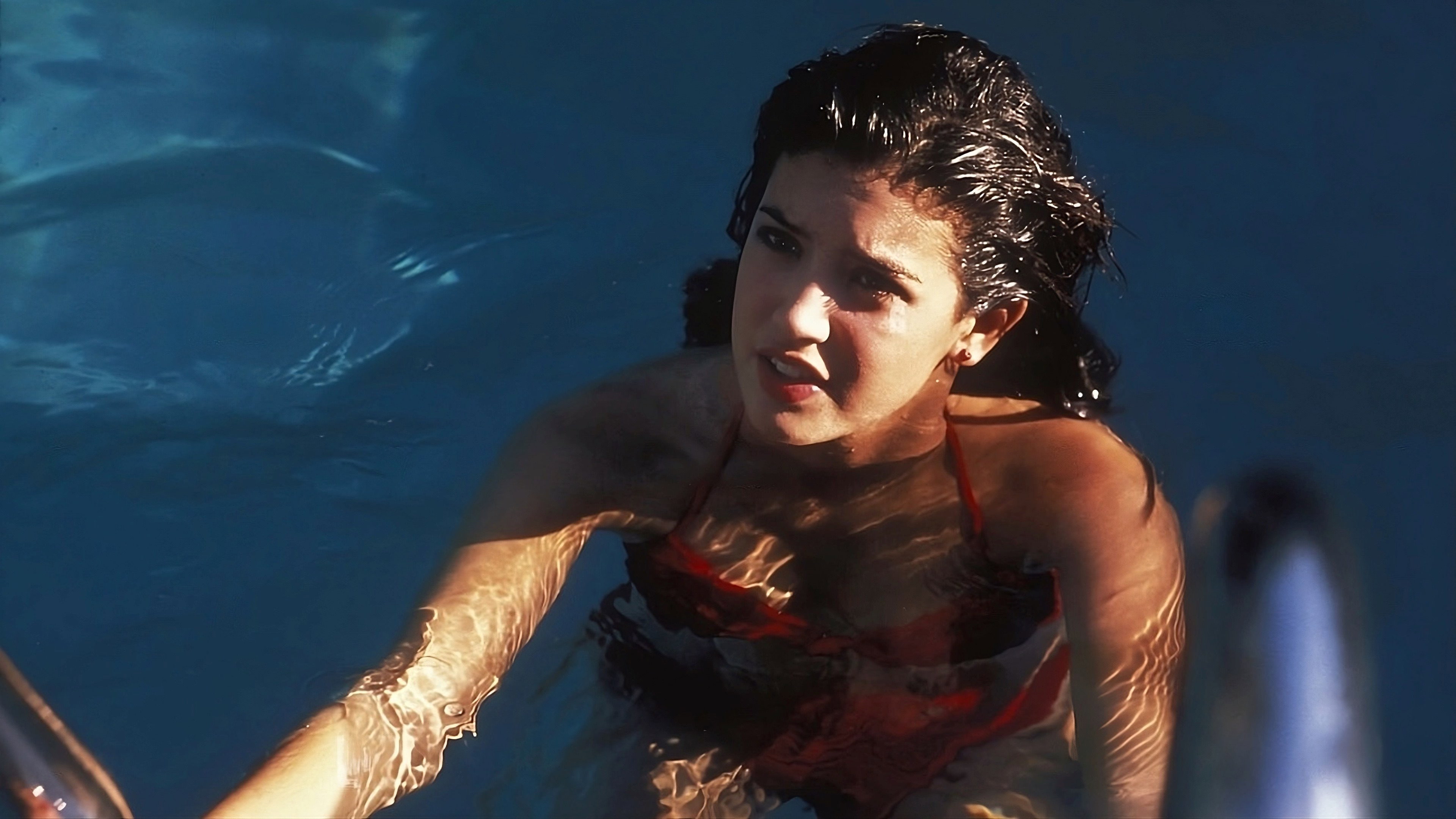
Jennifer Jason Leigh’s Stacy Hamilton gives it a more vulnerable centre. Leigh makes the uncertainty around sex and dating feel uncomfortable without allowing Stacy to become merely an excuse for embarrassment. Her freshness matters because the script can be too pleased with the humiliations it arranges for its young characters. Heckerling allows that vulnerability to register, although the surrounding jokes do not always show the same consideration.
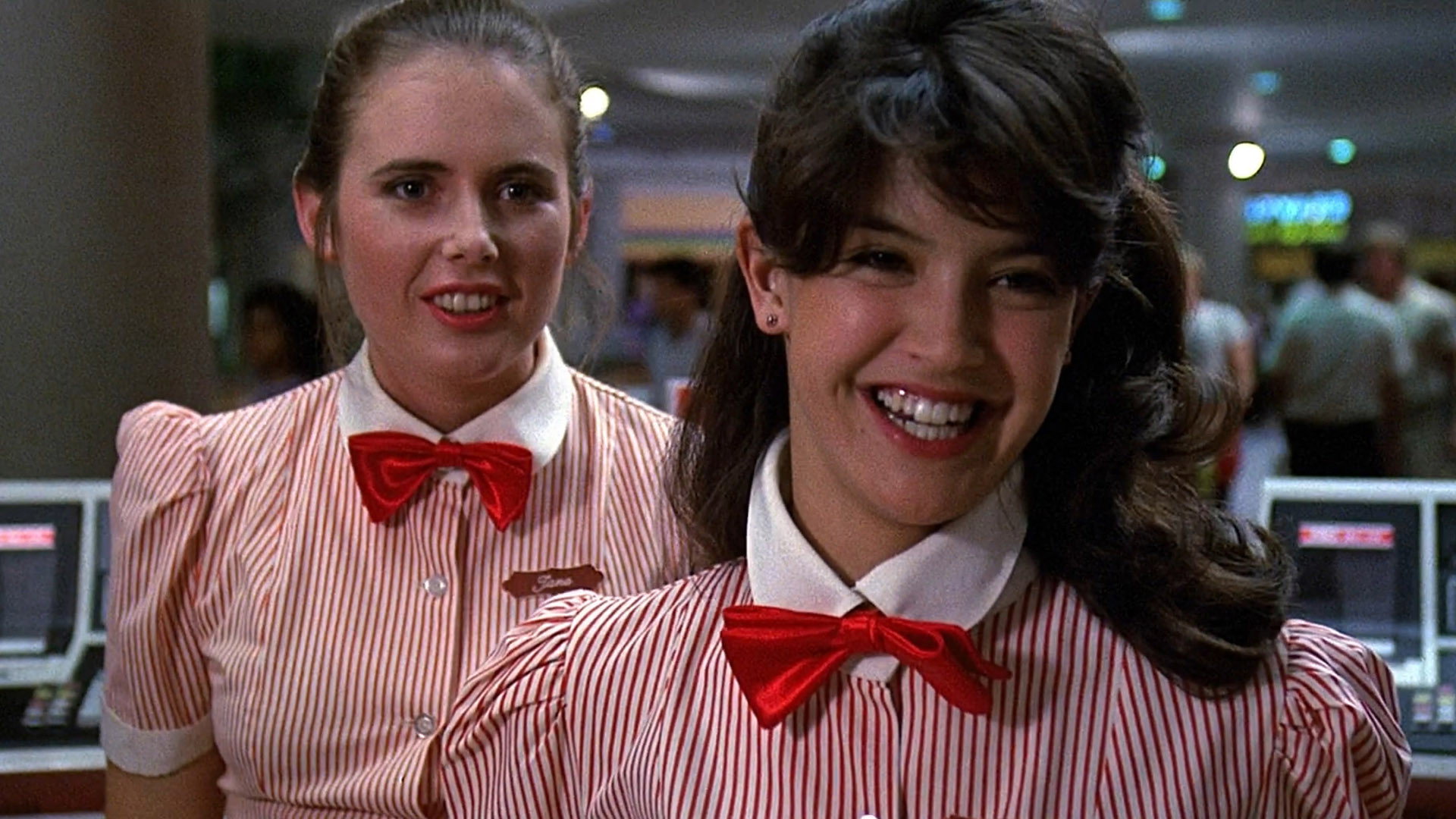
Judge Reinhold is just as useful as Brad Hamilton, whose fast-food jobs bring another kind of teenage indignity into the film. Reinhold makes the wish to seem competent both funny and sympathetic. Those jobs give Crowe a useful subject beyond the competition to appear sexually knowledgeable, and Brad’s troubles lend the comedy a welcome everyday scale. Reinhold understands how much embarrassment can accompany an ordinary working day, particularly when looking foolish still feels like a disaster.
Matthew F. Leonetti’s cinematography gives those performances space: Penn’s broad comedy and Leigh’s smaller responses remain easy to read. That is useful in a film whose strongest material depends on noticing how differently people handle embarrassment. Eric Jenkins’s editing is less successful at making their separate stories feel connected. The rock music keeps things lively, but an engaging stretch can feel abandoned when Jenkins changes the emphasis. At 90 minutes, the film is short enough, yet it still spends too long away from its more interesting characters.
The larger reservation is about what the comedy asks us to enjoy. Sexual awkwardness can be funny, but the film sometimes lingers over humiliation until its affection for the teenagers becomes hard to credit. Heckerling is willing to let adolescence feel unpleasant; she is less sure about when a lewd joke has exhausted its usefulness. Leigh makes this especially noticeable, because Stacy remains sympathetic even when the film seems distracted by the chance of another laugh.
Within the high-school comedy, that sympathy still counts for something. Crowe and Heckerling understand that adolescent confidence is often unconvincing, and their cast can make the effort funny without making the teenagers contemptible. The film does not sustain that generosity, but enough survives to make it worth an evening for anyone fond of the genre. Watch it for the actors, and allow for a script that sometimes gets bored with them too soon.