John Hughes’s school-skipping comedy is funny and generous, though its hero can be hard to take. Matthew Broderick supplies the charm; Alan Ruck gives the day out a reason to matter.
Ferris Bueller’s Day Off is a funny, warm school comedy with one persistent nuisance: its hero expects the world to agree with him. John Hughes gives him a day in Chicago and enough charm to persuade us to come along. We recommend the trip, with reservations about the boy organising it. The film enjoys his ingenuity, but it also finds something worth caring about in the friend who cannot share his confidence. That friendship keeps the truancy from becoming merely a demonstration of how clever Ferris is.
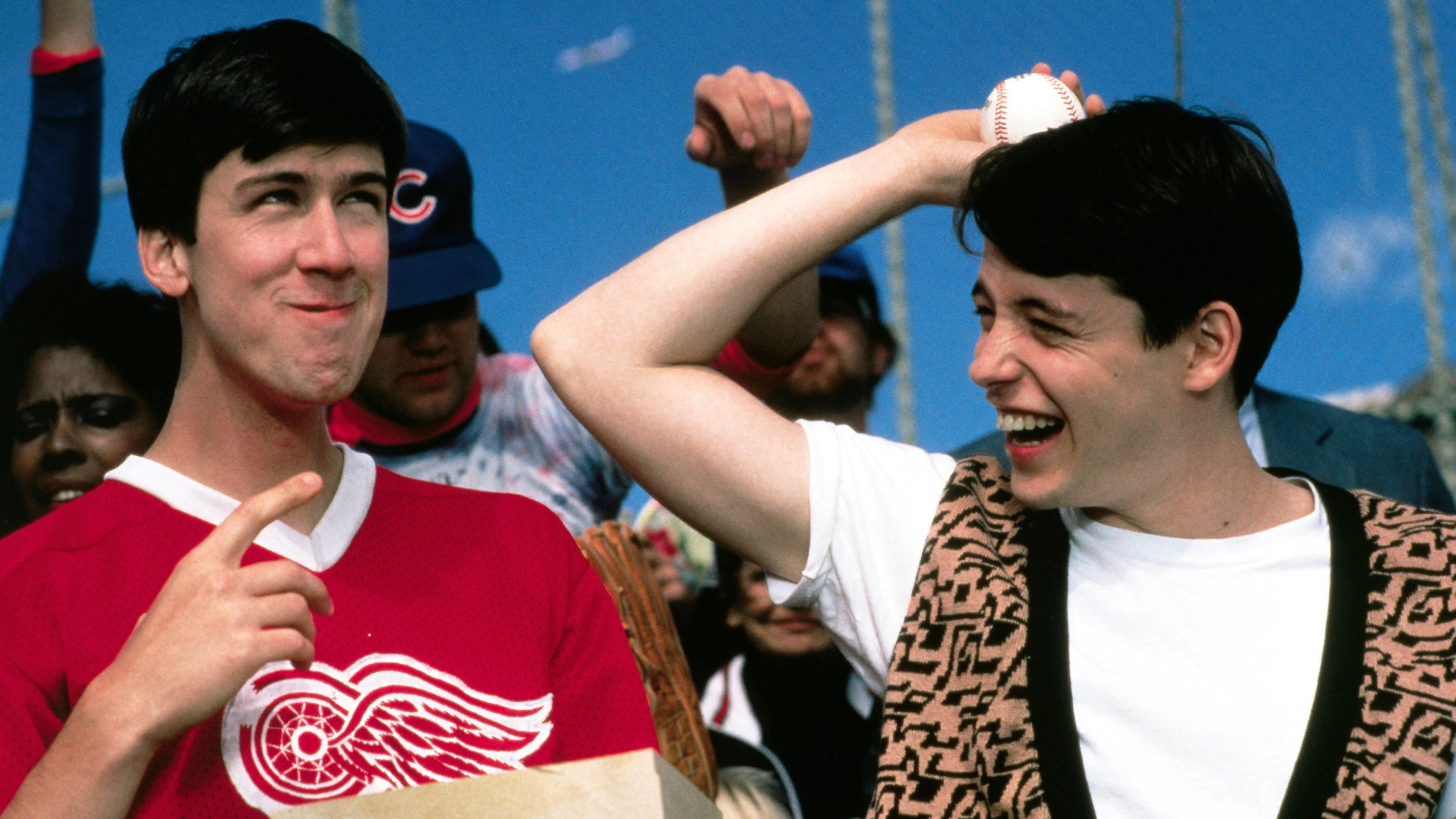
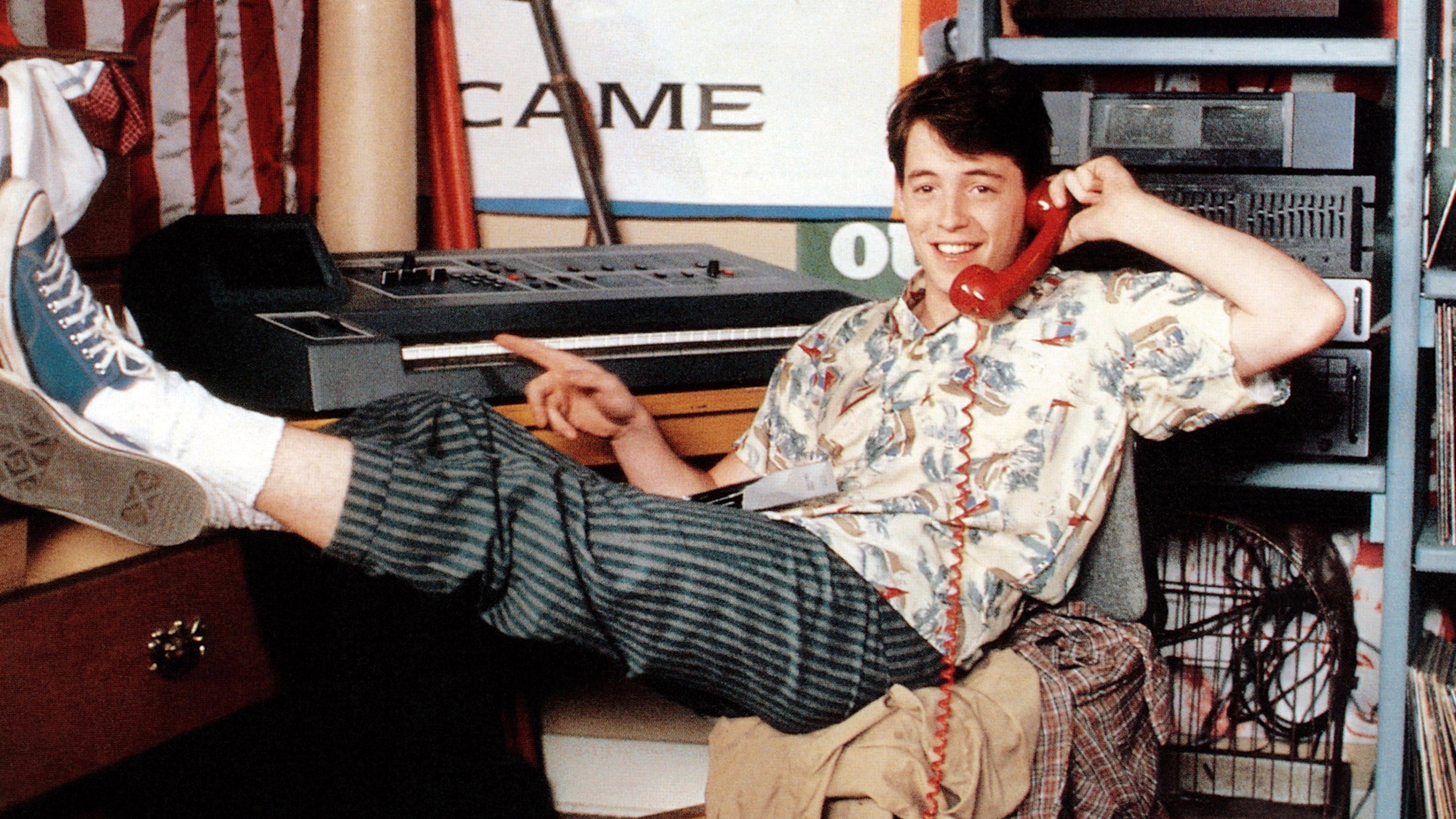
Matthew Broderick makes Ferris’s self-satisfaction bearable by keeping the performance light. He lets us see the pleasure of a successful manipulation without labouring to make each one seem a feat of genius. His ease matters: Ferris would be intolerable if the actor seemed as impressed with him as Hughes sometimes does. Instead, Broderick leaves enough room for us to notice the absurdity of a teenager treating his own leisure as everyone’s most pressing concern.
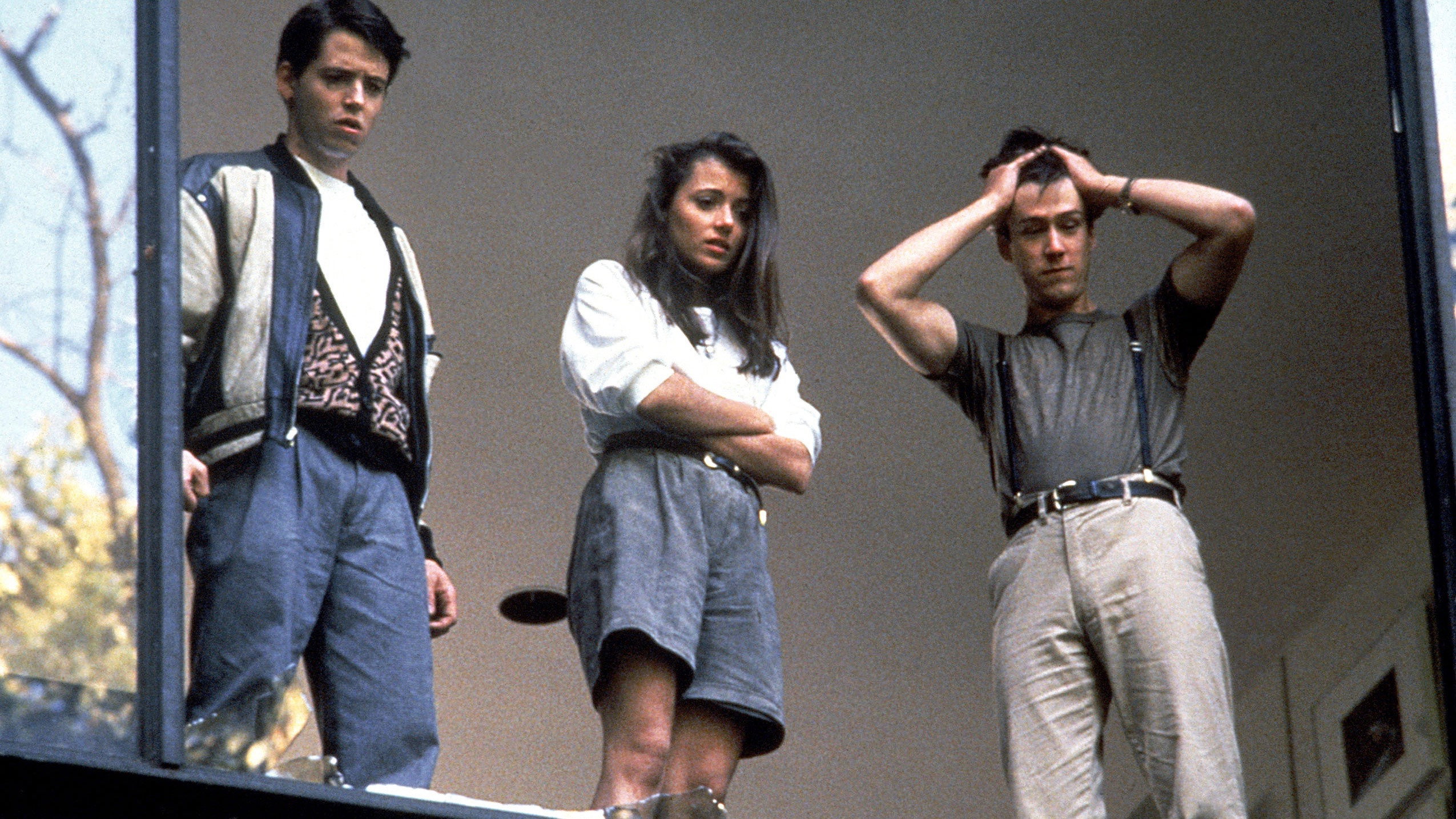
Alan Ruck supplies the necessary resistance as Cameron Frye. We felt unexpectedly protective of Cameron, because Ruck makes being swept along by Ferris look exhausting. The day out means more when one of the friends has trouble enjoying it, and Ruck gives that trouble enough weight to survive the jokes. Hughes’s belief that friendship might help a teenager find some self-respect is touching. Ferris’s manner of helping is open to question, which gives their scenes a useful discomfort.
Tak Fujimoto’s cinematography makes Chicago look inviting enough to explain the truancy without another sales pitch from Ferris. The city is a substantial part of the film’s appeal, particularly when the art-museum sequence lets looking take precedence over getting away with something. John W. Corso’s production design gives the suburban comfort a similar importance. Ferris’s surroundings help explain why he expects so little resistance from life, though Hughes is not especially interested in what that freedom might cost anyone outside this fortunate circle.
Paul Hirsch’s editing keeps the outing brisk without making every stop feel like another gag to be ticked off. The quieter passages matter because constant cleverness would soon become tiresome, even with Broderick delivering it. Ira Newborn’s music helps the jokes along, though the pop songs make the stronger impression. This is an uncomplicated use of music, but it suits a film whose immediate ambition is to make a day away from school look worth the bother.
The writing is less generous to Mia Sara’s Sloane Peterson, who has too little to do beside the two boys. Sara is appealing company, but Hughes does not give her an equally interesting reason to be there. Jeffrey Jones fares better as principal Ed Rooney, bringing comic force to the authority Ferris treats as an inconvenience. The broader school material is uneven, though, and Hughes sometimes seems to think that putting an adult in Ferris’s way is enough to make that adult ridiculous.
A teenage comedy is allowed to take the teenager’s side. Our reservation is that Hughes makes Ferris so secure in his own cleverness that a little uncertainty would have improved both the character and the comedy. Cameron supplies enough of it to keep the film from wearing out its welcome. Choose it for an evening when escape sounds attractive, and do not expect much sympathy for anyone taking the register.