Gints Zilbalodis’s wordless film about a cat adrift on a rising sea is patient, exact and more frightening than its U certificate suggests. It drifts in the middle and its ending reaches further than it grasps, but we recommend it, adults included.
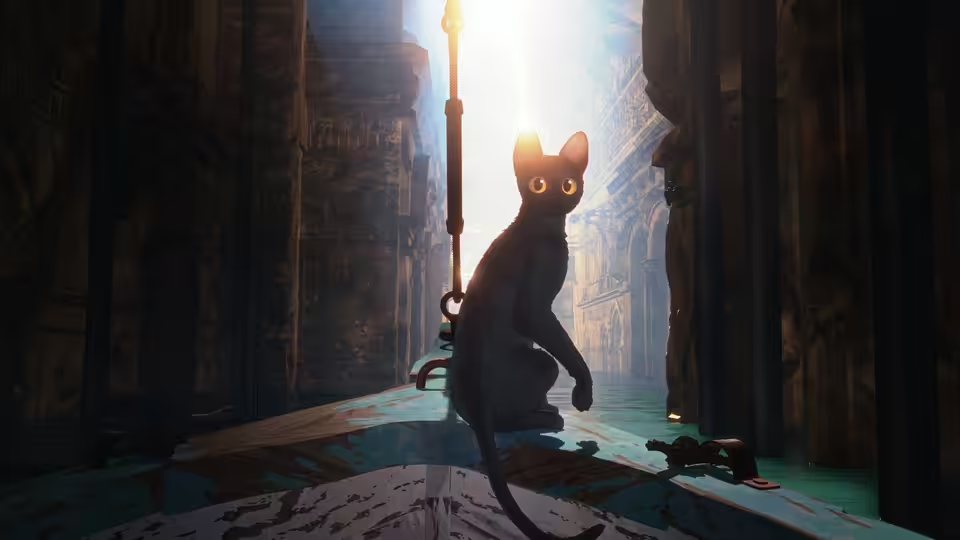
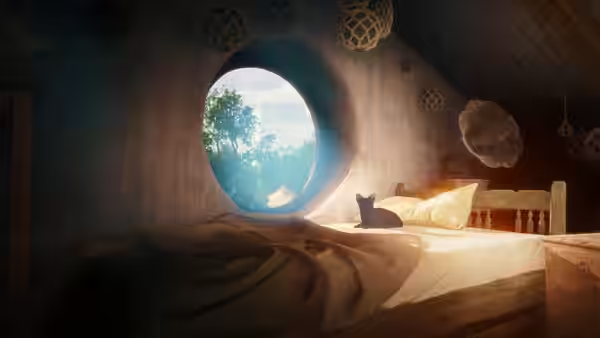
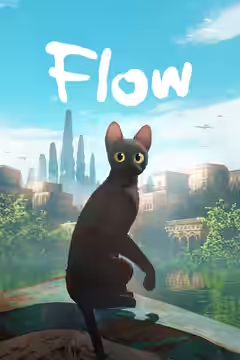
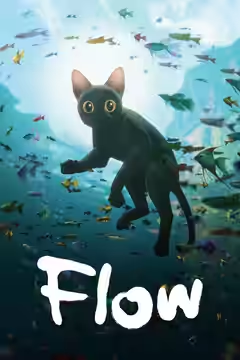
A dark grey cat lives alone in a house in a forest. Someone else lived there once, because there are drawings of the cat pinned up inside and stone cats in the garden, one of them the size of a barn. Then the deer come running, the water comes after them, and within a few minutes the forest floor is a seabed and the cat is clinging to the head of a statue. Gints Zilbalodis’s film has no dialogue, no narrator and no people, and it never explains where they went or why the sea is rising. It runs 85 minutes and it is one of the better animated films we have seen in some while.
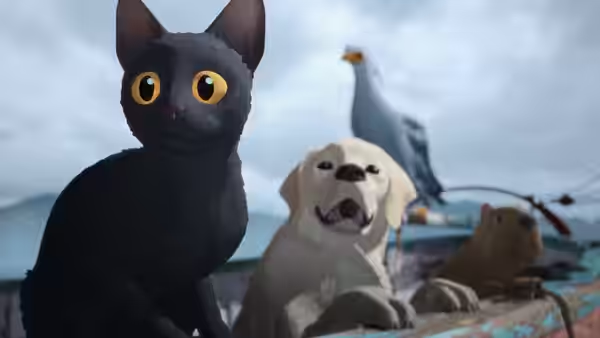
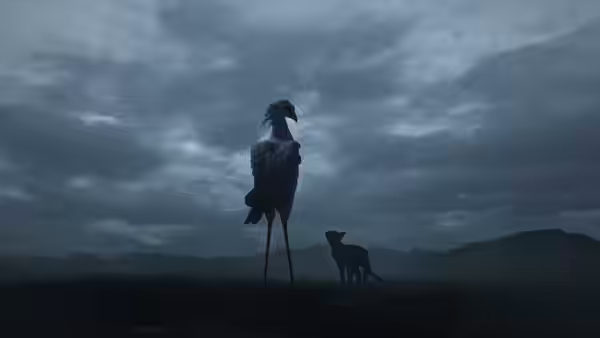
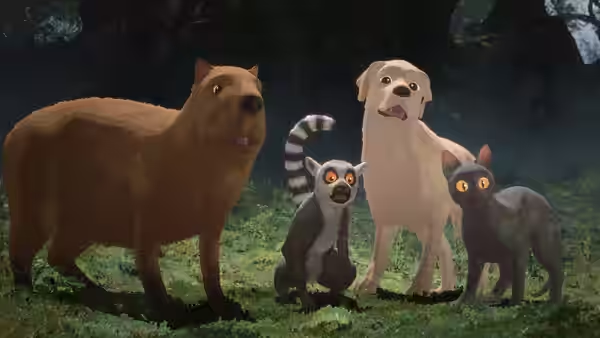
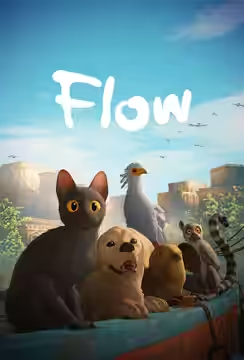
A sailing boat drifts past with a capybara asleep in it, and the cat, with no other option, jumps. Over the next hour the boat collects a ring-tailed lemur who hoards trinkets and will not be parted from a hand mirror, a secretary bird thrown out of its flock, and a yellow Labrador who has never met a situation it could not be pleased about. They do not become friends in the way an American cartoon would arrange it. They tolerate each other, steal each other’s fish and slowly work out that the boat has a rudder and someone had better hold it.
Zilbalodis is credited as director, cinematographer and editor, wrote the script with Matīss Kaža and composed the music with Rihards Zaļupe. You can feel one set of hands on it. The camera stays low, at the cat’s eye line, and moves in long unbroken drifts, following it under a table, up a tree and along a gunwale without a cut. The water is a heaving grey-green mass with light coming through it in bars, and the film keeps finding new things for it to do: lap at the bottom of a staircase, turn a street of ruined stone into a canal, go still at dawn so the boat seems to hang in the sky. The score is mostly low pulsing synths and something like a heartbeat, and it knows when to stop.
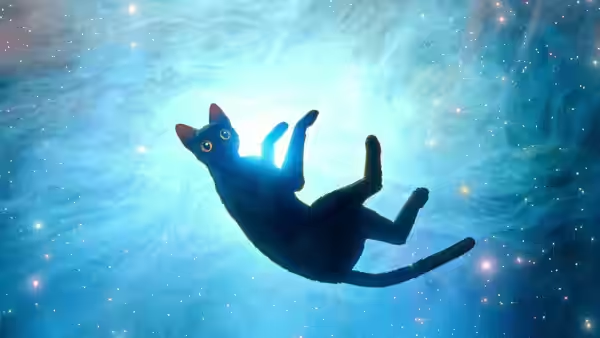
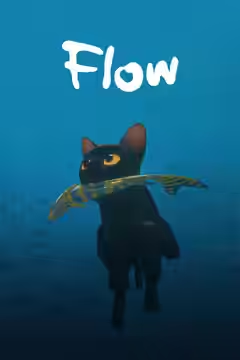
The cat hates water. Early on it falls in and thrashes, and we thought it might drown, and that was when we realised how completely the film had us: we were frightened for a rendered cat. Later, when a whale rises beside the boat at night with its eye level with the cat’s, we felt something we do not often feel in a cinema now, which is awe with nothing asked of us in return. Nothing swells on the soundtrack. The whale looks, the cat looks, and Zilbalodis holds the shot.
The animals move like animals, which is rarer in animation than it should be. The cat’s ears go back before its body does. The capybara does nothing at all, magnificently, for whole scenes. The dog shakes itself dry over everyone. They sound like animals too: the cat mews and hisses, the capybara makes a low contented rumble, and nobody has been given a voice or a quip. Whatever we know about them we know from watching.
It is not without faults. The middle stretch has a sameness to it, another squall, another quarrel over a fish, another fall overboard, and we looked at our watch once, around the hour. The dog’s old pack turns up for a broad chase that belongs in a louder film. The lemur’s greed is underlined every time it picks something up, so that a gag becomes a small lecture on possessions. The rendering is not flawless either: the water sometimes has the flat, even sheen of a screensaver and the fur sits on the animals like felt. And in the last twenty minutes the film takes a turn towards the mystical that we will not describe. It is done with conviction, and we admired it, and we are still not sure it means anything.
Zilbalodis made his previous film, Away (2019), almost entirely by himself, and it had the same virtues and worse faults: a wandering camera, a mute hero, a story that was really a list of places. Flow is the same method with more discipline. It keeps its U certificate honestly, though the first quarter of an hour is as frightening as anything with that certificate has a right to be.
Take a child if you have one, and sit with them through the flood. They will want to know where the people went. Tell them the film does not know either, and that this is allowed.