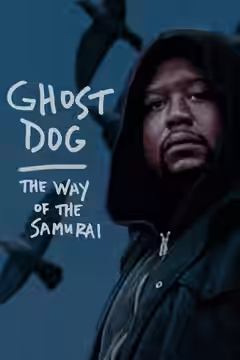
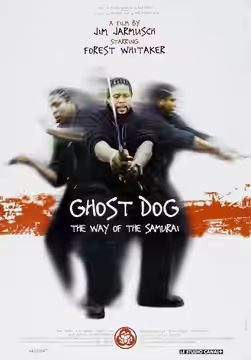
Forest Whitaker makes Jim Jarmusch’s samurai hitman funny and unexpectedly touching, with considerable help from RZA’s music. The gangster caricatures wear thin, but this patient crime film rewards the time spent watching its leading man think.
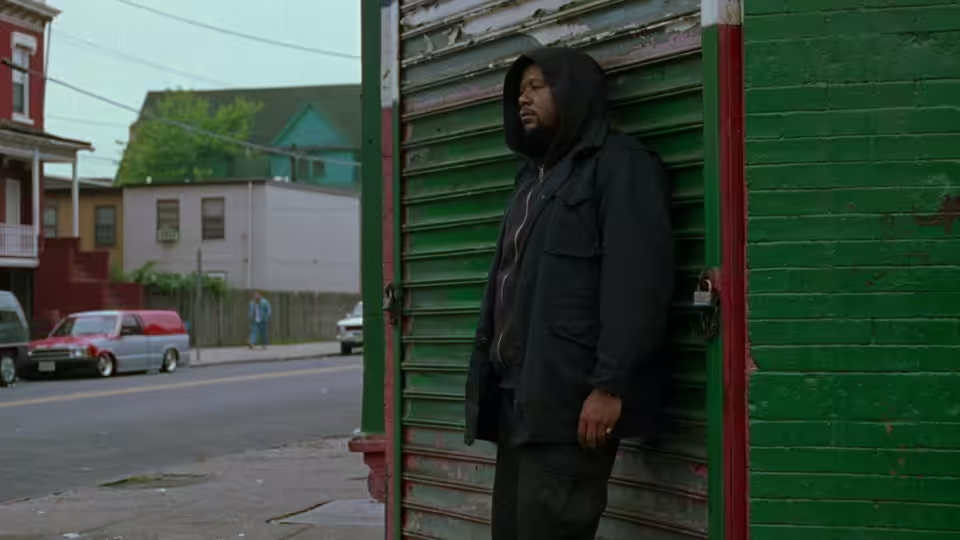
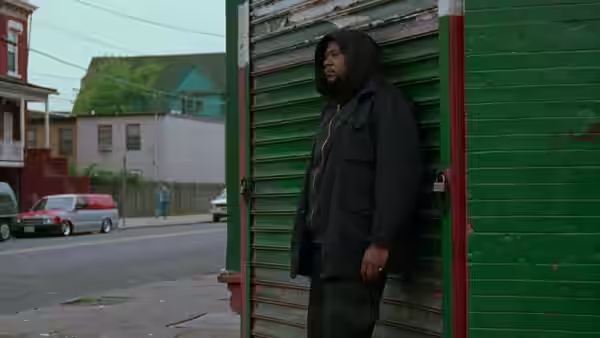
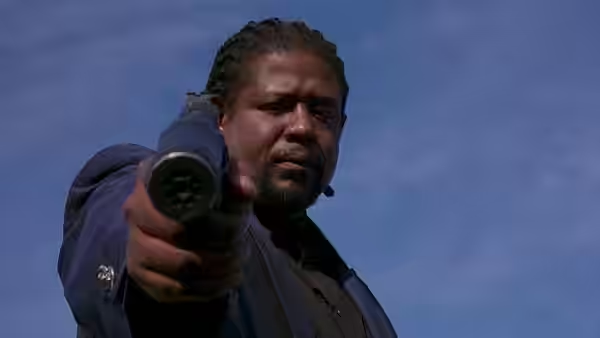
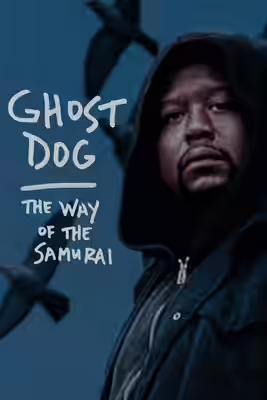
Jim Jarmusch’s Ghost Dog: The Way of the Samurai is a funny, quietly moving crime film, provided we do not ask it to behave like a thriller. Forest Whitaker plays an assassin devoted to a samurai code, taking his profession seriously in the company of gangsters who often seem absurd. Jarmusch wants us to spend time with this man and consider the rules he has chosen to follow. The film gives the pauses between acts of violence considerable space.
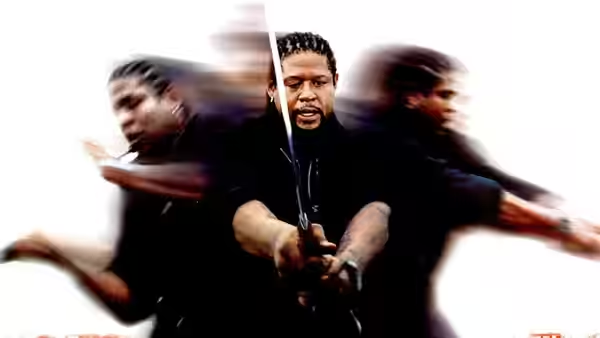
Whitaker makes that invitation easy to accept. His expressive stillness keeps the pauses from turning into dead air, and he gives Ghost Dog enough gravity that the combination of hitman and philosopher seldom looks like a writer’s amusing idea for a character. We were moved by Whitaker’s face in those quiet passages: the seriousness with which he regards his chosen way of life makes him seem painfully alone. He allows us to care about Ghost Dog without requiring us to endorse his beliefs or his profession.
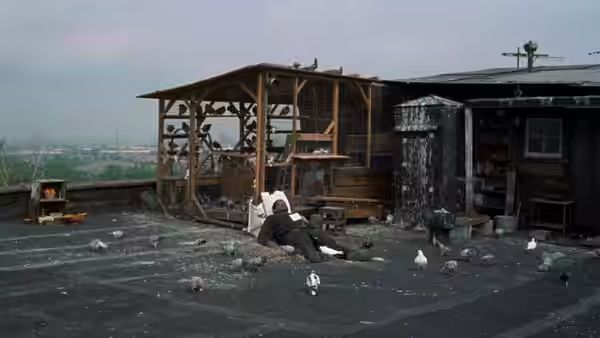
Robby Müller’s cinematography gives us something worth watching even when little is happening, particularly in the bird footage. The time spent looking at birds is a welcome break from the gangsters and their business, and Jarmusch is right to make room for it. Production designer Ted Berner’s world feels oddly empty to us, which suits Whitaker’s self-contained presence. We could have used a stronger sense that these gangsters had lives beyond the scene immediately in front of us.
Editor Jay Rabinowitz allows Whitaker’s stillness to count, giving the pauses enough room for us to study his face. The approach does cost the film momentum when the supporting characters cannot sustain the same interest. RZA’s hip-hop score supplies a firmer pulse and makes the mixture of Mafia comedy and samurai discipline feel less strained than it might sound on paper. His music is a substantial part of the pleasure, especially when the dramatic business has become a little thin.
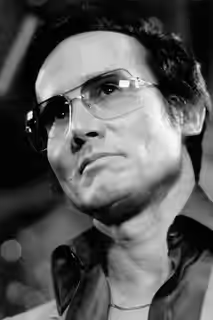
Jarmusch’s writing is funny about the gangsters, and Henry Silva’s Ray Vargo belongs comfortably among these comic figures. Yet their broadness is also the film’s clearest weakness: too often a familiar Mafia type is expected to be funny simply by being there. The collision of cultural codes gives Jarmusch plenty to work with, but he does not always examine what those codes demand of the people following them. Some supporting scenes settle for eccentric behaviour when they need another thought. Whitaker is doing more detailed work at the centre.
As a variation on the hitman film, this benefits from being interested in a killer’s habits of thought as well as his competence. Its violence is ritualised, and suspense is not Jarmusch’s chief concern. That will be a sizeable obstacle for anyone expecting the plot to tighten with each encounter, particularly across its 117 minutes. We recommend it with that reservation, and with some patience for the gangsters when the jokes begin to repeat. Choose an evening when nobody is going to keep asking when the thriller starts.