Dominic Sena’s car-theft caper has an appealing cast and plenty of attractive machinery, but too little urgency to justify the wait. The stunts offer some relief from thin characters and a sluggish build-up.
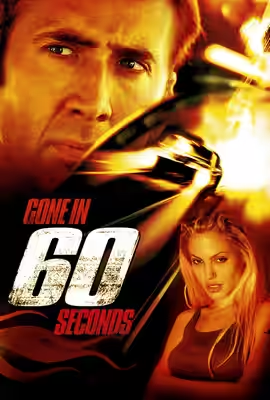
Gone in Sixty Seconds ought to offer uncomplicated pleasure: attractive cars, a capable cast and enough theft to keep both occupied. Dominic Sena directs it as though those ingredients will do the work without much help. The result is a poor caper with some agreeable company, far too little urgency and 118 minutes in which to notice. We do not need these thieves to be profound, but we do need to care about their next difficulty.
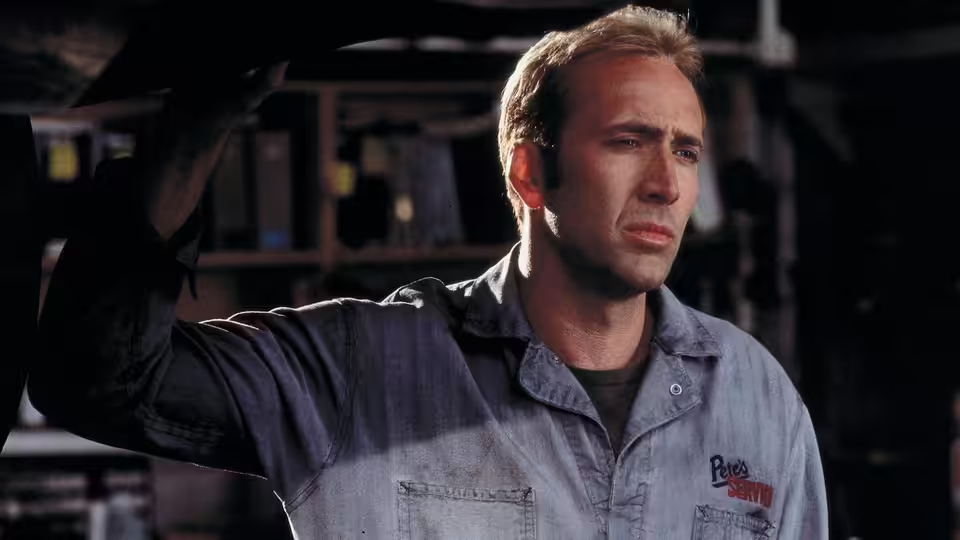
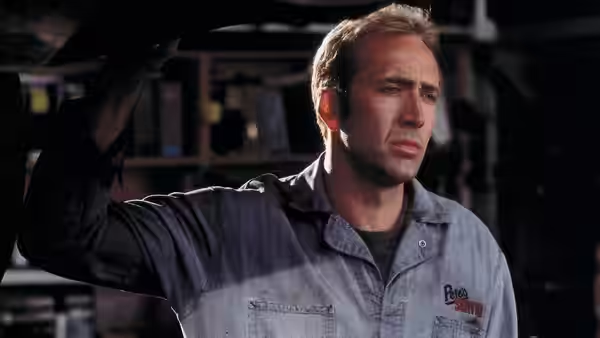
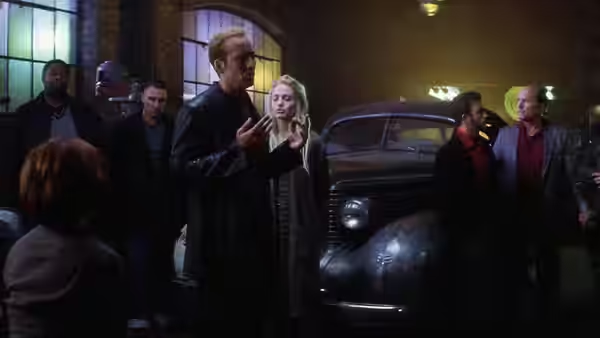
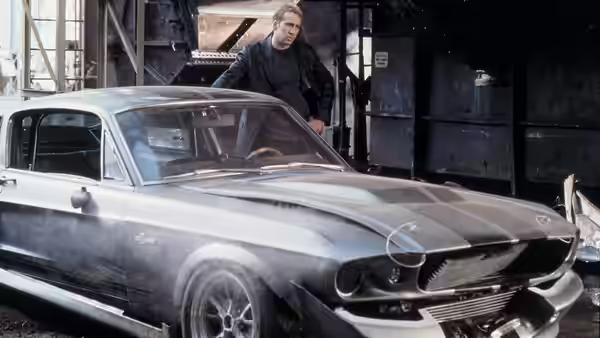
Scott Rosenberg’s screenplay gives the stealing plenty of attention without making the thieves comparably interesting. Nicolas Cage, as Memphis Raines, has an ease that can carry a lightweight caper, and the cast’s relaxed manner is one of the few reliable pleasures here. The writing gives that charm little help. A flimsy plot need not be fatal to this sort of entertainment, but the people involved have to make us curious about what they might do next.
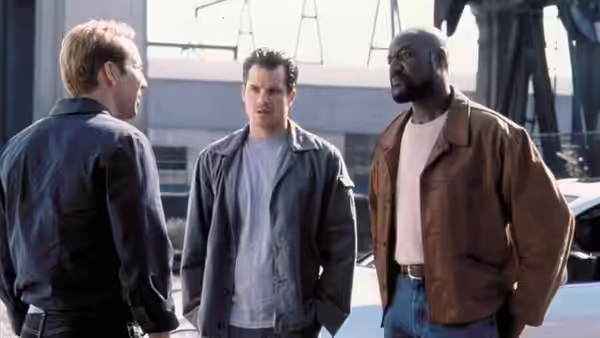
Angelina Jolie plays Sara ‘Sway’ Wayland, and the film’s treatment of its female lead makes the thin writing harder to overlook. There is too little for her to do in a caper so absorbed by its masculine posing. Robert Duvall, as Otto Halliwell, and Delroy Lindo, as Det. Roland Castlebeck, add to the sense of a cast with considerable ability left unused. The actors remain welcome company, which is why their limited opportunities are frustrating.
Paul Cameron’s cinematography gives the cars an inviting gloss, making them the film’s most consistent attraction. Jeff Mann’s production design supports that polish without supplying much sense of a life beyond the business of stealing. Enjoying the vehicles is a reasonable part of the bargain, and the film does deliver on that modest promise. But the attention lavished on them makes the neglect of the characters harder to ignore.
We were bored by the succession of thefts, because acquiring another car rarely makes the people doing it more interesting. The long build-up needs stronger characters or a steadily increasing sense of pressure, and neither develops enough to justify the wait. Editors Tom Muldoon, Roger Barton and Chris Lebenzon give the action plenty of quick cuts, but that pace within individual sequences does not make the whole film move. The action is also difficult to follow when the cutting breaks up our sense of where the cars are.
Trevor Rabin’s music is loud enough to make the lack of excitement feel especially awkward. The score keeps insisting on an energy that the story has not earned, and the noise becomes tiring. There is pleasure in the motoring stunts, with flashes of the physical excitement that should have sustained the film. Those passages are welcome, even when the editing makes it harder than it should be to appreciate the driving.
Against the modest demands of a car-chase thriller, this is a disappointing use of good people and appealing machinery. The generally poor critical response is understandable, though the cast and occasional burst of action prevent a complete write-off. Devoted admirers of the vehicles may find enough to occupy them, provided they are tolerant of the wait. Anyone coming for the actors should choose another caper.