Film review

Gone with the Wind

1939 · Directed by Victor Fleming · 3h 58m · MPA G

In a sentenceVivien Leigh is excellent company as a woman we would never invite round twice

DramaWarRomance

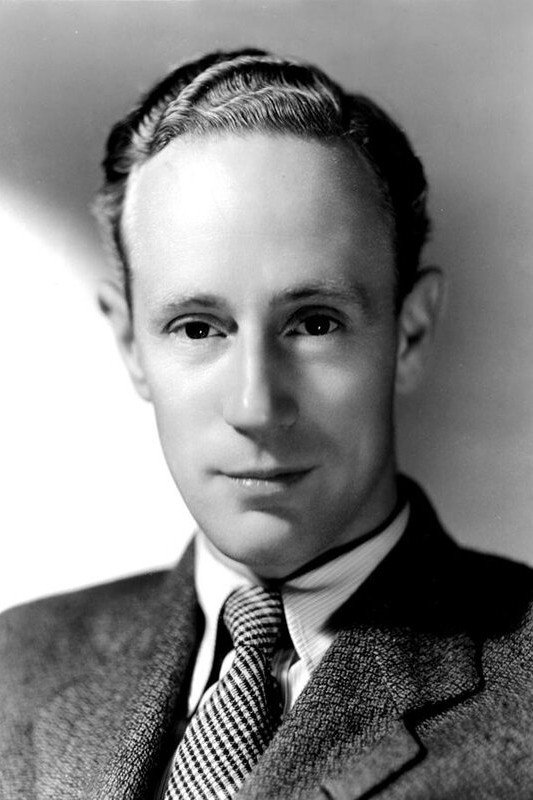
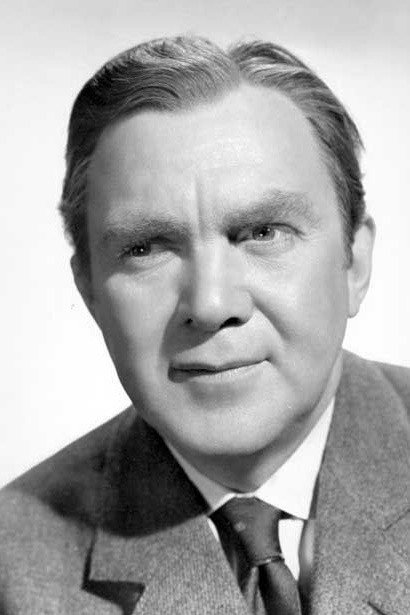
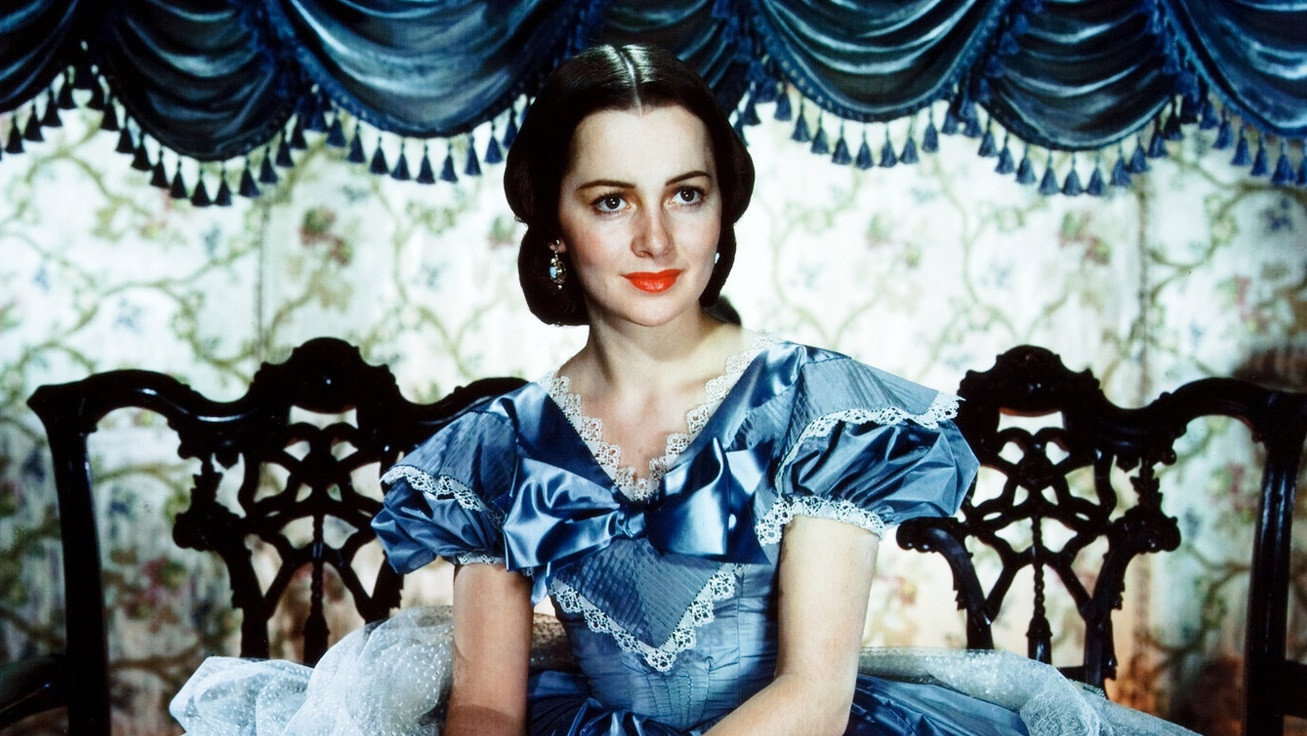
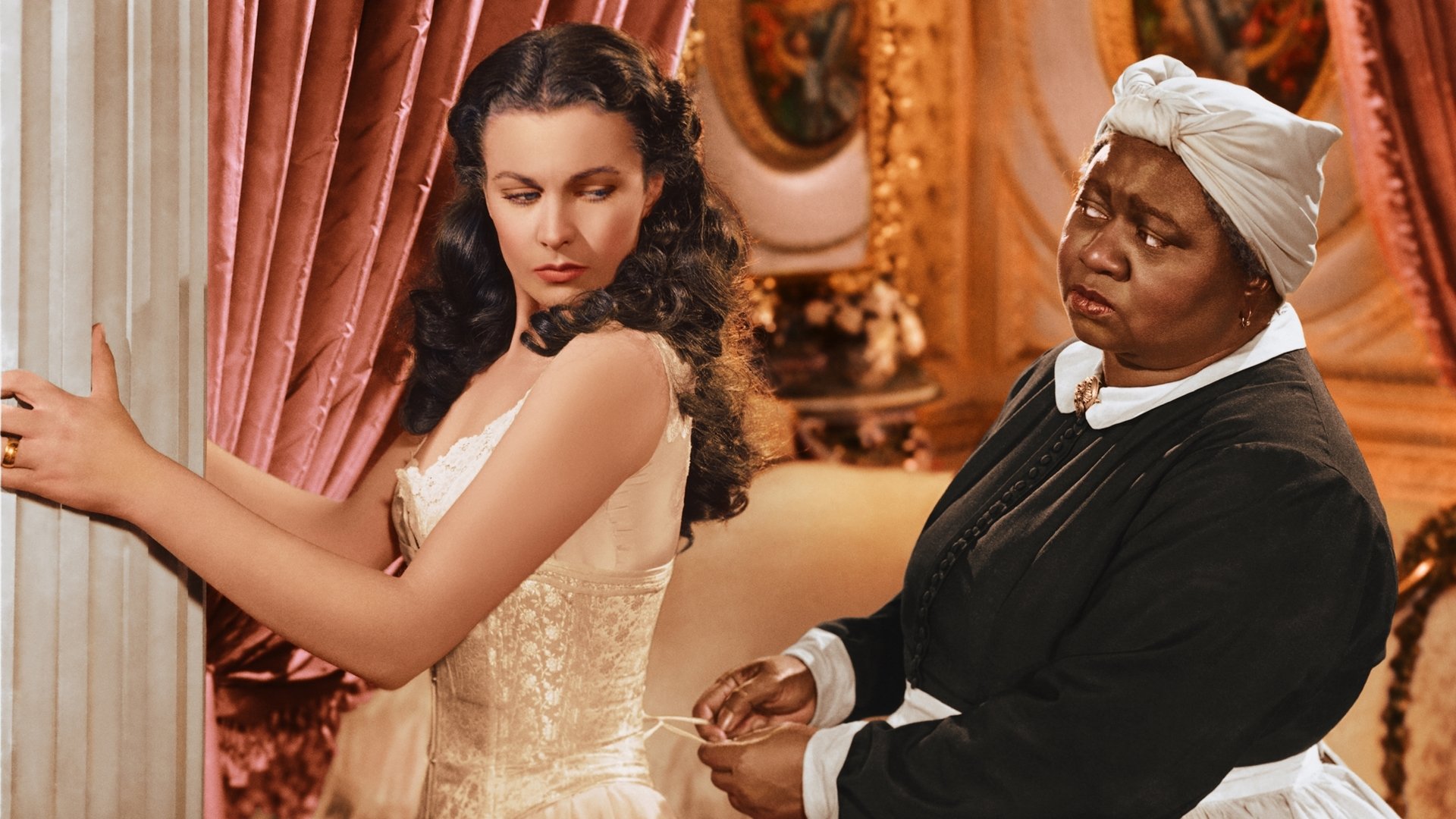
Scarlett O’Hara (Vivien Leigh) pursues her own desires as war disrupts the slaveholding society around her. Her story centres on love and its complications, with Rhett Butler (Clark Gable), Melanie Hamilton (Olivia de Havilland) and Ashley Wilkes (Leslie Howard) sharing a drama that moves between personal quarrels and the consequences of conflict. Hattie McDaniel plays Mammy, Thomas Mitchell plays Gerald O’Hara and Barbara O’Neil plays Ellen O’Hara. Victor Fleming directs Sidney Howard’s adaptation of Margaret Mitchell’s novel, which follows Scarlett through a changing society while keeping her private concerns at its centre.

Plays from YouTube when you press play; nothing loads from them until then.

Fi1m review

Vivien Leigh makes this overlong romance worth the effort, though its indulgence of a slaveholding society cannot be brushed aside. The scale is impressive; the second half too often lets Scarlett’s troubles drag.

Gone with the Wind is worth the long evening for Vivien Leigh, though we would not recommend accepting its view of history for a minute. Victor Fleming’s film, produced by David O. Selznick, gives a selfish woman’s romantic troubles the scale and weight of a war drama. At 238 minutes, it has room to make those troubles absorbing and then to overdo them. It asks for considerable patience with Scarlett O’Hara, and Leigh supplies much of the reason to grant it.

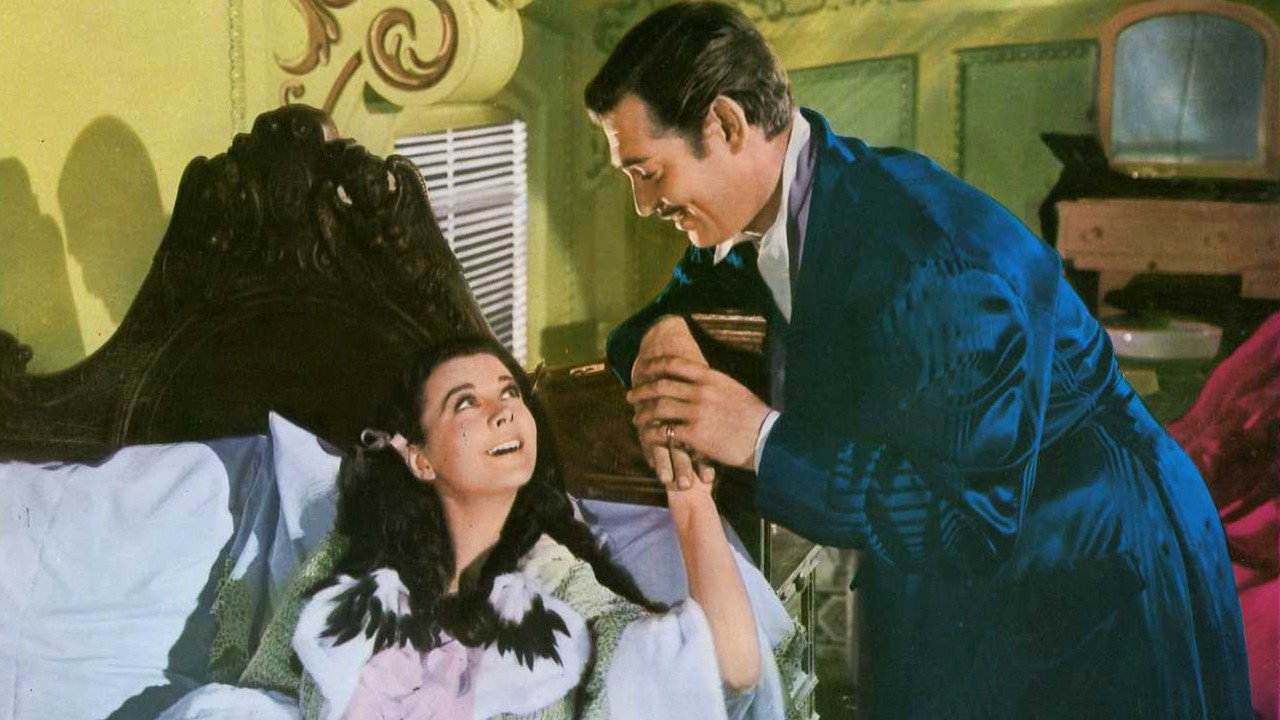
Leigh makes Scarlett’s artificiality a pleasure to watch. The performance does not soften her appetite for attention or apologise for it, and that gives the romance a difficult, lively centre. Her selfishness keeps us interested in what she will demand next, even when we have little sympathy left for the demand. Romantic melodrama often works hard to make its heroine deserving, so there is pleasure in watching Leigh behave badly with such conviction.

Clark Gable’s Rhett Butler gives her a partner with enough presence to keep the exchanges from becoming a solo performance. Gable seems comfortable with the film’s extravagance, which helps make the romance persuasive when the writing threatens to labour it. Olivia de Havilland’s Melanie Hamilton and Leslie Howard’s Ashley Wilkes have less force in this company. Sidney Howard’s screenplay, adapted from Margaret Mitchell’s novel, remains so attentive to Scarlett that the people around her can feel like support for her next bout of unhappiness.

The panoramic Atlanta scenes give the production’s size a purpose: we can look beyond Scarlett and see war occupying a whole city. William Cameron Menzies’s production design makes those expanses convincing enough to hold our attention without a romantic quarrel to help. Ernest Haller keeps the colour controlled across the wide views, so it contributes to the action without making everything equally insistent. These passages give us a welcome opportunity to look beyond the central relationships.

Steiner’s score is less inclined to restraint. Its thunderous emphasis suits the size of the production, but it can insist too heavily on feelings the actors have already made clear. The second half grows soapier, and the pacing gives too many romantic difficulties more time than they need. The repeated emotional emphasis becomes tiring, particularly when the quarrels have ceased to surprise and the film is still giving them its full attention.

The more serious objection is the film’s affection for the slaveholding society it depicts. We winced at the cheerful portrayals of enslaved people, because their apparent contentment is used to make that society look benign. Hattie McDaniel gives Mammy force and authority, but the writing still treats service as a reassuring part of the social order. The film spends so much care on making that society attractive that its treatment of slavery cannot be dismissed as an incidental mistake.

Give it an evening when there is no need to hurry, and take an interval. A film this long benefits from a little distance, particularly once the quarrels begin to weigh more heavily than the war. Scarlett can wait while the kettle boils.

Critical consensus AI synthesised

81
Positive
6
Mixed
0
Negative
0

The reviews are consistently favourable, with praise clustering around the scale of the production, the Technicolor photography and the cast. Several critics admire the adaptation’s fidelity to Margaret Mitchell’s novel, while others find the romance between Scarlett and Rhett more compelling than its historical setting. Vivien Leigh receives particular praise for her Scarlett, and the panoramic Atlanta scenes, settings and use of colour repeatedly earn attention as more than decoration.

The differences concern which flaws matter most, rather than whether the film succeeds. Length and soapier stretches trouble some critics; later reviews also confront its romanticisation of slavery, with Eye for Film additionally questioning its treatment of rape. The New Yorker offers a notable dissent on Leigh, finding her comparatively ordinary while praising Clark Gable’s suitability for Rhett. The spread remains broadly positive, though that agreement accommodates sharply different levels of discomfort with the story and its central character.

The New York Times
20 December 1939 · Frank S. Nugent
90*

The critic praises the film as a handsome, scrupulous and unstinting version of the novel that matches it almost scene for scene. He singles out the brilliant casting and performances, especially Vivien Leigh as Scarlett and the overall fidelity to Margaret Mitchell's story.

Read the full review →
Variety
19 December 1939 · John C. Flinn Sr.
85*

The critic calls it one of the truly great films destined for record-breaking business, praising the lavish production, cast, and technical excellence. He singles out the faithful adaptation of the novel and Vivien Leigh's memorable performance as Scarlett while noting the overlong running time as a minor flaw.

Read the full review →
Empire
1 January 2000 · Kim Newman
80*

The film is an impeccably well-made epic delivered by producer David O. Selznick, with most truly great scenes in the first half under George Cukor and soapier stretches by Victor Fleming. Gorgeous Technicolor, a thunderous Max Steiner score and sheer visual splendour make it essential viewing for anyone interested in romance or movies, even if it centres on a selfish character.

Read the full review →
Time Out
19 November 2013 · ★★★★ · Cath Clarke
80

The review notes the wince-inducing stereotypes of happy slaves but argues no one watches for historical accuracy. It praises the four-hour epic romance in gorgeous Technicolor as what keeps audiences returning, with Scarlett and Rhett as the main event.

Read the full review →
The New Yorker
23 December 1939 · John C. Mosher
75*

The critic finds sense in the production's immensity once the panoramic Atlanta scenes appear and praises the Technicolor as a triumph that contributes to the action. He singles out Clark Gable as perfectly suited to Rhett Butler while noting Vivien Leigh is somewhat commonplace as Scarlett.

Read the full review →
Sight and Sound
1 April 1940

The critic praises the film's breathtaking settings and restrained Technicolor photography that evokes a vanished era. They regret its focus on the life-story of a 'hussy' but commend the skilled direction, de-glamorized war scenes, and well-chosen cast including Vivien Leigh as Scarlett.

Read the full review →

Cast

Stills

Awards

Academy Awards, 1940

Nominated
Best Actor
Nominated
Best Original Score
Nominated
Best Sound
Nominated
Best Special Effects
Won
Best Actress
Won
Best Cinematography, Color
Won
Best Director
Won
Best Film Editing
Won
Best Picture
Won
Best Production Design
Won
Best Supporting Actress
Won
Best Writing, Adapted Screenplay

If you liked this, try…

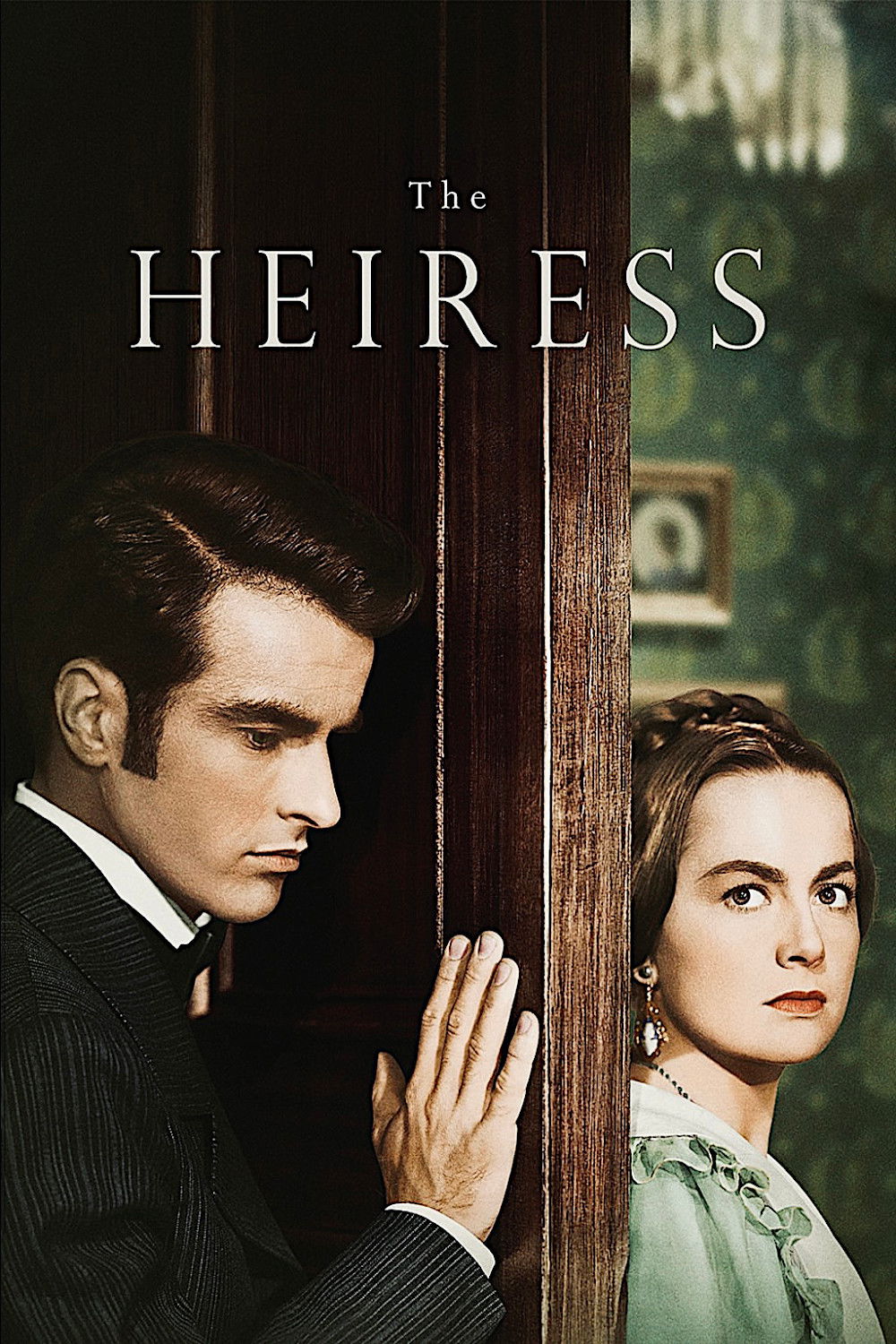
The Heiress poster

The Heiress

1949 · Olivia de Havilland gives wounded pride a quieter, increasingly formidable presence.

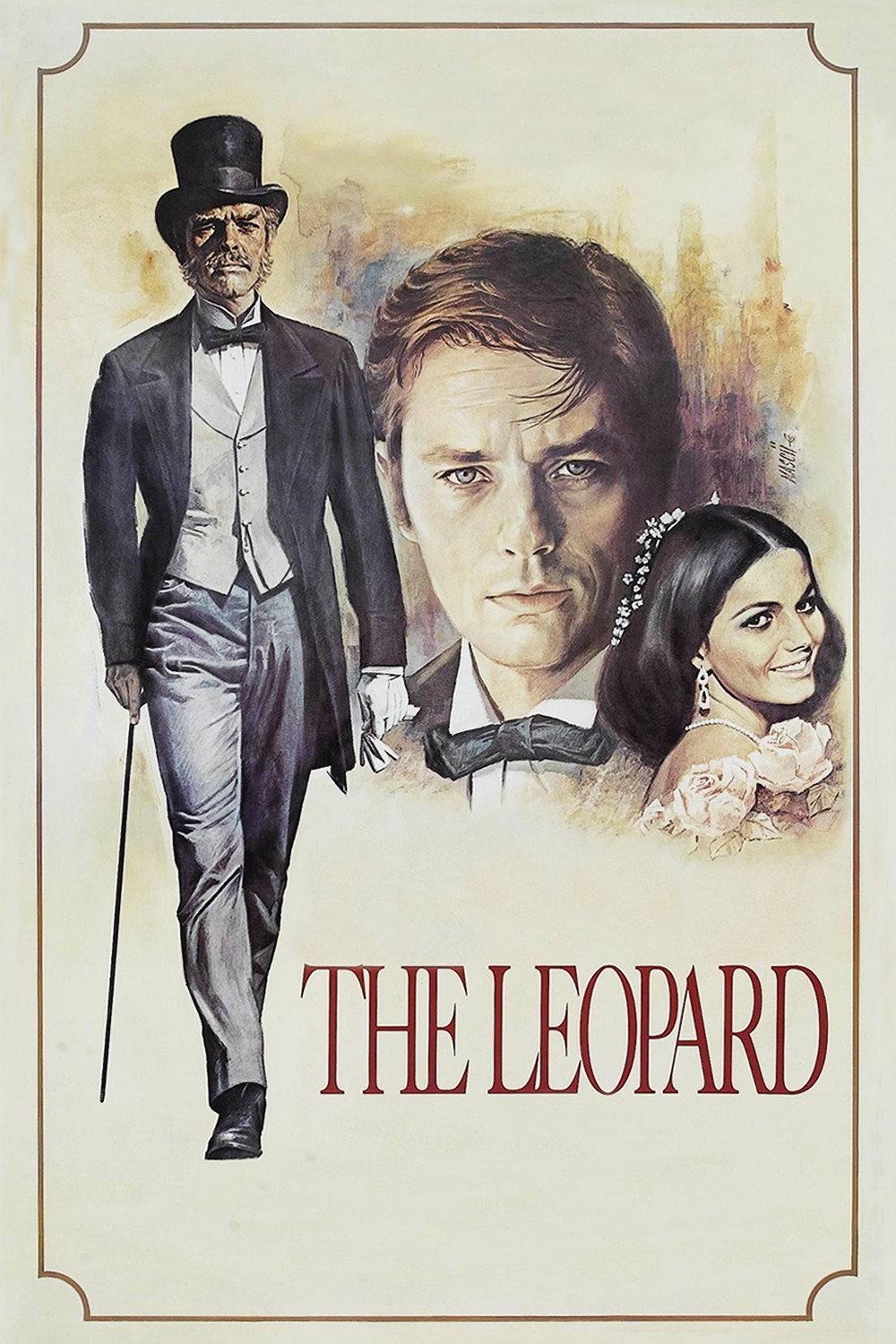
The Leopard poster

The Leopard

1963 · For another grand household struggling to accept that history has moved on.

The Music Room poster

The Music Room

1958 · A declining aristocrat clings to ceremony while his household can scarcely afford it.

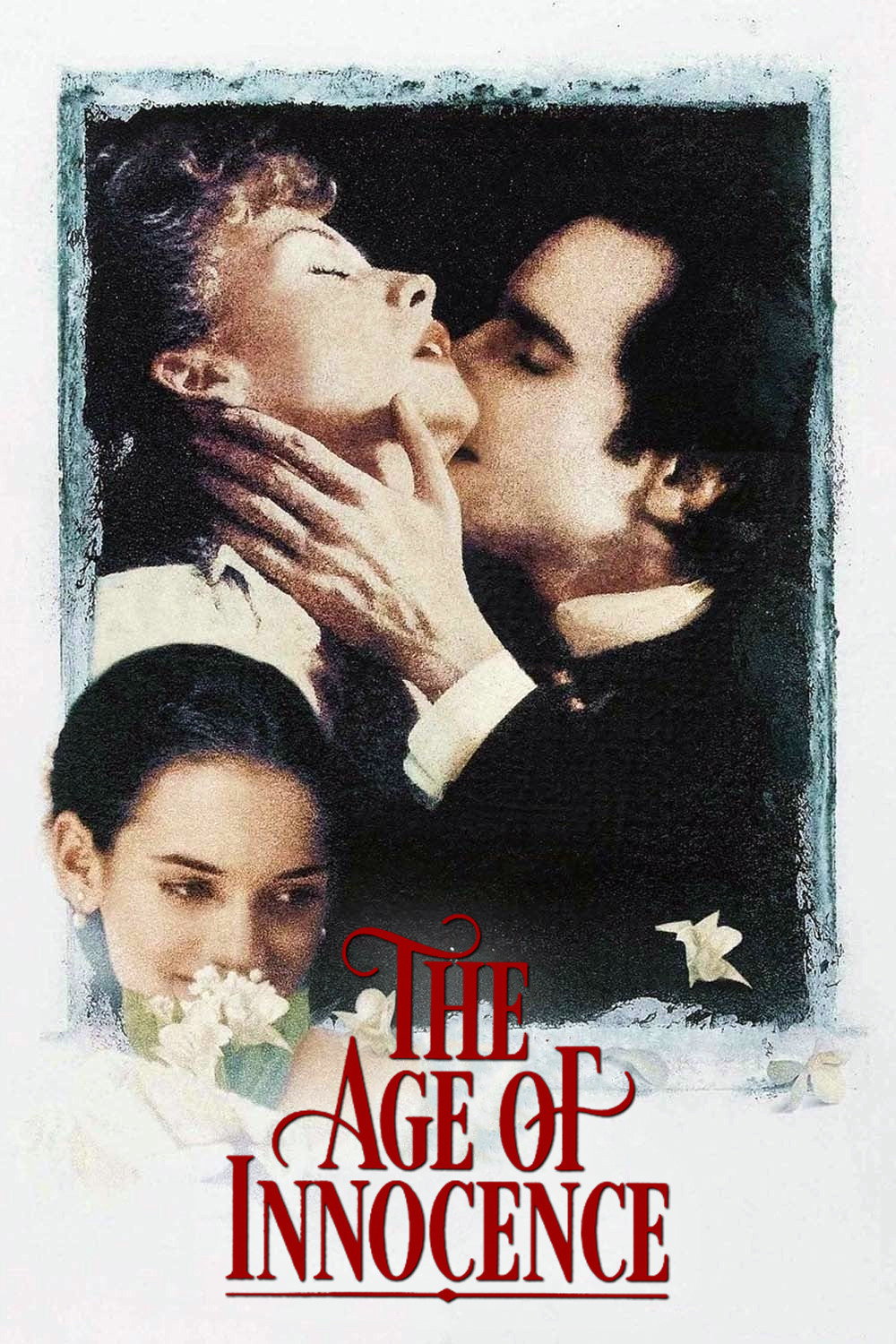
The Age of Innocence poster86

The Age of Innocence

1993 · Another lavish romance where social rules make private desires difficult to satisfy.

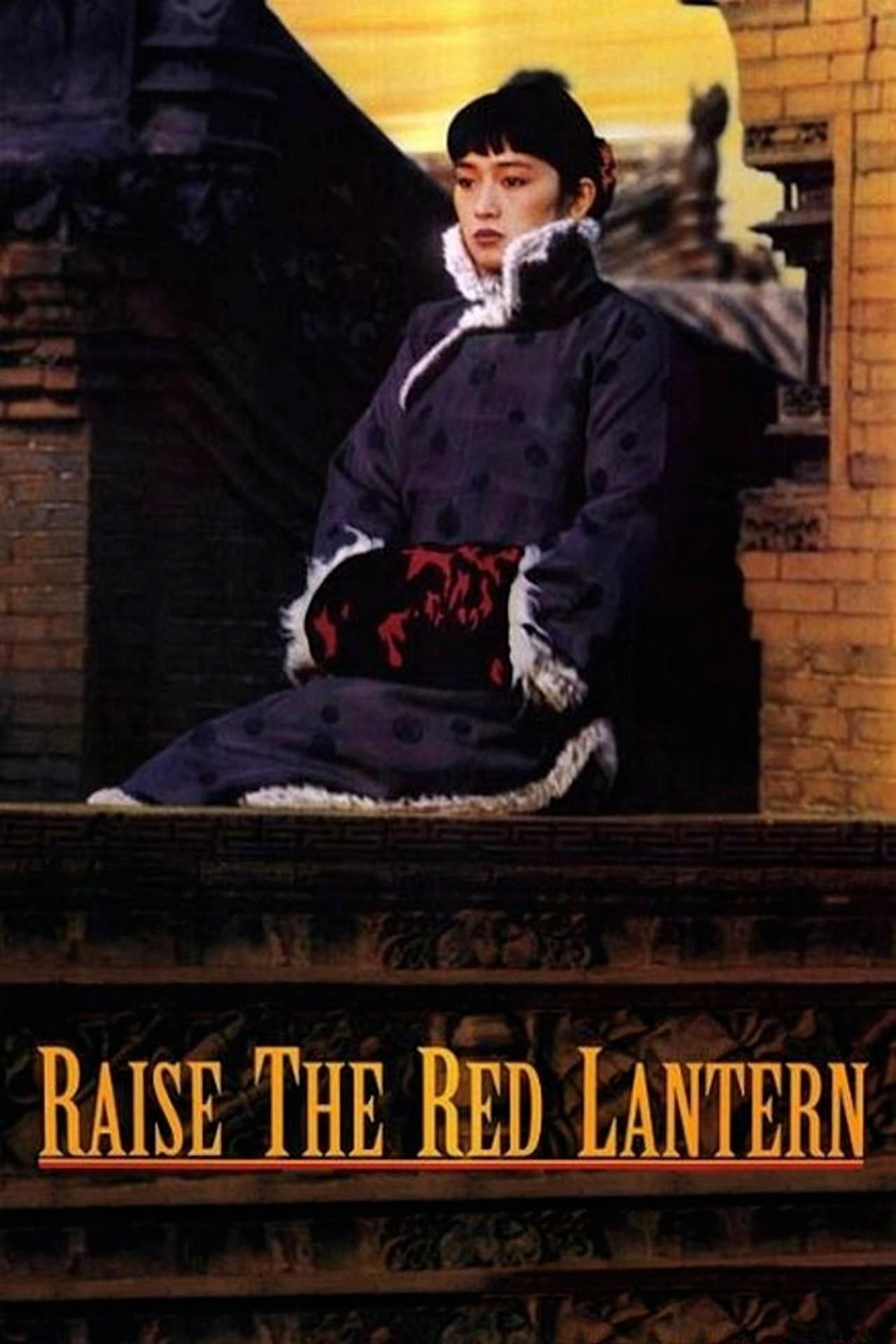
Raise the Red Lantern poster91

Raise the Red Lantern

1991 · Another enclosed society where status and desire make daily life a struggle.