Lasse Hallström makes a touching family drama from a bond that needs little explanation. Richard Gere and his canine companion earn the tears, though the surrounding humans are thinly written and the piano is too insistent.
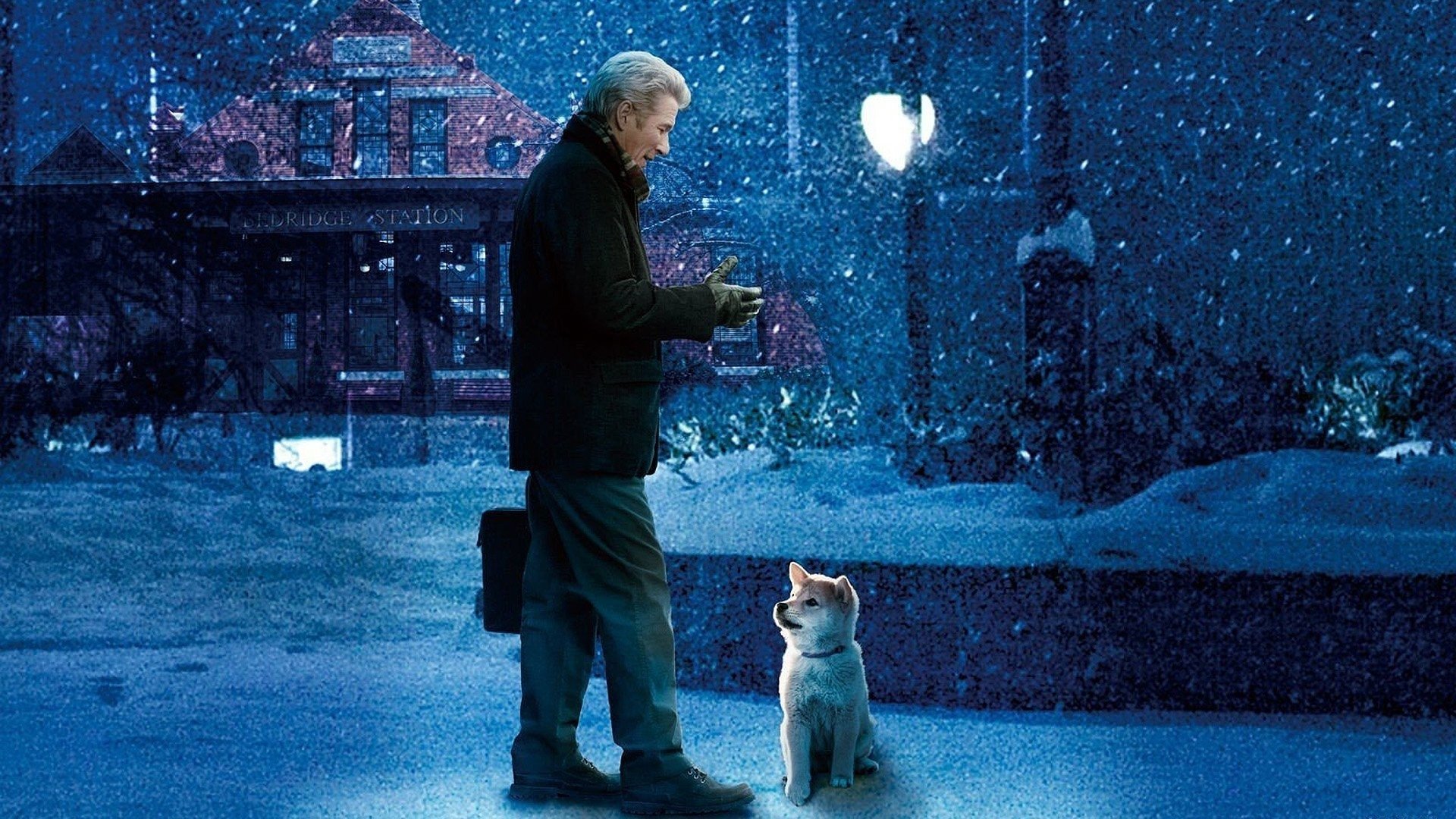
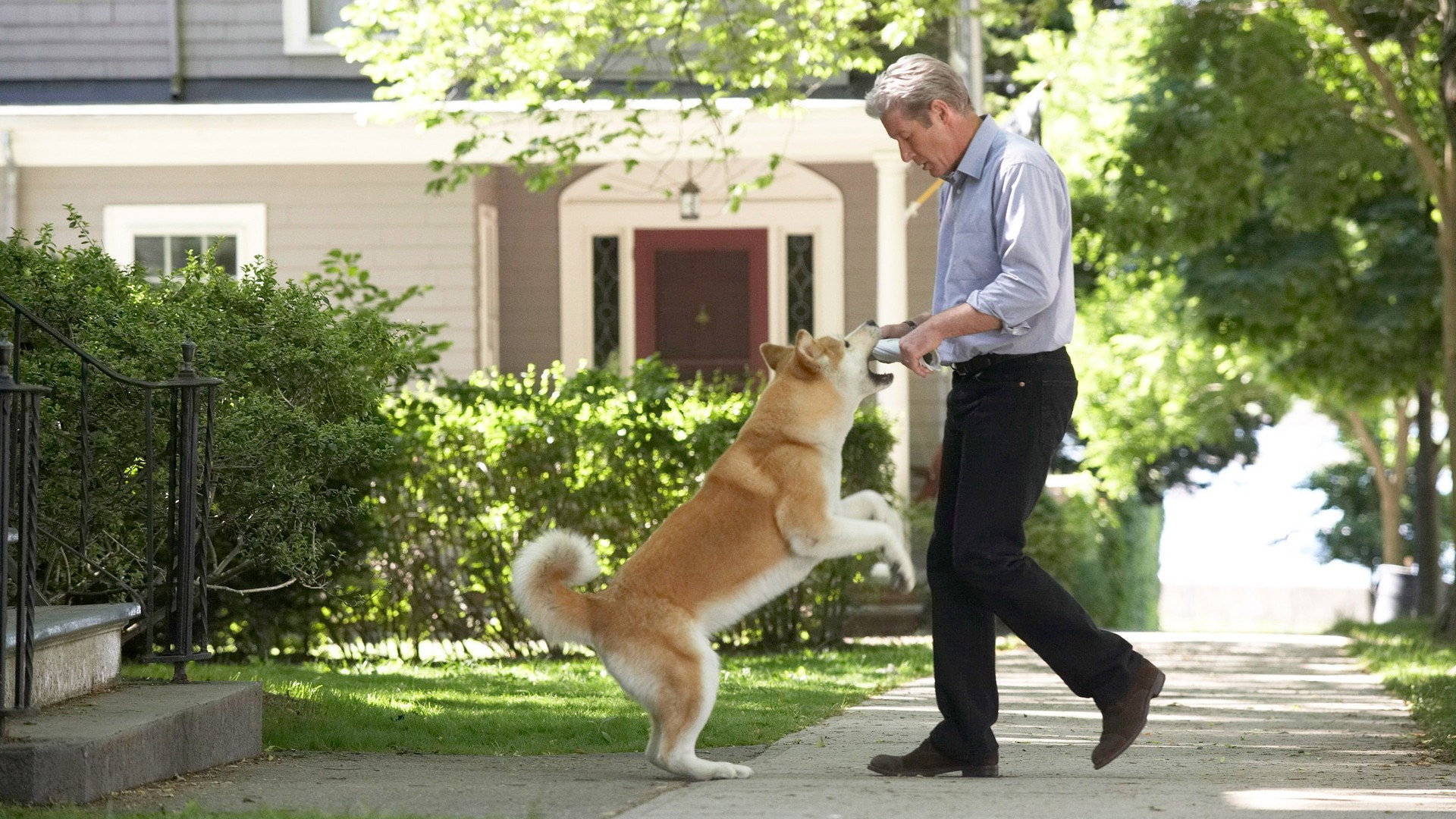
Lasse Hallström trusts that watching a man become attached to a dog will be enough to hold us, and for much of Hachi: A Dog’s Tale he is right. This is a good, modest family drama, with a touching central relationship and rather little happening around it. Its subject is loyalty, and Hallström spends enough time with the pair to make their attachment convincing. The trouble is the family around them, who rarely seem to have quite enough to do.
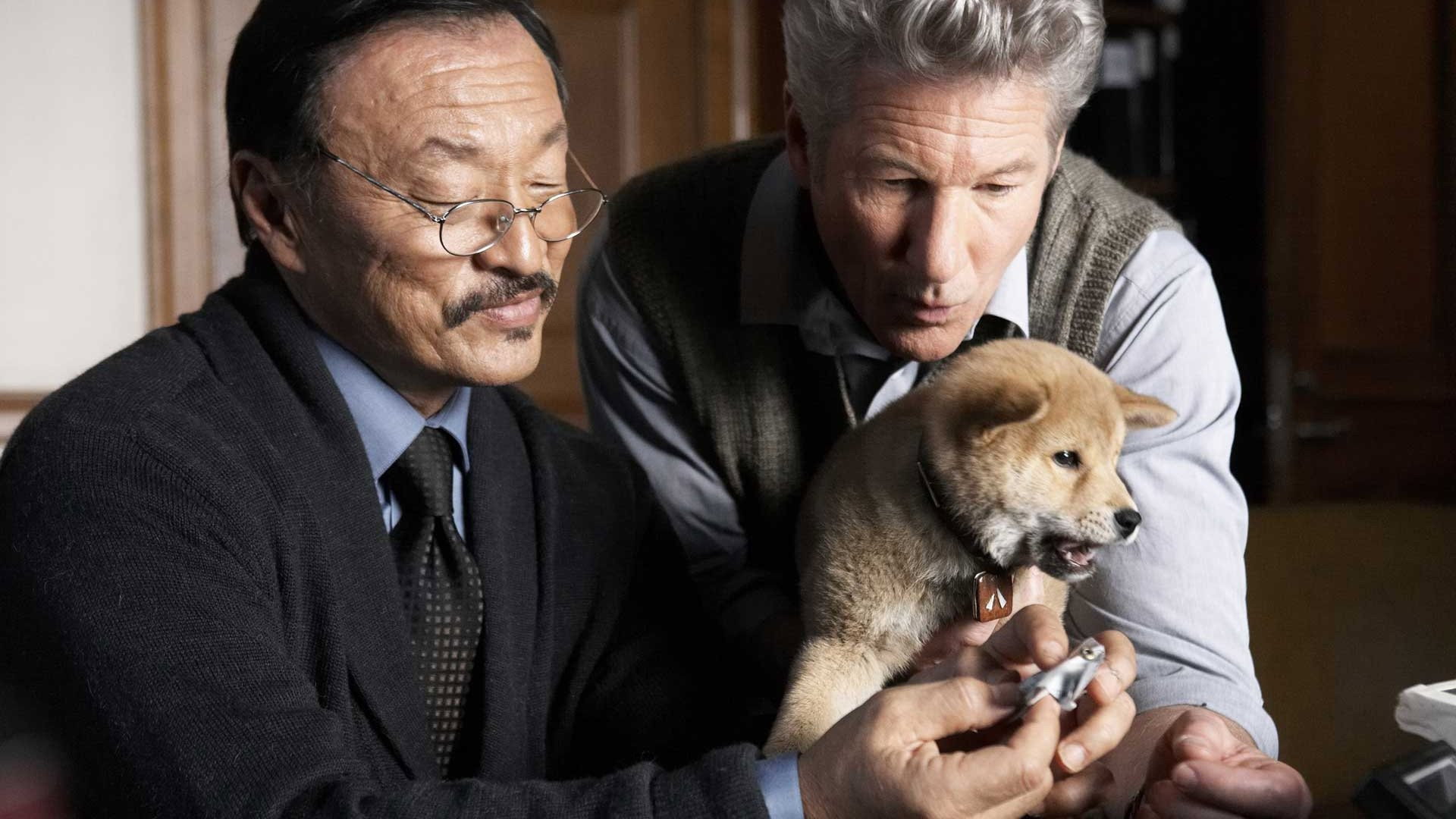
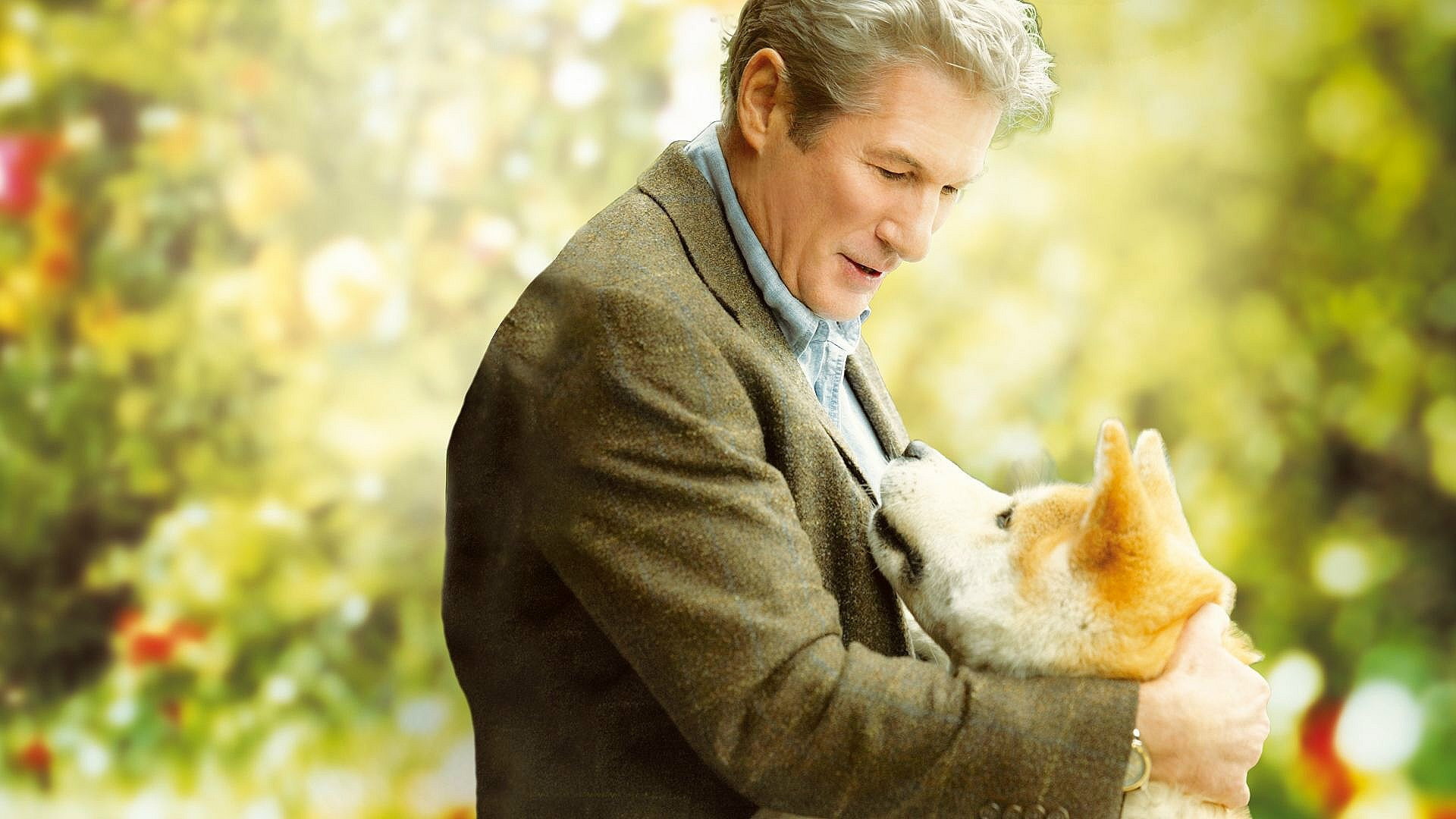
Richard Gere plays Parker Wilson, the music professor who takes in an Akita puppy, with an affection that never seems particularly interested in being admired. Gere is happy to let the dog take our attention, and the performance benefits from that lack of insistence. We were moved when Parker takes in the puppy, because Gere plays the affection without making a ceremony of it. Their companionship is believable before the film asks us to treat it as something remarkable.
Ron Fortunato’s cinematography follows that lead, keeping the photography unobtrusive and the attention on the man and dog. That restraint suits a story which depends on our willingness to watch a relationship settle into familiarity, although the surroundings acquire little independent interest. Chad Detwiller’s production design supplies a reassuring New England small town, and the comfort of the setting suits the central companionship. It becomes less helpful when the human scenes need a little friction.
Stephen P. Lindsey’s screenplay is much less attentive to the household than to the central bond. Joan Allen plays Cate Wilson, but having an actor of her ability in the family only makes the thin writing more noticeable. These scenes give too little sense of people having interests beyond their place in the dog’s story. We can accept that the animal is the chief attraction without wishing the humans had been reduced so far; fuller lives around Parker would have made his attachment more interesting.
Kristina Boden’s editing allows the relationship to develop at an unhurried pace, but the repetition eventually becomes noticeable. Another stretch of devotion does not necessarily tell us anything we have not already understood, and even at 93 minutes the film has passages that linger beyond their usefulness. Jan A. P. Kaczmarek’s piano score compounds this by repeatedly pressing the tender note. It brings warmth, but the affection is already clear in Gere’s performance, so the extra prompting is often unnecessary.
Family films about animals are entitled to make us cry, but they still have to give us a reason. Hallström succeeds because he takes Parker’s affection seriously and gives Gere room to keep it simple. The dog is allowed to be interesting without a more elaborate plot being built around it. That concentration makes the film’s sentimental habits forgivable, though it cannot make every repetition useful.
Give it an evening when a small story and an animal’s company are enough. There is little here for anyone looking for a searching portrait of family life, but viewers who readily grow attached to screen pets are likely to find their patience rewarded. For children who take animal stories to heart, we would leave time for a conversation afterwards.