Film review

Half Nelson

2006 · Directed by Ryan Fleck · 1h 47m · MPA R

In a sentenceFor once, the inspirational teacher is in no condition to give the speech

Drama

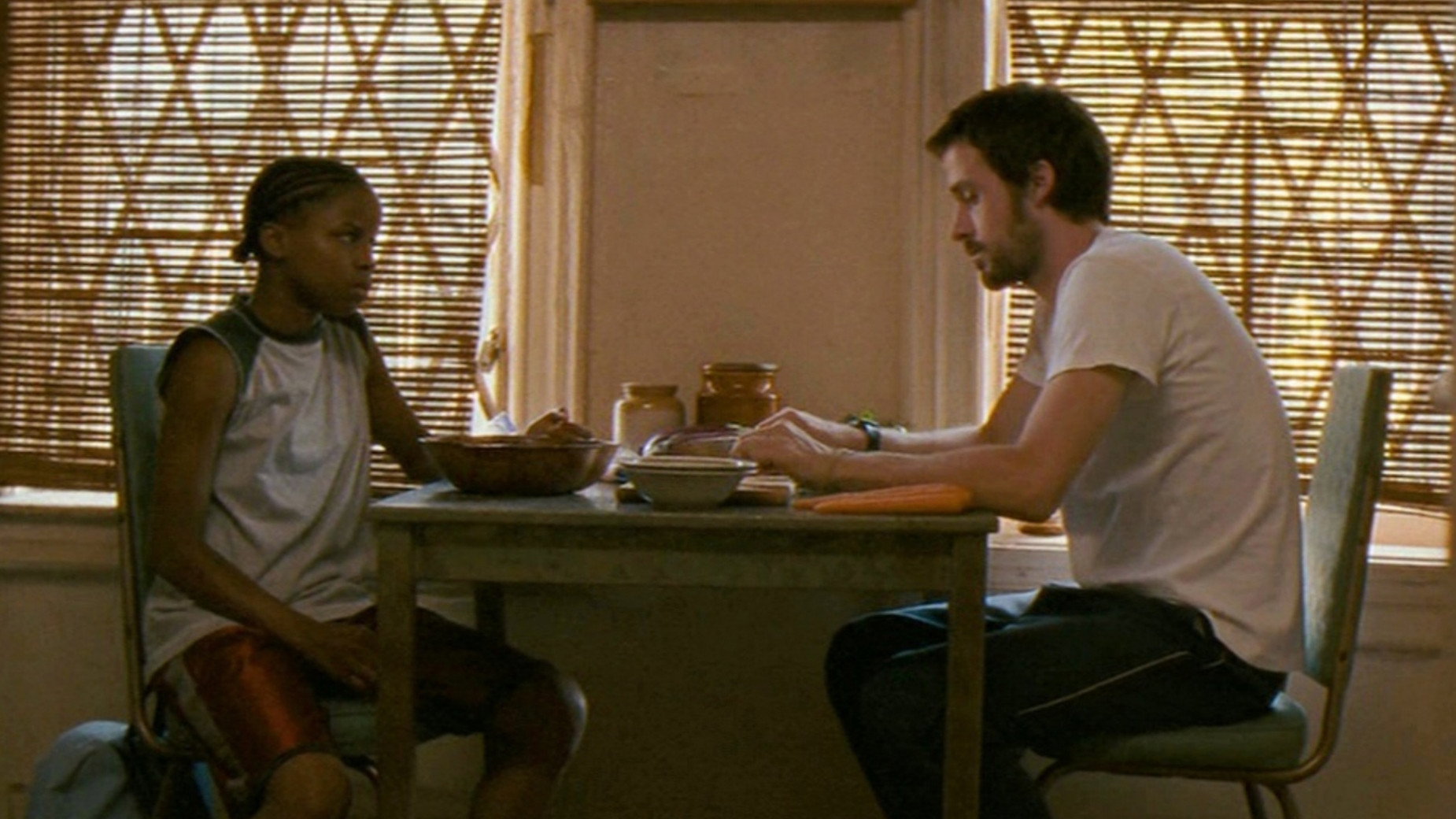
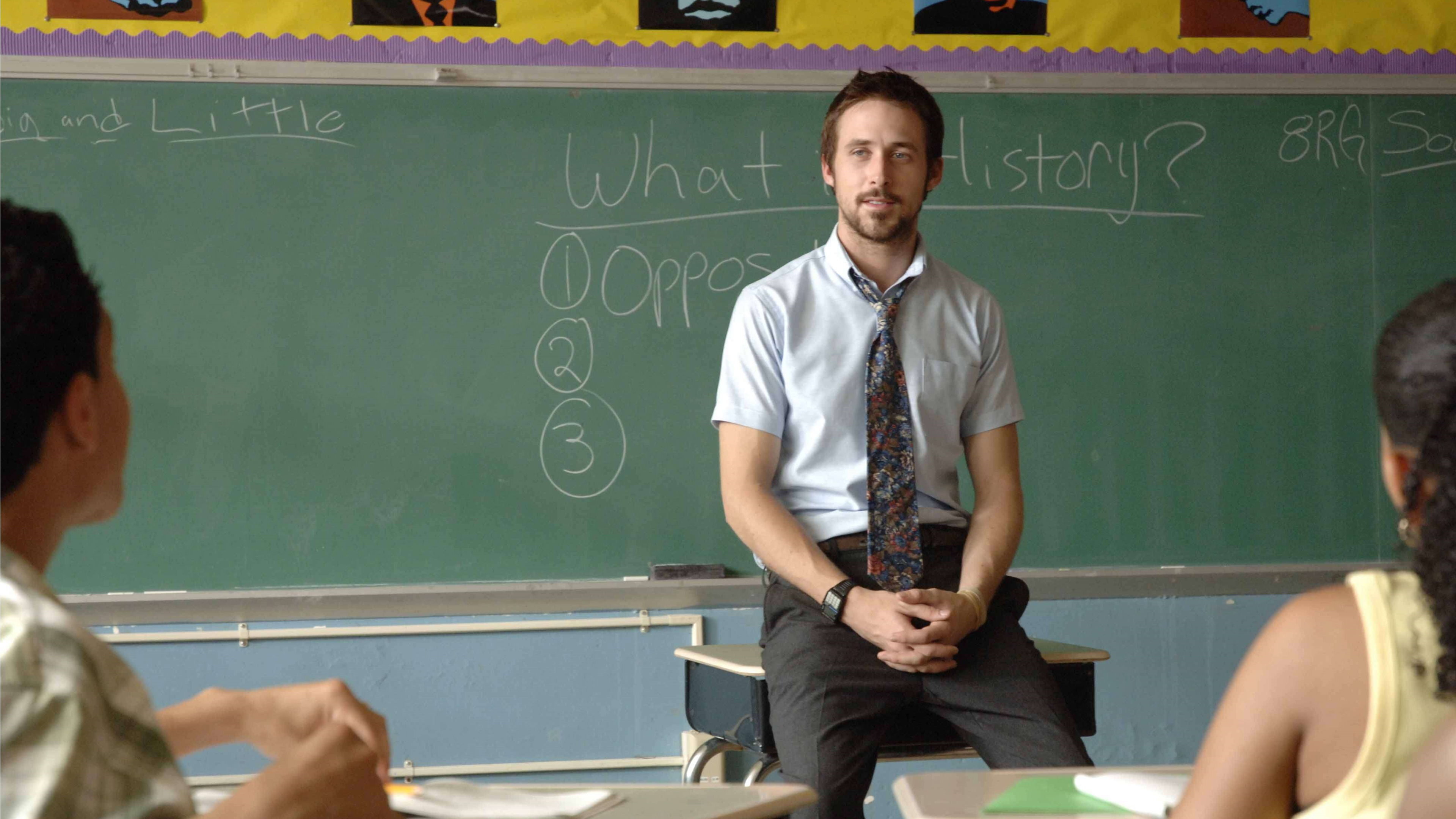
Dan Dunne (Ryan Gosling) is a teacher whose working life exists alongside a dependence on crack. His pupil Drey (Shareeka Epps) becomes his friend, bringing the responsibilities of the classroom into a relationship neither can keep simple. As they get to know each other, the question of who needs help, and who can offer it, becomes harder to settle. Ryan Fleck directs this drama, co-written with Anna Boden, which follows the teacher and pupil as their friendship brings personal difficulties into contact with questions about responsibility and social change.

Plays from YouTube when you press play; nothing loads from them until then.

Fi1m review

Ryan Gosling and Shareeka Epps make Half Nelson a quietly affecting drama about a teacher’s addiction and an uneasy friendship. Its political passages are less persuasive, but the performances give us ample reason to stay.

The prospect of a teacher dependent on crack befriending one of his pupils invites several kinds of bad film. There could be a lesson in tolerance, a warning about drugs, or a child put to work repairing an adult. Ryan Fleck’s Half Nelson is a fine drama because it treats the relationship as difficult even when the two people involved mean well. We recommend it for Ryan Gosling and Shareeka Epps, whose performances keep the friendship interesting when the writing becomes thin.

Gosling plays Dan Dunne without reducing him to a list of symptoms. His ease with the character is important: Dan remains someone another person might want to spend time with, which makes his difficulties harder to dismiss. Gosling does not turn every moment into an invitation to pity him, and his restraint leaves us room to feel uneasy about a man we like. Fleck and co-writer Anna Boden let Dan be sympathetic without excusing him.

Epps is just as important, and the film would be considerably poorer if Drey existed only to observe Dan. Her guarded responses make us conscious of the effort involved in deciding how much of herself to offer him. We were moved by her watchfulness, because Epps makes Drey’s concern for Dan look like something that requires effort. Drey’s reactions matter, and Epps makes sure we wait for them.

Andrij Parekh’s cinematography makes the restrained acting readable without turning every hesitation into a major event. Faces are interesting enough here, and the photography trusts that. Beth Mickle’s production design also helps the everyday surroundings feel occupied, allowing our attention to stay with the people rather than their circumstances. That unobtrusive approach suits a story asking us to notice small changes in how two people regard each other, although it gives the actors a considerable amount to carry.

Boden, who also edits, gives the two leads time to register each other’s uncertainty. The pace mostly suits their caution, although a few stretches feel held over for a depth the writing has not quite supplied. Kevin Drew’s music belongs to the same low-key approach, and we appreciate its reluctance to make the friendship sound grander than it is. A little tightening would help the scenes in which neither character has much new to offer the other.

The larger weakness comes when Fleck and Boden try to connect the personal troubles to political history. The Civil Rights interludes are worth attending to, but the film is less clear about what they add to Dan and Drey’s relationship. We can understand why the writers want to look beyond these two people; we still need those wider concerns to affect their story more decisively. Too often, a passage about history interrupts the people we have been getting to know.

The familiar teacher-and-pupil drama comes with an expectation of progress, and Fleck is right to make us question it. He also avoids treating the wish to help another person as foolish, however ill-equipped Dan may be. Gosling and Epps are persuasive enough to sustain these 107 minutes through the occasional lull. Choose Half Nelson for an evening when neither of you needs to be reassured that people can sort themselves out.

Critical consensus AI synthesised

77
Positive
10
Mixed
0
Negative
1

Most critics respond warmly to Half Nelson, with praise centred on Ryan Gosling’s restrained performance as a drug-dependent teacher and Shareeka Epps’s work as his pupil. The reviews repeatedly single out their credible, wary friendship and the film’s refusal to turn it into a conventional inspirational-teacher story. Its quiet direction and sympathetic treatment of flawed people are widely seen as strengths, allowing the drama to move audiences without relying on sentimentality or big confrontations.

The disagreements concern how much that restraint achieves, and how convincingly the personal story connects with wider politics. The New York Times welcomes the film’s political consciousness, while The Guardian finds its social implications uncertain and its narrative thin. The Financial Times is a sharper dissenter, finding the lack of showmanship dull despite the realism and absence of sentimentality; most critics find considerably more emotional force in the same low-key approach.

Los Angeles Times
25 August 2006 · Kenneth Turan
90*

The critic calls the film essential viewing for its assurance, restraint, and psychological acuity, noting it approaches familiar themes in a compelling new way. It singles out the subtlety in writing, directing, and acting, particularly Gosling’s commanding performance and the film’s care for its characters and fragile friendships.

Read the full review →
The AV Club
9 August 2006 · A- · Scott Tobias
90

The film succeeds by underplaying its potentially sentimental premise of a crack-addicted teacher, avoiding easy redemption and histrionics through low-key drama and subtle performances. Gosling's nuanced portrayal of inner conflict and the earned, touching denouement are highlighted as strengths.

Read the full review →
The New York Times
11 August 2006 · Manohla Dargis
85*

The critic hails the film as a rare American fiction work that openly embraces political consciousness as a moral imperative. It singles out the unusually nuanced interracial relationship between the teacher and student, along with the lead performances and everyday texture.

Read the full review →
The Times
22 April 2007 · Cosmo Landesman
85*

The film is subtle, fresh and beautifully sad, utterly devoid of sentimentality or big dramatic scenes, and exerts a powerful hold through its portrayal of an unlikely friendship between a messed-up teacher and his pupil. Ryan Gosling gives one of the outstanding performances of the decade.

Read the full review →
Time Out
27 October 2006 · Ben Walters
80*

The film offers a refreshingly uningratiating, nuanced acknowledgment of bad in good and good in bad, with a complex balancing act of power and sympathy. Both Gosling and Epps are terrific in demanding empathy without reassuring paths to salvation.

Read the full review →
Variety
24 January 2006 · festival review · Dennis Harvey
80*

The critic praises the terrific performance by Ryan Gosling as the chief reason to embrace the film and notes its sympathetic but toughly observed approach that avoids melodrama. It singles out the credible rapport between the teacher and student as well as the low-key drama that builds to a powerful impact.

Read the full review →

Cast

Stills

Awards

Academy Awards, 2007

Nominated
Best Actor

Independent Spirit Awards, 2007

Nominated
Best Director
Nominated
Best First Screenplay
Won
Best Female Lead
Won
Best Male Lead

Producers Award, 2007

Nominated
Producers Award

SAG Awards, 2007

Nominated
Outstanding Performance by a Male Actor in a Leading Role

Critics' Choice Awards, 2006

Nominated
Best Actor

National Society of Film Critics Award for Best Actor, 2006

Nominated
National Society of Film Critics Award for Best Actor

National Society of Film Critics Award for Best Supporting Actress, 2006

Nominated
National Society of Film Critics Award for Best Supporting Actress

Satellite Award for Best Actor – Motion Picture, 2006

Nominated
Satellite Award for Best Actor – Motion Picture

Satellite Award for Best Film, 2006

Nominated
Satellite Award for Best Film

If you liked this, try…

The Kid with a Bike poster

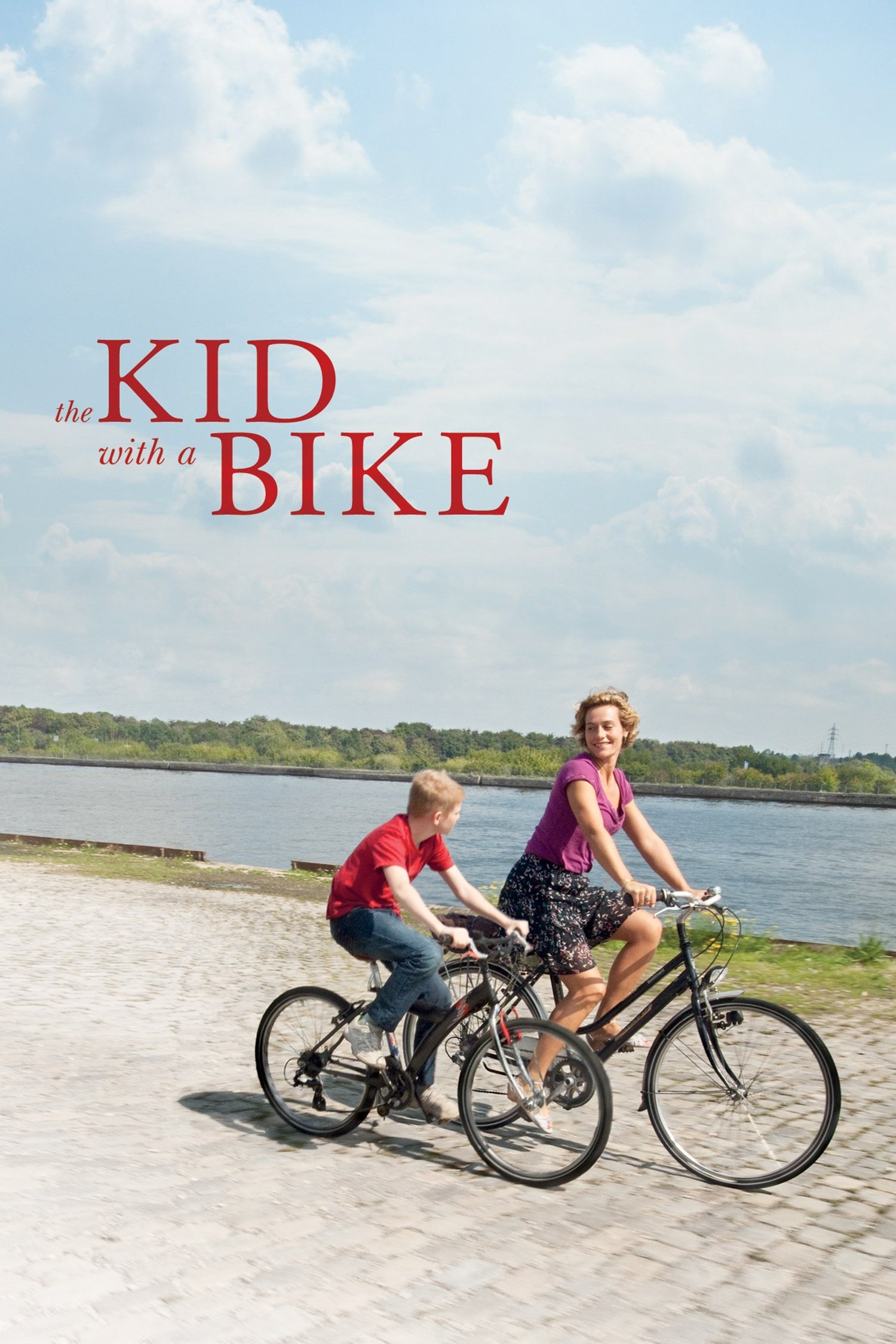
The Kid with a Bike

2011 · Another wary child tests how much an imperfect adult can offer.

The Class poster

The Class

2008 · Classroom authority meets pupils with lives the teacher cannot neatly explain.

A Taste of Honey poster

A Taste of Honey

1961 · A young woman builds an unconventional household without much dependable adult help.

Nobody Knows poster

Nobody Knows

2004 · Children manage adult failures in a drama that keeps sentiment firmly contained.

The Rider poster

The Rider

2017 · Another young man struggles with who he can be when familiar certainties disappear.