Film review

Hannah and Her Sisters

1986 · Directed by Woody Allen · 1h 47m · MPA PG-13

In a sentenceThanksgiving would be simpler if everyone brought a dish and left their romantic ambitions at home

ComedyDrama

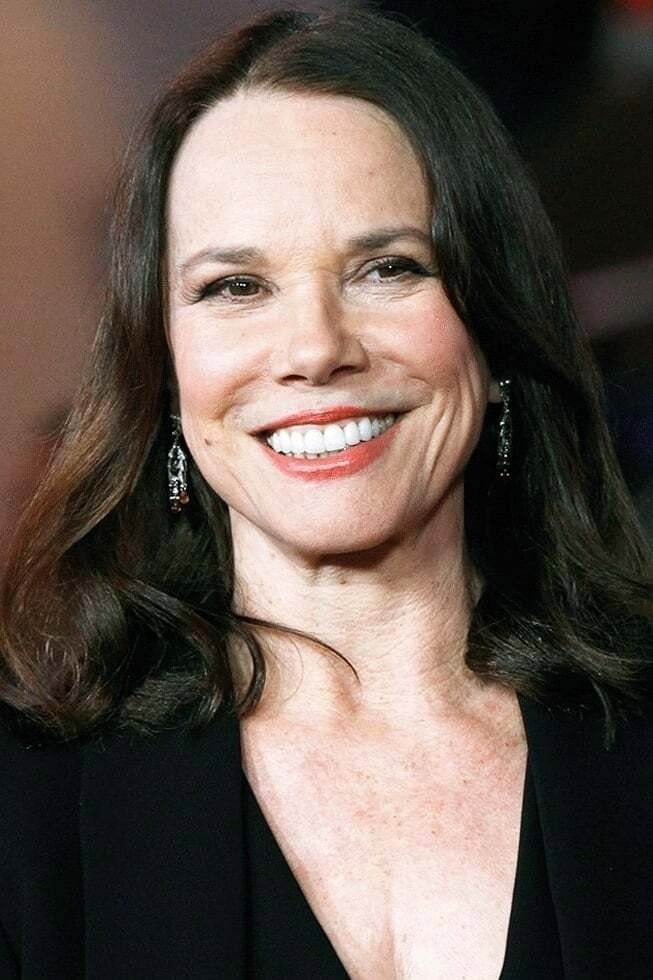
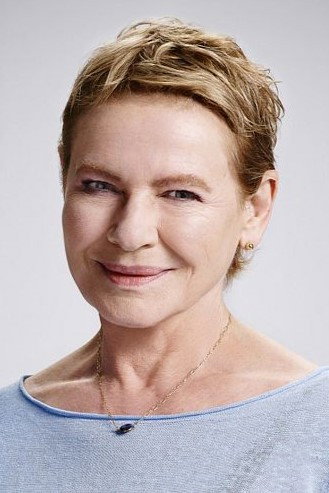
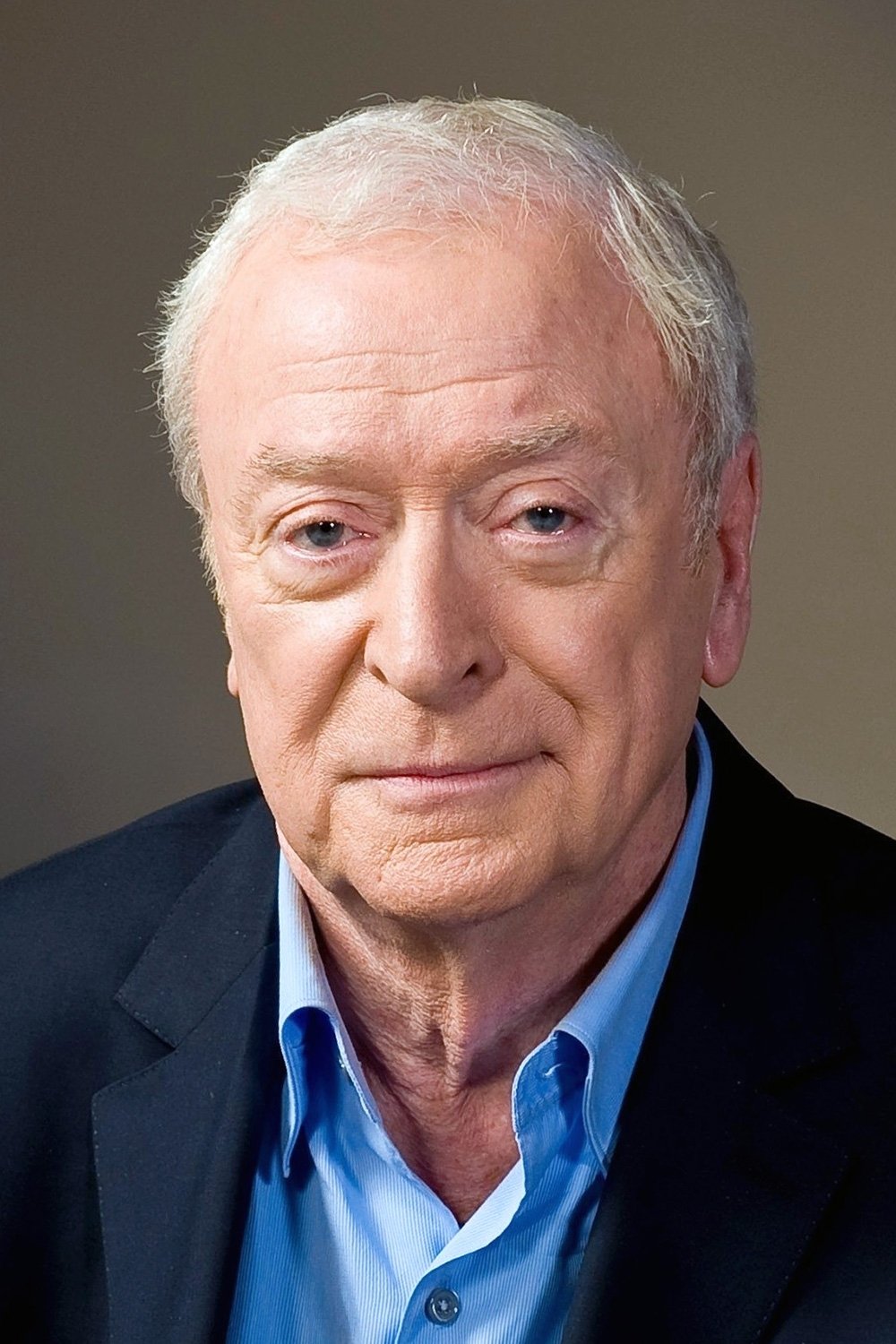
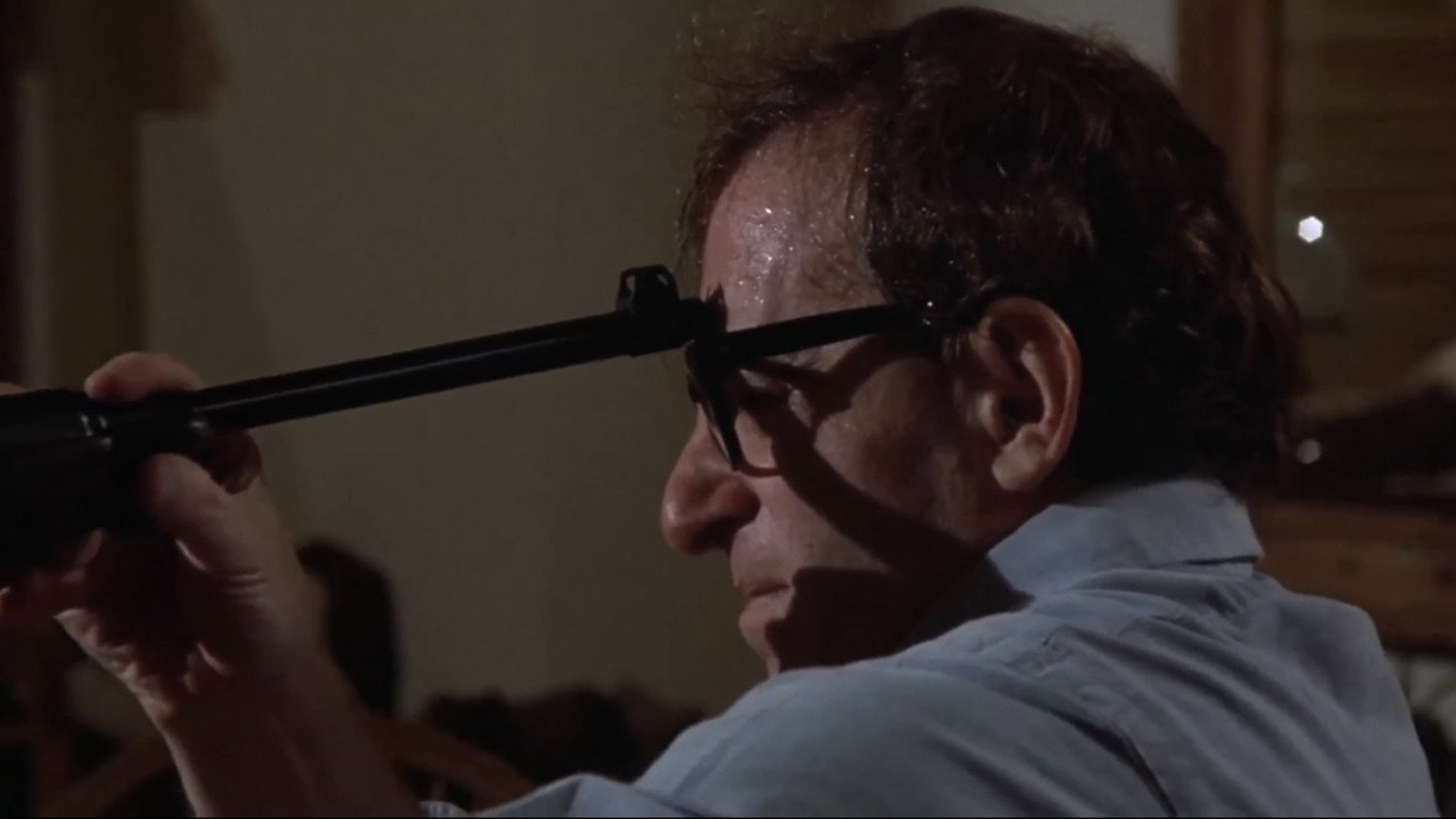
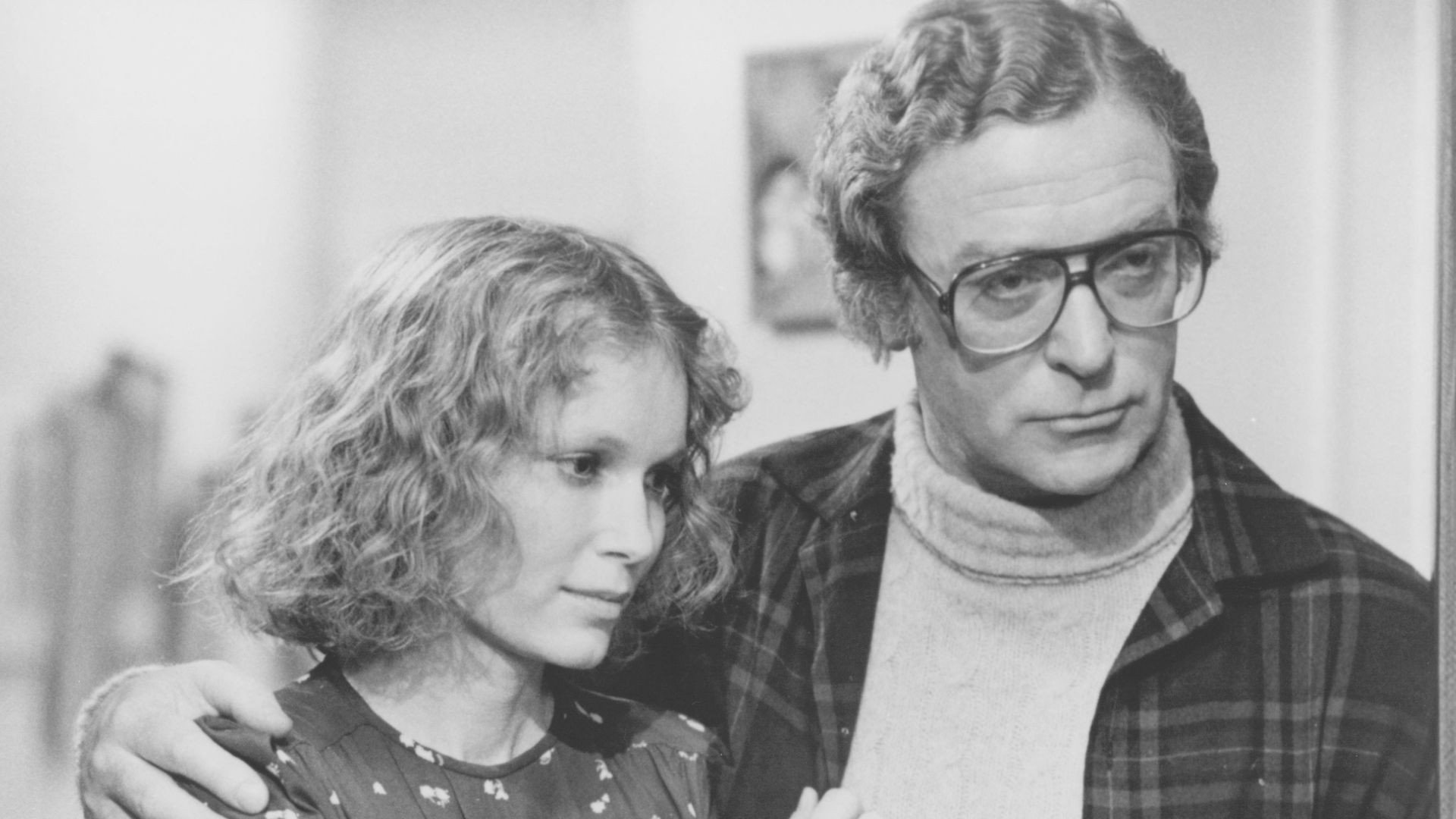
Hannah (Mia Farrow), Lee (Barbara Hershey) and Holly (Dianne Wiest) are three sisters whose relationships keep drawing them back into one another’s lives. Between Thanksgivings, questions of love and loyalty spread through their circle. Michael Caine plays Elliot, one of the men caught in these romantic complications, while Woody Allen plays Mickey Sachs, whose worries about his health offer another source of trouble. Written and directed by Allen, the comedy-drama follows the sisters, their partners and the people around them as private desires put pressure on family ties.

Fi1m review

Woody Allen’s family comedy is funny, tender and well worth an evening. Michael Caine and Dianne Wiest make its romantic troubles matter, though a few lines sound too carefully rehearsed.

Hannah and Her Sisters is a warm, funny family comedy, and we recommend it with a small reservation about how neatly its people can explain themselves. Woody Allen, who writes and directs, follows three sisters and their circle through an episodic story framed by Thanksgiving. He is interested in how a private romantic problem becomes everybody else’s business. Staying with several people gives us time to understand why their feelings seem reasonable to them.

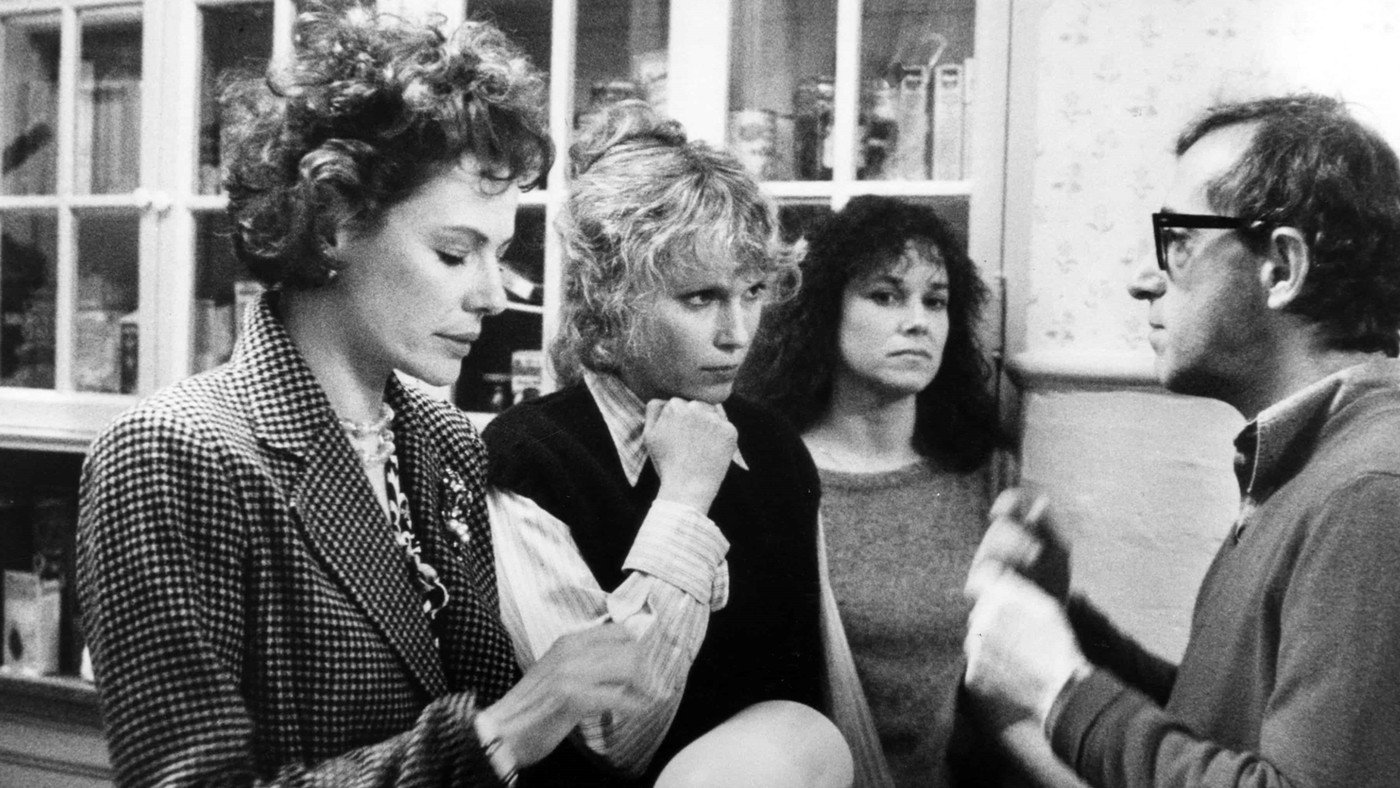
The sisters have to be worth watching separately, and the casting gets that right. Mia Farrow’s Hannah gives the family scenes a steadiness that asks us to look past the more demonstrative performances. Barbara Hershey’s Lee is absorbing in her uncertainty, and Hershey resists overplaying it. Dianne Wiest’s Holly is especially affecting: the humour never quite conceals the hurt, and she can make a comic line sound like something it cost a person to say.

Michael Caine makes the strongest impression as Elliot. Caine gives romantic longing an earnestness that is faintly embarrassing to watch, because he lets us see how much the feelings matter to the person having them. We were moved by his seriousness. An actor could make this material safe by inviting us to laugh at a fool in love; Caine makes Elliot’s discomfort harder to dismiss.

Carlo Di Palma’s photography gives the family scenes a warmth that makes spending time with these people appealing, even when their company is difficult. Stuart Wurtzel’s production design adds a sense of domestic familiarity that suits the sisters’ emotional dependence on one another. Susan E. Morse’s editing keeps the separate episodes connected, with the white-on-black title cards making the divisions easy to follow. Cole Porter’s songs supply a relaxed pleasure that usefully offsets the effort everyone puts into managing their feelings.

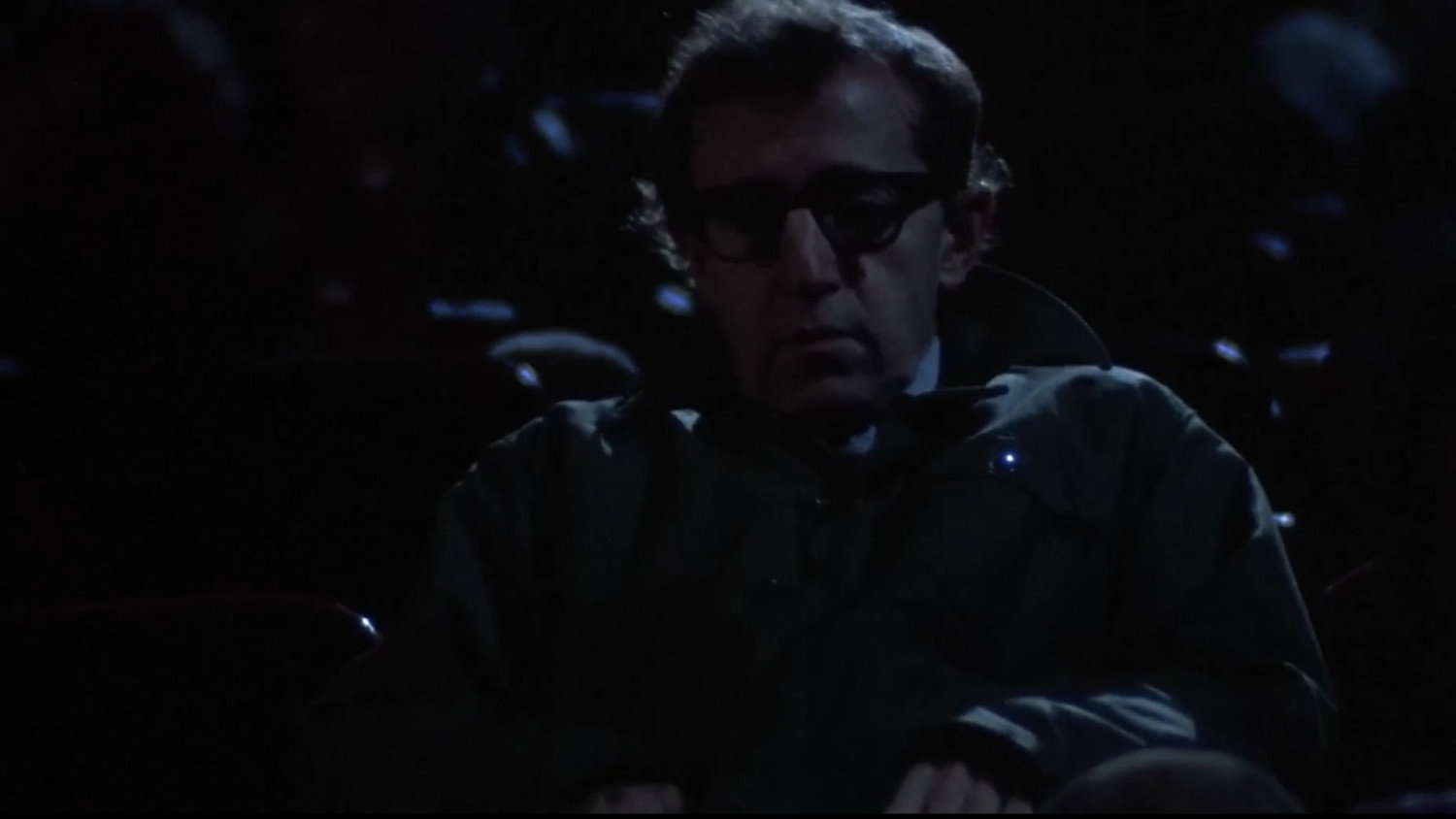
The main reservation concerns Allen’s writing, including the part he gives himself as Mickey Sachs. Mickey’s hypochondria is funny, but its comic possibilities are easier to anticipate than the sisters’ responses to one another. There are also moments when a line sounds too carefully polished for the conversation containing it. We start noticing the writer making everybody interesting, which distracts from the actors’ work in making them believable.

As a romantic comedy, it is unusually attentive to what lovers owe the people around them. The sisters’ dependence on one another means that a relationship never concerns only the couple in it. That gives the jokes consequences without requiring the film to become solemn whenever somebody is hurt. The affection feels persuasive because these people can irritate one another and still want to remain close, something comedies too often reduce to a row followed by an apology.

At 107 minutes, the film gives its ensemble room without making the evening feel crowded. We would happily have spent longer with Wiest, though giving Holly more of it might have upset the balance. Choose it when you can enjoy a family gathering without needing everybody there to behave well.
Critical consensus AI synthesised

90
Positive
9
Mixed
0
Negative
0

The consensus is strongly positive: most critics praise Hannah and Her Sisters for combining sharp comedy with an unusually warm, emotionally complex account of family life. Praise clusters around the literate screenplay, the episodic construction and an ensemble that makes the sisters’ romantic entanglements feel substantial rather than merely busy. Michael Caine receives particular attention for the sincerity of his performance, while Empire singles out Dianne Wiest among the supporting cast.

The spread is narrow, with differences concerning the film’s place in Allen’s work more than any substantial failure of storytelling or performance. Several reviews place it at or near the top of his work; The Guardian is more restrained, finding it excellent but below Annie Hall and Manhattan. Even that reservation comes with renewed appreciation of Caine, so the disagreement remains about the degree of enthusiasm rather than the reasons to recommend it.

Radio Times
★★★★★ · Andrew Collins
100

The review calls it a return to top form with a warm, multi-stranded family saga. It singles out the strong performances by the sisters and Michael Caine's surprising turn as the standout element.

Read the full review →
RogerEbert.com
7 February 1986 · ★★★★/4 · Roger Ebert
100

The critic calls it Woody Allen’s best movie ever, structured like an episodic novel with vignettes that capture the tumult of characters’ lives. He singles out the emotional depth in relationships among the sisters, their partners, and the outsider figure of Mickey.

Read the full review →
Empire
1 January 2000 · David Parkinson
90*

The critic calls it one of Woody Allen's best films ever, a highly intelligent and witty comedy with a magical script and perfect portrayals of well-rounded characters. They highlight the mature work, witty literate screenplay that deserved its Oscar, and superb supporting performances especially from Dianne Wiest.

Read the full review →
Los Angeles Times
7 February 1986 · Sheila Benson
90*

The critic declares it the best Woody Allen yet and quite simply a great film, mellow, beautiful, rich, and brimming with love. She singles out its greater emotional complexity, understanding of others’ foibles, and the healing pull of family.

Read the full review →
The New York Times
7 February 1986 · Vincent Canby
90*

The review praises the film as nonstop exhilaration and a dramatic comedy that sets new standards, warmhearted, wise, and fiercely funny. It highlights the intense family drama about three emotionally dependent sisters and their entanglements.

Read the full review →
The Independent
3 January 2012
85*

The critic describes it as one of Woody Allen's finest films from his mid-1980s prime, an archetypal romantic comedy-drama about neurotic New York liberals with white-on-black title cards, Cole Porter tunes, and Woody as a hypochondriac Marx Brothers fan. They note the screenplay won a Bafta and an Oscar.

Read the full review →

Cast

Stills

Awards

Academy Awards, 1987

Nominated
Best Director
Nominated
Best Film Editing
Nominated
Best Picture
Nominated
Best Production Design
Won
Best Supporting Actor
Won
Best Supporting Actress
Won
Best Writing, Original Screenplay

If you liked this, try…

Another Year poster

Another Year

2010 · Family routines and awkward visitors give a patient ensemble plenty to work with.

Late Spring poster

Late Spring

1949 · Family duty and private longing, observed with patience and without easy villains.

The Savages poster

The Savages

2007 · Two siblings discover how little shared history prepares them for looking after someone.

Monsoon Wedding poster

Monsoon Wedding

2001 · A family celebration makes room for romantic disorder and difficult conversations.

A Summer's Tale poster

A Summer's Tale

1996 · Romantic indecision becomes funny, painful and increasingly difficult for anyone to defend.