Film review

How the Grinch Stole Christmas

2000 · Directed by Ron Howard · 1h 45m · MPA PG

In a sentenceThe Grinch hates Christmas for being loud, expensive and overstuffed, and the film about him is all three

FamilyComedyFantasy

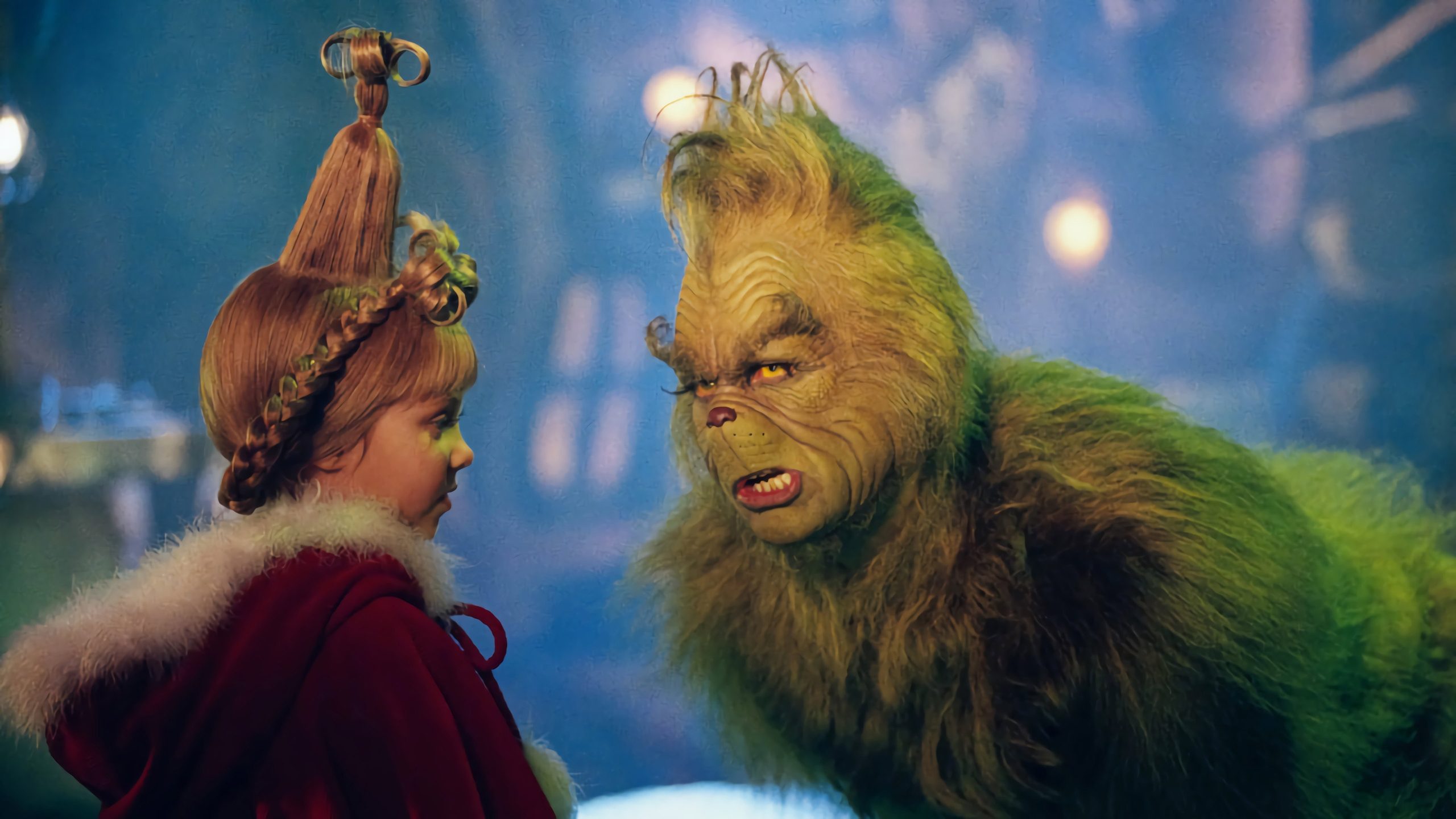
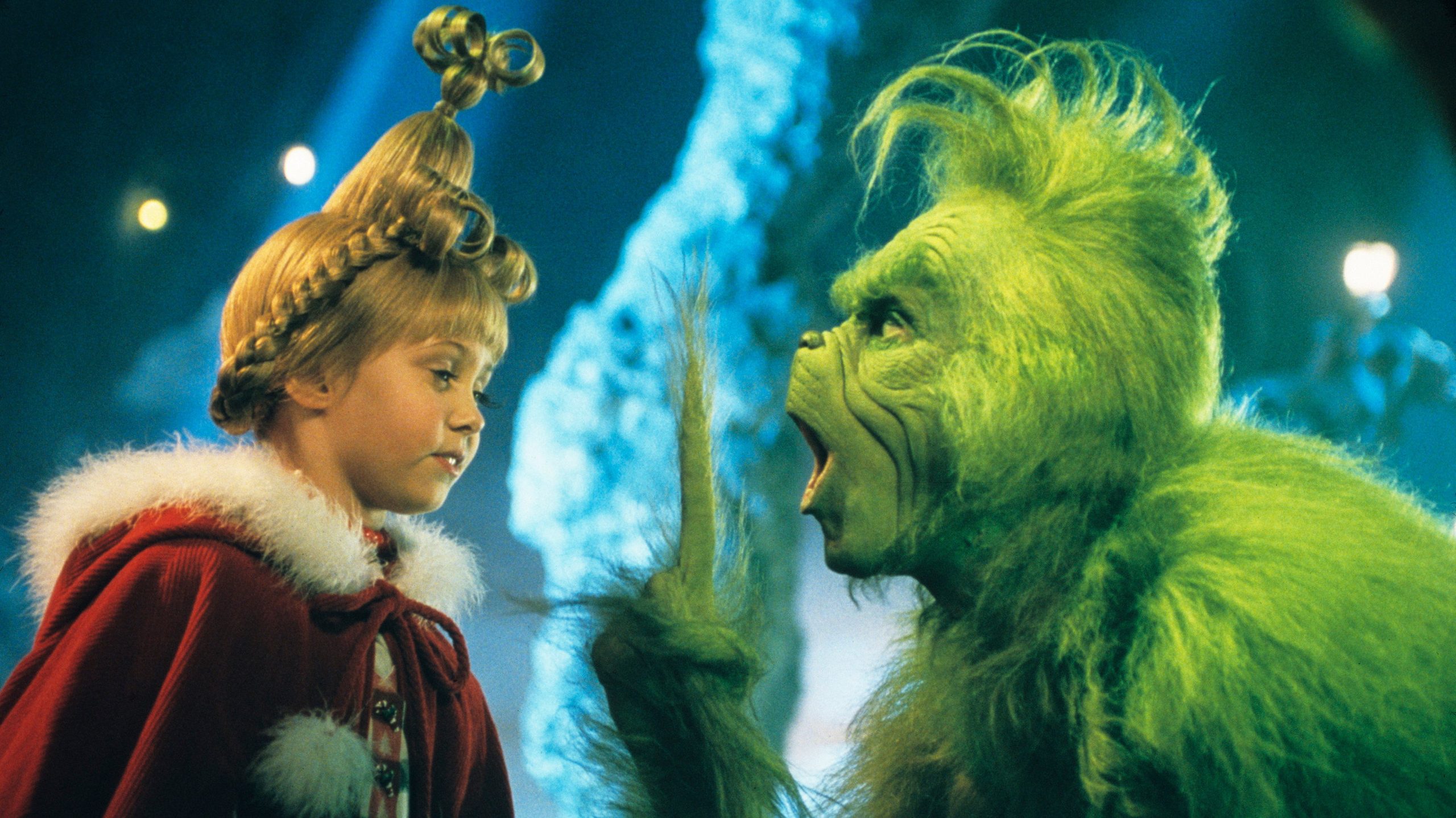
Whoville, a town inside a snowflake, is counting down to Christmas, and its Whos are shopping as if their lives depend on it. Up on Mount Crumpit, the Grinch (Jim Carrey) lives in a cave with his dog and a grudge against the whole holiday. Cindy Lou Who (Taylor Momsen), daughter of postmaster Lou Lou Who (Bill Irwin) and Betty Lou Who (Molly Shannon), meets him in the post office sorting room and wants to know why he hates it so much. Mayor Augustus Maywho (Jeffrey Tambor) is planning the town’s Whobilation and wants the Grinch nowhere near it; Martha May Whovier (Christine Baranski) remembers the green boy from school. Cindy Lou starts asking questions the town would rather not answer.

Plays from YouTube when you press play; nothing loads from them until then.

Fi1m review

Jim Carrey, buried in green fur, is funnier and sadder than anything around him. Ron Howard’s Whoville is enormous, loud and wall-to-wall with product, and by the time the film remembers the small story it came from, we were worn out.

Dr Seuss’s book about a green hermit who takes a town’s Christmas away in the night is short enough to read aloud before bed, and it was filmed once before, as a half-hour cartoon in 1966. Ron Howard’s version runs 105 minutes. Jeffrey Price and Peter S. Seaman’s script therefore has to invent most of what is on screen, and what they invented is where the film is won and lost.

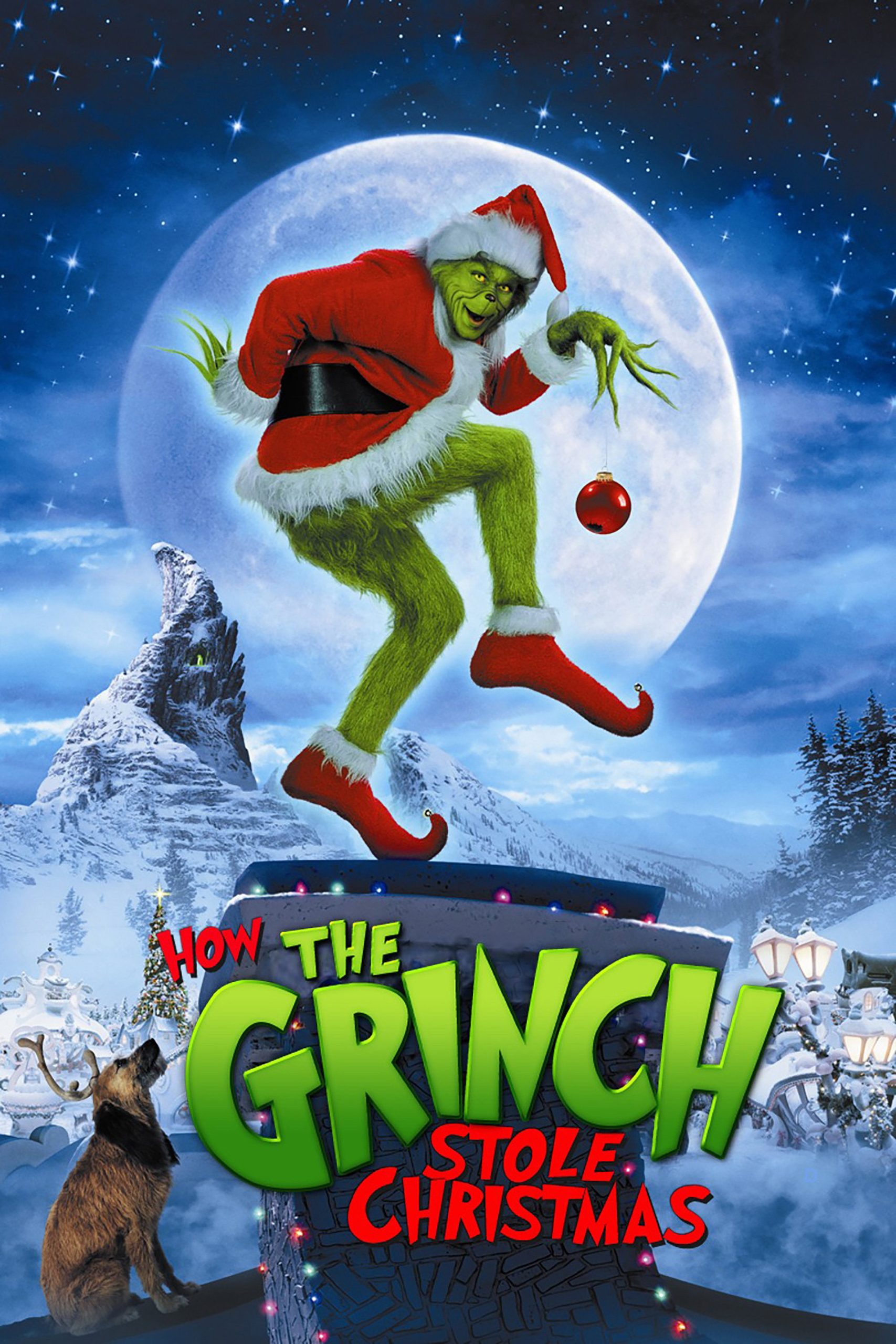
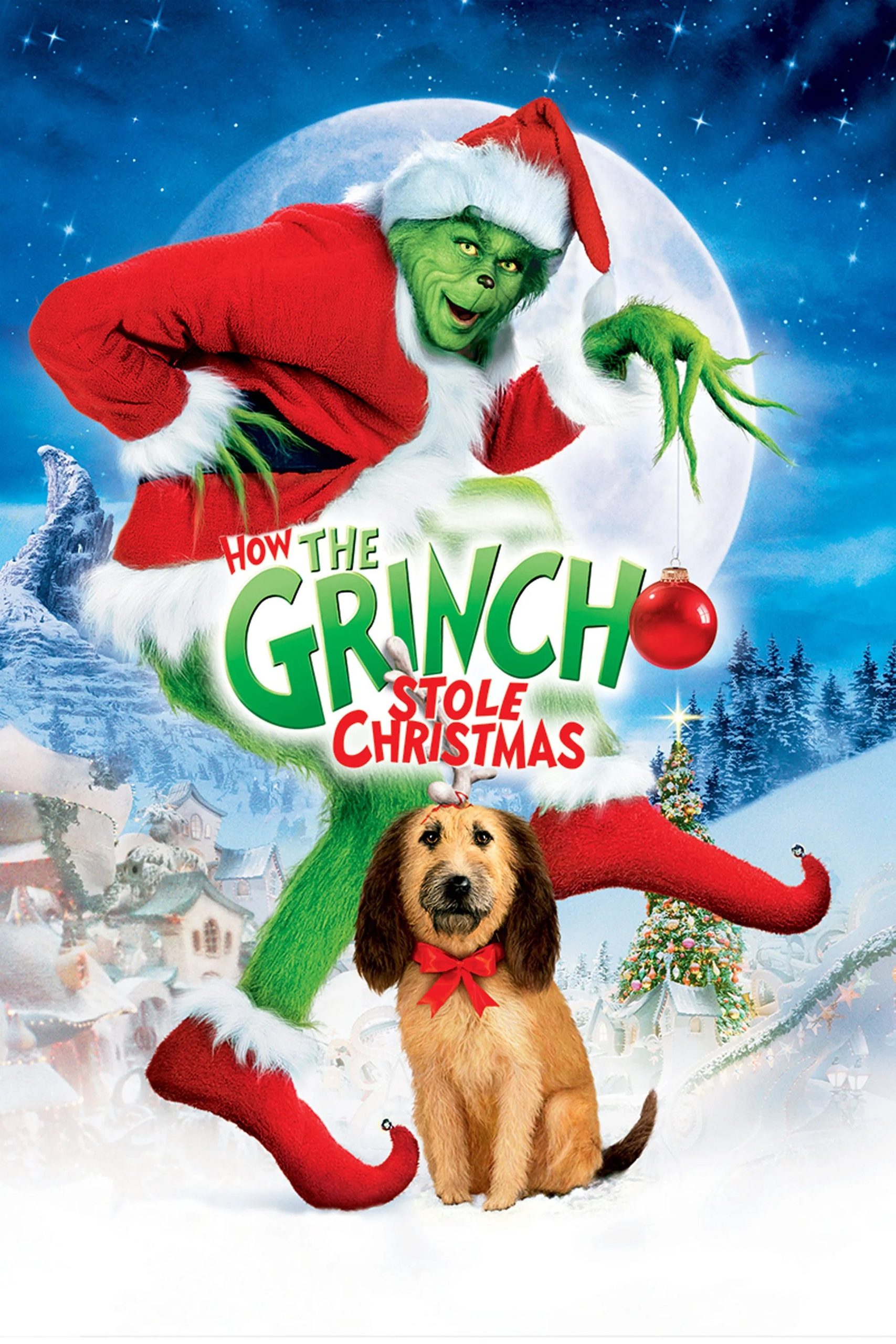
They give the Grinch (Jim Carrey) a childhood, a school bully who grew up to be Mayor Augustus Maywho (Jeffrey Tambor), a lost sweetheart in Martha May Whovier (Christine Baranski), and a small interrogator in Cindy Lou Who (Taylor Momsen), who wants to know why he hates the holiday and goes up the mountain to ask. They also turn Whoville into a town of shoppers, queuing and elbowing under the Mayor’s slogans. Michael Corenblith’s production design gives them a place to do it: curling streets and leaning chimneys with no straight line anywhere, and Donald Peterman lights it in pink and gold through a soft haze, so the whole place looks like the inside of a sweet tin. The Grinch’s cave up on Mount Crumpit is grey, green and stacked with rubbish. Rita Ryack’s costumes run to tartan, fur trim and bustles, and the Whos under them have been fitted with upturned noses and too many teeth, which is faithful to the drawings and slightly alarming in the flesh.

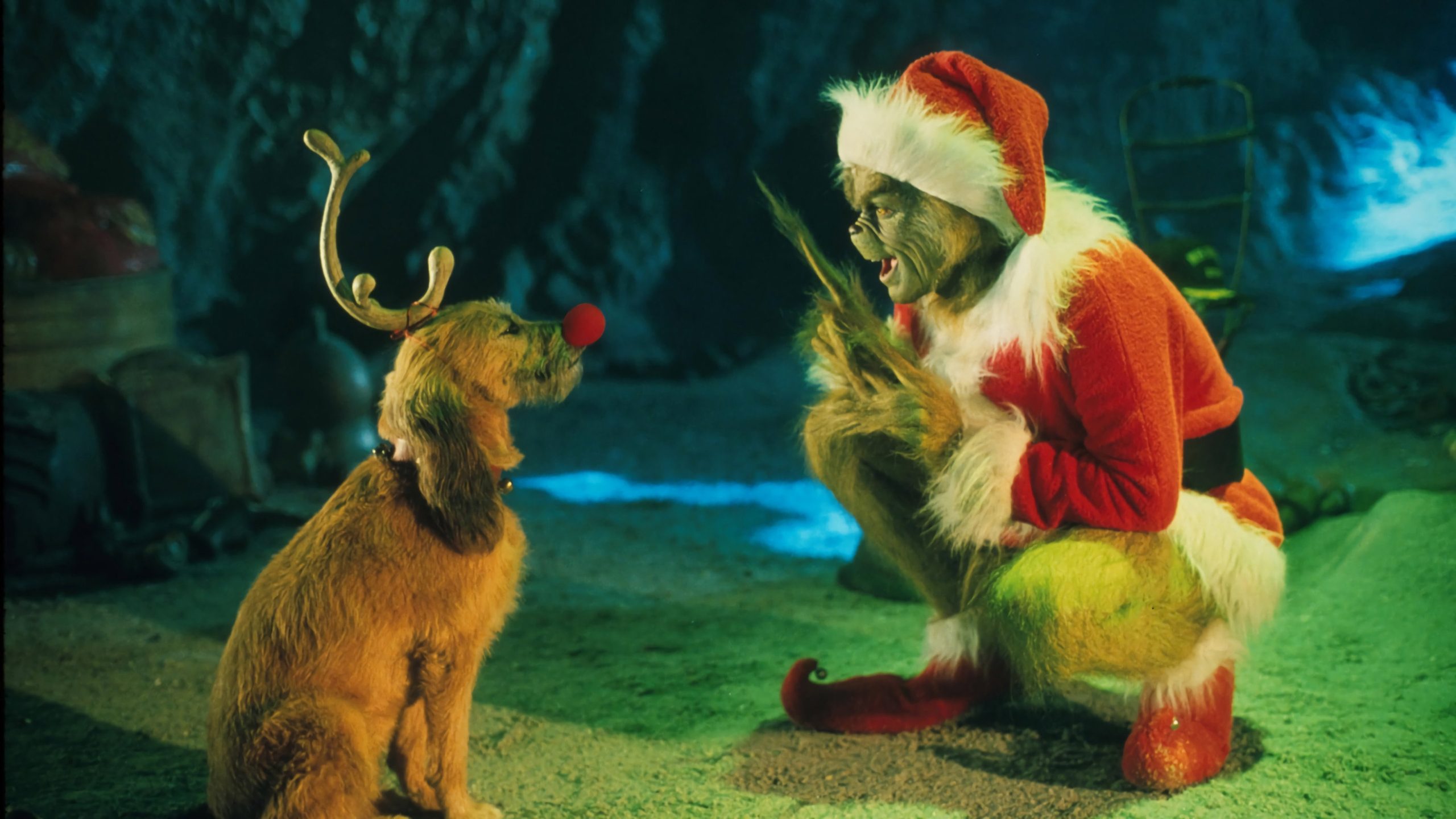
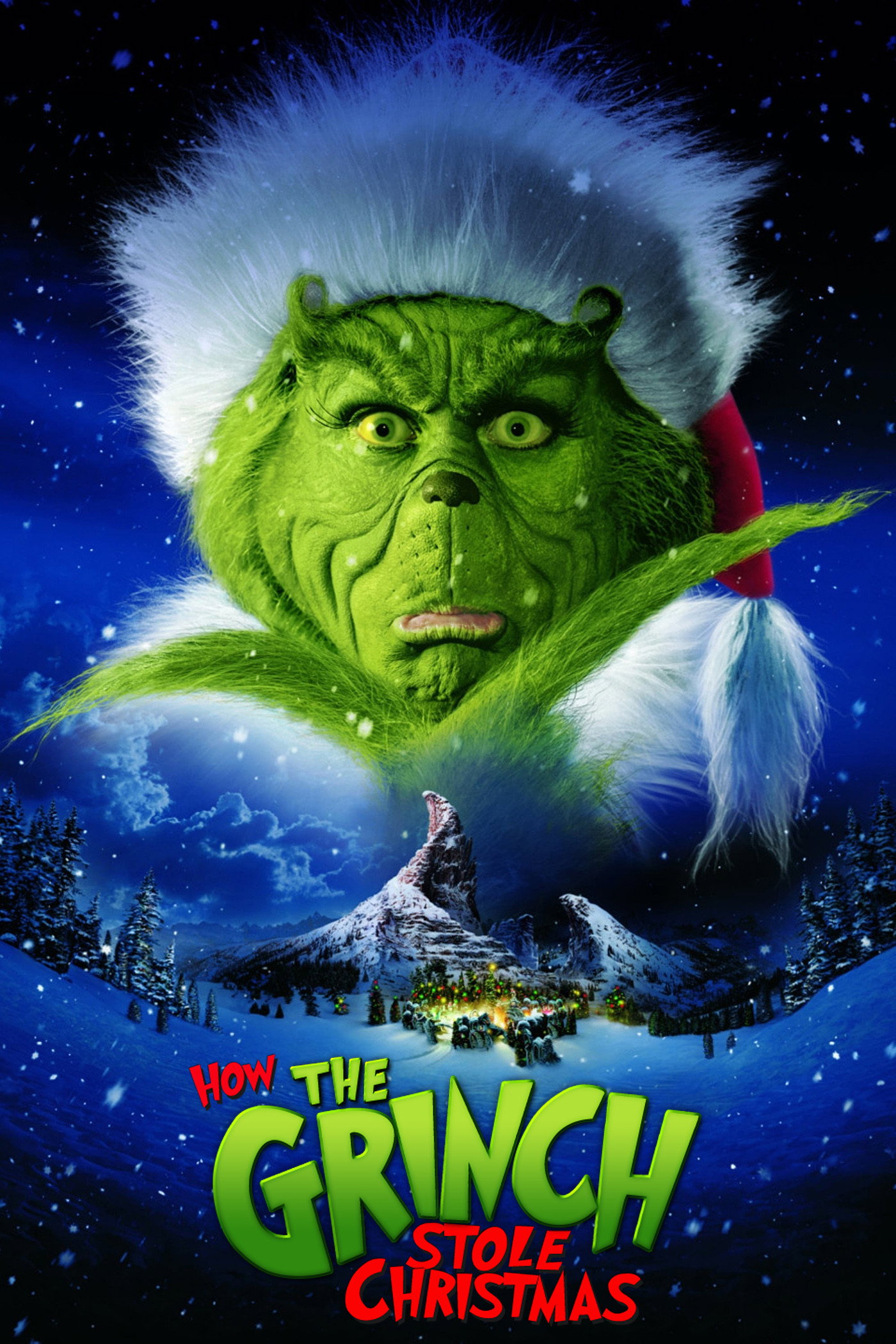
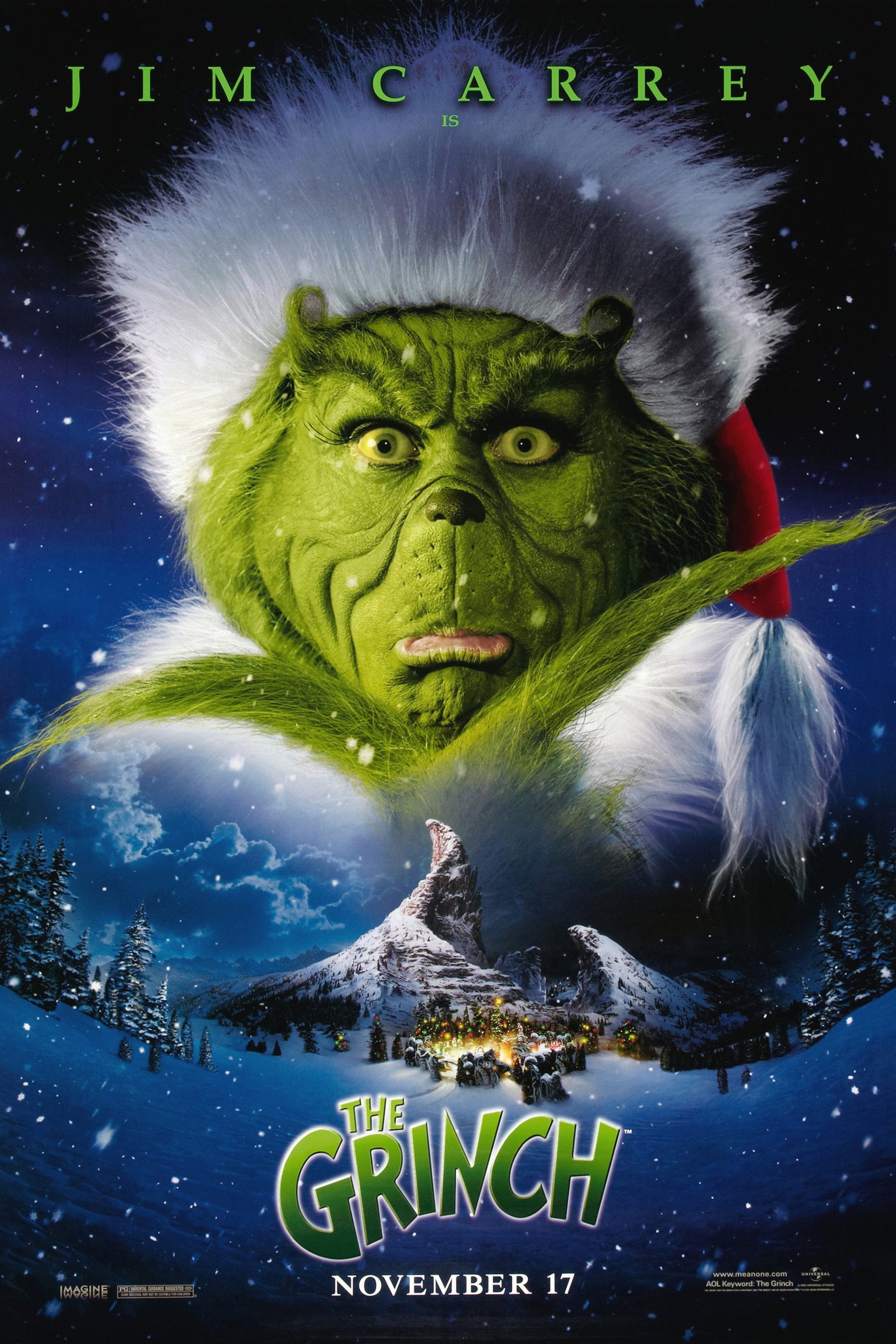
Carrey is the reason to watch. He plays the Grinch as a creature who has organised his misery: he keeps an afternoon diary of despair, talks to his dog as if to a disappointing colleague, and bounces off the cave walls in fur that hides everything but his eyes and mouth, and still gets more out of those than most actors get from a whole face. We laughed more than we expected, and mostly in the cave, because Carrey plays loneliness as a routine the Grinch has got good at, and because the film leaves him alone long enough to do it. When he mutters an aside, it is usually the best line in the scene, and it usually sounds like his own.

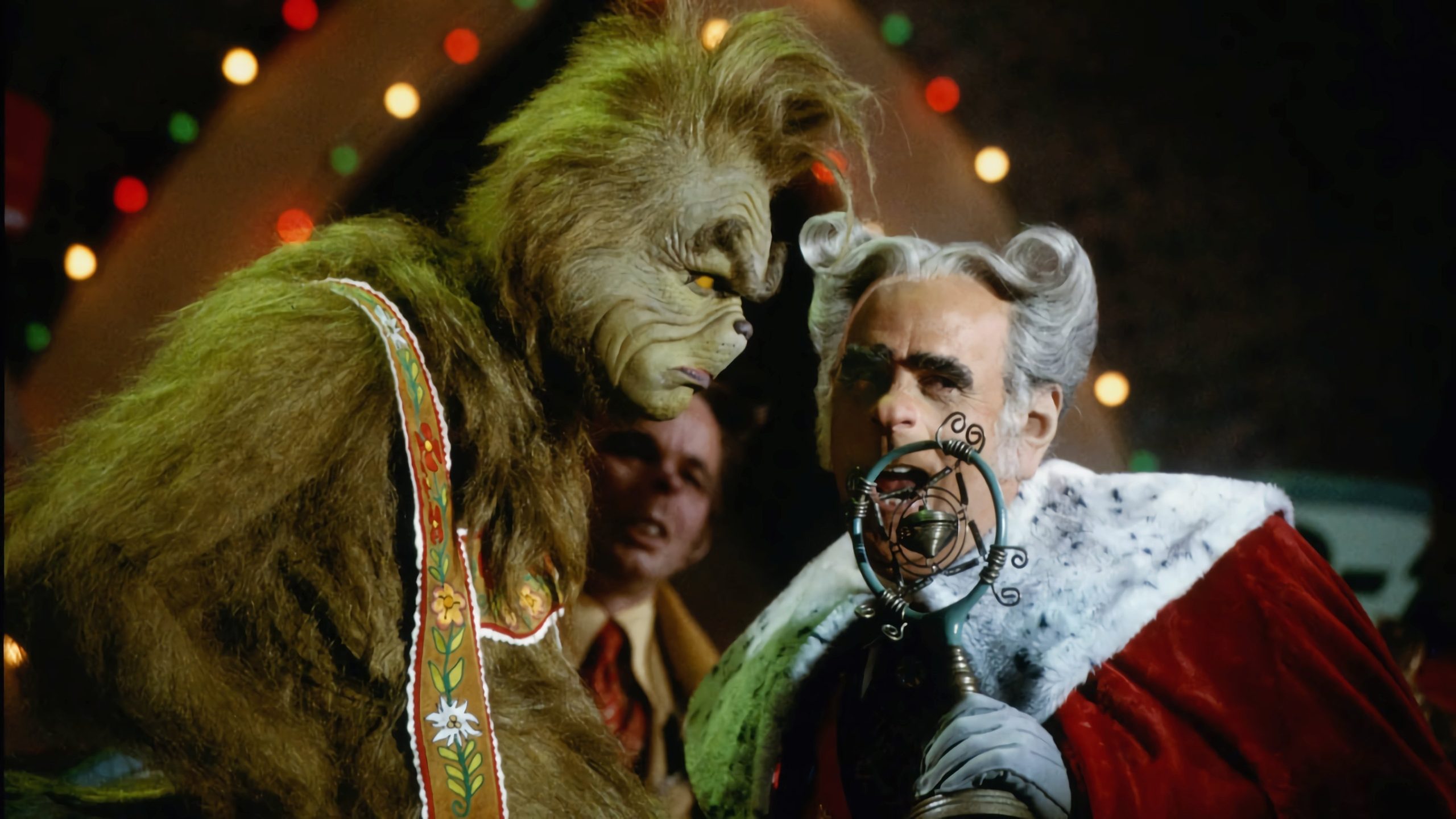
The people around him fare less well. Momsen is quiet and earnest and is asked mainly to look worried and ask questions. Tambor is good, a petty man in a large hat who says the right things about Christmas and means none of them. Baranski enjoys herself with a rifle that fires fairy lights. Bill Irwin, as Cindy Lou’s father Lou Lou Who, gets some decent physical business with a mountain of parcels, and Molly Shannon as her mother Betty Lou Who gets a contest over house lights and not much else. Josh Ryan Evans plays the Grinch at eight in a schoolroom flashback that is the film’s one quiet, sad scene, and it is over in a few minutes.

The trouble is the volume. Mike Hill and Daniel P. Hanley cut the town into short bursts, James Horner lays sleigh bells and a choir over nearly all of it, and every Who is shouting. The script’s idea is that Whoville has forgotten what Christmas is for, and the film makes that point by staging ninety minutes of the excess it is complaining about, lit handsomely and paid for the same way. By the hour mark we were tired of being shouted at, and we noticed we were tired, which a children’s film should never let you do. The final stretch, which we will not describe, gets the book’s moral out in a hurry, as if somebody had checked the time.

Howard’s films are usually tidy, level and patient with their people. This one is none of those, and he seems to have decided that Seuss meant chaos and gone about it methodically. The 1966 cartoon got the story done with a narrator, a song and a dog with one antler; this one has a full town and less feeling in it.

Children of about seven will take the noise and the fur as the point, and the PG holds, though the Grinch’s face in close-up may be a lot for the smallest. Adults get Carrey, who is worth the evening on his own. Expect the children to want the merchandise afterwards, which is not a request the film has earned the right to grumble about.

Critical consensus AI synthesised

46
Positive
5
Mixed
0
Negative
8

The reviews lean negative, and there is no middle ground: every critic either likes the film or dislikes it. Where they meet is on Jim Carrey. Admirers call his Grinch a triumph, the one thing that keeps the film from turning preachy, and most of the detractors concede he works hard even as they judge the effort wasted. The kinder reviews also credit Ron Howard with ingenuity and sardonic wit, and find the Whoville design splendid.

The majority find it shrill, overstuffed and charmless, a loud contraption of effects and merchandise that buries the book’s simple moral, and several think it too sour and frightening for small children. The one dissent among the dissenters is Eye for Film, which faults Carrey’s exaggerated performance alongside everything else. The warmest notices tend to come later, from critics who read the black humour as an indictment of Christmas and count it a virtue.

Empire
1 January 2000 · Adam Smith
80*

The critic finds the film avoids typical Christmas sentimentality thanks to Ron Howard's direction and especially Jim Carrey's masterful performance as the Grinch, which blends pathos and malice effectively. The one standout is Carrey's energetic, witty portrayal that saves the movie from being preachy.

Read the full review →
Radio Times
★★★★ · Sloan Freer
80

Dr Seuss's favourite gets big-budget Hollywood treatment from Ron Howard with an irrepressible Jim Carrey as the Grinch in a magical, visually splendid seasonal spectacular. It is a vivacious delight and heart-warmer that deserves to become a genre classic, though parents should note the dark humour and excesses may be too much for the very young.

Read the full review →
Time Out
19 May 2015 · TCh
80*

The Hollywood version captures the endearing Seussian spirit of imaginative doodling, especially with Carrey's anti-hero on screen. Howard develops the story with ingenuity and sardonic wit, and Carrey's performance is a triumph.

Read the full review →
Los Angeles Times
17 November 2000 · Kenneth Turan
75*

The critic finds it an overstuffed but lively and amiable film whose spirit ultimately converts the inner curmudgeon, crediting Ron Howard's direction, the visual design and especially Jim Carrey's energetic performance as the Grinch.

Read the full review →
RogerEbert.com
17 November 2000 · Roger Ebert
35*

The critic finds the film a dank, eerie and weird movie about a sour creature, with too much focus on meanness, unattractive production design and not enough sympathy or fun. Jim Carrey works hard but the effort is to small avail and the balance is off.

Read the full review →
The Guardian
1 December 2000
30*

The critic finds Ron Howard’s adaptation sentimental and unimpressive, turning Dr Seuss’s absurdist tale into Hollywood slush with formulaic additions, though Jim Carrey’s performance in the title role provides some compensation.

Read the full review →

Cast

Awards

Academy Awards, 2001

Nominated
Best Costume Design
Nominated
Best Production Design
Won
Best Makeup and Hairstyling

BAFTA Film Awards, 2001

Nominated
BAFTA's Children & Young People Award - Feature Film

Kids' Choice Award for Favorite Movie, 2001

Won
Kids' Choice Award for Favorite Movie

MTV Movie Award for Best Villain, 2001

Won
MTV Movie Award for Best Villain

Broadcast Film Critics Association Award for Best Family Film, 2000

Nominated
Broadcast Film Critics Association Award for Best Family Film

If you liked this, try…

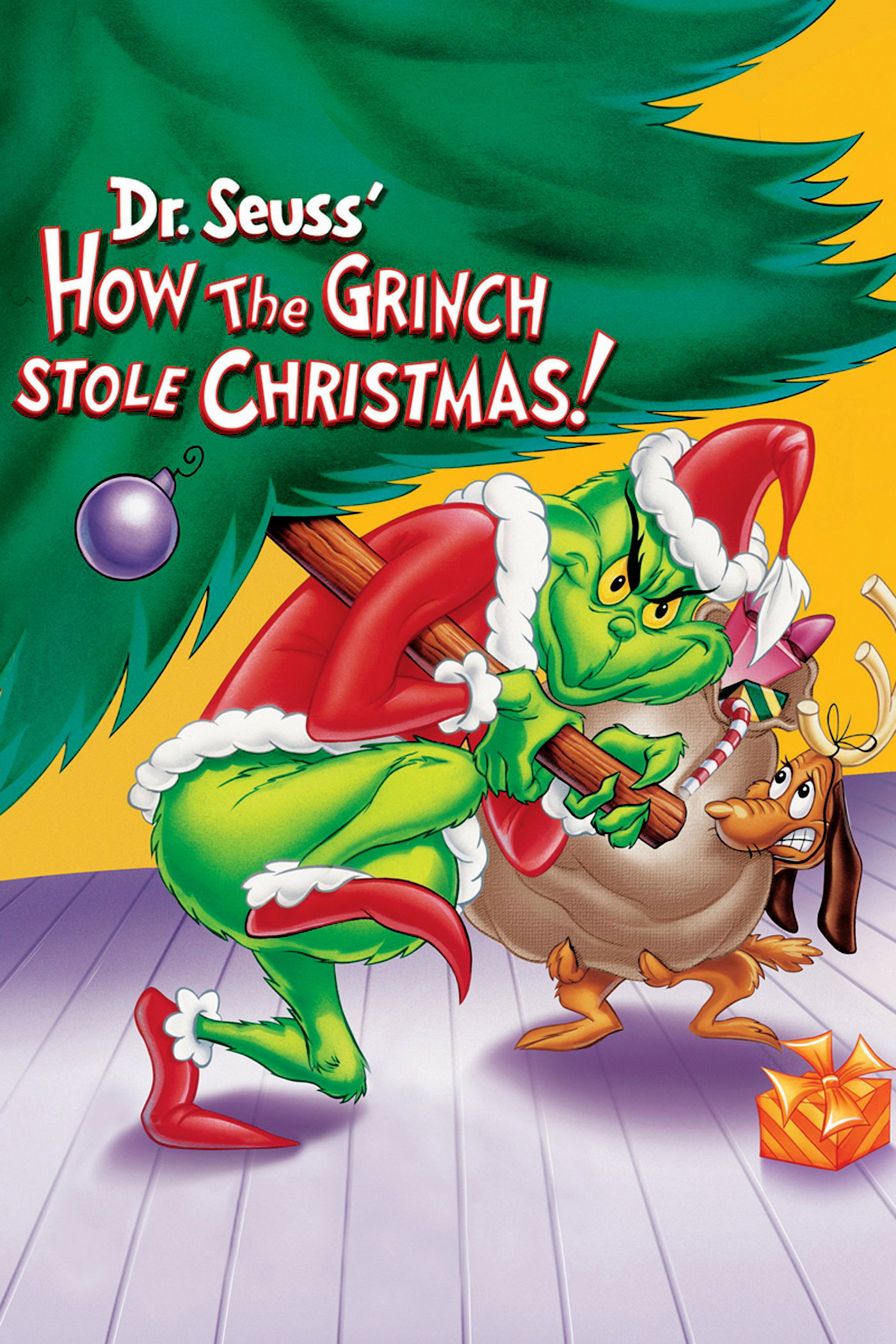
How the Grinch Stole Christmas! poster

How the Grinch Stole Christmas!

1966 · The half-hour cartoon: the same story, a narrator, one song and no shouting

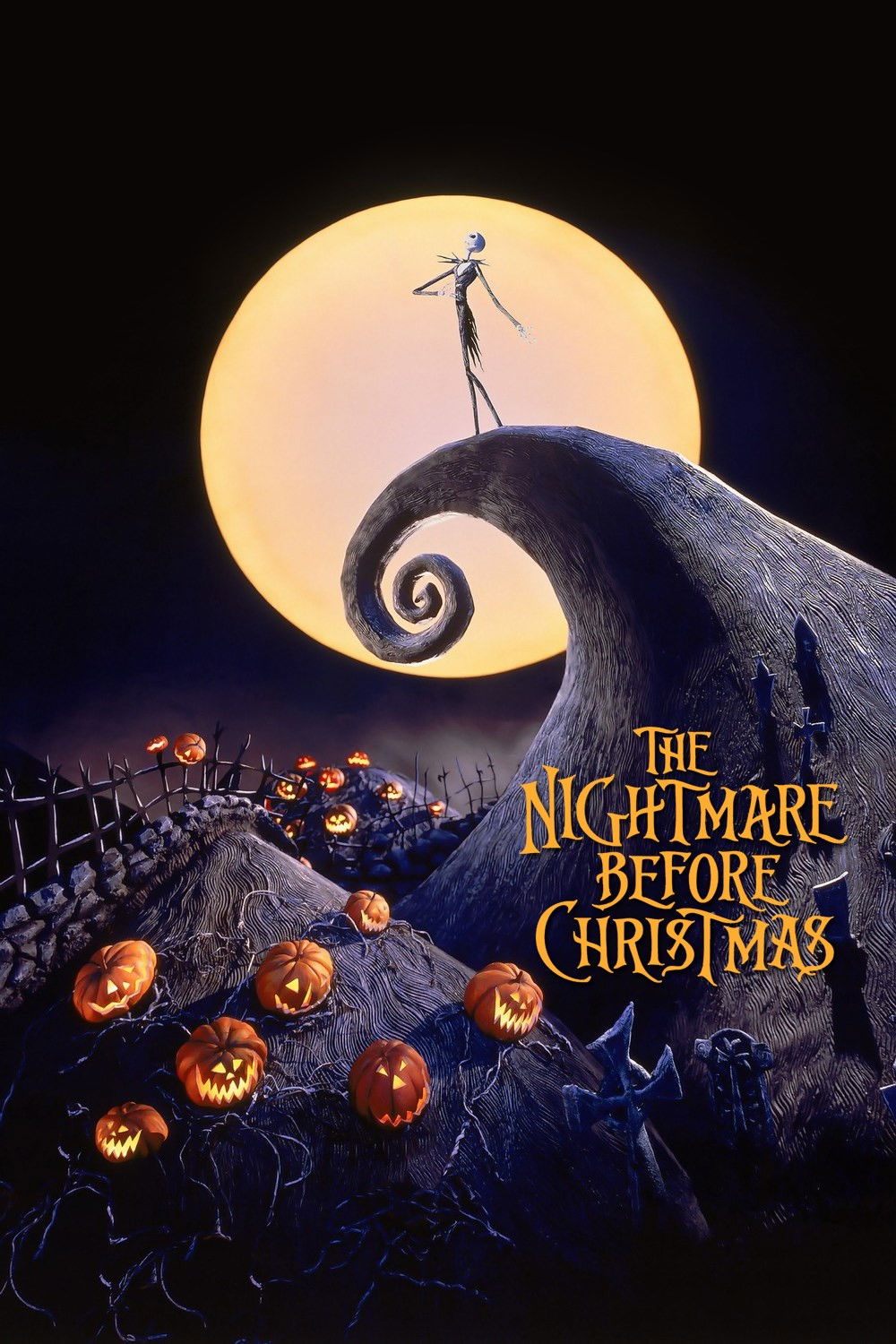
The Nightmare Before Christmas poster82

The Nightmare Before Christmas

1993 · A crooked town and a misfit who steals the holiday, done with far more grace

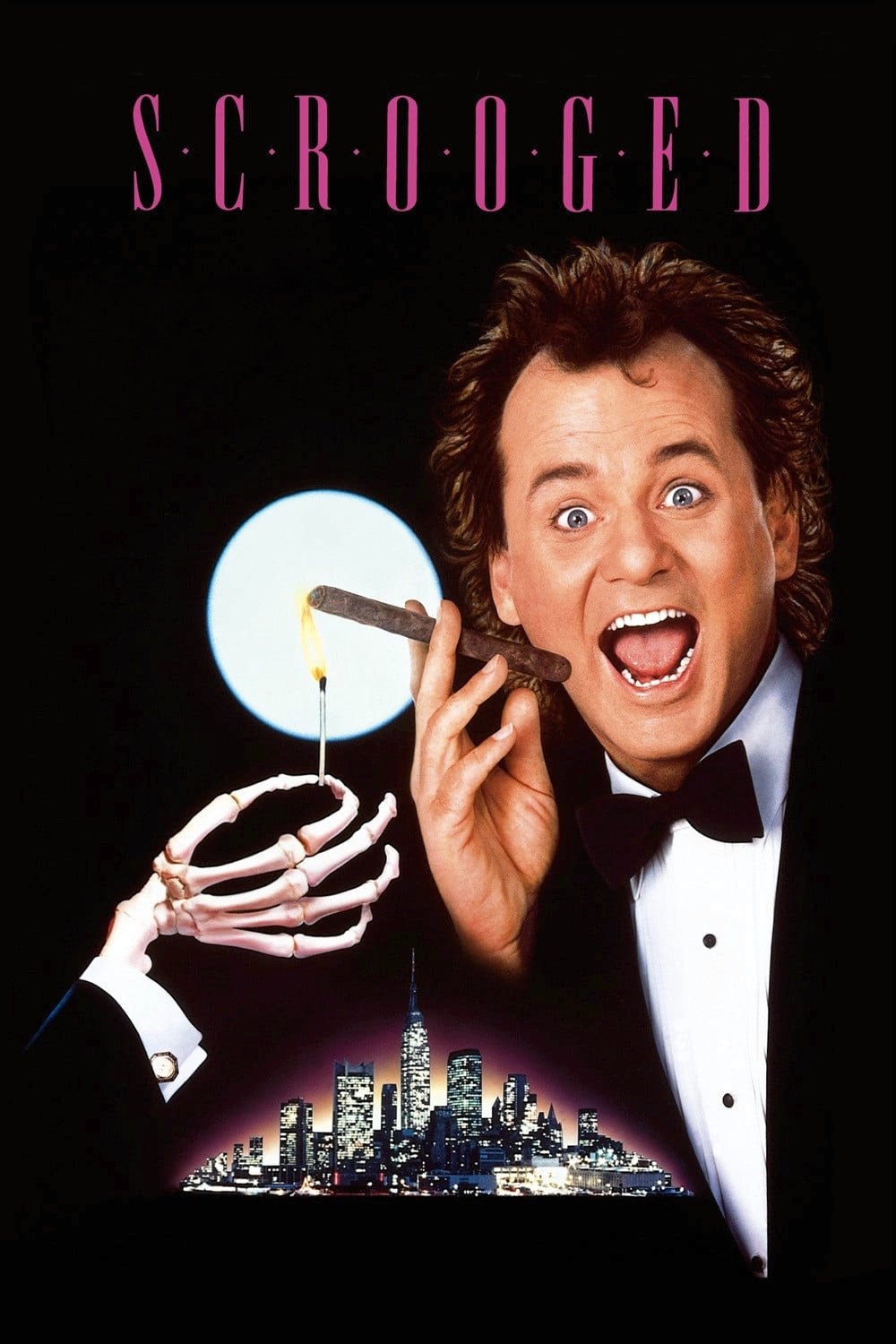
Scrooged poster

Scrooged

1988 · Bill Murray’s bitter man converted at speed; the comedy is meaner and lands harder

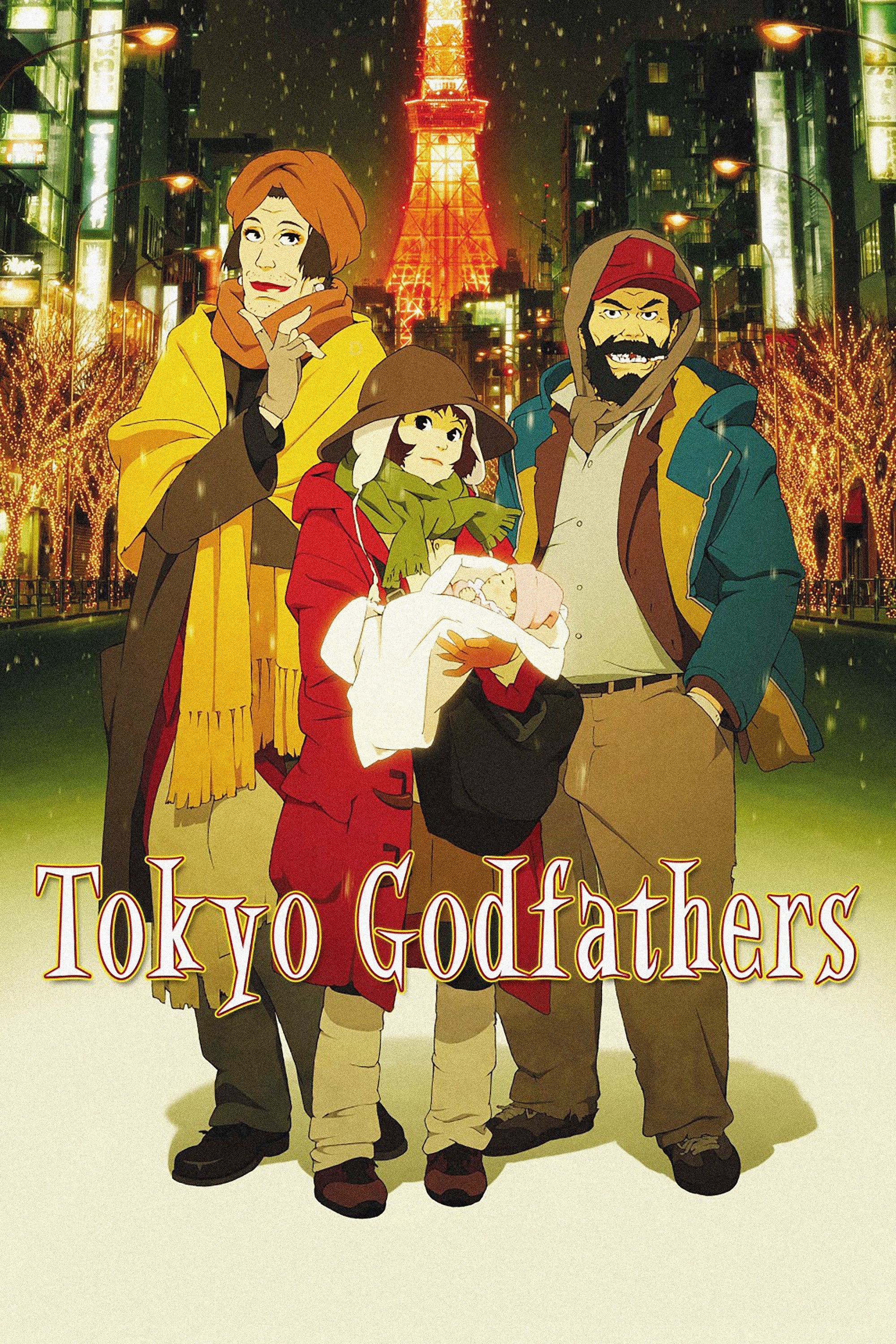
Tokyo Godfathers poster

Tokyo Godfathers

2003 · Three homeless people, a found baby and a Christmas Eve in Tokyo; real feeling

Arthur Christmas poster

Arthur Christmas

2011 · Christmas as an industrial operation, played for jokes that actually connect