Henry Selick’s stop-motion musical is funny, macabre and unexpectedly tender, with Danny Elfman’s songs giving its restless hero a persuasive voice. The story is thin, but the creatures are worth spending an evening with.
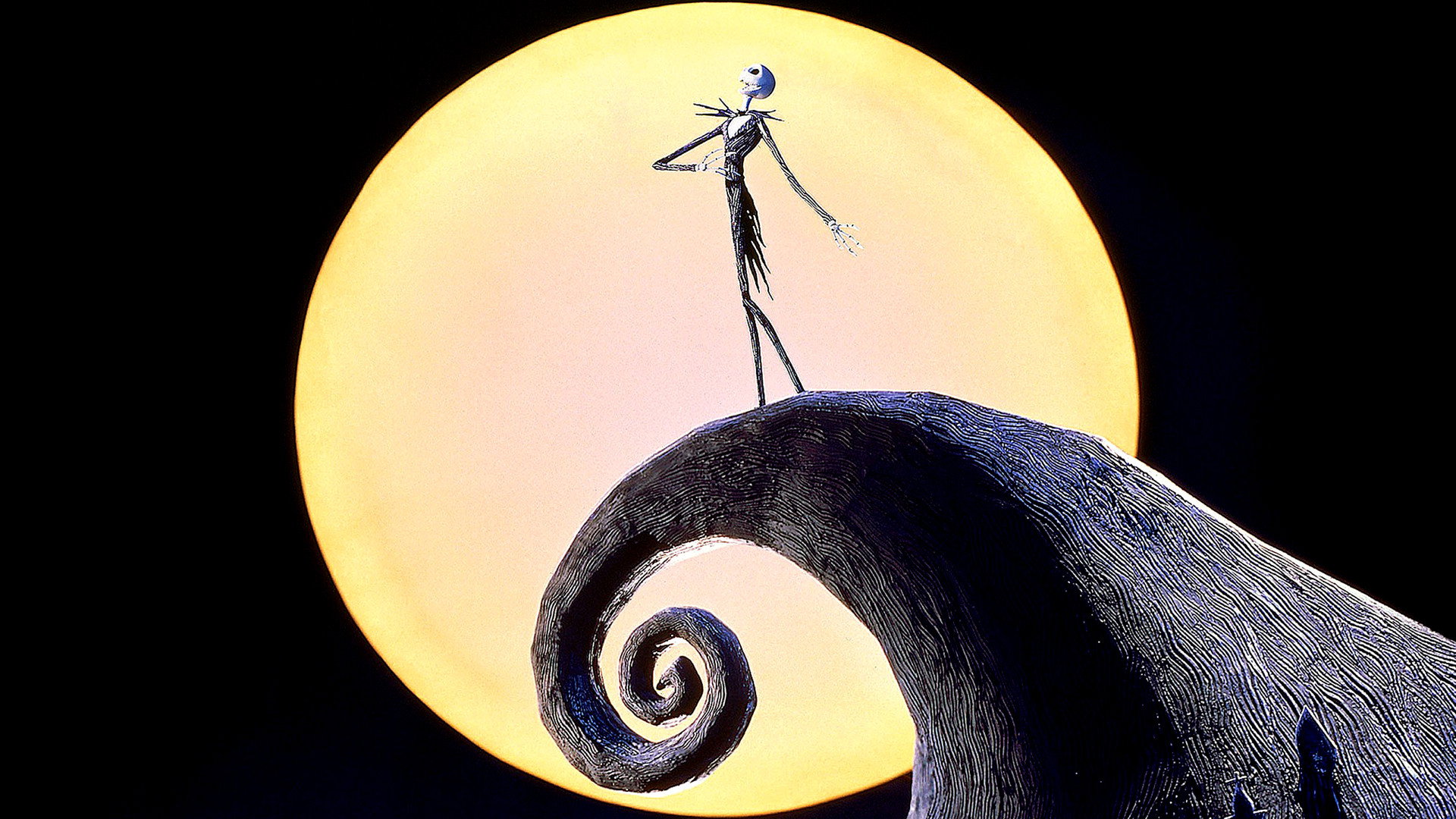
Henry Selick’s The Nightmare Before Christmas is a good deal more enjoyable than its slender story ought to allow. It is a macabre musical that takes Jack Skellington’s boredom seriously, then builds an entire holiday takeover out of his need for a change. Working from Tim Burton’s story, Selick gives the creatures enough personality that we want to spend time with them before we need to know what happens next. We recommend it warmly, with a reservation about how little the plot develops its opening idea.
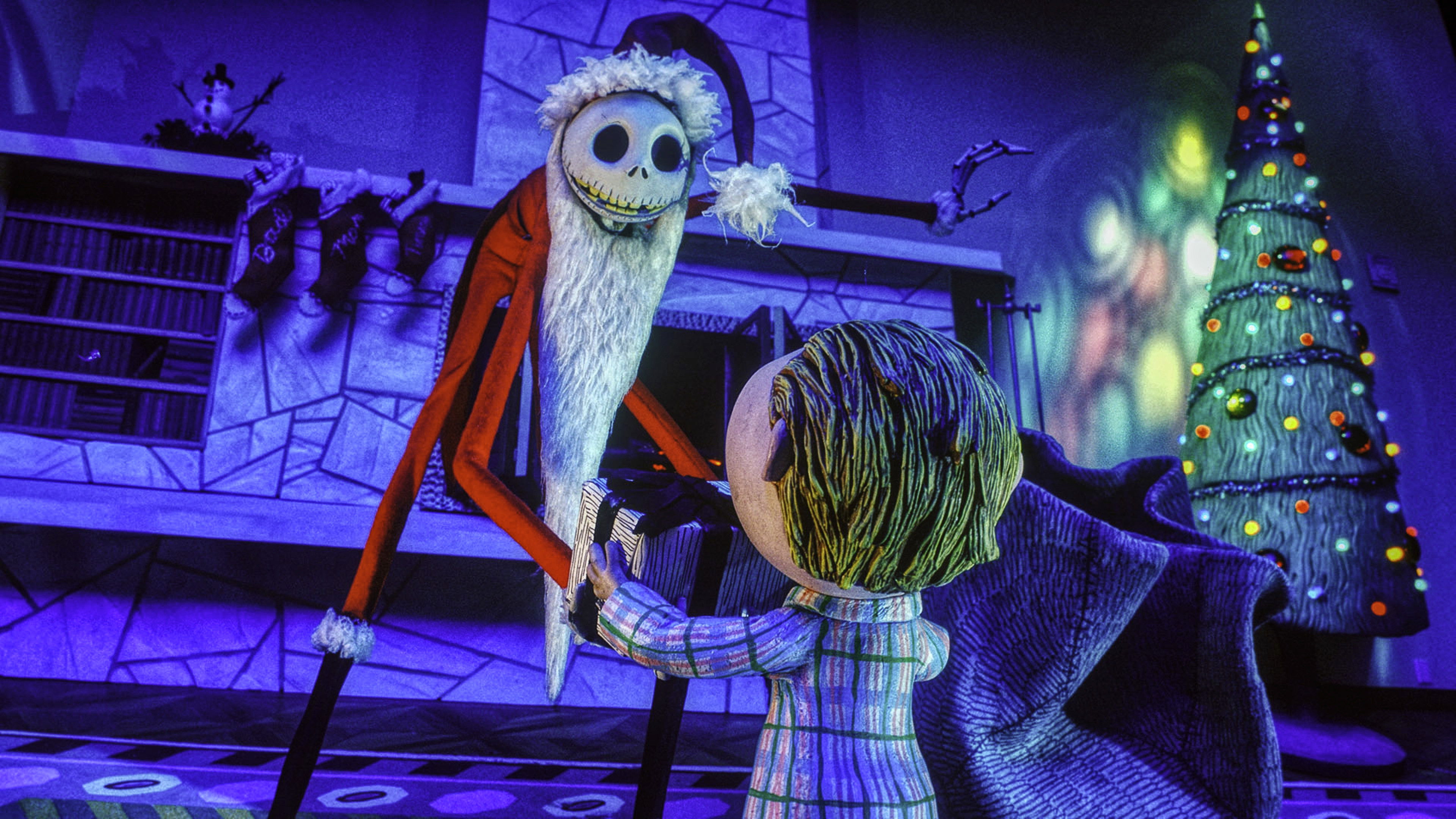
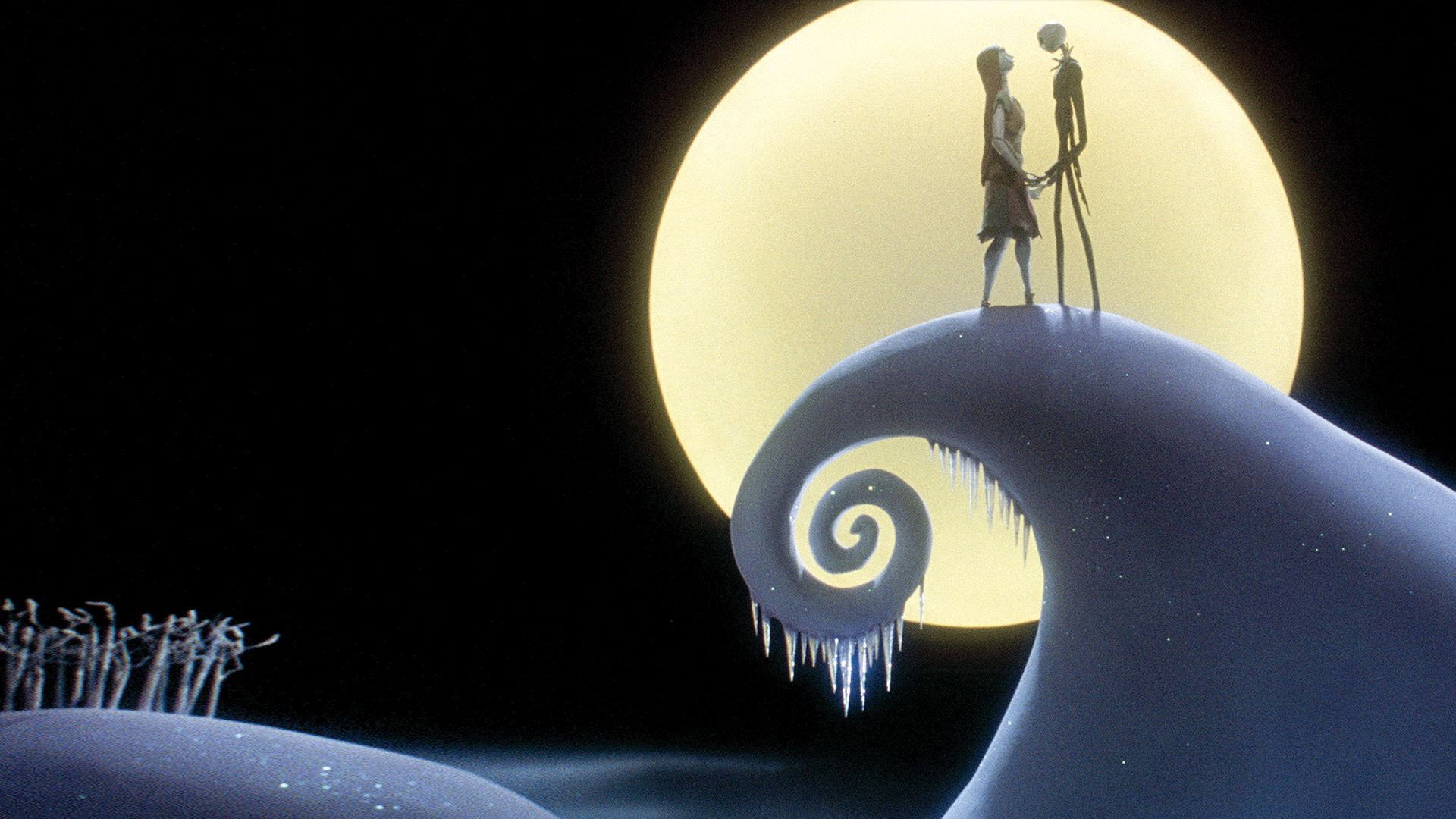
The stop-motion animation makes a difference that goes beyond the pleasure of knowing somebody made all this. Pete Kozachik’s cinematography gives the sets depth and the creatures a convincing place within them; even the most peculiar shapes seem to occupy the same physical space. The production design is crowded with morbid inventions, but the images remain readable rather than becoming a competition for our attention. We enjoyed looking round this world as much as following anyone through it.
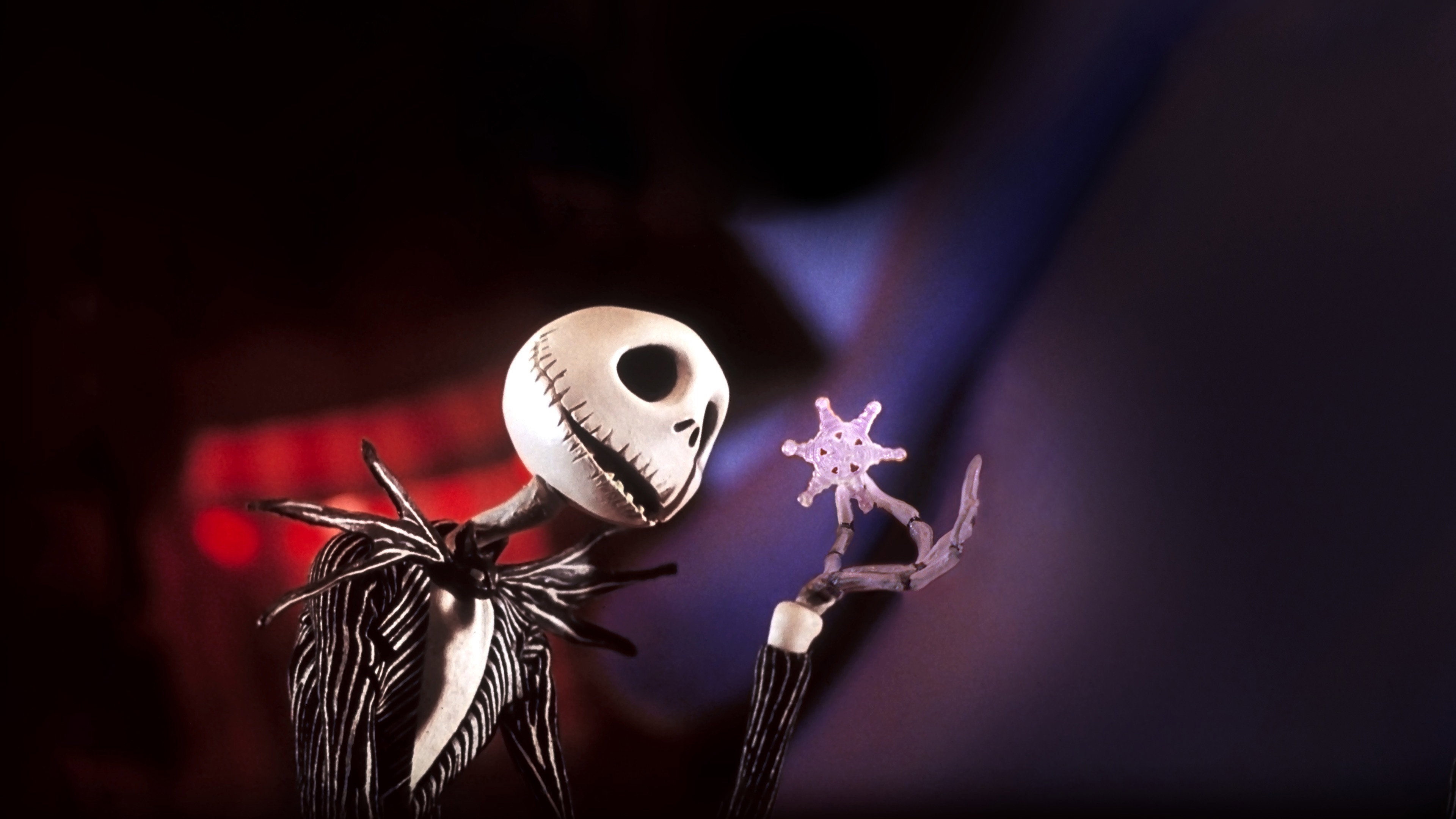
We felt a pang of recognition at Jack’s boredom. His desire to do something different, however ill-advised, gives the fantasy an ordinary frustration that adults will recognise without needing a separate set of jokes. Chris Sarandon provides Jack’s speaking voice and Danny Elfman his singing voice, and the change never makes the character seem divided between performers. Elfman sings with sufficient conviction to make Jack’s dissatisfaction matter, even when we can see how much trouble a new enthusiasm might cause.
As composer, Elfman also understands that the music needs to suit these creatures without making fun of them. The songs allow for extravagance, but there is enough tenderness in the singing to keep the film from becoming an extended parade of amusing monsters. Not every tune is equally persuasive, and some numbers contribute more to the atmosphere than to our understanding of the characters. Stan Webb’s editing helps by keeping the musical passages brisk without making the animation feel hurried.
The reservation is with Caroline Thompson’s screenplay, which cannot always find enough for these characters to do once the Christmas takeover has supplied the central joke. Jack’s initial dissatisfaction is more interesting than some of the business it sets in motion, and the story occasionally seems content to let another odd creation carry a scene. Catherine O’Hara’s Sally is welcome partly because her voice brings a quieter warmth to all this activity. We wanted more room for that, even in a film running only 76 minutes.
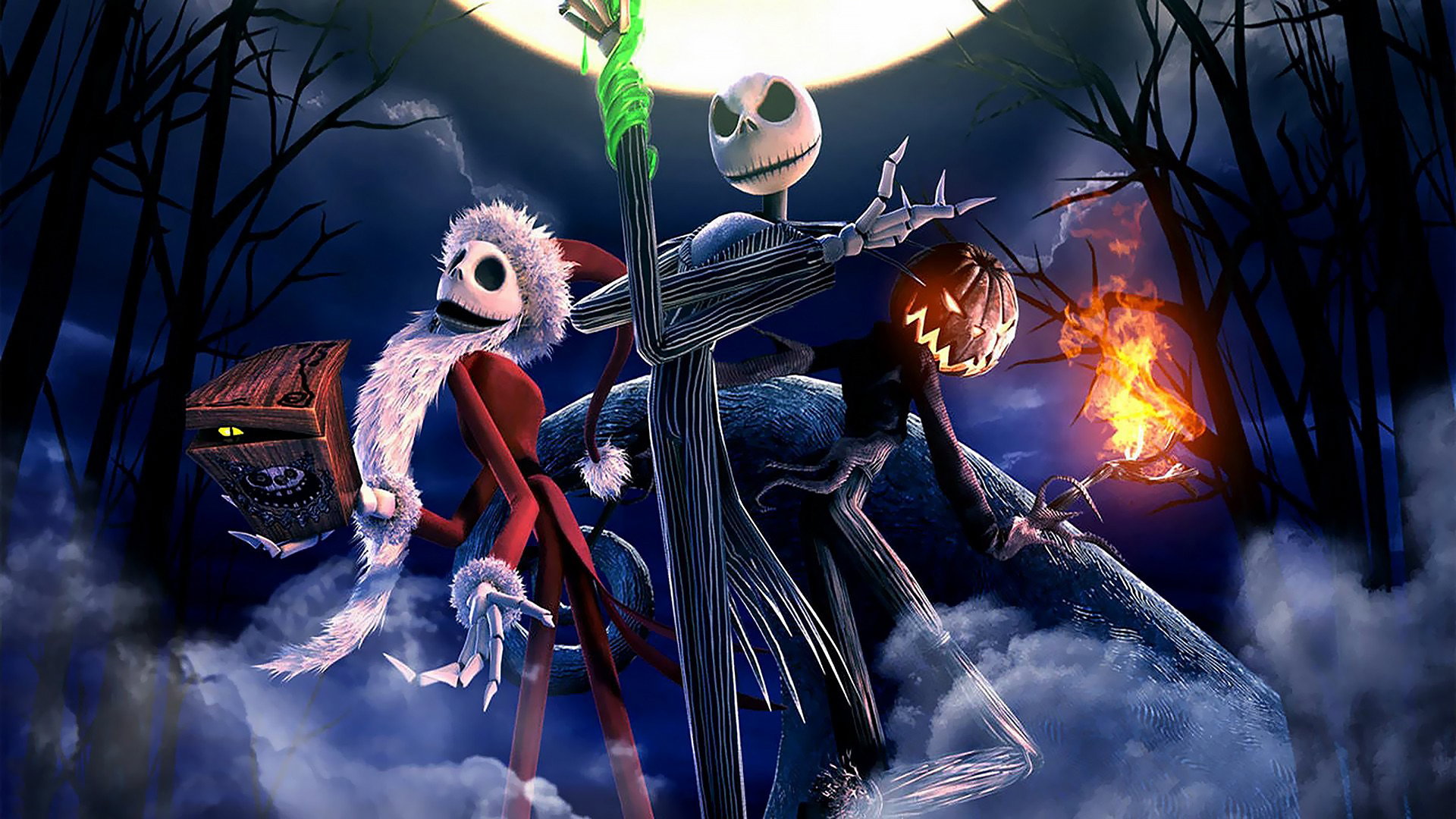
As a family fantasy, the film is refreshingly willing to let its characters look peculiar without repeatedly assuring us that they are harmless. The scares and the gags belong together, and Selick does not pause to apologise for either. Even when a joke seems calculated, the animation supplies enough individual detail to reward a closer look. The pleasure comes from watching a musical give such enthusiastic attention to creatures that another film might keep at the edge of the frame.
The PG certificate is sensible, though children’s tolerance for these creatures will vary. For a family that enjoys a fright, the warmth is there in the voices and the absurd enthusiasm of Jack’s plan, rather than in a promise that everything will look cuddly. Choose it when a conventional festive musical sounds a little too well behaved.