The boy and his dragon make the familiar lessons worth hearing again. Dean DeBlois and Chris Sanders deliver a warm, exciting adventure, though the human supporting characters are less carefully drawn than the central friendship.
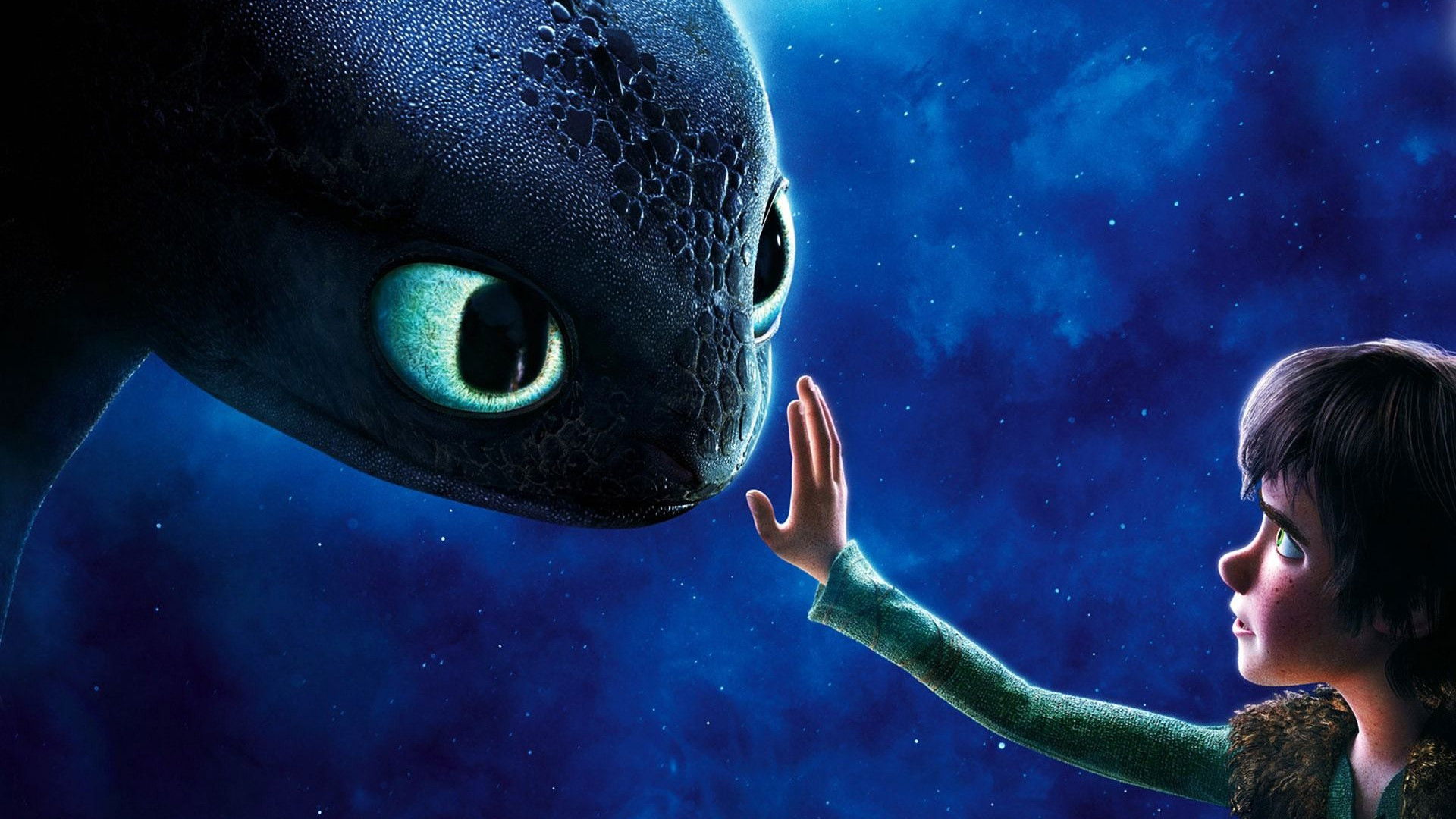
How to Train Your Dragon asks a straightforward question: what if the creature everyone fears deserves a closer look? Directors Dean DeBlois and Chris Sanders make a warmly persuasive family adventure from it, even when the plot follows a route we can see coming. Hiccup, the Viking boy voiced by Jay Baruchel, encounters the wounded dragon Toothless and starts questioning the accepted business of fighting dragons. The film gives that change of mind enough attention for its lesson about tolerance to feel earned.
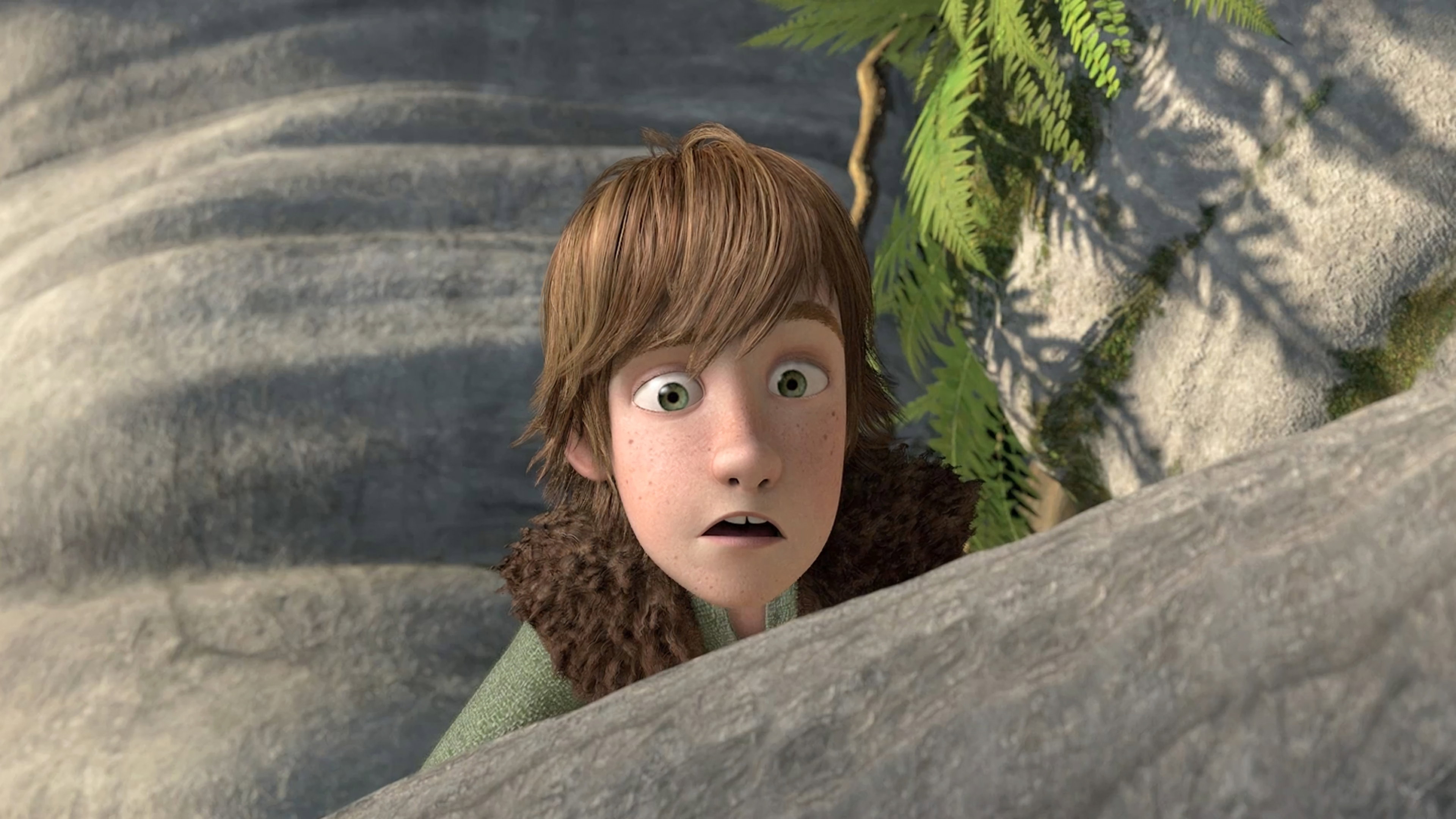
The friendship is the reason to watch, and Baruchel is important to its success. His voice has a hesitant, slightly awkward quality that suits a boy beginning to doubt the people around him; there is no need to make Hiccup sound heroic before we care about him. We were moved by his growing tenderness towards the wounded Toothless. Their trust takes time to develop, and the film gives it that time.
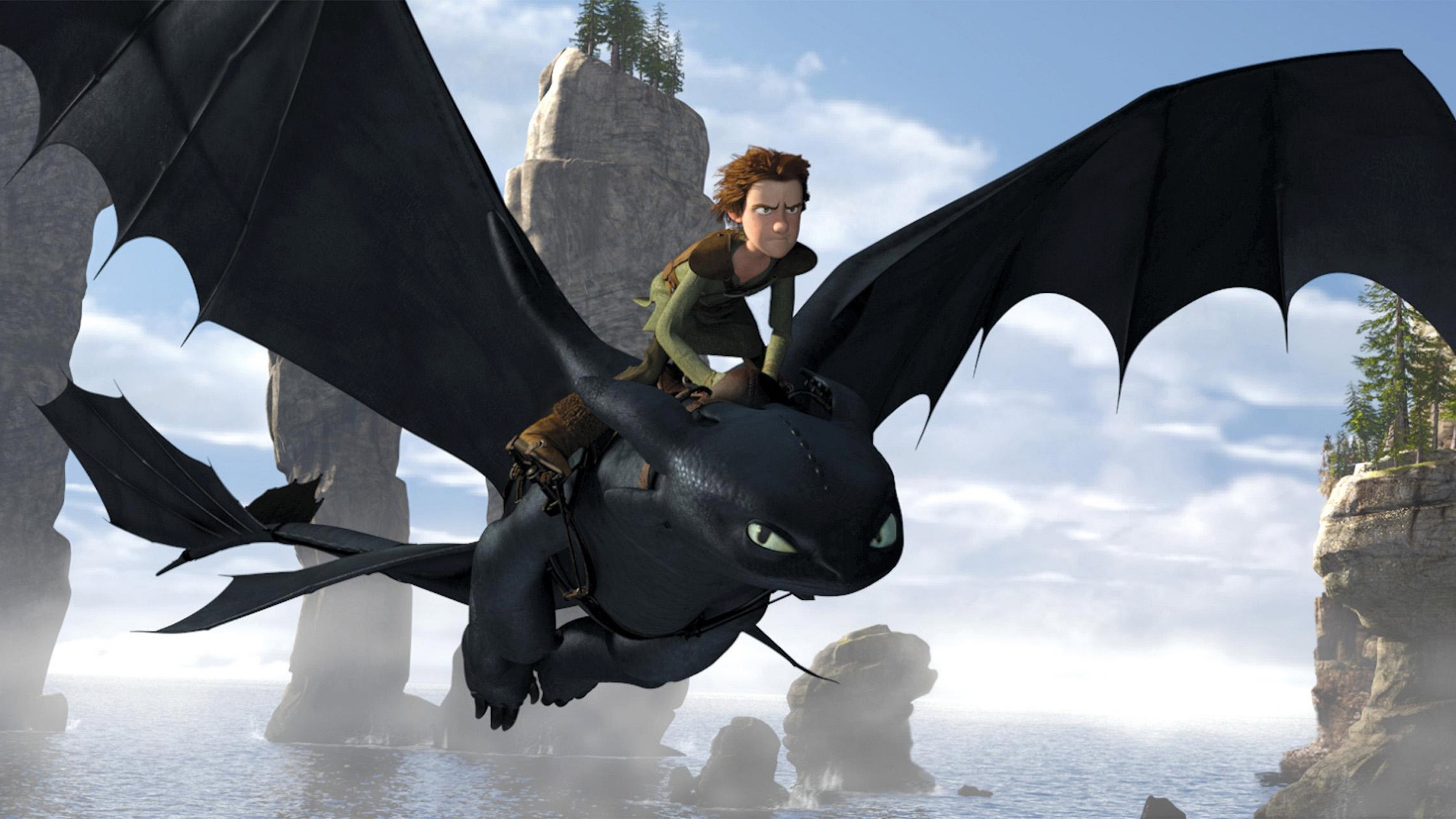
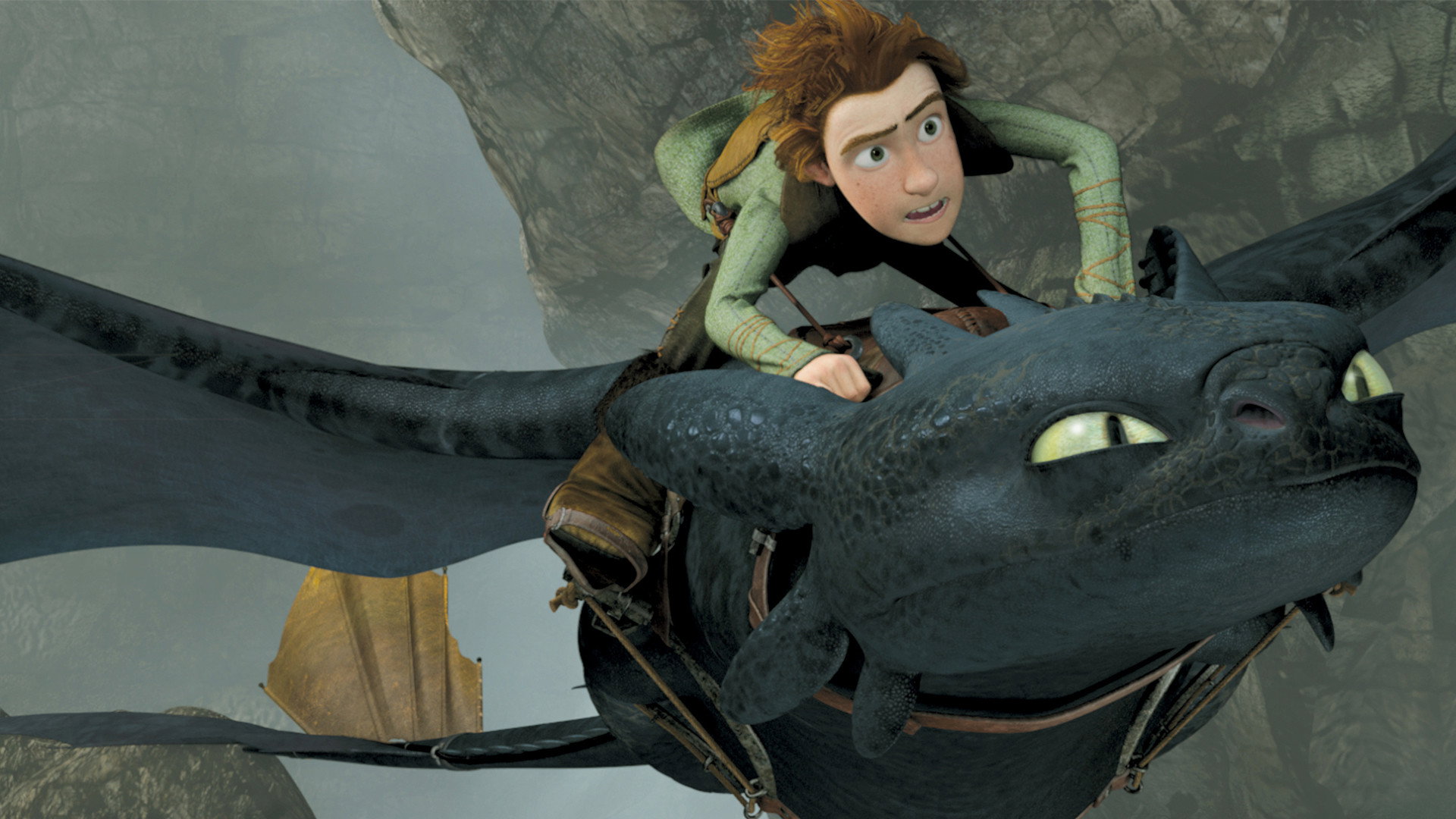
Gil Zimmerman’s cinematography makes the flying sequences exciting because height and speed remain things to be reckoned with. There is pleasure in the movement, but also a sense that these bodies could be hurt, which matters in an animated adventure. Editors Maryann Brandon and Darren T. Holmes keep that movement readable without making it feel sedate. The action works because we can follow it and because the friendship has given us something to worry about.
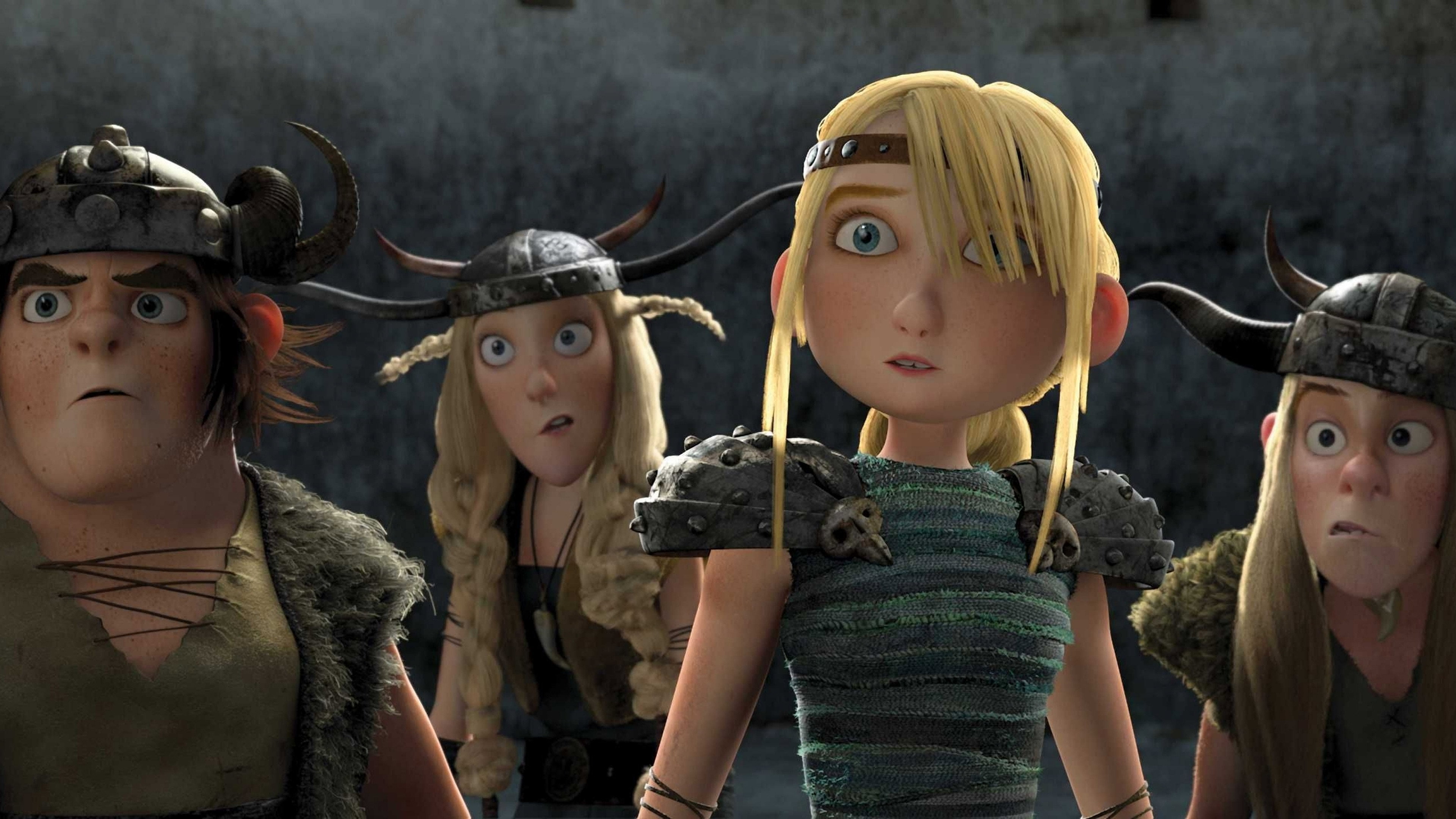
John Powell’s score gives those flights an expansiveness that the more earthbound comedy does not always manage. The music is emphatic, yet the excitement on screen can support it. Kathy Altieri’s production design helps make the fantasy setting convincing enough for the danger to register. We are less persuaded by the human character animation: the smooth, manufactured look of some faces limits what the voice performances can achieve.
The writing is less consistent. Sanders, DeBlois and William Davies have found a good centre in Hiccup’s changing attitude, but the surrounding family-adventure conventions remain easy to recognise. The opening is unsettled, and the humour sometimes interrupts when it ought to help; the film needs time to establish which part of its story deserves our attention. Once it concentrates on boy and dragon, the jokes no longer have to do quite so much work.
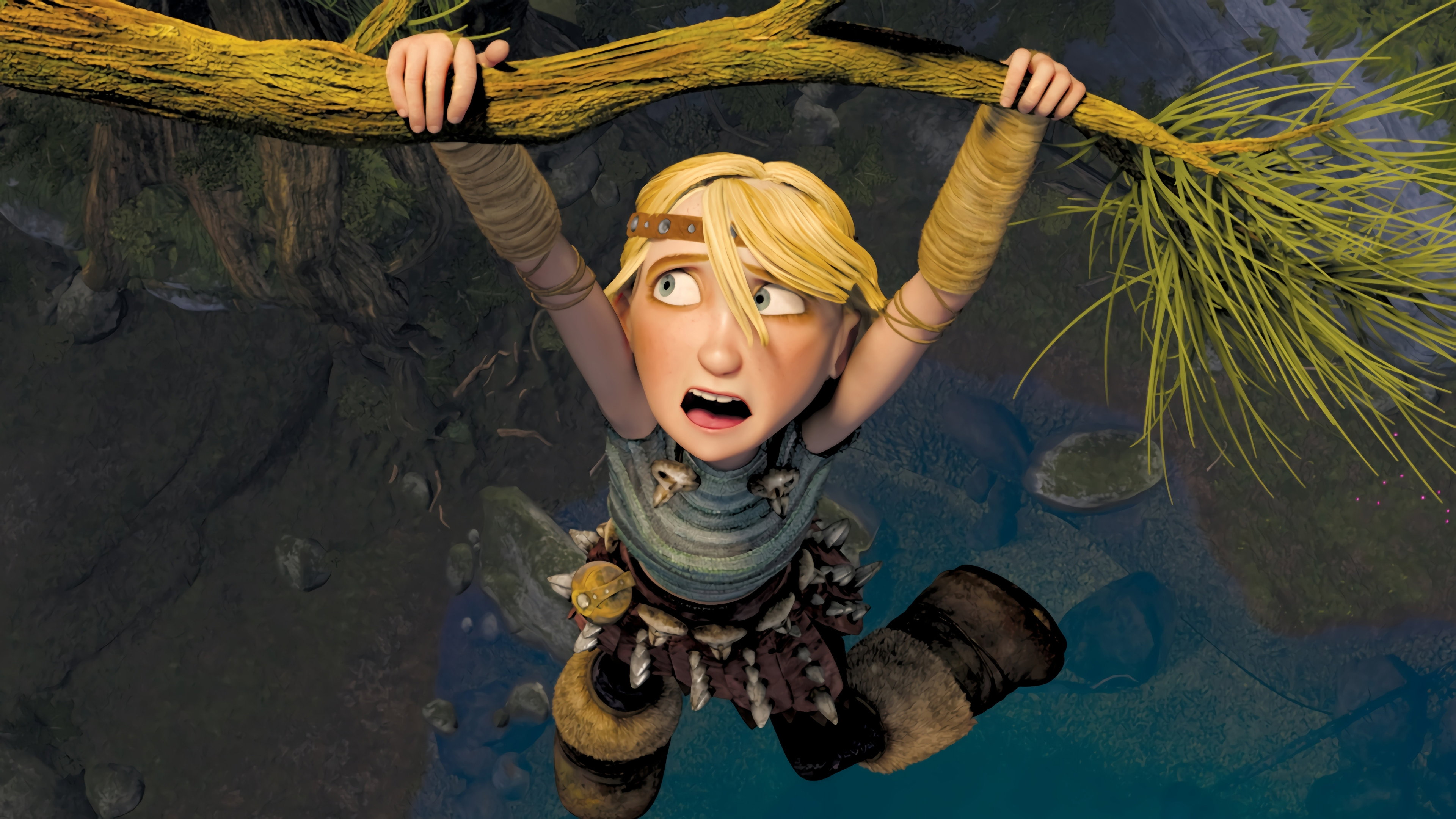
The supporting humans also feel less individual than they should, despite a voice cast that includes Gerard Butler as Stoick and America Ferrera as Astrid. They are functional company, and the film does not give them the same patient attention it gives the central pair. This is where the familiar plotting costs it most: we recognise the sort of character before we become interested in the person. The occasional stiffness of the animation does not help them.
Family animation often asks for applause simply because it has told children to be kind or believe in themselves. Here, questioning received wisdom is made part of an absorbing relationship, and the adventure is better for taking that relationship seriously. At 98 minutes, there is room for tenderness without losing the pleasure of dragons in flight. Watch it for Hiccup and Toothless, and forgive the more ordinary people waiting on the ground.